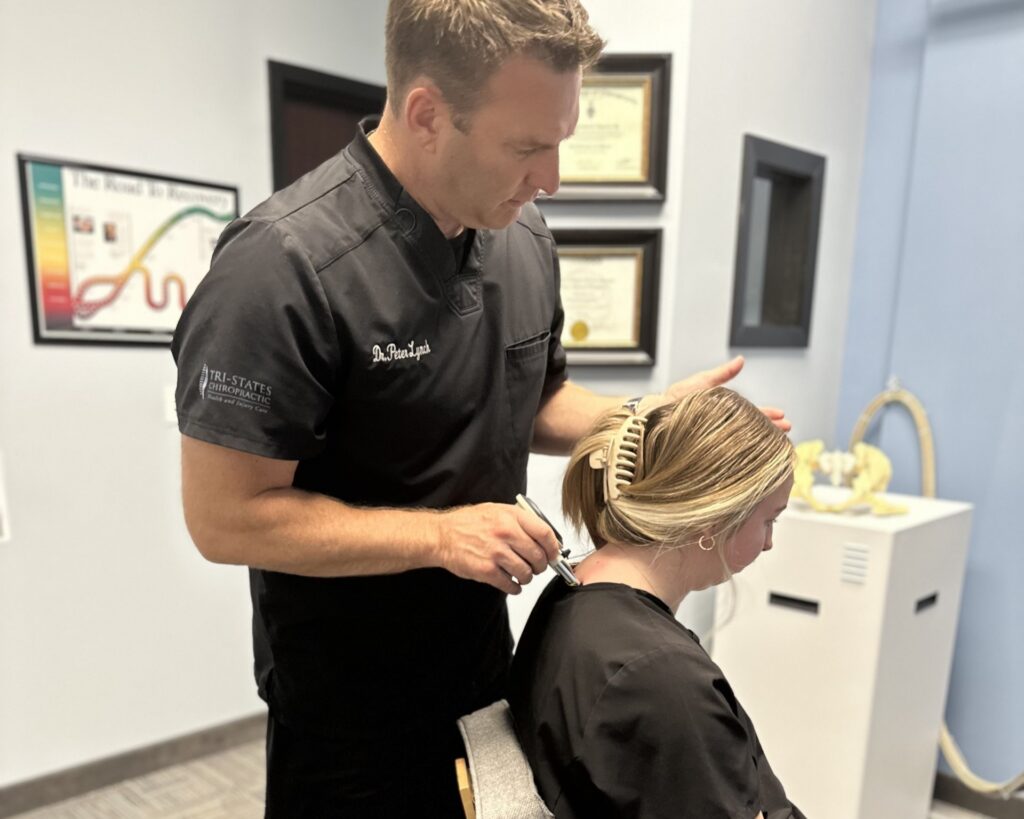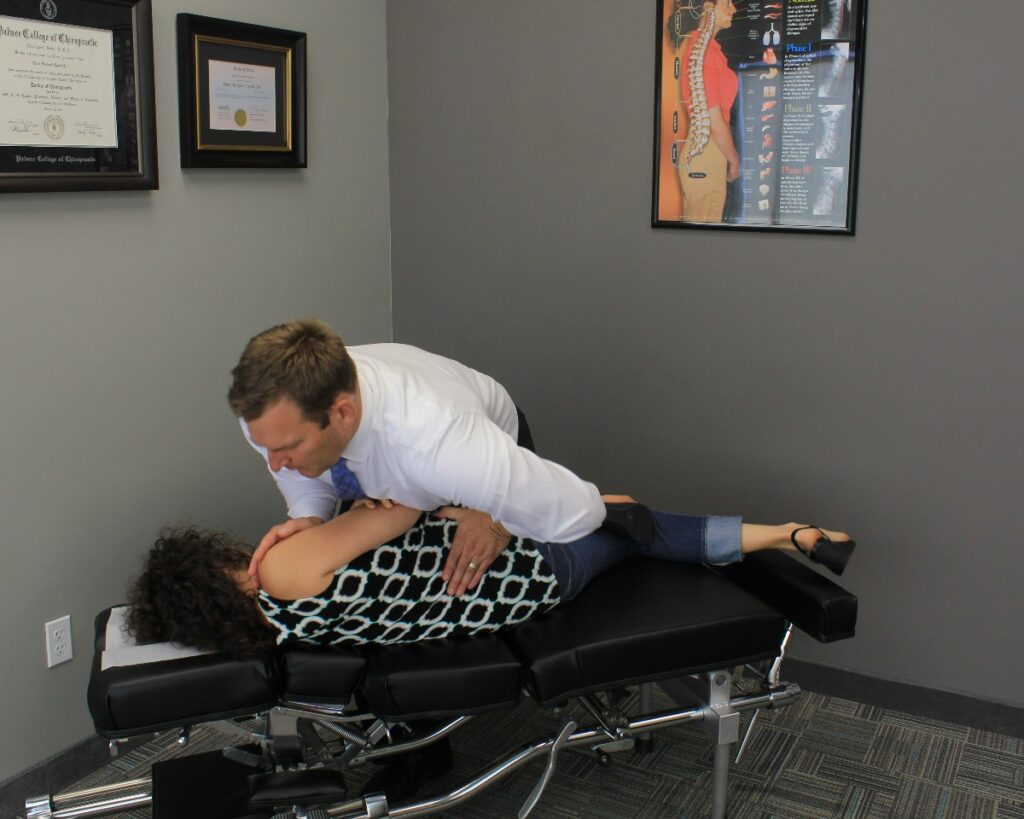
As a local chiropractor, I want to reassure you that if you're dealing with lower back pain, you're not alone. Many people experience this discomfort, and the good news is that there are effective relief techniques that can significantly improve your situation. In my practice, I often see that a combination of stretching, core strengthening, and mindful practices can help alleviate pain and enhance mobility.
One of the first things I recommend is to pay attention to your posture. Simple adjustments can make a world of difference in how you feel. Additionally, incorporating heat and cold therapy can provide immediate relief and promote healing.
However, if you've already tried these methods and are still struggling, I encourage you to explore some natural healing options we offer in chiropractic care. Techniques such as spinal adjustments, massage therapy, and personalized exercise regimens can target the root cause of your pain. My goal is to help you find a comfortable, pain-free life by addressing not just the symptoms, but the underlying issues contributing to your lower back pain. Let's work together to discover the best approach for your unique needs.
Understanding Lower Back Pain
As a local chiropractor, I want to help you understand the various factors that can contribute to lower back pain and how chiropractic care can play a vital role in your healing journey.
Lower back pain can arise from several causes, including muscle strain, poor posture, and underlying medical conditions.
Muscle strain is a common issue that often occurs when lifting heavy objects, making sudden movements, or overexerting yourself during physical activity. When we push our bodies too hard, the muscles and ligaments in the lower back can become overstretched or even torn, resulting in discomfort and pain.
Another significant factor is poor posture. When you slouch while sitting or stand with a misaligned back, it can place unnecessary stress on your spine. Over time, this misalignment can lead to chronic discomfort that impacts your daily life. As a chiropractor, I focus on correcting these postural issues to help alleviate pain and improve your overall spinal health.
In some cases, lower back pain may be linked to underlying medical conditions such as herniated discs, spinal stenosis, or arthritis. These conditions can lead to significant discomfort and may require professional intervention. If you experience persistent or severe symptoms, it's essential to consult with a healthcare professional to identify the root cause of your pain and to explore effective treatment options.
Additionally, factors like age, lifestyle, and overall health can influence your risk of developing lower back pain. By recognizing these factors, you can take proactive steps to prevent pain from arising or worsening. Chiropractic care emphasizes the importance of a healthy lifestyle, including regular exercise and maintaining good posture, to support spinal health.
Understanding the various causes of lower back pain empowers you with the knowledge to address it effectively. As your chiropractor, I'm here to guide you in finding natural healing solutions and appropriate treatment options tailored to your needs.
Together, we can work towards alleviating your pain and improving your quality of life.
Importance of Proper Posture
As a local chiropractor, I want to emphasize the critical role that proper posture plays in maintaining your spinal health. It's not just about looking good; having good posture significantly reduces your risk of experiencing lower back pain. When you adopt correct posture while sitting, standing, or moving, you help distribute your body's weight evenly. This lessens the strain on your spine and the muscles surrounding it, which is vital for maintaining alignment and supporting your overall body mechanics. This alignment enables you to perform daily activities more efficiently and comfortably.
Many people are unaware that poor posture can trigger a series of health issues. Slouching or leaning forward can compress your spinal discs and put undue stress on your ligaments, potentially leading to discomfort or injury over time. By being mindful of your posture, you're taking an important step towards preventing these complications and fostering long-term health.
When you're seated, ensure that your feet are flat on the floor, your knees are bent at a 90-degree angle, and your back is adequately supported by your chair. If you're standing, try to distribute your weight evenly between both feet and avoid locking your knees. Additionally, keeping your shoulders back and your head aligned over your spine can significantly reduce unnecessary tension in your neck and back.
Integrating good posture into your daily routine can profoundly impact how you feel. Whether you're working at a desk, driving, or simply walking, being aware of your body's alignment can reduce your risk of developing lower back pain and enhance your overall well-being. As your chiropractor, I'm here to help guide you in adopting these practices for a healthier, pain-free life.
Stretching and Strengthening Exercises
As a local chiropractor dedicated to helping you understand natural healing, I want to emphasize the importance of incorporating stretching and strengthening exercises into your daily routine to effectively manage lower back pain.
Many individuals may not realize how beneficial these exercises can be. Simple stretches can offer immediate relief from discomfort, while strengthening your core muscles plays a crucial role in preventing future issues.
By focusing on both stretching and strengthening, you can establish a solid foundation for a healthier back. This holistic approach not only helps alleviate pain but also supports overall spine health.
I encourage you to consider these exercises as essential components of your wellness journey, and I'm here to guide you through them as part of your chiropractic care.
Let's work together towards a pain-free lifestyle!
Essential Stretches for Relief
As a local chiropractor, I often see patients struggling with lower back pain. One of the fundamental approaches to finding relief is through essential stretches that target tight muscles and enhance flexibility. By incorporating these stretches into your daily routine, you can alleviate discomfort and improve your mobility naturally.
Let's start with the Cat-Cow stretch. Begin by getting on all fours, arching your back upward like a cat, and then dipping it down while lifting your head and tailbone. This simple yet effective motion warms up your spine and prepares it for further movement.
Next, I recommend the Child's Pose. Kneel down, sit back on your heels, and extend your arms forward on the floor. This position allows your back to gently stretch and relax, providing a soothing relief that many of my patients find beneficial.
Another stretch to consider is the Seated Forward Bend. Sit with your legs extended in front of you and reach toward your toes while keeping your back straight. This stretch is excellent for feeling a gentle release in your lower back and hamstrings, which can significantly reduce tension.
Lastly, the Knee-to-Chest stretch is highly effective. Lie on your back and gently pull one knee to your chest, holding it for 20-30 seconds before switching legs. This stretch helps to release accumulated tension in your lower back, offering a sense of relief.
By integrating these essential stretches into your routine, you may notice a gradual improvement in your lower back discomfort.
Strengthening Core Muscles
As a local chiropractor, I want to emphasize the importance of strengthening your core muscles for overall spine health and pain prevention. A strong core not only supports your lower back but also enhances your stability during daily activities, ultimately reducing your risk of injury. By incorporating specific exercises into your routine, you can build a solid foundation for your health.
Let's start with an excellent exercise known as the plank. This exercise engages your entire core, including your abdominals and lower back. Begin by holding a plank position for 20 to 30 seconds. As you become stronger, gradually increase the duration. This simple yet effective movement can greatly enhance your core stability.
Next, I recommend trying bridges. To perform this exercise, lie on your back with your knees bent and feet flat on the floor. Lift your hips toward the ceiling while squeezing your glutes and engaging your core, then lower back down. Aim for 10 to 15 repetitions. This not only strengthens your core but also supports the muscles around your lower back.
Another beneficial exercise is the dead bug. Lie on your back with your arms extended toward the ceiling and knees bent at 90 degrees. Slowly lower one arm and the opposite leg toward the floor, then return to the starting position. Make sure to repeat this on the other side. This exercise promotes coordination and stability within your core.
Incorporate these exercises into your routine three times a week, and you'll likely notice improvements in your core strength as well as a reduction in lower back pain.
Heat and Cold Therapy
As a local chiropractor, I want to share some valuable insights about managing lower back pain through heat and cold therapy. Many of my patients find these techniques to be incredibly effective.
Heat therapy is wonderful for relaxing tight muscles and enhancing blood circulation, which can lead to a greater sense of comfort. On the other hand, cold therapy is beneficial for reducing inflammation and numbing sharp pain, providing relief from acute discomfort.
By combining heat and cold therapy, you can maximize your relief and expedite your healing process. It's an accessible, natural approach that complements the chiropractic care we provide, helping you to feel better faster and get back to your everyday activities.
If you have any questions or would like to learn more about how these therapies can fit into your treatment plan, feel free to reach out!
Benefits of Heat Therapy
As a local chiropractor, I want to share with you the incredible benefits of heat therapy for relieving lower back pain. When you apply heat to the affected area, it significantly increases blood flow, which aids in healing and reduces stiffness. This improved circulation brings essential nutrients and oxygen to your muscles, helping to alleviate tension and discomfort.
There are various ways to incorporate heat therapy into your routine, such as using heating pads, enjoying warm baths, or applying hot compresses. Even a simple application for just 15-20 minutes can work wonders. You'll notice how the soothing warmth relaxes tight muscles, enhancing your mobility and flexibility.
Additionally, the comforting sensation can lift your mood, making you feel more relaxed and at ease. One of the key advantages of heat therapy is its ability to diminish the pain signals that your brain receives. The warmth effectively distracts your nerves from the pain, providing quick relief when you need it the most.
This is a practical and non-invasive method that you can easily integrate into your daily life, making it an excellent complement to your overall wellness journey. If you're new to chiropractic care and natural healing, consider how heat therapy can play a vital role in your recovery and pain management.
Advantages of Cold Therapy
As a local chiropractor, I want to share with you the valuable benefits of cold therapy, especially when it comes to managing lower back pain. While many people are familiar with heat therapy for soothing relief, cold therapy offers a unique set of advantages that can be incredibly effective in your healing journey.
When you apply cold packs to your lower back, you can significantly reduce inflammation and numb sharp pain. This is particularly important right after you've experienced a strain or injury. The cold slows blood flow to the affected area, which helps minimize swelling and discomfort.
For those of you dealing with chronic pain flare-ups, cold therapy can be a game-changer. By temporarily numbing the area, it reduces nerve activity, providing you with a much-needed respite from the discomfort. In fact, just 15 to 20 minutes of cold application can lead to significant symptom relief.
Another great aspect of cold therapy is its ease of use. You can incorporate it seamlessly into your daily routine with items like gel packs, ice packs, or even a bag of frozen vegetables.
Just remember to wrap your ice source in a cloth to protect your skin from frostbite.
Integrating cold therapy into your pain management strategy can help you regain mobility and comfort, making it an essential tool in natural healing.
Don't underestimate its effectiveness; it may be the relief you've been looking for. If you have any questions or want to learn more about how chiropractic care can assist you, feel free to reach out!
Combining Heat and Cold
As a local chiropractor, I want to share with you a highly effective technique for managing lower back pain: combining heat and cold therapy. This approach harnesses the unique benefits of both treatments, making it a powerful ally in your healing journey.
When you start with cold therapy, the goal is to reduce inflammation and numb the painful area. I recommend applying an ice pack for about 15-20 minutes. Be sure to wrap the ice pack in a cloth to protect your skin. This step is crucial as it helps decrease swelling and alleviates sharp pain.
After you've completed your cold treatment, it's time to switch to heat therapy. Heat is wonderful for increasing blood flow and promoting muscle relaxation, aiding in the relief of stiffness and tension. You can use a heating pad or a warm towel for another 15-20 minutes.
Many of my patients find that alternating between these two therapies provides optimal relief. You can repeat this cycle several times throughout the day, but it's important to listen to your body. If you experience any discomfort or irritation, consider adjusting how long or how often you apply each treatment.
This combination of heat and cold not only addresses your pain but also enhances your overall recovery by targeting different aspects of your lower back issues.
Massage Techniques
As a local chiropractor, I want to share how effective massage techniques can help alleviate lower back pain, particularly for those who may be new to chiropractic care and natural healing.
Massage serves as a vital complement to chiropractic adjustments by reducing muscle tension, improving circulation, and fostering relaxation in the lower back region.
When we apply targeted pressure to tight muscles, we can release built-up knots and alleviate discomfort. I encourage my patients to incorporate specific massage techniques into their self-care routine to experience relief from persistent pain.
Begin by gently kneading the affected area with your hands. Using your thumbs or palms, apply pressure along the muscles flanking your spine, focusing on spots that feel particularly tight or sore. Each person's comfort level varies, so don't hesitate to adjust the pressure to find what feels best for you.
One effective technique to try is effleurage, where you glide your hands over your skin with long, smooth strokes. This method warms up the muscles and prepares them for deeper work.
For a more intense release, consider using petrissage, which involves kneading and squeezing the muscles. This technique helps break down tension and enhances blood flow to the area, which is crucial for healing.
If you have a partner or choose to see a professional massage therapist, they can provide deeper techniques such as trigger point therapy or deep tissue massage. These approaches specifically target points of pain, offering relief exactly where you need it.
Remember, consistency is essential for long-term relief; regular massage sessions can significantly contribute to managing and preventing lower back pain, making it a valuable part of your overall wellness plan.
As your chiropractor, I'm here to support you on this journey to a pain-free life through natural healing methods.
Mindfulness and Relaxation Methods
As a local chiropractor, I want to share how incorporating mindfulness and relaxation methods into your daily routine can significantly improve your ability to manage lower back pain. Many people aren't aware that being mindful means focusing on the present moment, which can enhance your awareness of your body and the sensations you experience. This heightened awareness is crucial for understanding what triggers your pain and how to effectively respond to it.
I recommend starting with just a few minutes each day dedicated to mindfulness meditation. Find a quiet space where you can sit comfortably, and concentrate on your breath. When thoughts come to mind, gently acknowledge them and redirect your focus back to your breathing. This simple practice can help reduce the stress and tension that may be exacerbating your back pain.
In addition, I encourage you to explore relaxation techniques such as progressive muscle relaxation. This technique involves tensing and then relaxing different muscle groups in your body, starting from your toes and moving up to your back. By the time you reach your back, you may notice a significant reduction in tension.
Yoga is another powerful method that promotes both mindfulness and relaxation. Gentle stretches can enhance your flexibility, strengthen your core, and induce relaxation. I suggest looking for classes specifically tailored to back pain relief or following along with beginner-friendly videos available online.
Lastly, never underestimate the benefits of deep breathing exercises. Taking deep, slow breaths can help calm your nervous system and alleviate pain. With regular practice, these mindfulness and relaxation methods can empower you to take control of your lower back pain, ultimately improving your overall well-being.
Ergonomic Adjustments at Work
As a chiropractor, I want to emphasize how crucial your workspace is for maintaining the health of your lower back. Making ergonomic adjustments isn't just a recommendation; it's essential for preventing pain and discomfort.
Let's start with your chair. Ensure it offers proper lumbar support — your lower back should fit snugly against the chair, allowing it to maintain its natural curve. Adjust the height so that your feet rest flat on the floor, with your knees at hip level. This simple change can make a significant difference in how your back feels throughout the day.
Now, let's talk about your desk setup. Your computer monitor should be positioned at eye level, about an arm's length away. This positioning helps reduce neck strain and promotes better posture. If you're using a laptop, it might be worth investing in a stand or an external monitor to achieve the correct height.
When it comes to your keyboard and mouse, they should be placed so that your elbows remain close to your body and your wrists stay straight while you type. Utilizing a wrist rest can help maintain a neutral wrist position, which reduces strain and discomfort.
Remember, taking breaks is vital! Every hour, take a moment to stand up, stretch, and walk around. This will help relieve tension and enhance circulation. Incorporate simple stretches that focus on your lower back and hips during these breaks to further alleviate any discomfort you may feel.
If your workplace allows it, I encourage you to consider using a sit-stand desk. Alternating between sitting and standing can significantly reduce prolonged pressure on your back.
Alternative Therapies
As a local chiropractor, I often see patients who are seeking relief from lower back pain and are curious about alternative therapies that can complement traditional treatments.
It's important to understand that these approaches can significantly enhance your overall well-being and help you manage pain more effectively. Here are three popular alternative therapies that I often recommend:
1. Acupuncture: This ancient Chinese practice involves the insertion of thin needles into specific points on the body. Many of my patients have found that acupuncture can help reduce pain and improve mobility.
It promotes blood flow and stimulates the body's natural healing processes, making it a valuable addition to your pain management plan.
2. Chiropractic Care: As a chiropractor, I specialize in aligning the spine and improving overall body mechanics.
Regular chiropractic adjustments can alleviate tension in your back, enhance your posture, and relieve nerve pressure.
This holistic approach is particularly beneficial for those struggling with lower back pain, as it addresses the root causes rather than just the symptoms.
3. Massage Therapy: Therapeutic massage can play a crucial role in your recovery from lower back pain.
It helps to relax tense muscles, reduce inflammation, and improve circulation.
Whether you prefer deep tissue, Swedish, or trigger point massage, I encourage you to work with a skilled therapist to experience the significant benefits that massage can offer in conjunction with chiropractic care.
By exploring these alternative therapies, you can take proactive steps towards achieving a pain-free lifestyle.
I'm here to guide you through this journey and help you find the best combination of treatments for your individual needs.
When to Seek Professional Help
As a local chiropractor, I often see patients who are seeking relief from lower back pain through natural healing methods. While many alternative therapies can be effective, there are certain situations where professional help is essential. If you find that your pain lingers despite trying various home remedies or alternative treatments, it's important to consult with a healthcare professional, such as a chiropractor.
Chronic pain lasting more than a few weeks shouldn't be ignored, as it may indicate underlying issues that require further evaluation. If your pain is accompanied by symptoms such as numbness, tingling, or weakness in your legs, these could be signs of nerve compression or other serious conditions that need immediate attention.
Furthermore, experiencing any bowel or bladder dysfunction is a medical emergency, and you should seek help right away. In cases where your lower back pain arises from a recent injury or accident and feels severe, don't hesitate to come in for an assessment. Ignoring these injuries can lead to more significant complications later on.
Additionally, if your pain is affecting your daily activities, work, or sleep, it's time to reach out for professional guidance. Persistent discomfort can also take a toll on your mental well-being, and addressing your pain can greatly improve your overall quality of life.
Lastly, if you find yourself relying on over-the-counter pain medications regularly for relief, this might be a signal to consult a chiropractor. We can help you uncover the root cause of your pain and develop a personalized treatment plan that aligns with your health goals.
Conclusion
As a local chiropractor, I want to emphasize that effectively managing lower back pain requires a personalized approach. It's essential to integrate techniques that work best for you, including gentle stretching, core strengthening exercises, and various therapeutic methods. These practices can significantly alleviate discomfort and promote healing.
One critical aspect often overlooked is maintaining good posture and making ergonomic adjustments in your workspace. This can prevent strain on your back and help you feel better throughout the day. If you find that your pain persists despite these efforts, I encourage you to seek professional help. Chiropractic care focuses on natural healing and can be an excellent option for addressing lower back pain. By taking proactive steps now, you can achieve lasting relief and enjoy a healthier, more active lifestyle. Remember, your well-being is worth it!