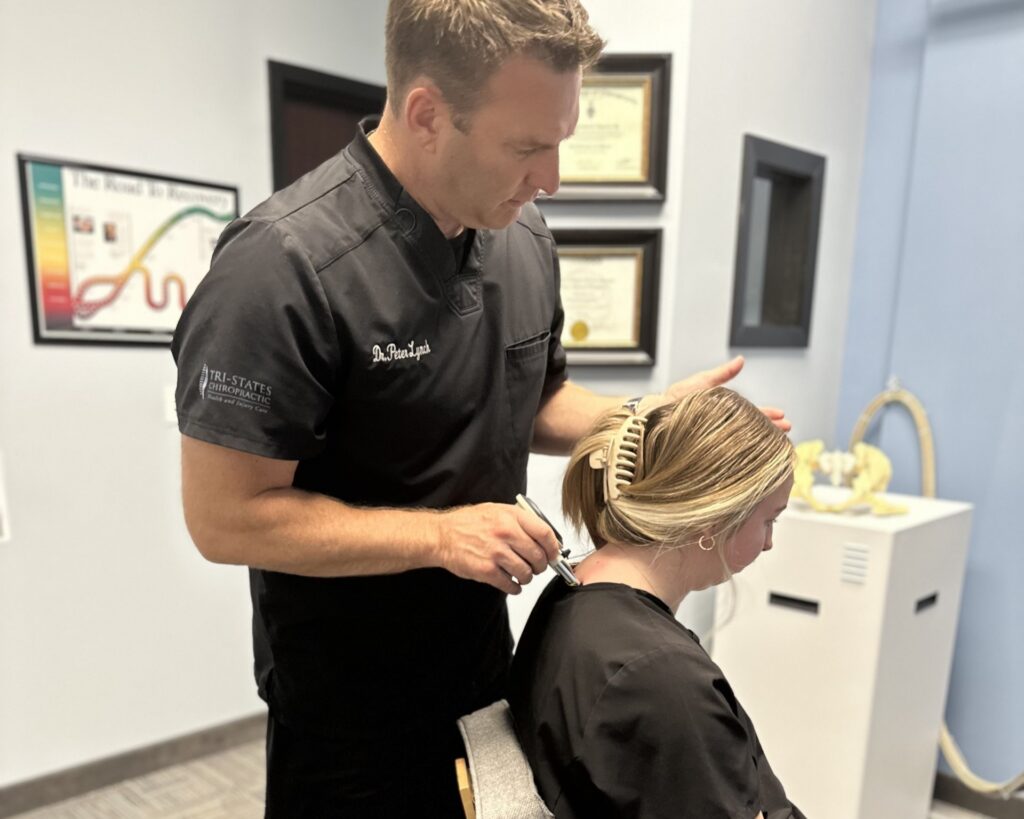
As a local chiropractor, I understand that many of you may be grappling with lower back pain and seeking effective treatment options. It's important to know that there are several natural healing techniques that can significantly improve your situation. Chiropractic care is one of the primary methods we use to address lower back pain, focusing on spinal alignment to promote overall wellness.
In addition to chiropractic adjustments, I often recommend targeted exercises that strengthen the muscles supporting your spine. These exercises, combined with lifestyle modifications such as proper posture and ergonomic adjustments at work, can play a crucial role in your recovery. Each of these strategies offers unique benefits and, when used together, can provide a holistic approach to alleviating pain and enhancing your quality of life.
If you're wondering which techniques would be most effective for your specific condition, I encourage you to reach out for a consultation. Together, we can explore the best options to help you achieve a more comfortable and active lifestyle. Your journey to relief is just a step away!
Physical Therapy
When it comes to managing lower back pain, chiropractic care can be a transformative option. This hands-on approach is designed to help you restore strength, flexibility, and mobility in your back naturally. As a local chiropractor, I'll assess your specific condition and create a personalized treatment plan tailored to your individual needs. You'll benefit from targeted adjustments and exercises that not only alleviate your pain but also help prevent future flare-ups.
During your visits, I may utilize various techniques such as spinal manipulation, soft tissue therapy, and therapeutic exercises to reduce discomfort. These methods aim to enhance spinal alignment, reduce inflammation, and improve circulation to the affected areas. As you progress, I'll guide you through activities that strengthen your core muscles, which are essential for supporting your lower back.
One of the most valuable aspects of chiropractic care is the education you'll receive. I'll teach you about proper posture, body mechanics, and ergonomics, helping you understand how daily habits can affect your back health. By integrating these lessons into your lifestyle, you'll empower yourself to make healthier choices that can help alleviate pain.
Moreover, chiropractic care encourages a collaborative relationship between you and me as your chiropractor. You'll have the opportunity to express your concerns, ask questions, and track your progress together. This supportive environment can enhance your motivation and strengthen your commitment to the healing journey.
Exercise and Stretching
As a local chiropractor, I want to emphasize the importance of exercise and stretching in managing lower back pain. These practices not only promote strength and flexibility but also help reduce discomfort. By incorporating a regular routine into your daily life, you can strengthen the core muscles that support your spine, ultimately alleviating pressure on your lower back.
I recommend starting with low-impact activities such as walking, swimming, or cycling. These exercises can enhance circulation and boost your overall endurance without straining your back. They're gentle ways to ease into a more active lifestyle.
When it comes to stretching, it's crucial to focus on the muscles surrounding your lower back, hips, and legs. Gentle stretches like the cat-cow stretch, child's pose, and hamstring stretch can significantly improve flexibility and relieve tightness, which is often a contributor to pain. I suggest holding each stretch for about 15-30 seconds and repeating them a few times to maximize their benefits.
In addition to stretching, consider incorporating specific strengthening exercises into your routine. Movements such as bridges, planks, and pelvic tilts are excellent for engaging your core and back muscles, enhancing stability and support for your lower back. Aim for two to three sets of 10-15 repetitions for each exercise, and always prioritize maintaining proper form to prevent injury.
It's essential to listen to your body while exercising. If you experience pain during any movements, please stop and consult with a healthcare professional. Finding the right balance between activity and rest is key.
By committing to a consistent exercise and stretching routine, you're likely to experience a gradual improvement in your lower back pain, enabling you to engage in daily activities with greater ease and confidence.
As your chiropractor, I'm here to support you on your journey to natural healing and improved well-being. Let's work together to develop a personalized plan that suits your needs and promotes a healthier spine.
Chiropractic Care
As a local chiropractor, I want to share with you the various ways chiropractic care can effectively help manage lower back pain.
Our approach involves spinal manipulation, which aligns the spine and alleviates pressure on nerves. We also create personalized treatment plans tailored to your unique needs, ensuring that your specific condition is addressed.
In addition, we incorporate targeted pain relief exercises that you can do at home to enhance your healing process.
Spinal Manipulation Techniques
As a local chiropractor, I want to take a moment to educate you about spinal manipulation techniques, which are an essential part of chiropractic care. These techniques are designed to help restore proper alignment and function to your spine, contributing to your overall health and well-being.
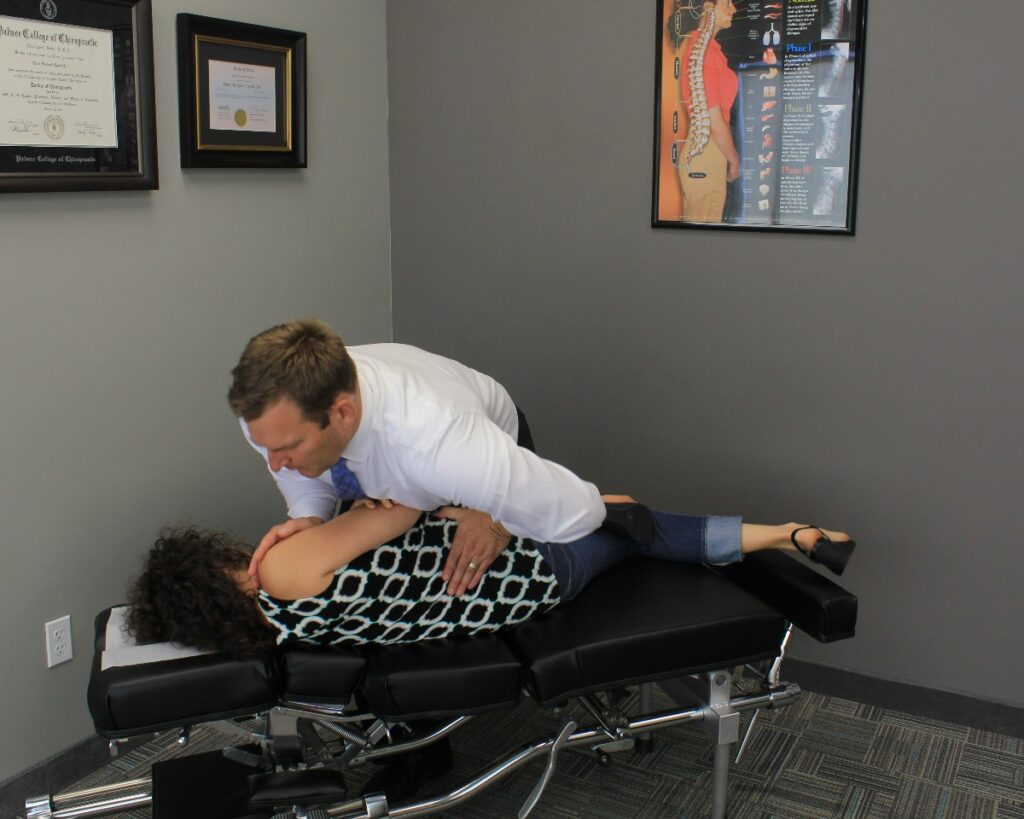
When you come in for your chiropractic treatment, I'll employ specific hands-on methods to gently adjust your spine and nearby joints. This process can alleviate pressure on your nerves, enhance your mobility, and support your body's natural healing capabilities.
During our sessions together, you may experience a variety of techniques. Some adjustments involve high-velocity thrusts, while others use softer mobilization methods. The goal of these adjustments is to correct misalignments, known as subluxations, which can be a source of your lower back pain.
By realigning your spine, we can help your body heal more effectively. You might notice immediate relief after an adjustment, as improved alignment often reduces tension and discomfort. However, it's important to understand that each individual's experience is unique.
I'll carefully assess your specific condition and customize the manipulation techniques to suit your needs. In addition to addressing current discomfort, regular spinal manipulation can help prevent future issues by maintaining the integrity and function of your spine.
If you're experiencing lower back pain, exploring these natural healing techniques with me could be a valuable step toward recovery and an enhanced quality of life. I'm here to support you on your journey to better health!
Personalized Treatment Plans
When you visit my office, we'll embark on a journey to create a personalized treatment plan tailored specifically to your needs. I understand that each person is unique, and your experience with lower back pain is no exception. To get started, I'll conduct a comprehensive assessment that includes understanding your medical history and current symptoms, which helps us identify the root causes of your discomfort.
Once we've gathered this information, I'll take the time to explain the chiropractic techniques that could be beneficial for you. These may include spinal adjustments, soft tissue therapies, or lifestyle recommendations that can easily fit into your daily routine.
It's important for me to hear from you about how your pain impacts your life, as this will guide us in addressing your specific goals—whether that's improving your mobility or simply reducing your discomfort.
We will also set a timeline for your treatment and establish measurable milestones to track your progress. Regular evaluations will be essential, allowing us to adjust your plan as needed and ensuring you remain on the path to recovery.
With this personalized approach, you'll receive care that's specifically designed for your individual needs, along with the knowledge and tools to achieve long-term relief.
Together, we'll work towards restoring your quality of life and getting you back to the activities you love. I'm here to educate you about chiropractic care and natural healing, empowering you to take charge of your health and well-being.
Pain Relief Exercises
As your local chiropractor, I want to help you understand how important it's to take an active role in your healing journey. Once we establish a personalized treatment plan tailored to your specific needs, we'll incorporate pain relief exercises that work in harmony with your chiropractic care.
These exercises are designed to strengthen your lower back, enhance flexibility, and alleviate pain. By engaging in these activities, you can significantly boost the effectiveness of your chiropractic sessions.
Let me introduce you to three effective pain relief exercises that are great for beginners:
- Cat-Cow Stretch: Start by getting on your hands and knees. As you inhale, arch your back upwards (this is the Cat position), and as you exhale, round your back downwards (the Cow position). Repeat this flow for 10 cycles. This gentle movement is fantastic for mobilizing your spine and relieving tension in your back.
- Child's Pose: Kneel comfortably on the floor and sit back onto your heels. Stretch your arms forward on the ground, extending through your fingertips. Hold this relaxing position for 30 seconds to a minute. This stretch is great for gently elongating your spine and hips, allowing you to unwind.
- Pelvic Tilts: Lie down on your back with your knees bent and feet flat on the floor. Engage your abdominal muscles and press your lower back into the ground. Hold this position for a few seconds, then release. Aim to repeat this 10-15 times. This exercise is effective in strengthening your core, which is essential for supporting your lower back.
Incorporating these exercises into your daily routine can greatly enhance your recovery and overall well-being.
Medication Options
As a local chiropractor dedicated to helping you manage lower back pain, I want to emphasize the importance of exploring medication options as part of your overall treatment plan.
While over-the-counter pain relievers can be a good starting point, it's essential to recognize that there are prescription medications available if your discomfort continues.
However, I encourage you to consider the benefits of chiropractic care and natural healing methods as well.
Over-the-Counter Pain Relievers
As a local chiropractor, I want to share some valuable information about managing lower back pain, particularly through the use of over-the-counter (OTC) pain relievers.
While chiropractic care focuses on natural healing and addressing the root causes of pain, OTC medications can serve as a helpful first step for many patients experiencing discomfort.
Here are three common OTC options to consider:
- Acetaminophen: This medication is often effective for relieving pain and is generally easier on the stomach than some anti-inflammatory alternatives. It can be a suitable option for those who may have digestive sensitivities.
- Nonsteroidal Anti-Inflammatory Drugs (NSAIDs): Medications like ibuprofen and naproxen fit into this category and are useful not only for pain relief but also for reducing inflammation. This is particularly beneficial for alleviating soreness in muscles and ligaments that may be contributing to your back pain.
- Topical Analgesics: These are creams or patches containing pain-relieving ingredients that can be applied directly to the area of discomfort. They offer localized relief and can be a preferable option for individuals who wish to avoid oral medications.
As you consider these options, it's essential to read the labels for proper dosages and be aware of potential side effects.
If your pain persists or if you have concerns about how these medications may interact with other treatments, I encourage you to reach out for guidance.
Chiropractic care can complement these methods by addressing the underlying issues contributing to your pain, promoting long-term healing and wellness.
Prescription Medication Options
If you're struggling with persistent lower back pain and over-the-counter medications just aren't cutting it, it's important to explore all your options for relief. As a local chiropractor, I want to share some insights into how we can approach this issue naturally and holistically.
While prescription medications like nonsteroidal anti-inflammatory drugs (NSAIDs) such as naproxen or ibuprofen are often used for pain relief, they may not address the root cause of your discomfort. Instead, chiropractic care focuses on improving spinal alignment and function, which can alleviate pain without reliance on medications.
If muscle spasms are contributing to your lower back pain, we can utilize gentle adjustments and targeted therapies to relax those muscles effectively. In some cases, you may be experiencing nerve pain, and while medications like gabapentin or pregabalin are options, we can explore non-invasive techniques such as spinal decompression and therapeutic exercises to relieve that pressure naturally.
It's essential to understand that while corticosteroids and opioids can provide short-term relief, they come with risks and potential side effects. Our goal in chiropractic care is to promote long-term healing and pain management through natural methods.
Always feel free to discuss your symptoms and concerns with me, as we can create a tailored plan that prioritizes your well-being and minimizes reliance on medications. Together, we can find a path to relief that supports your body's natural healing processes.
Alternative Therapies
As a local chiropractor, I understand that many patients may not be familiar with the benefits of chiropractic care and other alternative therapies for managing lower back pain.
It's important to explore these holistic approaches, as they can complement traditional treatments and offer you a fresh perspective on healing. Here are three popular therapies that I often recommend:
1. Chiropractic Care: This is my area of expertise. Chiropractic care involves manual manipulation techniques that focus on aligning your spine and improving your overall mobility. Through regular adjustments, many patients experience significant relief from pain and reduced tension in their lower back.
It's essential to find a chiropractor who listens to your specific needs and tailors treatments accordingly.
2. Acupuncture: While I specialize in chiropractic care, I often suggest acupuncture as a complementary therapy. This ancient Chinese practice involves the insertion of thin needles into specific points on the body, which can stimulate the body's natural healing processes.
Many of my patients have reported finding pain relief and improved circulation through acupuncture, making it a valuable addition to their treatment plan.
3. Massage Therapy: Therapeutic massage is another excellent option for managing lower back pain. It targets muscle tension and promotes better blood flow, helping to relax tight muscles and alleviate discomfort.
Whether you prefer deep tissue, Swedish, or trigger point therapy, massage can be a soothing and effective way to approach pain holistically.
While these alternative therapies may not work for everyone, they can provide a meaningful addition to your pain management toolkit.
I encourage you to discuss any new treatments with me or your healthcare provider to ensure they align with your overall health plan.
By exploring these options, you can take an active role in your healing journey and discover what works best for you.
Together, we can find the right combination of therapies to promote your well-being and help you live a pain-free life.
Lifestyle Modifications
As a local chiropractor, I want to share some valuable insights on how you can manage lower back pain through simple lifestyle modifications. Many of my patients are surprised to learn how much their daily habits impact their spinal health.
First and foremost, let's talk about posture. It's crucial to maintain a neutral spine whether you're sitting at a desk or standing. This means keeping your back straight and your shoulders relaxed. Investing in ergonomic furniture can provide the support your back needs.
And remember, it's important to take regular breaks to stretch and move around; this can help prevent stiffness and discomfort.
Next, let's consider your activity level. Engaging in low-impact exercises such as swimming or walking isn't only enjoyable but also helps strengthen the core muscles that support your lower back. Aim for at least 30 minutes of activity on most days, but always listen to your body—if something doesn't feel right, adjust accordingly.
Incorporating strength training can also be beneficial, but be sure to use proper techniques to avoid injury.
Your weight is another important factor. Carrying extra pounds can place significant stress on your spine, which may exacerbate back pain. I encourage my patients to focus on a balanced diet that includes plenty of fruits, vegetables, lean proteins, and whole grains.
Hydration is key as well; drinking enough water helps maintain the elasticity of your spinal discs.
Lastly, let's not overlook the importance of quality sleep. The right mattress and sleep positions can make a substantial difference in how you feel during the day.
I recommend sleeping on your side with a pillow between your knees or on your back with a pillow under your knees to support your spine.
By incorporating these lifestyle changes, you can't only manage your lower back pain more effectively but also enhance your overall well-being.
I'm here to support you on this journey to better health through chiropractic care and natural healing.
Mindfulness and Relaxation
As a local chiropractor, I often see patients who struggle with lower back pain. One of the most effective approaches I recommend is incorporating mindfulness and relaxation techniques into your daily routine. By focusing on your mental well-being, you can significantly reduce stress, which is a common contributor to muscle tension and discomfort in the back.
Being mindful of your body can help you recognize pain signals early, allowing you to address them before they escalate into more serious issues.
Here are three techniques that I encourage you to try today:
- Deep Breathing: Find a quiet space where you can sit or lie down comfortably. Inhale deeply through your nose for a count of four, hold that breath for four, and then exhale slowly through your mouth for a count of six. Repeat this process for several minutes. This practice can lower your stress levels and promote relaxation in your muscles, which is beneficial for your overall spinal health.
- Progressive Muscle Relaxation: Lie down in a comfortable position and gradually tense each muscle group in your body for five seconds before releasing. Start with your toes and work your way up to your head. This technique not only alleviates tension but also helps build your awareness of how your body feels, which is crucial in maintaining a healthy spine.
- Mindful Walking: Take a leisurely walk and concentrate on the sensations throughout your body. Notice how your feet make contact with the ground, the rhythm of your breathing, and the movement of your muscles. This mindfulness practice can help you establish a deeper connection with your body, promoting relaxation and reducing tension in your back.
By integrating these techniques into your routine, you can support your body's natural healing processes and enhance the benefits of chiropractic care.
Conclusion
As a local chiropractor, I want to emphasize that addressing lower back pain is best approached with a comprehensive strategy that meets your individual needs. Chiropractic care, along with physical therapy and specific exercises, can play a crucial role in your recovery process. It's essential to understand that these techniques work together to alleviate pain and improve function.
In addition to chiropractic adjustments, incorporating lifestyle changes and mindfulness practices can significantly enhance your overall well-being. This holistic approach not only targets your immediate discomfort but also promotes long-term health and flexibility in your back.
I encourage you to actively participate in your pain management journey. By exploring chiropractic care and other natural healing methods, you can take significant steps toward achieving lasting relief and a healthier, more resilient back. Let's work together to find the right solutions for you!