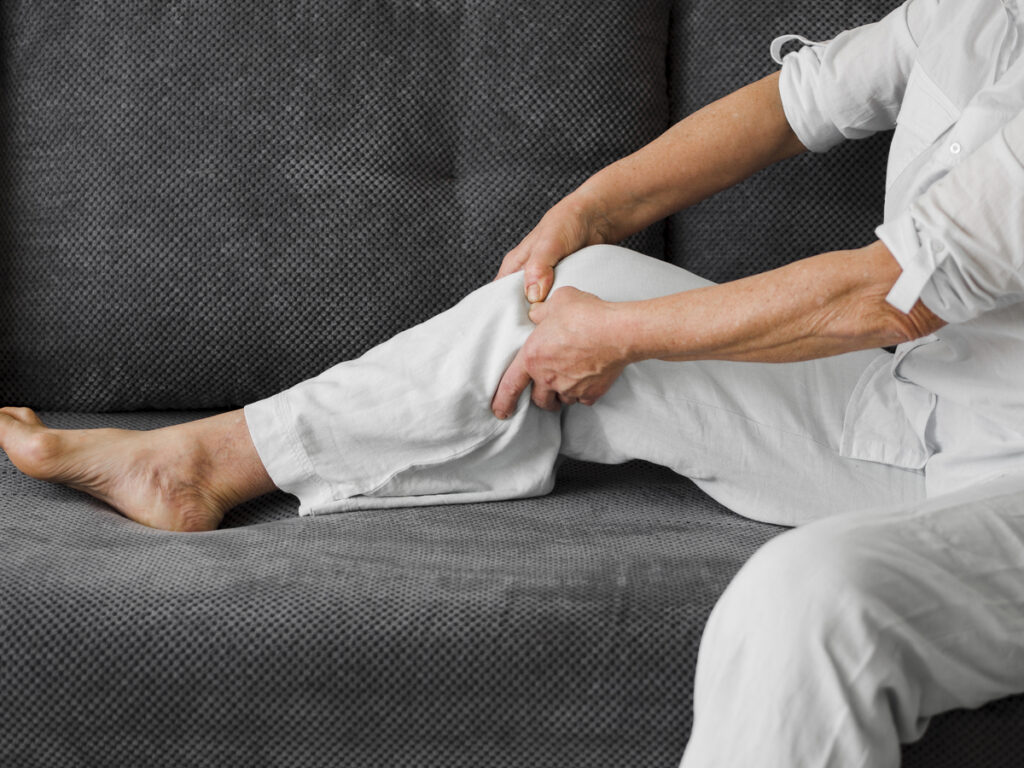
If you're struggling with lower back pain, you may feel like you've exhausted all possible remedies. However, as a chiropractor, I want to share some surprisingly effective methods that go beyond the conventional treatments you might be familiar with.
Have you ever considered dynamic stretches that imitate animal movements? These can be incredibly beneficial for your spine and overall mobility. Additionally, the gentle practice of Tai Chi offers not just relaxation, but also improved balance and flexibility, which can significantly alleviate discomfort in your lower back.
Furthermore, innovative heat therapies, which you may not have encountered before, can provide soothing relief to sore muscles. Coupled with the strategic use of essential oils, these natural therapies can enhance your healing process and provide a holistic approach to pain management.
Are you intrigued by how these unconventional techniques could reshape your understanding of healing? Let's delve deeper into how these methods can complement your journey toward a pain-free life.
Unconventional Stretching Techniques
As a local chiropractor, I want to share with you some unconventional stretching techniques that can be incredibly beneficial for relieving lower back pain. If you've been frustrated with traditional stretches that don't seem to help, I encourage you to consider these innovative approaches that can complement your chiropractic care.
One effective method involves dynamic stretches, which are movements rather than static holds. For example, gentle torso twists while standing can significantly enhance your spinal flexibility without adding strain to your lower back. This type of movement encourages blood flow and prepares your body for more extensive stretching.
Another technique you might find useful is the use of foam rollers. These tools can be great for self-myofascial release, helping to roll out tight muscles and relieve tension in your lower back. Focus on rolling the areas around your hips and glutes, as tightness in these regions often contributes to discomfort in the lower back. Spending just a few minutes on a foam roller can lead to noticeable improvements in how you feel.
Additionally, I recommend exploring certain yoga poses like child's pose and cat-cow stretch. These positions promote gentle movement and stretching of the spine while encouraging relaxation. As you hold each pose for several breaths, allow your body to relax and sink deeper into the stretch, which can be quite soothing.
Lastly, consider incorporating resistance bands into your routine. These bands can be very effective for performing targeted stretches that engage your lower back muscles safely and effectively. For instance, seated band pulls can help activate your lower back while providing the control and support you need.
The Power of Mindfulness
As a chiropractor, I want to share how mindfulness can be a transformative approach for managing lower back pain. Many of my patients have found that cultivating an awareness of their bodies and sensations can significantly enhance their healing process.
When you tune into your physical state, you can more easily identify areas of tension and discomfort, allowing you to address pain in a thoughtful, constructive manner instead of reacting impulsively, which can sometimes worsen your condition.
Mindfulness is all about being present in the moment. It involves focusing on your breath and observing your thoughts without judgment. When you experience discomfort in your lower back, rather than tensing up or feeling overwhelmed, I encourage you to acknowledge the pain and take a moment to explore it.
This can lead to a deeper understanding of what might be triggering your discomfort—be it stress, poor posture, or muscle strain.
Incorporating mindfulness techniques into your daily routine can be straightforward and beneficial. Simple practices like deep breathing, meditation, or gentle yoga can help you relax while also promoting blood flow and flexibility.
I recommend setting aside a few minutes each day to sit quietly, take deep breaths, and visualize the relaxation of your lower back muscles.
As you develop your mindfulness skills, you may notice a shift in your relationship with pain. Instead of feeling like a victim of your discomfort, you can empower yourself to manage it with resilience.
Over time, this mindful approach can lead to reduced pain perception and improved overall well-being, making it a valuable addition to your lower back pain relief toolkit.
As your chiropractor, I'm here to support you on this journey towards natural healing and a healthier, pain-free life.
Heat Therapy Innovations
As your local chiropractor, I want to share some valuable insights about managing lower back pain through heat therapy, a natural and effective approach to healing. Many of my patients may not be familiar with the benefits of heat therapy, so let's explore how it can help you find relief.
One of the most exciting advancements in heat therapy is the development of infrared heating pads. Unlike traditional heating pads that only warm the surface of the skin, infrared pads penetrate deeper into the muscles and tissues. This deeper level of heat promotes better blood circulation, reduces stiffness, and alleviates muscle spasms, providing you with quicker relief.
These pads are incredibly user-friendly and can be used while you relax at home or even at your office desk.
Additionally, there are now wearable heat therapy devices that allow you to target specific areas of discomfort without being tied to an electrical outlet. These innovative belts and wraps provide consistent warmth while you go about your daily activities.
This means you can reap the benefits of heat therapy even while engaging in light tasks or during your commute, making it a convenient option for busy lifestyles.
Moreover, I encourage you to consider combining heat therapy with other natural modalities, such as aromatherapy. The use of essential oils alongside heat can enhance the relaxation effects, creating a soothing multi-sensory experience that helps ease tension and promotes overall wellness.
Incorporating these innovative heat therapy methods into your daily routine can be a transformative step in managing your lower back pain. As you explore these options, know that I'm here to guide you in embracing these advancements in natural healing for optimal relief.
Unlikely Yoga Poses
As a local chiropractor, I want to share some insights about how certain unexpected yoga poses can offer significant relief for lower back pain. Many patients often associate yoga with traditional poses like Child's Pose or Cat-Cow, but there are some lesser-known positions that can truly work wonders for your back.
One pose to consider is the "Standing Forward Bend." While it may not seem directly focused on the back, bending forward in a standing position can help lengthen your spine and relieve tension throughout the area. If you feel any discomfort, remember to bend your knees slightly to ease the strain.
Another effective option is the "Supported Bridge." By lying on your back with your feet flat on the floor and knees bent, you can elevate your hips using a block or cushion. This gentle lift helps open up your hip flexors and can alleviate pressure on your lower back, allowing for a more comfortable alignment.
Don't underestimate the benefits of the "Pigeon Pose." Though it primarily targets the hips, this pose can help release tightness in the glutes, which is often a contributing factor to lower back pain. It's a great way to loosen up those areas that might be causing you discomfort.
Lastly, I recommend trying the "Reclined Spinal Twist." While lying on your back, draw one knee toward your chest and let it gently drop to the side, keeping your shoulders grounded. This rotation helps release tension in the spine and promotes better flexibility, which is essential for maintaining a healthy back.
Incorporating these unexpected yoga poses into your routine can provide surprising relief and assist in managing your lower back pain more effectively. I encourage you to give them a try, as you may discover the comfort and healing you've been seeking.
Essential Oils for Relief
As your local chiropractor, I want to share how essential oils can be an effective addition to your approach for alleviating lower back pain. Many people aren't familiar with the benefits of natural remedies, so let's take a closer look at some of the best essential oils, how to use them correctly, and important safety guidelines to keep in mind.
Best Essential Oils
As a local chiropractor, I often see patients struggling with lower back pain, and I want to share some natural remedies that can complement your chiropractic care. One method that many people find beneficial is the use of essential oils, which not only provide pleasant aromas but also possess therapeutic properties that can help alleviate discomfort.
For instance, peppermint oil is one of the most effective essential oils for lower back pain. Its natural cooling effect can provide immediate relief and help reduce inflammation.
Lavender oil is another fantastic option; it's renowned for its calming properties, which can assist in relaxing tight muscles that contribute to pain.
Eucalyptus oil is also worth considering. It has anti-inflammatory qualities that can soothe aching areas, making it a great addition to your pain management toolkit.
Similarly, ginger oil is known for its warming properties that can enhance circulation and ease pain sensations.
Frankincense oil has been utilized in traditional medicine for centuries and is known to help reduce inflammation and promote healing.
Lastly, chamomile oil offers anti-inflammatory and muscle-relaxing benefits, making it a soothing choice for those dealing with discomfort.
Incorporating these essential oils into your daily routine can create a holistic approach to managing lower back pain. By choosing the right oils, you can enhance your healing process and complement the chiropractic adjustments you receive, paving the way for a more effective and natural path to relief.
Application Techniques
As a chiropractor committed to your well-being, I want to share how essential oils can effectively support your lower back health. Understanding the right application techniques can significantly enhance their pain-relieving properties. Here are some methods to consider:
- Dilution: It's crucial to dilute essential oils with a carrier oil, such as coconut or jojoba oil, to prevent any skin irritation. This is an important step to ensure safety while enjoying the benefits of these natural remedies.
- Massage: After diluting the oil, gently massage it into the affected area using circular motions. This technique not only helps to stimulate blood flow but also relaxes tense muscles, enhancing your comfort.
- Warm Compress: For added relief, you can incorporate essential oils by adding a few drops to a warm compress. Applying this to your lower back can provide soothing relief from discomfort.
- Inhalation: Don't underestimate the power of aroma! You can inhale the scent directly from the oil bottle or use a diffuser to fill your space with a calming fragrance. This method can help ease tension and promote relaxation.
- Bath Soak: Treat yourself to a relaxing bath by adding a few drops of your chosen essential oil. This not only soothes your body but also calms your mind, creating a holistic healing experience.
By integrating these techniques into your self-care routine, you can enhance your chiropractic treatments and support your journey toward a pain-free life.
Safety Considerations
As a local chiropractor, I want to help you understand the potential benefits of using essential oils for lower back pain relief while emphasizing the importance of safety in their application.
Before you explore the world of aromatherapy, it's vital to be aware of certain precautions.
Firstly, I recommend performing a patch test on your skin to identify any possible allergic reactions. To do this, apply a diluted drop of the essential oil to a small area of skin and wait for 24 hours. If you experience any irritation, it's best to avoid that particular oil.
When selecting essential oils, make sure to choose high-quality, pure products from trusted brands. Some oils, such as peppermint and eucalyptus, can be quite potent and may need to be diluted with a carrier oil, like coconut or almond oil, to reduce the risk of skin sensitivity.
If you're pregnant or breastfeeding, please consult with your healthcare provider before using essential oils, as some may not be safe for you or your baby.
It's also crucial to keep these oils away from sensitive areas, including your eyes and mucous membranes. Additionally, if you have any pre-existing health conditions or are taking medications, I strongly encourage you to discuss your plans to use essential oils with your doctor before incorporating them into your pain relief approach.
By taking these safety precautions, you can enjoy the therapeutic benefits of essential oils while minimizing any risks.
As always, feel free to reach out to me or your healthcare provider with any questions or concerns regarding your pain management options.
Exploring Acupressure
As a local chiropractor, I want to share with you the benefits of acupressure, especially when it comes to alleviating lower back pain.
This technique focuses on stimulating specific pressure points in the body, which can lead to remarkable improvements in your overall well-being. Not only can acupressure help reduce tension in your muscles, but it can also enhance circulation, promoting faster healing and relief from discomfort.
I encourage you to consider how integrating acupressure techniques into your wellness routine can help you manage your pain naturally.
Let's delve into these methods and discover how they can support your journey to a healthier, pain-free life.
Benefits of Acupressure
As a local chiropractor, I often see patients who are struggling with lower back pain and are curious about natural healing methods. One technique that can be particularly effective is acupressure, an ancient healing practice that uses simple pressure points on the body to alleviate discomfort and promote wellness.
By applying pressure to specific areas, you can stimulate healing and relaxation, often without the need for medication. Here are some key benefits of acupressure for managing lower back pain:
- Pain Relief: By focusing on targeted pressure points, acupressure can significantly reduce pain and tension in your lower back, helping you feel more comfortable.
- Improved Circulation: This technique enhances blood flow to the affected areas, which can accelerate recovery and minimize inflammation.
- Muscle Relaxation: The application of pressure can help to relax tight muscles, providing a soothing sense of relief that complements chiropractic care.
- Stress Reduction: Acupressure promotes the release of endorphins, which can alleviate stress and enhance your overall mood, making it an excellent adjunct to your wellness routine.
- Convenience: One of the great advantages of acupressure is that it can be practiced at home, providing you with an accessible way to manage your pain whenever you need it.
Incorporating acupressure into your self-care routine can be a valuable complement to chiropractic treatments, helping you achieve greater overall health and well-being.
If you have any questions about how to get started or how it can work alongside our chiropractic services, feel free to ask!
Key Pressure Points
As a chiropractor, I often emphasize the importance of understanding your body and how to manage pain naturally. One effective method is acupressure, which targets specific pressure points to alleviate lower back pain.
For instance, one crucial point to consider is the Yao Yan (or Kidney 3). This point is located on your lower back, about two finger widths away from your spine. Applying pressure here can help ease discomfort in the lumbar region.
Another significant area to focus on is the Shen Shu (Bladder 23), which you can find at a similar distance from your spine in the lower back. By pressing this point, you can stimulate your kidneys and boost your overall energy levels, potentially reducing pain.
Additionally, don't overlook the Hegu (Large Intestine 4) point, situated on the back of your hand between your thumb and index finger. This point is known for its ability to relieve tension throughout the body, including the lower back.
To effectively use these acupressure points, I recommend applying firm but gentle pressure with your fingers or thumbs for about 30 seconds to a minute.
Pairing this technique with deep breathing can significantly enhance your relaxation. Many of my patients have found that incorporating these acupressure methods into their routine helps to alleviate their lower back pain naturally.
Unusual Exercise Routines
As a local chiropractor, I often encourage my patients to explore unconventional exercise routines that can complement their chiropractic care and help alleviate lower back pain.
While traditional stretching and strength training are beneficial, incorporating some unique activities can provide surprising relief and enhance your overall wellness.
Here are five unusual exercise routines that I recommend you consider:
- Animal Flow: This dynamic workout mimics the movements of various animals, promoting flexibility, strength, and core engagement, which can greatly benefit your back muscles and overall stability.
- Tai Chi: This ancient martial art emphasizes slow, controlled movements. Practicing Tai Chi can improve your balance and stability while reducing tension in your lower back—perfect for anyone dealing with pain.
- Aqua Bag Training: Using water-filled bags as resistance is a gentle way to challenge your stability. This method offers support and can be easier on your back, making it an excellent addition to your routine.
- Dance Therapy: Participating in expressive dance not only alleviates stress but also enhances body awareness and coordination. This can be particularly beneficial for your spine and overall posture.
- Hula Hooping: This playful activity isn't just for kids; it can also strengthen your core and improve flexibility, potentially easing lower back discomfort.
Incorporating these routines into your weekly exercise plan can uncover new ways to support your back and overall health.
As always, it's essential to listen to your body and adjust the intensity or duration of these activities as needed.
Keep in mind that every individual is different, so don't hesitate to experiment to find what works best for you.
By embracing these unconventional exercises, you may not only find relief from pain but also enhance your physical fitness and enjoyment of movement.
Conclusion
As a local chiropractor, I want to share some surprising methods that can significantly help relieve lower back pain and improve your overall well-being. Many people are unfamiliar with the benefits of chiropractic care, but incorporating unconventional stretching techniques into your daily routine can be incredibly effective. Mindfulness practices can also play a crucial role in managing pain and reducing stress.
I encourage you to explore innovative heat therapies, which can provide soothing relief to tense muscles. Additionally, experimenting with essential oils and acupressure techniques may offer you further comfort and support. It's also important to keep your exercise routines varied and enjoyable; unique exercises can keep you motivated while strengthening your back.
Taking charge of your back health is essential, and I'm here to guide you on your journey to relief. Let's work together to find a holistic approach that suits your needs and helps you feel your best!