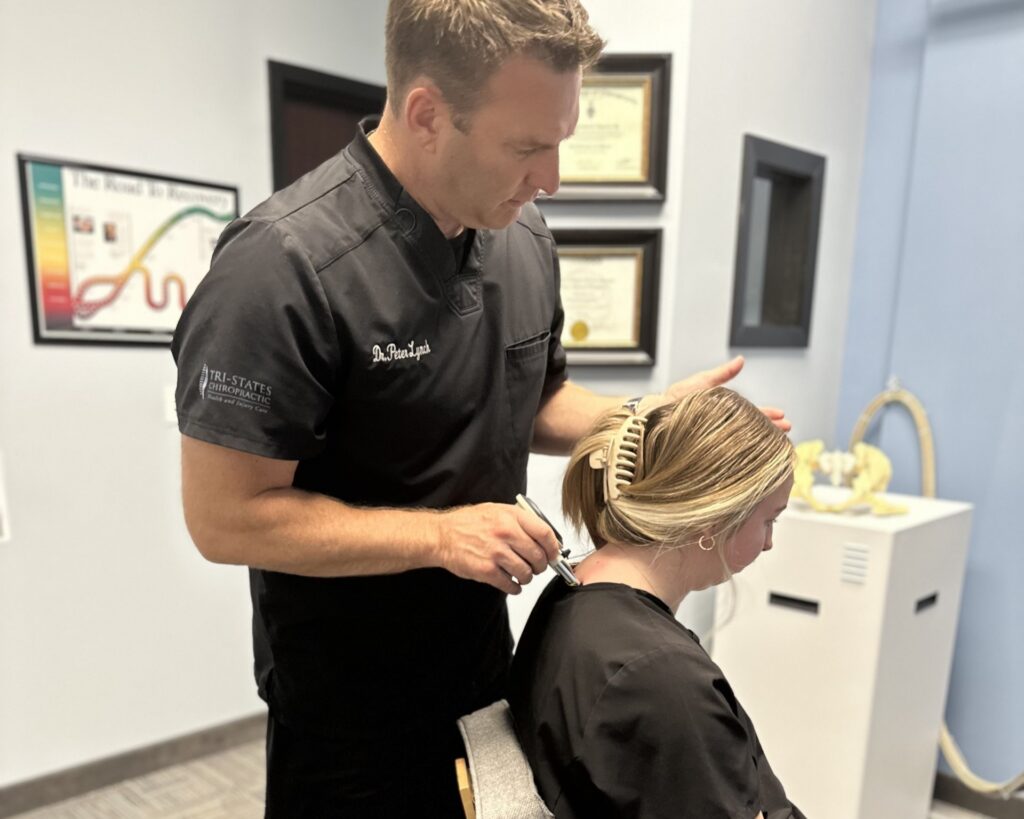
As a local chiropractor, I understand how debilitating lower back pain can be and how it can interfere with your daily activities. Many people are unaware that there are numerous natural techniques available to help alleviate this pain and enhance your overall comfort. From targeted stretching exercises to the critical role of maintaining proper posture and making ergonomic adjustments in your environment, there's a wealth of methods to explore. You might be surprised at how minor changes can lead to substantial relief. So, which strategies may be the most helpful for your unique situation? Let's dive deeper into these effective techniques together.
Stretching Exercises
As a local chiropractor, I want to emphasize the importance of stretching exercises in managing lower back pain and enhancing your flexibility. Incorporating these stretches into your daily routine can significantly alleviate tension and discomfort. By targeting specific muscle groups, you can improve your overall mobility and support the alignment of your spine, which is crucial for your well-being.
Let's start with the cat-cow stretch, a fantastic way to promote spinal flexibility. Position yourself on all fours, then alternate between arching your back towards the ceiling and lowering it while lifting your head and tailbone. This gentle movement can help relieve tightness in your back.
Next, consider the child's pose. Sit back on your heels, extend your arms forward, and relax your forehead on the ground. This restorative stretch helps to ease tension in your lower back while allowing you to take deep, calming breaths.
Another effective stretch is the knee-to-chest. Lie on your back and bring one knee up to your chest, holding it for a few seconds before switching legs. This stretch is excellent for targeting your lower back and loosening up your hips, which can be beneficial for overall mobility.
The seated forward bend is also a great addition to your stretching routine. Sit with your legs extended in front of you, reach towards your toes, and feel the elongation along your spine and hamstrings. This stretch can help improve your flexibility and relieve stress.
I recommend holding each stretch for 15-30 seconds while focusing on deep breathing. It's vital to listen to your body; if you feel pain, ease up on the stretch. By regularly practicing these stretching exercises, you'll not only find relief from lower back pain but also enhance your flexibility, making everyday activities easier and more enjoyable.
As your chiropractor, I encourage you to integrate these stretches into your routine for a healthier spine and a more active lifestyle. If you have any questions or need personalized guidance, feel free to reach out during your visits. Your journey to natural healing starts with understanding and caring for your body!
Strengthening Workouts
As a local chiropractor, I want to emphasize the importance of strengthening your core and lower back muscles to not only manage lower back pain but also to prevent future discomfort. Building these muscles is crucial for providing better support to your spine, which can significantly reduce strain and enhance overall stability.
Let's start with some simple yet effective exercises you can easily incorporate into your daily routine. First, try pelvic tilts. Lie on your back with your knees bent and feet flat on the floor. Gently arch your lower back, then press it into the floor while holding for a few seconds. This exercise can be repeated 10-15 times and is great for improving mobility and strength in your lower back.
Next, we've bridges. While lying on your back, lift your hips off the ground by squeezing your glutes and lower back. Hold this position for a few seconds before lowering back down. Aim for 10-15 repetitions. This exercise not only strengthens your back but also engages your core.
Planks are another excellent choice for strengthening your core. Begin in a push-up position, resting on your forearms. It's essential to keep your body straight from head to heels while engaging your core muscles. Hold this position for 20-30 seconds, gradually increasing the duration as you build strength.
Additionally, side planks can help target your obliques and improve your overall stability. Simply lie on your side, lift your hips off the ground, and hold the position.
Lastly, incorporating bird-dogs into your routine can be very beneficial. Start on all fours, and extend one arm forward while extending the opposite leg behind you, ensuring that your back remains flat. Hold for a few seconds before switching sides. Aim for 10-15 repetitions on each side to enhance coordination and strength.
By regularly engaging in these exercises, you can support your spine and reduce the risk of pain. Remember, maintaining a strong core and lower back is a vital component of overall health and well-being.
If you have any questions or need personalized guidance, feel free to reach out.
Proper Posture Techniques
As a local chiropractor, I want to share with you the importance of maintaining proper posture for alleviating lower back pain and enhancing your overall spinal health. Many people may not realize that the way we sit, stand, or walk can significantly impact our well-being. By adopting the right alignment, we can reduce the strain on our back muscles and spine.
Start by being conscious of your posture. When standing, make sure to distribute your weight evenly across both feet. Keep your shoulders back and your head level, ensuring that your ears are aligned with your shoulders. It's essential that your hips are in line with your knees and ankles as well.
When it comes to sitting, selecting a chair that offers good support for your lower back is crucial. Your feet should rest flat on the floor, and your knees should form a right angle. If your chair lacks proper support, consider using a small cushion or a rolled towel to help maintain the natural curve of your spine.
I often see patients who slouch or lean forward, which can lead to muscle fatigue and discomfort over time—so it's best to avoid those habits.
If you're working at a desk or using a computer, it's essential to adjust your screen height to eye level. This simple adjustment can prevent you from hunching over and straining your neck and back. Remember to take regular breaks to stand up, stretch, and walk around. This not only keeps your muscles engaged but also helps in reducing stiffness.
Lastly, when lifting objects, always bend at your knees instead of your waist. Keep the load close to your body and rely on your legs to lift, which protects your back from unnecessary strain.
Heat and Cold Therapy
As a local chiropractor, I want to share some valuable insights about heat and cold therapy, which can be effective tools for alleviating lower back pain and promoting healing in a natural way. These methods aren't only beneficial for reducing inflammation and soothing sore muscles, but they also help improve circulation—making them perfect for managing discomfort.
When you think about incorporating these therapies into your daily routine for relief, here's what you need to know:
For heat therapy, you can use a heating pad or a warm towel on your lower back for about 15-20 minutes. This warmth can effectively relax tight muscles and enhance blood flow to the affected area.
On the other hand, cold therapy is just as important. Using an ice pack or a bag of frozen vegetables wrapped in a towel can provide numbness to the pain and help reduce swelling. Apply the cold for about 15-20 minutes as well.
Here are some key points to keep in mind for effective use of heat and cold therapy:
- Timing: Utilize heat for muscle relaxation and relief from spasms, while cold therapy is best suited for acute pain and reducing swelling.
- Frequency: Both therapies can be applied multiple times throughout the day, but it's crucial to allow your skin some time to recover between applications.
- Safety: Always remember to use a barrier, like a cloth, to protect your skin from potential burns or frostbite, and avoid prolonged exposure to heat or cold.
By incorporating heat and cold therapy into your pain management routine, you can significantly enhance your comfort levels.
Understanding the appropriate timing and application of these therapies will empower you to better handle lower back pain and improve your overall well-being.
If you have any questions or would like to learn more about how these therapies align with chiropractic care, please feel free to reach out!
Massage Therapy Benefits
As a local chiropractor, I want to share with you the incredible benefits of massage therapy in alleviating lower back pain and enhancing your overall well-being. When you receive a massage, it can significantly reduce muscle tension and improve circulation throughout your body. This often results in a noticeable decrease in pain and discomfort in the lower back region.
A skilled massage therapist can target specific pressure points to release tight muscles that may be contributing to your back pain. Many of my patients find that regular massage sessions not only provide immediate relief but also promote long-term benefits, such as improved flexibility and increased range of motion.
Additionally, massage therapy stimulates the production of endorphins, which are your body's natural painkillers. This natural boost in endorphins can elevate your mood and help you manage the stress that often accompanies chronic pain. After a session, you may feel more relaxed, and your overall stress levels might decrease, contributing further to pain relief.
Beyond the physical benefits, massage therapy provides a unique opportunity for mental relaxation. Taking time out for self-care is essential in managing lower back pain. It allows you to connect with your body, acknowledge any discomfort, and proactively take steps toward healing.
Incorporating massage therapy into your pain management routine can truly transform your experience. Whether you prefer a deep tissue massage or a gentle Swedish massage, finding the right technique for you can lead to significant improvements in your quality of life.
I encourage you to explore this natural healing approach—you might just find the relief you've been searching for!
Acupuncture for Pain Relief
As a local chiropractor, I want to share some insights about the benefits of acupuncture for relieving lower back pain. Many of my patients have found this ancient practice to be an effective addition to their pain management strategies.
Acupuncture involves the insertion of thin needles at specific points on the body, which can help alleviate discomfort and promote the body's natural healing processes. Research indicates that acupuncture can stimulate the release of endorphins, the body's natural painkillers. This can lead to reduced inflammation and improved circulation—both essential for recovery from lower back pain.
Importantly, acupuncture is considered safe when performed by a trained professional, making it a low-risk option for those seeking relief.
Here are some of the key benefits of incorporating acupuncture into your treatment plan for lower back pain:
- Personalized Treatment: Each acupuncture session can be tailored to address your specific pain points and needs, providing a customized approach to your discomfort.
- Holistic Approach: Acupuncture not only targets lower back pain but also considers other interconnected issues within the body, promoting overall wellness.
- Minimal Side Effects: Unlike some pain medications, acupuncture typically has few side effects, allowing you to explore natural pain relief without the worry of adverse reactions.
If you're interested in exploring acupuncture as part of your pain management journey, I encourage you to consult with a licensed practitioner.
It's important to remember that while acupuncture can be beneficial, it works best when combined with other therapies, such as chiropractic care, for comprehensive pain relief.
With the right approach, you can find relief from your lower back pain and regain your mobility, making daily activities much more enjoyable.
Over-the-Counter Pain Relievers
As a local chiropractor, I often see patients struggling with lower back pain, and I want to share some insights on managing this discomfort. Over-the-counter pain relievers can be a practical tool for quick relief, especially when you're looking to get through your day with less pain. Common options available at your local pharmacy include nonsteroidal anti-inflammatory drugs (NSAIDs) and acetaminophen.
NSAIDs, such as ibuprofen and naproxen, are particularly effective at reducing both pain and inflammation. If you're experiencing acute pain, these medications can kick in within a few hours, allowing you to find some relief. However, it's essential to follow the recommended dosage and avoid taking them on an empty stomach to prevent gastrointestinal discomfort.
On the other hand, acetaminophen, found in products like Tylenol, is often gentler on the stomach. While it may not target inflammation as effectively as NSAIDs, it can still provide a more subtle approach to managing pain, especially if you have certain health concerns that make NSAIDs less suitable.
While these over-the-counter medications can offer temporary relief, it's important to remember that they aren't intended for long-term use. If your pain persists or intensifies, I encourage you to consult with a healthcare professional, such as a chiropractor, who can evaluate your condition and suggest natural healing methods tailored to your needs.
Additionally, be cautious about mixing different pain relievers, as this can lead to unwanted side effects.
In my practice, I emphasize that while over-the-counter pain relievers can be a helpful first step, exploring chiropractic care and other holistic approaches can provide more sustainable relief and address the underlying issues contributing to your pain. Together, we can work towards keeping you active and engaged in your life without relying solely on medications.
Ergonomic Adjustments
As a local chiropractor, I want to emphasize the importance of making ergonomic adjustments in your workspace to help alleviate lower back pain and enhance your overall comfort.
By optimizing your work environment, you can significantly reduce strain on your back and promote better posture, which is crucial for maintaining spinal health.
Let's start with some key adjustments you can make:
- Chair Height: It's essential that your feet rest flat on the floor, and your knees should be bent at a 90-degree angle. If your chair is too high for you, using a footrest can be a great solution to ensure proper alignment.
- Desk Position: Your desk should be positioned so that your elbows are at a comfortable height while seated. This alignment minimizes stress on your shoulders and back, making your typing experience much more comfortable.
- Monitor Height: Ideally, the top of your monitor should be at or just below eye level. This positioning helps keep your neck in a neutral position, reducing strain on both your upper and lower back.
Additionally, using a chair that offers good lower back support is vital for maintaining spinal alignment.
If your chair lacks this support, consider adding a small cushion or a rolled towel to the lower back area for added comfort.
Remember, it's also important to take regular breaks.
Standing up, stretching, and walking around can help alleviate discomfort from prolonged sitting.
These simple changes can make a significant difference in your daily comfort and overall spinal health.
Mindfulness and Relaxation
As a chiropractor, I want to share how mindfulness and relaxation techniques can be valuable tools in managing lower back pain. Many patients may not realize that addressing both the mind and body is essential for effective healing.
One effective technique is focused breathing. By taking deep, intentional breaths, you can calm your mind and reduce muscle tension throughout your body. This simple practice can help create a sense of relaxation that complements the chiropractic adjustments you may receive in our office.
Additionally, I encourage the use of guided imagery. This involves visualizing a serene and peaceful place, which can help distract your mind from discomfort and promote a healing environment within your body.
Breathing Techniques
As a local chiropractor, I often see patients struggling with lower back pain, and I want to share how embracing breathing techniques can be a natural and effective way to find relief.
Many people aren't aware that our breath can significantly influence our overall well-being, especially when it comes to managing pain. By focusing on your breath, you can cultivate mindfulness and alleviate stress, which often makes pain feel worse. Practicing deep, controlled breathing encourages relaxation in both your body and mind.
Here are some effective breathing techniques that I recommend to my patients:
- Diaphragmatic Breathing: Start by inhaling deeply through your nose, allowing your diaphragm to fully expand. Then, exhale slowly through your mouth. This technique activates your body's relaxation response, which can be incredibly beneficial for easing back pain.
- 4-7-8 Breathing: Inhale for a count of four, hold your breath for a count of seven, and then exhale for a count of eight. This method calms your nervous system and helps reduce tension in your back, making it an excellent addition to your pain management routine.
- Box Breathing: This technique involves inhaling for four counts, holding your breath for four counts, exhaling for four counts, and holding again for four counts. The rhythmic pattern of box breathing can help clear your mind and ease discomfort in your lower back.
Integrating these breathing techniques into your daily routine not only assists in managing your back pain but also promotes overall health and wellness.
I encourage you to give them a try and observe the positive impact they can have on your well-being. Remember, natural healing is a journey, and every small step counts!
Guided Imagery
As a chiropractor, I want to share with you a powerful technique that can complement your care and help you manage lower back pain: guided imagery. This practice allows you to visualize calming scenes or experiences, promoting relaxation and easing tension in your body.
To begin practicing guided imagery, find a quiet space where you can focus without distractions. Close your eyes and take a few deep breaths, centering yourself.
Now, imagine a serene location—perhaps a tranquil beach or a peaceful forest. Picture the details vividly: the soothing sound of ocean waves or the gentle rustle of leaves. Feel the warmth of the sun on your skin or the coolness of a gentle breeze.
As you immerse yourself in this imagery, allow your body to relax. Pay attention to your lower back and notice how it gradually releases tension with each breath. You might even visualize a healing light spreading through your back, easing discomfort and promoting healing.
Incorporating guided imagery into your daily routine for just a few minutes can make a significant difference. Over time, you may experience reduced pain and an overall improvement in your well-being.
This simple yet effective technique can be a valuable addition to your chiropractic care and a natural way to support your journey toward relief from lower back pain.
Professional Treatment Options
As a local chiropractor, I want to share with you the incredible benefits of chiropractic care when it comes to managing lower back pain. Many people are unaware of how effective this natural healing approach can be.
Chiropractic care not only targets your pain but also enhances your overall mobility and strength, allowing you to reclaim your active lifestyle.
Through various techniques, we work to align your spine and improve your body's function, which can alleviate discomfort and promote healing.
By incorporating chiropractic adjustments into your routine, you can experience significant improvements in your daily life.
Let's delve into how chiropractic care can be a vital part of your journey toward wellness and pain relief.
Physical Therapy Benefits
As a local chiropractor, I want to shed light on the benefits of chiropractic care, especially when it comes to finding relief from lower back pain. Many patients are often unaware of how effective chiropractic treatment can be in promoting natural healing and improving overall well-being.
Chiropractic care focuses on restoring proper alignment of the spine and enhancing the body's ability to heal itself. Here's how chiropractic can help you manage lower back pain:
- Personalized Approach: Each patient is unique, and I create a tailored treatment plan that addresses your specific condition. This personalized approach helps target the root causes of your discomfort.
- Enhanced Strength and Flexibility: Through specific chiropractic adjustments and exercises, we work on strengthening your core muscles and increasing your flexibility. This not only alleviates pain but also helps prevent future injuries.
- Natural Pain Relief Techniques: I employ a variety of techniques, including spinal adjustments, soft tissue therapy, and guided stretching exercises. These methods are designed to help manage and reduce pain without relying on medications.
By exploring chiropractic care, you can take significant steps toward reclaiming your mobility and improving your quality of life.
If you're struggling with lower back pain, I encourage you to consider the holistic benefits of chiropractic treatment.
Chiropractic Care Insights
As a local chiropractor, I understand that many individuals seeking relief from lower back pain may not be fully aware of the range of professional treatment options available through chiropractic care. My role is to diagnose and treat musculoskeletal issues, with a primary focus on spinal alignment, to help you find relief and improve your quality of life.
During your visit, I'll conduct a thorough assessment of your condition and create a personalized treatment plan tailored specifically to your needs. One of the most effective techniques I utilize is spinal manipulation. This involves applying controlled force to adjust misaligned joints, which can help alleviate pain, enhance mobility, and restore overall function.
In addition to spinal manipulation, I often incorporate various other treatment modalities into your care. These may include soft tissue therapy, targeted exercises, and practical lifestyle advice designed to support your recovery and overall well-being.
What sets chiropractic care apart is our holistic approach. I consider various factors such as your posture, ergonomics, and stress management as part of your treatment plan. Regular visits to my office not only help maintain your spinal health but also play a crucial role in preventing future issues.
It's important to choose a licensed chiropractor with experience in treating lower back pain. I encourage you to ask any questions you might've about my methods and what you can expect during your treatment journey.
Conclusion
As a local chiropractor, I want to share some effective techniques for relieving lower back pain that can easily be integrated into your daily routine. It's essential to focus on stretching and strengthening your muscles while also maintaining proper posture to support your spine's health.
In addition to these foundational practices, I recommend utilizing heat and cold therapy to alleviate discomfort. Many patients find that massage therapy can also provide significant relief from tension and pain. If you're experiencing ongoing discomfort, over-the-counter pain relievers may help manage your symptoms temporarily, but they shouldn't be a long-term solution.
Remember, if your pain persists, it's important to seek professional treatment. As a chiropractor, I can offer tailored care that addresses the root cause of your pain. By taking these proactive steps, you'll be on the path to achieving a healthier, pain-free back naturally. Your well-being is our priority, and I'm here to guide you on your journey to recovery.