If you’ve been experiencing low back pain, you’re certainly not alone. Many individuals find that incorporating simple stretching techniques into their daily routine can provide significant relief. These stretches not only help to ease tension but also improve mobility and enhance circulation, which are essential for overall spinal health.
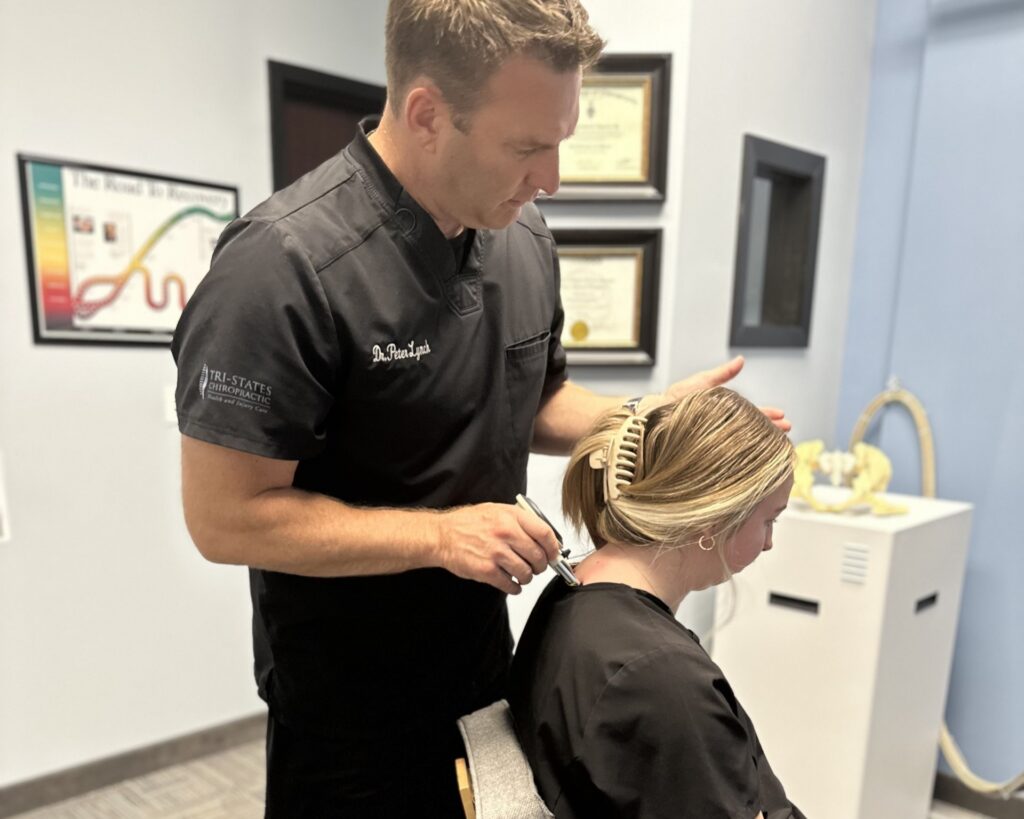
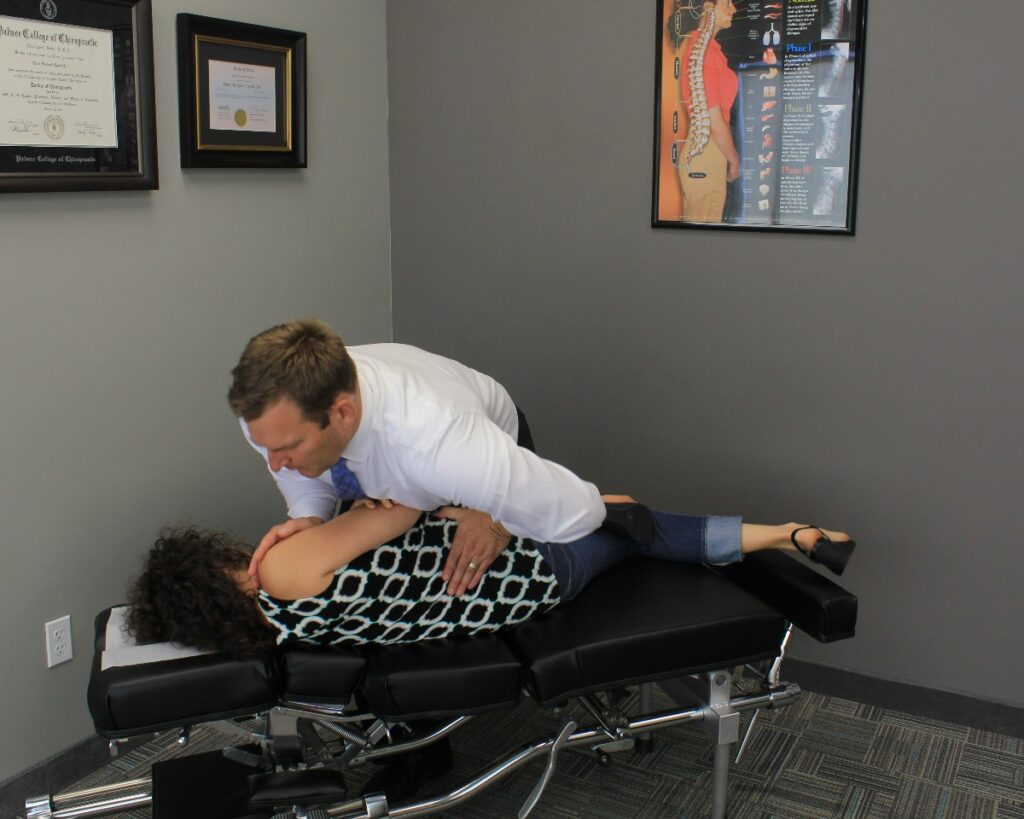
As a chiropractor, I believe that chiropractic care is one of the best ways to achieve optimal health and wellness. While stretches can be beneficial, they work best when combined with regular chiropractic adjustments, which can help align your spine and support your body’s natural healing processes.
Curious about which specific stretches can make a difference? Let’s explore some effective options that can support your journey toward a pain-free back:
- Knee-to-Chest Stretch: Lie on your back and pull one knee up toward your chest, holding it for 15-30 seconds. Switch legs. This stretch helps to relieve tension in your lower back.
- Child’s Pose: Kneel on the floor, sit back on your heels, and stretch your arms forward on the ground. Hold for 30 seconds. This position stretches the lower back and promotes relaxation.
- Cat-Cow Stretch: Start on your hands and knees. Arch your back while inhaling (Cat), and then dip your back while exhaling (Cow). Repeat for 5-10 cycles. This dynamic stretch helps improve flexibility and spinal motion.
- Piriformis Stretch: Sit on the ground and cross one leg over the other. Gently pull the crossed knee toward your opposite shoulder for 15-30 seconds. This stretch targets the piriformis muscle, which can contribute to lower back discomfort.
- Seated Forward Bend: Sit with your legs extended and slowly reach toward your toes, holding the position for 15-30 seconds. This stretch helps lengthen the spine and can alleviate tension in the lower back.
Incorporating these stretches into your daily routine can be a great way to manage and reduce low back pain. Remember, though, that while stretching can be helpful, regular chiropractic care is essential for addressing underlying issues and ensuring your spine is aligned for optimal function.
As you explore these stretches, listen to your body and only go as far as feels comfortable. If you’re experiencing persistent pain, I encourage you to schedule a chiropractic appointment to discuss your symptoms and receive personalized care tailored to your needs. Together, we can work towards a healthier, pain-free life.
Key Takeaways
- Incorporate the Cat-Cow stretch into your daily routine to enhance spinal flexibility and promote better blood circulation, which can help alleviate low back tension naturally. This dynamic movement mimics the natural motion of the spine, making it a perfect addition to your wellness regimen.
- Try the Child’s Pose as a gentle way to elongate your spine and release built-up tension in your lower back muscles. This restorative stretch not only feels great but also encourages relaxation, making it a perfect counterpart to chiropractic adjustments.
- Utilize the Seated Forward Bend to gently stretch your hamstrings and lower back. This stretch can enhance your flexibility and reduce discomfort, complementing the adjustments you receive in chiropractic care for a more holistic approach to healing.
- Add the Knee-to-Chest stretch to your routine to relieve lower back tension. This simple yet effective stretch promotes gentle spinal flexion and can improve alignment, working in harmony with the adjustments made during your chiropractic visits.
- Practice the Supine Spinal Twist to increase spinal mobility and release tension in your back muscles. This stretch supports overall back health and works well alongside chiropractic treatments, helping you maintain a healthy spine and optimal wellness.
Remember, incorporating these stretches into your daily life can support your chiropractic care and contribute to your overall health. Focus on gentle movements and listen to your body, and always consider consulting with your chiropractor for personalized advice tailored to your unique needs.
Understanding Low Back Pain
When you experience low back pain, it can feel overwhelming, especially if you’re unsure of what’s causing it. Low back pain can arise from various factors such as muscle strain, poor posture, or even stress. For instance, lifting heavy objects incorrectly can lead to sudden injuries, and spending long periods sitting can weaken your core muscles, which support your spine.
Conditions like herniated discs or arthritis may also be contributors to your discomfort. It’s crucial to pay attention to your body and identify any patterns or triggers that may be causing your pain. Understanding whether your pain is acute (short-term) or chronic (long-lasting) can help you seek the right solutions.
If you’re dealing with persistent pain, it’s important not to ignore it, as it can significantly impact your daily life. Instead of turning to medications or surgery, consider consulting a chiropractor. Chiropractic care focuses on the health of your spine and nervous system, helping to address the root cause of your low back pain. A chiropractor can provide you with personalized adjustments and guidance to help restore your body’s natural balance.
Here are a few general tips to help manage low back pain and promote overall wellness:
- Maintain Good Posture: Whether sitting or standing, keeping your spine aligned can prevent strain.
- Strengthen Your Core: Engaging in exercises that strengthen your core muscles supports your back and improves stability.
- Stay Active: Gentle movement and stretching can enhance flexibility and reduce tension in your back.
- Listen to Your Body: If you notice specific movements or activities trigger pain, take a break and give your body time to heal.
- Consider Chiropractic Care: Regular adjustments can help improve spinal health and alleviate pain naturally.
Focusing on these practices can lead to better health and well-being. Remember, understanding the root of your low back pain is the first step towards effective relief and recovery, and chiropractic care is here to guide you on that journey to optimal health.
Benefits of Stretching for Pain Relief
Stretching can be a transformative practice for relieving low back pain, and when combined with chiropractic care, it can lead to even greater benefits. By incorporating regular stretching into your daily routine, you can enhance your flexibility and range of motion, which significantly alleviates tension in your back muscles. This reduction in tension not only helps ease discomfort but also plays a crucial role in preventing future injuries.
In addition to relieving pain, stretching promotes increased blood flow to the muscles, which can accelerate healing and recovery. As a chiropractor, I can help you learn specific stretches that align with your body’s needs and can complement your chiropractic adjustments. Improved posture is another significant benefit of stretching, as it helps maintain a healthy spine. When your posture is aligned, it reduces the strain on your back and supports overall spinal health.
Moreover, stretching can trigger the release of endorphins—your body’s natural painkillers—leading to an improved sense of well-being. You may also notice better balance and coordination as you incorporate stretching into your routine, which can reduce the risk of falls and other injuries.
Cat-Cow Stretch
The Cat-Cow stretch is a wonderful exercise that can help alleviate low back pain and enhance your flexibility, making it a great addition to your daily routine. As a local chiropractor, I want to share not just how to perform this stretch correctly, but also highlight its benefits and some common mistakes to avoid. By incorporating this simple movement into your life, you can experience significant improvements in your comfort and overall well-being.
To perform the Cat-Cow stretch, start on all fours with your hands directly under your shoulders and your knees under your hips. As you inhale, arch your back, letting your belly drop towards the floor while lifting your head and tailbone toward the sky. This is the “Cow” position.
As you exhale, round your back, tucking your chin to your chest and drawing your belly button toward your spine – this is the “Cat” position. Flow between these two positions, coordinating your breath with your movements.
The benefits of the Cat-Cow stretch are numerous. It helps to increase spinal flexibility, promotes blood circulation, and can reduce tension in your back. Regular practice can also enhance your posture and support the natural alignment of your spine, which is crucial for overall health.
However, it’s essential to be mindful while performing this stretch. Common mistakes include holding your breath, exaggerating the movements too much, or not maintaining a neutral spine position. Always listen to your body and modify the stretch as needed to avoid any discomfort.
In addition to the Cat-Cow stretch, remember that chiropractic care is a powerful tool for achieving optimal health. Regular chiropractic adjustments can help maintain proper spinal alignment, alleviate pain, and promote natural healing. By prioritizing your spinal health and incorporating beneficial stretches into your routine, you’re taking significant steps towards a healthier, pain-free life.
Make it a habit to include the Cat-Cow stretch in your daily routine, and consider visiting your chiropractor for personalized advice and care. Together, we can work towards your wellness goals and help you live your best life.
Benefits of Cat-Cow
Often overlooked, the Cat-Cow stretch offers incredible benefits for those dealing with low back pain. This gentle movement not only improves flexibility but also helps to strengthen your core and back muscles. By transitioning smoothly between the two poses, you create a calming rhythm that helps ease tension and promotes proper spinal alignment.
Here’s a quick overview of the benefits:
| Benefit | Description | Impact |
|---|---|---|
| Improves Flexibility | Increases mobility in the spine | Eases stiffness |
| Strengthens Core | Engages abdominal muscles | Supports back health |
| Enhances Posture | Promotes better spinal alignment | Reduces strain on the back |
Incorporating the Cat-Cow stretch into your daily routine can significantly enhance your overall well-being. This simple exercise can be a valuable part of your back pain relief strategy, especially when combined with regular chiropractic care.
Chiropractic care focuses on the natural alignment of your spine and overall body function, which is essential for long-term health. By prioritizing spinal health, you can achieve optimal wellness and prevent future discomfort. Remember, maintaining a healthy spine is key to living a pain-free life.
Here are a few tips to keep in mind:
- Practice Daily: Aim to include the Cat-Cow stretch in your morning or evening routine for consistent benefits.
- Listen to Your Body: If you feel any discomfort while performing the stretch, take a step back and consult with your chiropractor for personalized advice.
- Stay Active: Regular physical activity, alongside your chiropractic adjustments, can enhance the benefits of stretches like Cat-Cow.
Embrace the power of natural healing through chiropractic care and simple movements like the Cat-Cow stretch to support your journey to better health!
How to Perform
To perform the Cat-Cow stretch effectively, begin by getting into a comfortable position on all fours. Ensure that your wrists are directly underneath your shoulders and your knees are aligned with your hips. This foundational position is important for maintaining proper spinal alignment, which is essential for overall health.
As you inhale deeply, arch your back gently and lift your head and tailbone towards the ceiling, entering the Cow position. Allow your belly to relax and sink toward the floor, while keeping your shoulders relaxed. This movement helps to open up the spine and promote better flexibility, which is crucial for maintaining a healthy back.
Next, as you exhale, round your back and tuck your chin to your chest, moving into the Cat position. Press into your hands and knees, engaging your core muscles to support your spine. This action helps relieve tension and can be particularly beneficial for anyone experiencing lower back discomfort.
Continue to flow back and forth between these two positions, coordinating your breath with each movement. Aim for 5 to 10 cycles, focusing on smooth transitions and maintaining proper alignment throughout. This stretch not only helps to alleviate tension in your lower back but also enhances flexibility, making it an excellent addition to your daily routine.
Incorporating the Cat-Cow stretch into your day can be a simple yet effective way to support your spinal health and overall wellness. Remember, regular chiropractic care can further enhance your health journey by ensuring that your spine is properly aligned, reducing pain, and promoting natural healing. Always listen to your body, and consult with your chiropractor for personalized advice on integrating stretches and movements into your wellness routine.
Common Mistakes to Avoid
While practicing the Cat-Cow stretch, it’s important to perform it correctly to maximize its benefits for your spine and overall health. As a chiropractor, I want to help you avoid common mistakes that could lead to discomfort or hinder your progress. Here are a few errors to steer clear of, along with helpful corrections:
| Mistake | Correction |
|---|---|
| Arching your back too much | Maintain a neutral spine position. This promotes proper alignment and reduces strain on your back. |
| Holding your breath | Focus on deep, steady breathing. This helps to relax your body and enhances the flow of energy throughout your spine. |
| Rushing through the movements | Move slowly and mindfully. Taking your time allows you to connect with your body and ensures you’re getting the most out of each stretch. |
Child’s Pose
Finding relief from low back pain can often be achieved through simple yet effective practices, such as the Child’s Pose. This gentle yoga stretch not only promotes relaxation and flexibility but also complements the benefits of chiropractic care, which focuses on spinal health and natural healing.
To perform Child’s Pose, start by kneeling on the floor and sitting back on your heels. Gradually lower your torso forward, extending your arms in front of you or resting them alongside your body. Allow your forehead to rest on the ground, and take deep, calming breaths. This position helps to decompress your spine and alleviate tension in your lower back.
As you breathe deeply, notice the gentle stretch along your spine and hips. This stretch can release built-up tension and promote a sense of relaxation. Aim to hold this position for 30 seconds to a minute, or longer if it feels comfortable. For an added stretch, consider widening your knees to create more space for your torso, enhancing the benefits of this pose.
Remember, while Child’s Pose can be a wonderful tool for managing low back discomfort, it’s important to consult with a chiropractor for a personalized approach to your health. Chiropractic care addresses the root causes of pain and focuses on achieving optimal health through spinal alignment and overall wellness.
Incorporating Child’s Pose into your routine can be a great way to support your chiropractic treatment. It encourages mindfulness and helps you connect with your body, promoting healing and relaxation. By combining these practices, you can effectively manage low back pain and enhance your overall well-being.
Seated Forward Bend
After experiencing the soothing benefits of Child’s Pose, you might want to try the Seated Forward Bend, a fantastic stretch for easing low back pain. This stretch primarily targets your hamstrings, lower back, and hips, helping to release tension and improve flexibility.
To perform the Seated Forward Bend, find a comfortable spot on the floor and sit with your legs extended straight in front of you. Keep your spine tall and take a deep breath in.
As you exhale, hinge at your hips and lean forward, reaching your hands toward your feet. If reaching your feet feels challenging, don’t worry—grabbing your shins or thighs is perfectly acceptable. The key is to focus on relaxing your shoulders and neck. Hold this position for 20-30 seconds while taking deep, calming breaths.
You should feel a gentle stretch along your back and hamstrings. This stretch not only alleviates tightness but also promotes relaxation, making it an excellent addition to your routine for low back pain relief.
Remember, incorporating stretches like the Seated Forward Bend can enhance your overall wellness journey and complement the benefits of chiropractic care.
Chiropractic adjustments work wonders for aligning the spine and enhancing your body’s natural healing abilities. When combined with mindful stretches, you can support your body in achieving optimal health without the need for surgeries or medications.
Always listen to your body and consult with your chiropractor to develop a personalized plan that works best for you. Taking small, consistent steps toward wellness can lead to significant improvements in your quality of life.
Knee-to-Chest Stretch
The Knee-to-Chest Stretch is a straightforward yet powerful exercise that can help alleviate low back pain and enhance hip flexibility. This stretch not only lengthens your lower back muscles but also reduces tension, making it an excellent addition to your wellness routine. Here’s how you can perform it safely and effectively:
- Lie on your back with your legs straight.
- Gently bend one knee and draw it toward your chest, using both hands to hold it in place.
- Maintain this stretch for 15-30 seconds, then switch to the other leg.
| Benefits | Tips |
|---|---|
| Relieves lower back pain | Breathe deeply throughout the stretch |
| Increases hip flexibility | Keep your lower back flat against the floor |
| Improves circulation | Take your time; don’t rush the stretch |
Incorporating the Knee-to-Chest Stretch into your daily routine can lead to significant improvements in your comfort and mobility. You may notice relief almost immediately, allowing for smoother movement throughout your day.
As a chiropractor, I always emphasize the importance of natural methods for achieving optimal health. Stretching, like the Knee-to-Chest Stretch, is a fantastic way to support your body’s natural healing processes. It’s a gentle reminder that caring for your spine and muscles can lead to a healthier, more active lifestyle.
Piriformis Stretch
Ease tension in your hips and lower back with the Piriformis Stretch, a simple yet effective method to relieve discomfort that complements your chiropractic care. This stretch specifically targets the piriformis muscle, which, when tight, can contribute to lower back pain and discomfort.
To perform this beneficial stretch, sit comfortably on the floor with your legs extended in front of you. Bend your right knee and gently place your right foot over your left thigh. While keeping your back straight, slowly pull your left knee toward your chest. You should feel a gentle stretch in your right hip and buttock area. Hold this position for 20-30 seconds, taking deep, calming breaths. Afterward, repeat the stretch on the other side.
Incorporating the Piriformis Stretch into your daily routine can enhance your flexibility and reduce tension, making it an excellent addition to your chiropractic lifestyle. Remember to listen to your body—if you encounter any pain, ease up on the stretch.
Regular practice of this stretch, along with your chiropractic adjustments, can lead to significant relief from discomfort and improved overall mobility.
For those committed to natural wellness, consider combining these stretches with regular chiropractic visits to help maintain a healthy spine and alleviate pain. Alongside your stretches, practice good posture and stay active to support your body’s natural healing processes.
With these simple tips, you can take control of your health and work towards achieving optimal wellness.
Supine Spinal Twist
If you’re seeking to enhance your flexibility or alleviate tension in your lower back, the Supine Spinal Twist is an excellent stretch to integrate into your daily routine. This gentle twist not only helps to release tightness in your spine and hips but also promotes relaxation, making it a valuable addition to your wellness practices. Here’s how you can perform this stretch effectively:
- Lie on your back: Begin by lying flat on your back, bringing your knees gently up toward your chest. This position helps to engage your core and prepares your spine for the twist.
- Drop your knees: Slowly lower your knees to one side while ensuring that your shoulders remain flat against the ground. This movement allows your spine to rotate gently, enhancing mobility and relieving tension.
- Hold and breathe: Extend your arms out to the sides in a T-shape, and hold the position for 30 seconds to a minute. Focus on your breath, inhaling deeply and exhaling slowly as you feel the stretch along your spine and in your lower back.
After holding on one side, switch sides and repeat the stretch. You’ll discover that this simple yet effective maneuver not only alleviates discomfort but also improves overall spinal mobility.
Incorporating the Supine Spinal Twist into your routine can provide lasting relief and enhance your overall well-being. Remember that regular chiropractic care can complement your stretching routine by addressing underlying issues and ensuring your spine is aligned, which can further support your journey toward optimal health.
Standing Forward Bend
The Standing Forward Bend is an excellent stretch that can play a significant role in alleviating low back pain. It promotes flexibility and relaxation, supporting your spine’s health. As a chiropractor, I believe that incorporating such stretches into your routine can complement the benefits of chiropractic care, leading you to a more pain-free and healthier life.
To perform the Standing Forward Bend effectively, stand with your feet hip-width apart. Take a deep breath in, and as you exhale, hinge at your hips and gently fold forward, allowing your upper body to hang towards the ground. You can bend your knees slightly if needed. Hold this position for several breaths, focusing on relaxing your back and neck.
This stretch not only helps in relieving tension but also encourages blood flow to your spine, enhancing your body’s natural healing process. Remember to listen to your body—if you feel any discomfort, ease off and adjust your position.
Incorporating the Standing Forward Bend into your daily routine can be a great way to promote spinal health. Pair it with regular chiropractic adjustments to optimize your overall wellness. Chiropractic care, combined with simple exercises like this, can lead to long-lasting relief and a healthier lifestyle. Always consult with your chiropractor for personalized advice and to ensure you’re incorporating stretches safely and effectively.
Benefits of Forward Bend
Incorporating the Standing Forward Bend into your routine can be a fantastic way to alleviate low back pain and enhance your overall flexibility. This simple yet effective stretch offers numerous benefits that contribute to your well-being, especially when combined with regular chiropractic care.
Here are some reasons why you should consider adding this stretch to your daily practice:
- Releases Tension: The Standing Forward Bend helps to release the tension that often builds up in your lower back and hamstrings. This release promotes relaxation and comfort, making it a great addition to your routine, especially after a long day or intense physical activity.
- Increases Blood Flow: By performing this stretch, you’re encouraging better circulation to your back muscles. Enhanced blood flow aids in recovery and reduces stiffness, which is vital for maintaining a healthy spine. Remember, a well-circulated body is more resilient to pain.
- Enhances Posture: Regularly practicing the Standing Forward Bend can significantly improve your posture. This stretch works to lengthen your spine and strengthen your core muscles, which can help reduce the risk of future pain and discomfort. Good posture isn’t just about how you sit; it supports your entire musculoskeletal system.
In addition to practicing the Standing Forward Bend, consider visiting your chiropractor regularly. Chiropractic care focuses on natural healing and can help align your spine, ensuring that your body functions optimally.
Together, these practices can lead to a healthier, pain-free lifestyle.
Tips for Practicing the Standing Forward Bend:
- Start slowly and listen to your body. If you feel discomfort, ease off and try not to push yourself too hard.
- Keep your knees slightly bent if you need to. This will help you maintain balance and ease tension in your lower back.
- Breathe deeply during the stretch to help facilitate relaxation and enhance the benefits.
Remember that consistency is key in both stretching and chiropractic care. By integrating these practices into your life, you’re taking important steps toward achieving optimal health and wellness.
Proper Technique Tips
To fully enjoy the benefits of the Standing Forward Bend while promoting your overall health and spinal wellness, it’s crucial to use proper technique.
Start by standing tall with your feet hip-width apart, which helps maintain a stable base. Engage your core muscles to support your spine and relax your shoulders to reduce tension.
As you take a deep breath in, reach your arms overhead, and then, on your exhale, gently hinge at your hips to fold forward. It’s important to keep a slight bend in your knees if it helps you maintain comfort in your lower back. Focus on lengthening your spine rather than pushing your head toward the floor, as this will help you avoid unnecessary strain.
For added support, you can hold onto your elbows or let your hands rest comfortably on the ground. Remember to breathe deeply during this stretch, feeling the release in your back and hamstrings. Be mindful to avoid locking your knees, which can lead to discomfort. Always listen to your body and make adjustments as needed to ensure your practice feels good and safe.
Incorporating stretches like the Standing Forward Bend can be a wonderful addition to your wellness routine, supporting your spinal health and overall flexibility. If you experience any discomfort or pain, consider visiting a chiropractor who can provide personalized guidance and care. Chiropractic adjustments and techniques can enhance your body’s natural ability to heal, promoting a healthier, pain-free lifestyle.
Tips for Incorporating Stretches Into Your Routine
Incorporating stretches into your daily routine can significantly improve your flexibility and help alleviate low back pain, key areas where chiropractic care excels. Here are some straightforward tips to help make stretching a beneficial habit in your life:
1. Schedule It: Carve out specific times each day for your stretching routine, whether that’s first thing in the morning or just before bedtime. Think of it as an important appointment for your health—this will help ensure you stick with it consistently.
2. Start Small: Don’t feel pressured to dive in for long sessions right away. Begin with just five minutes a day and gradually increase the duration as you feel more comfortable. Remember, short and regular stretching sessions can be more effective than infrequent, lengthy ones.
This aligns perfectly with the principles of chiropractic care, which emphasizes gradual improvement and maintaining a healthy spine.
3. Use Reminders: Set up visual reminders like sticky notes in places you frequently visit or set alarms on your phone to prompt you to stretch. These little cues can serve as friendly nudges to keep stretching a regular part of your daily routine, reinforcing your commitment to natural wellness.
By incorporating these simple strategies, not only can you improve your flexibility and reduce discomfort, but you’ll also enhance your overall well-being.