If you’ve ever dealt with low back pain, you understand how it can throw your life off balance. Thankfully, there are natural and effective exercises that can help you prevent this common problem. By prioritizing your core strength, flexibility, and maintaining proper posture, you can significantly lower your chances of experiencing discomfort. As a chiropractor, I believe that incorporating specific exercises into your routine is a fantastic way to support your spinal health and overall wellness. Let’s delve into some of the best exercises that can help keep your back strong and healthy while emphasizing the importance of chiropractic care in your journey to optimal health.
- Core Strengthening: Strengthening your core is foundational for a healthy back. Consider exercises like planks or bridges. These not only fortify your abdominal muscles but also provide essential support for your spine.
- Stretching: Flexibility is key! Simple stretches such as the cat-cow stretch or child’s pose can help maintain spinal flexibility and relieve tension. Stretching regularly can keep your muscles supple and reduce the risk of injury.
- Posture Awareness: Being mindful of your posture throughout the day is crucial. Whether sitting at a desk or standing, ensure that your spine is aligned. You might find it helpful to set reminders to check your posture or use ergonomic furniture.
- Low-Impact Activities: Engage in low-impact exercises like walking, swimming, or cycling. These activities promote cardiovascular health while being gentle on your back.
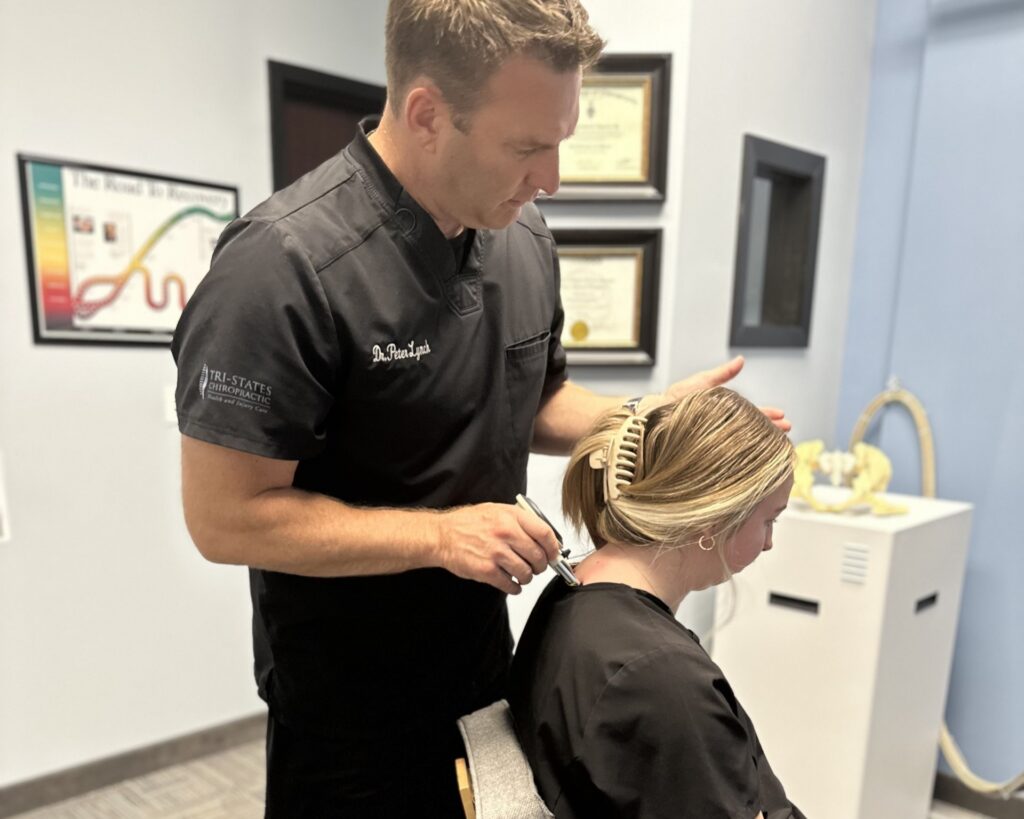
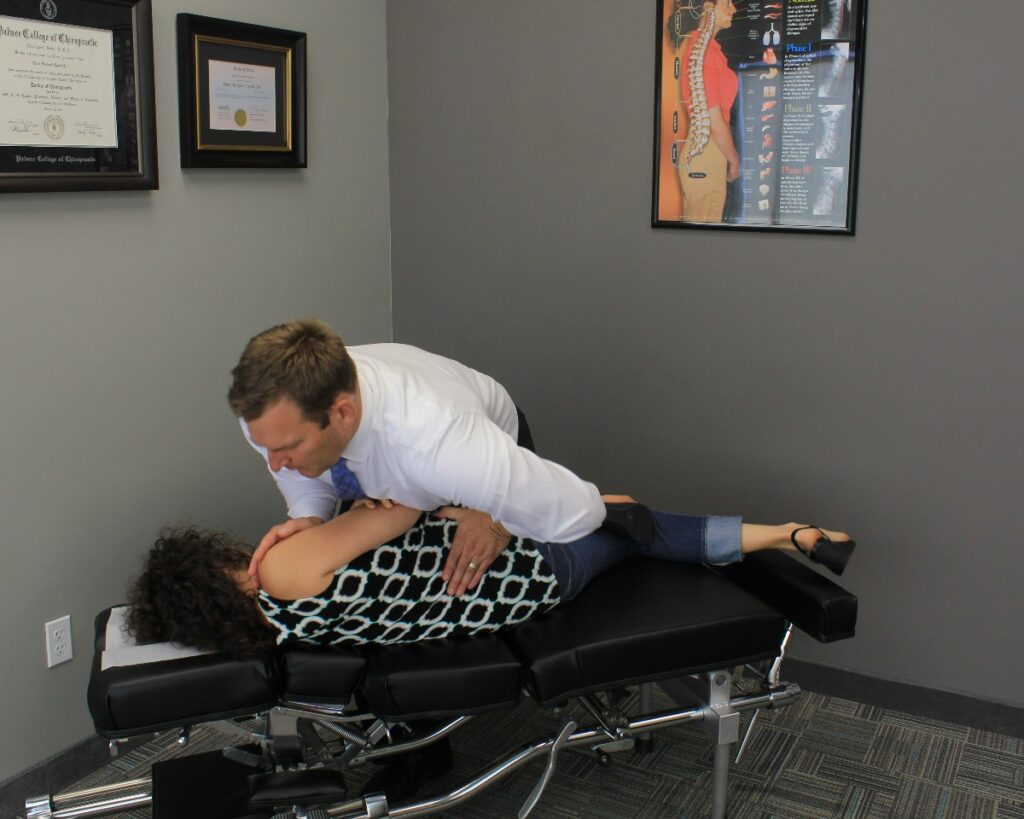
- Chiropractic Care: Regular visits to your chiropractor can significantly enhance your spine’s health and alignment. Chiropractic adjustments can relieve pain, improve function, and provide guidance on exercises tailored to your needs.
Incorporating these exercises into your daily routine, along with regular chiropractic care, can help you maintain a healthy back and overall wellness. Remember, taking proactive steps today can lead to a pain-free tomorrow!
Key Takeaways
- To support your spine and prevent low back pain, consider incorporating core strengthening exercises like planks and bridges into your routine. A strong core is crucial for maintaining proper spinal alignment, and it can significantly reduce your risk of experiencing discomfort.
- Flexibility is key in keeping your spine healthy. Make time for gentle stretches, such as hamstring stretches and the Cat-Cow pose. These simple movements can help maintain spinal flexibility and relieve tension that often contributes to back pain.
- Stability exercises, like single-leg stands and bird-dogs, are fantastic for enhancing your balance. Better balance not only supports spinal structures but also helps you move with confidence in your daily activities.
- Always be mindful of your posture throughout the day. Whether sitting at a desk or lifting objects, using supportive seating and maintaining good posture can prevent unnecessary strain on your lower back. Remember, how you position your body matters!
- Engaging in low-impact aerobic activities such as walking or swimming can greatly benefit your overall health. These exercises improve cardiovascular fitness without putting excess stress on your spine, promoting a healthier, pain-free lifestyle.
Incorporating these natural, chiropractic-friendly practices into your daily routine can lead to a healthier back and overall well-being. Remember, chiropractic care is a fantastic way to achieve optimal health and address any pain you may be experiencing. Prioritize your spine, and it will serve you well!
Strengthening Your Core Muscles
Strengthening your core muscles is incredibly important for preventing low back pain, and as a chiropractor, I can’t emphasize enough how a strong core supports your spine and enhances your overall well-being. A strong core not only improves your posture but also provides stability for your body, which is crucial for daily activities.
To get started, consider incorporating simple exercises like planks, bridges, and bird-dogs into your routine. These movements target your abdominal and back muscles, helping to create a solid foundation for your spine. As you perform these exercises, be mindful of your form. Avoid arching your back or holding your breath—focus on engaging your core throughout each movement.
A good practice is to aim for 2-3 sets of 10-15 repetitions for each exercise, gradually increasing the intensity as you become stronger. Remember, you don’t need to do these every day; just a few times a week can lead to significant improvements over time.
In addition to these exercises, I encourage you to maintain a balanced lifestyle that includes regular chiropractic care. Chiropractic adjustments can help ensure your spine is aligned, promoting better function and reducing pain. These adjustments, combined with core strengthening exercises, can be a powerful way to achieve optimal health naturally.
Lastly, consistency is key. Whether you’re lifting heavy objects or simply standing for long periods, a strong core will help you perform daily activities with ease and without strain. Prioritize your core exercises and consider regular visits to your chiropractor, and you’ll be on your way to a healthier back and enhanced overall strength. Embrace this holistic approach to wellness, and your body will thank you!
Stretching for Flexibility
Building a strong core is crucial for preventing low back pain, but don’t forget the importance of stretching for enhancing your overall flexibility. Regular stretching not only helps maintain a healthy range of motion in your muscles and joints, but it also alleviates tension and reduces your risk of injury.
As your local chiropractor, I recommend incorporating these three effective stretches into your routine for optimal health and wellness:
- Hamstring Stretch: Sit down with one leg stretched out in front of you and gently reach for your toes, making sure to keep your back straight. This stretch is fantastic for loosening tight hamstrings, which can sometimes pull on your lower back and lead to discomfort.
- Cat-Cow Stretch: Get on all fours and alternate between arching your back (like a scared cat) and lowering your belly toward the floor (like a happy cow). This dynamic movement not only feels great but also increases spinal flexibility, which is essential for a healthy back.
- Child’s Pose: Kneel and sit back on your heels while reaching your arms forward on the ground. This soothing stretch helps relax your lower back and promotes a sense of overall calm, making it a great addition to any routine.
By incorporating these stretches into your daily life, you can keep your back flexible and reduce the likelihood of discomfort.
Remember, chiropractic care is a natural and effective way to support your body in achieving optimal health. If you’re experiencing pain or tension, consider visiting your chiropractor for personalized advice and treatment options that align with your wellness goals.
Taking care of your body through stretching and chiropractic care can lead to a healthier, pain-free lifestyle.
Enhancing Posture With Targeted Exercises
Good posture is crucial for preventing low back pain, and as a chiropractor, I emphasize the importance of incorporating targeted exercises into your routine to support your spinal health. Strengthening your core, back, and pelvic muscles can significantly enhance your posture. Simple exercises like planks and bridges are excellent for engaging your core, which helps stabilize your spine and maintain proper alignment.
Wall sits are another effective way to strengthen your lower back and glutes. These muscles play a vital role in supporting your spine, so keeping them strong is key to good posture. Don’t overlook back extensions, as they help build strength in your lower back, especially important if you sit for long periods. Shoulder blade squeezes are great for opening up your chest and aligning your shoulders, which can often be compromised by everyday activities.
While performing these exercises, remember that proper form is essential—quality is more important than quantity. Aim to include these exercises in your routine two to three times a week. Over time, you may notice improved posture, reduced strain on your back, and a lower risk of pain.
In addition to these exercises, consider regular chiropractic care. Chiropractic adjustments can help align your spine and improve your overall posture, enhancing the benefits of your exercise routine. By prioritizing your spinal health through both exercise and chiropractic care, you can achieve optimal well-being. Remember, maintaining a healthy back isn’t just about avoiding pain; it’s about enhancing your overall quality of life.
Incorporating Stability and Balance Training
Incorporating stability and balance training into your routine can significantly reduce the risk of low back pain, making it an essential part of your health and wellness journey. As a chiropractor, I believe that taking a natural approach to strengthening your body is vital for achieving optimal health. By focusing on exercises that not only bolster your core but also enhance your overall balance, you can promote better spinal health and overall well-being.
Let’s delve into the benefits of stability training. Engaging in these exercises helps to improve your posture, increase flexibility, and create a strong foundation for your spine. When your core and balance are strong, your body is better equipped to handle daily activities, reducing the likelihood of injuries and pain.
Here are a few simple exercises you can incorporate into your daily routine:
- Planks: Start with a basic plank to engage your core. Hold yourself up on your forearms and toes, ensuring your body forms a straight line from head to heels. Aim to hold for 20-30 seconds, gradually increasing the duration as you build strength.
- Single-leg stands: Practice standing on one leg while maintaining your balance. This exercise enhances stability and strengthens the muscles that support your spine. Try holding for 10-15 seconds on each leg.
- Bridge lifts: Lie on your back with your knees bent and feet flat on the floor. Lift your hips off the ground, creating a straight line from your shoulders to your knees. This exercise strengthens your lower back and glutes, contributing to better spinal support.
- Balance board or cushion: If you have access to a balance board or an exercise cushion, use it to perform simple tasks like standing or doing squats. This can further challenge your balance and stability.
As you progress with these exercises, remember to listen to your body and adjust accordingly. If you ever experience pain or discomfort, it’s important to consult with a chiropractor. We can provide tailored advice and adjustments to ensure your spine remains healthy and pain-free.
Benefits of Stability Training
Engaging in stability training offers numerous benefits for preventing low back pain, and as a chiropractor, I want to emphasize how important it’s to maintain a strong and balanced core for your overall health and wellness.
By focusing on core strength and balance, you can enhance your body’s ability to support your spine, promote natural healing, and improve your overall functionality.
Here are some key advantages of incorporating stability training into your routine:
- Improved Core Stability: Building a strong core is essential for stabilizing your pelvis and spine. A strong core can help reduce the risk of injury and support your chiropractic care by promoting proper alignment.
- Enhanced Balance: Working on your balance not only helps prevent falls but also reduces the likelihood of awkward movements that can lead to back pain. This is particularly important as we age, as balance tends to decline over time.
- Increased Flexibility: Many stability exercises promote flexibility in your muscles and joints, which can alleviate tension and discomfort in your back. Improved flexibility can enhance your range of motion and support your spinal health.
Incorporating stability training into your daily routine doesn’t have to be complicated.
Here are some simple tips to get started:
- Start with Basic Exercises: Begin with exercises like planks, bridges, and bird-dogs, which target your core muscles and improve your stability.
- Practice Balance: Incorporate activities such as standing on one leg or using a balance board to challenge your stability.
- Stretch Regularly: Don’t forget to include stretching in your routine to enhance flexibility and reduce muscle tension.
- Listen to Your Body: Pay attention to how your body feels during and after these exercises. If you experience any discomfort, consult with your chiropractor for personalized guidance.
By prioritizing stability training, you can take proactive steps toward a healthier, pain-free life.
Key Balance Exercises
Incorporating balance exercises into your daily routine can significantly improve your stability and core strength, which are essential for maintaining a healthy spine. These exercises not only enhance your control over your body but also reduce the risk of injury, particularly in the lower back—a common area where many experience discomfort.
Start with simple movements like single-leg stands. To do this, lift one foot off the ground and hold your position for about 30 seconds. This exercise helps engage your core and supports your spine. As you become more comfortable, you can progress to more challenging activities, like the tree pose or balancing on an unstable surface, such as a balance board. These exercises promote overall body awareness and strengthen the muscles that support your spine.
Another effective dynamic movement is walking heel-to-toe in a straight line. This not only enhances your balance but also reinforces your posture, which is crucial for spinal health. Remember to keep your core engaged throughout each exercise; this will provide extra support to your spine and promote better alignment.
Consistency is key! By regularly practicing these balance exercises, you’ll not only improve your balance but also create a stronger foundation for your overall fitness. Coupling these activities with chiropractic care can further enhance your journey to optimal health, as chiropractors can help ensure that your spine is properly aligned, allowing for better movement and function.
Tips for Progression
Building on the strong foundation you’ve established with balance exercises, it’s essential to take your training to the next level with stability training. This approach not only enhances your core strength but also improves your body control, which is vital for preventing low back pain—something many people struggle with.
As a chiropractor, I want to share some helpful tips for progressing your stability training safely and effectively:
- Incorporate a stability ball: Using a stability ball for exercises like squats or seated balance can engage your core more effectively. This not only strengthens your muscles but also promotes better alignment of your spine, which is crucial for overall health.
- Practice single-leg exercises: Engaging in lunges or deadlifts on one leg greatly boosts your stability and coordination. This method helps train your body to maintain balance, reducing the risk of falls and injuries that can impact your spinal health.
- Add dynamic movements: Consider integrating activities such as medicine ball throws or kettlebell swings. These dynamic movements not only engage multiple muscle groups but also challenge your balance, making your workouts more effective for overall wellness.
Remember, while you’re working on these exercises, it’s important to listen to your body. If you experience any discomfort, don’t hesitate to reach out to your chiropractor.
Chiropractic care can help ensure that your spine is properly aligned and functioning optimally, allowing you to safely progress in your stability training and achieve your health goals naturally.
Low-Impact Aerobic Activities for Back Health
Low-impact aerobic activities can be a game changer for your back health and overall well-being. As a chiropractor, I often see how these exercises not only strengthen your muscles but also enhance your overall fitness without placing too much strain on your spine. Let’s delve into the benefits of these activities, some recommended options, and essential safety tips to help you get started on your journey to better back health.
First and foremost, engaging in low-impact aerobic exercises can help alleviate pain and discomfort in the back by promoting better circulation and flexibility. By keeping your body moving, you encourage the release of natural endorphins, which can act as a natural pain relief. Not to mention, these activities can aid in maintaining a healthy weight, reducing the stress on your spine and joints.
Some of the best low-impact aerobic activities you might consider include walking, swimming, cycling, and using an elliptical machine. These exercises allow you to get your heart rate up while being gentle on your back. Swimming, in particular, is fantastic, as the buoyancy of the water supports your body, reducing the risk of injury while offering a full-body workout.
Before starting any new exercise regimen, it’s important to keep some safety tips in mind. Always listen to your body—if you feel pain, it’s a sign to stop. Warm up before exercise and cool down afterward to prevent strains. Additionally, consider incorporating chiropractic care into your routine. Regular adjustments can help align your spine, improve range of motion, and enhance your overall health. A chiropractor can also provide personalized advice tailored to your specific needs and help you stay pain-free.
Benefits of Aerobic Exercise
Regular aerobic exercise is essential for maintaining back health and preventing low back pain. By engaging in low-impact aerobic activities, you not only strengthen your cardiovascular system but also enhance muscle endurance and flexibility. This combination helps reduce stiffness and improves your overall body mechanics, which is vital for a healthy spine.
As a chiropractor, I want to emphasize the benefits of incorporating aerobic exercise into your routine, especially as a complement to chiropractic care for achieving optimal health:
- Increased Blood Flow: Enhanced circulation is key to delivering essential nutrients to your back muscles, promoting healing and recovery. This is particularly important for anyone experiencing back discomfort.
- Weight Management: Staying active through aerobic exercise can help you maintain a healthy weight. By doing so, you reduce unnecessary stress on your spine and lower back, which can lead to less pain and discomfort.
- Stress Relief: Engaging in physical activity releases endorphins, the body’s natural painkillers. These endorphins can alleviate stress and tension, which often contribute to back pain. Pairing this with regular chiropractic adjustments can enhance your overall well-being.
Here are some general tips to help you incorporate aerobic exercise into your life:
- Start Slow: If you’re new to exercise, begin with short sessions of low-impact activities like walking, swimming, or cycling, and gradually increase the duration and intensity.
- Stay Consistent: Aim for at least 150 minutes of moderate aerobic activity each week. Consistency is key to reaping the benefits for your back health.
- Listen to Your Body: Pay attention to how your body reacts to different activities. If something feels uncomfortable or painful, it’s important to reassess and possibly consult with your chiropractor for guidance.
- Complement with Chiropractic Care: Regular chiropractic adjustments can enhance the benefits of aerobic exercise by ensuring your spine is properly aligned, which supports your overall health and wellness.
Recommended Low-Impact Activities
When it comes to promoting back health, incorporating a variety of low-impact aerobic activities can make a significant difference, especially when combined with regular chiropractic care. Activities like walking, swimming, and cycling are excellent choices that minimize strain on your back while still providing the cardiovascular benefits you need.
Walking on flat surfaces or using a treadmill can help maintain your fitness level without jarring your spine. It’s a simple yet effective way to keep your body moving and support your overall health. Remember to wear supportive shoes and maintain good posture while walking to prevent any unnecessary strain.
Swimming is another fantastic option that engages your entire body, allowing for a full range of motion without pressure on your joints. The buoyancy of water helps reduce stress on your spine, making it a perfect exercise for anyone dealing with back discomfort. Plus, swimming can enhance flexibility and strength, contributing to better spinal alignment.
Cycling, whether on a stationary bike or outdoors, offers a great way to strengthen your legs and core. It’s low-impact and can fit into any fitness routine. To maximize the benefits, ensure your bike is properly adjusted to your height, which can help prevent strain on your back.
In addition to these activities, regular visits to your chiropractor can enhance your back health even further. Chiropractic care focuses on spinal alignment and can help alleviate pain, improve mobility, and promote overall wellness. By integrating chiropractic adjustments with these low-impact exercises, you’ll be taking a proactive approach to support your back health, reduce the risk of pain, and make daily tasks easier and more enjoyable.
Safety Tips for Beginners
Getting started with low-impact aerobic activities can feel overwhelming, but keeping a few safety tips in mind can help you ease into your routine with confidence and promote overall wellness. Here are some essential guidelines to follow, especially if you want to support your spinal health:
– Listen to Your Body: Pay attention to how your body feels during exercise. If you experience any pain or discomfort, it’s important to stop immediately. Understanding the difference between normal fatigue and signs of injury is crucial for your health.
Remember, if something doesn’t feel right, it’s always best to consult with a chiropractor to ensure your spine is aligned and functioning well.
– Warm Up and Cool Down: Spend 5-10 minutes warming up before your workout and cooling down afterward. Gentle stretching and movement prepare your muscles and spine for activity, helping to prevent injuries.
This routine can also help maintain the flexibility of your spine and enhance your overall mobility.
– Choose the Right Footwear: Invest in supportive shoes designed specifically for aerobic activities. Proper footwear not only provides comfort but also helps reduce strain on your back and joints.
This is essential for maintaining a healthy spine and ensuring that your body is well-supported during exercise.
Daily Habits to Support a Healthy Back
You can often prevent low back pain by incorporating simple daily habits into your routine, and as your local chiropractor, I’m here to guide you toward optimal health and wellness.
Start by maintaining good posture, whether you’re sitting, standing, or walking. Keeping your back straight and shoulders back helps support your spine, which is crucial for overall health. When sitting for long periods, choose a chair that offers lower back support, and remember to take breaks to stretch and move around.
Staying active is key! Aim to include walking or light stretching in your daily schedule to keep your muscles engaged and flexible. It’s also vital to pay attention to your lifting techniques; always bend at your knees, not your waist, to avoid unnecessary strain on your back.
Mindfulness is another powerful tool. Incorporate deep breathing exercises and stress management techniques into your day. Stress can create tension in your back, so find time to relax and unwind. And don’t underestimate the importance of a good night’s sleep! Make sure you’re resting on a supportive mattress to give your body the rejuvenation it needs.