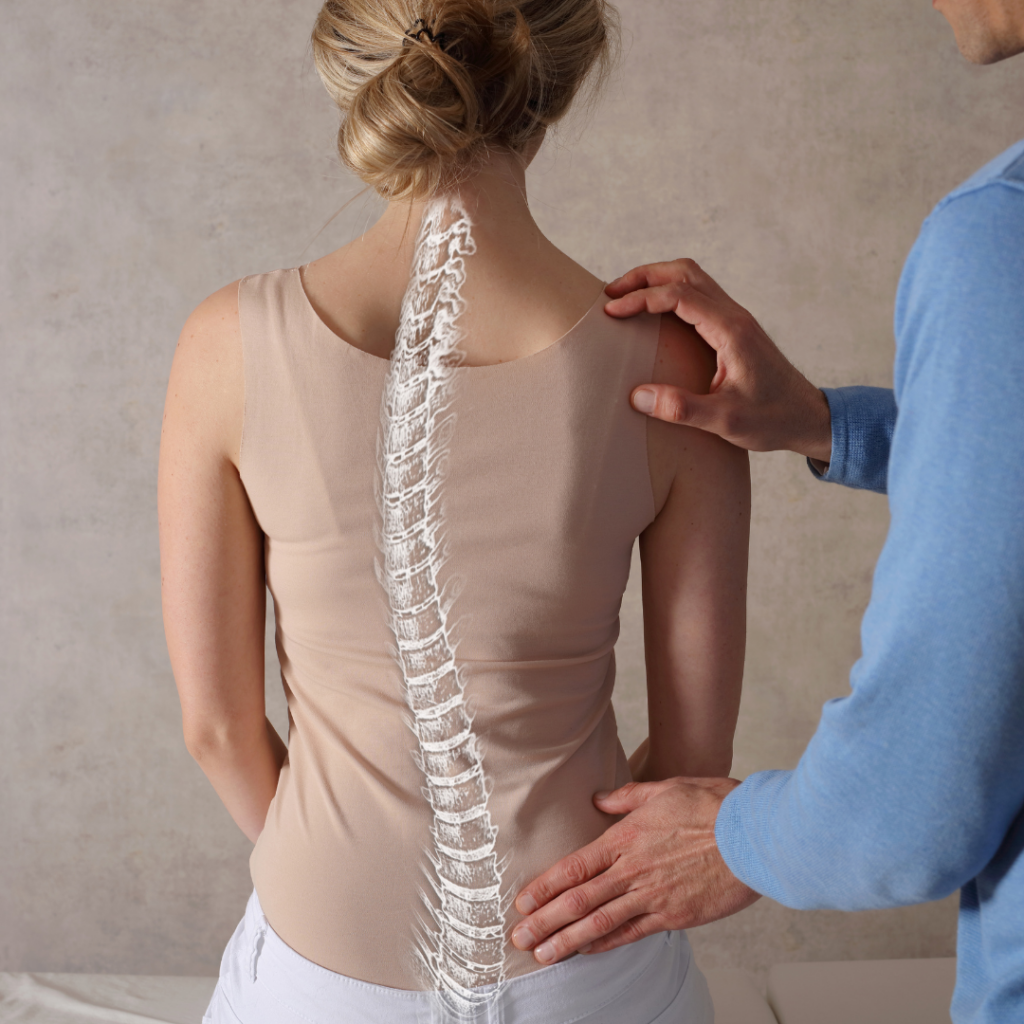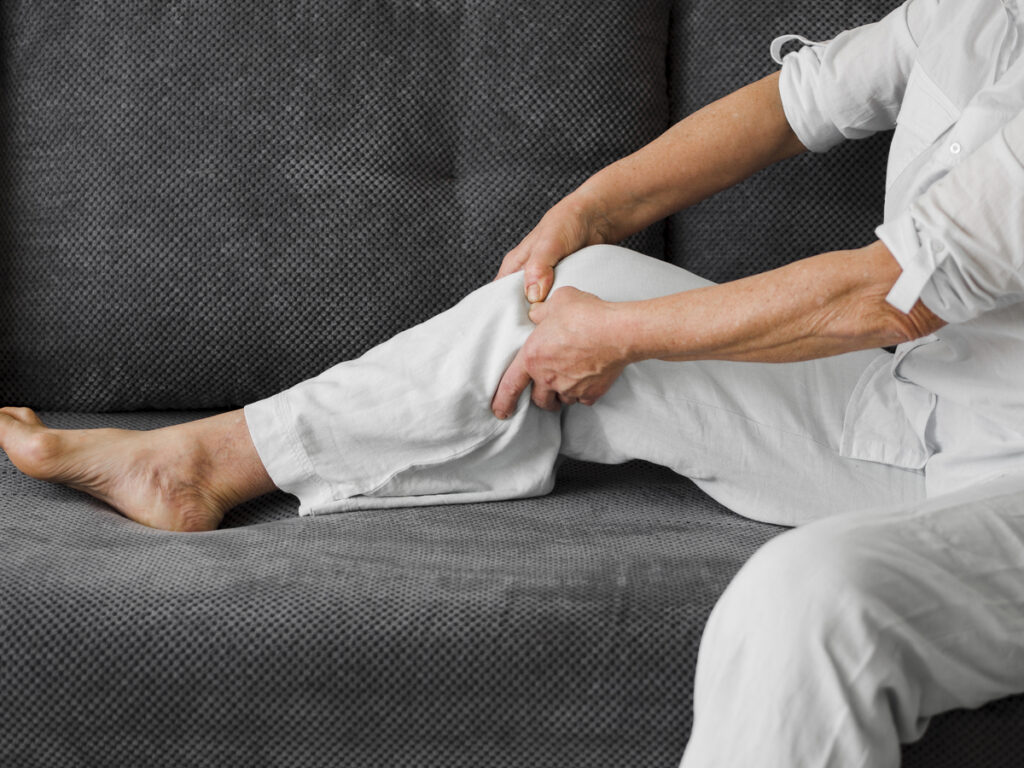
Low back pain can be a frustrating and debilitating issue for many people. It often arises from various causes, such as muscle strains, poor posture, and even more serious conditions like herniated discs or osteoarthritis. As a local chiropractor, I believe that understanding these causes is essential for effective management and recovery.
Are you curious about how your daily habits might be contributing to your discomfort? Let’s delve into the top causes of low back pain and explore how chiropractic care can help you find relief and promote natural healing.
- Muscle Strains: Overexertion during physical activities or improper lifting techniques can lead to muscle strains. Chiropractic adjustments can help restore proper alignment and function to your spine, allowing your muscles to relax and heal more effectively.
- Poor Posture: Sitting for long periods with poor posture can place undue stress on your back. Regular chiropractic care can help correct spinal alignment and teach you how to maintain good posture throughout your day. Simple adjustments to your workspace can also make a big difference!
- Herniated Discs: When a disc in your spine becomes herniated, it can press on nearby nerves, causing pain. Chiropractic adjustments can help alleviate this pressure and promote healing without the need for invasive procedures.
- Osteoarthritis: This condition can cause pain and stiffness in the joints of your spine. Chiropractic care focuses on improving joint function and reducing inflammation, which can lead to significant pain relief.
To address low back pain effectively, consider incorporating these general tips into your daily routine:
- Stay Active: Engage in low-impact exercises like walking or swimming to strengthen your back and improve flexibility.
- Practice Good Posture: Be mindful of your posture while sitting, standing, and lifting. Use ergonomic furniture if necessary.
- Stretch Regularly: Incorporate stretching into your routine to keep your muscles flexible and reduce tension.
- Schedule Regular Chiropractic Visits: Consistent chiropractic care can help keep your spine aligned and functioning optimally, preventing future issues.
By focusing on natural healing through chiropractic care, you can achieve lasting relief from low back pain and enhance your overall wellness. If you’re experiencing discomfort, don’t hesitate to reach out for a consultation. Together, we can develop a personalized plan to help you feel your best!
Key Takeaways
Low back pain is a common issue that many people face, often stemming from everyday activities and lifestyle choices. Understanding the causes can help you take proactive steps towards relief and wellness.
- Muscle Strains and Sprains: Heavy lifting or awkward movements can lead to muscle strains or sprains, which often manifest as sharp pain or dull aches in the lower back. To prevent these injuries, always use proper lifting techniques, engage your core, and consider using your legs instead of your back when lifting heavy objects.
- Poor Posture: Slouching or improper sitting can lead to spinal misalignment, putting extra stress on your back muscles. Maintaining good posture is crucial for spinal health. When sitting, ensure that your feet are flat on the ground, your back is straight, and your shoulders are relaxed. Regular breaks to stretch and move can also help alleviate tension.
- Herniated Discs: This occurs when the material inside a spinal disc bulges out and presses on nearby nerves. It can cause pain, numbness, or weakness in the legs. Chiropractic care can help manage this condition by realigning the spine and reducing pressure on the affected nerves.
- Degenerative Conditions: Conditions like osteoarthritis wear down cartilage, leading to inflammation and stiffness, which contribute to chronic lower back pain. Regular chiropractic adjustments can promote mobility and help alleviate discomfort by ensuring that your spine is properly aligned.
- Spinal Stenosis: This condition narrows the spinal canal, putting pressure on the spinal cord and nerves, which can lead to pain and difficulty walking. Chiropractic care focuses on spinal alignment and can help reduce pressure on nerves, improving overall function and mobility.
In addition to these tips, incorporating regular chiropractic visits into your wellness routine can support your spine and overall health. Remember to stay active, maintain a healthy weight, and consider exercises that strengthen your core and back muscles. By making these changes, you can help prevent low back pain and live a healthier, more active life.
Muscle Strains and Sprains
Muscle strains and sprains are common causes of low back pain, and understanding how they occur can help you take steps to prevent them.
When you lift something heavy or twist in an awkward way, your muscles and ligaments can stretch too far or even tear, causing discomfort. You may experience a sharp pain or a dull ache in your lower back, which can make it challenging to move comfortably throughout your day.
These injuries often happen during physical activities like playing sports, working out, or even while doing everyday chores around the house. If you’ve been sitting for a long time and suddenly jump into strenuous activity, your body is at an increased risk for these types of injuries.
To help prevent muscle strains and sprains, it’s essential to warm up your body before exercising and practice good body mechanics while lifting. Here are some simple tips to keep in mind:
- Warm up properly: Take a few minutes to stretch and get your body ready for activity.
- Use proper lifting techniques: Bend your knees and keep your back straight when lifting heavy objects, using your legs for power.
- Listen to your body: If you feel any discomfort, it’s okay to take a break or modify your activity.
If you do experience a strain or sprain, natural healing methods can be very effective. Resting and applying ice to the affected area can help reduce pain and swelling. Additionally, chiropractic care can play a crucial role in your recovery. Chiropractors specialize in aligning your spine and supporting your overall musculoskeletal health, which can promote healing and alleviate pain naturally.
Should the pain persist, it’s important to seek the guidance of a chiropractor who can assess your condition and provide tailored treatment options. Embracing chiropractic care not only helps relieve pain but also supports your journey towards optimal health and wellness, allowing you to enjoy a more active, fulfilling life.
Poor Posture
Often, poor posture is a key factor contributing to low back pain that many people overlook. When you slouch or hunch over, your spine loses its natural alignment, placing extra stress on your muscles and ligaments. This misalignment can lead to discomfort and strain, especially if you find yourself sitting for extended periods.
You mightn’t realize it, but your body mechanics—how you sit, stand, or even walk—can significantly affect your back health. For example, sitting at a desk with rounded shoulders or a head that juts forward can create imbalances that result in pain.
As a chiropractor, I encourage you to make a conscious effort to maintain a neutral spine. Here are some simple tips to help you improve your posture and support your spine:
- Sit Smart: Keep your shoulders back and your feet flat on the ground while sitting. Using a chair that supports your lower back can help maintain proper alignment.
- Stand Tall: When standing, distribute your weight evenly on both feet, and engage your core muscles to support your spine. Imagine a string pulling your head upwards to help you stand tall.
- Take Breaks: If you sit for long periods, make sure to take breaks to stand up, stretch, and walk around. This will help prevent stiffness and maintain good posture.
- Be Mindful: Pay attention to your posture throughout the day. Set reminders to check in with your body and correct your alignment if needed.
By focusing on these habits, you can reduce your risk of low back pain and promote better spinal health. Chiropractic care is an excellent way to enhance your overall well-being, helping to realign your spine and relieve pain naturally.
If you’re experiencing discomfort, consider visiting a chiropractor to explore how spinal adjustments can benefit your health. Together, we can work towards a healthier, pain-free life!
Herniated Discs
Herniated discs can be a major cause of low back pain, but understanding their anatomy is essential for grasping the issue and finding relief.
When a disc is herniated, it can lead to symptoms such as pain, numbness, or weakness in various areas of your body. This is why accurate diagnosis is crucial.
As a chiropractor, I want to emphasize that there are effective, natural treatment options available to help manage your discomfort and improve your mobility.
Chiropractic care focuses on addressing the root causes of your pain, rather than just masking symptoms with medications or invasive procedures.
Here are some tips to help you on your journey to recovery:
- Stay Active: Gentle movements and stretches can help maintain flexibility and strength in your back. Activities like walking, swimming, or yoga can be beneficial.
- Maintain Good Posture: Be mindful of your posture throughout the day, whether you’re sitting at a desk or lifting objects. Proper alignment can significantly reduce stress on your spine.
- Apply Heat or Cold: Using heat pads can help relax tense muscles, while cold packs can reduce inflammation and numb sharp pain.
- Stay Hydrated: Drinking plenty of water is essential for maintaining the health of your discs, as they’re composed mostly of water.
- Consider Chiropractic Adjustments: Regular adjustments can help realign your spine, improve mobility, and promote natural healing. It’s a holistic approach that focuses on your overall well-being.
By prioritizing chiropractic care, you’re choosing a path towards optimal health and wellness.
Anatomy of Herniated Discs
Understanding the anatomy of herniated discs is crucial for recognizing how they affect your body and overall health.
Your spine is made up of vertebrae stacked on top of each other, with intervertebral discs in between that serve as shock absorbers.
Each disc has a tough outer layer called the annulus fibrosus and a soft, jelly-like center known as the nucleus pulposus.
When the annulus weakens or develops a tear, the nucleus can bulge out, leading to a herniated disc.
This condition can put pressure on nearby nerves, resulting in discomfort or pain.
The location of the herniation can influence the symptoms you might feel, emphasizing the importance of understanding your spine’s anatomy.
By knowing how these discs work, you can appreciate the mechanics at play and how they relate to your overall spinal health.
Chiropractic care is a natural and effective approach to managing pain associated with herniated discs.
Rather than resorting to surgeries or medications, chiropractic adjustments can help restore proper alignment, reduce nerve pressure, and promote your body’s natural healing processes.
Here are some general tips for maintaining a healthy spine and preventing herniated discs:
- Stay Active: Regular physical activity strengthens your back muscles and improves flexibility, which can help support your spine.
- Practice Good Posture: Whether sitting at a desk or lifting heavy objects, maintaining good posture can reduce strain on your spine.
- Use Proper Lifting Techniques: Bend at your knees and keep your back straight when lifting heavy items to protect your spine.
- Stay Hydrated: Drinking plenty of water helps maintain the elasticity of your spinal discs.
- Seek Chiropractic Care: Regular visits to a chiropractor can help keep your spine aligned and functioning optimally, reducing the risk of herniated discs and other spinal issues.
By prioritizing these practices and opting for chiropractic care, you can work towards achieving optimal spinal health and overall wellness.
Symptoms and Diagnosis
When a disc herniates, it can lead to a variety of uncomfortable symptoms that may affect your daily life. You might experience sharp pain in your lower back that could radiate down your legs, a condition many know as sciatica. Additionally, you may notice numbness, tingling, or weakness in your legs or feet, which can hinder your ability to perform everyday activities.
If you find yourself experiencing these symptoms, it’s important to understand that chiropractic care is a natural and effective approach to managing your discomfort. Chiropractors are trained to assess your spine and identify any misalignments that could be contributing to your pain. By focusing on spinal health, we can help alleviate the pressure on your nerves and promote healing.
During your visit, your chiropractor will conduct a thorough examination to evaluate your posture, reflexes, and range of motion. This will help us understand how best to support your recovery. We may also use gentle adjustments and other techniques to relieve pain and restore function.
In addition to chiropractic care, here are some general tips to help you manage your symptoms and promote a healthier lifestyle:
- Maintain Good Posture: Be mindful of your posture when sitting, standing, and lifting heavy objects. Proper alignment can reduce strain on your spine.
- Stay Active: Gentle exercises and stretches can help keep your spine healthy. Activities like walking, swimming, or yoga can be beneficial.
- Use Heat or Ice: Applying heat can help relax tight muscles, while ice can reduce inflammation and numb pain.
- Practice Stress Relief: Techniques such as deep breathing, meditation, or gentle stretching can help reduce tension and improve overall well-being.
Treatment Options Available
If you’re experiencing the discomfort of a herniated disc, there are several effective treatment options that can help relieve your pain and restore your well-being. One of the best approaches to consider is chiropractic care, which focuses on natural healing and spinal health.
Chiropractic adjustments can help realign your spine, reducing pressure on the affected disc and surrounding nerves. This not only alleviates pain but also promotes better mobility and function. By working with a chiropractor, you can receive personalized treatment that addresses the root cause of your discomfort.
In addition to chiropractic adjustments, physical therapy may be recommended to strengthen your back and improve flexibility. Simple exercises can be performed at home to support your recovery. Remember to listen to your body and avoid activities that exacerbate your pain.
To complement your chiropractic care, consider incorporating gentle stretching and low-impact activities, like walking or swimming, into your routine. Staying active can help maintain your spine’s health and prevent further issues.
It’s also important to pay attention to your posture, especially if you spend long hours sitting. Make sure your workspace is ergonomically friendly and take regular breaks to stand and stretch.
Always consult with a healthcare professional to determine the best approach for your situation, but remember that chiropractic care is a safe, effective, and natural way to support your journey to optimal health. Prioritize your wellness by exploring the benefits of chiropractic treatment today!
Degenerative Disc Disease
As we age, our spinal discs can lose hydration and elasticity, which can lead to a condition known as degenerative disc disease. This can result in chronic pain and stiffness in your lower back, making everyday activities difficult. But don’t worry! There are natural ways to manage these symptoms and improve your overall well-being.
Chiropractic care stands out as one of the best options for achieving optimal health and pain relief. Through gentle adjustments and spinal manipulations, chiropractors can help restore proper alignment to your spine, which may alleviate pain and increase mobility.
By addressing the root cause of your discomfort, chiropractic care promotes healing and supports your body’s natural ability to function at its best.
In addition to chiropractic adjustments, here are some general tips you can incorporate into your daily routine to support a healthy spine:
- Stay Active: Regular exercise helps strengthen the muscles that support your spine. Focus on low-impact activities like walking, swimming, or yoga to keep your back strong and flexible.
- Practice Good Posture: Be mindful of your posture, especially when sitting for extended periods. Use ergonomic chairs and take breaks to stand and stretch.
- Maintain a Healthy Weight: Excess weight can put additional stress on your spine. Eating a balanced diet and staying active can help you maintain a healthy weight.
- Stay Hydrated: Drinking plenty of water helps keep your spinal discs hydrated, which is essential for their health and function.
- Listen to Your Body: Pay attention to any signs of discomfort and don’t hesitate to seek chiropractic care if you’re experiencing pain. Early intervention can lead to better outcomes.
Age-Related Changes
As we age, many of us experience changes in our bodies, including our spine. One common issue is degenerative disc disease, which can lead to low back pain. This occurs as the discs between our vertebrae start to lose hydration and elasticity, making them less effective at cushioning our spine. You may notice your discs becoming thinner, which can increase pressure on your spinal nerves. These age-related changes can result in stiffness and limited mobility, making daily activities more difficult.
But don’t worry—there are natural ways to support your spine and maintain your health as you age! Chiropractic care is a fantastic option for alleviating discomfort and promoting overall wellness. Regular adjustments can help restore proper alignment, improve mobility, and reduce pressure on your nerves.
In addition to chiropractic care, here are some simple tips to keep your spine healthy:
- Stay Active: Engage in regular low-impact exercises like walking, swimming, or yoga. These activities can strengthen your back and improve flexibility without putting too much strain on your spine.
- Practice Good Posture: Be mindful of your posture when sitting, standing, or lifting. Keeping your back straight and your shoulders back can reduce stress on your spine.
- Stretch Regularly: Incorporate gentle stretching into your daily routine. Stretching can help keep your muscles flexible and reduce stiffness.
- Maintain a Healthy Weight: Extra weight can put additional strain on your spine. Eating a balanced diet and staying active can help you manage your weight and support your spinal health.
- Stay Hydrated: Drinking plenty of water is essential for keeping your discs hydrated and functioning properly.
By understanding the changes that occur in your spine as you age and taking proactive steps, you can enjoy a healthier, more active life. Chiropractic care is a natural and effective way to support your spine and overall wellness, allowing you to stay engaged in the activities you love.
Symptoms and Treatment Options
As we age, our spine can undergo various changes that may lead to discomfort, especially if degenerative disc disease is present. Many people experience persistent lower back pain, stiffness, or tingling sensations in their legs. Recognizing these symptoms early is crucial in managing your health and maintaining an active lifestyle.
Here’s a simple overview of common symptoms associated with spinal issues and how chiropractic care can help:
| Symptoms | Chiropractic Solutions |
|---|---|
| Persistent lower back pain | Chiropractic adjustments to realign the spine and relieve pressure on nerves |
| Stiffness | Gentle spinal manipulations to enhance mobility and flexibility |
| Tingling in legs | Targeted chiropractic techniques to alleviate nerve compression |
| Reduced mobility | Customized exercise and stretching plans to improve strength and function |
Chiropractic care not only addresses these symptoms but also focuses on the underlying causes, promoting natural healing and overall wellness. By choosing chiropractic treatment, you can avoid invasive procedures and medication, opting instead for a holistic approach to your health.
Here are some general tips you can incorporate into your daily routine to support your spinal health:
- Stay Active: Engage in low-impact exercises like walking, swimming, or yoga to keep your spine flexible and strong.
- Maintain Good Posture: Be mindful of your posture when sitting or standing. Good alignment can prevent unnecessary strain on your spine.
- Use Ergonomic Furniture: If you work at a desk, invest in ergonomic chairs and desks that support proper posture.
- Practice Stretching: Incorporate gentle stretches into your daily routine to relieve tension and improve mobility.
Consulting with a chiropractor can help you create a personalized treatment plan that best suits your needs. By embracing chiropractic care, you can alleviate discomfort, enhance your quality of life, and pave the way toward a healthier, more vibrant you. Remember, your spine is the foundation of your overall health—take care of it!
Osteoarthritis
Osteoarthritis can sneak up on you, often leading to discomfort and stiffness in the lower back as the cartilage cushioning your joints wears down over time. This natural wear and tear can result in inflammation and pain, making everyday movements feel more difficult. You might even find that your flexibility decreases, especially after sitting for a long time or when you wake up in the morning.
Several lifestyle factors can contribute to the development of osteoarthritis. For instance, carrying excess weight puts added stress on your spine, while a sedentary lifestyle can weaken your back muscles, making the situation worse. Previous injuries can also play a role in the onset of this condition.
As a chiropractor, I want to emphasize that managing your symptoms naturally is key. One of the best ways to find relief and improve your overall health is through chiropractic care. Regular adjustments can help realign your spine, reduce pain, and enhance your range of motion. It’s also important to focus on maintaining a healthy weight and staying active with low-impact exercises like swimming or cycling, which are gentle on your joints.
Consider incorporating stretching and strengthening routines into your daily life to support your back muscles. Physical therapy can also complement chiropractic care by helping you build strength and improve flexibility. Remember, listening to your body is crucial; addressing osteoarthritis early can significantly enhance your quality of life.
Sciatica
Sciatica can be a real challenge, impacting your daily life with sharp pain that travels from your lower back down to your leg. This discomfort is often caused by pressure on the sciatic nerve, which can stem from issues like a herniated disc, spinal stenosis, or even muscle spasms. You might experience tingling, numbness, or weakness in your leg, making it difficult to sit or stand comfortably.
Understanding sciatica is the first step towards finding relief, and as a chiropractor, I want to emphasize the importance of natural healing and spinal health. Here’s a brief summary of sciatica symptoms, causes, and how chiropractic care can help:
| Symptoms | Causes | Chiropractic Care Benefits |
|---|---|---|
| Sharp leg pain | Herniated disc | Gentle spinal adjustments |
| Tingling or numbness | Spinal stenosis | Improved nerve function |
| Weakness in leg | Muscle spasms | Enhanced mobility and strength |
Chiropractic care focuses on addressing the root causes of sciatica through safe, non-invasive methods. Regular adjustments can help relieve pressure on the sciatic nerve, promote proper alignment, and enhance overall spinal health.
Here are some general tips you can incorporate into your routine to help manage sciatica:
- Stay Active: Gentle stretching and low-impact exercises can help strengthen your back and improve flexibility.
- Maintain Good Posture: Pay attention to how you sit and stand. Good posture reduces strain on your spine.
- Use Heat and Cold Therapy: Applying heat or cold packs can alleviate pain and reduce inflammation.
- Practice Mindfulness: Stress can worsen pain, so consider activities like yoga or meditation to help relax your mind and body.
Spondylolisthesis
Spondylolisthesis is a condition where one of your vertebrae slips forward over another, which can lead to discomfort in your lower back. If you’re dealing with symptoms like stiffness or leg pain, you know how this can make daily activities feel challenging.
Understanding what causes spondylolisthesis and exploring natural treatment options is crucial for achieving relief and supporting your overall wellness. As a chiropractor, I believe that chiropractic care is one of the best ways to promote healing and restore balance to your spine.
Here are some tips for managing spondylolisthesis and supporting your recovery:
- Stay Active: Engage in gentle exercises that promote spinal stability. Activities like walking, swimming, or specific stretching can help keep your back muscles strong without putting too much strain on your spine.
- Posture Awareness: Pay attention to your posture throughout the day. Whether you’re sitting, standing, or lifting, maintaining proper alignment can help reduce stress on your spine.
- Chiropractic Adjustments: Regular visits to a chiropractor can help realign your spine and reduce pain. Chiropractic adjustments are a natural way to encourage your body’s healing processes and improve function.
- Strengthening Exercises: Focus on strengthening your core muscles, as a strong core supports your spine and can alleviate some of the pain associated with spondylolisthesis. Your chiropractor can guide you on specific exercises tailored to your needs.
- Heat and Cold Therapy: Applying heat or cold to the affected area can provide temporary relief. Heat can relax tight muscles, while cold therapy can reduce inflammation.
- Ergonomic Support: If you spend a lot of time sitting, consider using ergonomic chairs or cushions that promote better spinal alignment.
Definition and Causes
When a vertebra slips out of place, it can lead to a condition known as spondylolisthesis, which often results in low back pain and discomfort. Understanding the causes is crucial for managing this condition effectively and embracing a healthier lifestyle. Here are some common factors that contribute to spondylolisthesis, along with tips on how chiropractic care can help:
| Causes | Description | Example |
|---|---|---|
| Degenerative Changes | The natural wear and tear on spinal joints as we age can lead to misalignments. | Aging-related wear |
| Injury or Trauma | Accidents or sports injuries can cause vertebrae to shift out of place. | Sports injuries |
| Genetic Factors | Some individuals may be more prone to this condition due to family history. | Family history |
Recognizing these causes empowers you to take preventive measures and seek appropriate care, particularly through chiropractic adjustments. Regular chiropractic visits can help realign the spine, reduce pain, and improve overall health.
Here are a few tips to help you manage your spinal health:
- Stay Active: Engage in low-impact exercises such as walking or swimming to strengthen your back muscles and support spinal health.
- Practice Good Posture: Be mindful of your posture while sitting, standing, and lifting to minimize strain on your spine.
- Incorporate Stretching: Gentle stretches can enhance flexibility and alleviate tension in the back muscles.
- Consider Chiropractic Care: Regular adjustments can help maintain spinal alignment, reduce discomfort, and promote natural healing.
Symptoms and Treatment Options
Low back pain from spondylolisthesis can affect your daily life in many ways. You might feel a constant ache in your lower back that can spread to your buttocks and legs. It’s also common to experience stiffness, muscle spasms, or a sense of instability in your spine. These symptoms may become more noticeable when you move in certain ways or after sitting or standing for long periods.
When it comes to managing this type of pain, chiropractic care is one of the best options available. A chiropractor can help you by using gentle adjustments to realign your spine, which can reduce pain and improve your overall mobility. Additionally, chiropractic care focuses on strengthening your core and enhancing flexibility, which are essential for supporting your spine and preventing further issues.
In addition to chiropractic adjustments, there are some simple tips you can incorporate into your daily routine to support your back health. Make sure to practice good posture whether you’re sitting, standing, or lifting. Engaging in regular gentle exercises, such as walking or stretching, can keep your muscles strong and flexible. Using heat or cold therapy can also provide relief from discomfort.
Spinal Stenosis
Experiencing spinal stenosis can be a challenging ordeal, as it involves the narrowing of the spinal canal, which can put pressure on your spinal cord and nerves. This can lead to discomfort, including pain, tingling, or weakness in your back and legs. While spinal stenosis often develops gradually due to age-related changes, it can also be caused by injuries or congenital factors.
As a chiropractor, I believe that understanding your condition is the first step towards healing. Here are some common symptoms of spinal stenosis along with natural approaches to support your wellness:
| Symptoms | Natural Solutions |
|---|---|
| Lower back pain | Chiropractic adjustments |
| Leg weakness | Gentle stretching and exercises |
| Numbness | Posture improvement techniques |
| Sciatica | Targeted chiropractic care |
| Difficulty walking | Lifestyle modifications (like walking or swimming) |
Recognizing these symptoms early can lead to effective, natural interventions that can improve your quality of life. Chiropractic care is focused on aligning your spine and improving your body’s function, which can help relieve pain and restore mobility without the need for medications or surgery.
In addition to chiropractic adjustments, here are some general tips to consider for managing spinal stenosis:
- Stay Active: Engage in low-impact activities like walking, swimming, or cycling to keep your body moving without putting too much strain on your spine.
- Strengthen Your Core: Strong core muscles can help support your spine and reduce pressure on the nerves. Simple exercises like planks or bridges can be beneficial.
- Practice Good Posture: Being mindful of your posture while sitting or standing can help ease discomfort and prevent further issues.
- Use Hot or Cold Therapy: Applying heat or cold packs can provide relief from pain and inflammation.
- Stay Hydrated: Drinking plenty of water helps keep your spinal discs hydrated and healthy.
If you suspect you have spinal stenosis, consult with a chiropractor for a thorough assessment and to develop a personalized treatment plan that focuses on natural healing and wellness. Together, we can work towards achieving optimal health and a more comfortable life.
Infections or Tumors
Infections or tumors affecting the spine can lead to significant discomfort and complications, resulting in inflammation, pain, or even neurological symptoms. If you’re experiencing localized pain that worsens with movement or pressure, it’s important to take notice.
While infections can sometimes present with additional symptoms like fever or chills, tumors, whether benign or malignant, may press against spinal structures, impacting nerve function. This can lead to radiating pain, numbness, or weakness, particularly in your legs.
As a chiropractor, I want to emphasize the importance of your spine’s health and how it affects your overall well-being. If you suspect any issues with your spine, seeking the guidance of a chiropractor can be a natural and effective approach to managing pain and discomfort.
Chiropractic care focuses on restoring alignment and function to your spine, which can help alleviate pain and improve your body’s natural healing processes. Techniques such as spinal adjustments can relieve pressure on nerves and enhance your overall mobility.
Here are some general tips to help maintain a healthy spine:
- Stay Active: Regular exercise strengthens the muscles that support your spine. Consider activities like walking, swimming, or yoga to keep your body moving.
- Practice Good Posture: Be mindful of your posture when sitting, standing, or lifting heavy objects. Proper alignment can prevent undue stress on your spine.
- Stay Hydrated: Drinking plenty of water is essential for maintaining spinal health. Hydration helps keep your spinal discs nourished.
- Use Ergonomic Furniture: If you spend long hours at a desk, invest in ergonomic chairs and desks to support your spine’s natural curves.
- Stretch Regularly: Incorporate stretching into your daily routine to maintain flexibility and reduce tension in your muscles.
- Listen to Your Body: Pay attention to any signals from your body. If you experience persistent pain or unusual symptoms, it’s important to address them.
Lifestyle Factors and Obesity
Your overall health and well-being are crucial in managing low back pain, especially when considering lifestyle factors and weight management. If you’re carrying extra weight, it can place additional strain on your spine and the muscles around it, leading to discomfort and pain. That’s where chiropractic care shines—by addressing spinal alignment, we can help reduce that strain and promote a healthier back.
Incorporating regular physical activity into your routine is essential. Not only does it strengthen your core and improve flexibility, but it also supports your spine. Consider engaging in activities that you enjoy, such as walking, swimming, or even practicing yoga. These can be gentle on the body while also providing significant benefits.
It’s important to be aware of your posture, especially if you spend long hours sitting. Poor posture can contribute to back pain, so make an effort to sit up straight and take breaks to stretch throughout the day. Small, sustainable changes to your daily routine can make a big difference.
Eating a balanced diet is another key factor in maintaining a healthy weight, which in turn reduces the pressure on your back. Focus on whole foods like fruits, vegetables, lean proteins, and whole grains.
Prioritizing self-care and being mindful of your habits can lead to a notable improvement in your quality of life and help alleviate low back pain. Remember, every positive choice you make contributes to a stronger, healthier back.
Chiropractic care can be an incredible resource on your journey to wellness. By keeping your spine aligned and functioning properly, you can experience natural pain relief and improved overall health. So, take those first steps toward a healthier lifestyle and consider integrating chiropractic adjustments into your routine for optimal well-being.