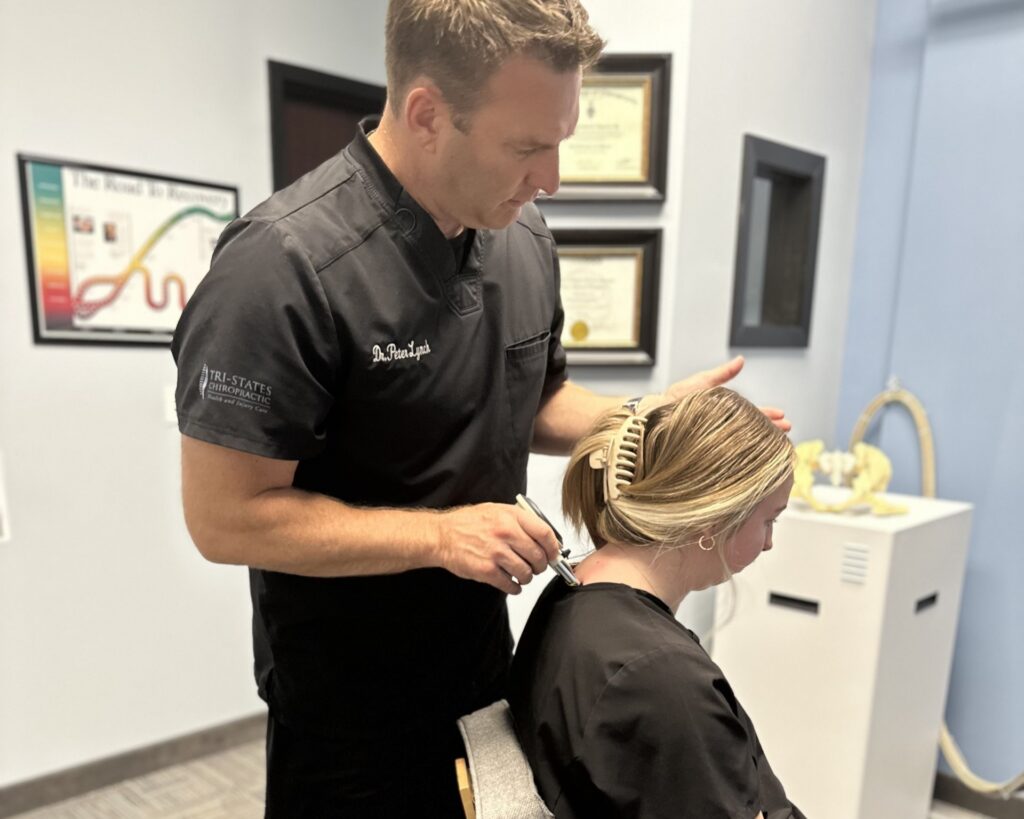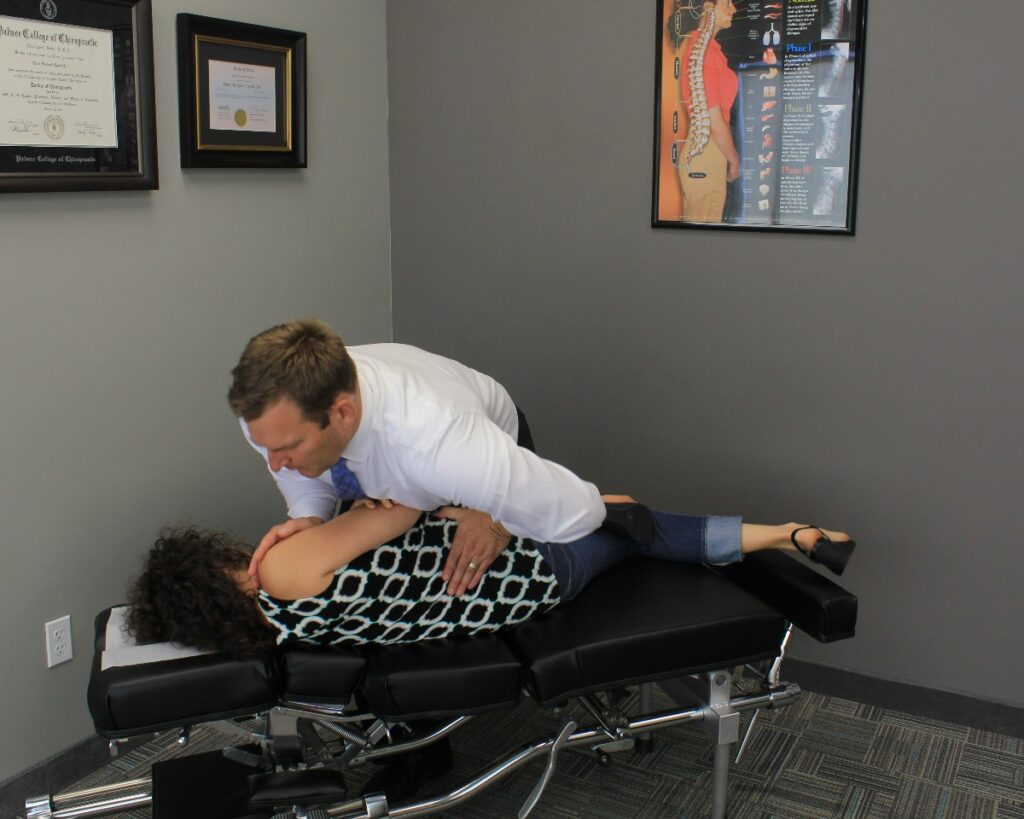
Low back pain can often feel like a puzzle with missing pieces. Many people think the source of their discomfort lies solely in the spine, but there are deeper factors at play. Stress, nutrition, and everyday habits can significantly influence how we feel. As a chiropractor, I believe that understanding these hidden triggers is essential for achieving lasting relief and optimal health.
What if the solutions you seek extend beyond just physical adjustments? By addressing the underlying causes of your discomfort, you can pave the way for a healthier, pain-free life. Here are some tips to help you uncover what might be lurking beneath the surface:
- Manage Stress: Stress can create tension in your muscles, leading to back pain. Consider incorporating relaxation techniques such as deep breathing, yoga, or meditation into your daily routine.
- Nutrition Matters: A balanced diet plays a key role in overall wellness. Focus on foods rich in anti-inflammatory properties, like leafy greens, nuts, and fatty fish, to support your body’s healing processes.
- Mind Your Posture: Poor posture can strain your back over time. Be mindful of how you sit, stand, and lift objects. Try to maintain a neutral spine position to reduce stress on your back.
- Stay Active: Regular physical activity strengthens your muscles and improves flexibility. Low-impact exercises such as walking, swimming, or cycling can be gentle on your back while promoting overall health.
- Chiropractic Care: Regular visits to a chiropractor can help address misalignments in your spine and improve your overall well-being. Chiropractic adjustments can relieve pressure on nerves and restore proper function, making it a natural choice for pain relief.
By focusing on these holistic approaches, you can begin to uncover and address the hidden triggers of your low back pain. Remember, a comprehensive approach to health and wellness allows you to achieve not only relief from pain but also a vibrant, healthier lifestyle. If you’re ready to take the next step, consider scheduling a visit to your local chiropractor to explore how chiropractic care can support your journey to optimal health.
Key Takeaways
- Stress and emotional triggers can cause muscle tension, making you feel more pain in your lower back. Chiropractic care can help relieve this tension and improve your overall emotional well-being.
- When we sit for long periods, our core muscles can weaken, leading to spinal instability and discomfort. Regular chiropractic adjustments can help strengthen these muscles and improve your posture, reducing pain.
- Maintaining poor posture while going about daily activities can worsen spinal misalignment and chronic pain. A chiropractor can provide personalized guidance on achieving better posture, which can greatly reduce discomfort in your back.
- Staying active and incorporating regular movement into your routine is crucial for back health. Chiropractic care can assist in developing an exercise plan that strengthens your back, helping to prevent future pain.
- Keeping a journal of your emotions and pain levels can be a powerful tool. It can help you and your chiropractor identify patterns and potential triggers linked to your low back pain, allowing for more effective treatment and relief.
Remember, chiropractic care is a natural and effective way to address low back pain and promote overall wellness. Incorporating these tips into your daily life can enhance your spinal health and improve your quality of life.
Understanding the Connection Between Stress and Back Pain
It’s essential to understand that stress can significantly contribute to low back pain, a common issue many of us face.
When you’re feeling stressed, your body reacts by tensing up, particularly in your back muscles. This tension can lead to discomfort and stiffness, making it challenging to move freely. You may find yourself sitting or standing in awkward positions to alleviate the pain, which can further stress your back.
Moreover, stress can lead to inflammation, worsening any existing back problems. If you’re balancing work, family, and personal demands, that constant anxiety can be overwhelming, and your back often bears the brunt of it.
Chiropractic care can be a powerful ally in addressing both stress and back pain. A chiropractor can help realign your spine, relieve muscle tension, and promote better overall health. Regular adjustments can improve your body’s ability to manage stress, ultimately reducing the strain on your back.
In addition to chiropractic care, it’s beneficial to incorporate relaxing activities into your daily routine. Consider practices like yoga or deep-breathing exercises to help you unwind and relieve tension. Recognizing the connection between stress and low back pain is a vital step toward finding relief and enhancing your overall well-being.
Prioritizing self-care and making stress management a part of your lifestyle not only helps your back but also contributes to a healthier, more balanced life.
The Role of Nutrition in Spinal Health
Your diet plays a crucial role in maintaining spinal health, especially when it comes to preventing low back pain. As a chiropractor, I believe that incorporating anti-inflammatory foods into your diet is an excellent way to reduce pain and inflammation naturally. Foods like leafy greens, fatty fish, nuts, and berries can work wonders in supporting your body.
Staying properly hydrated is also essential for spinal health. Drinking enough water helps keep the discs in your spine well-nourished and functioning correctly. Remember, a well-hydrated body is better equipped to handle the stresses of daily life.
Alongside these dietary choices, regular chiropractic care can greatly enhance your overall well-being. By addressing spinal misalignments and promoting proper function, chiropractic adjustments can help alleviate pain and improve your body’s ability to heal itself.
Here are some simple tips to consider:
- Add more anti-inflammatory foods: Fill your plate with colorful fruits and vegetables, whole grains, and healthy fats.
- Stay hydrated: Aim for at least eight glasses of water a day, more if you’re active.
- Posture matters: Be mindful of your posture at work and home, as this can greatly impact your spinal health.
- Regular chiropractic visits: Make chiropractic care a part of your routine for optimal spinal health and wellness.
Anti-Inflammatory Foods
Anti-inflammatory foods are essential for maintaining spinal health and can significantly influence your experience with low back pain. By incorporating these foods into your diet, you can help reduce inflammation, alleviate discomfort, and promote healing—all of which complement the benefits of chiropractic care.
Start by filling your plate with an abundance of fruits and vegetables. Berries, leafy greens, and cruciferous vegetables like broccoli and cauliflower are particularly beneficial. These foods are packed with antioxidants and nutrients that support your body’s natural healing processes.
Omega-3 fatty acids are another key player in fighting inflammation. You can find these healthy fats in fatty fish such as salmon, as well as in nuts like walnuts. Adding these foods to your meals not only boosts your overall health but can also enhance the effects of chiropractic treatments by supporting spinal health.
Don’t overlook the power of spices! Turmeric and ginger are excellent natural anti-inflammatory agents. Try adding these spices to your cooking for a flavorful way to help your body combat inflammation.
In addition, incorporating whole grains and healthy fats from sources like olive oil and avocados can further support your well-being. These foods not only nourish your body but also work alongside chiropractic care to help alleviate that nagging back pain.
Hydration and Discs
Staying hydrated is essential for the health of your spinal discs, those crucial cushions between your vertebrae. These discs depend on proper hydration to maintain their elasticity and shock-absorbing abilities. When you’re dehydrated, your discs can suffer, leading to increased pressure on your spine and potentially causing pain and discomfort.
As a chiropractor, I want to emphasize the importance of hydration not just for your discs, but for your overall spinal health. Drinking enough water helps your body transport vital nutrients to your discs and flush out waste products. To support your spinal health, aim to drink at least eight glasses of water daily, adjusting for your activity levels and the climate you live in.
Even mild dehydration can impact your spine, so it’s important to keep that water bottle handy. Here are some practical tips to ensure you’re staying hydrated:
- Set Reminders: Use your phone or a calendar to remind you to drink water throughout the day.
- Flavor It Up: If plain water isn’t appealing, try adding slices of lemon, cucumber, or berries for a refreshing twist.
- Carry a Reusable Bottle: Having water within reach makes it easier to sip throughout the day.
- Eat Water-Rich Foods: Incorporate fruits and vegetables like cucumbers, oranges, and watermelon into your diet for extra hydration.
How Sleep Quality Affects Back Pain
While there are many factors that can contribute to low back pain, one of the most significant is sleep quality. As your local chiropractor, I want to emphasize how important good sleep is for your overall health and especially for your back. Poor sleep can lead to increased muscle tension and discomfort, making it more difficult for your body to recover overnight. If you find yourself tossing and turning, your back pain may worsen, creating a tough cycle that can be hard to break.
Here’s a simple breakdown of how sleep quality influences your back:
| Sleep Quality | Effect on Back Pain |
|---|---|
| Poor Sleep | Increases pain levels |
| Interrupted Sleep | Worsens muscle tension |
| Deep Sleep | Aids in recovery |
| Consistent Schedule | Reduces pain severity |
Prioritizing good sleep hygiene can make a world of difference. Here are some tips to enhance your sleep quality and support your back health:
- Stick to a Sleep Schedule: Try to go to bed and wake up at the same time every day. This helps regulate your body’s internal clock.
- Create a Relaxing Sleep Environment: Make your bedroom a calming space. Consider darker curtains, a cool room temperature, and minimizing noise.
- Practice Relaxation Techniques: Engage in gentle stretching or mindfulness exercises before bed to ease muscle tension and prepare your body for restful sleep.
- Stay Active: Regular physical activity can help reduce stress and promote better sleep, but try to avoid vigorous exercise close to bedtime.
- Limit Screen Time: Reduce exposure to screens at least an hour before bed to help your body wind down naturally.
The Impact of Sedentary Lifestyle on the Spine
If you find yourself sitting for long hours, you mightn’t fully grasp how much this sedentary lifestyle is affecting your spine. Sitting for extended periods can lead to weakened muscles, particularly in your core and back. When these essential muscles aren’t engaged, they fail to provide proper support for your spine, which increases your risk of injury and discomfort. Prolonged sitting also places pressure on your spinal discs, potentially leading to degeneration over time.
You may experience stiffness or discomfort after a long day of sitting, which signals that your spine needs attention. Additionally, poor posture while seated can worsen these issues, resulting in misalignment and chronic pain.
To combat these negative effects, I encourage you to incorporate regular movement into your daily routine. Stand up, stretch, or take a short walk every hour to keep your muscles engaged and your spine happy. These simple actions not only help protect your spine but also enhance your overall health and productivity.
Consider visiting a chiropractor to learn more about how spinal adjustments can improve your posture and alleviate pain. Chiropractic care is a natural and effective way to maintain optimal spinal health. Remember, prioritizing movement and seeking chiropractic care can go a long way in safeguarding your back from the adverse effects of a sedentary lifestyle. Your spine deserves the best care, so take action today for a healthier tomorrow!
Common Household Habits That Worsen Pain
As a chiropractor, I want to share some important insights about common household habits that can inadvertently worsen your low back pain. You may not realize it, but your daily routines—like poor posture while sitting, improper lifting techniques, and a sedentary lifestyle—can significantly contribute to your discomfort.
By making a few simple adjustments at home, you can help alleviate some of that pain and improve your overall well-being. Here are some practical tips:
- Mind Your Posture: When sitting, ensure that your back is straight and your shoulders are relaxed. Use a chair that supports your lower back, and try to keep your feet flat on the ground. This helps maintain the natural curve of your spine and reduces strain.
- Lift with Care: Always bend at your knees, not your waist, when lifting heavy objects. Keep the item close to your body and use your legs to lift, rather than your back. This technique helps protect your spine and minimizes the risk of injury.
- Stay Active: Engaging in regular physical activity is crucial for spinal health. Aim for exercises that strengthen your core muscles, as these provide support to your back. Simple activities like walking, stretching, or yoga can make a significant difference.
- Take Breaks: If you find yourself sitting for long periods, make a habit of standing up, stretching, and moving around every 30 minutes. This helps improve circulation and reduces stiffness in your back.
- Seek Chiropractic Care: One of the best ways to achieve long-term relief from low back pain is through regular chiropractic adjustments. Chiropractors focus on aligning your spine and ensuring your nervous system functions optimally, which can lead to improved health and wellness.
Poor Posture While Sitting
Maintaining poor posture while sitting can significantly increase low back pain, particularly during those long hours spent at a desk or lounging on the couch. Many people are unaware that their daily habits can contribute to discomfort. As a local chiropractor, I’d like to share some common pitfalls to avoid and how chiropractic care can help you achieve optimal health and wellness.
- Slouching: Leaning forward or hunching can put unnecessary strain on your spine. Instead, sit up straight and keep your shoulders back to support your natural spinal curve.
- Crossing Your Legs: This habit can misalign your hips and create muscle imbalances, leading to discomfort. Try to keep your feet flat on the floor or use a footrest to maintain proper alignment.
- Sitting on the Edge: Perching on the edge of your seat can prevent your back from receiving the support it needs. Make sure your back rests against the chair, allowing proper lumbar support to maintain spinal health.
- Not Using Lumbar Support: Skipping lumbar support can worsen low back pain. A supportive chair or a small cushion can help maintain the natural curve of your lower back, reducing strain and promoting comfort.
Chiropractic care is an excellent choice for addressing these issues. By restoring proper alignment and function to your spine, we can help alleviate pain and improve your overall well-being.
Improper Lifting Techniques
While poor posture can lead to significant discomfort, improper lifting techniques at home can greatly worsen low back pain.
Many people tend to bend at the waist instead of squatting down, which puts unnecessary strain on the lower back. Lifting heavy objects without proper support or twisting your body while carrying them can further increase your risk of injury.
Remember, your back isn’t meant to take on the entire load, and when you don’t engage your legs and core muscles, you’re setting yourself up for pain and discomfort.
To protect your back and promote overall wellness, always lift with your legs! Here are some simple tips you can incorporate into your daily routine:
- Squat Down: When picking up an object, bend at your knees and hips, keeping your back straight. This way, your legs do the heavy lifting.
- Keep it Close: Hold the object as close to your body as possible. This reduces strain on your lower back and helps maintain balance.
- Avoid Twisting: Instead of twisting your body to reach for something, pivot your feet and turn your whole body. This helps to protect your spine.
- Engage Your Core: Activate your core muscles to provide added support to your back while lifting. A strong core can help you maintain better posture and reduce discomfort.
- Take Breaks: If you’re lifting or moving heavy items for an extended period, take regular breaks to rest your muscles.
By adopting these proper lifting techniques, you not only protect your back but also promote better overall health and wellness.
If you’re experiencing persistent low back pain, consider consulting a chiropractor who can help you with natural pain relief and guide you towards optimal health.
Sedentary Lifestyle Choices
Living a sedentary lifestyle can significantly contribute to low back pain, especially when we engage in common household habits that lead to prolonged periods of inactivity. It’s easy to overlook how our daily routines might be impacting our comfort.
As a local chiropractor, I want to share some insights into how these habits can affect your spine and overall well-being, along with tips to promote better health:
1. Extended TV Time: While it’s tempting to binge-watch your favorite shows, spending too much time on the couch can strain your back. Try to set a timer to remind yourself to get up and move around every hour.
Simple stretches or a short walk can help keep your muscles engaged and your spine healthy.
2. Poor Posture While Working: Many of us slouch at our desks or hunch over our phones without realizing it. This poor posture can lead to muscle tension and discomfort.
Make it a habit to sit up straight with your feet flat on the floor, and consider incorporating a standing desk into your routine. Regular chiropractic adjustments can also help improve your posture and alleviate tension.
3. Ignoring Movement Breaks: Staying seated for long periods can cause your muscles to tighten, leading to discomfort and pain. Remember to take breaks throughout the day to stand, stretch, and walk.
These small movements can make a big difference in how your back feels. Set reminders on your phone to help you remember!
4. Lifting Heavy Items Incorrectly: Even everyday tasks, like lifting groceries or furniture, can put unnecessary strain on your back if done improperly. Always bend at your knees, keep the object close to your body, and avoid twisting while lifting.
If you find yourself frequently lifting heavy items, consider seeking guidance from a chiropractor who can teach you proper techniques.
Making mindful changes to your daily habits can greatly enhance your spinal health and overall wellness. Chiropractic care is an excellent way to support your body’s natural ability to heal and maintain optimal function.
If you’re experiencing back pain or discomfort, don’t hesitate to reach out for a consultation. Together, we can create a plan that fosters a healthier, more active lifestyle!
Identifying Emotional Triggers for Physical Discomfort
Understanding how emotions can impact your body is vital, especially for those dealing with low back pain. Often, unresolved feelings like stress, anxiety, or sadness can manifest physically, leading to discomfort in the back. By recognizing and addressing these emotional triggers, you can take significant steps toward alleviating your pain naturally.
Here’s a helpful breakdown of common emotions and their physical reactions, along with effective coping strategies that can support your journey to wellness:
| Emotion | Physical Reaction | Coping Strategies |
|---|---|---|
| Stress | Muscle tension | Try deep breathing exercises or gentle stretching to relieve tension. Chiropractic adjustments can also help relax tight muscles and improve spinal alignment. |
| Anxiety | Increased pain | Incorporate mindfulness or meditation into your daily routine. Chiropractic care can help reduce overall tension in your body, which may lessen anxiety-related discomfort. |
| Sadness | Fatigue | Engage in physical activity, such as walking or yoga. Regular chiropractic visits can boost your energy levels and improve your mood by promoting better spinal health. |
Start paying attention to your emotions and how they relate to your physical state. Keeping a journal to track your feelings alongside your pain levels can reveal patterns that you may not have noticed before. By addressing these emotional triggers, you can significantly enhance your low back pain relief and overall well-being.
The Importance of Ergonomics in Daily Activities
When you prioritize ergonomics in your daily activities, you can significantly reduce the risk of low back pain and enhance your overall comfort.
As a chiropractor, I want to emphasize that simple adjustments to your environment can have a profound impact on your well-being. Here are four key practices to keep in mind that can help you maintain a healthy spine and promote natural healing:
- Chair Height: Ensure your chair supports your lower back properly. Your feet should rest flat on the floor to promote good posture. This alignment helps reduce strain on your spine and can prevent discomfort.
- Desk Setup: Position your computer monitor at eye level. This prevents unnecessary strain on your neck and back, allowing your spine to stay in a neutral position. Remember, a well-aligned workspace can contribute to a pain-free workday.
- Lift Properly: Whenever you lift heavy objects, bend your knees and keep your back straight. This technique protects your spine and reduces the risk of injury. By using your legs to lift, you can maintain spinal alignment and avoid unnecessary stress on your back.
- Take Breaks: Make it a habit to stand, stretch, or walk every hour. This simple practice relieves pressure on your back, improves circulation, and promotes overall wellness. Regular movement is essential for maintaining spinal health.
By incorporating these ergonomic practices into your daily routine, you support your spine and overall health.
Chiropractic care is an excellent choice for achieving optimal health and alleviating pain naturally. If you experience discomfort, consider visiting a chiropractor who can guide you on your journey to better health and wellness.