As a local chiropractor, I understand that experiencing whiplash can lead to ongoing neck pain that disrupts your daily activities. The good news is that there are several natural strategies you can implement to help ease your discomfort and foster healing. Techniques such as applying ice and heat to the affected area, as well as focusing on maintaining proper posture, can significantly improve your condition.
But what specific methods should you incorporate into your routine for optimal relief? Let’s take a closer look at some essential steps you can take to support your recovery and enhance your overall well-being. Together, we can explore these effective approaches to help you reclaim a pain-free life.
Understand the Symptoms of Whiplash
As a local chiropractor, I want to help you understand the symptoms of whiplash and how they can affect your recovery. If you’ve recently experienced a whiplash injury, it’s crucial to be aware of the signs that may arise.
Right away, you might feel neck pain and stiffness, making it challenging to turn your head comfortably. This discomfort can often extend to your shoulders and upper back, leading to muscle tension that can affect your daily activities.
Headaches are another common symptom, frequently beginning at the base of your skull. If you start to feel dizzy or unusually fatigued, it’s important not to overlook these signs, as they may indicate a more serious underlying issue. Some individuals even report tingling or numbness in their arms, which could signal nerve involvement.
Additionally, you might notice difficulty concentrating or experiencing memory issues, as cognitive symptoms can also accompany whiplash. It’s essential to pay attention to how your body feels in the days following your injury, as these symptoms can develop gradually.
By recognizing these signs early, you can take proactive steps to seek appropriate treatment. As your chiropractor, I’m here to support your recovery through natural healing methods that can help alleviate pain and restore your mobility.
Apply Ice to Reduce Inflammation
As a local chiropractor, I often emphasize the importance of natural healing methods, especially when dealing with injuries like whiplash.
One highly effective technique that I recommend to my patients is applying ice to the affected area, such as your neck. This simple practice can significantly reduce inflammation and alleviate pain, aiding in your recovery process.
When you experience that throbbing discomfort, consider using an ice pack or even a bag of frozen peas.
Here are three essential benefits of ice therapy that I want you to understand:
- Numbs the Pain: The cold temperature can effectively dull the sharp pain you may be feeling, providing you with immediate relief.
- Reduces Swelling: Ice works by constricting blood vessels, which not only minimizes inflammation but also helps prevent further swelling in the area.
- Speeds Up Healing: By reducing inflammation, you’re promoting a quicker recovery, enabling you to return to your daily activities sooner.
It’s important to remember to wrap the ice pack in a cloth to protect your skin.
I recommend applying it for about 15-20 minutes at a time. You’ll likely notice a difference in your discomfort, helping you to regain control over your neck pain.
If you have any questions about this method or how it fits into your overall healing journey, feel free to reach out during your visit!
Use Heat Therapy for Muscle Relaxation
As a local chiropractor, I want to share the benefits of heat therapy for muscle relaxation, especially if you’ve recently experienced whiplash.
Heat therapy can be incredibly effective in relieving muscle tension and promoting relaxation in your neck area. When you apply heat, it increases blood circulation, delivering vital nutrients to your muscles and accelerating the healing process.
You can easily incorporate heat therapy into your routine using a warm towel, heating pad, or hot water bottle. Just be sure that the temperature is comfortable to avoid any risk of burns.
I recommend spending about 15 to 20 minutes with the heat applied to your neck, which will help your muscles relax and loosen up.
Additionally, if you want to enhance your recovery, consider alternating between heat and cold treatments. This combination can provide maximum relief and help reduce any stiffness you may be feeling.
Always pay attention to your body; if you experience any discomfort, it’s important to remove the heat source right away.
By incorporating heat therapy, you can significantly alleviate stiffness and improve your overall comfort, making it easier to engage in your daily activities.
If you have further questions or need personalized guidance, don’t hesitate to reach out to me during your next visit.
Try Gentle Neck Stretches
As a local chiropractor, I want to share with you the benefits of gentle neck stretches, particularly for those who’ve experienced whiplash.
These simple yet effective techniques can significantly alleviate pain and enhance your neck’s mobility. By incorporating these stretches into your routine, you’re not only relieving tension but also supporting the healing process of your neck muscles.
Let’s delve into some effective stretches that you can easily incorporate into your daily life.
Benefits of Stretching
As a local chiropractor, I want to emphasize the importance of incorporating gentle neck stretches during your recovery from whiplash. Engaging in stretching can significantly enhance your healing process.
Not only does it help alleviate tension, but it also restores flexibility, which is crucial for your recovery. Here are some of the emotional benefits you can expect to experience:
- Increased Comfort: By easing tightness in your neck, you may notice a significant reduction in pain. This improvement can help you return to your daily activities with greater ease and enjoyment.
- Improved Mood: When you move your body, it triggers the release of endorphins, the body’s natural mood lifters. This can help elevate your spirits and diminish feelings of frustration that often accompany pain.
- Enhanced Mobility: Regaining your range of motion is vital for rebuilding your confidence in your movements. As you stretch and strengthen your neck, you’ll likely feel more like yourself again, ready to engage fully in life.
Incorporating these stretches into your routine can be a powerful way to support your healing journey.
If you have any questions about how chiropractic care can assist you further, feel free to reach out.
Recommended Stretching Techniques
As you embark on your recovery journey, it’s important to incorporate specific neck stretches that can significantly support your healing process.
I encourage you to start by gently tilting your head to one side, holding that position for 15-30 seconds before switching sides and repeating the stretch. Next, looking over your shoulder can also be beneficial; hold this position for the same duration, then alternate sides.
To stretch the front of your neck, gently tilt your head back while ensuring your shoulders remain relaxed. Additionally, rolling your shoulders forward and backward can help release built-up tension.
Remember to listen to your body throughout these movements; if you experience any pain, it’s crucial to stop right away. I suggest performing these stretches a few times daily.
With consistency, you may find that your mobility improves and discomfort decreases over time. This approach is essential for alleviating neck pain, especially following an incident like whiplash. Embracing these natural healing techniques can play a pivotal role in your recovery.
Practice Good Posture
As a local chiropractor, I want to emphasize the importance of practicing good posture, especially for those dealing with neck pain after a whiplash injury.
Proper spinal alignment and a strong core are crucial in supporting your neck and alleviating strain. By focusing on maintaining good posture throughout your daily activities, you not only promote healing but also help prevent future discomfort.
It’s a simple yet effective way to enhance your overall well-being and support your body’s natural healing process.
If you have any questions or need guidance on how to improve your posture, I’m here to help!
Align Your Spine
As a local chiropractor, I want to emphasize the importance of good posture for aligning your spine and supporting your healing journey after a whiplash injury.
By maintaining proper posture, you can’t only alleviate pain but also prevent future complications. Here are three essential tips I recommend to help you achieve better spinal alignment:
- Sit Up Straight: Ensure that your shoulders are back and that your back is firmly pressed against your chair. This position provides the necessary support for your spine and helps maintain its natural curve.
- Optimize Your Workspace: It’s crucial to adjust your workstation so that your computer monitor is at eye level. This adjustment helps prevent neck strain caused by looking down, which can exacerbate discomfort and hinder your recovery.
- Stay Active: Incorporate regular breaks into your routine to stretch and move around. This practice helps to reduce tension in your neck and shoulders, promoting overall spinal health and enhancing your healing process.
By following these guidelines, you can take proactive steps towards improving your posture and overall well-being.
If you have any questions about posture or chiropractic care, feel free to reach out!
Strengthen Core Muscles
As a chiropractor, I want to emphasize the important connection between your posture and the strength of your core muscles. A well-developed core is essential for providing stability and support to your spine, which can significantly alleviate neck pain, especially for those recovering from whiplash injuries.
To enhance your core strength, I recommend integrating exercises such as planks, bridges, and abdominal crunches into your regular fitness routine. These exercises specifically target your abdominal and back muscles, fostering better spinal alignment and minimizing strain on your neck.
In addition to exercising, it’s crucial to practice good posture throughout your daily activities. When seated, ensure your back is straight and your shoulders are relaxed. Keep your feet flat on the ground and position your screen at eye level while working at a desk.
Consider Over-the-Counter Pain Relief
As a local chiropractor, I want to help you understand how over-the-counter pain relief can be a practical addition to your recovery process from whiplash.
While chiropractic care focuses on natural healing and restoring balance to your body, these medications can offer temporary relief from discomfort, allowing you to engage more fully in your healing journey.
Here are three options you might consider:
- Ibuprofen: This anti-inflammatory medication can reduce swelling and alleviate pain, which may help you feel more comfortable as your body heals. It’s a good option if you’re dealing with inflammation in the affected area.
- Acetaminophen: If you prefer a gentler approach that’s easier on your stomach, acetaminophen is an effective pain reliever that doesn’t have the anti-inflammatory properties of ibuprofen. It can help manage discomfort without adding extra stress on your digestive system.
- Topical analgesics: Using creams or patches that you apply directly to your neck can provide targeted relief. This method can minimize potential side effects associated with oral medications while delivering pain relief right where you need it.
It’s essential to follow the dosage instructions carefully and consult with your healthcare provider if you have any questions or concerns.
Remember, while pain relief can be helpful, it’s also important to address the underlying issues through chiropractic care.
Stay Hydrated
As your local chiropractor, I want to emphasize the critical role that hydration plays in your recovery from whiplash. Once you’ve managed your pain with over-the-counter medications, it’s essential to consider how staying hydrated can significantly impact your healing process.
Proper hydration supports healthy muscle function, which is crucial for alleviating tension in your neck. When you’re well-hydrated, your body can effectively transport essential nutrients and eliminate waste, both of which are vital for recovery.
I encourage you to drink plenty of water throughout the day. If plain water isn’t your favorite, try enjoying herbal teas or infusing your water with fruits for a refreshing twist.
It’s important to recognize that dehydration can exacerbate your pain and stiffness, potentially prolonging your recovery time.
Listen to your body. Signs such as fatigue or headaches may indicate that you need to increase your fluid intake. Keep a water bottle with you and make it a routine to sip regularly.
Incorporate Rest and Sleep
As a local chiropractor, I want to emphasize how crucial quality sleep is for your recovery after experiencing whiplash.
It’s not just about getting enough hours of rest; it’s about ensuring that your sleep environment supports your healing process. Make sure your pillows are designed to properly support your neck and spine alignment. This can significantly alleviate tension and discomfort.
Additionally, creating a serene and calming atmosphere in your bedroom can promote relaxation and enhance the quality of your sleep. By prioritizing these elements, you can actively support your body’s natural healing mechanisms and improve your recovery journey.
Prioritize Quality Sleep
As a local chiropractor, I want to emphasize the importance of prioritizing quality sleep, especially when it comes to healing your body after experiencing whiplash. Quality sleep plays a crucial role in reducing neck pain and promoting recovery.
Here are three effective strategies to enhance your sleep quality:
- Establish a Routine: Aim to go to bed and wake up at the same time every day. This consistency helps regulate your body’s internal clock, making it easier for you to fall asleep and wake up refreshed.
- Create a Relaxing Environment: Your bedroom should be a sanctuary for sleep. Dim the lights, minimize noise, and keep the room at a comfortable, cool temperature. A peaceful atmosphere can significantly help you drift off into a restorative slumber.
- Limit Screen Time: Try to avoid screens at least an hour before bedtime. The blue light from devices can interfere with your natural sleep cycle, making it harder for you to fall asleep and stay asleep, which can hinder your recovery process.
By incorporating these practices into your nightly routine, you can greatly improve your sleep quality and support your healing journey.
Use Comfortable Pillows
As a local chiropractor, I want to emphasize the importance of choosing the right pillow for your recovery from whiplash and for overall neck comfort.
It’s essential to select a pillow that supports the natural curve of your neck, ensuring that your spine remains aligned while you sleep. I recommend considering memory foam or cervical pillows, as these types are designed to conform to the unique shape of your neck, providing the support you need.
It’s crucial to avoid pillows that are either too firm or too flat, as they can actually worsen your discomfort. When you lie down, your head should be positioned neutrally—neither tilted too far up nor down.
I encourage you to experiment with different pillow heights and materials to discover which setup feels best for you.
Prioritizing comfort in your sleep environment isn’t just about getting a good night’s rest; it plays a significant role in reducing neck pain and facilitating your healing process.
Create Restful Environment
As a local chiropractor, I understand that creating a restful environment is essential for healing, especially when recovering from conditions like whiplash. A comfortable pillow is just one aspect of this environment.
It’s important to ensure that your space promotes relaxation and supports your healing journey. Here are three key elements to consider:
- Dim Lighting: Using soft, warm lighting can significantly enhance your atmosphere. This type of lighting helps to create a calming ambiance, making it easier for your body to relax and recover.
- Quiet Space: Noise can be disruptive to your rest and healing. Consider soundproofing your space or playing soothing background sounds, such as gentle music or nature sounds. This can help you achieve deeper sleep, which is vital for recovery.
- Temperature Control: The temperature of your room plays a crucial role in your comfort. Keeping your environment slightly cooler can’t only enhance the quality of your sleep but also facilitate a faster healing process.
Seek Professional Help
If you’re dealing with persistent neck pain following a whiplash injury, I want to emphasize the importance of seeking professional help, especially from a chiropractor.
As a chiropractor, my goal is to support your recovery through natural healing methods. I can evaluate your condition and determine the best treatment options tailored to your unique situation.
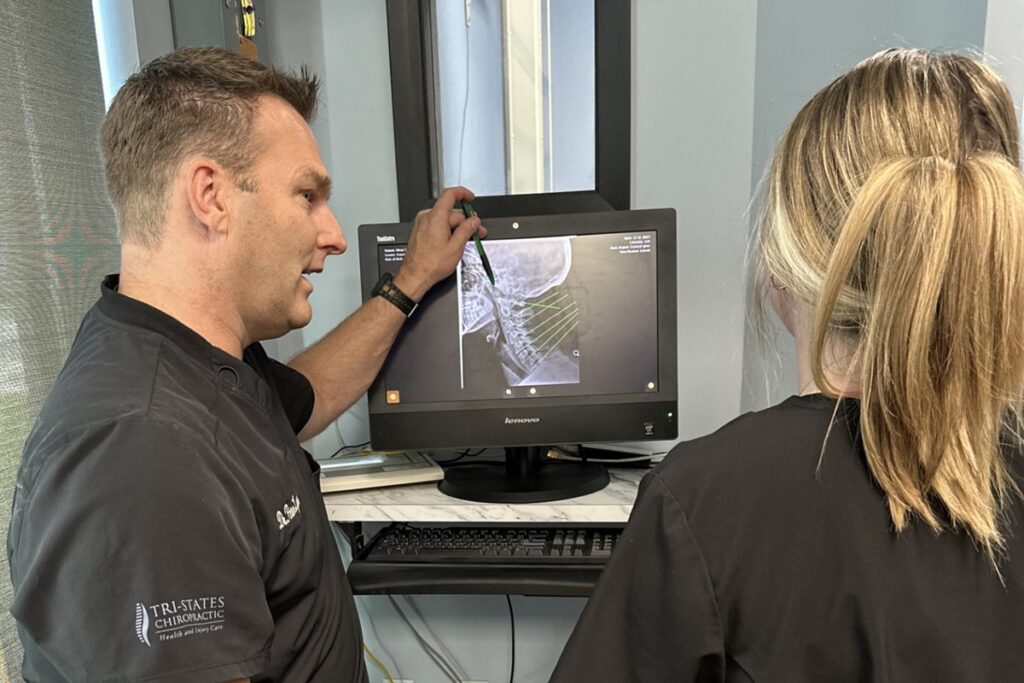
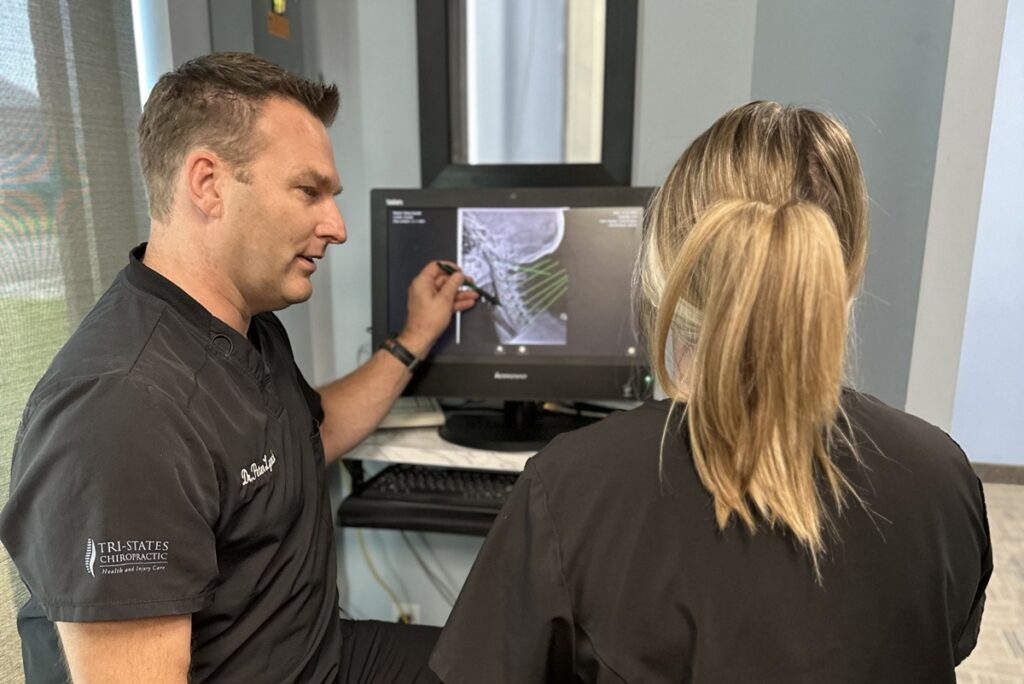
When you come in for an assessment, I’ll take the time to understand your symptoms and may recommend imaging tests if necessary to rule out any underlying issues.
Early intervention is key, and addressing your pain promptly can prevent further complications and accelerate the healing process.
In our sessions, I’ll create a personalized treatment plan that may include spinal adjustments, therapeutic exercises, and natural remedies to alleviate your pain.
Additionally, I can provide valuable advice on proper posture and ergonomics to help you avoid exacerbating your discomfort.
Remember, you don’t have to navigate this journey alone. Seeking chiropractic care can significantly impact your recovery and overall well-being.
Take that important step towards feeling better today—I’m here to help you every step of the way.
Explore Alternative Therapies
As a local chiropractor, I want to emphasize the importance of exploring alternative therapies to complement your recovery from whiplash-related neck pain.
These natural healing methods can provide additional relief and support your body’s healing process in unique ways. Here are three options you might consider:
1. Acupuncture: This ancient technique involves stimulating specific points on your body, which can help alleviate pain and tension in the neck. Many of my patients have reported significant relief from neck discomfort after trying acupuncture.
2. Massage Therapy: Working with a skilled massage therapist can be incredibly beneficial for relieving muscle tightness and improving blood circulation.
This not only aids in healing but also helps you feel more relaxed and less stressed, which is an important part of recovery.
3. Yoga and Stretching: Engaging in gentle yoga or specific stretching exercises can enhance your flexibility and restore your range of motion.
Furthermore, the mindfulness aspect of yoga can empower you to manage pain more effectively, promoting a sense of overall well-being.
I encourage you to consider these therapies as part of your holistic approach to healing.
Together with chiropractic care, they can help you achieve a more complete recovery.