When it comes to recovering from injuries, many people may think that athletes simply get lucky. However, the truth is that they utilize a variety of effective methods that have been proven over time. As a local chiropractor, I want to share that recovery is not just about physical treatment; it also involves mental resilience and holistic approaches.
One of the foundational techniques you might have heard of is the RICE method—Rest, Ice, Compression, and Elevation. While this is a great starting point, there are additional strategies that can enhance your healing process.
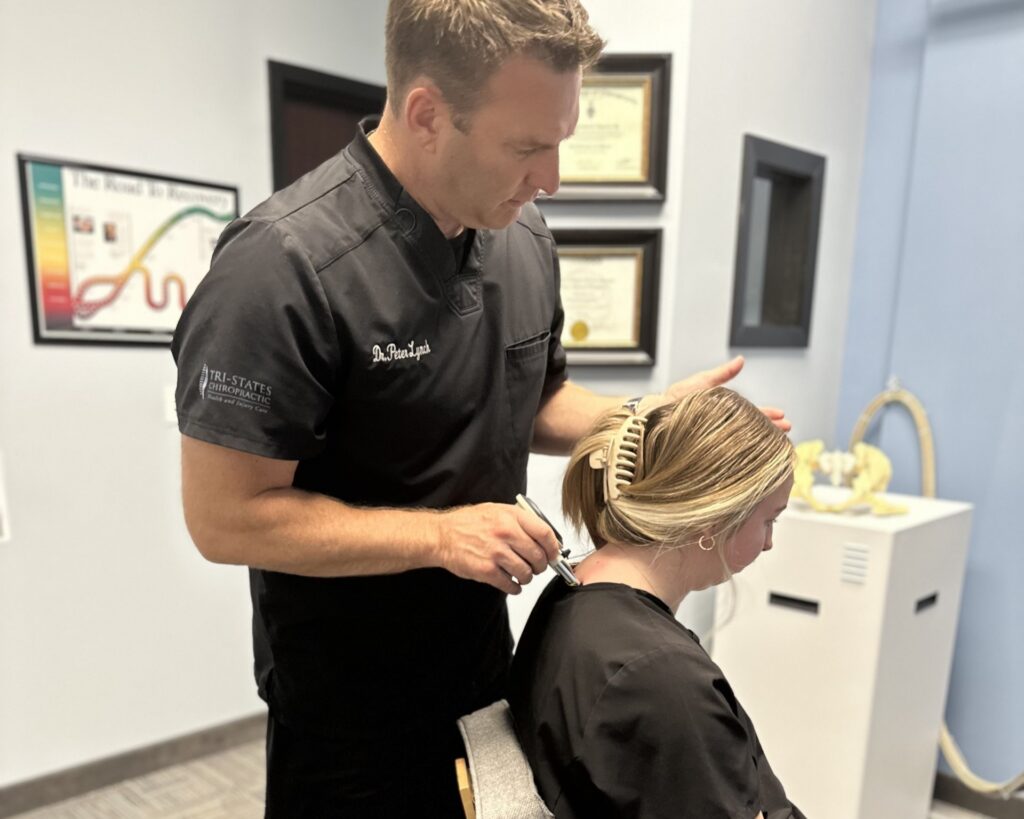
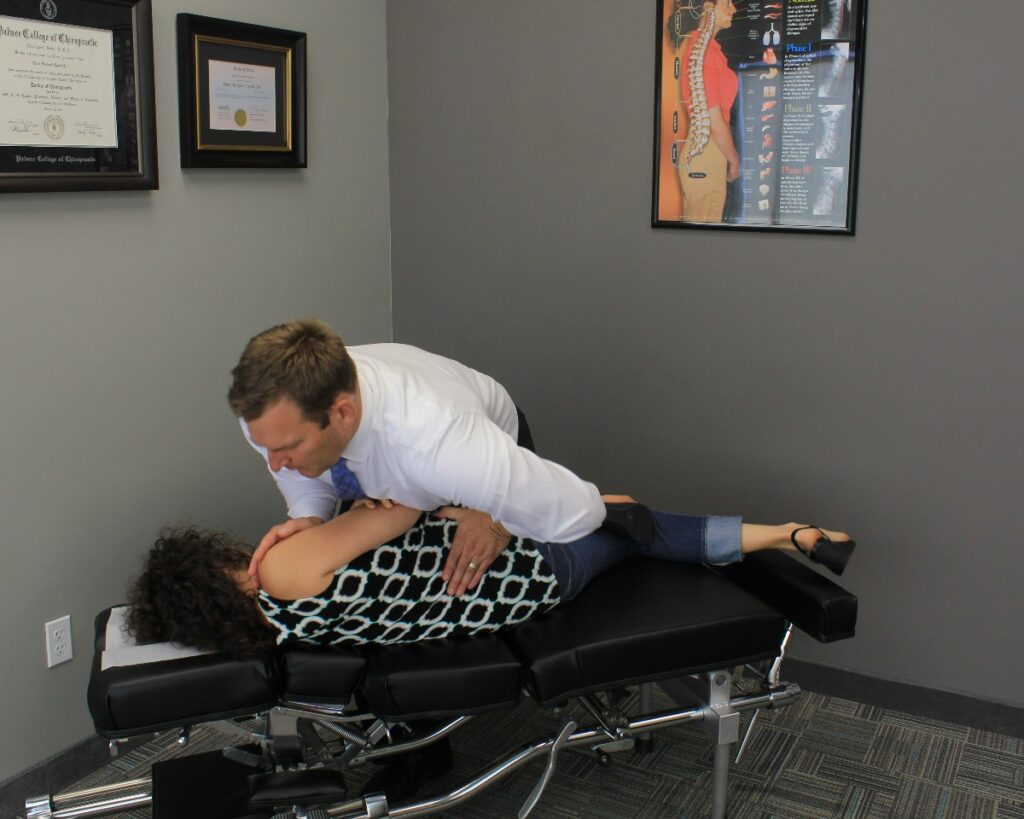
In chiropractic care, we focus on the body's natural ability to heal itself. Techniques like spinal adjustments can improve your body's function, reduce pain, and promote better healing. Additionally, incorporating exercises that strengthen the affected area can prevent future injuries.
It's important to recognize that recovery is more than just physical; it's about nurturing your mental state as well. Building mental resilience can help you stay positive and motivated throughout your healing journey.
By understanding and applying these comprehensive techniques, you can revolutionize your approach to recovery, leading to improved performance and overall well-being.
Remember, as your chiropractor, I'm here to guide you through this process every step of the way.
Understanding Injury Types
As a local chiropractor, I believe it's crucial for everyone, especially those engaged in sports, to understand the different types of injuries they may encounter. This knowledge can play a significant role in your recovery and enhance your overall performance. Injuries generally fall into two main categories: acute and chronic.
Acute injuries arise suddenly during physical activity. These can manifest as sprains, fractures, or strains, often triggered by a specific incident, such as a fall or a collision. If you experience immediate pain, swelling, or difficulty moving a particular area, it's likely an acute injury. Recognizing this type of injury early on is key, as it allows you to seek the right treatment promptly—something that is essential for a swift return to your activities.
On the flip side, chronic injuries develop gradually, typically due to repetitive stress or overuse. Common examples include tendonitis and stress fractures. You may notice a persistent discomfort that lingers and potentially worsens if ignored. Understanding that chronic injuries often arise from factors like improper technique or insufficient rest can empower you to modify your training routine. This proactive approach can help prevent further injury and support your natural healing process.
As a chiropractor, I am here to guide you through recovery using natural healing methods that respect your body's innate ability to heal itself. Together, we can develop a personalized plan that not only addresses your injuries but also promotes long-term health and performance.
The RICE Method
As a local chiropractor, I want to introduce you to a simple yet effective method for managing acute injuries: the RICE method, which stands for Rest, Ice, Compression, and Elevation. This holistic approach can significantly aid in reducing pain, swelling, and recovery time after minor injuries like sprains or strains, aligning perfectly with natural healing principles.
First and foremost, let's talk about Rest. If you sustain an injury, it's crucial to stop any activities that might aggravate the condition. Allowing your body the necessary time to heal is important. Avoid placing weight on the injured area, and consider using supportive devices like crutches or a brace if needed.
Next up is Ice. Applying a cold pack or ice wrapped in a cloth to the injury for about 15-20 minutes each hour can be very beneficial. This practice constricts blood vessels, which helps to minimize swelling and numbs the pain, promoting a more comfortable healing process. Just remember to never apply ice directly to your skin to prevent frostbite.
After icing, we move on to Compression. Wrapping the injured area with an elastic bandage can provide support and help control swelling. Make sure the bandage is snug but not overly tight, as we want to avoid cutting off circulation. You can check this by ensuring that the toes or fingers aren't turning blue or feeling numb.
Lastly, Elevation plays a crucial role in your recovery. Keeping the injured area elevated above heart level as much as possible encourages fluids to drain away from the injury, further reducing swelling. By following the RICE method, you not only manage the pain effectively but also lay a strong foundation for a smoother recovery.
Incorporating these natural healing techniques can complement the chiropractic care you receive, promoting overall wellness and speeding up your return to an active lifestyle. If you have any questions about how to integrate the RICE method or chiropractic care into your healing journey, feel free to reach out!
Importance of Physical Therapy
As a local chiropractor, I want to emphasize the vital role that chiropractic care plays in your recovery journey after an injury. It's not solely about returning to your sport; it's about restoring your body's strength, flexibility, and overall function in a natural way. When you visit a chiropractor, you receive a personalized treatment plan designed specifically for your unique needs, which can significantly enhance your healing process.
One of the primary advantages of chiropractic care is the hands-on approach we take. I assess your injury and identify any misalignments or weaknesses that may impede your recovery. This focused attention helps you regain your full range of motion and strength, while also minimizing the risk of re-injury. Additionally, I will guide you through proper techniques and exercises to prevent future issues, which is crucial for your long-term success.
Beyond physical rehabilitation, chiropractic care also addresses the mental and emotional aspects of recovery. Overcoming an injury can be a challenging journey, and having a chiropractor by your side provides much-needed support and motivation. Together, we can set realistic goals and celebrate your progress, which can significantly boost your confidence as you heal.
Furthermore, chiropractors employ a variety of natural healing techniques, such as spinal manipulation, massage therapy, and rehabilitative exercises, to facilitate recovery. These methods can alleviate pain and inflammation, allowing you to focus on your rehabilitation with greater ease.
Role of Nutrition in Recovery
As a chiropractor, I want to emphasize the vital role nutrition plays in your recovery from injuries. It can truly be the key to a swift and effective healing process. When you experience an injury, your body requires specific nutrients to repair tissues and alleviate inflammation, and a balanced diet is essential to provide your body with the necessary building blocks for recovery.
First and foremost, it's important to focus on consuming adequate amounts of protein. Protein is crucial for rebuilding muscle and repairing damaged tissues. Incorporate lean meats, fish, eggs, or plant-based sources like beans and lentils into your meals. A protein-rich diet will support your body's healing process and help you recover more efficiently.
We also need to talk about carbohydrates. They are your body's primary source of energy, and your energy needs may increase during recovery. Opt for whole grains, fruits, and vegetables, as they not only supply energy but also offer essential vitamins and minerals that are fundamental for healing. Foods rich in antioxidants, like berries and leafy greens, can help reduce inflammation and promote a quicker recovery.
Don't forget about healthy fats, either. Omega-3 fatty acids, which are found in fish, walnuts, and flaxseeds, are known for their anti-inflammatory properties and can significantly aid your recovery. Staying well-hydrated is just as important; water is essential for maintaining cellular functions and transporting nutrients throughout your body.
Lastly, if you feel you may need additional support, consider discussing supplements with your healthcare provider. Vitamins and minerals such as vitamin D or zinc can be beneficial for healing, and a professional can guide you on what may be appropriate for your individual needs.
Mental Resilience Techniques
As a local chiropractor, I want to emphasize that building mental resilience is just as crucial as your physical recovery when dealing with injuries. Your mindset can significantly influence how quickly and effectively you heal, which is why it's important to focus on both aspects. Here are some mental resilience techniques that can aid you in navigating the ups and downs of your recovery journey:
- Set small goals: Think of your recovery as a series of manageable milestones. By breaking your journey into smaller targets, you can celebrate each achievement, which boosts your motivation and creates a rewarding sense of accomplishment.
- Practice mindfulness: Incorporate mindfulness practices into your routine, such as meditation or deep breathing exercises. These methods can help you manage anxiety and stress related to your injury, allowing you to stay grounded and present during your healing process.
- Visualize success: Spend time envisioning your recovery and your return to your activities. Picture yourself overcoming obstacles and performing at your best. This technique of mental rehearsal can significantly enhance your confidence and commitment to the healing process.
- Connect with others: Don't hesitate to lean on your support system. Sharing your experiences with friends, family, or fellow athletes can help you feel less isolated. They can provide encouragement and remind you that you're not alone on this journey.
Cross-Training During Recovery
As a local chiropractor, I want to share how cross-training can be incredibly beneficial during your recovery from an injury. It allows you to maintain your fitness levels while giving your body the necessary time to heal. There are many low-impact options available that can help you stay active without putting undue stress on your injury.
Benefits of Cross-Training
As a local chiropractor, I want to share the numerous benefits of cross-training, especially for those of you recovering from injuries. Cross-training is an effective way to maintain your fitness and prevent further complications while you heal. By engaging in various forms of exercise, you can target areas of your body that are not affected by your injury, which not only aids in recovery but also preserves your overall physical conditioning.
Here are some key advantages of incorporating cross-training into your recovery process:
- Injury Prevention: When you strengthen different muscle groups through cross-training, you significantly lower the risk of overuse injuries once you return to your primary activity. This is vital for sustained health and performance.
- Enhanced Range of Motion: Many cross-training activities involve diverse movements that can greatly improve your flexibility and mobility—both crucial components for a full recovery.
- Mental Motivation: Changing up your exercise routine can keep you motivated and mentally stimulated. This is particularly important during recovery, as it helps alleviate the frustration that often accompanies being sidelined.
- Balanced Muscle Development: By focusing on a variety of activities, you can achieve a more balanced physique, which translates into improved performance when you return to your sport.
Incorporating cross-training into your recovery plan can make a significant difference in how effectively you heal. It allows you to stay fit, engaged, and ready for a safe return to your activities. As your chiropractor, I recommend considering cross-training as a complementary approach to your natural healing process.
Low-Impact Options Available
As a local chiropractor, I understand that finding the right exercises during your recovery can be a daunting task, especially if you're navigating the challenges of an injury. However, it's essential to stay active while being mindful of your condition, and that's where low-impact options come into play.
One of the best exercises to consider is swimming. It's incredibly gentle on your joints and provides a comprehensive full-body workout. The buoyancy of the water supports your body, alleviating stress on injured areas while still allowing you to build strength and endurance.
Cycling is another fantastic low-impact choice. Whether you prefer the stationary bike at home or enjoy riding outdoors, cycling can significantly enhance your cardiovascular health and leg strength without placing excessive pressure on your knees or hips. You might also want to explore the benefits of using an elliptical machine. It simulates the motion of running with less impact, enabling you to maintain your fitness levels while promoting recovery.
Additionally, practices like yoga and Pilates offer significant advantages. These disciplines emphasize flexibility, core strength, and balance—key components of overall athletic performance. Engaging in yoga or Pilates can help you stay connected with your body throughout your recovery journey, ensuring that you're prepared to return to your sport even stronger.
I encourage you to experiment with these options to determine what resonates best with you. Remember, it's always wise to consult with a healthcare professional before starting any new exercise regimen, and I'm here to support you in your healing journey. Your well-being is my priority, and together we can find the best approach for your recovery.
Tailoring Programs for Healing
As a local chiropractor, I want to emphasize the importance of tailoring your recovery program to fit your unique needs while healing from an injury. It's crucial to understand that integrating cross-training during your recovery can help maintain your overall fitness and facilitate healing without exacerbating your injury. By exploring different activities that do not put stress on the affected area, you can stay engaged and motivated throughout your healing journey.
Here are some effective strategies I recommend for your recovery:
- Opt for low-impact exercises: Consider activities such as swimming or cycling. These options can help you reap cardiovascular benefits without putting undue strain on your injury.
- Prioritize flexibility: Incorporating gentle stretching or yoga into your routine can enhance your range of motion and promote healing. Flexibility is essential for recovery and can prevent future injuries.
- Strengthen surrounding muscles: Focus on exercises that target the muscle groups around your injury. Strengthening these supporting muscles can provide added stability and support as you heal.
- Tune in to your body: It's vital to listen to your body during workouts. If you experience any pain in the injured area, I encourage you to modify your approach or take a break. Your body's signals are key to a safe and effective recovery.
Utilizing Technology for Healing
In today's world of sports and physical activity, technology has become a vital ally in helping athletes recover from injuries. As a local chiropractor, I want to introduce you to how these advanced tools and techniques can enhance your healing process naturally.
One of the key components we utilize in chiropractic care is data analytics through the use of wearable devices. These devices monitor your movement, heart rate, and muscle activity, providing valuable feedback that allows us to tailor your treatment plan. By analyzing this data, we can identify areas that need extra attention, ensuring we focus on your specific weaknesses and help prevent further injuries.
Additionally, we often incorporate innovative therapies such as cryotherapy and infrared therapy into our practice. Cryotherapy involves exposing your body to cold temperatures, which can significantly reduce inflammation and speed up recovery. On the other hand, infrared therapy utilizes light to penetrate deep into the tissues, enhancing circulation and promoting healing. Both of these methods can help alleviate pain and improve your range of motion without the need for invasive procedures.
You may also benefit from exploring virtual reality (VR) as a rehabilitation tool. VR can create immersive environments that simulate real-life movements, aiding in regaining confidence in your physical abilities. This engaging approach not only makes rehabilitation more effective but also enjoyable.
Moreover, telehealth services have made it easier for you to consult with specialists, including chiropractors. You can receive expert advice and adjust your recovery plan from the comfort of your home, making it more convenient to stay on track with your healing journey.
The Power of Rest and Sleep
As a local chiropractor, I want to emphasize the vital role that rest and sleep play in your recovery process. Many people underestimate these elements, but they are absolutely essential for healing injuries and optimizing your overall performance. When you allow yourself to rest, your body gets the opportunity to repair itself, and it's during sleep that the real restorative magic occurs.
During deep sleep, your body produces growth hormones that are crucial for tissue repair and muscle recovery. If you're not getting enough quality sleep, this healing process can be significantly hindered, leaving you feeling fatigued and more susceptible to further injuries. That's why it's important to focus on both the quantity and quality of your sleep.
Here are a few key reasons why prioritizing rest and sleep is essential for your recovery:
- Muscle Repair: Adequate sleep supports the production of proteins that help mend damaged tissues.
- Mental Clarity: A well-rested mind enhances focus, which is particularly important as you engage in rehabilitation exercises.
- Reduced Inflammation: Quality sleep can help decrease inflammation, leading to less pain and discomfort.
- Immune Function: Sufficient rest strengthens your immune system, making it easier for your body to fend off illness or complications.
I encourage you to implement strategies that promote restful sleep, such as establishing a consistent sleep routine, creating a comfortable sleep environment, and ensuring you allow for downtime throughout your day. By recognizing and harnessing the power of rest and sleep, you'll not only speed up your recovery but also improve your performance in everyday activities. Never underestimate the benefits of a good night's sleep—it can make a world of difference in your healing journey!
Conclusion
As a local chiropractor, I understand that injuries can be challenging, but I want to share some time-tested healing methods that can help you recover and come back stronger. First, I encourage you to embrace the RICE method—Rest, Ice, Compression, and Elevation—as a fundamental approach to managing acute injuries.
Physical therapy is another crucial component of recovery, and I recommend seeking out a licensed therapist who can tailor a program to your specific needs. Additionally, nourishing your body with the right nutrition plays a vital role in healing, so focus on incorporating whole foods that support tissue repair.
Don't overlook the importance of mental resilience. Staying positive and motivated can significantly impact your recovery journey. Cross-training is also an excellent way to maintain your fitness level while you heal; it allows you to engage in different activities that are less stressful on your injured area.
Moreover, utilizing advanced technology in chiropractic care can enhance your recovery process. Techniques such as ultrasound therapy, electrical stimulation, and laser therapy can provide significant benefits. Lastly, always remember that rest and quality sleep are essential for optimal healing.
With dedication to these strategies and a commitment to your well-being, you'll be well on your way to returning to peak performance. If you have any questions about how chiropractic care can assist in your recovery, feel free to reach out!