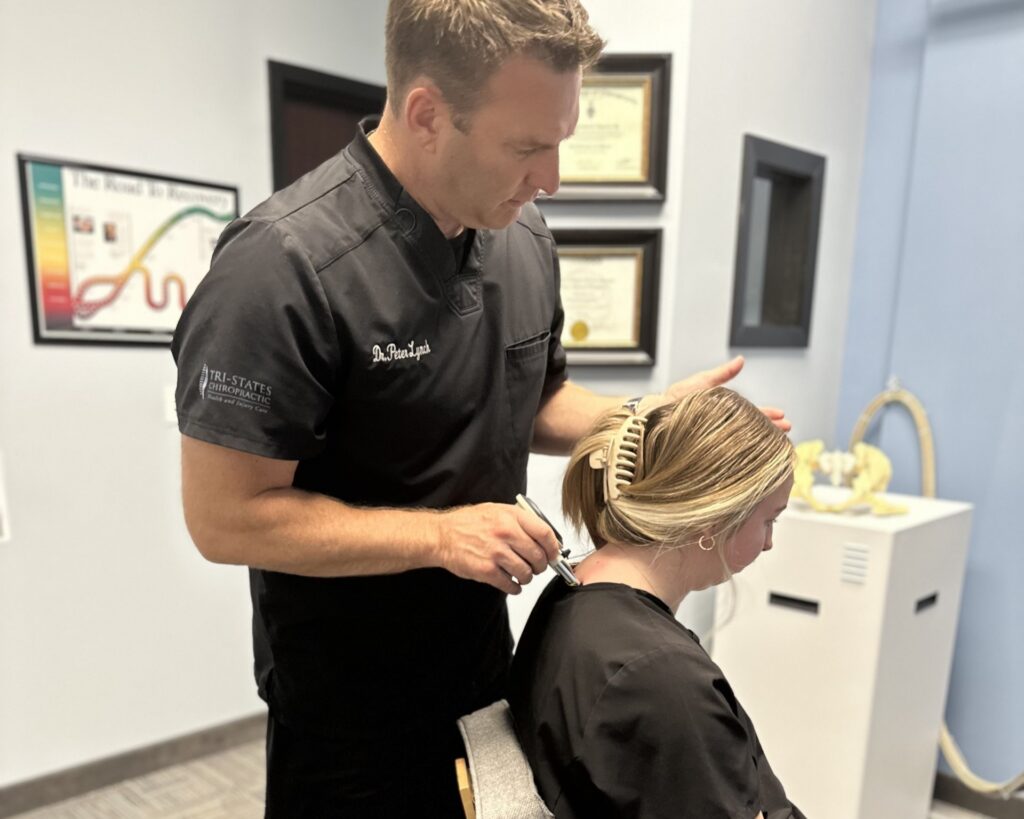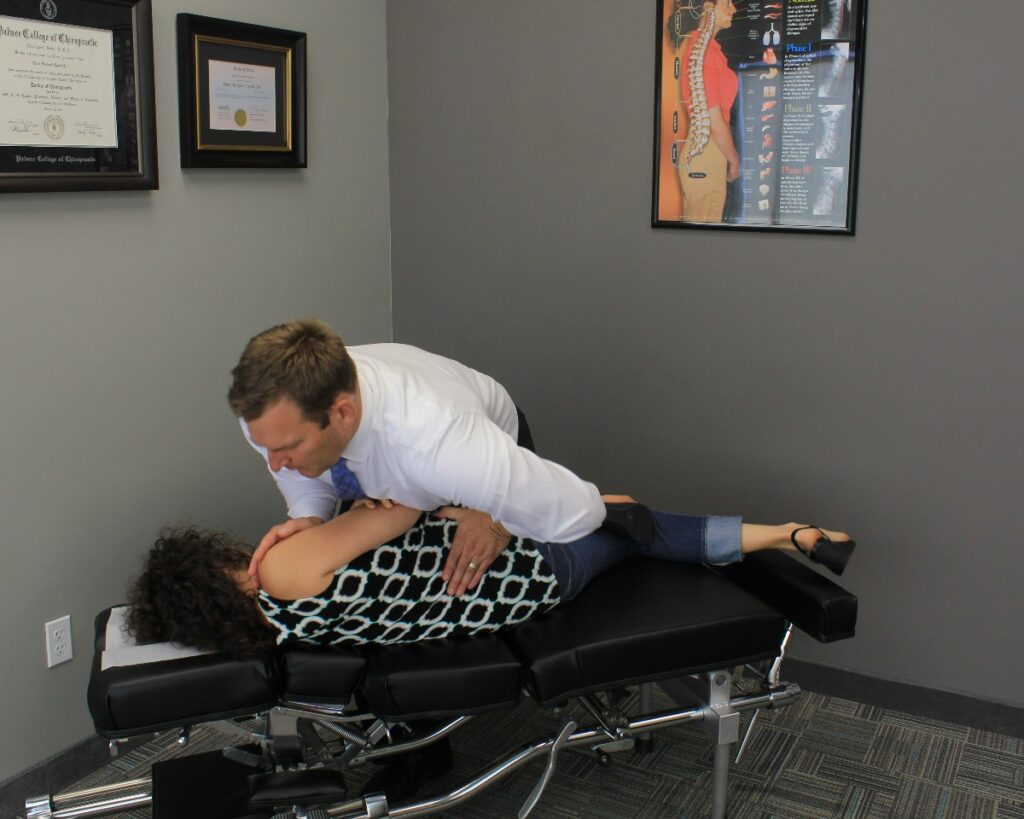
As a local chiropractor, I want to share how small adjustments in your daily routine can significantly help prevent back pain. Many people are unaware that simple changes, such as improving your posture, creating an ergonomic workspace, and incorporating easy exercises, can greatly enhance your spinal health without requiring major lifestyle alterations. Even the shoes you choose to wear can impact how your back feels. Are you curious about the specific adjustments that can lead to lasting relief? Let's delve into these practical strategies that could positively transform your overall well-being. Remember, taking care of your spine is a vital part of maintaining your health!
Improve Your Posture
As a local chiropractor, I often emphasize the importance of posture in maintaining a healthy spine and preventing back pain. Many people are unaware of how their everyday positions while sitting, standing, or walking can significantly affect their spinal health. Slouching or leaning forward can create undue stress on your back muscles and spine, leading to discomfort over time.
To help alleviate this, I encourage you to consciously adjust your posture. When sitting, ensure that your feet are flat on the floor and your knees are bent at a right angle. Your chair should support your lower back, allowing you to maintain an upright position. If you're working on a computer, position the screen at eye level to prevent straining your neck.
These seemingly small changes can have a profound impact on how your back feels throughout the day.
When standing, aim to distribute your weight evenly across both feet. Avoid locking your knees, and strive to keep your hips aligned with your ankles. Walking with purpose and maintaining a straight spine will also aid in preserving good posture, reducing the risk of back strain.
Ergonomic Workspace Setup
As a local chiropractor, I want to emphasize the importance of setting up an ergonomic workspace to help prevent back pain and promote overall health. Many people are unaware that their daily work environment can significantly impact their posture and comfort levels.
To start, it's crucial to adjust your desk height to ensure that your arms are comfortably positioned while typing. Your chair should provide adequate support for your lower back, which can help alleviate strain on your spine.
Additionally, positioning your monitor at eye level is vital to prevent neck strain. These simple adjustments in your workspace can lead to a remarkable improvement in your comfort throughout the day.
Desk Height Adjustment
As a local chiropractor, I want to emphasize the importance of desk height adjustment for your overall comfort and well-being while working. Many people are unaware that proper desk height can significantly impact your posture and, in turn, your health. When your desk is positioned at the appropriate height, it fosters a neutral posture, which can help minimize strain on your back and neck.
To determine the ideal desk height for yourself, sit comfortably in your chair with your feet flat on the floor. Your elbows should be at a 90-degree angle, with your forearms resting parallel to the ground when you type. This alignment is crucial in preventing the common issues we often see in our clinic, such as neck pain, shoulder tension, and lower back discomfort.
If you find your desk is too high, you may notice yourself hunching your shoulders or straining your neck, leading to discomfort over time. On the other hand, a desk that's too low can cause you to slouch, which places additional pressure on your spine. This is a situation we frequently address in our practice.
To create a workspace that promotes better posture and reduces the risk of musculoskeletal issues, consider investing in a height-adjustable desk or desk risers. If you're using a standing desk, it's essential to ensure that your monitor is at eye level to avoid craning your neck. Additionally, pay attention to the height of your keyboard and mouse to keep your wrists straight during use.
Chair Support Features
As a local chiropractor, I want to emphasize the importance of choosing the right office chair for your daily comfort and overall health. Many people are unaware that the right chair can significantly impact your posture and spinal health, which in turn affects your productivity and well-being.
One of the key features to look for in an office chair is adjustable lumbar support. This feature is essential because it should fit snugly against your lower back, helping to maintain the natural curve of your spine. Good lumbar support can alleviate pressure on your lower back, reducing the risk of discomfort and pain.
Height adjustment is another crucial aspect to consider. Your chair should allow your feet to rest flat on the ground, with your knees forming a 90-degree angle. This proper alignment minimizes strain on your back and legs, which can lead to long-term issues if ignored.
Additionally, a seat depth adjustment is beneficial; aim for about two to four inches of space between the back of your knees and the seat edge to ensure proper circulation and comfort.
Don't forget about the armrests. Adjustable armrests can be a game-changer, as they help relieve shoulder tension and support your arms, allowing your upper body to relax. This can prevent unnecessary strain on your neck and shoulders, which I often see in my practice.
Mobility is also important. A chair with a swivel base allows you to reach different areas of your workspace without twisting your back, which can prevent discomfort and promote better movement throughout your day.
Lastly, consider the materials used in the chair. Breathable fabrics can enhance your comfort, especially during long hours of sitting, while adequate cushioning helps prevent pressure points that can lead to discomfort.
Investing in a chair with these support features is a significant step towards reducing your risk of back pain and improving your overall health.
Monitor Positioning Tips
As a local chiropractor dedicated to promoting your health and well-being, I want to emphasize the importance of proper monitor positioning in your workspace. While a supportive office chair is essential for creating an ergonomic setup, where you place your monitor can significantly influence your comfort and help prevent back pain.
To begin, position your monitor at an arm's length from your eyes. This distance is crucial as it reduces strain on both your neck and eyes. Ideally, the top of your screen should be at or just below eye level. This positioning allows you to maintain a natural posture, looking slightly down at the screen without the need to tilt your head, which can lead to discomfort over time.
Additionally, angling your monitor slightly backward—about 10 to 20 degrees—is beneficial. This tilt promotes a neutral position for your neck, which is vital for minimizing strain. If you work with multiple monitors, make sure your primary screen is directly in front of you, with the secondary monitor adjacent to it. Keeping both monitors at a similar height and distance can help prevent unnecessary neck rotation, which is a common cause of discomfort.
Lastly, ensure your workspace is well-lit to minimize glare on your screen. Adjusting the brightness and contrast settings according to your preferences can also enhance your comfort while working.
Stay Active With Exercise
As a local chiropractor, I want to emphasize the importance of staying active to prevent back pain.
Regular exercise, particularly stretching routines, can significantly improve your spinal health. It's not just about building muscle; strength training also plays a crucial role in supporting your spine and helping you maintain good posture.
By making exercise a priority in your daily routine, you'll not only enhance your overall well-being but also reduce the risk of discomfort and pain.
Remember, natural healing starts with taking care of your body through movement and strength.
Let's work together to create a plan that keeps you active and healthy!
Regular Stretching Routines
As a local chiropractor, I often see patients who underestimate the remarkable benefits of regular stretching in their daily lives. Incorporating stretching into your routine can significantly alleviate back pain and improve your overall mobility.
Stretching enhances flexibility, boosts blood circulation to your muscles, and alleviates tension that often contributes to discomfort. There's no need to dedicate hours; dedicating just a few minutes each day can create a profound impact on your well-being.
Here are some straightforward stretches that I recommend integrating into your daily routine:
- Cat-Cow Stretch: This dynamic movement is excellent for mobilizing your spine and alleviating tension in your back, helping to maintain a healthy posture.
- Child's Pose: This restorative position gently stretches your back and hips while promoting a sense of relaxation and calm.
- Hamstring Stretch: Keeping your hamstrings flexible is crucial, as tightness in these muscles can place additional strain on your lower back.
- Torso Twist: This stretch enhances spinal mobility and helps release tightness in your back, contributing to better alignment and function.
- Standing Forward Bend: This is an effective way to stretch your entire back and hamstrings, while also providing a moment to clear your mind and reduce stress.
Incorporating these stretches into your daily routine can complement your chiropractic care and support your journey towards a healthier, pain-free life.
Strength Training Benefits
As a local chiropractor, I want to emphasize the significant role that strength training can play in enhancing your back health and overall well-being. While many of you may be familiar with the importance of regular stretching, incorporating strength training into your routine can provide additional benefits that are crucial for maintaining a healthy spine.
When you engage in strength training, you're actively building the muscle support around your spine, which is essential for preventing injuries. Stronger muscles not only help protect your back but also improve your posture, a key factor in alleviating and preventing back pain.
By focusing on exercises that target your core and back, you aren't just toning your body; you're also stabilizing your spine. This added stability can lead to improved movement mechanics in your daily life, making activities like lifting, bending, and even sitting much more comfortable.
As you strengthen these muscles, you'll likely notice an increase in your endurance, allowing you to remain active for longer periods without discomfort.
Moreover, strength training can give your metabolism a boost and assist in maintaining a healthy weight, which in turn reduces the strain on your back. I recommend aiming for two to three strength training sessions each week, including exercises such as squats, deadlifts, and planks.
It's vital to start with lighter weights and prioritize proper form to minimize the risk of injury.
Incorporate Stretching Routines
As a local chiropractor, I want to emphasize the importance of incorporating stretching routines into your daily life to help prevent back pain. Many of you may not be familiar with how stretching can positively impact your overall spinal health. Stretching plays a crucial role in improving flexibility, enhancing blood circulation, and alleviating muscle tension.
By dedicating just a few minutes each day to stretching, you can maintain a more relaxed and agile body, which is essential for supporting your spine.
Here are some simple stretches that I encourage you to include in your routine:
- Cat-Cow Stretch: This gentle transition between two positions warms up your spine and helps to improve its flexibility.
- Child's Pose: This resting pose effectively stretches your back and hips while providing a calming effect on your body.
- Hamstring Stretch: Targeting the back of your legs, this stretch helps relieve tension that can affect your lower back.
- Torso Twist: This stretch is beneficial for improving spine mobility and relieving tightness in your back.
- Standing Forward Bend: This stretch alleviates tension in both your back and legs, promoting a sense of relaxation.
I recommend trying to incorporate these stretches into various parts of your day—whether it's as part of your morning routine, during breaks at work, or even as a wind-down before bed.
Consistency is key; aim to stretch at least three times a week to fully experience the benefits. Pay attention to your body and remember, gentle stretches are the most effective.
By making stretching a regular part of your life, you're taking a proactive step toward preventing back pain and enhancing your overall well-being.
If you have any questions or need guidance on how to perform these stretches correctly, don't hesitate to reach out. Your spinal health is important, and I'm here to support you on your journey to a healthier, pain-free life.
Maintain a Healthy Weight
As your local chiropractor, I want to emphasize the importance of maintaining a healthy weight for the well-being of your spine and overall health. Excess weight can create additional strain on your back, leading to discomfort and an increased risk of injury. When you carry extra pounds, particularly around your midsection, it can alter your center of gravity, impacting your posture and potentially leading to back issues.
To achieve and maintain a healthy weight, it's crucial to focus on a balanced diet that includes whole foods. Think of filling your plate with plenty of fruits, vegetables, lean proteins, and whole grains. These nutrient-rich foods provide essential vitamins and minerals without piling on unnecessary calories.
Also, keeping an eye on portion sizes is vital to prevent overeating—it's just as much about how much you eat as it's about what you eat.
Regular exercise is another critical component of effective weight management. I recommend aiming for at least 150 minutes of moderate aerobic activity each week, along with strength training exercises at least twice a week. Engaging in activities like walking, swimming, or cycling not only helps you burn calories but also improves your overall fitness.
Incorporating strength training is particularly beneficial, as it builds muscle that supports your back and helps maintain a healthy weight.
Don't overlook the importance of hydration, too. Staying well-hydrated can help control your appetite and support a healthy metabolism.
If you find maintaining a healthy weight challenging, I encourage you to seek guidance. Consulting with a healthcare professional or a registered dietitian can provide personalized strategies tailored to your needs.
Use Supportive Footwear
As a local chiropractor dedicated to helping you achieve optimal health, I want to emphasize the importance of choosing the right footwear for your back health. Many people may not realize how much their everyday shoes can impact their spine, especially when considering how weight affects our bodies.
Supportive shoes can offer your feet the stability they need, which plays a crucial role in maintaining proper alignment throughout your entire body. This alignment is vital in preventing unnecessary strain on your back.
You might be surprised to learn that your choice of footwear could be a contributing factor to discomfort or even exacerbating existing pain. To help you make informed decisions, I've put together a quick list of features to look for when selecting supportive footwear:
- Arch Support: Opt for shoes that come with built-in arch support. This feature helps to evenly distribute your weight, which can significantly reduce stress on your spine.
- Cushioning: Look for shoes that offer adequate cushioning. Proper cushioning absorbs shock, which can help lessen the impact on your back during your daily activities.
- Stability: Seek out shoes with a firm heel counter. This design provides additional stability and prevents excessive movement of your foot, which is essential for maintaining proper posture.
- Fit: Make sure your shoes fit well. A snug yet comfortable fit can help prevent issues like blisters and calluses, which can negatively affect your posture over time.
- Heel Height: It's best to choose shoes with a low heel. High heels can disrupt your balance and contribute to back pain, so opt for styles that keep your feet closer to the ground.
By being mindful of these features when selecting your footwear, you can take a proactive step towards supporting your spine and overall health.
Practice Proper Lifting Techniques
As a local chiropractor, I want to emphasize the importance of proper lifting techniques for maintaining your back health. Many people are unaware that how we lift and move objects in our daily lives can significantly impact our spinal health. By practicing safe lifting methods, you can help prevent unnecessary strain and injury to your back.
When you encounter a heavy object, the first step is to position yourself as close as possible to it. This minimizes the distance your body must travel with the weight, which in turn reduces the strain on your spine.
Before lifting, remember to bend your knees and keep your back straight. This technique is crucial, as it allows the weight to be distributed evenly across your stronger leg muscles instead of placing the burden on your back. Always lift with your legs, not your back. Engaging your core muscles as you rise will provide additional support and stability.
It's also important to avoid twisting your body while lifting. Instead, pivot with your feet to change direction, keeping the object close to your torso. This practice helps protect your spine from twisting injuries. If you find that the item is too heavy or awkward, don't hesitate to ask for assistance. Lifting with a partner is always safer than risking a back injury.
Ensure that your hands are dry and free from obstacles to maintain a firm grip on the object. If you find yourself lifting repeatedly throughout the day, take breaks to rest your back and prevent fatigue.
Finally, when it's time to lower the object, do so using the same technique as when you lifted it: bend your knees and keep your back straight.
Limit Prolonged Sitting
As a local chiropractor, I want to emphasize the importance of limiting prolonged sitting to maintain a healthy spine and prevent back pain.
I understand how easy it's to get comfortable in a chair and lose track of time, but sitting for long periods can lead to unnecessary tension in your back muscles and increase the likelihood of discomfort.
To support your spinal health, it's crucial to incorporate movement throughout your day. Here are some practical strategies to help you reduce your sitting time:
- Set a Timer: Consider using a timer to remind you to stand up every 30 to 60 minutes. Taking a moment for a quick stretch or a short walk can significantly benefit your back.
- Stand or Walk During Calls: When you're on the phone, try to stand up or even walk around. This simple adjustment can help keep your muscles engaged and promote better circulation.
- Use a Standing Desk: If possible, invest in a standing desk or a convertible desk that allows you to switch between sitting and standing. This flexibility can greatly enhance your posture and comfort.
- Take Active Breaks: Instead of remaining still during breaks, opt for activities that involve movement. A brisk walk or light stretching can rejuvenate your body and mind.
- Engage in Desk Exercises: Incorporate simple exercises at your desk, such as seated leg lifts or shoulder rolls. These movements can help keep your body active and reduce stiffness.
By making these small adjustments, you can significantly improve your overall well-being and reduce the risk of back pain.
Manage Stress Effectively
As a local chiropractor dedicated to your overall well-being, I want to emphasize the importance of managing stress effectively, especially when it comes to maintaining a healthy back. Prolonged sitting can lead to physical discomfort and increased stress levels, which can exacerbate back pain.
It's crucial to understand how stress impacts your body, particularly your muscles, which tend to tense up when you're feeling overwhelmed. This tension can result in discomfort in your neck and back, making it vital to incorporate relaxation techniques into your daily routine.
One of the simplest yet most effective methods is practicing deep breathing exercises. I encourage you to take a few minutes each day to sit quietly, inhale deeply through your nose, and exhale slowly through your mouth. This practice can significantly reduce tension and promote relaxation in your body.
You may also want to explore mindfulness or meditation. These techniques enhance your awareness of your body and help you recognize when stress is starting to build up.
Regular physical activity is another excellent way to manage stress and protect your back. Exercise releases endorphins, the body's natural mood lifters, which can help reduce feelings of anxiety.
I recommend aiming for at least 30 minutes of moderate exercise most days. Whether you enjoy walking, practicing yoga, or cycling, find an activity that you love and make it a regular part of your routine.
Don't forget the importance of social support as well. Talking to friends or family about your feelings can lighten your emotional load and strengthen your connections, which is beneficial for your mental health.
Lastly, prioritize your sleep. A well-rested body is better equipped to handle stress, so aim for 7-9 hours of quality sleep each night.
Conclusion
As a local chiropractor, I want to share with you some simple lifestyle changes that can significantly reduce your risk of back pain and enhance your spinal health. It's essential to prioritize good posture throughout your day; this means being mindful of how you sit, stand, and move. Setting up an ergonomic workspace can make a world of difference in preventing discomfort, especially if you spend long hours at a desk.
Staying active is crucial—engaging in regular exercise and incorporating stretching into your routine can help keep your muscles flexible and strong. Don't underestimate the importance of supportive footwear; the right shoes can alleviate strain on your back. Additionally, practicing proper lifting techniques is vital in avoiding injury; always remember to lift with your legs, not your back.
Limiting prolonged periods of sitting is another key aspect of maintaining a healthy spine. Take breaks to stand, stretch, or walk around. Also, managing stress effectively contributes to your overall well-being and can help reduce tension in your back.
I encourage you to start incorporating these tips into your daily routine. By doing so, you'll likely notice a positive difference in how you feel. Remember, your spinal health is integral to your overall health, and I'm here to support you on your journey to wellness!