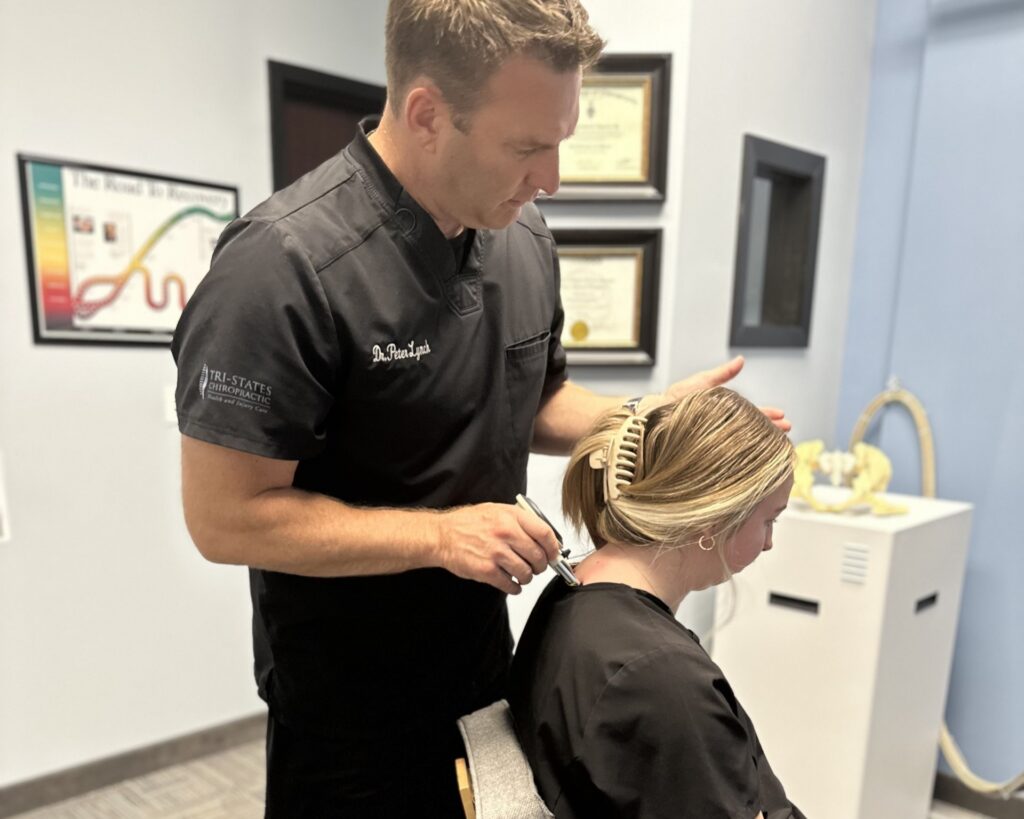
As a local chiropractor, I understand that many of you may be grappling with lower back pain, and it's important to know that you are not alone in this struggle. You might be curious about the various options available to alleviate your discomfort, and I'm here to shed light on that.
Chiropractic care offers a range of effective techniques, from gentle stretching exercises to specialized therapeutic methods, all designed to improve your condition. Some approaches focus on providing immediate relief, while others are aimed at strengthening your back and preventing future issues from arising.
It's crucial to recognize that understanding these techniques is key to long-term management of your lower back pain. You may be surprised at how simple adjustments to your routine can lead to significant improvements. So, let's explore which methods may be most beneficial for you in your journey toward a pain-free life.
Stretching Exercises
As your local chiropractor, I want to emphasize the significant role that stretching exercises play in managing and alleviating lower back pain. By integrating these stretches into your daily routine, you can enhance your flexibility and reduce muscle tension, both of which are crucial for a healthy back.
It's vital to focus on the muscles surrounding your lower back, hips, and legs, as tightness in these areas often contributes to discomfort and pain.
Let's start with a fundamental stretch: the Cat-Cow stretch. Begin by positioning yourself on all fours, ensuring that your wrists are directly beneath your shoulders and your knees are aligned under your hips. Inhale deeply as you arch your back, lifting both your head and tailbone toward the ceiling. Then, exhale as you round your spine, tucking your chin to your chest and drawing your belly button inward. Repeat this movement for several cycles to effectively warm up your spine.
Next, I recommend trying the Child's Pose. Kneel on the floor, sit back on your heels, and stretch your arms out in front of you while lowering your forehead to the ground. Hold this position for 30 seconds to a minute. This pose is excellent for feeling a deep stretch in your lower back, allowing your body to release tension.
Don't overlook the importance of the Hamstring Stretch. Sit on the floor with your legs extended straight in front of you. Gently reach for your toes while keeping your back straight. This stretch engages the muscles along the back of your legs, which can help alleviate pressure on your lower back.
Incorporating these stretching exercises into your daily routine can significantly improve your mobility and overall comfort. Regular practice not only helps relieve existing pain but also plays a vital role in preventing future issues.
Heat Therapy
As a local chiropractor, I want to share how heat therapy can significantly help alleviate your lower back pain.
Utilizing warmth is a natural method that can enhance blood circulation and soothe tight muscles, leading to much-needed relief during your recovery.
Let's delve into the benefits of heat therapy and some effective techniques you can incorporate into your healing journey.
Understanding how your body responds to heat can empower you to manage your pain more effectively and complement the chiropractic care you receive.
Benefits of Heat Therapy
As a local chiropractor, I often see patients struggling with lower back pain, and one effective approach I recommend is heat therapy. This natural method can provide significant relief and improve your overall well-being.
Let me share some of the key benefits of incorporating heat therapy into your pain management routine:
- Enhanced Circulation: Applying heat to the affected area helps to dilate blood vessels, boosting circulation. This increased blood flow can facilitate healing by delivering essential nutrients and oxygen to your muscles and tissues.
- Muscle Relaxation: Heat therapy is excellent for easing tense muscles. When you apply warmth, it helps relax those tight muscles, reducing stiffness and discomfort that often accompany lower back pain.
- Effective Pain Relief: The soothing warmth from heat therapy can effectively block pain signals, providing a comforting sensation that allows you to move more freely and comfortably.
- Increased Flexibility: Regular use of heat therapy can improve your range of motion. This means that you can perform daily activities with greater ease and less discomfort, which is essential for maintaining an active lifestyle.
Incorporating heat therapy into your daily routine can be a transformative step in managing lower back pain.
Whether you choose a heating pad, a warm towel, or a hot bath, I'm confident you'll find a method that suits your needs.
If you have any questions about how to effectively use heat therapy alongside chiropractic care, feel free to ask during your next visit!
Application Techniques Explained
As a local chiropractor, I want to share some effective heat therapy application techniques that can significantly aid in relieving lower back pain.
One of the simplest methods is using a heating pad. Just plug it in, set it to a comfortable temperature, and place it directly on your lower back for 15 to 30 minutes. Remember to place a cloth between the pad and your skin to prevent burns.
Another great option is warm compresses. You can easily create one by soaking a towel in hot water, wringing it out, and applying it to your back. Alternatively, you can microwave a damp towel for about 30 seconds to produce moist heat, which penetrates deeper into the muscles, providing enhanced relief.
If you enjoy soaking, a warm bath can be incredibly beneficial. Consider adding Epsom salts to the water for added muscle relaxation. Spending around 20 minutes in the bath allows the heat to work its magic on your pain.
Lastly, I encourage you to explore heat wraps. These are designed to provide continuous, low-level heat and can be comfortably worn throughout your day. Just be sure to follow the instructions for safe usage to maximize their effectiveness.
Incorporating these heat therapy techniques into your routine can be a valuable part of your journey toward natural healing and improved back health.
If you have any questions or would like to discuss more ways to relieve your pain, feel free to reach out!
Cold Therapy
As a local chiropractor, I want to share with you one of the effective methods we often recommend for alleviating lower back pain: cold therapy, also known as cryotherapy. This natural approach can significantly reduce inflammation and numb sore tissues, providing you with immediate relief while also promoting healing.
It's particularly beneficial during the acute phase of pain when you may be experiencing swelling and discomfort.
Here are four simple steps to effectively utilize cold therapy for your lower back pain:
- Select Your Ice Source: You have various options for cold sources, such as ice packs, frozen peas, or even a towel soaked in cold water. Just ensure that whatever you choose is clean and easy to handle.
- Apply for 15-20 Minutes: Gently place your cold source on the affected area for about 15-20 minutes at a time. This duration is crucial to avoid any potential skin damage.
- Use a Protective Barrier: To safeguard your skin, always wrap the ice pack in a thin towel or cloth. Direct contact with ice can lead to frostbite and discomfort, so this step is essential.
- Repeat as Necessary: For the first 48 hours after you start feeling pain, you can apply cold therapy every 1-2 hours. This frequency is effective in combating inflammation and helping you recover more quickly.
Remember, cold therapy works best right after an injury or flare-up. While it's not intended as a long-term solution, when used correctly, it can significantly alleviate your discomfort and help you on your journey to recovery.
Always pay attention to how your body responds, and if your pain persists, don't hesitate to reach out to me or another healthcare professional for guidance. Your well-being is our priority!
Physical Therapy
As a local chiropractor, I want to share how chiropractic care can significantly impact your lower back pain.
Our approach focuses on natural healing methods that prioritize your body's innate ability to heal itself. Through tailored chiropractic adjustments, we can align your spine, which not only alleviates tension but also enhances your overall mobility.
Additionally, we incorporate targeted exercise programs designed to strengthen your core and improve flexibility. By combining these techniques, we aim to empower you to take control of your pain and elevate your quality of life without relying on medication.
Discover how chiropractic care can be a transformative solution for your back pain and overall wellness.
Targeted Exercise Programs
As a local chiropractor, I want to share how targeted exercise programs can significantly aid in managing lower back pain. These specialized programs are designed to strengthen the muscles that support your spine and enhance your flexibility—both crucial elements for relieving pain and preventing future issues.
Here are some effective exercises I recommend:
- Core Strengthening: Exercises like planks and bridges are excellent for fortifying the muscles surrounding your abdomen and lower back, which in turn provides better support for your spine.
- Stretching: Implementing stretches such as hamstring and piriformis stretches into your routine can greatly improve flexibility and alleviate tension in your back.
- Low-Impact Aerobic Activities: Engaging in activities like walking, swimming, or cycling can boost your overall fitness levels while minimizing strain on your back.
- Stability Exercises: Incorporating balance exercises, such as standing on one leg or using a stability ball, can improve your stability and coordination, offering additional protection for your back.
Before you embark on any exercise program, I encourage you to consult with me or another healthcare professional. We can help tailor a program specific to your individual needs.
Manual Therapy Techniques
As a local chiropractor, I want to share with you the benefits of manual therapy techniques, which are key components of chiropractic care and can significantly alleviate lower back pain.
These hands-on methods focus on manipulating muscles and joints to enhance mobility, reduce discomfort, and improve your overall well-being.
When you visit my practice, I may employ techniques such as joint mobilization, soft tissue manipulation, and myofascial release.
Joint mobilization involves gentle movements of your joints to restore their natural range of motion. This can help ease stiffness and enhance flexibility, making it easier for you to move without pain.
Soft tissue manipulation targets the muscles and connective tissues, helping to relieve tension and promote better blood circulation. If you're feeling tightness or discomfort, this technique can be particularly effective in alleviating those symptoms.
Myofascial release is another valuable technique that focuses on releasing restrictions in the fascia, the connective tissue that surrounds your muscles. By applying sustained pressure, I can help free up tight areas, which can lead to improved movement and a reduction in pain.
Integrating these manual therapy techniques into your chiropractic care can significantly enhance your recovery process.
I encourage you to communicate openly with me about your pain levels and progress, so we can customize these techniques to best meet your individual needs.
Together, we can work towards achieving a pain-free, more active lifestyle through natural healing methods.
Chiropractic Care
As a local chiropractor, I want to share the profound benefits of chiropractic care and how it can positively impact your overall health, especially if you're dealing with lower back pain.
Our approach emphasizes the crucial connection between your spine and your general well-being, providing a holistic solution for pain relief and healing.
Here are four key advantages of chiropractic care that I believe everyone should know about:
- Pain Relief: Through targeted adjustments, we can relieve pressure on the nerves in your lower back. Many of my patients experience significant reductions in pain and discomfort after just a few sessions.
- Improved Mobility: Regular chiropractic adjustments can enhance your flexibility and range of motion, making it easier for you to engage in daily activities without the hindrance of pain.
- Enhanced Posture: A significant part of chiropractic care involves teaching you about proper posture. This knowledge not only helps alleviate current discomfort but also prevents future strain on your back, contributing to long-term health.
- Preventative Care: By addressing spinal issues early on, chiropractic care can help you avoid more serious complications later. This proactive approach is key to maintaining a healthy, pain-free back as you age.
If you find yourself struggling with lower back pain, I encourage you to consider chiropractic care.
It's not just about immediate pain relief; it's about empowering you to take control of your spinal health.
Together, we can create a personalized treatment plan that leads to lasting improvements in your quality of life.
I'm here to help you on your journey to better health and wellness!
Acupuncture
As a local chiropractor, I want to share with you the benefits of acupuncture for managing lower back pain.
This ancient practice focuses on specific points in the body, aiming to release tension and encourage the body's natural healing processes.
Many of my patients have experienced significant relief and enhanced mobility through acupuncture, and it's a great complement to chiropractic care.
If you're exploring natural healing options, considering acupuncture could be a valuable step towards finding relief from your discomfort.
How Acupuncture Works
As a local chiropractor, I want to introduce you to a holistic approach to health and wellness that you may not be familiar with—acupuncture. This ancient practice involves the use of fine needles to stimulate specific points on the body, promoting natural healing and alleviating pain.
Acupuncture is rooted in the idea of energy flow, referred to as "Qi," which needs to be balanced for optimal health. During an acupuncture session, these needles are strategically placed to clear any blockages and restore that vital balance.
Here's how acupuncture can benefit you:
- Needle Insertion: In acupuncture, fine needles are gently inserted into specific points on your body, often along pathways known as meridians. These points are carefully chosen to address your individual health concerns.
- Pain Relief: When the needles are inserted, they stimulate the release of endorphins and other neurochemicals. This natural response can significantly reduce pain and improve your overall sense of well-being.
- Increased Circulation: The presence of the needles can enhance blood flow to the areas being treated, which is essential for delivering nutrients and oxygen that your body needs for healing.
- Muscle Relaxation: Acupuncture is particularly effective in relieving tight muscles, helping to ease tension that often contributes to discomfort, such as lower back pain.
With each acupuncture session, you can train your body to manage pain more effectively, leading to increased mobility and greater comfort in your everyday activities.
If you're interested in exploring how acupuncture can complement your chiropractic care, feel free to reach out for more information!
Benefits for Lower Back
As a local chiropractor, I want to share with you an effective approach to addressing lower back pain that goes beyond conventional treatments: acupuncture. Many people may not be familiar with how this ancient practice can complement chiropractic care and provide significant relief from discomfort.
Acupuncture works by targeting specific points on your body to stimulate the release of endorphins, which are your body's natural painkillers. This can lead to a notable reduction in your pain levels.
One of the standout benefits of acupuncture for lower back pain is its ability to promote relaxation. During treatment, you may notice a decrease in muscle tension, which can enhance your mobility and flexibility.
Additionally, acupuncture helps improve blood circulation in the affected areas, supporting healing and reducing inflammation—key factors in managing pain.
What I appreciate about acupuncture is its holistic approach. It doesn't just treat the symptoms of pain; it also addresses the underlying issues contributing to your discomfort. By balancing your energy and enhancing your overall well-being, you may find that you experience fewer pain episodes over time.
Furthermore, acupuncture is generally safe and has minimal side effects when performed by a qualified practitioner.
If you're seeking a complementary treatment option for your lower back pain, I encourage you to consider acupuncture. It could be the relief you've been searching for, and I'm here to help guide you through this natural healing process.
Massage Therapy
As a local chiropractor, I want to share valuable insights about how massage therapy can complement your journey towards relief from lower back pain. This hands-on treatment isn't just about relaxation; it plays a significant role in natural healing by alleviating tension and promoting overall well-being.
Here are some key benefits of incorporating massage therapy into your wellness routine:
- Pain Reduction: Regular massage therapy can effectively target muscle knots and reduce inflammation, helping to alleviate your lower back pain. It works in synergy with chiropractic adjustments to enhance your recovery.
- Improved Flexibility: By manipulating your soft tissues, massage therapy can enhance your range of motion. This increased flexibility makes daily activities easier and more comfortable, allowing you to move freely without discomfort.
- Stress Relief: The calming effects of massage therapy can significantly lower your stress levels. Since stress often contributes to muscle tension and pain, reducing it can aid in your overall healing process.
- Better Sleep: Massage promotes relaxation, which can lead to improved sleep quality. Quality rest is essential for your body to heal and recover effectively, especially when dealing with chronic pain.
When considering massage therapy, it's essential to communicate your specific pain areas and preferences with your therapist. This ensures that they can tailor the session to meet your individual needs, whether you prefer deeper tissue techniques or gentler, more soothing strokes.
Incorporating massage therapy into your regular self-care routine can be incredibly beneficial. However, I encourage you to view it as part of a comprehensive approach to your health.
Combining massage with chiropractic care and other treatment methods can yield the best results for your lower back pain.
Always consult with a healthcare professional, like myself, to ensure you're on the right path to recovery. Together, we can create a personalized plan that addresses your unique needs and supports your journey toward a pain-free life.
Pain Relief Medications
As a local chiropractor, I often see many individuals seeking ways to effectively manage lower back pain. While pain relief medications are commonly used, I want to emphasize the importance of exploring natural healing methods and chiropractic care as a primary approach.
Over-the-counter (OTC) medications, such as ibuprofen and acetaminophen, are frequently the first choice for many. They can reduce inflammation and alleviate pain, allowing you to participate in your daily activities. However, relying solely on these medications may not address the underlying issues causing your pain.
It's essential to consider holistic solutions that target the root cause rather than just masking symptoms. If OTC options aren't providing adequate relief, I encourage you to talk to your healthcare provider about alternative treatments.
Chiropractic care focuses on the alignment of the spine and musculoskeletal system, which can significantly reduce pain and improve mobility without the need for stronger medications. Techniques such as spinal adjustments and therapeutic exercises can help relieve pain and promote healing over time.
Additionally, some patients find success with topical pain relievers, such as creams or patches containing natural ingredients. These can provide localized relief and are a great option for those looking to avoid systemic medications.
At the end of the day, it's crucial to weigh the benefits and risks of any treatment method. I always recommend discussing your pain management options with your healthcare provider, including chiropractic care, to find the best and most natural approach tailored to your specific situation.
Embracing a holistic perspective on health and pain relief can lead to long-lasting results and improved well-being.
Mindfulness and Relaxation
As a chiropractor, I understand that many people are unfamiliar with how chiropractic care can complement natural healing approaches, especially when it comes to alleviating lower back pain.
Incorporating mindfulness and relaxation techniques into your daily routine can significantly enhance your recovery and overall well-being. These practices not only help reduce stress but also foster a greater awareness of your body, which is essential in managing pain effectively.
Here are some techniques I recommend:
- Deep Breathing: This is a simple yet powerful technique. Focus on taking slow, deep breaths. Inhale through your nose for a count of four, hold for a count of four, and exhale through your mouth for a count of four. This practice calms your nervous system and can help alleviate muscle tension that contributes to back pain.
- Progressive Muscle Relaxation: This method involves systematically tensing and then relaxing each muscle group in your body, starting from your toes and moving upwards. By practicing this technique, you can become more aware of areas of tension, allowing you to release them effectively, which is particularly beneficial for your back.
- Guided Imagery: Take a moment to visualize a peaceful scene or a place where you feel completely safe and relaxed. This mental escape can serve as a distraction from pain, helping to lower your stress levels and promote healing.
- Mindfulness Meditation: Spend a few minutes each day focusing on the present moment. Acknowledge your thoughts and feelings without judgment. This practice can help you cultivate a healthier relationship with your pain, making it easier to cope and recover.
By integrating these mindfulness and relaxation techniques into your life, you can support your chiropractic care and take proactive steps toward relieving your lower back pain.
Ergonomic Adjustments
As a chiropractor, I want to emphasize the importance of mindfulness and relaxation techniques in your recovery from lower back pain. However, it's crucial to understand that making ergonomic adjustments in your daily life can significantly enhance your healing process. Many people don't realize how their surroundings—like their workspace, home, and even their car—can contribute to discomfort. By optimizing these areas, you can greatly reduce strain on your lower back.
Let's start with your workstation. If you find yourself sitting for extended periods, it's essential to use an adjustable chair that supports your lower back. Your feet should rest flat on the floor, and your knees should be at or slightly below hip level to promote proper posture.
Position your computer screen at eye level to avoid slouching, and ensure your keyboard is close enough so that your elbows can remain by your sides at about a 90-degree angle while typing.
When lifting objects, remember to engage your legs instead of straining your back. Bend at your knees, keep your back straight, and hold the item close to your body. Additionally, taking regular breaks to stretch and walk around is vital. This helps keep your muscles engaged and reduces stiffness, which is essential for a healthy back.
In your home environment, consider investing in a mattress that offers adequate support for your spine. If you sleep on your side, placing a pillow between your knees can help maintain spinal alignment and reduce pressure.
For everyday tasks, tools like long-handled grabbers or reachers can minimize the need to bend excessively, which can prevent strain on your back.
Conclusion
As a local chiropractor, I want to share some effective techniques that can help alleviate lower back pain and improve your overall well-being. Incorporating these methods into your everyday routine can make a significant difference.
First, consider adding stretching exercises to your daily activities; they can help increase flexibility and reduce tension in your back. Heat and cold therapies are also valuable; applying heat can relax tight muscles, while cold packs can reduce inflammation after an injury.
In addition to self-care techniques, professional treatments, such as chiropractic adjustments, can provide targeted relief and help restore proper alignment to your spine. This is crucial for maintaining overall spinal health.
I also encourage you to practice mindfulness and make ergonomic adjustments in your workspace and daily life. These changes can support your spine and prevent future discomfort.
Remember, consistency is essential. By making these practices a regular part of your life, you can achieve lasting relief and enhance your spinal health. If you have any questions or need guidance on getting started, please don't hesitate to reach out for assistance.