If you're experiencing lower back pain, it's essential to consider the latest approaches that can provide lasting relief. As a local chiropractor, I've seen firsthand how techniques like mindfulness, advanced physical therapy, and dietary adjustments can make a significant difference in your healing journey. Many of my patients have found that incorporating practices such as yoga and chiropractic care not only reduces their pain but also improves their overall well-being.
It's important to understand that managing lower back pain goes beyond temporary solutions—it's about establishing healthy, sustainable habits that support your body in the long run. As you explore these options, you might be surprised to find how effective natural healing can be in restoring balance and vitality to your life. Let's work together to find the approach that's right for you!
Mindfulness and Meditation
As a chiropractor, I want to share how mindfulness and meditation can be valuable tools for managing lower back pain. Many of my patients are surprised to learn that focusing on the present moment can significantly enhance their awareness of bodily sensations, including discomfort in the back.
By practicing mindfulness, you can learn to recognize tension and pain without judgment. This approach allows you to accept your discomfort rather than getting caught up in negative thoughts, which can greatly reduce its emotional impact.
To begin, find a quiet and comfortable space where you can either sit or lie down. Close your eyes and take a few deep breaths, allowing your body to relax with each exhale. Concentrate on your breath and feel the rise and fall of your abdomen.
If thoughts about your back pain arise, gently bring your focus back to your breath. This practice trains your mind to remain grounded, which can aid in managing pain more effectively.
Additionally, consider exploring guided meditations specifically designed for pain relief. These sessions often use visualization techniques that help you envision warmth and relaxation flowing into your lower back.
Incorporating calming music or nature sounds can further enhance your experience, facilitating a deeper state of relaxation.
Chiropractic Adjustments
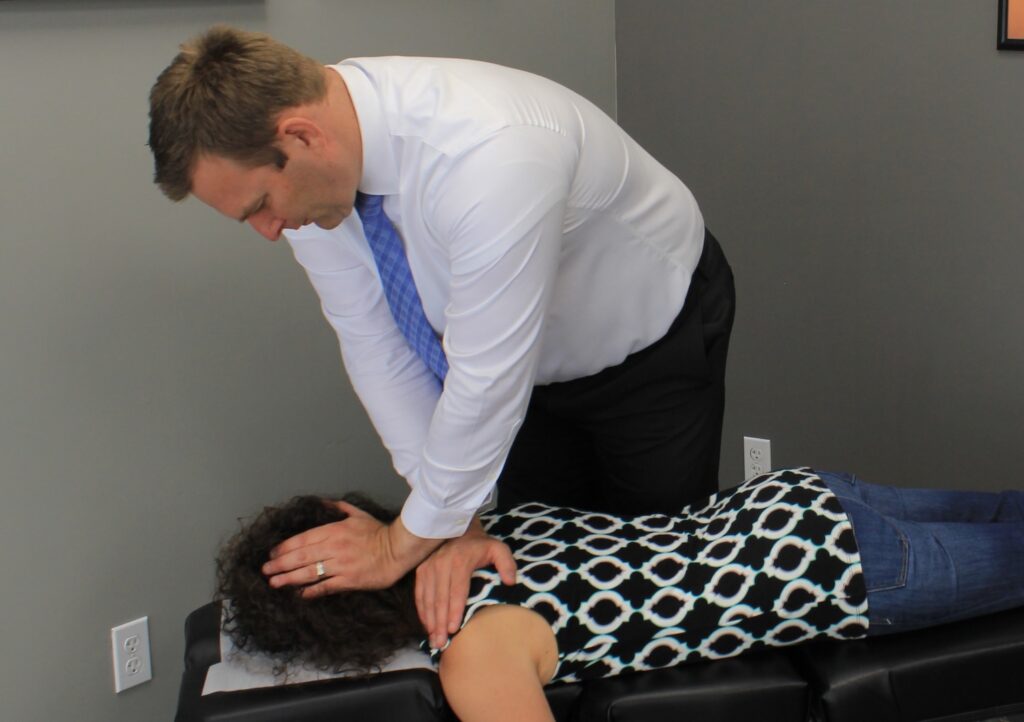
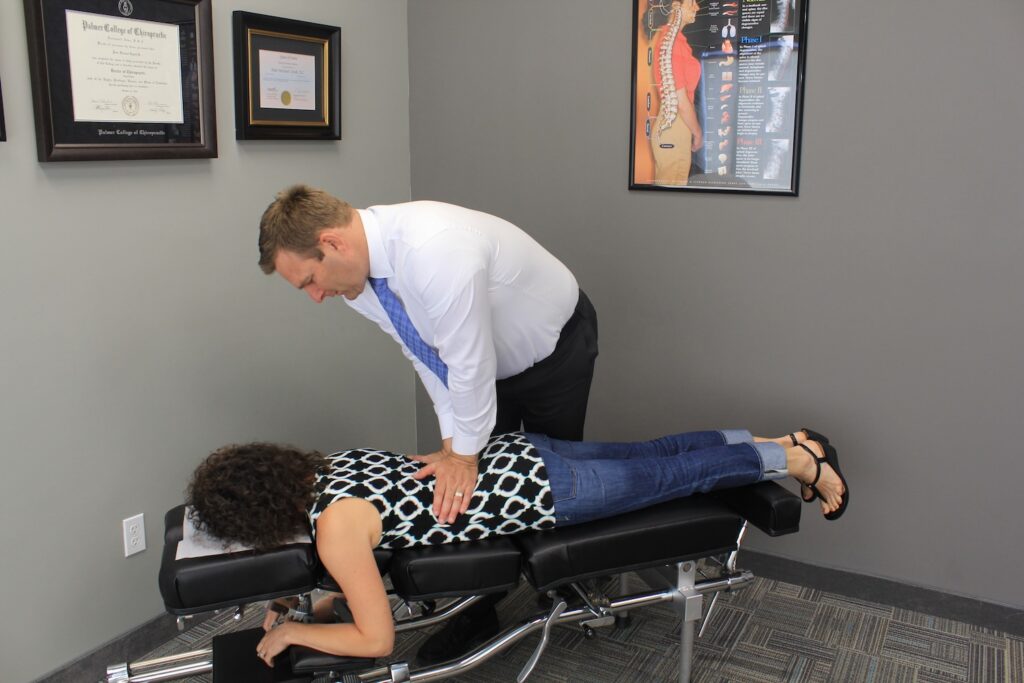
As a local chiropractor, I want to help you understand how incorporating mindfulness and meditation into your pain management routine can significantly enhance the benefits of chiropractic care. Our primary focus is on correcting misalignments in your spine, which can relieve pressure on your nerves and improve your overall function.
When you come in for a visit, I'll assess your condition and tailor the adjustments specifically to your needs. During an adjustment, you might experience a quick thrust to your spine or joints. This technique is designed to restore mobility, reduce pain, and promote the healing process. Many of my patients report feeling immediate relief after their adjustments, and with regular sessions, we often see long-lasting improvements in lower back pain.
To maximize the benefits of your chiropractic care, it's essential to maintain open communication with me. I encourage you to share your experiences and any changes in your symptoms. Your feedback is invaluable, as it allows me to adjust my approach based on your progress and individual needs.
In addition to the adjustments, I may recommend specific exercises or stretches to help strengthen your core and improve your flexibility. Staying active is crucial, as it not only supports the adjustments but also helps prevent future pain.
Together, we can create a comprehensive plan that promotes your overall well-being and helps you achieve optimal health.
Acupuncture Techniques
When considering options for pain management, it's important to explore various methods that promote healing and recovery. One technique that has gained recognition alongside chiropractic care is acupuncture. This ancient practice involves stimulating specific points on the body to alleviate pain and restore balance to your overall energy flow.
As a chiropractor, I often see patients who suffer from lower back pain, and acupuncture can be a complementary approach to addressing this issue. The technique works by targeting muscle tension associated with pain and encouraging the body to heal itself.
During an acupuncture session, you'll lie comfortably while a skilled practitioner gently inserts thin, sterile needles into specific points. While some may experience a slight sensation, many find the process to be quite relaxing. Studies suggest that acupuncture can enhance the release of endorphins—your body's natural pain relievers—which may help diminish discomfort in your lower back.
To maximize the benefits of acupuncture, it's essential to communicate openly with your practitioner. Share details about your pain levels, any past treatments you've received, and your overall health history. This information allows them to tailor the session to your individual needs.
Typically, a series of treatments is recommended for optimal results, so it's wise to commit to a schedule to fully experience its benefits.
Additionally, I encourage my patients to consider combining acupuncture with chiropractic adjustments and other natural pain management strategies, such as over-the-counter medications. Many individuals report significant improvements in their lower back pain when they incorporate acupuncture into their healing routine.
If you're interested in exploring acupuncture, I recommend seeking out a licensed acupuncturist with experience in treating lower back pain. With the right guidance, acupuncture can serve as a valuable tool in your journey toward effective pain management and overall wellness.
Advanced Physical Therapy
As a local chiropractor, I want to share with you the incredible benefits of chiropractic care for managing lower back pain, and how it can complement other treatments like acupuncture. Chiropractic care focuses on holistic healing, emphasizing not just symptom relief but also enhancing your overall health and well-being.
Through tailored adjustments and techniques, we work to realign your spine and improve your body's function. This approach can strengthen your lower back, increase flexibility, and promote better posture. With my guidance, you'll learn specific movements and exercises that are designed to target your pain points and limitations effectively.
During your visits, I may use various chiropractic modalities, such as therapeutic ultrasound or gentle electrical stimulation, to alleviate discomfort and support the healing process. These techniques can reduce inflammation and improve blood circulation in the affected areas, making it easier for you to participate in your rehabilitation.
A vital aspect of chiropractic care is manual therapy, where I use hands-on techniques to apply pressure and stretch your muscles and joints. This not only helps relieve tension and discomfort but also enhances your mobility and functional movement. You may find that this focused approach not only alleviates pain but also improves your overall posture and alignment.
I also prioritize educating you about proper body mechanics and ergonomics. Understanding how to move safely and efficiently in your daily activities is crucial for preventing future injuries. By integrating this knowledge into your lifestyle, you can maintain the progress achieved during our sessions.
Ultimately, chiropractic care empowers you to take charge of your healing journey. By equipping you with the tools and knowledge necessary to manage your lower back pain, I aim to help you regain confidence in your body and its abilities. Together, we can work towards a healthier, pain-free lifestyle.
Active Release Therapy
As a local chiropractor, I want to introduce you to an effective technique we often use in our practice called Active Release Therapy (ART). This hands-on approach is designed to relieve pain and restore mobility by specifically targeting tight muscles, tendons, and fascia. If you're experiencing lower back pain, ART could be a beneficial option for you.
During an ART session, I'll work closely with you to assess your movement patterns and pinpoint areas of restriction. By applying targeted pressure to these affected areas while you move in certain ways, we can effectively break up adhesions and enhance the function of your soft tissues.
It's normal to feel some discomfort during this process, as it's essential for releasing built-up tension. Many of my patients report a significant reduction in pain and an improved range of motion after just a few sessions.
Communication is key during your ART sessions. I encourage you to share your feedback so I can adjust my techniques to suit your needs and maximize the benefits of your treatment.
For optimal results, I often recommend combining ART with other treatment methods, such as stretching and strengthening exercises. I can also provide you with specific stretches to practice at home, which can further enhance the benefits of the therapy and support your overall healing process.
ART is particularly effective for individuals whose lower back pain stems from overuse injuries, repetitive strain, or muscle imbalances. This proactive approach not only addresses your current pain but also helps prevent future issues from arising.
If you're ready to take charge of your lower back pain and explore natural healing options, I invite you to schedule a consultation with me to discuss how Active Release Therapy can help you.
Electrical Stimulation Devices
As your local chiropractor, I want to introduce you to a valuable option for managing lower back pain: electrical stimulation devices.
These innovative tools can be quite effective in providing relief by sending gentle electrical impulses to the affected areas, helping to alleviate discomfort.
However, before incorporating these devices into your pain management routine, it's essential to understand both their benefits and any potential risks involved.
I encourage you to consider how these devices fit into a holistic approach to healing that includes chiropractic care and other natural therapies.
Together, we can explore the best options for your individual needs and work towards achieving lasting relief from pain.
Types of Devices
As a local chiropractor, I often encounter patients seeking relief from lower back pain, and I want to share some valuable information about non-invasive options available to you.
Electrical stimulation devices have gained popularity for their ability to help manage pain effectively, and understanding the different types can empower you in your healing journey.
One of the most commonly used devices is the Transcutaneous Electrical Nerve Stimulation (TENS) unit. This device works by sending low-voltage electrical currents through the skin, stimulating the nerves to help lessen pain perception.
The convenience of TENS units allows you to use them in the comfort of your own home, making it easier to incorporate into your routine for ongoing pain management.
Another option you may come across is the interferential current (IFC) device. This device employs two or more electrical currents that intersect, providing deeper stimulation to the affected area.
Many of my patients have found IFC devices to be particularly effective for more intense pain relief.
Additionally, there are neuromuscular electrical stimulation (NMES) devices, which are designed to stimulate muscle contractions.
These devices can be extremely beneficial for strengthening the muscles surrounding your lower back, which not only aids in recovery but also helps in preventing future pain.
When it comes to choosing the right device for your lower back pain, it's essential to consider your specific symptoms and lifestyle.
I highly recommend consulting with a healthcare professional, like myself, to help you determine which electrical stimulation device may be the most suitable for your individual needs.
Together, we can work towards finding the best approach to support your natural healing process.
Mechanism of Action
As a local chiropractor, I want to take a moment to explain how electrical stimulation devices can be a valuable tool in alleviating lower back pain. Many of you may not be familiar with how these devices function, so let me break it down for you.
These devices work by sending gentle electrical impulses through the skin, which stimulate the nerves in the affected area of your back. When you use an electrical stimulation device, these electrical signals interrupt the pain signals that are traveling to your brain. This process effectively masks the discomfort you may be feeling, providing you with relief. This technique is referred to as transcutaneous electrical nerve stimulation, or TENS for short.
In addition to blocking pain signals, electrical stimulation can also promote the release of endorphins—your body's natural painkillers. When endorphins are released into your system, they can significantly reduce your perception of pain, making it easier for you to engage in daily activities without discomfort.
Furthermore, the stimulation encourages improved blood flow to the affected area. This increased circulation is beneficial for healing and can help reduce inflammation, which is often a contributing factor to back pain.
As we explore various methods of natural healing together, I encourage you to consider the benefits of electrical stimulation as part of your wellness journey. It's just one of the many tools we can use to support your body's natural ability to heal.
Benefits and Risks
As a local chiropractor, I want to share some insights about using electrical stimulation devices for managing lower back pain. These devices can be a valuable addition to your pain management strategy, but it's crucial to understand both the benefits and the potential risks involved.
Electrical stimulation works by sending gentle electrical impulses to stimulate the nerves, helping to alleviate pain. Here are some key benefits you may experience:
- Pain Relief: Many patients report noticeable reductions in pain, which can lead to improved mobility and a better quality of life.
- Non-Invasive Approach: Unlike surgical procedures, electrical stimulation is non-invasive. This aspect makes it a safer option for many individuals seeking relief from pain.
- Customizable Experience: These devices often allow you to adjust settings like intensity and frequency, so you can tailor the treatment to your unique needs and comfort level.
- Works Well with Other Treatments: You can easily incorporate electrical stimulation into your overall treatment plan, working in tandem with therapies such as chiropractic adjustments, physical therapy, or medications for enhanced results.
However, it's equally important to be aware of potential risks. Some patients may experience side effects such as skin irritation, muscle twitching, or discomfort while using the device.
In rare instances, it could affect other medical devices you might have, like pacemakers. That's why I always recommend consulting with a healthcare provider before starting any new treatment. This ensures that electrical stimulation is the right choice for you.
By weighing the benefits against the risks, you can make an informed decision about how best to manage your lower back pain naturally and effectively.
Yoga and Stretching
As a local chiropractor, I want to highlight the benefits of yoga and stretching in managing lower back pain. These practices can serve as effective natural healing methods, providing not only physical relief but also mental relaxation. By incorporating yoga and stretching into your routine, you can improve flexibility, strengthen your core muscles, and enhance your posture—essential elements in alleviating discomfort.
I recommend starting with gentle stretches that specifically target the lower back, hips, and hamstrings. Poses such as Child's Pose, Cat-Cow, and Downward Dog are excellent choices for releasing tight muscles and promoting blood flow.
As you grow more comfortable with these movements, you might consider adding dynamic sequences, like Sun Salutations, which can help build strength and endurance over time.
It's important to listen to your body during these practices. If you feel any pain while performing a pose, it's best to ease out of it and modify as necessary. You don't need to push yourself too hard; the goal is to cultivate a sense of ease and comfort.
Regular practice of yoga and stretching can lead to enhanced flexibility and strength, which may help prevent future episodes of back pain.
Additionally, I encourage you to consider joining a local class or following trustworthy online tutorials to ensure you're using the correct form and technique. This won't only enhance the effectiveness of your practice but also minimize the risk of injury.
Nutrition and Supplements
As your local chiropractor, I want to emphasize the vital role that nutrition plays in managing lower back pain. Many people overlook how what they eat can significantly affect their body's healing process and inflammation levels. By adjusting your diet, you may find relief and support your recovery from discomfort.
Here are four essential nutritional components I encourage you to consider incorporating into your meals:
- Omega-3 Fatty Acids: These healthy fats are abundant in fatty fish like salmon, walnuts, and flaxseeds. Omega-3s are known for their anti-inflammatory properties and can be incredibly beneficial in reducing pain. Including these in your diet regularly may lead to noticeable improvements in your back pain.
- Antioxidants: Foods that are rich in antioxidants—such as berries, spinach, and dark chocolate—help combat oxidative stress in the body. This stress can contribute to inflammation, so by eating more antioxidant-rich foods, you can potentially alleviate some of that discomfort in your back.
- Vitamin D: Often referred to as the "sunshine vitamin," vitamin D is crucial for calcium absorption and maintaining strong bones. You can obtain vitamin D through sunlight, fortified foods, or supplements. Ensuring you have adequate levels may help prevent pain related to bone health issues.
- Magnesium: This important mineral plays a crucial role in muscle function and nerve health. You can find magnesium in foods like nuts, seeds, leafy greens, and whole grains. Making sure you get enough magnesium may help reduce tension and cramping in your back.
Incorporating these nutritional elements into your diet can be transformative in managing lower back pain.
As always, I recommend consulting with a healthcare professional before making significant dietary changes or starting new supplements. Together, we can work towards enhancing your overall well-being and ensuring a smoother recovery process.
Conclusion
As your local chiropractor, I want to share some trending techniques that can significantly improve your experience with lower back pain management. One of the most effective approaches includes practicing mindfulness and yoga, which can help you connect with your body and relieve tension. Additionally, chiropractic adjustments play a vital role in restoring proper alignment and function to your spine, which can lead to greater mobility and reduced pain.
If you're open to exploring alternative therapies, acupuncture can also be a fantastic option for pain relief. Moreover, advanced physical therapy techniques, such as active release therapy and the use of electrical stimulation devices, can provide targeted relief and support your healing process.
It's important to complement these treatments with a well-balanced diet that includes anti-inflammatory foods, as nutrition plays a crucial role in managing pain and promoting overall health. I also encourage you to make ergonomic adjustments in your daily activities and commit to a consistent exercise routine. By taking these steps, you'll not only gain control over your pain but also enhance your overall well-being. Remember, my goal is to empower you on your journey to better health through natural healing methods!