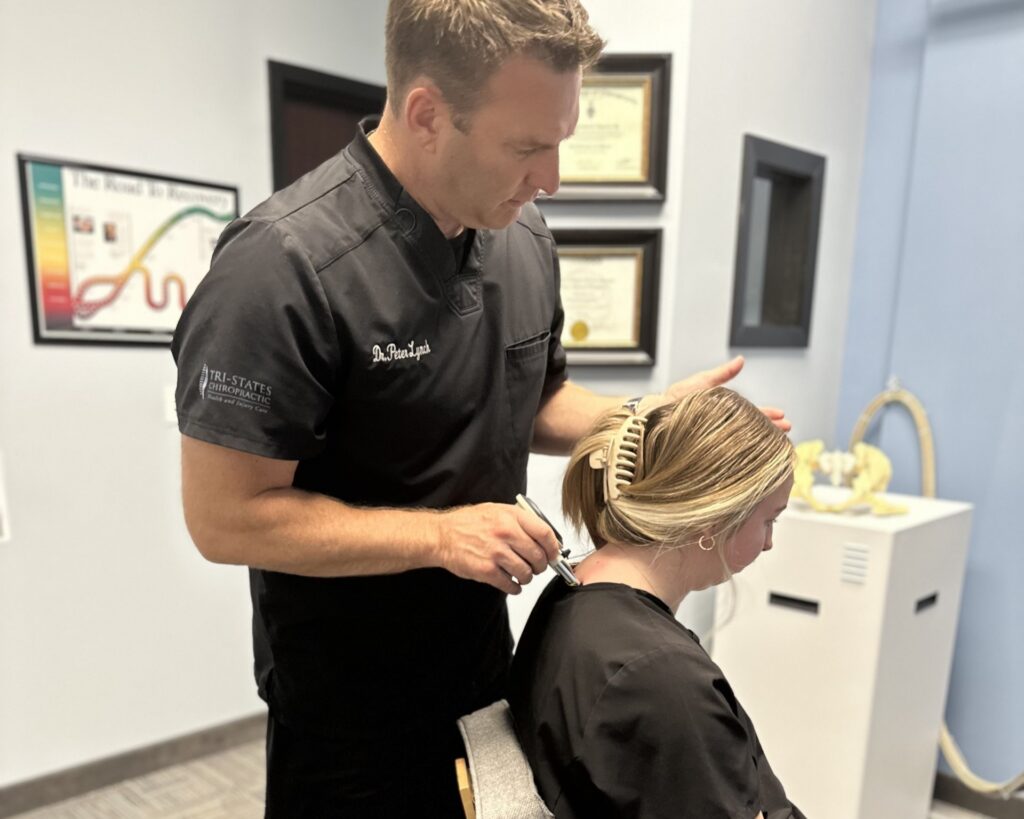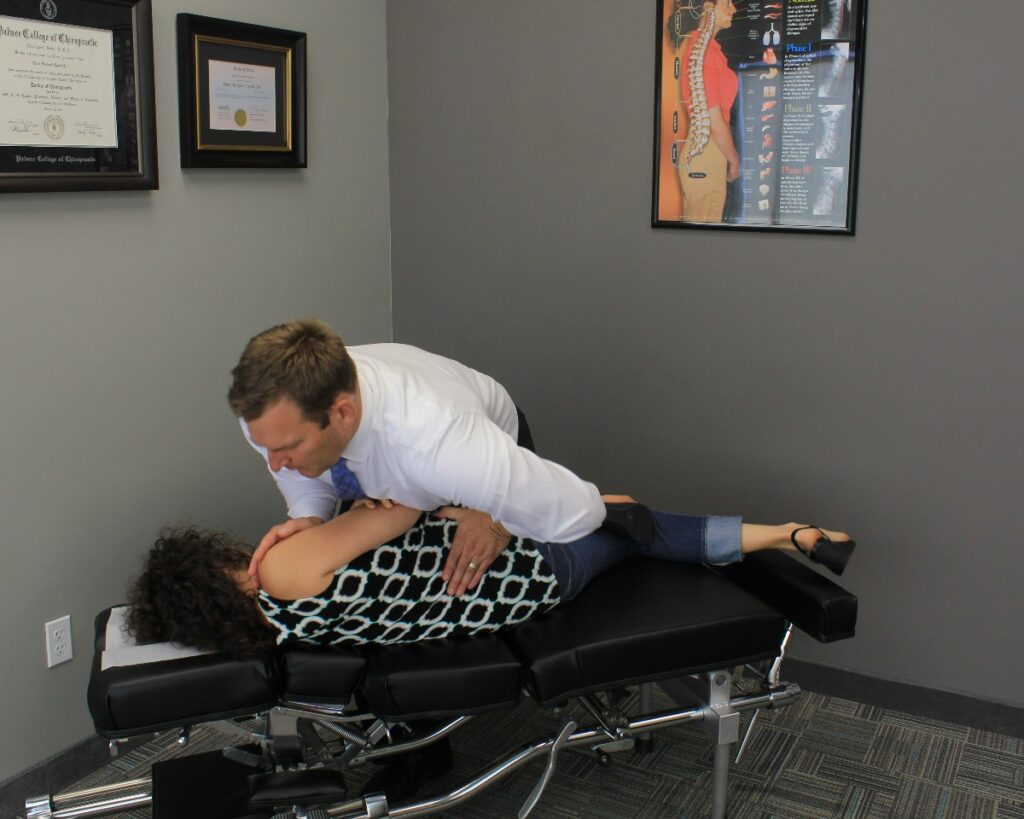
When it comes to managing low back pain, the right exercises can truly make a significant difference. As a local chiropractor, I emphasize the importance of movements that stabilize your core and enhance flexibility. It’s essential to recognize that not every exercise is appropriate for everyone, and what works for one person might not work for another. By understanding your body and what it needs, you can move towards relief rather than aggravation.
Here are some effective exercises that can support your recovery, along with important tips to keep in mind:
- Gentle Stretching: Incorporate gentle stretching into your routine to improve flexibility. Focus on stretches that target your lower back, hips, and hamstrings. Simple stretches like the knee-to-chest stretch can help alleviate tension in your back.
- Core Strengthening: Strengthening your core muscles is vital for supporting your spine. Consider exercises like pelvic tilts and bird-dogs. These movements help stabilize your core without putting undue stress on your back.
- Low-Impact Activities: Engage in low-impact exercises such as walking, swimming, or cycling. These activities promote circulation and can help with pain relief without straining your back.
- Mind-Body Practices: Incorporate practices like yoga or tai chi. These not only improve flexibility and strength but also promote relaxation and mindfulness, which are beneficial for managing pain.
- Listen to Your Body: Always pay attention to how your body responds to different movements. If an exercise causes pain, stop immediately and consult with your chiropractor. The goal is to find exercises that feel good and support your healing.
Remember, chiropractic care is your best ally in achieving optimal health and wellness. Regular adjustments can help align your spine, enhance your body’s natural healing abilities, and improve your overall well-being. By combining chiropractic care with the right exercises, you can take significant steps towards a pain-free life. Always consult with your chiropractor to tailor a plan that suits your specific needs, ensuring a safe and effective path to recovery.
Key Takeaways
- Focus on core strengthening exercises, such as pelvic tilts and bridges, to provide essential support for your spine and alleviate back strain. These exercises not only enhance stability but also promote overall spinal health, which is crucial for long-term wellness.
- Incorporate gentle stretches like Child’s Pose and knee-to-chest into your routine. These movements can help improve flexibility and relieve tension in your lower back, making them excellent complements to your chiropractic care.
- Always maintain proper posture during exercises. This is key to preventing further aggravation and ensuring that your spine receives the effective support it needs. Good posture is a foundational principle in chiropractic care and can significantly impact your overall health.
- During flare-ups, it’s best to avoid high-impact activities or heavy lifting. Instead, consider low-impact exercises like walking or swimming. These activities are easier on your back while still promoting movement and circulation, which are vital for recovery.
- Most importantly, listen to your body. If any exercise causes pain, it’s essential to stop and reassess. Prioritize your comfort and focus on gradually progressing in your routine. Chiropractic care can guide you in developing a safe and effective exercise plan tailored to your specific needs.
Remember, embracing a holistic approach to health through chiropractic care, alongside these exercises, can lead to lasting relief and a healthier lifestyle.
Understanding Low Back Pain
When low back pain strikes, it can feel overwhelming, but gaining an understanding of its causes and symptoms is the first step toward finding relief.
Often, low back pain arises from various factors, such as muscle strain, poor posture, or even pre-existing medical conditions. You might experience sensations like sharp or dull aches, stiffness, or discomfort that radiates down your legs. Recognizing these symptoms is key to addressing the issue and seeking out the right solutions.
It’s important to know that low back pain can be acute, lasting just a few days, or chronic, persisting for months or even longer.
Activities like lifting heavy objects, sitting for extended periods, or making sudden movements can easily trigger discomfort. Pay attention to your body’s signals—they are your best guide.
As a chiropractor, I believe that exploring chiropractic care is one of the most effective paths to alleviate low back pain and enhance your overall well-being. Chiropractic adjustments can help restore proper alignment to the spine, relieve tension in the muscles, and improve your body’s natural healing abilities.
In addition to professional care, there are some simple tips you can incorporate into your daily life to support your spinal health:
- Practice Good Posture: Whether sitting or standing, maintain a neutral spine, and avoid slumping.
- Stay Active: Engage in gentle exercises like walking or stretching to keep your back muscles strong and flexible.
- Use Proper Lifting Techniques: Bend your knees and keep your back straight when lifting heavy objects.
- Take Breaks: If you sit for long periods, stand up and move around regularly to reduce strain on your back.
- Mind Your Sleep Position: Sleep on your side with a pillow between your knees to maintain spinal alignment.
By understanding your pain and making these lifestyle adjustments, you can take significant steps toward relief and a healthier life.
The Importance of Core Stability
Core stability is crucial for maintaining a healthy back and preventing pain. When your core muscles—those in your abdomen, back, and pelvis—are strong and working together, they provide vital support for your spine. This support allows you to move freely and comfortably, reducing strain and the risk of injury. On the other hand, weak core muscles can lead to imbalances that put extra pressure on your lower back, making discomfort more likely.
By focusing on core stability, you’re not only protecting your back; you’re also improving your overall posture and making everyday movements easier. This stability is essential for all kinds of activities, whether it’s lifting groceries, playing with your kids, or simply sitting at your desk for extended periods.
Incorporating exercises that target your abdominals, obliques, and lower back can create a solid foundation for your body. Simple movements like planks, bridges, and gentle twists can be very effective. As your core strength improves, you may notice less discomfort and greater ease in your daily tasks.
Chiropractic care can play a significant role in enhancing your core stability. Regular adjustments help ensure that your spine is aligned properly, which is vital for optimal function of your core muscles. By choosing chiropractic care, you’re taking a proactive step toward a pain-free lifestyle. It’s a natural and effective way to support your body’s healing processes, allowing you to enjoy life with more energy and confidence.
Gentle Stretches for Relief
Building a strong core is essential for maintaining a healthy spine and can be a crucial step in relieving low back pain. Incorporating gentle stretches into your daily routine can enhance your flexibility and promote relaxation, ultimately supporting your journey to optimal health through chiropractic care.
One effective stretch to start with is the child’s pose. To do this, kneel on the floor and gently fold forward, extending your arms in front of you. This position helps to elongate your spine and soothe your lower back, providing a comforting release.
Next, consider the seated forward bend. Sit with your legs extended in front of you and slowly reach toward your toes. This stretch gently targets your spine and hamstrings, helping to alleviate tension.
Another beneficial stretch is the knee-to-chest stretch. Lie on your back, pull one knee toward your chest, and hold this position for 20-30 seconds before switching sides. This stretch can help to relieve tightness in your lower back and hips.
Don’t forget about the cat-cow stretch. Start on all fours and alternate between arching your back and rounding it. This movement promotes spinal flexibility and can help to reduce discomfort.
Incorporating these gentle stretches into your daily routine can be a powerful way to enhance your well-being. Remember, chiropractic care is an excellent way to support your health and alleviate pain naturally. Always consult with your chiropractor to ensure you’re on the right path to recovery and optimal health.
Strengthening Exercises for the Lower Back
Strengthening your lower back is crucial for preventing pain and enhancing your overall stability, and it’s a key part of maintaining a healthy spine. Strong back muscles provide better support for your spine, which helps you maintain good posture and can significantly reduce discomfort.
Here are some simple yet effective exercises you can easily add to your routine to promote a healthy back:
- Pelvic Tilts: Start by lying on your back with your knees bent. Engage your core and gently press your lower back into the floor. This simple movement helps to strengthen your core muscles, which are essential for spinal support.
- Bridges: Lie on your back with your knees bent and feet flat on the ground. Lift your hips towards the ceiling, squeezing your glutes as you rise. This exercise not only strengthens your lower back but also targets your glutes and hamstrings.
- Bird-Dog: Get on your hands and knees in a tabletop position. Extend one arm forward and the opposite leg back while keeping your core tight. This exercise enhances stability and coordination, which are vital for a strong back.
- Superman: Lie face down on the floor. Extend your arms in front of you and lift both your arms and legs off the ground simultaneously, holding this position for a few seconds. This helps strengthen your entire back and improves posture.
- Planks: Position your body on your forearms and toes, keeping your body straight from head to heels. Engaging your core in this position strengthens not only your back but also your abdomen, which is crucial for overall spinal health.
Incorporating these exercises into your daily routine can greatly enhance your strength and reduce the risk of injury. Remember, a strong back is essential for optimal health.
If you’re experiencing pain or discomfort, consider visiting your local chiropractor. Chiropractic care focuses on natural healing and can help restore proper function to your spine, providing relief and supporting your journey towards wellness. Always listen to your body, and if an exercise causes pain, stop and consult with a healthcare professional.
The Role of Flexibility in Pain Management
While strengthening exercises are vital for a healthy back, flexibility is equally important when it comes to managing pain. When your muscles and joints are flexible, they can move more freely, which helps reduce tension and discomfort. Incorporating simple stretching into your daily routine can prevent stiffness and enhance your range of motion, making everyday activities much easier.
Pay special attention to stretches that target your lower back, hips, and hamstrings, as tightness in these areas can often lead to pain. Regular practice of flexibility exercises can help alleviate pressure on your spine, improve blood flow to the affected areas, and promote healing naturally.
Remember to listen to your body—if a stretch causes discomfort, it’s important to ease back and try a gentler approach. By creating a balanced routine that includes both strengthening and flexibility exercises, you’ll lay the groundwork for long-term relief and better overall back health.
Chiropractic care complements these efforts beautifully. A chiropractor can help assess your specific needs and provide personalized adjustments to enhance your flexibility and strength, ensuring you achieve optimal health. Together, through regular chiropractic adjustments and a focus on flexibility, you can enjoy a pain-free life filled with movement and vitality.
Activities to Avoid During a Flare-Up
When you’re dealing with a flare-up of low back pain, it’s crucial to avoid certain activities that could hinder your healing process.
High-impact sports and twisting movements can worsen your discomfort and delay recovery.
Instead, consider incorporating gentle exercises that nurture your back and support your healing journey.
Chiropractic care is an excellent way to address low back pain naturally.
Regular adjustments can help realign your spine, alleviate pain, and improve your overall well-being.
Here are some simple tips to keep in mind during a flare-up:
- Listen to Your Body: If an activity causes pain, stop immediately. It’s essential to respect your body’s signals.
- Practice Good Posture: Maintain a neutral spine while sitting or standing to minimize strain on your back.
- Stay Active: Engage in low-impact activities like walking or gentle stretching. These can promote blood flow and aid recovery without putting too much pressure on your back.
- Apply Heat or Ice: Using a heating pad or ice pack can help reduce inflammation and alleviate pain.
- Stay Hydrated: Drinking enough water supports overall health and can help maintain the elasticity of your spinal discs.
If you’re struggling with back pain, consider scheduling an appointment with a chiropractor.
They can provide personalized care to help you regain your mobility and enhance your quality of life.
High-Impact Sports
During a flare-up of low back pain, it’s essential to take care of your body by avoiding high-impact sports that could worsen your condition. Engaging in these activities can lead to increased discomfort and delay your recovery. Instead, consider focusing on gentle, low-impact exercises that support healing and improve flexibility. Here are some high-impact sports you should steer clear of during this time:
- Basketball
- Soccer
- Running or jogging
- Football
- Tennis
Instead of these activities, I encourage you to explore options that promote healing. Gentle stretching, walking, or swimming can be excellent alternatives that allow you to stay active without stressing your back.
Additionally, chiropractic care plays a vital role in managing back pain. Regular adjustments can help realign your spine, reduce tension, and improve mobility. It’s a natural approach that focuses on your body’s ability to heal itself.
Here are some tips to help you manage your low back pain:
- Stay Active, But Smart: Engage in low-impact activities that you enjoy, such as walking or yoga. These can help maintain your fitness without putting unnecessary strain on your back.
- Listen to Your Body: Pay attention to how your body feels during and after activities. If something causes pain, it’s a good sign to stop and choose a gentler option.
- Practice Good Posture: Whether sitting or standing, maintaining good posture can significantly reduce back strain. Keep your shoulders back and your spine aligned.
- Consider Chiropractic Care: Regular visits to a chiropractor can help manage pain and keep your spine healthy. They can provide personalized care and adjustments suited to your needs.
- Use Heat or Ice: Applying heat or ice to your back can help relieve pain and inflammation. Heat can soothe tight muscles, while ice can reduce swelling.
Twisting Movements
Twisting movements can really aggravate low back pain, so it’s important to steer clear of them, especially during a flare-up.
Activities like making sudden turns, reaching across your body, or rotating your torso can put a strain on your lower back and lead to increased discomfort.
Even something as simple as turning to grab an item from behind can trigger pain.
Instead, let’s focus on maintaining straight and controlled movements.
If you need to turn, remember to pivot your feet—this helps avoid unnecessary twisting that can worsen your condition.
When going about your daily activities, pay attention to your body mechanics and try to minimize rotation.
Listening to your body is key; if any movement causes discomfort, stop immediately.
Prioritize gentle, low-impact exercises that promote stability and healing, while avoiding twisting motions until you feel better.
Chiropractic care can be a great avenue for managing your pain and promoting overall wellness.
Regular adjustments can help improve your spinal alignment, reduce discomfort, and enhance your body’s natural healing abilities.
By choosing chiropractic, you’re opting for a holistic approach to your health that focuses on natural healing and long-term wellness.
If you’re experiencing low back pain, consider reaching out to your local chiropractor for personalized advice and care tailored to your needs.
Yoga Poses That Promote Healing
If you’re struggling with low back pain, incorporating restorative yoga poses can be a gentle and effective way to promote healing alongside chiropractic care.
These poses, combined with the adjustments and guidance from a chiropractor, can help relieve tension, improve flexibility, and support your body’s natural healing process.
Gentle stretching techniques in yoga can complement the spinal adjustments you receive in chiropractic care.
By focusing on alignment and relaxation, you can enhance the benefits of your chiropractic visits.
Here are a few tips to keep in mind:
1. Consult Your Chiropractor: Before starting any new exercise regimen, including yoga, it’s important to consult with your chiropractor.
They can provide personalized recommendations based on your specific condition.
2. Focus on Breath: When practicing yoga, pay attention to your breathing.
Deep, controlled breaths can help you relax and enhance the effectiveness of the stretches.
3. Listen to Your Body: Always listen to your body and avoid pushing into pain.
If a pose feels uncomfortable, modify it or skip it altogether.
4. Incorporate Regular Visits: Regular chiropractic adjustments can help maintain spinal alignment and support your overall wellness while you practice restorative yoga.
5. Stay Consistent: Consistency is key for both chiropractic care and yoga practice.
Make it a routine to visit your chiropractor and practice gentle yoga regularly for the best results.
By integrating these practices into your life, you can support your recovery and promote optimal health naturally.
Restorative Yoga Poses
Incorporating restorative yoga poses into your routine can significantly help alleviate low back pain and promote healing, complementing the benefits of chiropractic care.
These gentle, supportive poses not only relax your body and mind but also reduce tension in the lower back, creating a favorable environment for healing. Here are some restorative poses to consider:
- Child’s Pose: This calming position gently stretches the spine and encourages relaxation, allowing your body to find relief from stress.
- Supported Bridge Pose: By elevating the pelvis, this pose helps relieve pressure on the lower back, enhancing the effects of chiropractic adjustments.
- Reclined Bound Angle Pose: Opening the hips in this pose promotes relaxation and can support spinal alignment, making it a great addition to your wellness routine.
- Legs-Up-the-Wall Pose: This restorative pose encourages circulation and helps reduce fatigue, which can be beneficial for overall spinal health.
- Savasana (Corpse Pose): A final relaxation pose that helps integrate the benefits of your practice, allowing your body to fully process the healing effects of both yoga and chiropractic care.
In addition to these poses, remember to maintain good posture throughout your day and stay active within your comfort level. Regular chiropractic adjustments can enhance the benefits of these restorative practices, helping you achieve optimal health naturally.
Prioritize your well-being by listening to your body and consulting with your chiropractor for personalized advice and care.
Gentle Stretching Techniques
Gentle stretching techniques are essential for healing low back pain and promoting overall wellness. As a chiropractor, I emphasize the importance of improving flexibility and reducing tension in your spine. Incorporating simple yoga poses into your routine can be incredibly beneficial for your back health.
One effective stretch is the Cat-Cow stretch, which warms up your spine and enhances mobility. As you transition between these two poses, focus on the gentle flexing and extending of your back. This movement can help release tension and prepare your body for further stretching.
Another fantastic option is the Child’s Pose. This stretch allows your back to lengthen and relax, providing a soothing relief that can complement chiropractic adjustments. Additionally, don’t overlook the Supine Hamstring Stretch, which is excellent for alleviating tightness in the lower back. It’s important to hold each position for 15-30 seconds while breathing deeply to enhance relaxation and make the most of your stretching routine.
As you practice these gentle stretches, remember to listen to your body closely. It’s essential not to push through pain; these stretches should promote comfort and relief rather than aggravation. Regularly incorporating these techniques not only supports recovery but also complements the benefits of chiropractic care, helping you achieve optimal health naturally.
Incorporating Aerobic Exercise
Aerobic exercise is an essential component in managing low back pain, and as a chiropractor, I want to emphasize the importance of movement in your healing process. Engaging in aerobic activities can enhance blood flow, strengthen your muscles, and improve flexibility—all vital for relieving pain and supporting your spine health.
Here are some excellent aerobic options to consider incorporating into your routine:
- Walking: This is one of the simplest and most effective ways to elevate your heart rate while being gentle on your back. Aim for brisk walks in your neighborhood or local park.
- Swimming: Enjoy a refreshing swim! It provides a low-impact workout that eases pressure on your spine while still giving you a full-body exercise.
- Cycling: Whether on a stationary bike or riding outdoors, cycling helps build strength in your legs and core without putting undue strain on your back.
- Dancing: Get moving to your favorite tunes! Dancing isn’t only enjoyable but also promotes overall fitness and can lift your spirits.
- Water aerobics: This form of exercise combines resistance training with buoyancy, making it easy on your joints and back while still providing an effective workout.
When starting your aerobic routine, begin with low-intensity exercises and gradually increase the duration and intensity as your body adapts. Aim for at least 150 minutes of moderate aerobic activity each week.
Remember, while aerobic exercise can help manage your low back pain, regular chiropractic care can enhance your overall wellness. Chiropractic adjustments can help align your spine, reduce pain, and improve your body’s function.
By integrating these activities with chiropractic care, you’ll not only find relief from your low back pain but also take significant steps toward achieving optimal health and wellness.
Tips for Safe Exercise Practices
As you consider incorporating various aerobic exercises to help manage low back pain, prioritizing safety in your workouts is essential. Start each session with a proper warm-up to prepare your muscles and joints for activity. Pay attention to what your body is telling you; if something doesn’t feel right, don’t push through the discomfort. Gradually increase the intensity of your workouts to minimize the risk of injury. Here’s a handy reference table to remember essential safety tips:
| Tip | Description | Importance |
|---|---|---|
| Warm-Up | Engage in light activities first | Prepares your body for exercise |
| Proper Form | Maintain correct posture and alignment | Reduces the risk of injury |
| Hydration | Drink water before, during, and after workouts | Keeps your muscles functioning optimally |
| Rest | Incorporate recovery days into your routine | Prevents overuse injuries |
| Cool Down | Stretch after workouts to relax your muscles | Aids in recovery and flexibility |
In addition to these tips, consider the benefits of chiropractic care as a natural approach to pain relief and overall wellness. Regular chiropractic adjustments can help improve spinal alignment, reduce discomfort, and promote better mobility, which is crucial when engaging in any form of exercise. By choosing chiropractic care, you are taking a proactive step toward achieving optimal health and maintaining an active lifestyle. Always consult with your chiropractor for personalized advice tailored to your specific needs and conditions.
When to Seek Professional Help
It’s important to pay attention to certain warning signs that may indicate it’s time to seek professional chiropractic care for your low back pain. If you find yourself experiencing severe pain, numbness, or weakness, it’s crucial to get a professional assessment. A chiropractor can provide clarity on your condition and guide you on the path to recovery.
Recognizing these signs early not only helps prevent further complications but also promotes a faster healing process. Remember, chiropractic care focuses on addressing the root causes of pain through natural healing methods, allowing your body to restore itself to optimal health.
In the meantime, here are a few general tips to help you manage your low back pain at home:
- Maintain Good Posture: Be mindful of your posture whether sitting, standing, or lifting. Good alignment can help reduce strain on your back.
- Stay Active: Gentle exercises, such as walking or stretching, can keep your muscles strong and flexible. Always consult your chiropractor before starting a new exercise routine.
- Use Heat or Ice: Applying heat or ice packs can help alleviate pain and reduce inflammation.
- Practice Relaxation Techniques: Stress can contribute to muscle tension, so consider incorporating deep breathing, meditation, or yoga into your daily routine.
- Stay Hydrated and Eat Well: Proper nutrition and hydration support overall health, including spinal health.
Warning Signs to Notice
Recognizing when low back pain requires professional attention is essential for preventing further issues and promoting natural healing. As a chiropractor, I want to help you understand the signs that indicate it’s time to seek care. Keep an eye out for these warning signals:
- Severe pain that doesn’t improve with rest: If you’re finding it hard to get comfortable or the pain persists even when you’re lying down, it’s a sign that your body needs attention.
- Numbness or tingling in your legs or feet: These sensations can indicate nerve involvement, and addressing them early can help prevent long-term problems.
- Weakness or difficulty standing up: If you’re struggling to maintain balance or find it hard to get up from a seated position, this could be a sign that your spine needs support.
- Pain following an injury or accident: Sometimes, the effects of an injury can be delayed. If you’ve had an accident and notice pain afterward, it’s important to get evaluated.
- Unexplained weight loss or fever: These symptoms could indicate an underlying issue that needs to be addressed, and seeking help promptly is a wise choice.
If you experience any of these symptoms, don’t hesitate to reach out to a chiropractor. Early intervention through chiropractic care can significantly enhance your recovery and overall wellness.
Chiropractic adjustments can help restore balance to your spine, alleviate pain, and promote natural healing without the need for medications or invasive procedures.
Additionally, here are some general tips to support your spinal health:
- Maintain good posture while sitting and standing to reduce strain on your back.
- Stay active with low-impact exercises like walking or swimming to strengthen your core and back muscles.
- Use proper lifting techniques by bending at your knees, not your back, when picking up heavy objects.
- Incorporate stretching into your daily routine to keep your muscles flexible.
Benefits of Professional Assessment
When low back pain lingers or intensifies, seeking a professional assessment, particularly from a chiropractor, can be essential for your recovery. A chiropractor specializes in understanding the spine and its connection to overall health, allowing them to accurately diagnose the underlying cause of your discomfort. This ensures you receive a personalized treatment plan tailored specifically to your needs, focusing on natural healing without the use of medications or invasive procedures.
By getting an expert assessment early on, you can often speed up your recovery time. Chiropractors can recommend specific exercises that not only promote healing but also strengthen your back, helping to prevent future issues. They’ll monitor your progress and adjust your care as necessary to ensure the best outcomes.
In addition to professional care, there are general tips you can incorporate into your daily routine to support your back health. These include maintaining good posture while sitting or standing, using ergonomic furniture, and taking regular breaks to stretch and move throughout the day.