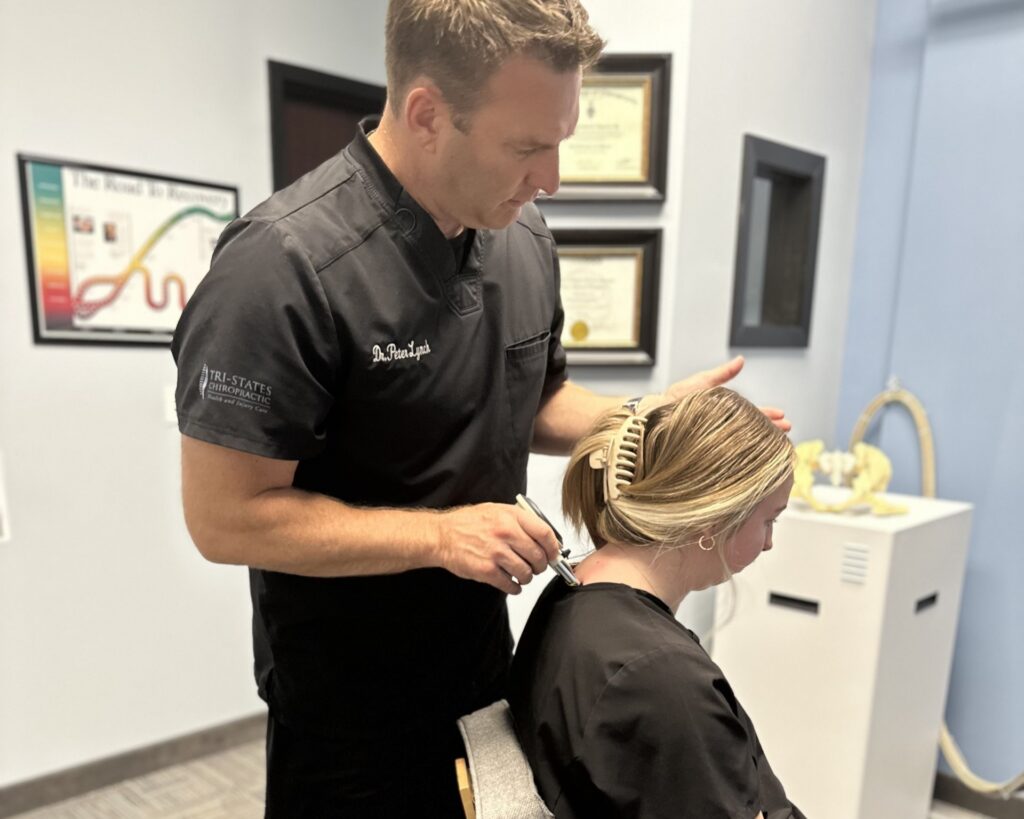
As a local chiropractor, I often see patients who aren't aware of how their daily habits can significantly impact their back pain. It's essential to understand that even small adjustments in your routine can lead to substantial relief. There are a variety of strategies we can explore together, ranging from simple home remedies to professional treatments tailored to your needs.
For example, heat therapy can be incredibly beneficial for soothing tense muscles and alleviating discomfort. Additionally, engaging in the right exercises can strengthen your back and improve your overall posture, which is crucial for long-term relief. However, identifying the methods that will work best for your specific situation can be daunting.
My goal is to educate you on the various options available, so you can make informed decisions about your pain management. You may uncover surprising insights about your body and its healing capabilities, paving the way for a more effective approach to managing your back pain naturally. Let's work together to find the right relief strategies for you!
Understanding Back Pain Causes
As a local chiropractor, I want to help you understand the various causes of back pain so you can find effective relief. Many people experience discomfort for a variety of reasons, and pinpointing the root cause is essential to alleviating your pain. Common culprits include muscle strains, poor posture, and injuries.
For instance, lifting heavy objects incorrectly or sitting for extended periods without proper lumbar support can put unnecessary stress on your back muscles and spine.
Age is another important factor to consider. As we age, our spinal discs can undergo degeneration, which may lead to conditions such as arthritis or herniated discs. These changes can result in chronic back pain that may require professional attention.
Additionally, specific medical conditions like scoliosis or osteoporosis can contribute to persistent discomfort, making it crucial to consult with a healthcare professional for an accurate diagnosis.
Your lifestyle choices also significantly impact your back health. Carrying excess weight puts added strain on your back, which can lead to pain.
Furthermore, a lack of regular exercise can weaken the core muscles that support your spine. By staying active and maintaining a healthy weight, you can greatly reduce your risk of experiencing back pain.
Don't forget about the influence of stress and emotional well-being. Tension can often manifest as physical pain, so it's important to manage stress through relaxation techniques or therapy.
To effectively address your back pain, it's essential to take a comprehensive approach that considers the various causes and how they relate to your overall lifestyle and health. As your chiropractor, I'm here to guide you on this journey toward natural healing and improved well-being.
Home Remedies for Relief
As a local chiropractor, I want to empower you with effective home remedies for back pain relief, so you don't have to rely solely on medications or professional treatments. Simple adjustments at home can significantly enhance your recovery.
Let's start with heat therapy. Applying a warm compress or heating pad to the affected area can help to relax tense muscles and improve blood circulation, which is key in alleviating pain.
On the other hand, if your back pain stems from a recent strain, ice packs can be beneficial in reducing inflammation. Just a quick reminder: always wrap the ice pack in a cloth to protect your skin.
Incorporating gentle stretching exercises into your routine can also provide great relief. Focus on movements that enhance flexibility and strength, such as the cat-cow stretch or child's pose.
These stretches can help release tension in your back and enhance your overall mobility.
Never underestimate the importance of quality sleep. Ensure that your mattress offers adequate support for your spine, and use pillows to maintain proper alignment during the night.
This can make a significant difference in how your body feels upon waking.
Additionally, consider integrating natural remedies like turmeric or ginger tea into your diet. These ingredients possess anti-inflammatory properties that can support your body's healing process.
Lastly, don't forget about the role of hydration. Drinking enough water is essential for maintaining the elasticity of your spinal discs, which is vital for overall back health.
As you explore these home remedies, remember that chiropractic care can also be an effective complement to your healing journey.
If you have any questions or need personalized advice, feel free to reach out. Your health and well-being are my top priorities!
Importance of Posture
As a local chiropractor, I want to emphasize the crucial role that good posture plays in preventing and alleviating back pain. Proper alignment while sitting, standing, or moving helps to evenly distribute your body weight, which significantly reduces strain on your spine and muscles. This proactive approach means you're less likely to encounter discomfort or injury as time goes on.
Many of you may not be aware, but common daily activities can unintentionally lead to poor posture. Whether you're leaning over a computer, slouching on the couch, or standing with improper form, these habits can gradually take a toll on your back health. By being conscious of your posture, you can implement small adjustments that yield substantial benefits.
For example, when you sit, ensure your feet are flat on the floor and your back is pressed against the chair. Your knees should ideally be at or slightly below hip level. If you're standing, aim to distribute your weight evenly across both feet and avoid locking your knees. These straightforward changes can help maintain your spine in a neutral position, alleviating unnecessary stress on your back.
Furthermore, being mindful of your posture while walking is equally important. Keep your head held high, shoulders back, and engage your core muscles. This not only supports your back but also enhances your overall body mechanics, contributing to better health and well-being.
As your chiropractor, I'm here to guide you on the path to better posture and a healthier spine. Remember, small changes can lead to significant improvements in your comfort and quality of life.
Stretching and Exercise
As a local chiropractor, it's important to understand that stretching and exercise are crucial elements in a comprehensive approach to managing back pain. These practices not only improve flexibility and strengthen muscles but also promote better posture, all of which can significantly alleviate discomfort.
When you incorporate regular physical activity into your routine, you're not just supporting your back; you're enhancing your overall health and well-being. Here are some benefits you can expect from these practices:
- Increased flexibility: Regular stretching helps to maintain or enhance your range of motion, which is vital for daily activities.
- Strengthened muscles: By focusing on core and back muscles, you can provide better support for your spine, reducing the risk of injury.
- Improved posture: Engaging in exercise encourages better alignment, which can lead to reduced strain on your back.
- Enhanced blood flow: Physical activity boosts circulation, aiding in healing and recovery.
To begin, I recommend starting with gentle stretches and low-impact exercises that won't strain your back. Activities like yoga and Pilates are particularly beneficial as they focus on building flexibility and core strength.
Simple stretches such as the cat-cow pose or child's pose can be easily integrated into your routine to help ease tension and improve mobility.
As you become more comfortable, consider incorporating strengthening exercises that focus on the back, abdomen, and legs. Consistency is crucial for success; aim for at least 30 minutes of activity most days of the week.
Always listen to your body and avoid pushing through any pain. If you're uncertain about where to start, I encourage you to consult with a physical therapist or a chiropractor like myself, who can provide personalized guidance tailored to your specific needs.
Heat and Cold Therapy
As your local chiropractor, I want to share with you the benefits of heat and cold therapy for managing back pain, especially if you're new to chiropractic care and natural healing. These two simple methods can be extremely effective in alleviating discomfort and supporting your body's healing process.
When you apply heat to your back, it enhances blood flow to the area, which helps to relax tight muscles and ease stiffness. For this, you can use a heating pad, a warm towel, or even indulge in a warm bath. Just remember, it's important to be cautious with the temperature; you want the heat to be soothing, not painful, as we want to protect your skin from burns.
In contrast, cold therapy can be beneficial for reducing inflammation and numbing sharp pain. After an injury or a painful flare-up, applying an ice pack or a bag of frozen peas wrapped in a cloth can offer quick relief. Cold therapy works by constricting blood vessels, which reduces swelling and can significantly relieve pain. I recommend applying cold for about 15-20 minutes, and always allowing your skin a break in between to avoid frostbite.
For the best results, you can alternate between heat and cold therapy. Start with cold therapy to combat inflammation, and then switch to heat to encourage healing. Pay attention to how your body responds; if one method feels better, feel free to stick with it.
Before you begin using heat and cold therapy, I encourage you to consult with me or another healthcare provider, particularly if you have any pre-existing conditions. We can help tailor these practices to suit your individual needs.
Incorporating these straightforward techniques into your daily routine can lead to significant relief from back pain, and I'm here to support you on your path to wellness.
Over-the-Counter Medications
As a local chiropractor, I want to share some insights about managing back pain, particularly through the use of over-the-counter (OTC) medications.
While options like ibuprofen and acetaminophen can provide temporary relief, it's essential to understand how to use these medications safely and effectively.
While they can help alleviate discomfort, relying solely on OTC medications may not address the underlying issues causing your back pain. I encourage you to consider holistic approaches alongside these medications.
Chiropractic care focuses on natural healing by addressing spinal alignment and overall body function, which can lead to more lasting pain relief.
If you do choose to use OTC medications, be aware of the best practices and precautions. Always follow the recommended dosages and consult with a healthcare professional if you have any concerns about interactions or side effects.
Remember, the goal isn't just to mask the pain, but to find a comprehensive solution that promotes your overall well-being.
I'm here to help you explore effective, natural methods to support your back health, so don't hesitate to reach out for more information or to schedule an appointment!
Common OTC Options
As a chiropractor, I often see patients seeking relief from back pain, and I want to share some common over-the-counter (OTC) medications that may help ease your discomfort.
While these options can provide temporary relief, it's important to understand that they aren't a replacement for addressing the underlying issues contributing to your pain. Here are some OTC choices you might consider:
- Ibuprofen: This nonsteroidal anti-inflammatory drug (NSAID) is effective in reducing both pain and inflammation. It can be a good option for acute pain relief.
- Acetaminophen: This medication is great for alleviating pain but doesn't reduce inflammation. It can be useful if you have discomfort but no swelling.
- Naproxen: Another NSAID like ibuprofen, naproxen can offer longer-lasting pain relief, making it a suitable choice for ongoing discomfort.
- Topical analgesics: Creams and gels containing ingredients such as menthol or capsaicin can provide localized relief when applied directly to the skin.
When considering an OTC option, it's essential to think about your specific symptoms and any underlying conditions you may have. Each medication has its own benefits, and you may need to try a few to see which one works best for you.
However, while these medications can help manage your pain in the short term, they shouldn't be seen as a long-term solution.
As a chiropractor, I encourage you to explore natural healing methods alongside these medications. Chiropractic care can help address the root causes of your back pain, promoting better alignment and function in your body.
If your pain persists or worsens, please reach out to a healthcare professional or a chiropractor for a thorough evaluation and personalized care plan. Your long-term health and comfort are our priority!
Usage Guidelines and Precautions
As your local chiropractor, I want to help you understand how to use over-the-counter (OTC) medications safely and effectively, especially when it comes to managing back pain.
It's important to start with the basics: always read the label on any medication you choose to take. Dosage instructions can vary widely, so make sure you follow the recommended guidelines. Taking more than the suggested dose won't speed up your relief and can actually lead to harmful side effects.
If you're currently taking other medications, it's crucial to check for potential interactions. Some OTC pain relievers, such as ibuprofen or acetaminophen, may interact with prescription drugs you're on. If you're unsure, please reach out to your healthcare provider for guidance.
Your health history matters too. Certain medical conditions, like liver disease or gastrointestinal issues, can impact your ability to safely use certain OTC medications. If you're pregnant, nursing, or considering OTC options for your child, I strongly recommend seeking advice from a healthcare professional.
Remember that while OTC medications can provide temporary relief, they shouldn't be your only solution for long-term back pain management. If your pain persists or worsens after a few days of treatment, it's important to consult with a healthcare professional—like me!
I can help identify the underlying issues and develop a comprehensive treatment plan tailored to your needs. Your safety and well-being are my top priorities, so let's work together to find the best approach for your back pain.
Physical Therapy Options
As a local chiropractor, I want to emphasize the importance of physical therapy in managing back pain.
It's essential for you to explore various natural healing options available to you. One effective approach is the use of manual therapy techniques, which can help alleviate pain and restore proper function.
Additionally, tailored exercise rehabilitation programs can significantly improve your flexibility and strength.
By incorporating these strategies, you can achieve lasting relief and enhance your overall well-being.
Manual Therapy Techniques
As a local Chiropractor, I want to share with you how manual therapy techniques can be powerful allies in alleviating back pain and enhancing your mobility. By utilizing hands-on methods, many of my patients experience not only immediate relief but also long-lasting benefits.
Here are some essential techniques I often recommend:
- Spinal manipulation: This technique involves precise adjustments to realign your vertebrae, which can relieve pressure on your nerves and restore proper function to your spine.
- Soft tissue mobilization: By focusing on your muscles and fascia, we can reduce tension, promote relaxation, and improve your range of motion.
- Joint mobilization: Gentle movements of your joints can help restore their function and reduce stiffness, allowing for smoother movement in your daily activities.
- Myofascial release: This technique targets the fascia, the connective tissue surrounding your muscles, to help alleviate tension and pain throughout your body.
These approaches not only address the symptoms of your back pain but also help identify any underlying issues that may be contributing to your discomfort.
Working with a qualified chiropractor ensures that you receive personalized care tailored to your specific needs. I'll guide you through each technique, ensuring you maximize the benefits of your treatment while minimizing any risks.
Incorporating manual therapy into your overall back pain management plan can lead to significant improvements in your daily activities and overall quality of life.
I encourage you to explore these options with me to regain your comfort and mobility naturally. Let's work together to help you feel your best!
Exercise Rehabilitation Programs
As a local chiropractor, I want to share how engaging in exercise rehabilitation programs can significantly enhance your ability to manage back pain and improve your overall physical function.
These programs are designed to strengthen the muscles that support your spine, increase flexibility, and promote proper body mechanics—essential elements for maintaining a healthy back.
Your journey with us typically begins with a thorough assessment. During this evaluation, I'll identify specific areas of weakness or tightness in your body. From there, I'll develop a personalized exercise rehabilitation program tailored to your unique needs.
You'll find that common exercises in these programs focus on core strengthening, stretching, and aerobic conditioning—all of which aim to improve your posture and boost your endurance.
Consistency is crucial for reaping the benefits of this approach. By regularly following your tailored exercise routine, you can experience notable improvements in your pain levels and daily activities.
It's important to listen to your body throughout this process. If you encounter any discomfort, please communicate with me. I can modify your exercises to ensure that you're working within your limits while still making progress.
At our practice, we believe in the power of natural healing and empowering our patients through knowledge and action.
Together, we can create a plan that helps you live a more active and pain-free life.
Alternative Treatments
As a local chiropractor dedicated to helping our community, I want to share some insights on alternative treatments for back pain that can complement traditional methods and provide relief. Many patients aren't familiar with the benefits of chiropractic care and other natural healing strategies, so let's explore some options together.
– Chiropractic Care: One of the primary services I offer is chiropractic adjustments, which focus on realigning the spine. This can relieve discomfort, improve mobility, and promote overall wellness.
Regular adjustments can also prevent future issues, keeping your back healthy and functioning well.
- Acupuncture: Although I specialize in chiropractic, I often recommend acupuncture as a complementary treatment. This ancient practice involves inserting thin needles into specific points on the body, which may help alleviate pain and enhance your overall well-being.
- Massage Therapy: Incorporating targeted massage therapy can be incredibly beneficial. It helps relieve muscle tension and improves circulation, providing immediate relief from back pain.
I often work with licensed massage therapists to ensure you receive the best care possible.
– Herbal Remedies: Many patients find that certain herbs and natural supplements, such as turmeric or devil's claw, can have anti-inflammatory effects that help ease their pain.
I encourage you to discuss any herbal options with me or your healthcare provider to ensure they're suitable for your condition.
Before embarking on any new treatment, it's essential to have a conversation with me about your specific situation.
I can help guide you to the right therapies and ensure that they're safe and effective for you.
Remember, what works for one person may not work for another, so it's important to keep an open mind and be patient as you explore these options.
Often, a combination of alternative treatments can provide a more holistic approach to managing your back pain.
Together, we can find the best path to relief and improved quality of life!
Lifestyle Modifications
As your local chiropractor, I want to emphasize the importance of making some key lifestyle changes to effectively manage your back pain.
One of the first steps is to create an ergonomic work environment that supports your body and promotes good posture.
Additionally, incorporating a regular exercise routine tailored to your needs can significantly enhance your comfort and mobility.
These modifications not only help alleviate pain but can also improve your overall well-being.
Let's delve into how these changes can truly transform your daily life and support your journey towards natural healing and a pain-free existence.
Ergonomic Work Environment
As a local chiropractor, I want to share some important insights about creating an ergonomic work environment, which is crucial for alleviating back pain and enhancing your overall well-being.
Many of my patients express discomfort related to their workspaces, and I'm here to help you make some simple adjustments that can significantly reduce strain on your back and improve your comfort throughout the day.
Here are some practical tips to consider:
- Chair height: Ensure that your chair is adjusted so that your feet rest flat on the floor, with your knees forming a 90-degree angle. This positioning helps to promote proper alignment and reduce pressure on your spine.
- Monitor position: Your computer monitor should be at eye level and about an arm's length away. This setup minimizes the risk of neck strain, which can often contribute to overall discomfort.
- Keyboard and mouse placement: Keep your keyboard and mouse close to your body. This allows you to maintain a neutral wrist position, which is vital for preventing repetitive strain injuries.
- Frequent breaks: It's important to incorporate short breaks into your daily routine. Stand up, stretch, and reset your posture regularly. These breaks can help relieve tension and prevent stiffness.
By implementing these simple modifications, you can experience a remarkable difference in how you feel while working.
Investing time in establishing an ergonomic workspace not only helps to alleviate any current back pain but also plays a vital role in preventing future discomfort.
Regular Exercise Routine
As your local chiropractor, I want to emphasize the importance of incorporating a regular exercise routine into your lifestyle for better back health and overall wellness. Engaging in physical activity is crucial as it strengthens your core muscles, which play a vital role in supporting your spine.
I encourage you to aim for a balanced mix of aerobic exercises, strength training, and flexibility workouts. Activities such as walking, swimming, or cycling are excellent choices; they not only boost your cardiovascular health but are also gentle on your back.
Adding strength-training exercises that focus specifically on your abdominal and back muscles can be highly beneficial. Exercises like planks, bridges, and bird-dogs are fantastic options that you can easily perform at home without the need for special equipment.
Additionally, stretching is just as essential; it helps maintain your flexibility and reduces muscle tension. Incorporating practices like yoga or Pilates into your routine can greatly enhance your posture and spinal alignment.
Remember, consistency is key to seeing results. I recommend setting a schedule that works for you, aiming for at least 150 minutes of moderate aerobic activity each week, along with two days dedicated to strength training.
It's important to listen to your body; if something doesn't feel right, please don't push through the pain. By committing to a regular exercise routine, you won't only help alleviate any back pain you may have, but you'll also elevate your mood and energy levels.
This commitment leads to a healthier, happier lifestyle—something we all strive for. Let's work together towards achieving your wellness goals!
When to Seek Medical Help
As a local chiropractor dedicated to helping you achieve optimal health, it's crucial to know when to seek medical assistance for back pain. Many people may not realize that persistent or worsening discomfort can lead to more significant issues if left untreated. Here are some warning signs you should never ignore:
- If you experience numbness or tingling in your legs, this could indicate a nerve issue that requires immediate attention.
- Pain that arises after an injury or trauma deserves a thorough evaluation to rule out any serious underlying problems.
- Difficulty standing or walking is a serious concern and may suggest that your spine isn't functioning properly.
- If you have ongoing pain that doesn't improve with rest or over-the-counter medications, it's a clear signal to seek professional help.
Consulting with a chiropractor can provide you with a comprehensive assessment of your condition. We can recommend appropriate diagnostic tests, such as X-rays or MRIs, to uncover the root cause of your pain and create a tailored treatment plan.
Additionally, if your back pain disrupts your daily activities or prevents you from getting a good night's sleep, it's essential to reach out for support. Chronic pain can't only affect your physical well-being but can also lead to emotional distress and impact your overall quality of life.
Remember, early intervention is key to successful recovery. Waiting too long to address your discomfort can lead to more serious complications, including the development of chronic pain syndromes.
During your appointment, don't hesitate to ask questions—understanding your condition is fundamental to effective treatment.
Ultimately, you know your body better than anyone else. Trust your instincts; if something feels off, it's worth getting checked out. Taking proactive steps now can prevent further complications and guide you toward a healthier, pain-free future.
As your chiropractor, I'm here to support you on your journey to recovery and overall wellness.
Conclusion
As a local chiropractor, I want to emphasize that managing back pain effectively involves a proactive and holistic approach. Many people are unaware of how beneficial chiropractic care can be in conjunction with home remedies, maintaining proper posture, and incorporating regular stretching into their daily routine. These practices can significantly alleviate discomfort and promote overall spinal health.
Don't overlook the power of heat and cold therapy; these simple techniques can provide immediate relief for sore muscles and inflamed areas. Additionally, seeking professional help, such as chiropractic adjustments, can address underlying issues and enhance your recovery.
I also encourage making small lifestyle adjustments, like improving your workspace ergonomics or being mindful of your movements, which can lead to substantial long-term relief. However, if your pain persists or worsens, it's crucial to consult with a healthcare provider, including a chiropractor, who can offer personalized advice and treatment options tailored to your specific needs. Remember, taking an active role in your health can make a significant difference in managing back pain!