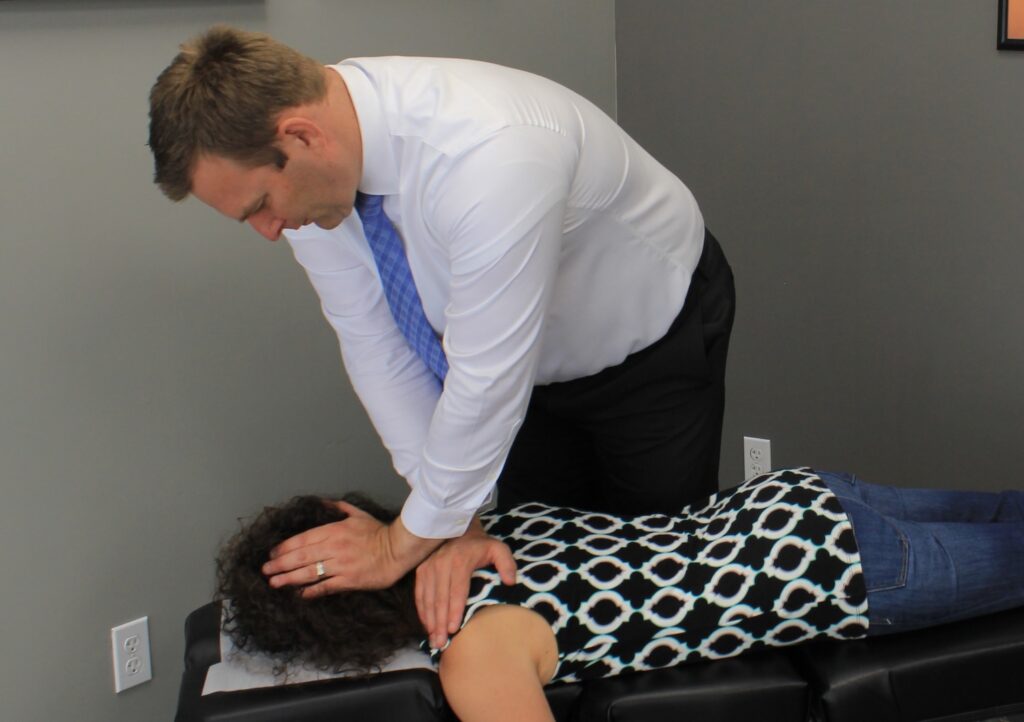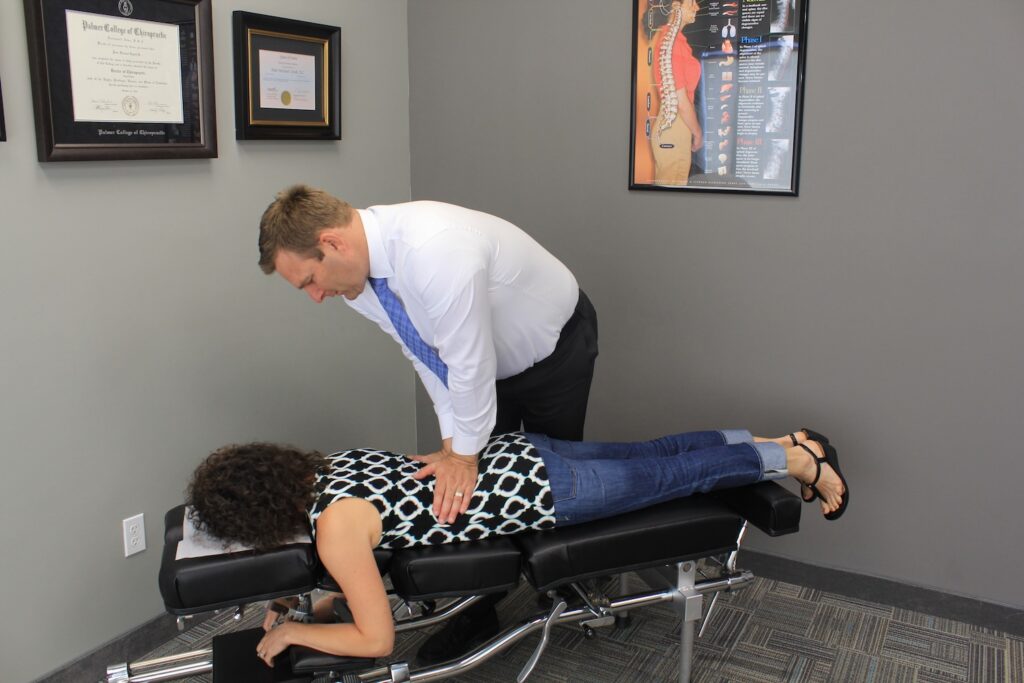
As a local chiropractor, I want to help you understand how to effectively manage a muscle strain and promote your recovery. When you experience a muscle strain, it's important to implement immediate first aid techniques, as these can lay the groundwork for a smoother healing process. But don't stop there! The steps you take after that initial care are just as crucial. Imagine being able to not only relieve your pain but also prevent future injuries from occurring.
Let's delve into some essential strategies that can help you regain strength and functionality. Incorporating chiropractic adjustments can enhance your body's natural healing abilities, improve your range of motion, and restore balance. Additionally, I encourage you to engage in targeted exercises and stretches to strengthen the affected area and support overall muscle health. With the right approach, you can not only recover from your current strain but also build resilience for the future. Your journey to wellness is important, and I'm here to guide you every step of the way.
Understanding Muscle Strains
As your local chiropractor, I want to help you understand what happens when you pull a muscle, particularly in the context of muscle strains. A muscle strain occurs when you overstretch or tear your muscle fibers, which can happen during everyday activities such as lifting heavy objects, making sudden movements, or overexerting yourself during sports.
Strains can vary in severity, with minor strains causing discomfort while more severe strains can lead to significant pain and even a loss of function.
Muscle strains are classified into three grades. Grade I, or mild strains, involve only a few torn fibers and typically result in slight pain and minimal swelling. You might feel some tightness, but often, you can continue your daily activities without much interruption.
Grade II strains are moderate and involve more extensive damage to the muscle fibers. In this case, you may experience more intense pain, swelling, and some loss of strength.
Finally, Grade III strains are the most severe; they can involve a complete rupture of the muscle, leading to severe pain, swelling, and an inability to use the affected muscle.
Understanding your muscle strain is crucial for determining the best approach to recovery. It's important to recognize the signs and symptoms, as this knowledge empowers you to make informed decisions about your care.
I encourage you to listen to your body and avoid pushing through pain, as this can exacerbate your injury. Whether you're dealing with a mild strain or a more severe one, understanding what you're facing is the first step toward effective recovery and relief.
Immediate First Aid Steps
As a local chiropractor, I want to help you understand the immediate first aid steps for a muscle strain, which are crucial for minimizing pain and promoting natural healing.
If you experience a muscle strain, quick action can significantly enhance your recovery process. Here's what you should do:
- Rest: First and foremost, it's important to stop any activities that may have led to the strain. Allow your body to rest and avoid placing weight on the injured area to prevent further injury.
- Ice: Applying a cold pack or ice wrapped in a cloth to the strained muscle for 15-20 minutes every hour can be tremendously beneficial. This not only helps reduce swelling but also numbs the pain, providing immediate relief.
- Compression: Utilizing an elastic bandage or compression wrap can offer support to the injured area. This technique helps minimize swelling and provides stability, aiding your body's natural healing process.
After you've implemented these immediate steps, it's essential to keep an eye on your symptoms.
If the pain continues or worsens, I recommend seeking medical attention to ensure proper care. While resting is crucial, incorporating gentle movement is also important to prevent stiffness as you begin to heal.
Be cautious not to rush back into strenuous activities too soon, as this can hinder your recovery.
Understanding these first aid measures is just the beginning of your journey toward healing.
As your chiropractor, I'm here to guide you through the recovery process and help you maintain your overall well-being through natural healing methods.
Home Remedies for Relief
As a local Chiropractor, I want to share with you some natural methods for relieving muscle strain that you may not be familiar with. When you experience a muscle strain, incorporating home remedies can be incredibly effective in speeding up your recovery.
One of the simplest yet powerful techniques is ice therapy. Applying ice to the affected area can significantly reduce swelling and numb any discomfort you may be feeling. This helps to calm the inflammatory response and provides immediate relief.
In addition to ice therapy, gentle stretching techniques play a crucial role in restoring flexibility to the strained muscle. Stretching not only helps alleviate tension but also promotes blood flow, which is essential for healing.
By utilizing these natural approaches, you can enhance your recovery process and feel better more quickly.
As always, I'm here to guide you through safe practices and provide support on your journey to wellness.
Ice Therapy Benefits
As a local chiropractor, I want to share with you the benefits of ice therapy, a natural and effective method for reducing inflammation and alleviating pain, particularly from muscle strains.
When you apply ice to an injured area, it constricts blood vessels, which helps to minimize swelling and provides a numbing effect that can relieve pain. This straightforward technique can easily be done at home and requires no special equipment.
Here are some key benefits of incorporating ice therapy into your recovery routine:
- Reduces Swelling: Ice is essential in controlling inflammation, helping to prevent it from escalating and causing further discomfort.
- Numbs Pain: The cold sensation from ice can offer immediate relief from sharp or throbbing pain, making it a highly effective first response to injury.
- Speeds Up Recovery: By limiting damage and supporting the healing process, ice therapy can significantly expedite your recovery time.
For optimal results, I recommend applying ice wrapped in a cloth for 15-20 minutes every hour, as needed.
It's important to avoid applying ice directly to your skin to prevent frostbite. Always listen to your body, and should your pain persist or increase, please consult with a healthcare professional.
By consistently using ice therapy, you can enhance your recovery journey and experience greater comfort along the way.
Stretching Techniques Explained
As a local chiropractor, I want to share some important steps for your recovery after managing pain and inflammation with ice therapy. Once you've gotten past that initial phase, it's time to focus on incorporating stretching techniques that can significantly improve your flexibility and restore proper muscle function.
Stretching is crucial as it helps relieve tension in the affected muscles and enhances blood circulation, ultimately speeding up your healing process.
Let's start with gentle static stretches. For instance, if you're dealing with a hamstring strain, find a comfortable spot on the floor, extend your legs out in front of you, and slowly reach towards your toes. Make sure to hold that stretch for about 15-30 seconds without any bouncing, then gently release. You can repeat this process 2-3 times.
Dynamic stretches are another great way to aid your recovery. These involve controlled movements that help gently guide your muscles through their full range of motion. Activities like leg swings or arm circles are excellent warm-ups before you engage in more intense physical activities.
It's essential to listen to your body throughout this process. If you feel any pain while stretching, don't push through it—ease off and adjust your method.
Consistency is vital; aim to incorporate stretching into your daily routine, particularly after your workouts. Not only will these techniques aid in your recovery, but they'll also help prevent future strains and injuries.
Stretching and Strengthening Exercises
As a local chiropractor, I want to emphasize the importance of incorporating stretching and strengthening exercises into your routine for effective muscle strain management.
It's essential to focus on dynamic stretching techniques, which can significantly enhance your flexibility. Additionally, engaging in strength training exercises will help build the resilience of your muscles, making them less prone to injury.
Moreover, I can't stress enough the value of recovery and rest practices. These are crucial for ensuring that your muscles heal properly after any strain.
By taking the time to care for your body through these methods, you can support your overall health and well-being in a natural way.
Dynamic Stretching Techniques
As a local chiropractor, I want to emphasize the importance of dynamic stretching techniques for your overall physical health and wellbeing.
These stretches aren't only vital for enhancing flexibility but also for preparing your muscles for activity. By incorporating dynamic stretches into your routine, you can effectively warm up your muscles and activate your nervous system, making them an excellent addition to any pre-workout regimen.
It's essential to include a variety of dynamic stretches that target multiple muscle groups, as this can significantly improve your range of motion and reduce the risk of injury.
Here are a few effective dynamic stretches that I recommend:
- Leg Swings: Find a wall or sturdy surface to hold onto for balance. Swing one leg forward and backward, which helps to stretch your hip flexors and hamstrings. This movement can enhance your mobility and prepare your lower body for activity.
- Arm Circles: Stand upright and extend your arms out to the sides. Begin making small circles with your arms, gradually increasing the size of the circles. This exercise is excellent for loosening up your shoulders and improving upper body flexibility.
- Walking Lunges: Step forward into a lunge, alternating legs with each step. This dynamic stretch activates your quadriceps, hamstrings, and glutes while also promoting stability and coordination.
Incorporating these dynamic stretches into your routine can greatly benefit your body, especially if you're looking to improve your physical performance or prevent injuries.
As your chiropractor, I'm here to help guide you on your journey to better health through natural healing practices.
Strength Training Essentials
As a local chiropractor, I want to emphasize the importance of strength training as a key element of your overall health and wellness. Not only does it help in building muscle, but it also enhances your functional strength and stability, which is crucial for maintaining a healthy spine and preventing injuries.
To get started with strength training, I recommend focusing on exercises that engage major muscle groups. Movements such as squats, push-ups, and rows are excellent choices as they work multiple muscles simultaneously, leading to more efficient gains in strength.
It's important to incorporate a variety of exercises into your routine to keep it engaging and ensure balanced muscle development. Depending on your fitness level and the equipment you have access to, you can use free weights, resistance bands, or even your own body weight. Aim for two to three sessions each week, giving your body adequate time to recover between workouts.
Maintaining proper form during your exercises is crucial. This not only helps prevent injuries but also ensures that you're getting the most out of each movement. If you're new to strength training, start with lighter weights to master the technique before gradually increasing the resistance as your strength improves.
In addition, don't overlook the importance of stretching. Dynamic stretches before your workouts can warm up your muscles and prepare your body for movement, while static stretches afterward can enhance flexibility and help alleviate muscle tightness.
By integrating strength training with proper stretching, you can greatly improve your overall performance and lower the risk of muscle strains. As your chiropractor, I encourage you to commit to a consistent strength training routine.
With dedication, you'll likely see significant improvements in your strength, overall fitness, and spinal health. Remember, a strong body contributes to a healthy spine!
Recovery and Rest Practices
As your local chiropractor, I want to emphasize the importance of recovery and rest practices for your overall fitness and injury prevention. After any workout or if you've experienced a strain, your muscles require time to heal and regain strength.
Incorporating gentle stretching and strengthening exercises is vital in this healing process, as they enhance your flexibility and build resilience.
Here are some effective practices to optimize your recovery:
- Gentle Stretching: I recommend engaging in light stretching to help relieve tension and improve your range of motion. Focus on the area that feels tight or strained, holding each stretch for 15-30 seconds to allow the muscles to relax.
- Strengthening Exercises: It's beneficial to include low-impact strength training to support the muscles around the injured area. Consider using resistance bands or body-weight exercises, which can help you rebuild strength without putting excessive stress on your body.
- Active Rest: Instead of completely resting, I suggest choosing low-intensity activities like walking or swimming. These activities promote blood flow to your muscles, facilitating recovery while minimizing additional strain.
By adopting these recovery practices, you can support your body's natural healing process and enhance your overall wellbeing.
If you have any questions or need personalized guidance, feel free to reach out during your next visit!
When to Seek Professional Help
Understanding when to seek professional help for a muscle strain is crucial for ensuring a quick and effective recovery. If you've already tried basic home treatments—like the RICE method (rest, ice, compression, and elevation)—and you're not seeing any improvement after a few days, it's a good idea to reach out to a healthcare provider, such as a chiropractor. Persistent pain, swelling, or bruising could be signs of a more serious injury that warrants a professional evaluation.
As a chiropractor, I recommend seeking assistance if you find that you can't move the injured area or if it feels unstable. Difficulty bearing weight or performing everyday activities is a clear indication that you may need professional intervention. Furthermore, if you experience any tingling, numbness, or weakness in the affected area or nearby regions, it's important to get checked out. These symptoms could suggest nerve involvement or other complications that require immediate attention.
The intensity of your pain is another significant factor to consider. If you're experiencing severe pain that doesn't improve with over-the-counter pain relief, it's wise to consult a chiropractor. Additionally, if you have a history of multiple strains in the same area, a professional assessment can help identify any underlying issues that may be contributing to recurrent injuries.
For athletes or active individuals, seeking a professional's opinion can ensure that you return to your activities safely and effectively. As a chiropractor, I focus on natural healing methods that can complement your recovery process.
Prioritizing your health now can prevent long-term problems, so it's essential not to ignore the signs. Seeking professional help is a proactive step towards recovery and getting back to your best self. Remember, we're here to support you on your journey to wellness!
Preventing Future Strains
As your local chiropractor, I want to help you understand how to enhance your body's resilience and prevent muscle strains. By taking proactive measures, you can lower your risk of injuries and improve your overall physical performance. Here are some effective strategies to consider:
– Warm-Up and Cool Down: It's essential to dedicate at least 5-10 minutes to warming up before engaging in any physical activity. This practice increases blood flow to your muscles and prepares them for the exertion ahead.
After your workout, cooling down is just as crucial; it helps gradually return your heart rate to normal and reduces muscle stiffness, promoting recovery.
– Strength Training: I recommend incorporating strength training into your routine. This not only builds muscle endurance and stability but also fortifies your major muscle groups.
Don't overlook your core; a strong core supports your entire body and can significantly reduce the risk of strains.
– Listen to Your Body: It's vital to pay attention to your body during physical activities. If you start feeling fatigued or uncomfortable, don't hesitate to take a break.
Ignoring these warning signs can lead to overexertion, increasing your risk of strains and injuries.
At our chiropractic office, we believe in empowering you with knowledge about your body. By adopting these preventative strategies, you can enhance your physical health and reduce the likelihood of injuries.
Let's work together to keep you active and pain-free!
Conclusion
As a local chiropractor, I want to share some valuable insights on managing a muscle strain. It's important to understand that healing from a muscle strain involves a blend of immediate care, natural remedies, and gentle exercises. By adhering to the techniques I've outlined, you can facilitate the healing process and restore your strength effectively.
Listening to your body is crucial—if you experience persistent or worsening pain, I encourage you to seek professional assistance. Chiropractic care can be an excellent resource in these situations, as we focus on natural healing methods that promote recovery without relying heavily on medication.
By taking the right approach and incorporating preventive measures into your routine, you can significantly lower the risk of future strains and maintain healthy, strong muscles. Remember, staying proactive in your recovery journey is key to achieving optimal well-being!