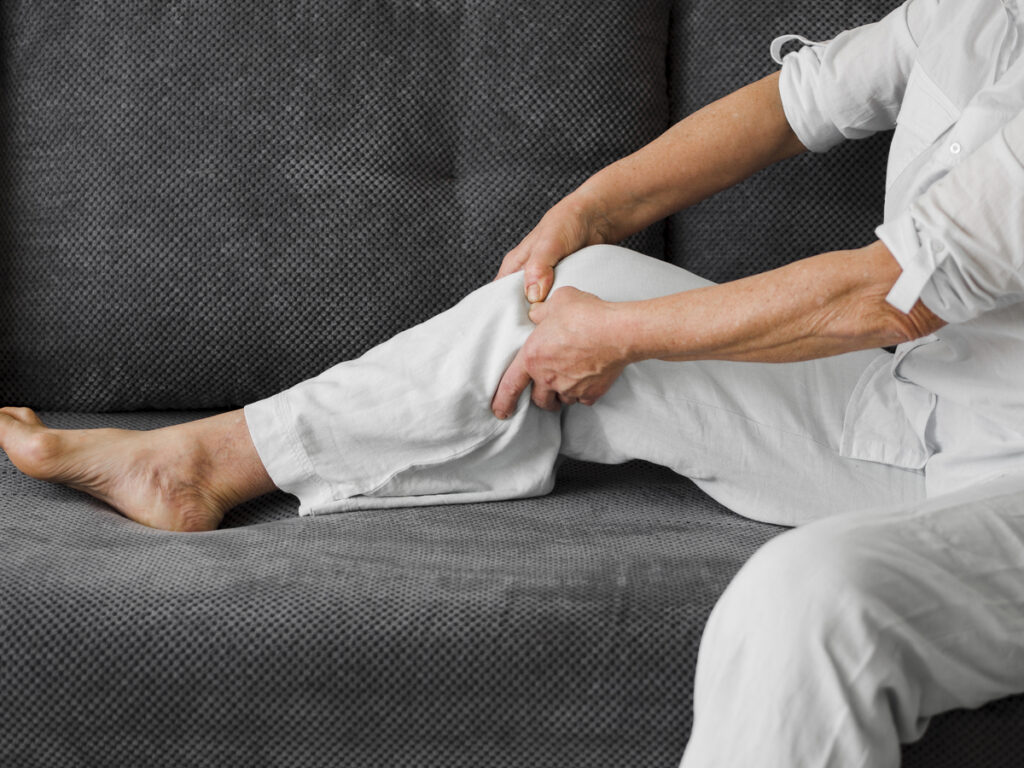
As a local chiropractor, I've seen countless patients who have experienced muscle strain or back pain, and I understand how disruptive it can be to your daily life. It's crucial to know that there are effective solutions available, ranging from simple home remedies to specialized chiropractic techniques. By gaining insight into the underlying causes of your pain and implementing preventative measures, you can make significant strides towards relief and recovery.
So, what specific strategies can you adopt to not only alleviate discomfort but also enhance your overall back health? Many may be surprised to learn that chiropractic care focuses on the body's natural ability to heal itself. Through gentle adjustments and targeted therapies, we can help restore proper alignment and function to your spine, promoting better mobility and reducing pain.
In addition to chiropractic adjustments, I encourage my patients to incorporate lifestyle changes that support their spinal health. This may include exercises tailored to strengthen core muscles, practicing good posture, and even exploring relaxation techniques to manage stress. By taking a holistic approach to your well-being, you can empower yourself to not just manage pain but also improve your overall quality of life.
If you're interested in learning more about how chiropractic care and natural healing can help you, I invite you to reach out. Together, we can work towards a healthier, pain-free future.
Understanding Muscle Strain
As a local chiropractor, I want to share some insights on muscle strains, a common issue that can occur during various physical activities. A muscle strain happens when your muscle fibers are stretched too far and begin to tear. This can occur during activities such as lifting weights, playing sports, or even when bending down to pick something up.
It's crucial to recognize the signs of a strain early on because neglecting them can lead to more serious injuries down the line. You may experience sudden pain, swelling, or stiffness in the affected area. Sometimes, you might even feel a popping sensation at the moment of injury. The severity of a muscle strain can range from mild, which causes minimal discomfort, to severe, significantly limiting your movement.
Understanding the nature of your strain is essential for determining the best approach to recovery, and that's where chiropractic care can play a vital role. To help prevent muscle strains, I recommend warming up before engaging in physical activities. Incorporating dynamic stretching into your routine can prepare your muscles and enhance flexibility, reducing the risk of injury.
It's also important to listen to your body; if you begin to feel fatigued or experience pain, it's wise to take a break. Additionally, using proper techniques when lifting heavy objects or participating in high-impact exercises can make a significant difference.
If you do find yourself dealing with a muscle strain, I suggest applying the R.I.C.E. method—rest, ice, compression, and elevation—as a first step in your recovery. Chiropractic care can also support your healing process by addressing misalignments in your body and promoting optimal function.
Common Causes of Back Pain
As a local chiropractor, I often see patients struggling with back pain, and I want to shed light on some of the common causes that you mightn't be familiar with. Back pain can affect anyone, regardless of age or activity level, and understanding its origins is crucial for effective healing.
One of the primary causes I encounter is muscle strain, which frequently occurs when lifting heavy objects or making sudden, awkward movements. Many of my patients describe a sharp pain that follows a day of overexertion. It's essential to listen to your body and practice safe lifting techniques to avoid this type of injury.
In addition to muscle strain, poor posture is a significant contributor to back pain. Whether you're sitting at a desk for extended periods or standing improperly, bad posture can place unnecessary stress on your spine and muscles, leading to discomfort. I often advise my patients on ways to improve their posture to alleviate pain and promote overall spinal health.
As we age, our bodies experience changes, particularly in the spine. Discs can lose hydration and elasticity, making them more susceptible to injury. Conditions like arthritis may also arise, causing inflammation and pain in the joints of your back.
If you're involved in sports or physical activities, be aware that repetitive motions or falls can lead to sprains or strains, which can also result in significant discomfort.
Another critical factor to consider is obesity. Carrying excess weight can increase the strain on your back, making it more vulnerable to pain and injury. Additionally, issues such as herniated discs and sciatica can lead to severe back pain. These conditions occur when the cushioning discs between your vertebrae become damaged or when the sciatic nerve is compressed.
By understanding these common causes of back pain, you can better identify the source of your discomfort. Knowledge is empowering, and it allows us to collaborate on preventive measures and natural healing approaches to alleviate your pain.
If you're experiencing back pain, I encourage you to reach out so we can explore chiropractic care and how it can benefit your overall well-being. Your health is a priority, and together we can work towards a pain-free life.
Home Remedies for Relief
As a local chiropractor, I want to share some insights on how you can find relief from muscle strain and back pain using natural home remedies. Many patients may not be familiar with the benefits of chiropractic care and holistic approaches to healing, so let's discuss a few effective options that you can easily incorporate into your daily routine.
First, heat therapy is an excellent way to soothe aching muscles and reduce tension. Applying a warm compress or taking a warm bath can help increase blood flow to the affected area, promoting healing and relaxation.
Next, stretching exercises play a crucial role in maintaining flexibility and alleviating discomfort. Gentle stretches can help relieve tightness in your muscles and improve your overall mobility. I often recommend specific stretches tailored to your needs during our consultations.
Lastly, herbal remedies can also serve as natural pain relievers. Certain herbs have anti-inflammatory properties and can be used in teas or topical applications to help reduce pain and promote healing.
By exploring these home remedies, you can complement the chiropractic care you receive and enhance your journey toward wellness.
Heat Therapy Benefits
As a local chiropractor, I want to introduce you to the benefits of heat therapy, especially if you're experiencing muscle strain or back pain. Heat therapy is a natural and effective way to find relief. By applying heat to the affected area, we can enhance blood flow, which helps relax tight muscles and reduce stiffness.
This increased circulation delivers important nutrients and oxygen to your tissues, aiding in the healing process and alleviating pain.
Incorporating heat therapy into your daily routine is simple and can be done right at home. You might consider using heating pads, warm towels, or enjoying a soothing hot bath. It's crucial, however, to ensure the heat is at a comfortable level to prevent burns, and I recommend limiting applications to about 15-20 minutes at a time.
For those who prefer a more natural approach, a hot water bottle or a rice sock heated in the microwave can serve as excellent alternatives.
Beyond just providing comfort, heat therapy can significantly enhance your overall mobility. When your muscles are warm and relaxed, you'll find it easier to move and engage in your daily activities.
However, I want to emphasize the importance of listening to your body. While heat therapy can be a wonderful tool for managing pain, if you find that your discomfort persists or worsens, it's essential to reach out for professional guidance.
As your chiropractor, I'm here to help you explore a holistic approach to healing and ensure you receive the best care possible.
Stretching Exercises Guide
As a local chiropractor, I want to share with you the importance of incorporating stretching exercises into your routine alongside any heat therapy you may be using. Stretching is a natural way to alleviate muscle strain and back pain, and it can be incredibly beneficial for improving flexibility, increasing blood flow, and reducing muscle tension.
These benefits can help you regain mobility and comfort, enhancing your overall well-being.
Let's start with a gentle neck stretch. Sit or stand up straight, then tilt your head to one side and hold that position for 15-30 seconds before switching to the other side. This simple stretch can help relieve tension in your neck and shoulders.
Next, we've the standing hamstring stretch. While standing, place one foot on an elevated surface, keeping your leg straight. Lean forward gently until you feel a stretch in the back of your thigh, and hold for 15-30 seconds on each side. This stretch is vital for maintaining flexibility in your legs, which plays a crucial role in supporting your back.
For your lower back, I recommend the cat-cow stretch. Begin on all fours, arch your back upwards like a cat, then lower your belly towards the floor while lifting your head and tailbone like a cow. Repeat this motion for 5-10 cycles. This dynamic stretch helps to mobilize your spine and release tension in your lower back.
Lastly, the child's pose is an excellent way to relax and release tension. Kneel on the floor, sit back on your heels, and stretch your arms forward while lowering your torso. Hold this position for 30 seconds to a minute. It's a great way to calm your mind and body while promoting flexibility in your back.
Integrating these stretches into your daily routine can greatly ease discomfort and improve your overall flexibility.
Herbal Remedies Options
As a local chiropractor, I want to share with you some effective herbal remedies that can complement your chiropractic care for muscle strain and back pain. Many individuals are turning to natural alternatives for relief, and I believe exploring these options can be beneficial.
For example, turmeric is a powerful herb that contains curcumin, known for its strong anti-inflammatory properties. You can easily incorporate turmeric into your meals or consider taking it as a supplement to help reduce inflammation and support your healing process.
Ginger is another fantastic option that many people find helpful. Its pain-relieving effects can be harnessed by drinking ginger tea or adding fresh ginger to your diet, which may alleviate discomfort and promote relaxation.
Additionally, arnica is well-regarded for topical relief. By applying arnica gel or cream directly to the affected area, you might experience a reduction in swelling and pain, making it a great complement to your chiropractic adjustments.
Willow bark, often referred to as nature's aspirin, is another herbal remedy worth considering. You can take it in capsule form or enjoy it brewed as a tea to help manage pain naturally.
Lastly, peppermint oil can provide soothing relief. When diluted with a carrier oil, it can be massaged into your back to ease tension and discomfort.
Before incorporating any new remedies into your routine, I highly recommend consulting with a healthcare professional, especially if you're currently taking medication.
Therapeutic Techniques Explained
As a local chiropractor, I want to share some valuable insights on managing muscle strain and back pain through natural healing techniques. Understanding these therapeutic methods can significantly enhance your recovery and overall well-being.
Massage therapy is one effective approach that helps alleviate discomfort by relaxing tight muscles and improving blood flow.
Stretching exercises play a crucial role too; they increase flexibility and range of motion, which can aid in preventing future injuries.
Additionally, utilizing heat or cold therapy can provide immediate relief, reducing inflammation and soothing pain.
Let's take a closer look at each of these methods to help you discover what works best for your body. Embracing these natural techniques can lead to improved mobility and a healthier lifestyle.
If you have any questions or would like personalized advice, I'm here to guide you on your journey to recovery.
Massage Therapy Benefits
As a local chiropractor, I want to share the incredible advantages of incorporating massage therapy into your wellness routine, especially if you're dealing with muscle strain or back pain.
This hands-on approach is an effective way to promote relaxation, enhance circulation, and alleviate muscle tension, all of which are essential for your overall health.
Here are three significant benefits of massage therapy that I often recommend to my patients:
- Pain Relief: One of the primary benefits of massage is its ability to relieve pain. By reducing muscle tightness and encouraging the release of endorphins—your body's natural painkillers—massage therapy can help you find relief from discomfort.
- Improved Mobility: Massage therapy works wonders in restoring your range of motion. By loosening tight muscles and enhancing blood flow, it allows you to move more freely and perform daily activities with greater ease.
- Stress Reduction: The soothing effects of massage can significantly lower stress levels, which often contribute to muscle tension and exacerbate pain. By incorporating massage therapy, you can foster a sense of calm that benefits both your body and mind.
Integrating massage therapy into your healthcare routine can greatly enhance your overall well-being.
Whether you're grappling with chronic back pain or recovering from a muscle strain, this natural healing technique can play a vital role in your recovery process.
I encourage you to explore the benefits of massage therapy as part of your journey towards better health!
Stretching and Flexibility Exercises
As a local chiropractor, I want to emphasize the crucial role that stretching and flexibility exercises play in your overall wellness, particularly if you're experiencing muscle strain or back pain.
These exercises aren't only beneficial for alleviating discomfort but also for enhancing your mobility and preventing future injuries.
When you engage in stretching, you're doing more than just loosening tight muscles. You're also improving blood circulation and fostering a state of relaxation in your body.
I often recommend starting with gentle stretches that focus on your back, hamstrings, and hip flexors. Simple movements like the cat-cow stretch or child's pose can significantly relieve tension and promote healing.
I suggest dedicating at least 10-15 minutes each day to stretching. Consistency is vital, so try to incorporate these stretches into either your morning or evening routine.
It's important to listen to your body—if a stretch causes pain, ease back and find a gentler variation that works for you.
In addition to static stretches, dynamic stretches such as arm circles or leg swings can warm up your muscles and prepare them for activity.
As you continue with these practices, you'll likely notice an increase in flexibility and a decrease in stiffness.
Before embarking on any new exercise program, especially if you're dealing with chronic pain, I recommend consulting with a healthcare professional.
Heat and Cold Therapy
As a local chiropractor, I want to share with you the benefits of heat and cold therapy—two powerful techniques that can significantly alleviate muscle strain and back pain.
Understanding how to use these methods can greatly enhance your recovery journey and help you manage discomfort effectively.
Heat therapy is a wonderful tool for relaxing tight muscles and improving blood circulation. You might consider using a warm towel, a heating pad, or even enjoying a warm bath to ease tension and promote healing.
In contrast, cold therapy is particularly effective for reducing inflammation and numbing sharp pain. Applying an ice pack or a bag of frozen vegetables wrapped in a cloth can help diminish swelling and provide immediate relief.
Here are some important points to keep in mind when using heat and cold therapy:
- Heat is best suited for chronic pain: It's ideal to use heat before engaging in any activities to loosen up those muscles.
- Cold is optimal for acute injuries: If you experience an injury, applying cold therapy right away can help reduce swelling significantly.
- Alternating between heat and cold: This technique can improve blood flow and relieve pain more effectively, offering a comprehensive approach to your recovery.
By incorporating these therapies into your routine, you can support your healing process and minimize discomfort as you work towards better health.
If you have any questions or need further guidance, please don't hesitate to reach out!
Prevention Tips for Back Health
As a local chiropractor, I want to share some valuable tips to help you maintain a healthy back and understand the importance of proactive habits in preventing discomfort.
One of the first things to consider is your posture. Whether you're sitting at a desk or standing, it's crucial to keep your back straight, shoulders relaxed, and feet flat on the floor. An ergonomic chair can be a great investment if you spend long hours at a desk, as it provides the support your spine needs.
Regular exercise is another cornerstone of back health. Activities like walking, swimming, or yoga not only help strengthen your core muscles, which play a vital role in supporting your spine, but they also promote overall well-being. I recommend aiming for at least 30 minutes of moderate exercise most days of the week.
Additionally, incorporating stretching before and after your workouts can enhance flexibility and significantly reduce the risk of injury.
When it comes to lifting heavy objects, using proper techniques is essential to protect your back. Always bend at your knees rather than your waist and keep the object close to your body. If you ever feel that an object is too heavy, please don't hesitate to ask for help—your back will thank you!
Maintaining a healthy weight is also key to back health. Extra weight can put undue strain on your back, leading to pain and discomfort. I encourage you to focus on a balanced diet rich in fruits, vegetables, and whole grains, which can help you achieve and maintain a healthy weight.
Lastly, consider your sleeping position. A mattress that supports your back is crucial, and I often recommend sleeping on your side with a pillow between your knees for optimal spinal alignment.
By following these tips, you can greatly improve your back health and reduce the risk of future pain. Remember, taking small, consistent steps each day can lead to significant, lasting benefits for your back and overall well-being.
If you have any questions or would like to learn more about how chiropractic care can support your health, feel free to reach out!
When to Seek Professional Help
As a local chiropractor, I want to emphasize the importance of knowing when to seek professional help for back pain, as it can be crucial for your healing journey. While some discomfort is a common experience and may improve with self-care, there are specific signs that indicate it's time to consult a healthcare professional, especially someone knowledgeable about chiropractic care and natural healing. Ignoring these signs can lead to prolonged discomfort or further complications.
Here are some key indicators to consider:
- Severe Pain: If you find that your back pain is sharp, debilitating, or persists despite rest or over-the-counter medications, it's a clear signal that you should see a chiropractor. We specialize in addressing pain at its source and can provide relief through gentle adjustments and holistic techniques.
- Radiating Pain: Pain that travels down your legs, especially if accompanied by numbness or weakness, may indicate a more serious issue, such as a herniated disc. This is where chiropractic care can shine, as we focus on spinal alignment and nerve function to alleviate these symptoms effectively.
- Persistent Symptoms: If your back pain lingers for weeks or keeps returning despite your best efforts to manage it, it's vital to seek a professional evaluation. A chiropractor can assess your condition and develop a tailored treatment plan that addresses the root cause of your discomfort.
Additionally, it's essential to seek help if your back pain follows a traumatic event, like a fall or accident. Early intervention through chiropractic care can significantly expedite your recovery and enhance your overall well-being.
Your back plays a crucial role in your mobility and daily activities, so don't hesitate to reach out for guidance. We are here to help you understand the underlying causes of your pain and provide natural healing solutions to get you back to your regular activities as quickly as possible. Prioritizing your health is the first step towards a pain-free life!
Conclusion
As a local chiropractor, I want to emphasize how important it is to address muscle strain and back pain effectively. By understanding the root causes of your discomfort, utilizing natural home remedies, and implementing prevention techniques, you can significantly improve your back health and overall well-being.
Chiropractic care offers a holistic approach to pain management that goes beyond just treating symptoms. If your pain continues or worsens, I encourage you to seek professional help, as we can work together to identify the underlying issues and develop a personalized treatment plan.
Taking proactive steps today not only alleviates pain but also promotes a more active and fulfilling lifestyle. Remember, your back is a vital part of your overall health, and it deserves the best care possible. Prioritize your spine, and you'll begin to notice the positive effects in your daily life.