If you’ve ever felt the discomfort of low back pain, you know just how much it can disrupt your daily life. But do you truly understand the underlying causes of those nagging aches? While it might be easy to attribute low back pain to just age or injury, a combination of everyday habits and health issues can significantly contribute to this common ailment.
Factors such as poor posture, emotional stress, and lifestyle choices can all play a major role in your back health. For instance, sitting for long periods without proper support can lead to muscle tension and spinal misalignment. Stress can also lead to muscle tightness, which can exacerbate discomfort.
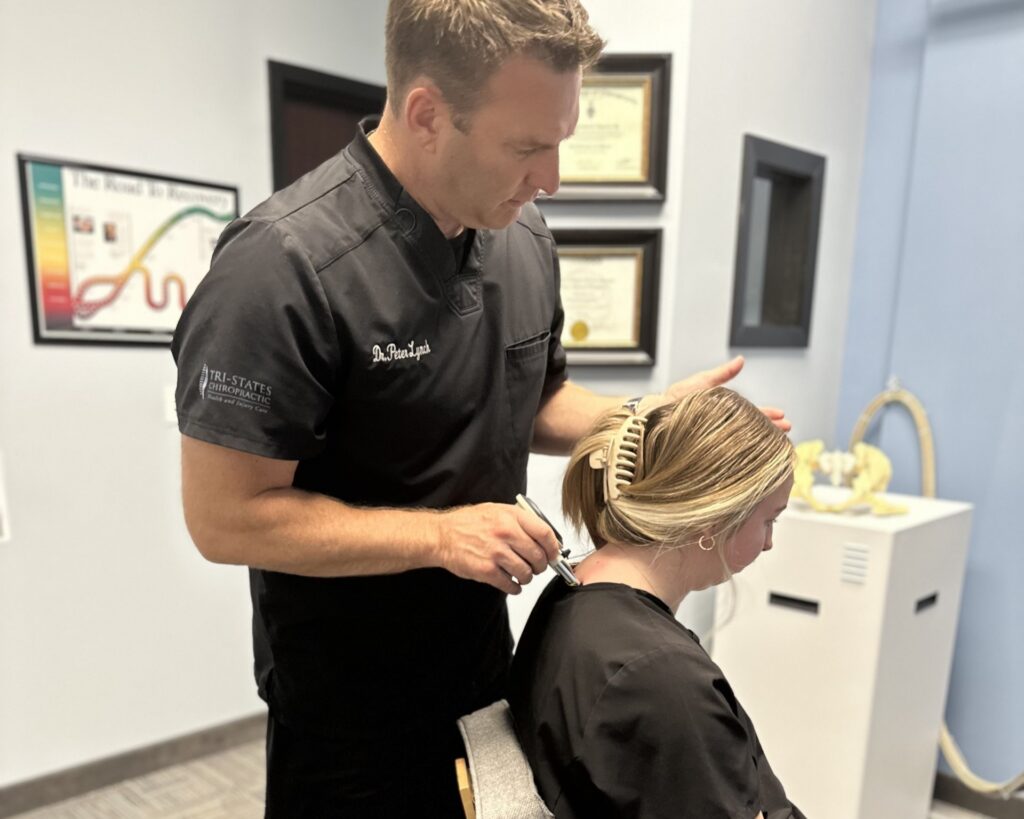
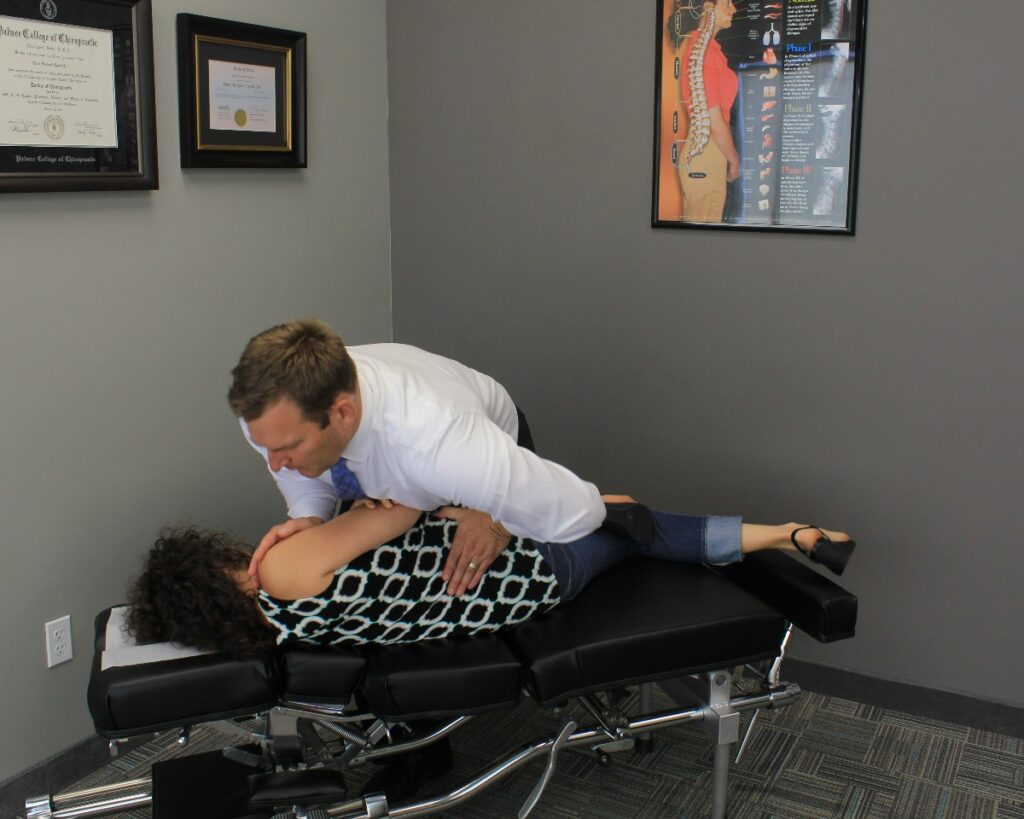
Chiropractic care is an excellent choice for addressing these issues naturally. By focusing on spinal alignment and overall wellness, chiropractic treatment can help alleviate pain and promote healing without the need for invasive procedures or medications. Regular chiropractic adjustments can improve your posture, enhance your body’s functionality, and reduce the effects of stress on your spine.
Here are some general tips to keep your back healthy and pain-free:
- Mind Your Posture: Maintain a straight back and keep your shoulders relaxed while sitting or standing. Consider ergonomic furniture that supports your spine.
- Stay Active: Engage in regular physical activity, including stretching and strengthening exercises, to keep your back muscles strong and flexible.
- Manage Stress: Incorporate relaxation techniques such as deep breathing, meditation, or yoga to help ease muscle tension related to stress.
- Listen to Your Body: Pay attention to any discomfort and don’t ignore persistent pain. Consulting with a chiropractor can provide you with tailored treatment to address any underlying issues.
By embracing these practices and considering chiropractic care, you can take proactive steps towards achieving optimal health and a pain-free back. Remember, your spine is the foundation of your overall well-being, and investing in it can lead to a healthier, more vibrant life.
Key Takeaways
As we age, our bodies undergo structural changes that can lead to low back pain. Disc degeneration and weakened muscles are common issues that arise, making it essential to prioritize spinal health. Regular chiropractic adjustments can help maintain proper alignment and function, reducing the risk of injuries associated with these age-related changes.
It’s important to be mindful of our movements throughout the day. Repetitive actions, poor posture, and prolonged sitting can create muscle fatigue and strain, leading to back injuries. Consider incorporating ergonomic practices at your workstation, taking breaks to stretch, and being conscious of your posture. Chiropractic care can support proper alignment, helping to alleviate strain on your back.
Emotional stress can also play a significant role in low back pain. When we’re stressed, our muscles may tighten, and our posture can suffer. Engaging in relaxation techniques, such as deep breathing or mindfulness, can promote overall well-being. Regular chiropractic visits can also help release muscle tension and improve your body’s response to stress.
If you lead a sedentary lifestyle, it’s crucial to focus on strengthening your core muscles. A strong core provides vital support for your spine and can significantly reduce the likelihood of injury. Simple exercises, like planks and bridges, can be beneficial. Additionally, chiropractic care can enhance your strength and flexibility, leading to a more resilient back.
Don’t overlook the importance of non-mechanical factors such as hydration, sleep quality, and body weight in maintaining a healthy back. Staying well-hydrated supports spinal discs and overall body function, while good sleep hygiene can improve recovery and reduce pain. Maintaining a healthy weight through balanced nutrition and regular exercise can also decrease the strain on your back.
By embracing a holistic approach to health and wellness, and with the support of chiropractic care, you can take proactive steps toward achieving and maintaining a pain-free life. Remember, your spine is your foundation—let’s work together to keep it healthy!
Understanding the Anatomy of the Lower Back
To truly understand low back pain and how to alleviate it, we need to take a closer look at the anatomy of the lower back, or lumbar region. This area is made up of five vertebrae, labeled L1 to L5, which serve as the backbone of your upper body, providing both support and flexibility for movement. Between these vertebrae are intervertebral discs that function like shock absorbers, helping to cushion your spine as you go about your daily activities.
Surrounding these bones are essential muscles and ligaments that offer stability and enable smooth movement. The larger muscles, such as the erector spinae, help you maintain good posture, while smaller muscles assist with more precise movements. Additionally, nerves exit the spinal column, delivering important signals to your legs and feet.
When any part of this complex system is affected—whether by injury, strain, or wear and tear—it can result in pain. This is where chiropractic care shines. By focusing on alignment and the overall health of your spine, chiropractic adjustments can help restore balance and function to your lower back, promoting natural healing without the need for invasive procedures or medications.
To support your lower back health, consider these general tips:
- Maintain Good Posture: Sit and stand tall to reduce strain on your back.
- Stay Active: Engage in regular exercise to strengthen your back and core muscles.
- Listen to Your Body: If you’re experiencing discomfort, don’t push through the pain. Seek a chiropractor who can help identify the source and provide relief.
- Incorporate Stretching: Gentle stretches can improve flexibility and prevent stiffness in the lower back.
The Impact of Poor Posture
Poor posture can significantly impact the health of your lower back, and as a local chiropractor, I want to help you understand how this affects your well-being.
When you slouch or hunch over, you’re putting unnecessary strain on your spine and muscles, which can lead to discomfort and pain over time.
It’s important to recognize that your daily habits play a crucial role in maintaining your back’s health.
Here are some common effects of poor posture, along with insights on how chiropractic care can help you achieve optimal health:
- Increased pressure on spinal discs: Poor posture places extra pressure on your spinal discs, which can lead to degeneration over time. Regular chiropractic adjustments can help alleviate this pressure, promoting better alignment and overall spinal health.
- Muscle imbalances: When you maintain poor posture, some muscles may weaken while others tighten up. This imbalance can lead to discomfort and limit your mobility. Chiropractic care focuses on restoring balance in your body, helping to strengthen weak muscles and relax tight ones.
- Reduced flexibility and mobility: Slouching can make your movements feel stiff and restricted. Through chiropractic adjustments and targeted exercises, we can enhance your flexibility and mobility, allowing you to move more freely and comfortably.
- Nerve compression: Poor posture can lead to nerve compression, resulting in pain or numbness in your legs. Chiropractic care addresses these issues by aligning your spine, which can relieve nerve pressure and improve overall nerve function.
To help you maintain a healthier posture, here are some practical tips you can incorporate into your daily routine:
- Be mindful of your posture: Regularly check in with yourself throughout the day. Keep your shoulders back, chest forward, and head aligned over your spine.
- Set up an ergonomic workspace: If you spend a lot of time at a desk, make sure your chair supports your lower back, and your computer screen is at eye level.
- Take breaks to stretch: Set a timer to remind yourself to stand up, stretch, and move around every hour. This can help prevent stiffness and improve circulation.
- Strengthen your core: Engage in exercises that strengthen your core muscles, as a strong core can support proper posture and reduce strain on your back.
By prioritizing your posture and seeking regular chiropractic care, you can take proactive steps toward achieving optimal health and wellness.
Emotional Stress and Its Connection to Pain
Emotional stress can significantly affect your physical health, especially when it comes to lower back pain. When you’re feeling stressed, your body reacts by entering a fight-or-flight mode. This response tightens your muscles and increases tension, which can lead to discomfort and pain in your lower back, making even simple tasks feel daunting.
Moreover, stress can cause you to unconsciously adopt poor postures or movements. You might find yourself slumping or shifting awkwardly, which can further strain your back and intensify discomfort. Stress also hinders your body’s natural healing processes, making it harder to recover from pain.
As a chiropractor, I encourage you to consider managing your stress effectively to support your overall wellness and alleviate lower back pain. Techniques such as mindfulness, deep breathing exercises, and regular physical activity can make a significant difference. These practices not only promote relaxation but also improve your posture and movement patterns, allowing your spine to function optimally.
Chiropractic care is a fantastic option for addressing pain naturally. By focusing on spinal health and alignment, we can help relieve tension and pain in your lower back. Regular adjustments can keep your spine in proper alignment, reducing stress on your muscles and nerves.
Takeaway tips for managing emotional stress and supporting your back health include:
- Practice Deep Breathing: Take a few moments each day to focus on your breath. Inhale deeply, hold for a few seconds, and exhale slowly. This simple technique can help calm your mind and relax your muscles.
- Stay Active: Engage in gentle exercises like walking, yoga, or stretching. Movement can help reduce stress, improve your posture, and keep your back healthy.
- Focus on Posture: Be mindful of your posture throughout the day. Whether sitting at a desk or standing, make sure you maintain a straight back and avoid slouching.
- Schedule Regular Chiropractic Visits: Regular adjustments can help maintain spinal alignment, reduce stress on your back, and enhance your body’s ability to heal naturally.
Sedentary Lifestyle and Weak Muscles
Many people often underestimate the impact of a sedentary lifestyle on their lower back health. Spending long hours sitting can weaken your muscles, leading to inadequate support for your spine. This often results in chronic pain and discomfort, which can affect your daily life.
Let’s explore how a sedentary lifestyle might be affecting you:
- Weak core muscles: Without regular activity, your abdominal and back muscles can lose strength, making it difficult to maintain proper posture. Strong core muscles are essential for supporting your spine and preventing back pain.
- Tight hip flexors: Sitting for extended periods can shorten these muscles, leading to poor pelvic alignment and contributing to discomfort in your lower back.
- Decreased flexibility: A lack of movement can lead to stiffness in your muscles and joints, making everyday tasks more challenging and painful.
- Increased weight: A sedentary lifestyle can contribute to weight gain, which places extra strain on your lower back, potentially leading to further discomfort.
To combat these issues, consider incorporating regular movement into your daily routine.
Here are some simple tips to help you get started:
- Take frequent breaks: Stand up and stretch or walk around for a few minutes every hour. This can help relieve tension and improve circulation.
- Practice good posture: Be mindful of your sitting position. Use ergonomic chairs, keep your feet flat on the ground, and maintain a neutral spine.
- Engage in low-impact exercises: Activities such as walking, swimming, or yoga can strengthen your core and improve flexibility without putting too much strain on your back.
- Consider chiropractic care: Regular visits to a chiropractor can help align your spine, relieve tension, and support your overall wellness. Chiropractic adjustments can enhance your body’s natural healing processes, helping you achieve optimal health.
- Stay hydrated: Drinking plenty of water supports muscle function and can help reduce stiffness.
The Role of Sleep Quality in Back Health
Quality sleep is essential for maintaining a healthy back, just as staying active is important. When you don’t get enough restful sleep, your body has a harder time recovering from the daily stresses we all face. This can lead to muscle tension and increased sensitivity to pain. Moreover, when you’re tired, it’s easy to let your posture slip, which can cause you to slouch or adopt awkward positions that put additional strain on your back.
As a chiropractor, I want to emphasize that better sleep can significantly enhance your overall spinal health.
Here are some simple strategies to improve your sleep quality and, in turn, support your back:
- Create a Relaxing Bedtime Routine: Establishing a calming pre-sleep ritual can signal your body that it’s time to wind down. This could include gentle stretching, reading, or meditating.
- Optimize Your Sleeping Environment: Make sure your bedroom is conducive to sleep. Keep it dark, cool, and quiet. This will help you fall asleep faster and stay asleep longer.
- Invest in Proper Support: A supportive mattress and pillows that align your spine are crucial for good sleep. Make sure your mattress isn’t too firm or too soft, and that your pillows support your neck properly.
- Aim for 7-9 Hours of Sleep: This duration of sleep is often recommended to allow your muscles and spine to repair and rejuvenate, helping you wake up refreshed and ready to tackle the day.
Remember, chiropractic care plays a vital role in promoting better sleep and overall wellness. Regular adjustments can help alleviate pain, improve posture, and enhance your body’s natural healing processes. If you’re struggling with sleep issues or back pain, consider visiting your local chiropractor for personalized guidance and support.
Weight Management and Its Effects on the Spine
Maintaining a healthy weight is crucial for the well-being of your spine and your overall back health. Carrying excess weight can put unnecessary strain on your spine, leading to pain and discomfort. By managing your weight, you can help relieve pressure and encourage better spinal alignment.
Here are some key benefits of weight management and how chiropractic care can support you on this journey:
- Reduced strain: Keeping your weight in check means less pressure on your spinal discs and joints. This can significantly reduce discomfort and help you feel more at ease in your daily activities.
- Improved posture: Achieving and maintaining a healthy weight aids in proper alignment of your spine, which can lower the chances of experiencing back pain. Chiropractic adjustments can enhance this effect by ensuring your spine is in optimal alignment.
- Increased mobility: Managing your weight can improve your overall flexibility and strength, making movement easier. Regular chiropractic care can support this by addressing any misalignments that may hinder your mobility.
- Better muscle support: A healthy weight allows your core muscles to effectively support your spine, reducing the risk of injuries. Chiropractic techniques can help strengthen these muscles and enhance their ability to support your spine.
Here are some general tips to help you manage your weight effectively while promoting spinal health:
- Stay Active: Incorporate regular physical activity into your routine. Walking, swimming, or yoga can be great for both weight management and spinal health.
- Eat a Balanced Diet: Focus on whole foods like fruits, vegetables, lean proteins, and whole grains. This not only helps with weight control but also provides essential nutrients for your spine.
- Hydrate: Drinking plenty of water can help you maintain a healthy weight and keep your spinal discs hydrated.
- Chiropractic Care: Regular visits to your chiropractor can help keep your spine aligned, enhancing your overall health and supporting your weight management efforts.
Injury From Repetitive Movements
You mightn’t realize it, but performing the same movements repeatedly can lead to serious low back pain. Common actions like lifting, twisting, or even sitting for prolonged periods can cause muscle fatigue and strain over time. As a chiropractor, I want to emphasize the importance of understanding how to prevent these issues to keep your back healthy and pain-free.
One of the best ways to protect your spine is by incorporating regular chiropractic care into your routine. Chiropractic adjustments can help realign your spine, relieve tension, and improve overall function, allowing your body to heal naturally.
Here are some simple tips to help you maintain a healthy back:
- Practice Good Posture: Whether you’re sitting at a desk or lifting an object, maintaining proper posture is crucial. Keep your back straight, shoulders back, and avoid hunching over.
- Take Breaks: If you’re doing repetitive tasks, take regular breaks to stretch and move around. This helps reduce strain on your muscles and gives your back a much-needed rest.
- Strengthen Your Core: A strong core supports your spine. Incorporate exercises that strengthen your abdominal and back muscles into your weekly routine.
- Use Proper Lifting Techniques: When lifting objects, bend at your knees and keep the load close to your body. This reduces the strain on your lower back.
- Stay Active: Regular physical activity can improve your overall strength and flexibility, which helps protect your spine.
Common Repetitive Movements
In our everyday lives, we often engage in repetitive movements that can contribute to low back pain, sometimes without us even realizing it. These movements can put strain on your muscles and joints, which is why awareness is key. Here are some common activities that might be affecting your comfort:
- Bending forward while lifting, such as when picking up grocery bags or boxes, can put undue stress on your back.
- Sitting for extended periods without adequate lumbar support can lead to discomfort and misalignment in your spine.
- Repetitive twisting, particularly when reaching for something behind you, can strain your back muscles and joints.
- Poor posture while using your phone or computer can cause tension in your neck and back.
Each of these movements can take a toll on your spinal health over time.
By recognizing these habits and making small adjustments, you can significantly decrease your risk of injury and enhance your comfort throughout the day.
Incorporating simple practices into your routine can also promote a healthier back.
Here are a few tips:
- Lift with your legs: When picking up heavy items, bend at your knees rather than bending at your waist. This helps distribute the weight more evenly and reduces strain on your back.
- Use ergonomic furniture: Invest in a chair that supports your lower back, and make sure your workstation is set up to promote good posture.
- Take regular breaks: If you find yourself sitting for long periods, make it a habit to stand up, stretch, and move around every 30 minutes to keep your spine healthy.
- Practice good posture: Be mindful of your posture when using devices. Keep your head up, shoulders back, and sit with your feet flat on the floor.
Chiropractic care can be instrumental in helping alleviate pain caused by these repetitive movements.
A chiropractor can provide personalized adjustments and guidance on how to maintain a healthy spine, ensuring you feel your best every day without the need for medications or invasive procedures.
Muscle Fatigue and Strain
Repetitive movements can really take a toll on your body, leading to muscle fatigue and strain, which are common contributors to low back pain. When you repeat the same actions repeatedly—like sitting, lifting, or twisting—your muscles don’t get a chance to recover. This consistent stress can cause your muscles to weaken and tighten up, increasing your risk of injury.
You might start to feel discomfort after long stretches of doing these activities without breaks. As your muscles become fatigued, they struggle to support your spine properly, which can lead to pain or even muscle spasms. Ignoring these signs can make the problem worse, making everyday tasks more difficult.
One of the best ways to combat muscle fatigue and maintain a healthy spine is through regular chiropractic care. Chiropractors specialize in aligning your spine and ensuring that your nervous system functions optimally, which can help alleviate pain and prevent future issues.
To support your body, here are some general tips you can incorporate into your daily routine:
- Take Breaks: If your work involves repetitive movements, make sure to take regular breaks. Stand up, stretch, and move around to give your muscles a chance to recover.
- Practice Good Posture: Be mindful of your posture when sitting or standing. Keeping your spine aligned can help reduce strain on your muscles.
- Stay Active: Engage in regular physical activity that includes stretching and strengthening exercises. This can help improve your overall muscle function and support your spine.
- Listen to Your Body: Pay attention to any discomfort or pain. If you start to feel fatigued, it may be a sign that you need to rest or adjust your activities.
- Consider Chiropractic Care: Regular visits to a chiropractor can help keep your spine in alignment and your muscles functioning at their best, reducing the risk of fatigue and pain.
Prevention Strategies and Tips
Muscle fatigue and strain, especially from repetitive movements, can lead to discomfort and serious issues over time. As a chiropractor, I want to share some easy strategies that can help you prevent injuries and promote optimal health.
Here are a few practical tips to keep your body functioning at its best:
- Take regular breaks: It’s important to step away from your task every 30 minutes. Use this time to stretch and allow your muscles to relax. This simple practice can significantly reduce tension and help maintain your mobility.
- Use proper technique: Pay attention to your posture and body mechanics. Whether you’re typing, lifting, or performing any repetitive activity, ensuring you use the right techniques can prevent strain and promote spinal health. If you’re unsure about your posture, I recommend consulting with a chiropractor who can provide personalized guidance.
- Strengthen your core: Your core muscles play a crucial role in supporting your back. Engaging in exercises that focus on strengthening your core can provide stability and help prevent injury. Simple exercises like planks or bridges can be very effective.
- Stay hydrated: Drinking plenty of water is essential for muscle function and can help reduce fatigue. Proper hydration supports overall health and can enhance your body’s ability to recover from physical activity.
Incorporating these tips into your daily routine can lead to improved wellness and a healthier lifestyle.
If you’re experiencing pain or discomfort, remember that chiropractic care is a natural and effective way to find relief and support your journey to optimal health. Prioritizing your well-being today can lead to a more active and pain-free tomorrow!
The Influence of Age and Degenerative Conditions
As we age, our spines naturally undergo changes that can lead to discomfort and pain. Common issues such as osteoarthritis, disc degeneration, and spinal stenosis can contribute to low back pain, making daily activities feel more challenging. The discs in our spine, which act as cushions between the vertebrae, lose hydration and elasticity over time. This can result in increased friction and discomfort, making it essential to pay attention to our spinal health.
Additionally, as our muscles and ligaments weaken with age, they may struggle to support our spine effectively, further amplifying pain. You might also notice changes in your posture that can place extra strain on your lower back.
Recognizing these age-related changes is a crucial first step in maintaining a healthy spine. One of the best ways to address these concerns is through chiropractic care. Regular visits to a chiropractor can help realign the spine, improve mobility, and alleviate pain naturally.
Here are some simple tips to support your spine and overall wellness:
- Stay Active: Engage in regular physical activity tailored to your abilities. Activities like walking, swimming, or gentle stretching can strengthen your back and improve flexibility.
- Practice Good Posture: Be mindful of your posture whether sitting, standing, or lifting. Proper alignment can reduce strain on your back.
- Incorporate Flexibility Training: Gentle yoga or stretching exercises can enhance flexibility and help alleviate tension in your back.
- Listen to Your Body: If you experience pain, don’t ignore it. Consult with your chiropractor to address any underlying issues before they worsen.
- Stay Hydrated: Drinking enough water helps maintain the hydration of your discs, keeping them effective at cushioning your spine.