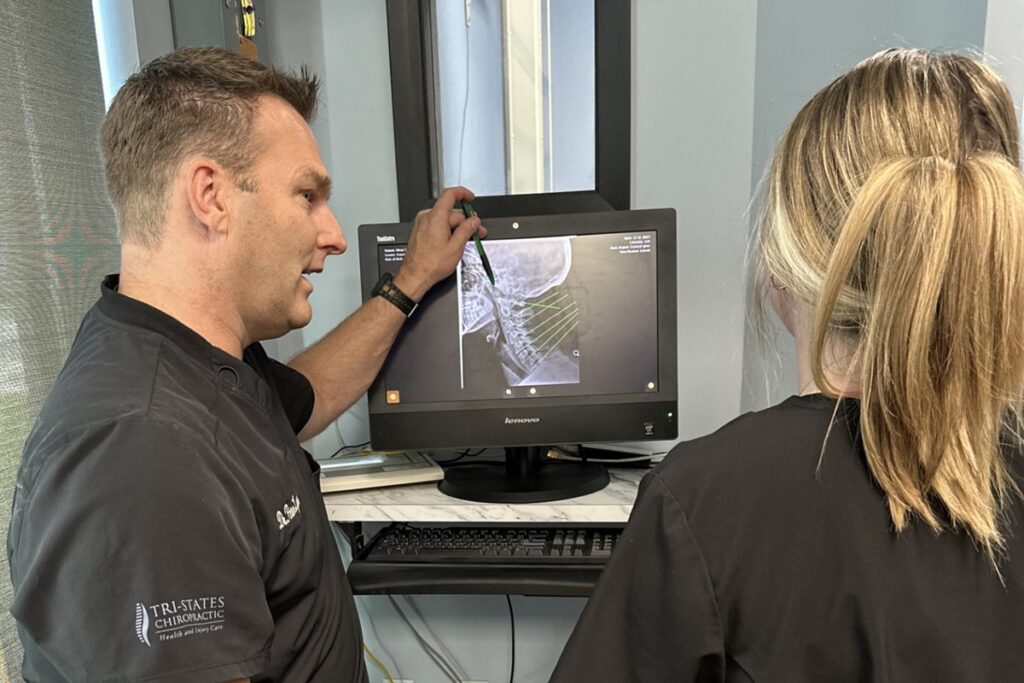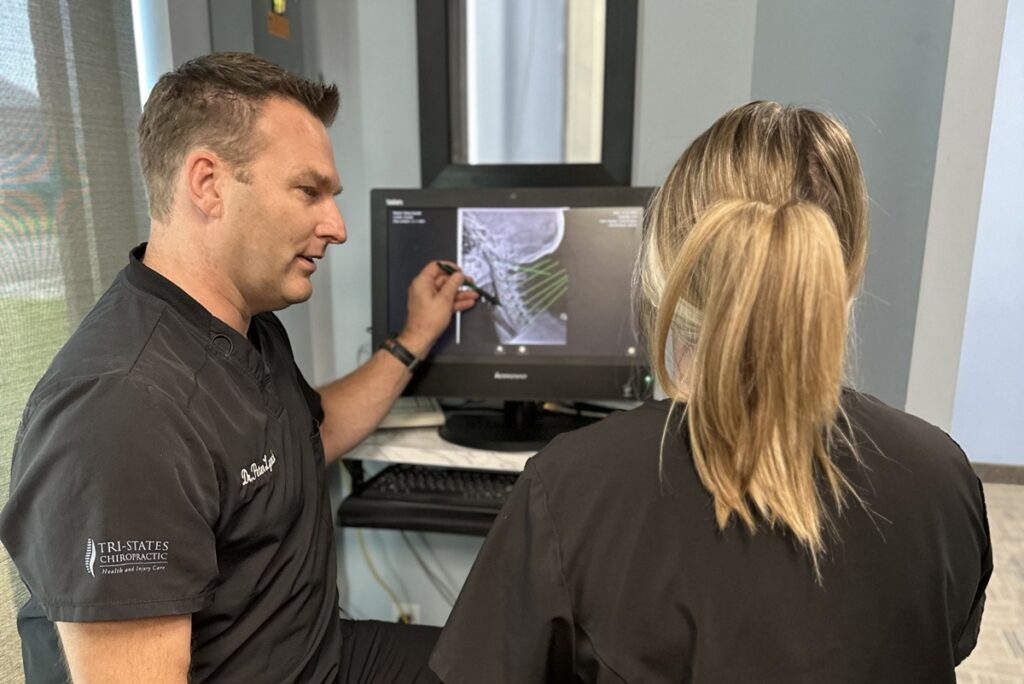
When it comes to preventing migraines, understanding your triggers is essential, and this is where chiropractic care can play a vital role. Keeping a detailed diary to track your migraines can help you pinpoint specific foods or environmental factors that may be causing your discomfort. However, addressing these triggers is just the start of your journey to wellness.
Your overall health is interconnected, and aspects like your diet, exercise routine, and stress management techniques are crucial in forming an effective migraine prevention strategy. Chiropractic care focuses on optimizing spinal health, which can enhance your body’s ability to manage stress and reduce pain. Regular adjustments not only help align your spine but also improve your nervous system function, supporting overall health and wellness.
In addition to chiropractic care, here are some general tips you can incorporate into your routine:
- Stay Hydrated: Dehydration can trigger migraines, so make sure you’re drinking plenty of water throughout the day.
- Maintain a Balanced Diet: Pay attention to what you eat and try to include whole, nutrient-rich foods. Keep a lookout for any foods that may trigger your migraines and consider eliminating them.
- Regular Exercise: Engaging in regular physical activity can help reduce stress and tension in your body, which may lead to fewer migraines. Find an exercise routine that you enjoy, whether it’s walking, yoga, or swimming.
- Manage Stress: Stress is a common trigger for migraines. Incorporating relaxation techniques like deep breathing, meditation, or gentle stretching can help you stay calm and centered.
- Prioritize Sleep: Establishing a consistent sleep schedule and creating a restful environment can significantly impact your migraine frequency.
By combining chiropractic care with these lifestyle changes, you can create a comprehensive approach to managing and reducing migraine frequency. Remember, your body is designed to heal naturally, and with the right support, you can achieve optimal health and wellness. If you’re struggling with migraines, consider visiting your local chiropractor to discuss how spinal health can be integral to your prevention strategy.
Key Takeaways
- Keep a thorough diary to track your migraine triggers, such as bright lights or strong odors. Understanding your triggers can help you avoid them and reduce the frequency of migraines.
- Follow a balanced diet while steering clear of common trigger foods. Focus on staying hydrated and incorporate foods rich in omega-3 fatty acids and magnesium, as these nutrients support overall health.
- Aim to engage in at least 30 minutes of moderate exercise most days. Physical activity not only enhances your overall well-being but also plays a vital role in reducing migraine occurrences.
- Incorporate stress management techniques into your daily routine. Practices like mindfulness and deep breathing can help manage stress levels, while nurturing connections with loved ones offers essential emotional support.
- As a chiropractor, I encourage you to explore natural healing methods, such as chiropractic care, to address migraines and enhance your overall wellness. Chiropractic adjustments can help align your spine, which may alleviate tension and improve your body’s function. Techniques like acupuncture or massage therapy can also complement your chiropractic care for effective relief. Always consult with your chiropractor to find a personalized treatment plan that works best for you.
Identifying and Avoiding Triggers
When it comes to preventing migraines, identifying and avoiding triggers is vital for your overall well-being. A great starting point is to keep a detailed diary. By tracking your activities, sleep patterns, and stress levels alongside your migraine occurrences, you can discover patterns that may reveal specific triggers. Common triggers often include environmental factors like bright lights or strong odors, so be mindful of your surroundings.
Once you’ve identified your triggers, you can take proactive steps to steer clear of them. For instance, if you find that bright lights are a problem, wearing sunglasses or opting for softer lighting can help. Additionally, if stress tends to lead to migraines, incorporating relaxation techniques such as deep breathing exercises or meditation into your routine can be beneficial.
Chiropractic care can also play an essential role in managing migraines. Regular adjustments can help ensure that your spine is aligned, which may reduce tension and improve your overall health.
By focusing on natural healing methods through chiropractic, you can support your body’s ability to cope with stress and reduce the frequency of migraines.
Dietary Adjustments for Migraine Prevention
Identifying your migraine triggers is just the first step; dietary adjustments can also play a significant role in preventing these painful episodes. As a chiropractor, I often emphasize the importance of a holistic approach to health, and that includes what we eat.
Start by keeping a food diary to track your meals and see how they relate to your migraines. You might discover that certain foods, like aged cheeses, processed meats, or alcohol, could be contributing to your headaches.
Instead of focusing on those trigger foods, aim for a balanced diet filled with wholesome options—think fresh fruits, vibrant vegetables, lean proteins, and whole grains. Staying hydrated is crucial as well; dehydration can lead to migraines, so make it a habit to drink plenty of water throughout the day.
Incorporating foods high in omega-3 fatty acids, such as salmon and chia seeds, can be beneficial since they may help reduce inflammation. Additionally, magnesium-rich foods like spinach and nuts might also provide relief.
Remember to maintain regular meal times, as skipping meals can trigger migraines too.
By making these dietary adjustments and combining them with chiropractic care, you can take significant steps toward reducing your migraine frequency and severity. Chiropractic adjustments can help restore balance and function to your nervous system, which is essential for overall wellness.
Embrace these lifestyle changes and consider chiropractic care as a natural and effective way to support your health and alleviate pain.
Incorporating Regular Exercise Into Your Routine
To effectively manage migraines, incorporating regular exercise into your routine can be a game changer that complements chiropractic care. Engaging in physical activity boosts endorphins, which may help reduce the frequency and intensity of migraine attacks. Aim for at least 30 minutes of moderate exercise most days of the week. This doesn’t have to mean hitting the gym; simple activities like walking, cycling, or swimming can be beneficial and enjoyable.
If you’re new to exercise, start slowly and listen to your body. Gradually increase your activity level to avoid overexertion, which might trigger migraines. It’s important to find activities that you enjoy, as this will make it easier to stick with them. Consistency is essential—try to set specific days and times for your workouts to help establish a routine.
In addition to exercise, prioritize staying hydrated and make sure to stretch before and after your workouts. This helps to reduce tension in your muscles, which can contribute to migraine symptoms. By embracing regular exercise as part of a healthy lifestyle alongside chiropractic care, you can take significant steps toward preventing migraines and enhancing your overall well-being.
Remember, chiropractic care can play a vital role in your health journey. Regular adjustments can help align your spine, enhance your body’s function, and support your natural healing processes.
Stress Management Techniques
Managing stress is crucial for overall wellness and can play a significant role in preventing migraines. As a local chiropractor, I believe that incorporating effective stress management techniques into your daily routine can greatly enhance your quality of life and support your journey to optimal health.
Start by embracing mindfulness or meditation; even dedicating just a few minutes each day to these practices can help you find calm amidst the chaos of everyday life. Deep breathing exercises are another powerful tool. When you feel tension rising, pause for a moment to take deep breaths, focusing on each inhale and exhale. This simple practice can help soothe your nervous system and promote relaxation.
Engaging in hobbies that bring you joy is also beneficial for stress relief. Whether it’s painting, gardening, or playing an instrument, finding time for activities that make you happy can significantly reduce stress levels. Additionally, maintaining regular connections with friends or family can provide the emotional support you need and help combat feelings of isolation.
Establishing a consistent sleep routine is another essential aspect of stress management. Quality sleep is vital for your body’s recovery and helps keep stress levels in check. As a chiropractor, I often emphasize the importance of a well-aligned spine for better sleep quality and overall health.
Integrating these techniques into your daily life not only helps reduce stress but also creates a healthier environment for preventing migraines and enhancing your well-being. Start small, and gradually build on what works for you.
Medical Interventions and Treatments
When migraines become a frequent disruption in your life, seeking natural healing methods can be a game-changer for relief. Start by consulting with a healthcare professional who understands the importance of holistic approaches to health. They can help you explore underlying causes and recommend lifestyle changes that may alleviate symptoms.
Chiropractic care is an excellent option for managing migraines. Regular adjustments can help align your spine, reduce tension, and improve overall nervous system function, all of which can contribute to fewer headaches and reduced severity when they do occur. Many patients find that consistent chiropractic care not only helps with migraines but also promotes overall wellness.
In addition to chiropractic adjustments, there are simple strategies you can incorporate into your daily routine. Staying hydrated, practicing stress-reduction techniques such as yoga or meditation, and maintaining a balanced diet rich in fruits and vegetables can all support your body in managing migraines. Regular physical activity can also boost your mood and help reduce the frequency of headaches.
Consider alternative therapies like acupuncture or massage therapy, which can complement chiropractic care and provide additional relief. These methods focus on relaxing tense muscles and improving circulation, which may help with migraine symptoms.
Always keep an open line of communication with your chiropractor about what works best for you. Finding the optimal combination of chiropractic care and healthy lifestyle choices can take time, but with patience and persistence, effective relief is possible.