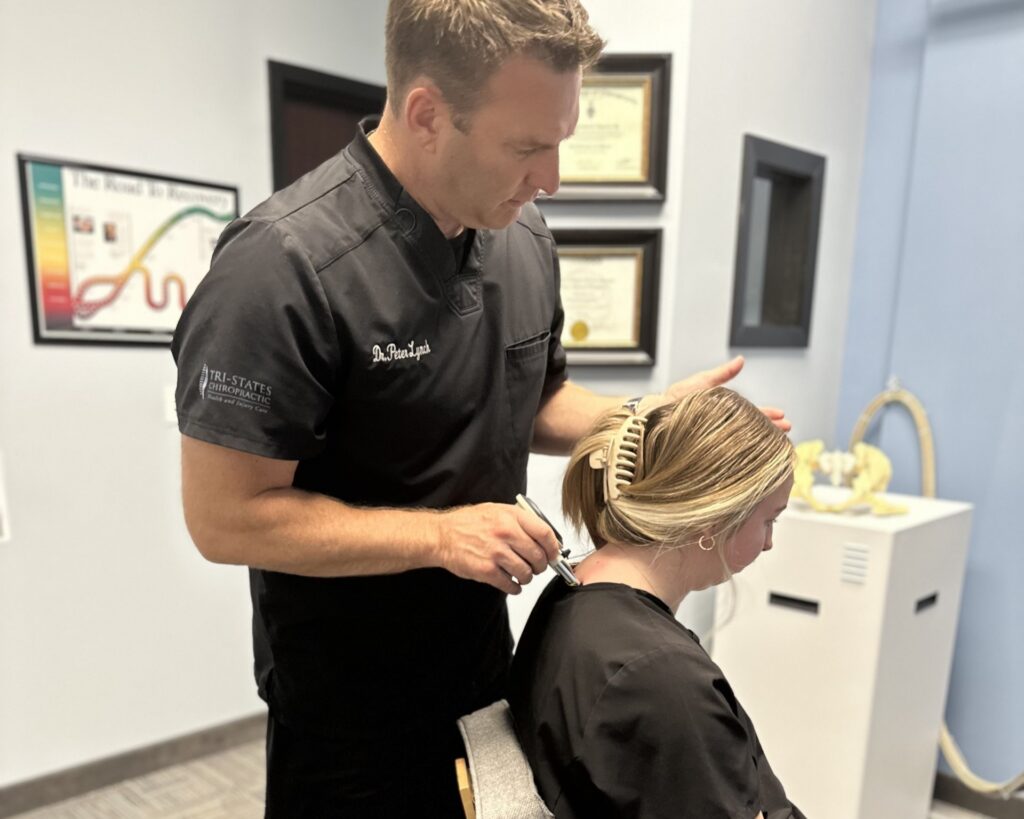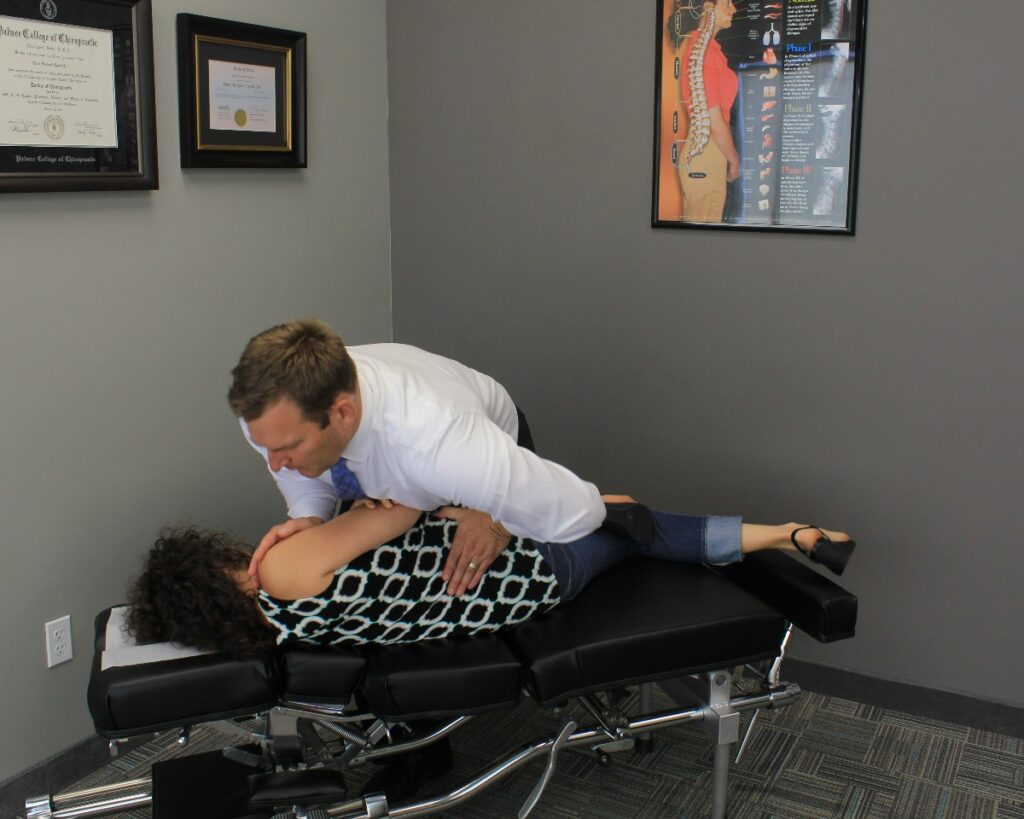
As a local chiropractor, I want to share an important insight that could significantly impact your experience with back pain management. You might not realize it, but your posture plays a crucial role in how effectively you can manage and alleviate discomfort. When your alignment is off, it can lead to increased strain on your spine and muscles, making your pain worse. On the other hand, maintaining good posture can relieve that pressure and help you feel better.
Many people are unaware of the common posture mistakes they make daily, but small adjustments can lead to significant improvements in your condition. It's not just about standing up straight; it's about being mindful of how you sit, stand, and move throughout the day.
Additionally, I want to emphasize the importance of ergonomics in your everyday life. Whether you work at a desk, lift heavy objects, or engage in physical activities, how you set up your environment can greatly influence your posture and overall well-being.
By incorporating these elements of awareness and natural healing into your routine, you may discover new ways to manage your back pain effectively. Let's work together to explore how these simple changes can lead to better health and a more comfortable life.
Understanding Posture and Back Pain
As a local chiropractor, I want to emphasize how crucial your posture is for your daily back health. The way you sit, stand, and walk influences the alignment of your spine and how weight is distributed across your body, which can either help alleviate or increase back pain. Good posture means keeping a neutral spine, where your head, shoulders, and hips are aligned correctly. This proper alignment minimizes unnecessary strain on your muscles and ligaments, enabling your body to function optimally.
When you slouch or hunch over, you create imbalances that can lead to discomfort and pain. Your muscles have to work harder to support your spine, which can result in fatigue and tension in your back. If these poor habits persist over time, they can contribute to chronic pain conditions.
On the other hand, maintaining proper posture not only helps reduce discomfort but also promotes better circulation and encourages healthy movement patterns, enhancing your overall well-being.
I encourage you to be mindful of your posture throughout your day. Whether you're sitting at a desk, lifting objects, or simply standing, take a moment to check in with your body. Are your shoulders relaxed? Is your spine straight? Making small adjustments can help prevent strain and improve your back health significantly.
Additionally, consider the role of your footwear and workspace setup. Supportive shoes and an ergonomic chair can make a world of difference in reinforcing good posture.
Understanding the link between your posture and back pain is a vital step toward finding relief and improving your quality of life. By prioritizing good posture, you're actively participating in maintaining a healthy back, and as your chiropractor, I'm here to guide you on this journey to natural healing and wellness.
Common Posture Mistakes
As a local chiropractor, I often see patients who are unaware of common posture mistakes that can contribute to discomfort and pain. One of the most frequent issues I encounter is slouching while sitting. When you hunch over your computer or phone, it places unnecessary strain on your back muscles. I encourage you to keep your back straight and your shoulders relaxed, with your feet flat on the floor, to help alleviate this strain.
Another common mistake is crossing your legs while seated. This habit can create an imbalance in your hips and spine, potentially leading to misalignment over time. Instead, I recommend keeping your feet firmly planted on the ground to promote better posture and support your overall spinal health.
You might also notice that you lean forward when standing, especially when concentrating on something. This posture can shift your weight and strain your lower back. It's essential to distribute your weight evenly on both feet and keep your shoulders back to maintain proper alignment and reduce the risk of injury.
When lifting objects, many people forget to engage their legs. Bending at the waist instead of squatting can place significant pressure on your back. Always remember to bend your knees, keep the object close to your body, and lift with your legs to minimize strain and protect your spine.
Lastly, I want to highlight the importance of your sleeping position. If you tend to sleep on your stomach, it can twist your neck and spine out of alignment. I suggest trying to sleep on your back or side, using a supportive pillow to maintain proper alignment throughout the night.
How Posture Affects Pain Levels
As a local chiropractor, I want to emphasize how crucial proper posture is for your overall health and well-being. Many people don't realize that poor posture can lead to increased pain levels, especially in the back and neck. When you slouch or hunch over, you're placing unnecessary stress on your spine and muscles. This ongoing strain can result in discomfort, tightness, and even chronic pain.
It's important to understand that the way you sit, stand, or move has a significant impact on your physical health. Take a moment to consider your posture when sitting at your desk or using your phone. If you're leaning forward or arching your back, you're likely straining your muscles and ligaments. This tension can lead to inflammation, which not only exacerbates pain but also makes it more challenging for your body to heal.
By maintaining a neutral spine position, you can distribute your weight more evenly, which helps reduce unnecessary pressure on your back. Your sleeping posture is equally important. If you find yourself sleeping in awkward positions or using improper pillows, you may wake up feeling stiff or in pain. Ensuring that your spine is aligned while you rest can make a significant difference in how you feel during the day.
Awareness of your posture throughout the day is essential. I encourage you to pay attention to how you hold your body. Simple adjustments—like sitting up straight, keeping your shoulders relaxed, and engaging your core—can lead to lower pain levels. Making these changes not only improves your posture but also helps reduce discomfort over time.
As a chiropractor, I'm here to guide you on your journey to better posture and pain relief through natural healing methods. Together, we can create a plan that promotes a healthier spine and reduces your pain levels, allowing you to enjoy a more comfortable life.
The Role of Ergonomics
As a local chiropractor, I want to emphasize the pivotal role ergonomics plays in preventing back pain and promoting overall comfort, particularly in your work environment.
It's crucial to understand how your posture while sitting, standing, and interacting with your workspace can significantly influence your well-being. By creating an ergonomic setup, you can tailor your workspace to fit your body's natural movements, which helps reduce strain on your back and neck.
To enhance your workspace for better spinal health, let's start with your chair. It should provide proper support for your lower back and allow your feet to rest flat on the floor or on a footrest. Ideally, your knees should be at or slightly below hip level to maintain proper alignment.
Next, make sure your computer monitor is at eye level; this simple adjustment can prevent neck strain and promote an upright posture. It's also important to keep your keyboard and mouse close to your body to minimize reaching and twisting, which can lead to discomfort.
In addition to these adjustments, I encourage you to be mindful of your daily habits. If you often lift objects, remember to use proper techniques: bend at your knees and keep the load close to your body.
If your job requires long periods of sitting, set reminders to stand up, stretch, and move around regularly. These small, conscious adjustments can make a significant difference in how you feel throughout the day and can help prevent discomfort that may lead you to seek chiropractic care.
Exercises for Better Posture
As a local chiropractor, I want to emphasize that creating an ergonomic workspace is just one aspect of maintaining good posture and spinal health.
To truly support your spine, it's crucial to incorporate specific exercises into your daily routine. These exercises not only strengthen your core but also enhance flexibility and improve your overall posture.
Here are some effective exercises I recommend:
- Planks: This exercise engages your core, helping to stabilize your spine and promote better posture.
- Chest Openers: Regularly stretching your chest can counteract the forward hunch that many develop from prolonged sitting.
- Shoulder Blade Squeezes: Strengthening the muscles around your upper back with this exercise can lead to improved alignment.
Incorporating these exercises into your weekly routine just a few times can yield significant benefits. Start with 10-15 repetitions of each exercise, and as you grow more comfortable, you can gradually increase the intensity.
It's important to listen to your body; if you experience any pain, take a step back and consider consulting with a healthcare professional.
Moreover, consistency is vital. Just like any health goal, improvements in posture won't happen overnight. Regular practice of these exercises will help your muscles adapt, leading to better posture over time.
You may notice a reduction in back pain and an overall improvement in your well-being.
Taking charge of your spinal health is essential. Small adjustments in your routine can lead to substantial improvements.
I encourage you to integrate these exercises into your life and experience the positive changes for yourself.
Posture Correction Techniques
As a local chiropractor, I want to emphasize the vital role that good posture plays in reducing back pain and enhancing your overall health. Understanding this connection is the first step toward making positive changes in your daily life.
One of the most impactful changes you can make is to evaluate your workspace. If you find yourself spending extended hours at a desk, it's crucial to ensure that your chair provides adequate support for your lower back. Position your computer screen at eye level to prevent straining your neck. Your feet should rest flat on the floor, with your knees forming a right angle. This ergonomic setup promotes the natural curve of your spine, which is essential for preventing discomfort and injury.
Another effective technique I recommend is the "wall test." Stand with your back against a wall, making sure that your heels, buttocks, shoulders, and head are all in contact with it. This posture will give you a clear sense of what proper alignment feels like. Strive to maintain this alignment when sitting or standing throughout your day.
Incorporating reminders into your routine can also be beneficial. I suggest setting an alarm on your phone to go off every hour, prompting you to check your posture. When the alarm rings, take a moment to adjust your position and engage your core muscles to support your spine.
Lastly, never underestimate the benefits of regular stretching. Incorporating stretches for your chest, shoulders, and hip flexors into your routine can help alleviate the tension that often leads to poor posture.
Mindfulness and Body Awareness
As a local chiropractor, I want to emphasize the importance of practicing mindfulness to enhance your body awareness. Many of my patients are surprised to learn how much their posture can influence their back pain.
By becoming more attuned to your body through mindfulness, you can start to recognize areas of tension and discomfort. This awareness allows you to make necessary adjustments to your posture, which is crucial for alleviating pain and discomfort.
Understanding the connection between posture and pain is essential for developing effective strategies to improve your overall well-being. When you practice mindfulness, you empower yourself to take control of your body, leading to better posture, reduced pain, and a healthier lifestyle.
I encourage you to incorporate mindfulness into your daily routine and notice the positive effects it can have on your body and overall health.
Benefits of Mindfulness Practice
As a local chiropractor, I often see how incorporating mindfulness practices into daily life can significantly enhance body awareness and overall well-being. When you focus on the present moment, it allows you to tune into your body's signals, which can have a profound impact on managing back pain. Mindfulness encourages you to acknowledge your physical sensations without judgment, which helps identify areas of tension or discomfort.
Here are some key benefits of practicing mindfulness that I share with my patients:
- Increased Body Awareness: You'll become more attuned to your posture and movements, enabling you to adjust habits that may contribute to back pain. This awareness can be a game-changer in your recovery process.
- Stress Reduction: Mindfulness is a powerful tool for reducing stress levels. Lower stress can ease muscle tension, making it easier to manage pain and promote healing.
- Improved Emotional Resilience: Developing a mindful mindset equips you to better cope with the emotional challenges associated with chronic pain. This can foster a more positive outlook on your treatment journey and overall health.
By integrating these mindfulness practices into your life, you can take an active role in your pain management and work towards a healthier, more balanced lifestyle.
It's a straightforward yet effective approach that can make a significant difference in your overall health and well-being. If you have questions about how to incorporate mindfulness with chiropractic care, feel free to ask during your next visit!
Enhancing Body Awareness Techniques
As a chiropractor dedicated to your overall well-being, I want to share how enhancing your body awareness can play a crucial role in managing back pain and improving your health. Many people are unaware of how closely connected our physical selves are to our overall wellness. By tuning into your body, you can identify areas that may need attention and support.
To start, find a quiet and comfortable space where you can sit without distractions. Take several deep breaths, inhaling through your nose and exhaling through your mouth. As you breathe, direct your focus inward and notice how your body feels. Are there sensations of tightness or discomfort? This practice of mindfulness can help you become more aware of your physical state.
Next, I encourage you to perform a gentle body scan from head to toe. This means observing how each part of your body feels without judgment. Are there areas that feel tense or sore? By simply acknowledging these sensations, you can foster a sense of relaxation and connection with your body.
Once you've identified any areas of tension, consider incorporating gentle stretches or movements that specifically target those spots. This not only promotes blood flow and mobility but also aids in relieving discomfort.
Remember, consistency is essential. By regularly practicing these body awareness techniques, you'll become more attuned to your body's needs, which can significantly contribute to managing back pain and enhancing your overall health.
In my practice, I often see how increased body awareness can empower patients to take charge of their health. Chiropractic care, combined with these mindful techniques, can lead to a happier, healthier you.
Let's work together on this journey towards greater wellness!
Posture and Pain Connection
As a local chiropractor, I want to emphasize the crucial connection between posture and pain, particularly in the back. Many of my patients are unaware of how much their daily posture can impact their comfort and health. By being mindful of how you hold your body, you can significantly reduce discomfort and improve your overall well-being.
When your posture is poor, it places unnecessary stress on your muscles and spine, which can lead to tension and pain. I encourage you to become more aware of your posture throughout the day.
Here are three key points to consider:
- Mindful Awareness: Start by paying attention to your posture in various activities. This will help you identify repetitive habits that may be contributing to your discomfort.
- Alignment: Ensuring proper alignment of your spine is essential. When your spine is aligned correctly, it allows for even weight distribution, reducing stress on specific areas and promoting greater comfort.
- Movement: Incorporating gentle, mindful movements into your routine can enhance your body awareness. This practice will help you recognize when it's time to adjust your posture, preventing strain before it becomes a problem.
By understanding and applying these principles, you can take an active role in your healing journey and enjoy a more comfortable life.
If you have any questions or need guidance on improving your posture, feel free to reach out!
The Impact of Sleep Position
As a local chiropractor, I want to emphasize the importance of sleep position for your spinal health.
The way you sleep can significantly influence how your back feels when you wake up. By selecting a comfortable position and using the right pillow height, you can promote better spinal alignment.
This simple yet crucial adjustment can help alleviate back pain and enhance your overall quality of sleep. Prioritizing your sleep position can be a natural step toward improving your well-being and fostering a healthier back.
Optimal Sleep Positions
As a local chiropractor, I want to share how crucial your sleep position can be for maintaining good back health. The way you align your body during sleep plays a significant role in either alleviating or worsening back pain. It's essential to choose positions that support the natural curves of your spine while minimizing pressure on sensitive areas.
Here are some sleep positions I recommend for optimal spinal health:
- Side Sleeping: This position is great for keeping your spine aligned and reducing back pressure. I suggest placing a pillow between your knees—this simple adjustment can greatly enhance your comfort and support.
- Back Sleeping: When you lie on your back with a supportive pillow, it helps maintain a neutral spine position. This evenly distributes your weight, which can significantly reduce strain on your back during the night.
- Fetal Position: Curling up slightly in the fetal position can relieve pressure on your intervertebral discs, making it a particularly good choice for those who may be dealing with herniated discs.
I encourage you to experiment with these sleep positions to discover what feels best for your body. Remember, the goal is to keep your spine aligned and relaxed throughout the night.
By making small changes to your sleep habits, you can experience significant improvements in your back pain, allowing you to wake up refreshed and ready to tackle your day.
In my practice, I see firsthand how important these adjustments can be for overall well-being, so don't hesitate to reach out if you have any questions!
Pillow Height Considerations
As a local chiropractor dedicated to your spinal health, I want to emphasize the importance of choosing the right pillow height, which is just as crucial as selecting an appropriate sleep position. An incorrect pillow height can lead to misalignment of your neck and spine, potentially worsening any existing back pain.
For those of you who sleep on your side, I recommend using a thicker pillow. This type of pillow fills the gap between your shoulder and head, helping to maintain proper spinal alignment.
Conversely, if you're someone who prefers sleeping on your back, a medium-height pillow is often the best choice. It should provide adequate support for your neck without pushing your head forward, which can strain your upper spine.
If you tend to sleep on your stomach, it's advisable to use a thin pillow or even forgo a pillow altogether. This helps to prevent unnatural twisting of the neck, which can lead to discomfort and strain over time.
Finding the right pillow height can take some trial and error. I encourage you to listen to your body and take note of how you feel when you wake up.
A supportive pillow can significantly enhance your sleep quality and overall spinal health, allowing you to wake up feeling refreshed instead of in pain.
Spine Alignment Importance
As a local chiropractor, I want to emphasize the importance of proper spine alignment during sleep and how it can significantly impact your overall health. Many people may not realize that the way you position yourself while sleeping can influence the alignment of your spine throughout the night.
Poor alignment can lead to unnecessary strain on your back, resulting in discomfort and pain.
Let's take a closer look at some sleep positions and how they affect your spine:
- Side Sleeping: This is generally a favorable position for maintaining spinal alignment. To enhance support, I recommend placing a pillow between your knees. This simple adjustment can help keep your hips aligned and reduce strain on your back.
- Back Sleeping: Sleeping on your back is beneficial as it promotes a neutral spine position. However, it's crucial to have a pillow that adequately supports your neck and head. This support can prevent any misalignment that might lead to pain.
- Stomach Sleeping: I advise against sleeping on your stomach, as this position can twist both your spine and neck, increasing the risk of discomfort and pain. If you can, try to transition to one of the other positions for a healthier spine.
By being mindful of your sleep posture and making these adjustments, you can help prevent back pain and enhance your overall well-being.
If you have any questions or need further guidance on how to improve your spinal health, feel free to reach out to me!
Professional Help for Posture
As a local chiropractor, I want to emphasize the significant impact that professional help can have on your posture. Many of you might be experiencing chronic back pain or simply wish to enhance your stature. That's where I, along with my chiropractic expertise, can provide the guidance and support you need to achieve better posture.
Understanding your posture is essential, and I can assess your spinal alignment to identify any misalignments that could be contributing to your discomfort. When your spine is out of alignment, it can lead to a range of issues, including pain and limited mobility. Through gentle adjustments and manual therapy, I can help correct these misalignments, alleviating pain and enhancing your overall movement.
In addition to adjustments, I also focus on educating my patients about proper body mechanics to use in their daily lives. This is crucial for reducing strain on your back and ensuring that you're using your body in a way that supports good posture. I often share specific exercises designed to strengthen weak muscles and stretch tight ones, tailored to meet your unique needs.
Moreover, I understand that your environment plays a significant role in your posture. That's why I can guide you in making ergonomic adjustments to your workspace. By creating an environment that promotes good posture, you can maintain proper alignment throughout your day, whether you're working or engaging in leisure activities.
Long-Term Benefits of Good Posture
As a local chiropractor, I want to share with you the remarkable long-term benefits of maintaining good posture. Many people think of posture only as a matter of appearance, but it plays a crucial role in your overall health and well-being.
By adopting good posture, you're not just alleviating discomfort in the moment; you're also paving the way for a healthier future. Here are some key benefits you can expect:
- Reduced Back Pain: When you maintain good posture, you help distribute your weight evenly across your spine. This reduces the strain on your back muscles and ligaments, leading to less pain and discomfort over time.
- Improved Breathing: Proper alignment of your body allows your lungs to fully expand. This means more oxygen intake, which can enhance your energy levels and overall vitality.
- Better Digestion: Good posture supports your internal organs, allowing them to function optimally. This can help prevent issues such as acid reflux or constipation, leading to improved digestive health.
By cultivating good posture habits, you can help prevent many physical ailments before they develop. It's not just about looking confident; it's about nurturing your body holistically.
As you embrace proper alignment, you'll likely notice an increase in your overall comfort and functionality. This can translate to fewer visits to my office and less reliance on pain medication.
I encourage you to consider the long-term benefits of good posture and how it can significantly improve your quality of life. Together, we can work towards a healthier, more aligned you!
Conclusion
As a local chiropractor, I want to emphasize the importance of incorporating good posture into your daily routine to enhance the success of your back pain treatment. Many people are unaware of how their daily habits can contribute to discomfort. By being mindful of common posture mistakes and making ergonomic adjustments, you can significantly alleviate pain and improve your overall well-being.
It's crucial to practice exercises that promote better posture and to stay aware of how you sit, stand, and sleep. These small changes can lead to significant improvements in your spinal health. With consistent effort, and perhaps with guidance from a chiropractic professional, you can not only reduce your pain but also enjoy the long-term benefits of a healthy spine. Remember, your posture plays a vital role in your body's ability to heal naturally, and I'm here to support you on this journey to better health.