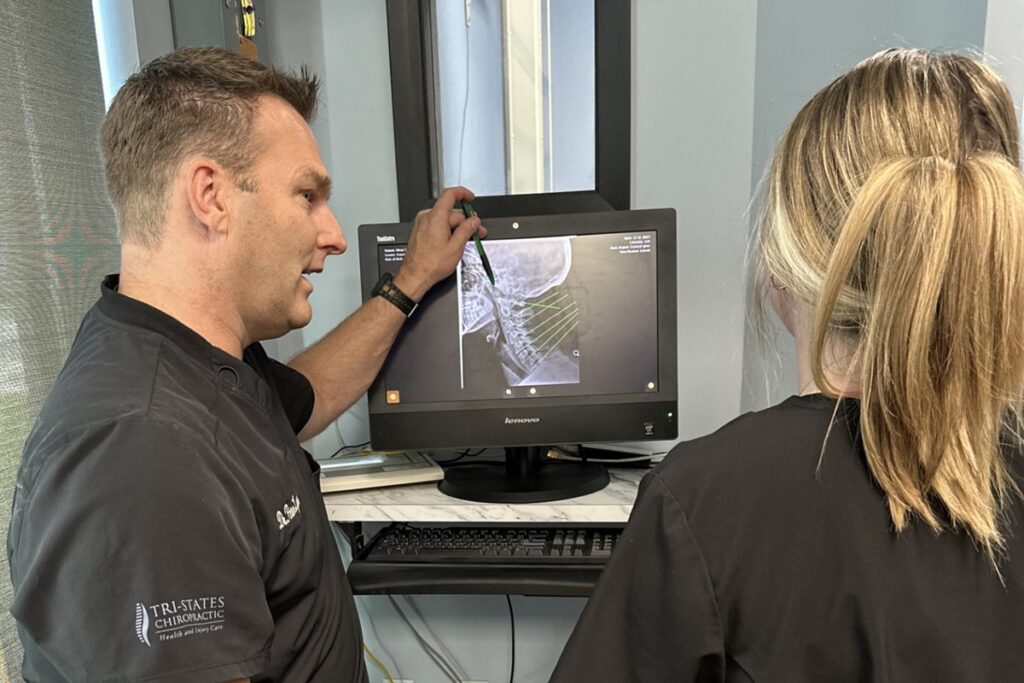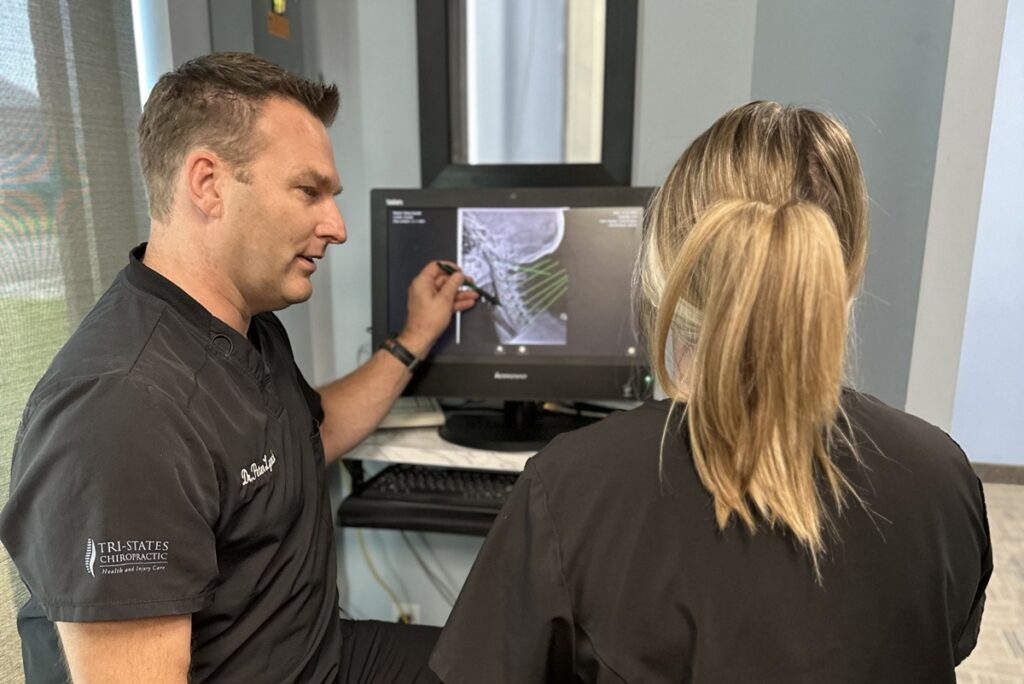
As a local chiropractor, I understand that if you suffer from migraines, the pain can be incredibly debilitating, especially when neck pain complicates the situation. Many people might not realize how closely connected neck pain and migraines can be. By focusing on alleviating your neck pain through practical chiropractic strategies, you may find relief that not only reduces your discomfort but also helps in managing your migraines more effectively.
Are you interested in discovering some natural and straightforward solutions? Let’s delve into some effective chiropractic techniques and lifestyle adjustments that can truly make a positive impact on your overall well-being. Together, we can work towards addressing these issues from the root, helping you lead a more comfortable and pain-free life.
Understanding the Connection Between Neck Pain and Migraines
As a chiropractor, I want to shed light on a connection that many people may not realize exists: the relationship between neck pain and migraines. When you suffer from migraines, neck pain could actually play a significant role in exacerbating your symptoms. The muscles in your neck and upper back can become tense and strained, which often intensifies both the frequency and severity of your migraines.
This creates a cycle where worsening neck pain can lead to more severe headaches. It’s important to observe how certain neck movements or postures may trigger your migraines. Factors such as stress, poor posture, or even sleeping in an awkward position can amplify both neck pain and migraines.
By recognizing this connection, you can take proactive steps towards alleviating your discomfort. Simple strategies like stretching, maintaining proper posture, and using relaxation techniques can effectively reduce neck tension.
As a chiropractor, I often find that addressing neck pain not only helps relieve current migraines but can also prevent future episodes. My goal is to help you achieve overall well-being and comfort through natural healing methods.
Let’s work together to find solutions that will support your health and improve your quality of life.
Common Causes of Neck Pain Related to Migraines
As a local chiropractor, I want to help you understand the connection between neck pain and migraines, as many of my patients have found that these issues often go hand in hand. When you experience migraines, it’s not uncommon for neck pain to accompany them. This relationship can be attributed to several factors, including muscle tension and strain, poor posture, and nerve compression, all of which can exacerbate your discomfort.
Muscle tension in your neck can lead to tightness and pain, which may trigger or worsen migraine symptoms. Additionally, maintaining poor posture—whether at your desk, while driving, or during daily activities—can contribute to this tension.
Lastly, nerve compression in the neck can create additional pain that may radiate into your head, leading to increased migraine intensity.
By recognizing these common causes, you can take proactive steps to alleviate both your neck pain and migraine symptoms. Chiropractic care focuses on natural healing and can help adjust misalignments in your spine, relieve muscle tension, and improve your posture.
Muscle Tension and Strain
As a chiropractor, I often see patients who struggle with neck pain, which can significantly worsen migraine symptoms. When you’re under stress or feeling anxious, your neck muscles can become tight, causing discomfort that radiates to your head.
This tension can arise from various activities, such as overexerting yourself, performing repetitive movements, or even sleeping in an awkward position. Many people unknowingly contribute to this strain by clenching their jaws or hunching over their phones or computers.
It’s important to recognize these habits to prevent further discomfort. I encourage you to incorporate regular neck stretches and movements into your daily routine to help alleviate tension.
Additionally, practicing relaxation techniques—like deep breathing exercises or gentle yoga—can be incredibly beneficial for easing muscle tightness.
By addressing muscle tension through chiropractic care and self-care practices, you can significantly reduce neck pain and enhance your overall experience with migraines.
Poor Posture Effects
As a local chiropractor, I want to shed light on how poor posture can significantly impact your neck health and contribute to migraines. Many people don’t realize that slouching or hunching over devices can lead to strain in the muscles of your neck and upper back as they work hard to support the weight of your head.
This ongoing tension can create discomfort and even trigger or worsen migraine symptoms over time. It’s crucial to understand that the effects of poor posture may not be immediately noticeable, but they can lead to lasting wear and tear on your neck.
I encourage you to be mindful of your posture throughout the day. Making small adjustments, such as using ergonomic furniture, taking regular breaks to move around, and incorporating stretches into your routine, can greatly alleviate tension.
Nerve Compression Issues
As a local chiropractor, I want to shed some light on how nerve compression issues can significantly contribute to neck pain and migraines. Many people aren’t aware that when the nerves in your neck become pinched or irritated, it can create discomfort that radiates into your head, potentially triggering those frustrating migraines.
Common culprits include herniated discs, muscle tension, and arthritis. Often, everyday habits—like poor posture or repetitive movements—can unknowingly exacerbate these issues.
To help alleviate nerve compression, I recommend incorporating gentle stretches and strengthening exercises focused on your neck and upper back into your daily routine. Additionally, taking regular breaks during prolonged activities can make a big difference in preventing discomfort.
If you find that your pain persists despite these efforts, it may be time to consult a healthcare professional. Targeted treatments such as physical therapy or chiropractic care can be incredibly effective in relieving pressure on your nerves, ultimately reducing both neck pain and the frequency of migraines.
Effective Stretches to Relieve Neck Tension
As a local chiropractor, I want to share how incorporating effective stretches into your daily routine can significantly relieve neck tension.
Many of my patients find that simple neck stretch techniques can ease tightness and enhance mobility. By adding these stretches to your daily habits, you can also help prevent migraines that may be related to neck pain.
Embracing these natural healing methods can lead to a healthier, more comfortable life.
Let’s explore some stretches that can make a difference for you!
Neck Stretch Techniques
As a local chiropractor, I often see patients struggling with tension in their necks, which can lead to debilitating migraines. Fortunately, incorporating some effective neck stretch techniques into your daily routine can provide much-needed relief.
Here are a few simple stretches that can help ease that tension:
- Neck Tilts: Start by gently tilting your head to one side, allowing your ear to move toward your shoulder. Hold this position for 15-30 seconds to feel the stretch, then switch to the other side. This helps to release tightness and improve flexibility in your neck.
- Chin Tucks: While sitting up straight, tuck your chin gently toward your chest. Hold this position for about 5 seconds, then release. Repeat this movement 5 times. Chin tucks are great for strengthening the muscles that support your neck and can help improve your posture.
- Shoulder Rolls: To relieve tension in your shoulders and upper back, roll your shoulders back and down in a circular motion. Perform 10 repetitions, then switch directions. This simple movement can help alleviate stiffness and improve circulation in the area.
Incorporating these stretches into your routine can significantly reduce neck tension and promote overall well-being.
If you’re experiencing chronic pain or discomfort, don’t hesitate to reach out for further guidance on natural healing methods. Your body deserves the best care!
Daily Mobility Routine
As a local chiropractor, I want to emphasize the importance of incorporating effective stretches into your daily mobility routine to alleviate neck tension. Many people overlook this, but simple stretches can make a remarkable difference in your overall well-being.
Begin with gentle neck rolls to loosen tight muscles; slowly tilt your head side to side. Next, practice looking left and right, holding each position for a few seconds to enhance mobility.
Another beneficial exercise is the chin tuck, which strengthens your neck; simply pull your chin toward your chest while maintaining a straight back.
Shoulder shrugs are also essential; lift your shoulders up to your ears and then relax them down.
Lastly, don’t forget side stretches—reach one arm overhead and lean toward the opposite side to open up your neck and shoulder area.
By consistently practicing these stretches, you can enhance your flexibility, reduce discomfort, and improve your overall neck mobility. This routine can also be a helpful strategy in managing migraines naturally.
Ergonomic Adjustments for Workplace Comfort
As a local chiropractor, I often see patients who suffer from migraines and neck pain due to poor ergonomic setups in their workspaces.
It’s important to understand that creating an ergonomic workspace goes beyond mere comfort; it can significantly reduce the frequency and severity of migraines associated with neck strain.
With a few simple adjustments, you can enhance your work environment and contribute positively to your neck health.
Here are three essential ergonomic adjustments to consider:
- Monitor Height: Ensure your monitor is positioned at eye level and about an arm’s length away from you. This alignment helps prevent unnecessary strain on your neck as you work, reducing the risk of discomfort and headaches.
- Chair Support: Select a chair that offers adequate lumbar support. Make sure your feet rest flat on the ground and your knees are bent at a 90-degree angle. Proper support can alleviate tension in your lower back and neck, promoting better overall posture.
- Keyboard and Mouse Placement: Keep your keyboard and mouse within easy reach, ideally at elbow height. This placement decreases the strain on your shoulders and neck, allowing for a more relaxed working position.
By implementing these ergonomic adjustments, you can create a workspace that not only feels more comfortable but also aids in managing neck pain and reducing migraine occurrences.
The Role of Posture in Neck Pain and Migraines
As a local chiropractor, I often see patients who are unaware of how their daily habits, particularly posture, can significantly impact their health.
Have you ever noticed how often you might be slouching or leaning forward while working? If you’re like many of my patients, it’s likely more frequent than you think. Poor posture can lead to neck pain, which isn’t just uncomfortable but can also trigger migraines.
When you hunch over your desk or consistently look down at your phone, you’re placing unnecessary strain on your neck muscles and compressing your spine. This tension can lead to discomfort and headaches that can affect your daily life.
To help you combat these issues, I encourage you to focus on maintaining an upright posture. It’s important to keep your shoulders relaxed and your head aligned over your spine.
Throughout the day, take breaks to stretch and reset your posture. Making simple adjustments, such as positioning your screen at eye level, can have a profound effect on how you feel.
By being mindful of your posture, you can alleviate neck pain and potentially reduce the frequency and intensity of your migraines.
Heat and Cold Therapy for Neck Pain Relief
As a chiropractor committed to enhancing your overall wellness, I want to discuss some effective methods for alleviating neck pain that may also contribute to migraines. Understanding and incorporating heat and cold therapy into your daily routine can make a significant difference.
- Heat Therapy: Utilizing a warm compress or heating pad can be incredibly beneficial for relaxing tight muscles in your neck. I recommend applying heat for 15-20 minutes to help ease discomfort and enhance blood circulation, promoting healing.
- Cold Therapy: On the other hand, if you’re experiencing sharp pain or inflammation, cold therapy can be your ally. Applying an ice pack for 10-15 minutes can help numb the pain and reduce swelling. Just remember to wrap the ice pack in a cloth to shield your skin from direct contact.
- Contrast Therapy: A particularly effective approach is contrast therapy, where you alternate between heat and cold. Start by applying heat for 10 minutes, then switch to cold for another 10 minutes. This technique can stimulate circulation and provide substantial pain relief.
I encourage you to experiment with these therapies to see which combination works best for your body.
Integrating them into your self-care routine can contribute to your overall well-being and assist in managing neck pain effectively. If you have any questions or need further guidance, feel free to reach out during your next visit.
Massage Techniques to Alleviate Neck Discomfort
As a local chiropractor, I understand how neck pain can lead to discomfort and even migraines for many of my patients. One effective approach to alleviating this discomfort is incorporating massage techniques into your self-care routine.
Begin by using your fingertips to apply gentle pressure along the muscles of your neck. It’s important to focus on areas that feel particularly tense or tight. Employing circular motions can help release any built-up tension in those muscles.
Additionally, kneading the muscles with your palms can provide deeper relief; just be sure to apply a bit more pressure gradually as your muscles start to relax.
Don’t overlook your shoulders, as they often harbor tension that contributes to neck pain. You can use your thumbs to massage the tops of your shoulders, moving in small circular patterns to work out any knots.
If you have access to a foam roller or a massage ball, these tools can be incredibly effective for targeting specific areas of tension.
Integrating these massage techniques regularly can promote relaxation and improve blood circulation, ultimately helping to reduce your neck discomfort and the frequency of migraines.
I encourage you to make massage a part of your self-care routine for lasting benefits to your overall wellness.
When to Seek Professional Help for Neck Pain
If you’ve been experiencing neck pain for more than a few days, it’s important to consider reaching out for professional help, such as chiropractic care.
As a chiropractor, I want to emphasize the importance of addressing any persistent discomfort early on. Pay attention to any neurological symptoms, such as numbness or weakness, as these could signal a more serious underlying condition that warrants immediate attention.
Furthermore, if your neck pain is impacting your ability to carry out daily activities, don’t hesitate to seek our guidance.
Chiropractic care focuses on natural healing and can help restore proper function to your spine and alleviate pain.
We’re here to support you on your journey to better health!
Persistent Pain Duration
As a local chiropractor, I want to help you understand how persistent neck pain can significantly impact your daily life, particularly when it’s paired with migraines.
If you’ve been dealing with neck pain for more than a few days or if it seems to be getting worse, it’s essential to take action and seek professional assistance.
Here are some key indicators that it might be time to visit a chiropractor:
- Unrelenting Pain: If your neck pain doesn’t seem to improve with simple home remedies, or if it intensifies over time, it’s a sign that your body might need a more specialized approach.
- Reduced Range of Motion: Struggling to turn your head or perform everyday tasks can be a clear indication that something isn’t right. Chiropractic care can help restore your mobility and get you back to your normal activities.
- Impact on Daily Activities: If your neck pain is interfering with your work, exercise, or social life, don’t ignore it. Chiropractic treatment can help alleviate your discomfort, allowing you to engage fully in your daily routine.
Recognizing these signs early is crucial.
By addressing persistent neck pain with chiropractic care, you can find effective treatment and relief, which will ultimately enhance your overall quality of life.
Accompanying Neurological Symptoms
As a local chiropractor, I want to emphasize the importance of addressing neck pain, especially when it’s accompanied by neurological symptoms. If you’re experiencing dizziness, tingling, weakness, or changes in your vision, it’s crucial to take these signs seriously and seek professional help. These symptoms may indicate underlying issues like nerve compression or vascular concerns that require attention.
In chiropractic care, we focus on the relationship between the spine and the nervous system. Neck pain combined with neurological symptoms could signal that something is amiss in your body’s alignment. It’s essential to act promptly; early intervention can help prevent more severe complications down the line.
Even if your neck pain feels manageable, the combination of these symptoms calls for a thorough evaluation. As a chiropractor, I can assess your condition and determine if spinal adjustments or other natural healing techniques might benefit you.
Impact on Daily Activities
As a local chiropractor, I want to help you understand how neck pain can significantly affect your daily life.
Even tasks that seem simple can become daunting when you’re dealing with discomfort. It’s important to recognize the signs that indicate it’s time to seek professional assistance.
1. Persistent Pain: If your neck pain doesn’t subside after a few days or seems to worsen, it’s a signal that you shouldn’t ignore.
Prolonged pain can be a sign of underlying issues that may benefit from chiropractic care.
2. Radiating Symptoms: If you experience pain that travels to your arms, hands, or back, this could suggest a more serious condition.
Our bodies communicate through pain, and it’s crucial to listen to those signals.
3. Loss of Function: Struggling to perform essential tasks, like turning your head or lifting everyday objects, indicates that it’s time to consult a healthcare professional who specializes in natural healing.
Chiropractic adjustments can help restore your range of motion and alleviate discomfort.
By addressing these issues early on, we can work together to prevent further complications and enhance your overall quality of life.
Lifestyle Changes to Prevent Neck Pain
As a local chiropractor, I want to shed light on how your daily habits can significantly influence neck pain. Many patients underestimate the role of lifestyle changes in alleviating discomfort.
Let’s start with your workspace. It’s crucial to ensure your computer screen is positioned at eye level and that your chair offers adequate support. Regularly maintaining good posture is essential; slouching can put unnecessary strain on your neck, leading to discomfort.
Incorporating stretching and strengthening exercises into your daily routine can also enhance neck flexibility and strength. Staying active through activities like walking or swimming not only benefits your neck but also promotes overall muscle health.
I encourage you to be mindful of your phone usage. Instead of hunching over to look down at your device, hold it at eye level to prevent strain.
Additionally, don’t underestimate the importance of quality sleep. Using a supportive pillow and opting for sleeping positions on your back or side—rather than your stomach—can make a significant difference in how your neck feels.
These lifestyle adjustments may seem minor, but they can profoundly impact your neck pain and overall well-being. As your chiropractor, I’m here to guide you through these changes and support your journey to natural healing.
Mindfulness and Relaxation Techniques for Migraine Management
As a local chiropractor, I often see patients struggling with migraines, and I want to share that finding relief extends beyond just physical treatments.
Mindfulness and relaxation techniques are key components of an effective management strategy for migraines. By incorporating these practices, you can significantly reduce stress—one of the most common triggers for migraines.
Here are three techniques I recommend for you to try:
- Deep Breathing: Take a few moments each day to focus on your breath. Inhale deeply through your nose, hold it for a moment, and then exhale slowly through your mouth. This simple exercise helps calm your nervous system and can relieve tension that may contribute to your migraines.
- Progressive Muscle Relaxation: This technique involves gradually tensing and then relaxing each muscle group in your body, starting from your toes and moving upwards. By consciously releasing physical tension, you’ll promote overall relaxation, which can help mitigate migraine occurrences.
- Mindfulness Meditation: Dedicate 10-15 minutes daily to practice mindfulness. Focus your attention on the present moment and let go of any distracting thoughts. This practice can enhance your awareness of potential migraine triggers and improve your mental well-being.
Incorporating these mindfulness and relaxation techniques into your routine can significantly enhance your approach to managing migraines.
As your chiropractor, I’m here to support you on your journey toward natural healing and wellness.