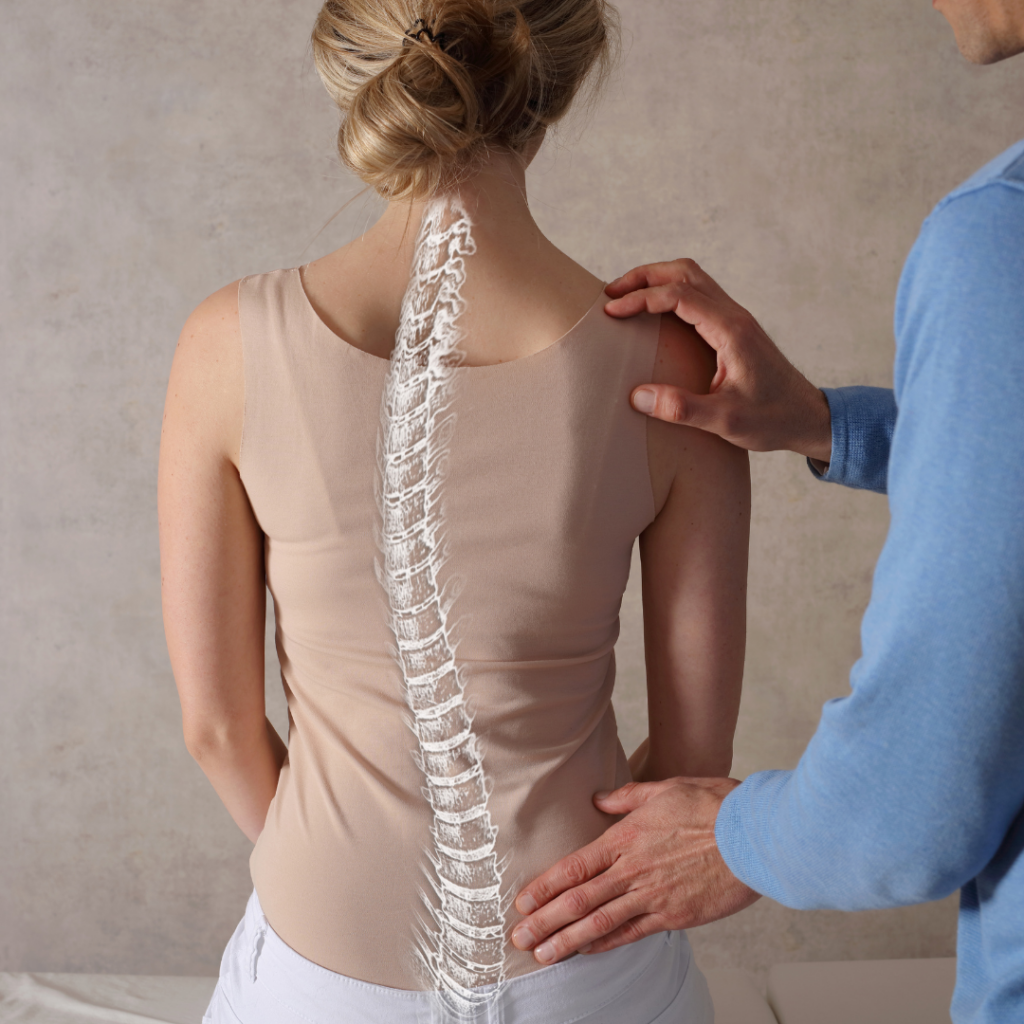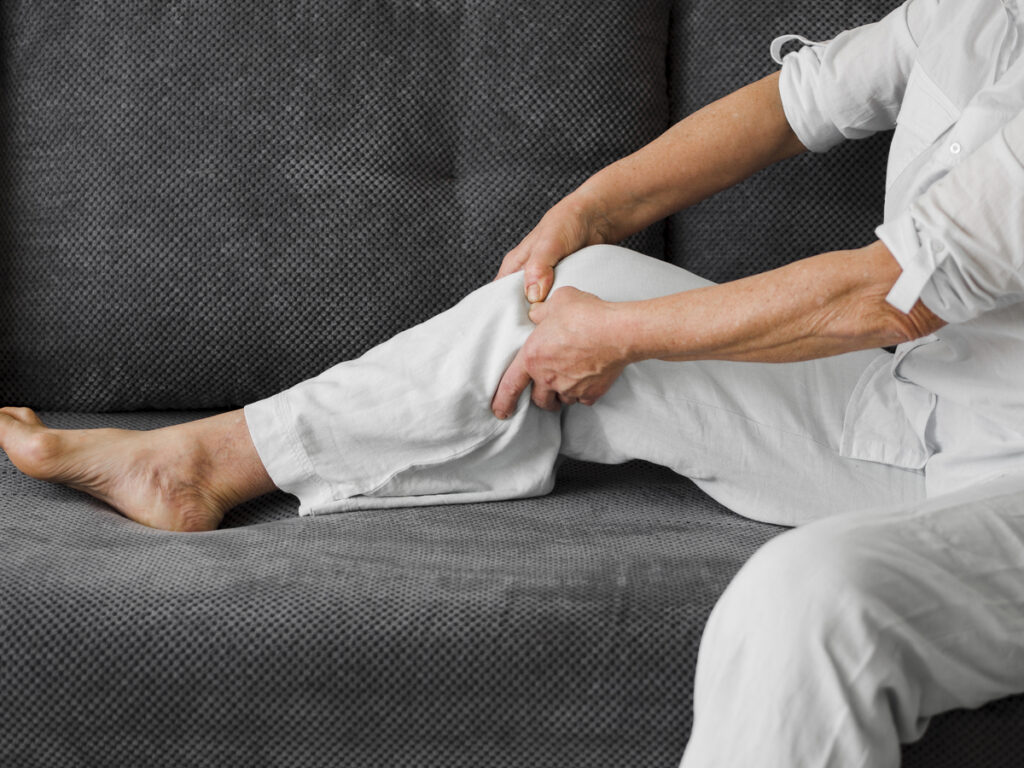
As a local chiropractor, I want to emphasize the importance of maximizing your athletic performance during injury recovery by adopting a thoughtful and informed approach. Understanding the specifics of your injury is crucial, and seeking professional guidance can ensure you're on the right path to healing.
Prioritizing rest is essential, and incorporating gentle movements can aid in your recovery. However, it's often difficult to determine when to push your limits and when to take it easy.
Finding the right balance between recovery and maintaining your fitness is key, and there are effective strategies we can explore together to help you navigate this challenging phase.
Through chiropractic care, we can focus on promoting natural healing, enhancing your body's functionality, and ensuring you return to your athletic pursuits stronger than before.
Let's delve into these strategies and discover how they can support your recovery journey.
Understand Your Injury
As a local chiropractor, I want to help you understand the nature and severity of your injury so that you can effectively recover. It's crucial to take a moment to assess what happened and how it's impacting your body. Is it a sprain, strain, or perhaps a fracture? Each type of injury calls for a tailored approach to recovery, and identifying the specifics is essential.
Pay close attention to the symptoms you're experiencing. Are you dealing with swelling, pain, or limited movement? These indicators can help you gauge the seriousness of your injury.
Next, let's talk about the recovery timeline. Some injuries heal relatively quickly, while others may take weeks or even months. It's important not to rush the healing process; pushing yourself too hard can lead to further complications. Instead, focus on how you can support your body in healing. Rest is vital, but gentle movement is equally important. It helps maintain flexibility and strength, which are essential for a full recovery.
I encourage you to keep track of your pain levels and any changes you notice in your condition. Documenting your progress not only allows you to see how your injury evolves but can also be motivating as you work towards recovery.
Additionally, I recommend educating yourself on common recovery strategies specific to your injury type. Whether it's applying ice, using compression, or elevating the affected area, understanding what methods can aid in your healing can make a significant difference.
Seek Professional Guidance
When recovering from an injury, it's vital to consider the holistic approach that chiropractic care offers. As a local chiropractor, I encourage you to seek professional guidance to aid your recovery. Consulting with a chiropractor can help identify the root cause of your pain and provide adjustments that promote healing. Engaging with a physical therapist can complement this by offering targeted exercises and rehabilitation strategies. Additionally, I emphasize the importance of a balanced nutrition plan, as it plays a crucial role in supporting your body's healing process and overall recovery. Embracing natural healing methods can pave the way for a smoother and more effective recovery journey.
Consult a Sports Physician
Consulting a chiropractor can be a crucial step in your journey to recovery from sports injuries. When you find yourself sidelined due to an injury, it's important to seek out specialized care that understands the intricate relationship between your body mechanics and athletic performance. Chiropractors are experts in assessing and treating musculoskeletal injuries, and they can provide a comprehensive evaluation tailored to your specific needs.
During your visit, a chiropractor will conduct a thorough examination to understand your injury and its impact on your overall well-being. This assessment allows them to deliver an accurate diagnosis and identify any underlying issues that might be contributing to your discomfort.
Once your condition is evaluated, your chiropractor will create a personalized treatment plan designed specifically for you. This plan may include spinal adjustments, soft tissue therapies, and recommendations for exercises that promote healing and strengthen your body. Their holistic approach not only addresses your current injury but also helps you avoid common setbacks that can impede your recovery or lead to re-injury.
Chiropractors are skilled in monitoring your progress throughout your recovery journey. They will adjust your treatment plan as necessary to ensure that you are healing effectively and safely returning to your sport. Additionally, they can provide valuable insights into injury prevention strategies and natural healing methods, empowering you to build resilience and strength for future athletic endeavors.
Don't overlook the potential benefits of professional chiropractic care. By consulting with a chiropractor, you're taking a proactive step toward enhancing your athletic performance and facilitating a safe, efficient recovery. Prioritize your health and consider expert guidance when dealing with an injury—your body will thank you!
Engage a Physical Therapist
Working with a chiropractor can significantly support your recovery process after a sports injury. Chiropractors are trained to assess your specific needs and develop personalized treatment plans that focus on natural healing. They aim to restore your body's alignment, improve your range of motion, and enhance your overall performance while minimizing the risk of re-injury.
During your visits, your chiropractor will guide you through various techniques designed to address imbalances and strengthen your body. They will also provide education on proper movement patterns to ensure you engage in activities safely and effectively as you return to your sport.
In addition to spinal adjustments, chiropractors can offer complementary therapies such as soft tissue work and rehabilitative exercises that promote healing and enhance recovery. They will closely monitor your progress, making necessary adjustments to your treatment plan to ensure you are moving forward effectively.
It's crucial to maintain open communication with your chiropractor about your pain levels and any concerns you may have. This feedback allows them to fine-tune your recovery approach. By choosing to work with a chiropractor, you are investing in a holistic and natural path to recovery that can significantly increase your chances of returning to full strength and peak performance.
Follow a Nutrition Plan
As a local chiropractor, I want to emphasize the crucial role that a well-structured nutrition plan can play in your injury recovery journey. Supporting your body's healing process with the right foods is essential. I highly recommend consulting with a registered dietitian or nutritionist who can help you create a personalized nutrition plan that fits your specific needs.
Incorporating ample protein sources such as lean meats, fish, beans, and legumes is vital, as these nutrients help repair and regenerate muscles. Additionally, healthy fats from sources like avocados, nuts, and olive oil can play a significant role in reducing inflammation, which is often a barrier to recovery. It's also important to include carbohydrates in your diet, as they provide the energy necessary for both your recovery and daily activities.
Don't overlook hydration; drinking sufficient water is key to transporting nutrients to your cells and flushing out toxins. I recommend aiming for at least eight glasses a day, adjusting for your activity level and the climate you live in.
Lastly, while supplements may be beneficial, it's essential to consult with a healthcare professional before adding them to your routine. They can provide guidance on specific vitamins and minerals that may support your recovery, such as vitamin D, calcium, and omega-3 fatty acids. By following a thoughtful nutrition plan, you can enhance your healing process and get back to your athletic pursuits more effectively. Remember, natural healing is a holistic journey, and nutrition plays a significant role in it.
Prioritize Rest and Recovery
As a local chiropractor, I want to emphasize the vital importance of prioritizing rest and recovery in your healing journey, especially when dealing with injuries. Your body is a remarkable machine that requires time to repair itself, and pushing through pain or fatigue can often lead to more serious issues. It's crucial to listen to your body and provide it with the downtime it needs for effective healing.
Remember, recovery is not just about physical rest; mental wellness plays a significant role as well. Stress can hinder your healing process, so it's essential to step away from your daily routines and allow yourself some relaxation.
To aid in your recovery, I recommend creating a personalized recovery plan that incorporates plenty of sleep and downtime. Aim for 7 to 9 hours of restorative sleep each night, as this is when your body works hardest to heal itself. If you're having trouble achieving restful sleep, consider establishing a calming bedtime routine or reducing screen time before bed to promote better rest.
In addition to sleep, integrating relaxation techniques, such as meditation or deep breathing exercises, can be beneficial. These practices help lower stress levels and foster a sense of calm, which can further support your recovery.
It's important to note that rest doesn't equate to complete inactivity. Gentle movements, like walking or stretching, can enhance blood flow and support your recovery without putting additional strain on your body.
I encourage you to engage in open communication with your healthcare provider about your recovery plan. They can offer tailored advice on the right amount of rest you need based on your specific injury and individual circumstances. Remember, prioritizing rest and recovery is not a sign of weakness; it's a crucial step toward regaining your strength and returning to optimal performance.
Implement Physical Therapy
After prioritizing rest and recovery, the next step in your healing journey could be to consider chiropractic care as part of your rehabilitation process. This holistic approach can help restore strength, flexibility, and overall function, allowing you to return to your activities safely and effectively. Working with a qualified chiropractor can truly enhance your recovery experience. Here's how you can make the most of your chiropractic sessions:
- Set Clear Goals: It's important to discuss your recovery objectives with your chiropractor. Whether you're looking to alleviate pain, improve mobility, or enhance your overall wellness, having clear goals will keep you focused on your healing journey.
- Follow the Recommended Plan: Adhere to the treatment plan your chiropractor designs for you, which may include spinal adjustments, exercises, and lifestyle modifications. Consistency is essential, and following these recommendations will significantly aid in your recovery.
- Communicate Openly: Always share any discomfort or concerns with your chiropractor. Open communication allows them to tailor your treatment more effectively, ensuring your recovery process is as smooth as possible.
- Stay Positive and Patient: Healing is a journey that takes time, and it's common to experience both progress and setbacks along the way. Maintaining a positive mindset will help you stay motivated and committed to your health.
Incorporating chiropractic care not only supports your recovery but also plays a vital role in preventing future injuries. By actively engaging in your healing process, you're making significant strides towards achieving optimal health and performance. Embrace this journey, and before you know it, you'll be back to doing what you love with renewed vigor.
Utilize Ice and Compression
As a local chiropractor, I want to share with you how utilizing ice and compression can significantly aid in your recovery from injuries. When you sustain an injury, your body naturally enters a repair mode, which can lead to swelling and inflammation. This is where ice therapy comes into play. By applying ice, you help constrict blood vessels, reducing blood flow to the affected area. This not only minimizes swelling but also numbs pain, giving you quick relief.
For effective ice therapy, try applying ice to the injured area for about 15 to 20 minutes every couple of hours. Remember to wrap the ice in a cloth or towel to protect your skin from frostbite. You can use ice packs, frozen vegetables, or even create your own ice pack at home. Consistency is key here; sticking to this routine can significantly speed up your recovery.
Now, let's talk about compression, which works in tandem with ice therapy. By using a compression bandage, you can further reduce swelling and offer support to the injured area. This added support helps stabilize your injury and can prevent further damage. Just ensure that the bandage is snug but not overly tight, as you don't want to restrict circulation.
When you combine ice and compression, you're setting yourself up for an enhanced recovery process and improved mobility. I always emphasize to my patients that the sooner you begin these treatments, the better your chances are for a swift return to your activities. Listen to your body, and if your symptoms persist, don't hesitate to reach out for professional guidance. Ice and compression can truly be your best allies in getting back on your feet and performing at your best.
Focus on Nutrition
As a local chiropractor, I want to emphasize that recovery from an injury involves more than just managing discomfort; nutrition is a key player in your healing journey. The foods you choose to eat can significantly influence your recovery time and overall health. It's essential to nourish your body with the right nutrients to facilitate healing and bolster your immune system. Here's how you can focus on nutrition during your recovery process:
- Protein: Make sure to include lean proteins in your diet, such as chicken, fish, and legumes. Protein is vital for repairing tissues and muscles after an injury, which is crucial for your recovery.
- Healthy Fats: Embrace healthy fats found in foods like avocados, nuts, and olive oil. These fats not only taste great but also help reduce inflammation and contribute to your overall health.
- Vitamins and Minerals: Pay attention to incorporating foods rich in vitamins C and D, along with zinc. Citrus fruits, leafy greens, and fortified dairy products are excellent choices that can strengthen your immune system and enhance tissue repair.
- Whole Grains: Opt for whole grains like brown rice, quinoa, and oats to provide your body with the energy it needs. These complex carbohydrates offer sustained energy, which is vital for a smooth recovery.
Stay Hydrated
As your local chiropractor, I want to emphasize the importance of staying hydrated for your healing journey. Water is crucial for nearly every function in your body, and when you're recovering from an injury, your body requires additional fluids to repair tissues, transport nutrients, and eliminate waste effectively. If you become dehydrated, it can slow down these vital processes, prolonging your recovery and possibly leading to further complications.
I encourage you to make it a habit to drink water throughout the day. Carrying a reusable water bottle can help you stay on track by allowing you to sip on water during meals, workouts, and even while you're resting. Remember, it's not just about drinking when you feel thirsty—by that time, you might already be experiencing dehydration. A good rule of thumb is to aim for clear, light-colored urine, which is a simple indicator of your hydration levels.
If you're involved in physical therapy or light workouts as part of your recovery, sports drinks can be beneficial too. They help replenish electrolytes lost through sweat, which is vital for maintaining muscle function and preventing cramping. Just be cautious about the sugar content; opting for low-sugar versions is usually a healthier choice.
In addition to drinking water, consider incorporating water-rich foods into your diet. Fruits and vegetables like cucumbers, watermelon, oranges, and leafy greens are excellent choices that not only contribute to your hydration but also provide essential vitamins and minerals needed for your recovery.
Gradually Return to Activity
Returning to activity after an injury is a journey that requires both patience and determination, especially as you navigate the healing process. As a local chiropractor, I want to emphasize the importance of being cautious and deliberate in your approach to recovery. Rushing back into your routine can lead to setbacks and prolong your healing. Here are four essential steps to help you gradually return to activity with a focus on natural healing:
- Start Slow: It's vital to begin with low-impact exercises that won't place undue stress on your injury. Activities such as walking, swimming, or cycling are excellent choices to help maintain your fitness levels while allowing your body to heal.
- Increase Duration Gradually: Once you feel comfortable with these low-impact activities, you can start to gradually extend your exercise duration. For instance, if you begin with 10 minutes, try adding an additional 5 minutes each week. This incremental approach will give your body the time it needs to adapt.
- Incorporate Strength Training: After a few weeks of consistent activity, you can gently introduce strength training exercises that focus on the muscles surrounding the injured area. This is crucial in rebuilding strength and providing support during your recovery.
- Listen to Your Body: It's essential to stay attuned to how your body responds during and after each exercise session. If you notice any discomfort or pain, it's important to scale back and reassess your routine. Your body will give you signals—pay attention to them to avoid aggravating your injury further.
Monitor Pain Levels
As a local chiropractor dedicated to your health and recovery, I want to emphasize the importance of monitoring your pain levels throughout your healing journey. Understanding how your body feels is essential as it can guide our approach to your rehabilitation and help you achieve the best possible outcomes.
Begin by maintaining a pain diary, where you can record your pain levels at different times of the day. Pay special attention to how you feel during and after various activities. Use a simple scale from 1 to 10, where 1 represents minimal discomfort and 10 signifies unbearable pain. This practice not only helps you track your progress but also allows us to identify any patterns or triggers that might be affecting your recovery.
It's crucial to take note of any changes in your pain. If you experience increased discomfort following specific activities or during certain movements, it may indicate that you're overexerting yourself or that your injury is not healing as we hoped. This is important information to share with me during our sessions, as it can help us adjust your treatment plan to better suit your needs.
Listening to your body is key. If you're feeling pain, it's perfectly acceptable to rest and modify your activity levels. Recovery is not just about pushing through discomfort; it's about finding the right balance between activity and rest. Trust your instincts, and remember that monitoring your pain levels is a proactive strategy for natural healing. By staying attuned to your body, we can work together to create a more effective and efficient recovery process tailored just for you.
Set Realistic Goals
As you embark on your journey towards better health and recovery, setting realistic goals is crucial for maintaining motivation and tracking your progress. At our chiropractic clinic, we believe that establishing achievable targets can significantly enhance your confidence and provide a clear path for your healing process. Here's how to approach goal-setting effectively from a chiropractic perspective:
- Evaluate Your Current Health Status: It's important to understand your body's current condition and any limitations you may have. By assessing your physical capabilities, we can help you set attainable benchmarks that align with your healing journey.
- Break Down Your Goals: Rather than aiming for a large, distant milestone, we recommend breaking your goals into smaller, manageable steps. For example, if your ultimate goal is to improve your overall mobility, we might start with gentle stretches or specific exercises to increase your range of motion.
- Be Specific and Measurable: When setting goals, clarity is key. Instead of a vague aim like "I want to feel better," consider a more specific goal such as "I want to reduce my back pain by 50% in the next month through regular chiropractic adjustments and prescribed exercises."
- Establish a Realistic Timeline: Setting a timeframe for your goals is essential. This not only helps keep you accountable but also allows you to celebrate your progress along the way. For instance, you might aim to achieve a specific level of pain relief or mobility within a set period, and we can adjust your treatment plan as needed.
Conclusion
Injury recovery can be a crucial time for athletes, but it doesn't mean you have to pause your performance entirely. As a local Chiropractor, I want to emphasize the importance of understanding your injury and seeking professional guidance for a holistic recovery. Rest is essential, but that doesn't mean you have to be inactive. Gentle movements and specific exercises can help maintain your fitness levels while your body heals.
Staying well-hydrated is vital, as it supports your body's natural healing processes. I also recommend incorporating chiropractic care into your recovery plan. Our tailored adjustments and physical therapy techniques can enhance your healing, reduce pain, and improve mobility.
As you begin to ease back into your routine, it's important to listen to your body. Monitoring your pain levels will help you set realistic goals and stay motivated. Remember, recovery is a journey, and with the right approach, you'll emerge stronger and more prepared to compete. Let's work together to ensure you bounce back effectively and safely!