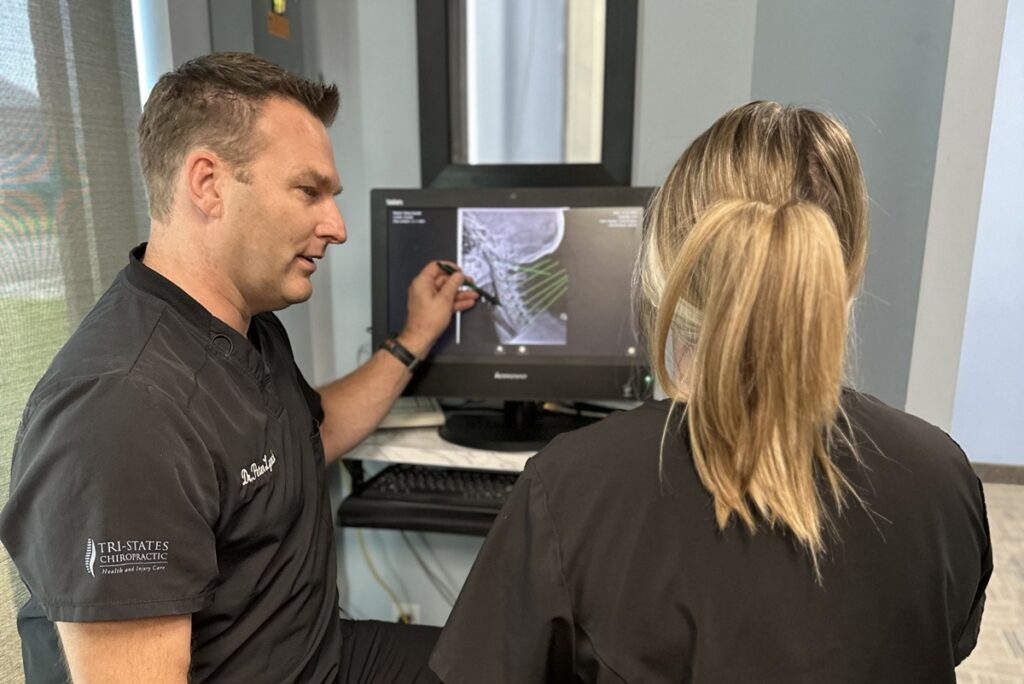
If you’re struggling with cluster headaches, you’re likely aware of how overwhelming they can be. Managing these intense episodes calls for a comprehensive approach, and chiropractic care can be a vital part of your journey towards relief and wellness. By understanding your triggers and making some lifestyle adjustments, you can regain control over your health.
Consider keeping a journal to track your headaches. This can help you identify patterns and triggers, which is essential for effective management. Additionally, incorporating relaxation techniques such as deep breathing or gentle stretching can alleviate tension and promote overall well-being.
Chiropractic care focuses on ensuring your spine and nervous system are functioning optimally, which can significantly impact your overall health. Regular adjustments may help reduce the frequency and intensity of your cluster headaches by improving spinal alignment and reducing stress on your nervous system.
Moreover, exploring natural healing methods, such as proper hydration, a balanced diet, and regular physical activity, can enhance your body’s resilience against headaches. Remember, you’re not alone in this journey; seeking support from a chiropractor can provide you with personalized strategies tailored to your needs.
Ultimately, embracing a holistic approach to wellness through chiropractic care can empower you to manage your cluster headaches more effectively and lead a healthier, happier life.
Key Takeaways
- Start a personal trigger journal to help you identify headache triggers, such as alcohol and stress. By understanding your body’s signals, you can take proactive steps to avoid these triggers.
- Establish a consistent sleep schedule and develop a calming bedtime routine. Quality sleep is essential for overall health and can significantly impact headache frequency and severity.
- Remember to stay hydrated throughout the day. Dehydration can intensify headache symptoms, so keep a water bottle handy to ensure you’re drinking enough fluids.
- Consider regular chiropractic adjustments. This gentle, non-invasive treatment can improve spinal alignment, which may reduce headache frequency and severity by relieving tension in the nervous system.
- Explore natural remedies like essential oils, and adopt stress relief techniques such as yoga or meditation. While these practices can be beneficial, integrating chiropractic care into your routine can enhance their effectiveness by promoting overall body balance and wellness.
By focusing on these strategies, you can manage your cluster headaches effectively and prioritize your natural healing journey. Remember, chiropractic care is a powerful ally in achieving optimal health and well-being.
Understanding Cluster Headaches
When dealing with cluster headaches, you’re facing one of the most intense forms of headache. These headaches can strike suddenly and last from 15 minutes to three hours, often causing pain that centers around one eye or one side of your head. Many people describe this pain as excruciating. Alongside the headache, you may experience other symptoms like nasal congestion or tearing in the affected eye, adding to the distress.
Cluster headaches occur in cycles known as cluster periods, where you might experience frequent attacks for weeks or even months, followed by periods of relief. It’s important to understand that these headaches differ from migraines or tension headaches, primarily due to their intensity and duration.
As a chiropractor, I want to emphasize the importance of holistic approaches to managing pain, including cluster headaches. Chiropractic care focuses on spinal health and overall wellness, which can play a significant role in reducing headache frequency and intensity. By ensuring that your spine is aligned and functioning optimally, you may find relief from the discomfort associated with these headaches.
Here are some tips to help manage the discomfort of cluster headaches naturally:
- Stay Hydrated: Dehydration can exacerbate headaches. Make sure to drink plenty of water throughout the day.
- Maintain a Regular Sleep Schedule: Disruptions in sleep can trigger headaches. Aim for consistent sleep patterns to help regulate your body’s natural rhythms.
- Practice Stress Relief: Techniques such as yoga, meditation, and deep breathing exercises can help alleviate stress, which may reduce headache occurrences.
- Consider Your Diet: Some foods might trigger headaches. Keep a food diary to identify and eliminate potential culprits.
- Regular Chiropractic Adjustments: Regular visits to a chiropractor can help maintain spinal alignment, which may contribute to reduced headache frequency and severity over time.
By understanding cluster headaches and exploring natural methods to manage them, you can take proactive steps toward achieving better health and wellness.
Identifying Triggers
Identifying your triggers can be essential in managing cluster headaches, and chiropractic care can play a significant role in this process. Familiarizing yourself with common triggers is a great first step, and I recommend keeping a personal trigger journal. This can help you track patterns and gain insights into what may be contributing to your headaches.
By understanding your triggers, you can take proactive steps to manage them, potentially reducing the frequency and intensity of your headaches. Incorporating regular chiropractic adjustments into your wellness routine can also support your overall health, helping to align your spine and improve nervous system function.
In addition to chiropractic care, consider some general tips for managing your headaches naturally. Staying hydrated, maintaining a balanced diet, and managing stress through techniques like deep breathing or yoga can be beneficial.
Prioritizing good sleep hygiene and taking breaks to stretch and move throughout the day can also help alleviate tension that might lead to headaches.
Common Triggers Overview
Understanding common triggers for cluster headaches can significantly enhance your ability to manage and prevent these painful episodes. Recognizing what may lead to an attack allows you to take proactive steps to reduce their frequency and intensity. Here’s a helpful reference table that outlines some common triggers, along with tips for managing them naturally:
| Trigger | Description | Tips to Avoid |
|---|---|---|
| Alcohol | Many individuals report headaches shortly after drinking. | Consider limiting or avoiding alcohol altogether. Focus on hydration with water or herbal teas instead. |
| Stress | Increased tension and stress can often lead to an attack. | Incorporate relaxation techniques such as deep breathing, yoga, or meditation into your daily routine. Chiropractic adjustments can also help alleviate tension and promote relaxation. |
| Sleep Changes | Irregular sleep patterns can provoke headaches. | Aim to maintain a consistent sleep schedule. Establish a calming bedtime routine and consult with your chiropractor for tips on improving sleep quality and spinal alignment, which can enhance rest. |
Personal Trigger Journaling
A personal trigger journal can be an excellent resource for managing cluster headaches, and as a chiropractor, I believe understanding your body is key to achieving optimal health. By tracking your headache episodes, you can identify patterns and potential triggers unique to you, which can complement your chiropractic care.
Begin by noting the date, time, and duration of each headache. It’s also helpful to record your daily activities, meals, sleep patterns, and stress levels leading up to an attack. This information can illuminate what may be causing your headaches and help you communicate better with your chiropractor about your symptoms.
Pay attention to environmental factors such as changes in weather, strong odors, or specific foods that may contribute to your discomfort. Over time, reviewing your entries can help you recognize consistent triggers, allowing you to take proactive steps to avoid them. This can ultimately lead to reducing the frequency and severity of your headaches.
In addition to tracking your headaches, consider supporting your spinal health through regular chiropractic adjustments. A well-aligned spine can alleviate tension and stress in the body, which may be contributing to your headaches. Chiropractic care focuses on natural healing and wellness, promoting a holistic approach to health that goes beyond just treating symptoms.
Lifestyle Modifications
When managing cluster headaches, making certain lifestyle modifications can be incredibly beneficial. As a chiropractor, I often see how these changes can support your overall wellness and spinal health, leading to a natural reduction in pain.
Simple dietary adjustments and improving your sleep hygiene can play a significant role in easing the frequency and intensity of your episodes. For instance, focusing on a balanced diet rich in anti-inflammatory foods can help your body fight off triggers that may lead to headaches. Incorporating more fruits, vegetables, and omega-3 fatty acids can enhance your overall health and support your nervous system. Staying hydrated is also crucial; dehydration can exacerbate headache symptoms.
Additionally, prioritizing quality sleep is essential. Establishing a consistent sleep schedule, creating a calming bedtime routine, and ensuring your sleep environment is comfortable can dramatically improve your rest.
Remember, good sleep hygiene not only helps reduce headaches but also supports your spinal health, which is vital for overall well-being.
Incorporating regular chiropractic adjustments can further enhance your health by improving spinal alignment, reducing tension, and promoting better blood flow. This natural approach to wellness can lead to significant improvements in your quality of life.
Dietary Adjustments
While dietary adjustments may not completely eliminate cluster headaches, they can significantly influence the frequency and severity of your episodes. Being mindful of your diet can play a key role in managing your symptoms, alongside the benefits of chiropractic care for overall well-being.
Here are some simple dietary tips that may help:
- Stay hydrated: Make sure to drink plenty of water throughout the day. Staying hydrated is essential for overall health and can help prevent headache triggers.
- Limit alcohol: Alcohol can be a known trigger for headaches. Consider reducing your intake or avoiding it altogether to see if it makes a difference.
- Avoid trigger foods: Pay attention to what you eat. Certain foods, like aged cheeses or processed meats, may provoke headaches for some people. Keeping a food diary can help you identify any patterns.
- Eat regular meals: Skipping meals can lead to drops in blood sugar, which might trigger a headache. Try to eat at regular intervals to keep your energy levels stable.
- Incorporate omega-3s: Foods rich in omega-3 fatty acids, such as fish, can help reduce inflammation in the body. Including these in your diet may support overall health.
Remember, while dietary changes can be beneficial, incorporating regular chiropractic care can also help you achieve optimal health and wellness.
Chiropractic adjustments can relieve tension and promote better spinal health, which may further assist in managing headache symptoms. Embrace a holistic approach to your health by combining dietary awareness with the natural benefits of chiropractic care!
Sleep Hygiene Practices
Managing cluster headaches can be a challenging journey, but incorporating good sleep hygiene is an essential part of achieving relief and overall wellness. As a chiropractor, I believe that a holistic approach to health can make a significant difference. Here are some simple tips to improve your sleep quality, which may help reduce the frequency of those pesky headaches.
First, establishing a consistent sleep schedule is vital. Try to go to bed and wake up at the same time every day. This routine helps regulate your body’s internal clock, making it easier to fall asleep and wake up feeling refreshed.
Next, create a calming bedtime routine that signals your body it’s time to unwind. This could include activities like reading a book or practicing relaxation techniques, but be sure to avoid screens and bright lights, as they can interfere with your ability to fall asleep.
Your sleep environment plays a crucial role in how well you rest. Keep your bedroom dark, cool, and quiet to create a comfortable atmosphere. Consider using blackout curtains or a white noise machine if needed.
Be mindful of what you consume in the hours leading up to bedtime. Limiting caffeine and alcohol can help improve your sleep quality. Both substances can disrupt your sleep patterns, so it’s best to enjoy them earlier in the day.
Regular physical activity can also promote better sleep. Engaging in light to moderate exercise during the day can help you feel more relaxed at night. Just be sure to avoid intense workouts close to bedtime, as they may have the opposite effect.
By following these practical sleep hygiene practices, you can enhance your sleep quality and support your body’s natural healing processes.
Acute Treatment Options
While cluster headaches can be incredibly debilitating, there are natural ways to help alleviate the pain and support your overall wellness. As a chiropractor, I believe in the body’s ability to heal itself, and there are various strategies that can complement chiropractic care to provide relief during an attack. Here are some options you might consider:
- Chiropractic Adjustments: Regular chiropractic care can help alleviate tension in the neck and spine, which may contribute to headaches. A chiropractor can assess your posture and spinal alignment, addressing any issues that could be triggering your headaches.
- Breathing Techniques: Practicing deep, calming breathing can help reduce stress and tension, which are often contributors to headache pain. Try inhaling deeply through your nose and exhaling slowly through your mouth to promote relaxation.
- Hydration: Staying well-hydrated is essential for overall health. Dehydration can exacerbate headaches, so make sure to drink plenty of water throughout the day.
- Natural Remedies: Consider using essential oils such as peppermint or lavender for their soothing properties. Applying a diluted version to your temples or using an oil diffuser can create a calming environment that may help alleviate discomfort.
- Lifestyle Adjustments: Maintaining a healthy lifestyle through regular exercise, a balanced diet, and adequate sleep can strengthen your body’s resilience to stress and pain. Incorporate gentle stretches and physical activity into your routine to keep your body in optimal condition.
- Stress Management: Techniques such as yoga, meditation, or mindfulness can greatly reduce stress, a common trigger for cluster headaches. Taking time for yourself to relax and unwind can be very beneficial.
Remember, while chiropractic care can play a crucial role in managing headaches, it’s always best to consult with a healthcare professional for personalized advice and to explore what combination of treatments works best for you.
Embrace a holistic approach to health, and your body will be better equipped to handle the challenges it faces.
Preventive Medications
If you’re experiencing frequent cluster headaches, it’s essential to explore natural ways to manage your condition and improve your overall well-being. Chiropractic care can be a powerful ally in addressing the root causes of your headaches, helping to relieve tension and promote healthy spinal alignment, which may reduce the frequency and intensity of your attacks.
Here are some tips to consider for natural headache relief:
- Chiropractic Adjustments: Regular visits to a chiropractor can help realign your spine and reduce nerve irritation, which may contribute to headaches. By improving your posture and spinal health, you could experience less pain and discomfort.
- Stress Management: High stress levels can trigger headaches. Incorporating relaxation techniques such as deep breathing, yoga, or meditation can help you manage stress and potentially reduce headache occurrences.
- Hydration: Staying well-hydrated is vital for overall health. Dehydration can lead to headaches, so aim to drink plenty of water throughout the day.
- Healthy Diet: Eating a balanced diet rich in whole foods, including fruits, vegetables, lean proteins, and healthy fats, can support your body and help prevent headaches. Avoiding known trigger foods, such as processed items or excessive caffeine, may also be beneficial.
- Regular Exercise: Engaging in regular physical activity can improve circulation, reduce stress, and promote overall wellness. Find an exercise routine that you enjoy, whether it’s walking, swimming, or practicing yoga.
- Posture Awareness: Poor posture can contribute to headaches. Be mindful of your posture when sitting, working, or using electronic devices. Consider ergonomic adjustments to your workspace to support spinal health.
By taking these natural steps and working closely with a chiropractor, you can find relief from cluster headaches while enhancing your overall health and wellness.
Alternative Therapies
If you’re struggling with cluster headaches, exploring alternative therapies can provide additional relief and complement your chiropractic care. While chiropractic adjustments focus on aligning the spine and improving nervous system function, incorporating other natural therapies can enhance your overall wellness. Here are some options to consider that align with a holistic approach to health:
- Chiropractic Adjustments: Regular chiropractic care can help alleviate tension in the neck and spine, which may contribute to headache pain. By optimizing spinal alignment, you can support your body’s natural healing processes.
- Acupuncture: This ancient practice targets specific pressure points to help reduce headache severity. Many patients find that acupuncture works well alongside chiropractic adjustments.
- Massage Therapy: Gentle massage can release muscle tension and improve circulation, providing additional relief from pain. Consider adding massage to your wellness routine to complement your chiropractic treatments.
- Herbal Supplements: Some individuals find relief with natural herbs like butterbur or feverfew. It’s important to consult your chiropractor or a healthcare professional before starting any new supplements to ensure they fit into your overall health plan.
- Biofeedback: This technique can empower you to manage physiological functions that may trigger headaches. Learning to recognize stress signals can be beneficial in reducing headache frequency and intensity.
- Meditation and Mindfulness: Practicing relaxation techniques can help you manage stress, which is often a trigger for cluster headaches. Incorporating mindfulness into your daily routine can enhance your mental and physical well-being.
Remember, maintaining a healthy lifestyle through proper nutrition, hydration, and regular chiropractic care can also play a significant role in preventing headaches.
Seeking Professional Help
When cluster headaches interfere with your daily life, it’s essential to explore all your options for effective relief, including the benefits of chiropractic care. A chiropractor can help assess your situation and create a personalized approach to managing your headaches naturally. By focusing on spinal health and overall wellness, chiropractic adjustments may help alleviate tension and improve your body’s ability to cope with pain.
Here are some key points to consider when seeking help for cluster headaches:
| Aspect | Importance |
|---|---|
| Spinal Alignment | Ensures proper nerve function and reduces tension |
| Natural Pain Relief | Utilizes body’s healing abilities without medications |
| Holistic Support | Addresses overall wellness, promoting a healthier lifestyle |
It’s crucial to communicate openly about your symptoms with your chiropractor. They may suggest specific adjustments, lifestyle modifications, or exercises that can help reduce the severity and frequency of your headaches. Remember, you are not alone in this journey—natural support is available through chiropractic care.
Prioritize your health and well-being by considering chiropractic as a proactive choice for managing pain, enhancing your quality of life, and fostering a more balanced, healthier you. Here are some additional tips you can incorporate into your daily routine:
- Stay Hydrated: Dehydration can trigger headaches, so ensure you’re drinking enough water throughout the day.
- Practice Good Posture: Maintaining proper posture can reduce strain on your neck and spine.
- Incorporate Relaxation Techniques: Techniques like deep breathing, yoga, or meditation can help manage stress, a common headache trigger.
- Regular Exercise: Physical activity can improve circulation and overall health, which may help reduce headache frequency.