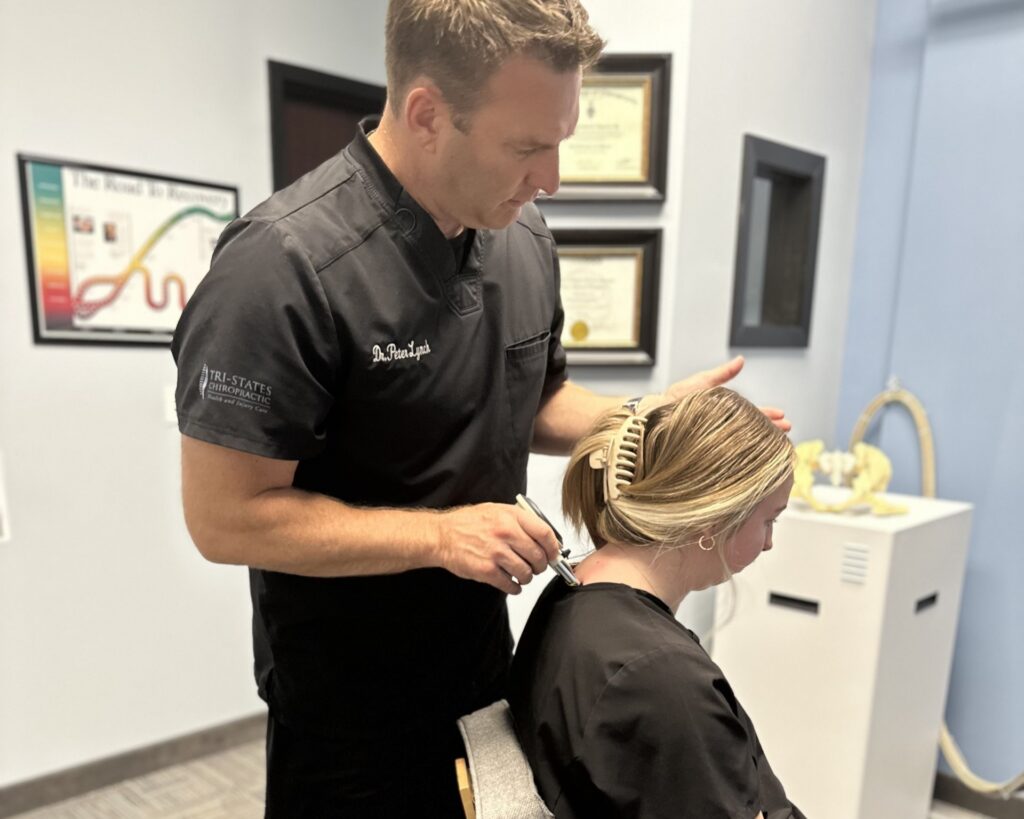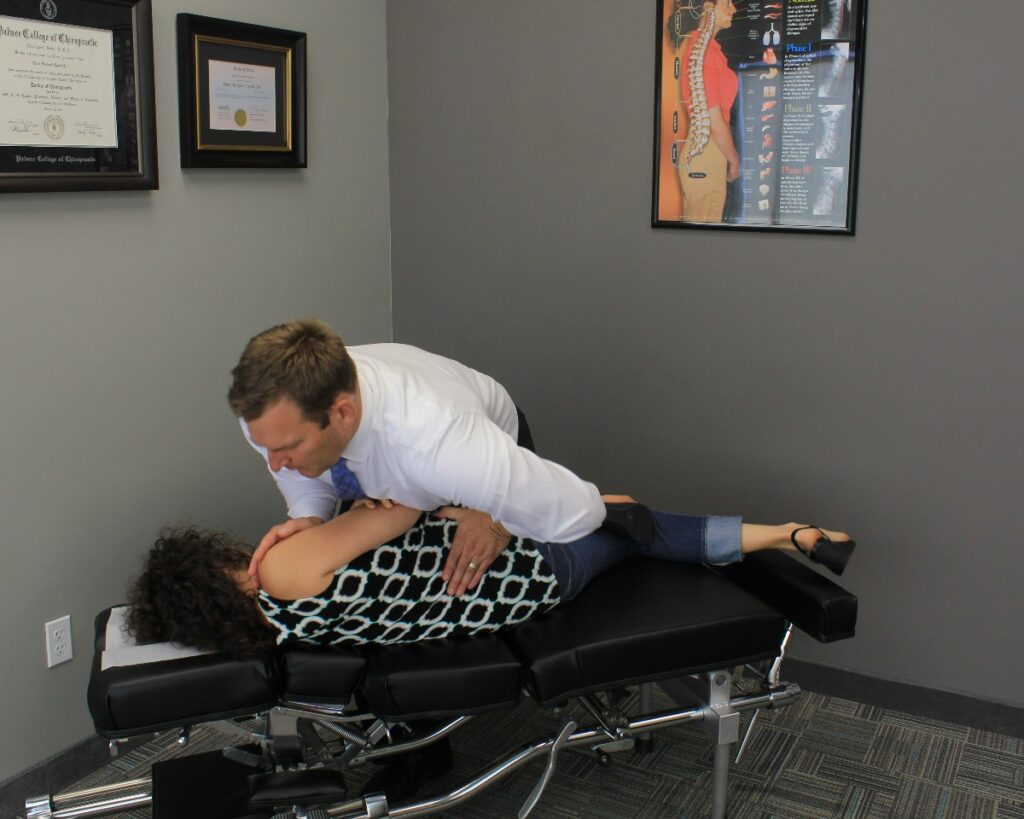
Everyday habits can significantly impact your spinal health, often leading to low back pain. As a local chiropractor, I want to highlight how factors like poor posture while sitting, a lack of physical activity, and improper lifting techniques can strain your spine over time. Additionally, your sleep quality and diet also play crucial roles in your overall well-being.
As you reflect on your lifestyle, consider what changes you could make to support your spine. Here are some simple tips:
- Mind Your Posture: When sitting, ensure your back is straight and shoulders are relaxed. Use a chair that supports your lower back, and try to keep your feet flat on the floor.
- Stay Active: Incorporating regular physical activity into your daily routine can strengthen your back muscles and improve flexibility. Aim for activities like walking, swimming, or yoga that promote spinal health.
- Lift Correctly: When lifting heavy objects, remember to bend at your knees, not your waist, and keep the object close to your body to reduce strain on your back.
- Improve Sleep Quality: Make sure your mattress provides adequate support. Sleeping on your side with a pillow between your knees can help maintain proper spinal alignment.
- Eat Well: A balanced diet rich in nutrients can support your overall health, including your spine. Foods high in omega-3 fatty acids, calcium, and vitamin D are particularly beneficial.
By being mindful of these lifestyle choices, you can take proactive steps toward relieving low back pain. Remember, chiropractic care is a natural and effective way to support your health and wellness journey. It focuses on aligning your spine, improving mobility, and reducing pain without the need for medications or surgeries. If you’re experiencing discomfort, consider visiting a chiropractor for a personalized approach to achieving optimal health.
Key Takeaways
- Maintaining good posture while sitting is crucial for reducing strain on your spine. When you sit properly, you support your back and can prevent discomfort and potential injuries over time. Consider setting up your workspace to encourage a neutral spine position—this could mean using an ergonomic chair or adjusting your desk height.
- Staying active is essential for a healthy spine. A sedentary lifestyle can weaken your muscles, which means less support for your spine and an increased risk of low back pain. Incorporating regular movement into your day, such as walking, stretching, or gentle exercise, can help strengthen your back and improve overall wellness.
- When lifting heavy objects, it’s important to use proper techniques to protect your back. Instead of bending at the waist, try to squat down and lift with your legs. This approach reduces the strain on your back and minimizes the risk of injury. If you’re unsure how to lift safely, a chiropractor can provide valuable guidance.
- Carrying excess weight can put additional strain on your spine, making you more susceptible to discomfort and misalignment. Focusing on a balanced diet and regular physical activity can help maintain a healthy weight and alleviate some of that pressure on your back.
- Quality sleep is vital for spinal health. An inadequate mattress can worsen spinal alignment and contribute to persistent back pain. Investing in a supportive mattress and practicing good sleep habits can improve your sleep quality and, in turn, your overall health.
Remember, chiropractic care is an excellent option for promoting natural healing and achieving optimal health. Regular visits to your chiropractor can help address any spinal issues, providing you with personalized advice and treatment to keep your back healthy. Taking these steps can lead to a pain-free, healthier lifestyle!
Poor Posture While Sitting
Your body’s alignment is essential for maintaining a healthy spine, particularly when you’re spending long hours sitting. Poor posture can lead to increased strain on your spine and the surrounding muscles, often resulting in discomfort and pain. When you slouch or lean forward, you’re putting unnecessary pressure on your lower back, which can lead to chronic issues if not properly addressed.
To support your spinal health, focus on maintaining good posture while sitting. Keep your feet flat on the floor and your knees bent at a right angle. Make sure your back is supported by the chair, and keep your shoulders relaxed and aligned—not slumped. It’s also important to position your computer screen at eye level to prevent straining your neck.
In addition to practicing good posture, I encourage you to take regular breaks. Stand up, stretch, or take short walks throughout your day. These simple actions can help reduce the negative effects of prolonged sitting and promote better spinal health.
Lack of Physical Activity
Neglecting regular physical activity can significantly contribute to low back pain. When you lead a sedentary lifestyle, your muscles weaken and your spine loses the support it needs, leading to discomfort and potential injuries over time.
As a local chiropractor, I want to share four essential reasons why staying active is crucial for your back health and how chiropractic care plays a vital role in this journey:
- Strengthens Muscles: Engaging in regular exercises, especially those that focus on building core strength, helps provide better support for your spine. A strong core stabilizes your back and can prevent pain.
- Increases Flexibility: Staying active keeps your back flexible, reducing stiffness and tension. Incorporating gentle stretches or yoga into your routine can enhance your flexibility and help alleviate discomfort.
- Supports Weight Management: Being active is key to maintaining a healthy weight, which minimizes stress on your back. Chiropractic care can assist with your overall wellness goals, ensuring that your body functions optimally as you stay active.
- Boosts Blood Flow: Physical activity promotes circulation, delivering essential oxygen and nutrients to your spinal structures. This aids in recovery and reduces pain. Regular chiropractic adjustments can further enhance circulation and ensure your spine is properly aligned.
Incorporating physical activity into your daily routine, combined with chiropractic care, can have a significant impact on your overall back health.
Improper Lifting Techniques
When you lift objects improperly, you put your back at serious risk for pain and injury.
As a chiropractor, I want to emphasize the importance of using correct lifting techniques to protect your spine and overall health. By adopting proper posture and weight distribution, you can significantly reduce the likelihood of injury and discomfort.
Here are some essential tips to ensure you lift safely:
- Bend at Your Hips and Knees: Instead of bending at your waist, squat down by bending your hips and knees. This engages your leg muscles, which are stronger and better suited for lifting.
- Keep the Load Close: Hold the object you’re lifting as close to your body as possible. This reduces strain on your back and maintains your center of gravity.
- Engage Your Core: Tightening your abdominal muscles provides extra support for your spine, helping to prevent injury while lifting.
- Lift with Your Legs: Use the strength of your legs to lift, rather than relying on your back. Stand up by pushing through your heels and straightening your legs.
- Avoid Twisting: Keep your body facing forward while lifting. If you need to turn, move your feet instead of twisting your torso. Twisting can place unnecessary stress on your spine.
- Ask for Help: If an object feels too heavy or awkward, don’t hesitate to ask for assistance. It’s better to be safe than risk injury.
Incorporating these lifting techniques into your daily routine can help you maintain a healthy spine and prevent pain.
As a chiropractor, I believe in the power of natural healing and wellness. Regular chiropractic care can further enhance your spinal health, alleviate discomfort, and promote a healthier lifestyle.
Remember, taking care of your back today will pay off in the long run.
Let’s prioritize your health and well-being together!
Correct Lifting Posture
Lifting heavy objects without the right posture can lead to significant back pain, which is something we want to avoid for your overall health and wellness. To protect your spine while lifting, here are some essential guidelines that align with a natural approach to healing:
- Bend at the hips and knees: Instead of bending at your waist, squat down by bending at your hips and knees. This keeps your back straight and your chest up, ensuring that the weight is distributed more evenly. Think of it as preparing your body for a safe lift, much like the adjustments we make in chiropractic care to support your spine.
- Keep the load close: Hold the object as close to your body as possible. This reduces strain on your back, allowing for a safer lift. Keeping the load close is similar to maintaining proper alignment in your spine—it helps prevent unnecessary pressure on your muscles and joints.
- Engage your core: Tightening your abdominal muscles provides extra support during the lift. Just like how we focus on core strength in chiropractic care, activating your core can help stabilize your body and protect your spine from injury.
- Use your legs: When lifting, stand up using the strength of your legs instead of your back. This technique not only helps maintain proper alignment but also minimizes the risk of injury. It’s all about using your body’s natural mechanics to your advantage—something we emphasize during chiropractic adjustments.
By incorporating these tips into your daily routine, you can support your body’s natural healing processes and reduce the risk of back pain.
Weight Distribution Techniques
Improper weight distribution during lifting can significantly heighten your chances of experiencing low back pain. As a chiropractor, I want to emphasize the importance of maintaining proper lifting techniques to protect your spine. When lifting, always keep the load close to your body; this simple adjustment helps distribute the weight evenly and minimizes strain on your back.
Avoid reaching out too far or twisting your torso while lifting, as these actions can throw your back off balance and lead to discomfort. Instead, bend at your knees and keep your back straight to maintain an optimal posture. If the item you need to lift is heavy, don’t hesitate to ask for help or utilize equipment designed for lifting.
Engaging your core is another effective way to stabilize your spine during lifts. A strong core supports your back and can help prevent injuries. By practicing these weight distribution techniques, you not only safeguard your back but also enhance your overall lifting efficiency.
Inadequate Sleep and Mattress Quality
Inadequate Sleep and Mattress Quality: Your Path to Relief
As a local chiropractor, I want to highlight one often overlooked factor that can greatly contribute to low back pain: inadequate sleep and poor mattress quality.
If you find yourself waking up with discomfort, it may be time to take a closer look at your sleep environment.
Here are some important points to consider:
- Mattress Age: Is your mattress over 7-10 years old? If so, it might be time for an upgrade. An old mattress can lose its support and comfort, which can lead to pain.
- Support Level: Your mattress should support your spine properly. If it doesn’t, misalignment can occur, causing discomfort and pain. A mattress that conforms to your body’s natural curves can make a significant difference.
- Sleeping Position: Consider how you sleep. Are you a side, back, or stomach sleeper? Your mattress should accommodate your preferred sleeping position to help maintain spinal alignment throughout the night.
- Sleep Duration: Aim for 7-9 hours of quality sleep each night. Insufficient sleep not only affects your energy levels but can also increase your sensitivity to pain. Prioritizing good sleep hygiene is essential for overall well-being.
By addressing these factors, you can significantly improve your sleep quality and reduce your risk of low back pain.
Remember, chiropractic care can help support your journey to better sleep and pain relief. Regular adjustments can enhance your spinal health, promote relaxation, and lead to a more restful night’s sleep.
Prioritize your sleep, invest in a quality mattress, and consider chiropractic care as a natural way to achieve optimal health and wellness.
Your body will thank you!
Excess Weight and Poor Diet
Excess weight and poor diet can significantly affect your back health, and it’s important to understand how these factors play a role in your overall wellness. Carrying extra pounds places additional strain on your spine, which can lead to discomfort and pain. On top of that, a diet lacking essential nutrients can weaken your muscles and bones, making it even harder for your body to support your spine effectively.
Living a sedentary lifestyle can further complicate these issues. When you don’t get enough movement, your muscles can become weak and inflexible, contributing to more back pain and discomfort.
As a chiropractor, I want to emphasize that maintaining a healthy weight and diet is crucial for spinal health. Here are some simple tips to help you on your journey to better health:
- Stay Active: Aim for at least 30 minutes of physical activity most days of the week. This doesn’t have to be intense—walking, swimming, or even gentle stretching can make a big difference.
- Nourish Your Body: Focus on a balanced diet rich in fruits, vegetables, whole grains, and lean proteins. These foods provide the necessary nutrients to support your spine and overall health.
- Stay Hydrated: Drinking plenty of water is essential for maintaining healthy discs in your spine and for overall bodily function.
- Practice Good Posture: Be mindful of your posture, whether you’re sitting at a desk or standing. Proper alignment can help reduce strain on your back.
- Consider Chiropractic Care: Regular visits to a chiropractor can help address any misalignments in your spine, promote better posture, and provide personalized advice on how to maintain a healthy lifestyle.
Impact of Obesity
Carrying excess weight can significantly strain your lower back, often leading to discomfort and pain. When your body has extra pounds, it can affect your spine’s alignment and put additional pressure on your back muscles. As a local chiropractor dedicated to promoting health and wellness, I want to share how obesity impacts your lower back and how chiropractic care can help you achieve optimal health naturally.
- Increased Pressure: Extra weight adds stress to your spine and its discs. This can lead to misalignments that cause pain. Regular chiropractic adjustments can help realign your spine, alleviating this pressure and promoting better posture.
- Weakened Muscles: Carrying excess weight can weaken your core muscles, which play a crucial role in supporting your back. A chiropractor can guide you through exercises that strengthen your core, providing better support for your spine.
- Inflammation: Obesity is often linked to inflammation, which can worsen back pain. Chiropractic care focuses on reducing inflammation through spinal adjustments and lifestyle recommendations that promote overall wellness.
- Limited Mobility: Extra weight can make it difficult to stay active, leading to further weakness and discomfort. Engaging in regular chiropractic care can help improve your mobility, allowing you to participate in exercises that strengthen your back and overall body.
Tips for a Healthier Back:
- Incorporate gentle stretching and strengthening exercises into your routine to support your spine.
- Maintain a balanced diet to manage your weight effectively, which can help reduce strain on your lower back.
- Stay hydrated, as proper hydration supports spinal health and helps maintain flexibility in your muscles and joints.
- Schedule regular chiropractic visits to ensure your spine remains aligned and to address any discomfort before it becomes a bigger issue.
Nutritional Deficiencies
Obesity can contribute to several health challenges, including nutritional deficiencies that can worsen low back pain. When your diet is lacking in essential nutrients, your body struggles to maintain strong muscles and bones—key components for supporting your spine. This can lead to increased inflammation and discomfort, making everyday tasks feel much harder.
As a chiropractor, I often see how nutrition plays a critical role in overall wellness and pain relief. By addressing nutritional deficiencies, you can help alleviate back pain and support your chiropractic care. Here’s a quick look at some key nutrients and their impact on your health:
| Nutrient | Role in the Body | Deficiency Effects |
|---|---|---|
| Calcium | Supports bone health | Increased risk of fractures |
| Vitamin D | Aids calcium absorption | Weak bones and associated pain |
| Magnesium | Relaxes muscles | Muscle cramps and tension |
| Omega-3 Fatty Acids | Reduces inflammation | Increased pain sensitivity |
| Fiber | Supports digestive health | Potential weight gain and obesity |
To help support your body and alleviate back pain, consider these simple tips:
- Incorporate Dairy or Alternatives: Foods like yogurt, cheese, and fortified plant-based milks can provide calcium and vitamin D.
- Eat Leafy Greens: Vegetables such as spinach and kale are rich in magnesium, which can help relax your muscles.
- Include Fatty Fish: Salmon, walnuts, and flaxseeds are great sources of omega-3 fatty acids, which can help reduce inflammation.
- Add Whole Grains and Fruits: Foods high in fiber can help manage weight and support digestive health, making it easier for you to stay active.
- Stay Hydrated: Drinking plenty of water aids in digestion and overall health.
Sedentary Lifestyle Effects
Living a sedentary lifestyle can have significant negative effects on your back health. When we don’t stay active, we may not realize the toll it takes on our bodies until we start experiencing discomfort. Here are some common issues that can arise from a lack of physical activity, and how chiropractic care can help:
- Increased pressure on your spine: Carrying extra weight places additional strain on your back, leading to discomfort and pain. Chiropractic adjustments can help realign your spine, reducing pressure and promoting better posture.
- Weak core muscles: A sedentary lifestyle weakens the muscles that support your spine, making you more susceptible to injuries. A chiropractor can guide you through exercises that strengthen your core, which is essential for maintaining a healthy spine.
- Inflammation: Poor dietary choices often accompany a sedentary lifestyle, leading to inflammation that can exacerbate back pain. Chiropractic care emphasizes a holistic approach, including advice on nutrition and lifestyle changes that can help reduce inflammation and promote overall wellness.
- Reduced flexibility: Limited movement can make your body less flexible, contributing to stiffness and discomfort. Regular chiropractic adjustments can improve your range of motion, making it easier to move freely and comfortably.
To combat the negative effects of a sedentary lifestyle, consider incorporating these simple tips into your routine:
- Stay Active: Aim to incorporate physical activity into your daily life. Even short walks or stretching can make a difference.
- Strengthen Your Core: Focus on exercises that target your core muscles, which support your spine.
- Make Healthier Food Choices: Opt for whole, nutrient-dense foods that can help reduce inflammation.
- Schedule Regular Chiropractic Visits: Regular adjustments can help maintain spinal health and prevent discomfort.
Stress and Its Impact on Muscle Tension
Stress is something we all encounter in our daily lives, and it can significantly contribute to muscle tension, especially in your lower back. When stress strikes, your body automatically tightens muscles as a protective response, often without you even realizing it. Over time, this tension can build up, leading to chronic discomfort or pain.
If you notice that stressful moments make your back feel tight—particularly after sitting for long stretches or if your posture isn’t quite right—it’s important to take action. Recognizing these signs is the first step in managing stress and relieving tension.
Incorporating simple techniques into your routine can make a big difference. Deep breathing exercises, mindfulness practices, and regular physical activity can help release that accumulated muscle strain. These practices not only reduce stress but also support better muscle health, making them an essential part of your wellness journey.
Chiropractic care is a fantastic way to address the impact of stress on your body. By scheduling regular adjustments, you can help your spine stay aligned and your muscles relaxed, which can lead to less pain and greater mobility.