Low back pain can arise from various injuries, and understanding these triggers is crucial for prevention and maintaining a healthy spine. Common culprits include muscle strains and herniated discs, which can be surprisingly prevalent. Ligament sprains and bad posture also play a significant role in causing discomfort. If you’ve ever experienced radiating pain or numbness, it might be linked to nerve issues such as sciatica.
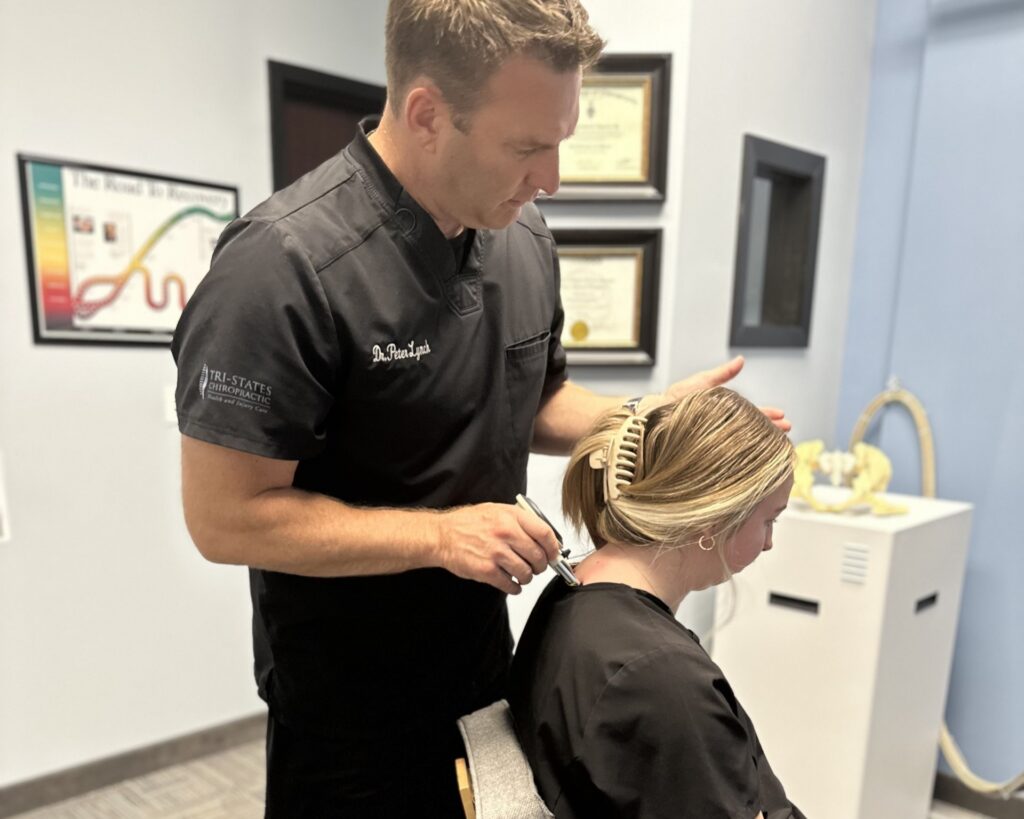
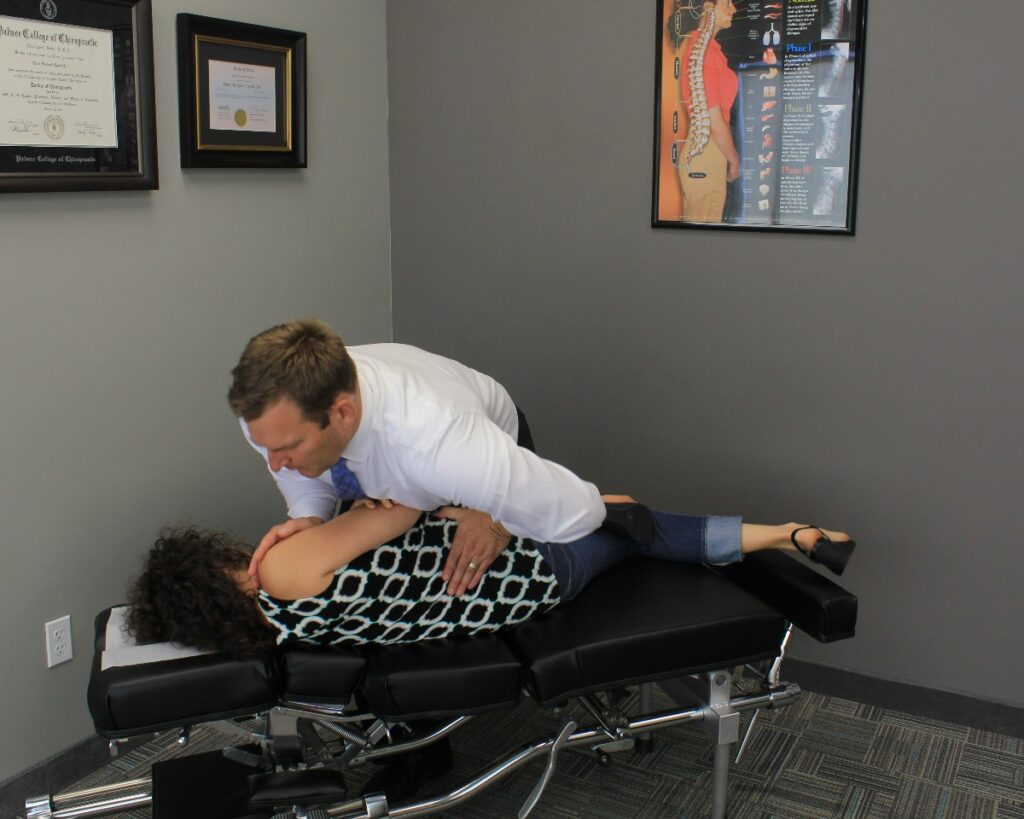
So, how can you effectively manage these conditions? Chiropractic care is an excellent option for addressing low back pain naturally. By focusing on spinal alignment and mobility, chiropractic adjustments can help relieve pain, restore function, and promote overall wellness without the need for medications or invasive procedures.
Here are some practical tips to help you maintain a healthy spine and prevent low back pain:
- Stay Active: Regular exercise strengthens the muscles that support your spine. Activities like walking, swimming, or yoga can enhance flexibility and reduce the risk of injury.
- Practice Good Posture: Be mindful of your posture when sitting, standing, or lifting. Keeping your back straight and using your legs to lift heavy objects can help prevent strain.
- Take Breaks: If you sit for long periods, make it a habit to stand up, stretch, and move around every 30 minutes to keep your spine healthy.
- Use Supportive Equipment: Invest in ergonomic chairs or cushions to support your lower back while sitting. This can significantly reduce strain and discomfort.
- Stay Hydrated: Drinking plenty of water helps maintain the elasticity of your spinal discs, which is crucial for overall spine health.
If you’re experiencing low back pain, consider visiting your local chiropractor. They can provide personalized care to address your specific needs and guide you on your journey to optimal health and wellness. Remember, taking proactive steps today can lead to a healthier, pain-free tomorrow!
Key Takeaways
- Muscle strains from sudden movements or overexertion can lead to sharp pain or dull aches in the lower back. To help prevent these strains, it’s important to warm up before engaging in physical activities and to practice proper lifting techniques. Chiropractic care can provide relief and help strengthen the muscles supporting your spine.
- Ligament sprains can occur from improper lifting techniques, causing instability and persistent pain in the lower back. By learning proper lifting methods and engaging in regular chiropractic adjustments, you can enhance your spine’s alignment and overall function, reducing the risk of sprains.
- Repetitive strain injuries often develop from repeated motions, especially when poor posture is involved. Maintaining good posture during daily activities is crucial. Regular visits to a chiropractor can help correct postural imbalances and alleviate chronic discomfort.
- Herniated discs occur when disc material presses on nerves, leading to sharp pain and numbness that radiates from the lower back to the legs. Chiropractic care can provide effective relief by realigning the spine and reducing nerve pressure, promoting natural healing.
- Spondylolisthesis involves one vertebra slipping over another, which can cause lower back pain and potential nerve compression, resulting in discomfort that travels to the legs. Chiropractic adjustments can help restore alignment and improve spinal stability, offering a non-invasive solution to alleviate pain.
As a general tip, incorporating regular exercise, stretching, and mindfulness practices into your routine can support spinal health and prevent injuries. Remember, chiropractic care is a holistic approach to achieving optimal health and wellness!
Muscle Strains
Muscle strains can catch you off guard, often arising from sudden movements or overexertion. Simple actions like bending, twisting, or lifting something heavy without proper warm-up can lead to a strain. This discomfort might manifest as a sharp pain or a dull ache in your lower back, making daily activities a challenge.
These injuries typically occur when muscles or tendons are stretched beyond their limits. You may experience stiffness or swelling, which can make it difficult to find a comfortable position. The good news is that with the right approach, you can find relief and support your body’s natural healing process.
Resting the affected area is essential, and applying ice can help reduce inflammation. Gentle stretching can be beneficial too, but it’s important to listen to your body and avoid pushing yourself too hard. This is where chiropractic care can truly shine! A chiropractor can help assess your condition and provide tailored adjustments to promote healing, alleviate pain, and restore function.
In addition to chiropractic care, here are some tips to aid your recovery and support your overall wellness:
- Stay Hydrated: Drinking plenty of water helps keep your muscles and tendons healthy.
- Practice Good Posture: Being mindful of your posture can prevent future strains and support spinal health.
- Incorporate Gentle Movements: Engage in light activities and stretches that don’t exacerbate your pain, promoting blood flow and flexibility.
- Heat Therapy: After the initial inflammation has subsided, applying heat can relax tight muscles and improve circulation.
- Consult a Chiropractor: Regular chiropractic visits not only help with recovery but also enhance your overall health and prevent future injuries.
Herniated Discs
Herniated discs can catch you off guard, causing discomfort and making it difficult to move freely.
When the soft material inside your spinal discs pushes through a tear in the tougher outer layer, it can press on nearby nerves. This often results in sharp pain, numbness, or weakness in your lower back or legs.
Common causes include heavy lifting, sudden twisting movements, or simply the wear and tear that comes with age.
If you’re dealing with a herniated disc, you might struggle to sit or stand comfortably for extended periods. Activities you once enjoyed could turn into challenges or even cause pain.
This is where chiropractic care truly shines. By focusing on spinal health, a chiropractor can help realign your spine, relieve pressure on nerves, and promote natural healing without the need for medications or invasive procedures.
In addition to regular chiropractic adjustments, there are several simple tips you can incorporate into your daily routine to support your recovery:
- Stay Active: Gentle movements, like walking or stretching, can help maintain flexibility and reduce stiffness.
- Practice Good Posture: Pay attention to how you sit, stand, and lift. Proper body mechanics can prevent further injury.
- Use Heat and Ice: Applying heat can relax tight muscles, while ice can reduce inflammation and numb pain. Alternate between the two for best results.
- Strengthen Core Muscles: Engaging in exercises that strengthen your core can support your spine and reduce the risk of future issues.
- Listen to Your Body: If something causes pain, it’s important to modify your activities accordingly.
Remember, addressing a herniated disc early with chiropractic care can help you recover more quickly and return to your daily activities.
Always consult with a chiropractor for a personalized assessment and treatment plan tailored to your needs.
Your journey to optimal health starts with taking care of your spine!
Sciatica
Sciatica can be a real pain, often manifesting as sharp, shooting discomfort that starts from your lower back and travels down your leg. This condition typically arises from issues like a herniated disc or spinal stenosis, which can put pressure on the sciatic nerve. You may also experience numbness or tingling sensations, making it tough to carry out daily activities comfortably.
Understanding Sciatica Symptoms:
| Symptom | Description | When it Occurs |
|---|---|---|
| Sharp Pain | Sudden, intense pain | While sitting or standing |
| Numbness | Loss of feeling in the leg | After prolonged sitting |
| Weakness | Difficulty moving the leg | During physical activity |
| Tingling Sensation | Pins and needles feeling | After periods of inactivity |
As a chiropractor, I want to emphasize that there are natural, effective ways to address sciatica without resorting to surgeries or medications. Here are some helpful tips to manage your discomfort and support your healing journey:
- Stay Active: Gentle movement can help alleviate symptoms. Try walking or light stretching to keep your body engaged.
- Stretch Wisely: Incorporate stretches that target the lower back and legs, such as hamstring stretches or piriformis stretches. These can help relieve tension.
- Heat and Ice Therapy: Applying heat can relax tight muscles, while ice can reduce inflammation. Alternate between the two for the best results.
- Posture Matters: Pay attention to your posture, especially when sitting. Use ergonomic chairs and maintain a straight back to reduce pressure on your spine.
- Chiropractic Care: Regular visits to a chiropractor can help realign your spine and relieve pressure on the sciatic nerve. Chiropractic adjustments are a safe and effective way to promote healing and restore mobility.
Taking proactive steps towards your health can significantly improve your quality of life. Embrace the natural healing benefits of chiropractic care and prioritize your wellness. If you’re struggling with sciatica, don’t hesitate to reach out for support!
Spondylolisthesis
When one vertebra slips out of place over another, it’s known as spondylolisthesis, and it can lead to significant lower back pain. This condition often occurs in the lower spine, where instability can cause discomfort, muscle spasms, and even nerve compression. If you’re feeling pain that radiates down your legs or limits your mobility, spondylolisthesis could be the issue.
You may notice that certain movements, like bending or lifting, make your pain worse. It’s important to listen to your body and seek guidance if your symptoms continue. As a chiropractor, I often find that many patients benefit from a thorough assessment, which may include physical examinations and imaging tests to better understand their condition.
The great news is that there are many non-invasive treatment options available through chiropractic care. By focusing on spinal adjustments and manipulation, we can help realign your vertebrae, reduce pain, and improve mobility. Additionally, physical therapy, core strengthening exercises, and good posture practices can play a crucial role in alleviating symptoms.
Here are some simple tips you can incorporate into your daily routine to help manage your condition:
- Stay Active: Gentle activities like walking or swimming can keep your spine healthy without putting too much strain on it.
- Strengthen Your Core: Engaging in core-strengthening exercises can provide better support for your spine.
- Practice Good Posture: Whether sitting, standing, or lifting, maintaining proper posture can help prevent additional strain on your back.
- Use Proper Lifting Techniques: Always bend at your knees and lift with your legs rather than bending at your waist.
- Stay Hydrated: Drinking plenty of water is essential for overall spinal health.
Understanding spondylolisthesis is an important step in managing your pain effectively. With the right approach and a commitment to natural healing through chiropractic care, you can work towards achieving optimal health and wellness. If you’re experiencing discomfort, consider scheduling a consultation to discuss how chiropractic care can help you regain control of your health and improve your quality of life.
Osteoarthritis
Osteoarthritis can subtly sneak into your life, gradually wearing down the cartilage that cushions the joints in your spine.
As this cartilage breaks down, you may start to experience stiffness and pain, particularly after sitting or standing for extended periods. Certain movements might even trigger discomfort, making daily tasks feel more difficult than they should be.
Often, osteoarthritis develops as we age or due to repeated stress on the spine, leading to inflammation in the surrounding tissues. It can become challenging to stay active, and this lack of movement can actually worsen the pain, creating a cycle of inactivity that can be tough to break.
As a chiropractor, I want to emphasize the importance of a proactive approach to managing osteoarthritis. Staying active is key—gentle exercises, like walking or stretching, can help keep your joints flexible and reduce stiffness. Maintaining a healthy weight can also ease the burden on your spine, reducing pain and discomfort.
Incorporating chiropractic care into your routine can be one of the best choices for achieving optimal health and natural pain relief. Chiropractic adjustments can help improve spinal alignment, enhance mobility, and reduce inflammation, allowing your body to heal naturally.
If you find that the discomfort persists, seeking guidance from a chiropractor can provide you with personalized strategies to manage your symptoms and improve your quality of life. Remember, taking small steps towards a healthier lifestyle can make a big difference. Stay active, listen to your body, and don’t hesitate to reach out for help when you need it. Your path to wellness is just a chiropractic visit away!
Spinal Stenosis
Spinal stenosis can cause discomfort and limit your mobility, but understanding it’s the first step toward relief. As a chiropractor, I want to help you recognize the causes and symptoms of spinal stenosis, so you can take charge of your health and well-being.
Spinal stenosis occurs when the spaces within your spine narrow, often leading to pressure on the spinal cord and nerves. This can happen due to aging, arthritis, or injuries. Common symptoms include pain, numbness, tingling, or weakness, particularly in your legs or back. If you experience any of these, it’s essential to address them sooner rather than later.
Chiropractic care is a natural and effective way to manage spinal stenosis and alleviate low back pain. Through gentle adjustments and personalized treatment plans, we can help restore proper alignment, reduce pressure on your nerves, and improve your overall spinal health. This approach not only helps relieve pain but also promotes healing and enhances your body’s ability to function optimally.
In addition to chiropractic adjustments, here are some general tips to help you manage spinal stenosis and support your wellness:
- Stay Active: Gentle exercises, such as walking or swimming, can strengthen your back and core muscles, providing better support for your spine.
- Practice Good Posture: Being mindful of your posture while sitting, standing, and lifting can help reduce strain on your spine.
- Stretch Regularly: Incorporate stretching into your daily routine to maintain flexibility and reduce tension in your muscles.
- Use Heat and Cold Therapy: Applying heat or cold packs can help relieve pain and inflammation.
- Listen to Your Body: Pay attention to what your body is telling you. If something hurts, give yourself a break.
Causes of Spinal Stenosis
While age plays a significant role in the development of spinal stenosis, it’s important to understand that various conditions can contribute to this issue.
One of the most common culprits is osteoarthritis. As your joints experience wear and tear over time, they can develop bone spurs that narrow the spinal canal, leading to discomfort. Herniated discs are another factor; when these discs bulge, they can press against nearby nerves, resulting in pain.
Injuries from falls or accidents, such as fractures, can also cause structural changes in your spine, which may contribute to stenosis. Additionally, some people are born with a naturally narrow spinal canal, making them more prone to this condition. Other factors include tumors, inflammation from conditions like ankylosing spondylitis, and thickened ligaments.
Recognizing these causes is essential for managing spinal stenosis effectively. As a chiropractor, I can help you explore natural healing methods to alleviate discomfort and promote wellness.
Here are a few tips to consider for maintaining a healthy spine:
- Stay Active: Regular exercise, focusing on low-impact activities like walking or swimming, can help maintain spinal flexibility and strength.
- Practice Good Posture: Be mindful of your posture while sitting, standing, or lifting. This can help reduce strain on your spine.
- Stretching: Incorporate gentle stretching into your daily routine to keep your spine flexible and reduce tension in surrounding muscles.
- Chiropractic Care: Regular visits to a chiropractor can provide relief from pain and improve spinal function through adjustments and other holistic treatments.
- Ergonomic Workspaces: If you spend long hours at a desk, ensure your workspace is ergonomically designed to support good posture and minimize strain.
Symptoms to Watch For
When you experience low back pain, it’s important to pay attention to certain symptoms that may suggest spinal stenosis. You might notice a dull ache or sharp pain that travels down your legs, often worsening with activity and getting better when you sit or bend forward.
Numbness or tingling in your legs or feet can also occur, making it difficult to walk or stand for extended periods. You may experience muscle weakness, which can affect your balance and coordination.
Stiffness in your back might limit your range of motion as well.
If you start to notice these symptoms, keep track of how often they occur and how intense they feel. This information can be very helpful when discussing your condition with a chiropractor.
Remember, persistent discomfort shouldn’t be ignored. Early recognition and seeking chiropractic care can make a significant difference in managing your condition effectively.
In the meantime, there are a few simple tips you can incorporate into your daily routine to support your back health. Practice good posture when sitting or standing, take regular breaks to stretch if you’re sitting for long periods, and consider gentle exercises like walking or swimming to keep your body moving.
These small adjustments can contribute to your overall wellness and may help alleviate some discomfort. Prioritizing chiropractic care is a natural and holistic approach to achieving optimal health and relieving pain.
Treatment Options Available
If you’re experiencing spinal stenosis, there are several natural treatment options that can help you manage your pain and enhance your mobility, with chiropractic care being one of the most effective.
Chiropractors focus on realigning the spine and improving overall function, which can help alleviate pressure on the spinal cord and nerves.
Incorporating regular chiropractic adjustments into your routine can strengthen your back and improve flexibility, making it easier for you to move without discomfort.
Additionally, your chiropractor may recommend specific exercises and stretches that target your back muscles, further promoting healing and wellness.
It’s also helpful to maintain a healthy lifestyle. Consider incorporating anti-inflammatory foods into your diet, staying hydrated, and practicing good posture throughout your day.
Simple changes like these can significantly impact your overall health and well-being.
Always consult with a chiropractor to find the best approach tailored to your specific needs.
Taking proactive steps through natural healing can lead to a remarkable improvement in your quality of life.
Fractured Vertebrae
Fractured vertebrae can come on suddenly, bringing with them intense pain that can make every movement feel uncomfortable. These fractures often happen due to accidents, like falls, but they can also be linked to conditions such as osteoporosis. If you’re experiencing sharp, localized pain in your lower back, it may be difficult to stand or walk comfortably.
If you suspect you have a fractured vertebra, it’s crucial to pay attention to your body. You may also notice muscle spasms or sensations of numbness and tingling in your legs. Seeking the advice of a healthcare professional is important, but as a chiropractor, I want to emphasize that there are natural ways to support your recovery.
Imaging tests, such as X-rays or MRIs, can help confirm a diagnosis, but what’s equally important is how you approach your healing process. Resting is essential, but consider incorporating gentle movements and stretches under the guidance of a chiropractor. This can help relieve pain and improve mobility.
Chiropractic care focuses on natural pain relief and can be a powerful ally in your recovery. Techniques such as spinal adjustments and targeted therapies can help realign your spine and promote healing. Additionally, physical therapy guided by your chiropractor can strengthen your back, helping to prevent future injuries.
Here are some general tips to support your healing journey:
- Stay Active: As you begin to heal, engage in gentle exercises recommended by your chiropractor to enhance mobility and strength.
- Posture Awareness: Practice good posture to alleviate stress on your spine. Be mindful of how you sit, stand, and move throughout the day.
- Hydration and Nutrition: Staying hydrated and eating a balanced diet can support overall health and healing. Foods rich in calcium and vitamin D are particularly beneficial for bone health.
- Mindfulness and Relaxation: Techniques such as deep breathing, meditation, or gentle yoga can help manage pain and reduce muscle tension.
Ligament Sprains
Ligament sprains can occur when you least expect them, leading to discomfort and instability in your lower back. These injuries often happen when you twist your body or lift something heavy without using the right technique. You might experience a sudden sharp pain or a persistent dull ache that becomes more noticeable with movement.
Your ligaments are essential for connecting bones and providing stability to your spine. When they’re sprained, you may notice swelling and find it difficult to bend or straighten your back. The good news is that there are natural ways to promote healing and alleviate pain.
First and foremost, it’s important to listen to your body. Give yourself the rest you need and avoid any activities that make the pain worse. Applying ice to the affected area can help reduce swelling and provide relief. Additionally, simple over-the-counter pain relievers can be useful, but I encourage you to explore natural methods first.
Chiropractic care can be an excellent choice for addressing ligament sprains and supporting your overall spinal health. A chiropractor can help assess your condition and create a personalized treatment plan that focuses on gentle adjustments and exercises to strengthen your back, which in turn can prevent future injuries.
In addition to chiropractic care, consider incorporating these tips into your routine for better back health:
- Practice Proper Lifting Techniques: Always bend at your knees and keep your back straight when lifting heavy objects.
- Stay Active: Engage in low-impact exercises like walking or swimming to keep your muscles strong and flexible.
- Stretch Regularly: Simple stretches can help maintain flexibility in your back and prevent stiffness.
- Focus on Good Posture: Pay attention to how you sit and stand. Keeping your spine aligned can reduce strain on your ligaments.
- Use Heat Therapy: After the initial swelling has gone down, applying heat can help relax tight muscles and improve blood flow to the area.
If your symptoms continue, it’s a great idea to consult with a chiropractor. They can guide you on your path to recovery and help you achieve optimal health naturally. Remember, taking care of your ligaments and spine is key to enjoying a healthy, pain-free life.
Poor Posture
Poor posture is often a silent contributor to low back pain, just like ligament sprains. When you slouch or hunch over, your spine isn’t aligned properly, which puts extra stress on your back muscles and ligaments. Over time, this strain can lead to discomfort and pain. Whether you’re sitting at a desk, using your phone, or even standing, poor posture can sneak up on you without you noticing.
As a chiropractor, I encourage you to be mindful of your body alignment throughout your day. Here are some simple tips to help improve your posture and support your spine:
- Sit Smart: When sitting, keep your shoulders back, your head aligned with your spine, and your feet flat on the ground. If you spend long hours at a desk, consider using an ergonomic chair that provides proper support for your back.
- Take Breaks: Regularly take breaks to stretch and adjust your posture. Even standing up and walking around for a minute can make a big difference in how your back feels.
- Strengthen Your Core: A strong core supports your spine. Consider incorporating simple exercises that strengthen your abdominal and back muscles into your routine.
- Use Your Phone Wisely: When using your phone, try to hold it at eye level instead of looking down. This helps to keep your neck and spine in a more natural position.
- Chiropractic Care: Regular chiropractic adjustments can help improve your posture and alleviate existing pain. By focusing on spinal alignment, chiropractic care supports your body’s natural healing processes and promotes overall wellness.
Repetitive Strain Injuries
Repetitive strain injuries can creep up on you, particularly if you find yourself doing the same motions over and over again. It’s crucial to identify the common causes and symptoms so you can take proactive steps before the discomfort escalates. As a chiropractor, I want to share some valuable prevention and management strategies that will help keep your back healthy and pain-free while highlighting the benefits of chiropractic care.
Firstly, be mindful of your posture while engaging in repetitive activities. Whether you’re typing at a desk, lifting items, or performing any repetitive tasks, maintaining good posture can significantly reduce strain on your back. Remember to take regular breaks to stretch and move around; this simple act can help alleviate tension and improve blood flow.
Chiropractic care is a fantastic option for managing and preventing repetitive strain injuries. Regular adjustments can help realign your spine, reduce tension in your muscles, and enhance your overall mobility. This natural approach promotes healing without the use of medications or invasive procedures, allowing your body to function at its best.
Incorporating exercises that strengthen your core and back muscles can also be beneficial. A strong core supports your spine, reducing the risk of injury. Simple exercises like planks, bridges, and gentle stretching can make a significant difference in your overall spinal health.
Lastly, listen to your body. If you start to feel pain or discomfort, don’t ignore it. Seeking chiropractic care early can help identify the root cause of your pain and provide targeted treatment to prevent further issues.
Common Causes Identified
When you participate in certain activities repeatedly, such as lifting heavy objects or sitting for long periods, you may unintentionally strain your back. These repetitive strain injuries can lead to chronic discomfort if not addressed properly. Understanding the common causes of back strain is essential for maintaining a healthy spine and overall well-being. Here are three key factors to consider:
- Improper Lifting Techniques: Bending at the waist instead of using your knees can place excessive pressure on your lower back. To lift safely, always bend your knees, keep your back straight, and lift with your legs. This technique not only protects your back but also helps you avoid injury.
- Poor Posture: Slouching when sitting or standing can create tension in your back muscles, leading to pain over time. To promote better posture, try to sit up straight, align your ears with your shoulders, and use ergonomic furniture if possible. Regular chiropractic adjustments can also help improve your posture and alleviate discomfort.
- Lack of Breaks: Remaining in the same position for extended periods can stress your back muscles, increasing the risk of injury. Make it a habit to take regular breaks, stretch, and move around. Simple stretches can help relieve tension and keep your back healthy.
By recognizing these triggers, you can take proactive steps to protect your back and enhance your overall health. Chiropractic care is an excellent way to address back pain naturally and promote wellness. Regular visits to your chiropractor can help ensure your spine remains aligned, reducing the risk of injury and improving your quality of life.
Symptoms and Warning Signs
Recognizing the symptoms and warning signs of repetitive strain injuries is crucial for maintaining a healthy back and overall wellness. If you’re experiencing persistent pain or discomfort in your lower back, especially after long periods of activity, it’s time to take notice. Stiffness and a decrease in flexibility can also indicate that your body needs some attention.
Be mindful of any tingling or numbness that travels down your legs—this could be a sign that your nerves are affected, and it’s a signal that chiropractic care may be beneficial for you. Muscle fatigue or weakness can also accompany pain, making everyday tasks feel more difficult. If you find yourself frequently shifting your posture or taking breaks to ease discomfort, that’s a clear indication that your body is trying to tell you something.
Remember, ignoring these symptoms can lead to more serious, chronic issues down the line. Listening to your body is key!
Chiropractic care offers a natural and effective approach to alleviating pain and restoring your body’s balance. A chiropractor can help address the root cause of your discomfort, allowing you to experience relief without the need for surgeries or medications.
In the meantime, here are some general tips you can incorporate into your routine for better back health:
- Practice good posture while sitting and standing.
- Take regular breaks during prolonged activities to stretch and move around.
- Strengthen your core muscles, as they play a vital role in supporting your back.
- Stay hydrated and maintain a balanced diet to support overall wellness.
Prevention and Management Strategies
To effectively prevent and manage low back pain caused by repetitive strain injuries, it’s essential to adopt proactive strategies that support your body’s health. As a local chiropractor, I want to share some simple yet powerful steps you can take to keep your back in top shape and promote overall wellness:
- Ergonomics: Adjust your workspace to support a healthy posture. Investing in an ergonomic chair can make a significant difference. Ensure your computer screen is at eye level to help reduce strain on your neck and back.
- Regular Breaks: It’s important to take frequent breaks during repetitive tasks. Standing up, stretching, or taking a short walk every 30 minutes can relieve tension in your muscles and improve circulation. This simple habit can go a long way in preventing discomfort and pain.
- Strengthening Exercises: Incorporating exercises that strengthen your core and back muscles is key to maintaining spinal health. Activities like planks and bridges not only enhance stability but also reduce the risk of strain. These exercises can be easily done at home and are an excellent way to support your body naturally.
- Chiropractic Care: Regular chiropractic adjustments can help align your spine and improve your overall health. Chiropractic care focuses on natural healing and can relieve pain by addressing the root cause of discomfort. By visiting your chiropractor regularly, you can maintain optimal spinal health and prevent future injuries.
Remember, caring for your spine is an essential part of a healthy lifestyle. By implementing these tips and considering chiropractic care, you can take significant steps toward achieving lasting relief and wellness.
Your body will thank you!