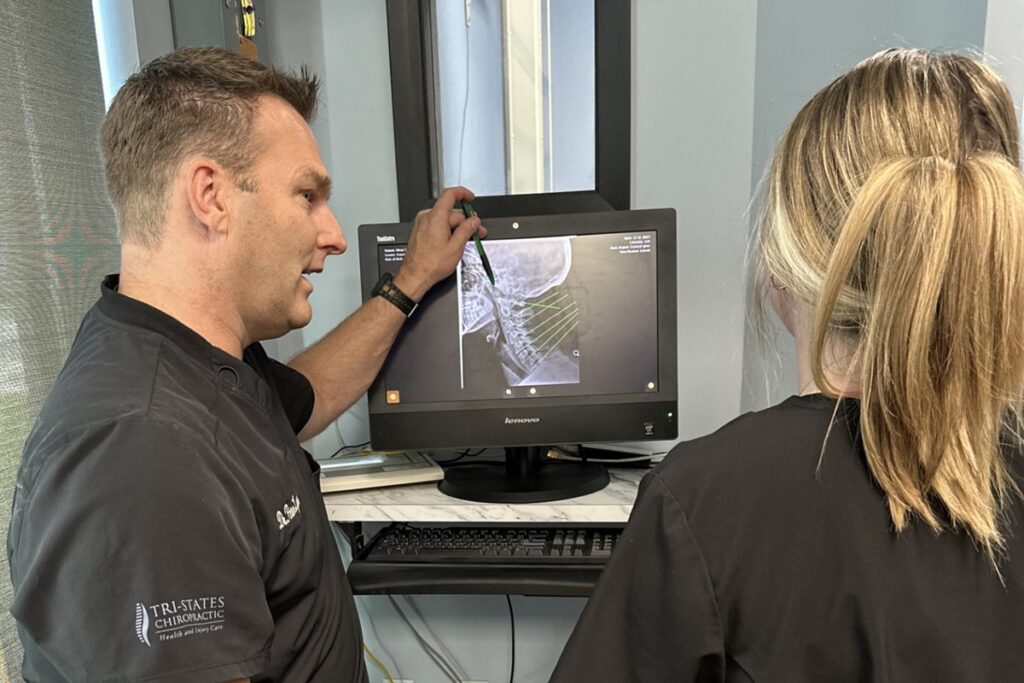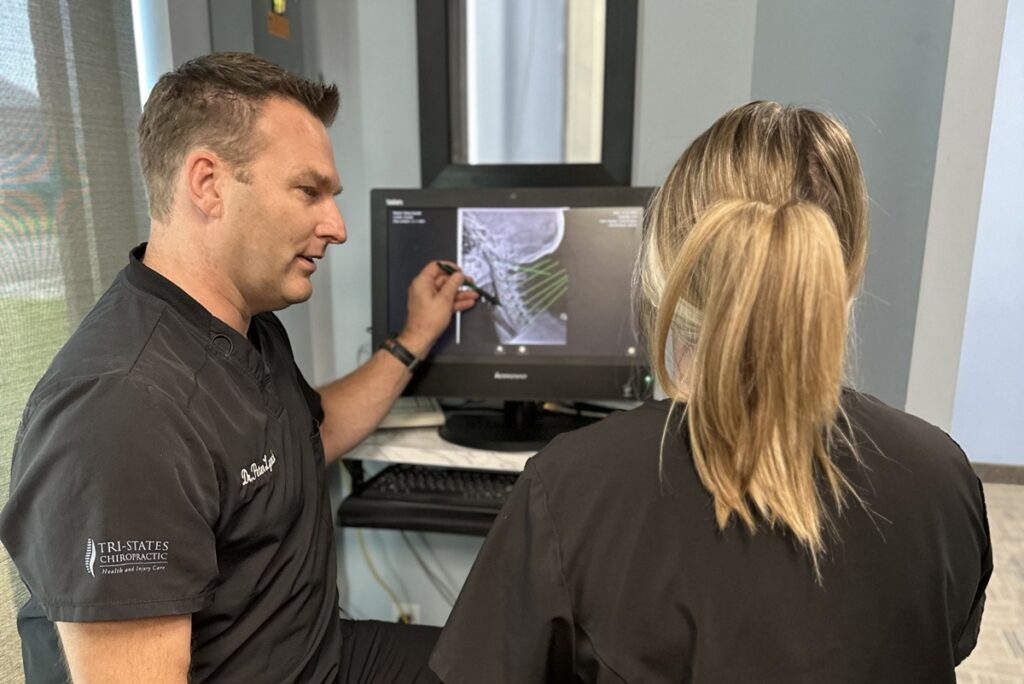
When managing migraines, finding the right visit frequency to your chiropractor can make a significant difference in your journey towards relief. It’s essential to understand your triggers and how often you experience symptoms. Regular chiropractic visits allow for personalized adjustments to your care plan, helping to address the root causes of your migraines rather than just masking the pain.
So, what does the ideal schedule look like for you? This can vary from person to person, but typically, patients find that visiting their chiropractor once a week or every other week can greatly enhance their well-being. This frequency allows for consistent monitoring and adjustments that can help alleviate tension and improve spinal alignment, both of which are crucial in reducing migraine frequency and intensity.
In addition to regular chiropractic care, here are some general tips to support your migraine management:
- Stay Hydrated: Dehydration can trigger migraines, so ensure you’re drinking plenty of water throughout the day.
- Maintain a Consistent Sleep Schedule: Quality sleep is vital for overall health and can help minimize migraine occurrences.
- Manage Stress: Incorporate relaxation techniques such as yoga, meditation, or deep breathing exercises into your daily routine.
- Keep a Migraine Diary: Tracking your symptoms, triggers, and what helps can provide valuable insights for you and your chiropractor.
- Practice Good Posture: Poor spinal alignment can contribute to tension headaches and migraines. Being mindful of your posture, especially when sitting for long periods, can make a difference.
Remember, chiropractic care focuses on natural healing and wellness, promoting optimal health without the need for medications or surgeries. By working closely with your chiropractor, you can develop a tailored approach that not only helps with your migraine relief but also enhances your overall quality of life.
Key Takeaways
When it comes to finding relief from migraines, the frequency of your visits to a chiropractor can play a significant role in your overall wellness journey. If your migraines are more severe, you may benefit from more frequent chiropractic sessions. Regular visits not only allow us to monitor your migraine patterns but also enable us to fine-tune your treatment plan to best suit your needs.
As you begin to experience positive results from your chiropractic care, you may find that you can gradually reduce the number of visits over time. This is a wonderful indication that your body is responding well to the natural healing process that chiropractic offers.
During your appointments, be sure to share any triggers that you notice—like certain foods, stress levels, or sleep patterns. This information helps us customize your care and enhance your ability to manage symptoms effectively.
Remember, being proactive in your treatment can maximize the relief you experience. Incorporating lifestyle changes, such as maintaining proper hydration, managing stress through relaxation techniques, and practicing good posture, can also support your chiropractic care and overall health.
Chiropractic care is a powerful, natural approach to achieving optimal health and wellness, especially when it comes to managing migraines. By prioritizing your spinal health and engaging in regular chiropractic visits, you can take significant steps toward a healthier, pain-free life.
Understanding Your Migraine Triggers
Understanding your migraine triggers is essential for managing your symptoms effectively and achieving optimal health. By identifying what prompts your migraines, you can take proactive steps to avoid or minimize these triggers. Common culprits include stress, certain foods, hormonal changes, and environmental factors like bright lights or strong smells.
As a local chiropractor, I encourage you to start maintaining a migraine diary to track your symptoms and potential triggers. Note what you eat, your stress levels, and any changes in your routine. Over time, you’ll notice patterns that can help you pinpoint specific triggers.
Once you know your triggers, you can develop strategies to manage them naturally. For example, if stress is a major factor, consider incorporating relaxation techniques such as spinal adjustments, meditation, or yoga into your routine. Regular chiropractic care can also help alleviate stress and tension in your body, promoting overall wellness.
If certain foods spark your migraines, try eliminating them from your diet and focus on nourishing your body with wholesome, natural foods.
The Importance of Regular Healthcare Visits
While many people may overlook regular healthcare visits, they play a crucial role in maintaining overall health and well-being, especially when it comes to managing migraines. Regular check-ups with a chiropractor can help you monitor your migraine patterns and identify any underlying issues related to spinal health that may contribute to your discomfort.
By staying connected with your chiropractor, you can discover natural, drug-free treatment options that promote healing and reduce migraine frequency. Chiropractic care focuses on the relationship between your spine and nervous system, making it an excellent choice for addressing pain and enhancing your overall wellness.
During your visits, you can discuss lifestyle changes, exercises, and natural remedies that support your health journey and alleviate migraine symptoms without the need for medications or invasive procedures. Moreover, your chiropractor provides a supportive environment where you can share your concerns and receive personalized guidance tailored to your needs.
They can offer tips on proper posture, stress management techniques, and ergonomic adjustments in your daily routine, all of which can contribute to better spinal health and reduced migraine occurrences. Ultimately, prioritizing chiropractic visits empowers you to take charge of your health.
Factors Influencing Visit Frequency
Your visit frequency to a chiropractor can significantly impact your migraine management and overall wellness. One of the main factors influencing how often you should visit is the severity of your migraines. If you’re experiencing frequent or intense migraine episodes, more regular chiropractic care can help alleviate your symptoms and improve your quality of life.
It’s essential to pay attention to how your body responds to chiropractic treatment. If you’re noticing positive changes and relief from your migraines, you might find that you can reduce your visit frequency. However, if your symptoms are still persistent, more frequent visits can be beneficial to help you regain control over your health.
Lifestyle factors also play a crucial role in managing migraines. Stress, lack of sleep, and dietary habits can all worsen migraine symptoms. Maintaining a balanced diet, practicing stress-reduction techniques, and ensuring you get enough rest can complement your chiropractic care. These simple lifestyle adjustments can help you feel better and may even reduce the need for frequent visits.
Your personal goals for migraine relief are significant, too. If you’re striving for complete freedom from migraines, you may want to consider more regular chiropractic sessions. Your chiropractor will also provide tailored recommendations based on their assessment, helping you find the right balance for your visit frequency.
Tailoring Your Treatment Plan
Tailoring a treatment plan for your migraines is essential to getting the most out of chiropractic care and finding relief naturally. Begin by having an open conversation with your chiropractor about your specific symptoms and triggers. This dialogue is vital as it allows them to understand your unique situation and develop a personalized plan that fits your lifestyle.
Consider factors such as your daily routine, work environment, exercise habits, and stress levels. All these elements can significantly influence the frequency and intensity of your migraines. By sharing this information, you help your chiropractor create an effective strategy that addresses your needs.
During your chiropractic sessions, it’s important to communicate about what’s working and what isn’t. This feedback is crucial, as adjustments to your treatment plan may be necessary based on your progress. Some patients may benefit from more frequent visits at the start, while others might find relief with less frequent sessions as they notice improvements.
Don’t hesitate to ask your chiropractor about additional natural remedies that can complement your treatment, such as lifestyle changes, relaxation techniques, or gentle exercises. These can significantly enhance your results and contribute to a healthier, more balanced life.
By taking a personalized approach to your migraine management through chiropractic care, you’re empowering yourself to handle your condition more effectively. This not only helps alleviate pain but also improves your overall well-being, leading to a better quality of life.
Benefits of Consistent Monitoring
Consistent monitoring of your migraine symptoms is an essential step toward achieving better management and relief, especially when combined with chiropractic care. By regularly tracking your pain patterns, you not only gain valuable insights into your condition, but you also provide your chiropractor with important information that can lead to more effective treatment adjustments.
This proactive approach can significantly enhance your overall quality of life.
As a chiropractor, I encourage you to keep a journal of your migraines. Note when they occur, their intensity, and any potential triggers. This information can help us develop a tailored plan that focuses on natural healing and spinal health, which are crucial for reducing the frequency and intensity of migraines.
In addition to monitoring, here are some general tips to help manage your migraines naturally:
- Stay Hydrated: Dehydration can be a trigger for migraines, so make sure you’re drinking plenty of water throughout the day.
- Maintain a Regular Sleep Schedule: Aim for consistent sleep patterns to help minimize migraine occurrences. Lack of sleep can exacerbate symptoms.
- Practice Stress Management: Techniques like yoga, meditation, or even regular chiropractic adjustments can help you manage stress, which is a common migraine trigger.
- Focus on Nutrition: Eating balanced meals and identifying any food triggers can play a significant role in preventing migraines.
- Regular Chiropractic Care: Regular visits to your chiropractor can help address spinal misalignments that may contribute to migraines, promoting overall wellness and reducing pain.
By incorporating these habits and working closely with your chiropractor, you can take control of your migraine symptoms and pave the way for a healthier, more vibrant life.
Improved Symptom Management
When you regularly monitor your migraine symptoms, you can uncover valuable insights that lead to better management strategies, especially when paired with chiropractic care. By keeping track of your triggers, how often you experience migraines, and their severity, you can identify patterns that help you respond more effectively. This consistent monitoring empowers you to make informed decisions about your lifestyle and natural treatment options, including chiropractic adjustments that may alleviate your symptoms.
Here’s a simple way to track your symptoms:
| Symptom | Frequency | Severity |
|---|---|---|
| Tension | 3 times/week | Moderate |
| Nausea | 2 times/week | Severe |
| Visual Aura | 1 time/month | Mild |
| Throbbing Pain | 4 times/week | Severe |
| Sensitivity to Light | 5 times/week | Moderate |
With this data in hand, you can have a productive discussion with your chiropractor about your findings. This collaboration can lead to personalized care that targets your specific needs, helping to enhance your overall wellness and symptom management without resorting to medications or surgical options.
Here are some helpful tips to consider for managing your migraines naturally:
- Stay Hydrated: Dehydration can be a trigger for migraines, so make sure you’re drinking plenty of water throughout the day.
- Maintain a Regular Sleep Schedule: Try to go to bed and wake up at the same time every day to help regulate your body’s natural rhythms.
- Practice Relaxation Techniques: Consider incorporating practices such as deep breathing, yoga, or meditation to help reduce stress, which can often lead to tension headaches.
- Eat Regularly: Skipping meals can lead to drops in blood sugar, which may trigger migraines. Aim for balanced meals and snacks throughout the day.
- Consider Chiropractic Care: Regular chiropractic adjustments can help align your spine and reduce tension, potentially decreasing the frequency and severity of migraine episodes.
Enhanced Treatment Adjustments
Keeping a close eye on your migraine symptoms is crucial for not only identifying what might trigger them but also for enhancing the benefits of your chiropractic care. By tracking your pain levels, you give your chiropractor essential information that helps create a personalized treatment plan just for you.
Regularly monitoring your symptoms allows you to see patterns, making it easier to adjust your care when necessary. If you discover that specific activities or foods seem to make your migraines worse, it’s important to share this information right away. This way, your chiropractor can modify your adjustments to better suit your needs.
Taking this proactive approach can lead to greater relief and less time spent in discomfort. Engaging actively in your treatment empowers you and maximizes the advantages of chiropractic care.
Here are a few simple tips to help you manage your migraines:
- Keep a Migraine Journal: Write down when your migraines occur, their intensity, and any potential triggers. This can help you and your chiropractor identify patterns.
- Stay Hydrated: Dehydration can lead to headaches. Make sure you’re drinking enough water throughout the day.
- Limit Caffeine and Alcohol: Both can contribute to migraines for some people, so it may help to reduce your intake.
- Practice Relaxation Techniques: Stress is a common trigger for migraines. Consider incorporating deep breathing, meditation, or gentle yoga into your routine.
- Maintain Regular Sleep Patterns: Aim for a consistent sleep schedule, as irregular sleep can lead to more headaches.
When to Seek Immediate Medical Attention
Have you ever wondered if your migraine symptoms require immediate attention? As a chiropractor dedicated to promoting health and wellness, it’s important to recognize when to seek help. If you experience a sudden, severe headache that feels different from your usual migraines, it’s crucial to listen to your body. Especially if your migraine is accompanied by confusion, weakness, or changes in vision, you should reach out to a healthcare professional.
In cases where your headache follows a head injury, particularly with nausea or vomiting, it’s essential to seek immediate assistance. Additionally, if your migraine relief isn’t lasting or if you find yourself facing frequent attacks, it’s time to consult with a health expert.
While it’s always wise to be cautious, remember that there are natural ways to manage headache and migraine symptoms. Chiropractic care can be an effective approach for many individuals suffering from migraines. Regular chiropractic adjustments can help alleviate tension, improve spinal alignment, and promote overall wellness, which may contribute to reducing the frequency and intensity of migraine attacks.
If you notice any signs of a stroke, such as difficulty speaking or facial drooping, call emergency services immediately. Being proactive about your health is key. Trust your instincts—if something feels off, don’t hesitate to get evaluated.
In the meantime, consider lifestyle tips such as staying hydrated, maintaining a balanced diet, practicing stress-relief techniques, and ensuring proper posture to help manage your migraine symptoms naturally. Remember, taking care of your spine is an essential part of achieving optimal health and wellness.