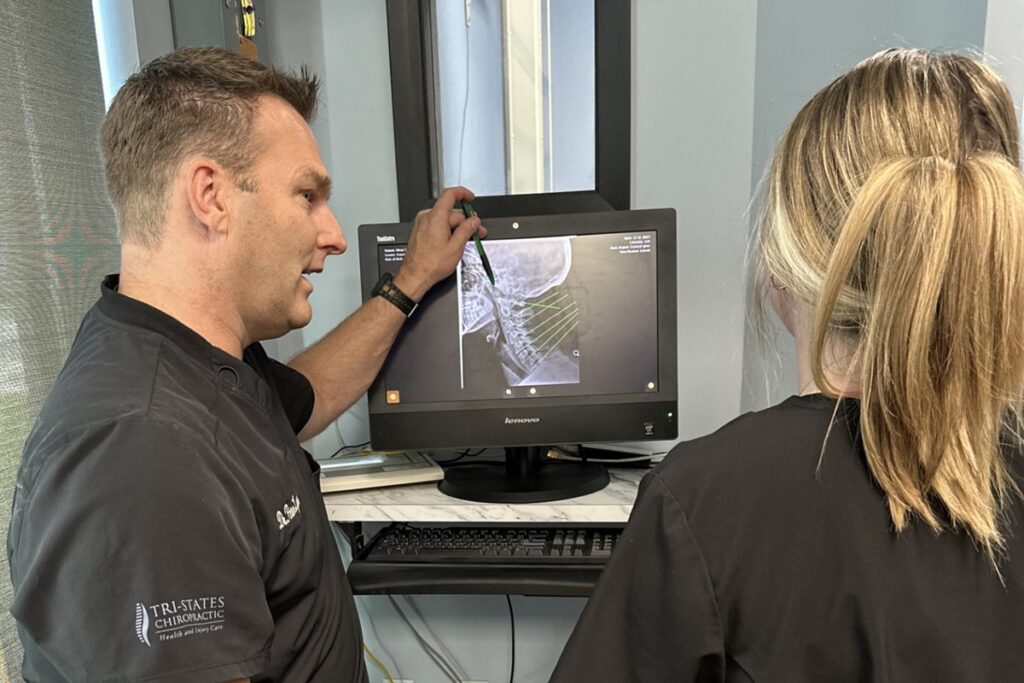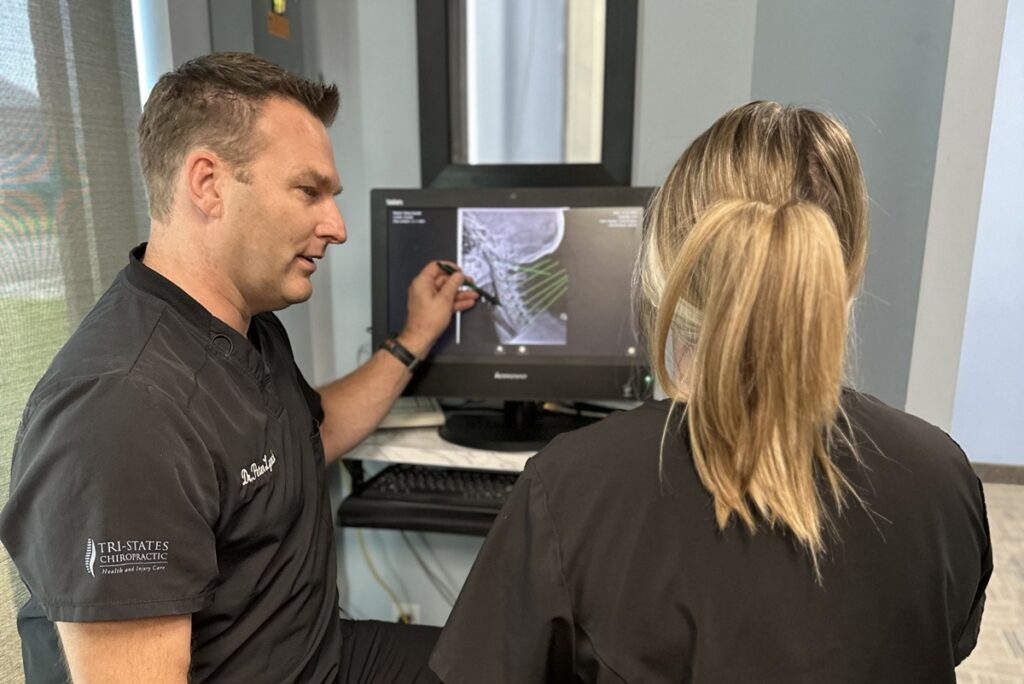
When we talk about the complexities of ADHD in children, it's important to recognize how holistic approaches, including chiropractic care, can support their development.
As a chiropractor, my role extends beyond just spinal adjustments; I work closely with families to create individualized wellness plans that cater to the unique needs of each child.
These plans often include lifestyle modifications, nutritional guidance, and stress management techniques that can significantly enhance a child's quality of life.
As you learn about these various strategies, you may begin to see how a natural healing approach can positively influence a child's journey toward improved focus, behavior, and overall well-being.
Understanding ADHD in Children
Understanding ADHD in children can be a challenge, but as a chiropractor, I believe it's important to explore all avenues of care for their well-being. Attention-Deficit/Hyperactivity Disorder (ADHD) is a neurodevelopmental condition that influences how kids think, behave, and interact with others. You may notice your child having trouble focusing, being excessively active, or finding it hard to sit still. These symptoms can vary widely, making it crucial to understand the nuances of ADHD.
ADHD typically presents in three main types: predominantly inattentive, predominantly hyperactive-impulsive, and combined presentation. For children with predominantly inattentive ADHD, following instructions or completing tasks may be a struggle. Conversely, those with predominantly hyperactive-impulsive ADHD might frequently interrupt others or have difficulty waiting for their turn. Identifying which type your child has can help tailor your supportive approach.
As a chiropractor, I want to emphasize that ADHD isn't solely about behavioral issues. Your child may possess unique strengths, such as creativity and problem-solving abilities, which can be nurtured through holistic approaches including chiropractic care. Adjustments and natural healing methods may help improve focus and reduce hyperactivity by supporting overall nervous system function. By highlighting these strengths, you can enhance your child's self-esteem and motivation.
Open communication is essential; discussing your child's feelings and experiences can create a nurturing environment where they feel understood and valued. Additionally, it's important to recognize that ADHD often coexists with other conditions like anxiety or learning disabilities. As a chiropractor, I encourage you to consider a comprehensive approach to care that includes both traditional and natural methods. By understanding ADHD and exploring chiropractic options, you can better advocate for your child and ensure they receive the holistic support they need for optimal health and well-being.
Importance of Early Diagnosis
As a local chiropractor, I want to emphasize the significance of early intervention, not just in diagnosing conditions like ADHD but also in promoting overall health and well-being. Understanding the early signs of any health issue can significantly influence a child's development and quality of life. By recognizing these signs early, you can set your child on a path towards better health and success in various areas of their life.
Here are three key benefits of seeking early intervention:
- Customized Care Plans: By addressing health concerns early on, you can collaborate with healthcare professionals to develop personalized care plans tailored to your child's specific needs. Whether it involves chiropractic adjustments, nutritional guidance, or lifestyle changes, a customized approach can lead to remarkable improvements in their overall health.
- Enhanced Learning Abilities: Early intervention allows you and educators to understand how physical health impacts your child's learning capabilities. With this knowledge, schools and caregivers can implement strategies that support your child's unique learning style, ultimately leading to enhanced academic performance.
- Better Social Interaction: Children often face challenges in social settings, which can be linked to their overall physical health. Early intervention enables you to introduce techniques that promote healthy social interactions and improve communication skills, helping your child build friendships and navigate social situations more effectively.
Role of Pediatricians
Chiropractors play a significant role in the holistic management and support of children with ADHD. Many parents seek our expertise when they notice signs of attention-deficit/hyperactivity disorder in their child. Through comprehensive evaluations, chiropractors can help identify underlying issues that may contribute to ADHD symptoms, promoting timely and effective intervention. This early recognition can enhance a child's overall well-being, including their academic and social experiences.
In our practice, we don't just assess your child's physical health; we also consider their lifestyle, environment, and overall wellness. By taking a thorough approach, we ensure that any recommendations we make are well-rounded and tailored to your child's unique situation.
Once we identify potential areas for improvement, chiropractors provide valuable guidance to parents, helping them understand how chiropractic care and natural healing can support their child's health. We can share various strategies, including lifestyle adjustments and gentle chiropractic techniques, to foster better focus and behavior both at home and in school. Regular visits are essential, as they allow us to monitor your child's progress and make necessary adjustments to their care plan.
Furthermore, chiropractors often serve as a bridge between families and other healthcare professionals involved in managing ADHD, such as pediatricians, psychologists, and educators. We can recommend additional resources, support groups, and natural approaches that can positively impact your child's development and well-being.
Customized Treatment Plans
As a local chiropractor, I want to share how we develop customized treatment plans specifically designed for children with ADHD. Our approach is holistic, taking into account each child's unique symptoms, challenges, and strengths. By focusing on individual needs, we can create effective strategies that help these kids thrive in their daily lives.
When we craft a customized treatment plan, we consider several key factors:
- Physical Health: We start by assessing your child's overall physical well-being, which includes evaluating their posture, spinal alignment, and muscle tension. By addressing any physical issues, we can help improve their focus and reduce restlessness, allowing them to engage more fully in their activities.
- Nutritional Guidance: We often recommend dietary adjustments that can enhance brain function and emotional regulation. A balanced diet rich in essential nutrients plays a vital role in supporting your child's cognitive abilities and overall health, providing them with the foundation they need to succeed.
- Lifestyle Modifications: Our treatment plans may also include suggestions for daily routines, sleep schedules, and activity levels. These modifications help create a structured environment that enhances focus and reduces impulsivity, making it easier for your child to navigate their day-to-day challenges.
Behavioral Therapies and Strategies
When it comes to managing conditions like ADHD, effective behavior modification techniques can significantly enhance your child's daily experiences. As a local chiropractor, I want to emphasize the importance of not only physical health but also the role of communication within the family. By implementing strategies that improve parent-child interactions, we can create a nurturing environment that supports your child's overall well-being. Together, these holistic approaches can empower your child to thrive at home and in social situations, aligning with the principles of natural healing that we promote in chiropractic care.
Effective Behavior Modification Techniques
As a local chiropractor, I understand that managing conditions like ADHD in children can be challenging. While my primary focus is on spinal health and overall wellness, I also recognize the importance of holistic approaches that can complement chiropractic care. Here are three effective behavior modification techniques that can support your child's development and well-being:
- Positive Reinforcement: Just as we celebrate progress in chiropractic treatment, it's important to reward your child for exhibiting desired behaviors. This could involve offering praise, stickers, or small rewards when they achieve specific goals. Such reinforcement can motivate your child to continue these positive actions, fostering a healthier mindset.
- Consistent Routines: Establishing daily routines is akin to maintaining a regular chiropractic schedule. Consistency in activities—such as homework time or bedtime—provides structure and helps your child know what to expect. This predictability can significantly reduce anxiety and impulsivity, allowing them to thrive in a stable environment.
- Behavior Contracts: In the same way we set treatment goals for chiropractic care, creating a written agreement with your child that outlines expectations and consequences can be beneficial. Involving your child in this process enhances their understanding and commitment to the agreed-upon behaviors, making them more likely to follow through.
Parent-Child Communication Strategies
Building strong communication with your child is essential for their overall well-being, much like how maintaining open dialogue about their health can be crucial for understanding their needs. When navigating challenges such as ADHD, effective communication can help both you and your child understand their feelings and frustrations, allowing them to express themselves freely. Start by creating a supportive environment where your child feels comfortable discussing their thoughts without fear of being judged.
When addressing health and wellness, use clear and straightforward language about what they can expect from chiropractic care and natural healing practices. Just as children with ADHD benefit from structured communication, they can also benefit from visual aids or simple charts that illustrate how chiropractic adjustments work and the benefits of maintaining a healthy spine. When you notice positive changes in their behavior or health, be specific with your praise. Instead of a general compliment like, "Great job!" you might say, "I really appreciate how well you're taking care of your posture after our session!"
Additionally, practice active listening to show your child that you value their input. Nod and repeat back what they share about their experiences with chiropractic visits or how they feel after certain treatments. This not only validates their feelings but also encourages them to keep the conversation going. When conflicts about health choices arise, remain calm and approach the situation with empathy. Encourage problem-solving together by discussing their concerns and helping them feel empowered in their journey toward well-being, rather than overwhelmed by it.
Medication Management
Managing your child's health, especially for those with ADHD, is a journey that involves a holistic approach to well-being. As a chiropractor, I want to emphasize the importance of understanding how natural healing methods can complement traditional treatments. Here are three essential components to consider for effective management of your child's condition:
- Regular Monitoring of Health: Just as you would observe your child's response to medication, it's crucial to monitor their overall health and well-being. Pay attention to any changes in their behavior, mood, or physical activity. This information is valuable for both you and your healthcare provider in assessing the effectiveness of any treatment plan, including chiropractic adjustments.
- Open Communication with Healthcare Providers: Establish a strong line of communication with your child's healthcare team, including your chiropractor. Discuss any concerns about your child's symptoms and the impact on their daily life. This collaborative relationship is vital for crafting a comprehensive care plan that addresses not just symptoms, but also promotes overall health and wellness.
- Consistent Routine for Natural Care: Just like with medications, consistency is key in chiropractic care. Establish a regular schedule for chiropractic visits and incorporate healthy lifestyle habits into your child's routine, such as proper nutrition and physical activity. By making these practices a regular part of their life, you can enhance their well-being and support their body's natural healing processes.
Collaborating With Educators
When you're exploring chiropractic care for your child with ADHD, understanding effective communication is essential. It's important to ensure that you and your chiropractor are aligned in your approach, especially when considering a holistic treatment plan. This collaborative effort can greatly enhance your child's overall well-being and academic performance. By working together, we can create a supportive environment that fosters natural healing and helps your child thrive.
Effective Communication Strategies
Effective communication is essential for ensuring that patients understand the benefits of chiropractic care and how it can support their overall well-being. By fostering a collaborative relationship with your chiropractor, you can create a healing environment that promotes your health. Here are three strategies to enhance communication with your chiropractor:
- Schedule Regular Appointments: Establish ongoing visits to discuss your health progress, any discomfort you may be experiencing, and your overall wellness goals. Consistent communication during these appointments helps ensure that you and your chiropractor are aligned on your treatment plan.
- Share Important Health Information: Provide your chiropractor with insights about your medical history, lifestyle, and any specific concerns that may impact your treatment. This information allows them to customize their approach and provide care that is tailored to your individual needs.
- Encourage Open Dialogue: Ask your chiropractor for their observations and recommendations on how to maintain your health between visits. This two-way communication fosters a strong partnership focused on your healing journey and empowers you to take an active role in your health.
Individualized Education Plans
Collaborating with healthcare providers, including chiropractors, is vital for supporting children with ADHD in achieving their full potential. Just as an Individualized Education Plan (IEP) tailors educational strategies to meet a child's unique needs, a holistic approach to health can provide essential support for their overall well-being. As a chiropractor, I believe in addressing not only physical health but also the emotional and cognitive aspects that can impact a child's learning environment.
When discussing your child's health journey, it's important to share their strengths, challenges, and specific goals. Open communication about what has been working and what hasn't allows us to craft a personalized plan that complements their educational strategies. Natural healing methods, such as chiropractic adjustments, can help improve focus, reduce anxiety, and enhance overall well-being, creating a solid foundation for academic success.
Staying engaged with your child's health throughout the year is crucial. Regular check-ins can help monitor their progress and allow for adjustments to their care plan as needed. Just like an IEP, our approach to health is flexible and can evolve as your child's needs change. By working collaboratively with educators and healthcare providers, you empower your child with ADHD to thrive both academically and socially, fostering a positive experience that sets them up for future success.
Family Involvement and Support
Supporting a child with ADHD can be a challenge, but incorporating chiropractic care into their routine may provide additional benefits. As a chiropractor, I believe that family involvement plays a crucial role in your child's overall health and well-being. By actively participating in their care, you can create a supportive environment that fosters their development.
Here are three key ways you can get involved in your child's chiropractic care:
- Open Communication: It's essential to maintain open lines of communication. Encourage your child to share their feelings and experiences regarding their health and any adjustments they may undergo. Listening actively and validating their concerns helps build trust and shows them that they have your support in navigating their challenges.
- Establish Routines: Children with ADHD often thrive on structured routines, and chiropractic care can be an integral part of that. Work together with your child to incorporate regular chiropractic visits into their schedule. This consistency can help them feel more secure and focused, which may lead to reduced anxiety and improved overall well-being.
- Engage in the Process: If your child is receiving chiropractic treatment, consider being involved in their sessions. This participation allows you to understand their treatment plan better and learn how to support their healing journey at home. Your commitment to their health demonstrates to your child that you care about their progress and are invested in their holistic well-being.
Monitoring Progress and Adjustments
As a chiropractor dedicated to supporting families navigating ADHD, I want to share how you can effectively monitor your child's progress with chiropractic care. It all begins with setting clear, measurable goals. I encourage you to sit down and discuss specific improvements you'd like to see in your child, such as enhanced focus in school, improved social interactions, or reduced impulsivity. Establishing these benchmarks will enable you to track progress over time.
Keep a daily log of your child's behavior and any changes you observe. Document moments when they excel or face challenges, as well as their responses to each chiropractic adjustment. This practice can help identify patterns and provide insights into how chiropractic care is influencing their ADHD symptoms. Regular check-ins with me will ensure that we are aligned in our understanding of your child's progress.
Additionally, I recommend maintaining open communication with your child's teachers. Their observations can offer valuable perspectives on your child's academic and social performance in school. Teacher feedback can complement your own notes, creating a more comprehensive view of your child's development.
Be open to adjusting your approach as needed. If you notice that your child isn't responding as expected, let's discuss possible changes together. This could involve modifying the treatment plan, integrating other therapies, or even addressing lifestyle factors such as diet and exercise.
Finally, celebrate those small victories along the way! Acknowledging progress—no matter how minor—can be a great source of motivation for both you and your child. By actively monitoring their journey, you'll be empowered to make informed decisions that promote your child's growth and well-being in managing ADHD.
Resources for Parents and Caregivers
Finding the right support for your health and wellness can make a significant difference in your journey to achieving optimal well-being. As a healthcare provider, I want to encourage you to explore chiropractic care and natural healing methods that can empower you and your family. Here are some valuable insights into how chiropractic care can enhance your health:
- Holistic Support: Connecting with a chiropractor can provide you with a holistic approach to health that emphasizes natural healing. During your visits, we can discuss your experiences and challenges, allowing us to create a personalized care plan that addresses your specific needs. This supportive environment fosters open communication and collaboration.
- Educational Resources: Chiropractic care often includes educational components tailored to your unique health concerns. Together, we can develop strategies to improve your overall well-being, including posture correction, ergonomic advice, and exercises that promote spinal health. Additionally, there are numerous books and online resources available that focus on the benefits of chiropractic care and natural healing techniques.
- Professional Guidance: Don't hesitate to seek expertise from a chiropractor trained in natural healing methods. We can provide tailored advice, therapeutic techniques, and lifestyle modifications to support your health journey. Our goal is to help you develop effective coping mechanisms and promote your body's innate healing abilities.
Utilizing chiropractic care and these resources can strengthen your ability to maintain a healthy lifestyle. Remember, you're not alone in your quest for wellness; many others are on similar journeys. By seeking out support through chiropractic care, you're taking a proactive step toward creating a balanced and healthy life for yourself and your loved ones.
Conclusion
In summary, chiropractic care plays a vital role in supporting children with ADHD to thrive naturally. By collaborating with chiropractors, families can ensure their child receives a holistic approach that complements their unique needs. Through gentle adjustments and a focus on overall wellness, we can help enhance the nervous system's function, which may improve attention and behavior. Additionally, incorporating lifestyle changes, nutrition, and stress management techniques can further aid in managing symptoms. Remember, maintaining open communication and regular check-ups are essential for monitoring progress and promoting long-term success for your child without relying solely on medication.