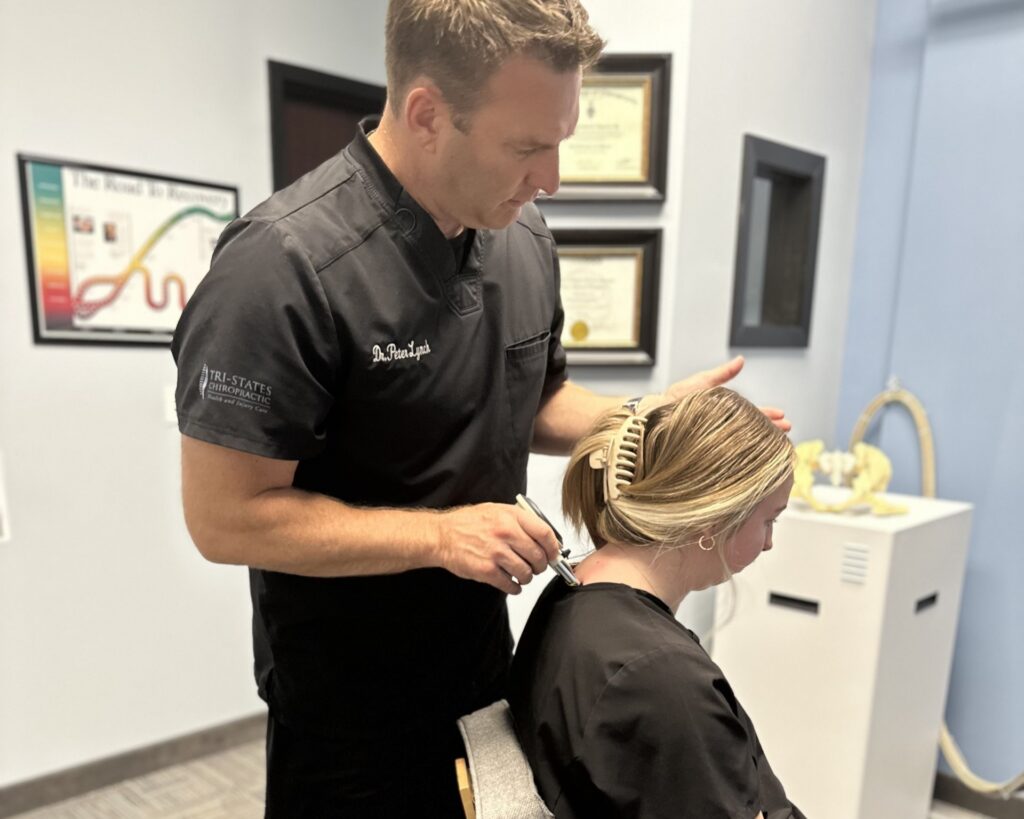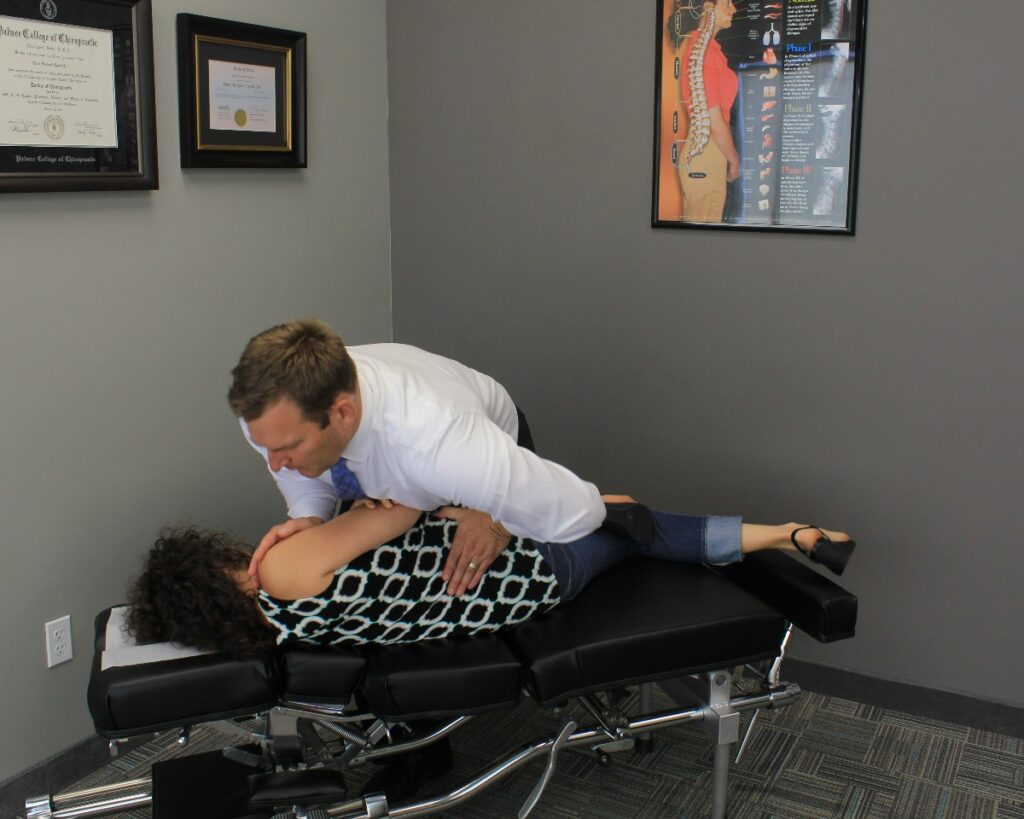
As a local chiropractor, I want to reassure you that if you're experiencing sports back pain, you're not alone. Many athletes face similar challenges, and I believe there are effective natural ways to manage your pain without relying solely on medication. It's important to first understand the underlying causes of your discomfort.
One key aspect I focus on is the importance of maintaining proper posture, which can significantly alleviate strain on your back. Additionally, strengthening your core muscles is crucial, as a strong core provides better support for your spine and can help prevent injuries. Stretching is another vital component; targeted stretches can improve flexibility and reduce tension in your back.
You may find that simple lifestyle adjustments can lead to remarkable improvements in your recovery. Practices like yoga can promote not only physical flexibility but also mental well-being. Heat therapy is another natural remedy that can soothe tight muscles and enhance blood circulation, aiding in the healing process.
So, where should you begin to find relief and enhance your athletic performance? Let's delve into some practical strategies that can guide you on your journey toward a healthier back and improved sports performance. My goal is to educate and support you every step of the way in your recovery journey.
Understanding Sports Back Pain
As a local chiropractor, I want to help you understand sports back pain and how it can affect your athletic performance. It's crucial for any athlete to recognize that back pain isn't just a nuisance; it can lead to long-term issues if not addressed properly.
Often, back pain arises from a mix of factors, including muscle strain, improper lifting techniques, and repetitive movements. If you notice discomfort during or after your workouts, it's important to identify the underlying causes so you can tackle the issue effectively.
One of the most common culprits of sports-related back pain is muscle strain. This can occur when you push your body too hard or neglect to warm up properly. I encourage you to listen to your body; any signs of discomfort might indicate that it's time to adjust your training routine.
Additionally, poor flexibility and strength imbalances can contribute to back pain, which is why incorporating stretching and strengthening exercises into your regimen is essential for maintaining a healthy back.
Another important aspect to consider is your training environment. Uneven surfaces, inappropriate footwear, or a poorly designed workout space can aggravate existing back issues. Make sure to pay attention to your surroundings and ensure that you're exercising on stable ground with equipment that supports your body correctly.
Lastly, recovery is a key component of preventing back pain. Overtraining can lead to chronic pain, so it's vital to schedule rest days and allow your body the time it needs to heal.
Importance of Proper Posture
As a local chiropractor, I often emphasize the importance of proper posture, especially during physical activities. Many of my patients don't realize how crucial posture is for preventing sports-related back pain. When you're engaged in any form of exercise, your body relies heavily on alignment to function optimally. Neglecting posture can lead to muscle imbalances, strain, and ultimately, discomfort or pain.
When your spine is aligned correctly, it helps distribute weight evenly across your muscles and joints. This balance not only decreases the risk of injury but also enhances your overall performance. Whether you're running, lifting weights, or participating in a sport, your posture plays a significant role in how well you perform. Slouching or leaning can create unnecessary pressure on your back, leading to discomfort and potential long-term issues.
I encourage you to focus on engaging your core and keeping your shoulders back. This alignment supports your spine and helps maintain stability during your movements. Additionally, being mindful of your posture while sitting and standing outside of your training sessions reinforces good habits.
Remember, it's not just about how you move during workouts; it's also about how you carry yourself throughout your daily life. If you experience any discomfort while training, take a moment to assess your posture. A simple adjustment in your stance or alignment can make a significant difference.
Keep in mind that proper posture isn't just about looking good; it's an essential aspect of preventing back pain and improving your overall athletic performance. By prioritizing good posture in your routine, you're likely to see improvements in both your comfort and capabilities. If you have any questions or want personalized guidance, feel free to reach out to me!
Stretching Techniques for Relief
As a local chiropractor, I'd like to share some insights on how maintaining proper posture can set the stage for effective stretching techniques that may provide relief from sports-related back pain.
Many of my patients find that incorporating stretching into their daily routine not only eases tension but also significantly improves flexibility in their back muscles.
To get started, I recommend gentle stretches targeting the lower back. One effective stretch is the knee-to-chest stretch. Simply lie on your back, bend your knees, and gently pull one knee toward your chest, holding the position for about 20-30 seconds. Be sure to switch sides to ensure a balanced stretch.
Another beneficial stretch is the cat-cow stretch. Get into a hands-and-knees position and alternate between arching your back upward (the cat position) and lowering it while lifting your head and tailbone (the cow position). This dynamic movement is fantastic for mobilizing your spine and relieving stiffness. Hold each position for a few seconds and repeat several times.
I also encourage you to try the seated forward bend. While seated with your legs extended, reach toward your toes while keeping your back straight. This stretch effectively targets your hamstrings and lower back, helping to enhance flexibility and alleviate discomfort.
Don't overlook the side stretch either! Stand tall, raise one arm overhead, and lean to the opposite side, holding that position for 20-30 seconds. This stretch helps open up your side muscles and can release tension in your back.
By incorporating these stretching techniques into your routine, you may find relief from back pain and even enhance your overall athletic performance.
Always listen to your body, and remember, it's important not to push yourself into discomfort. If you have any questions or concerns about your stretching routine or back pain, feel free to reach out—I'm here to help!
Strengthening Core Muscles
As a local chiropractor, I want to emphasize the importance of strengthening your core muscles, especially for those of you who are active in sports.
A strong core plays a crucial role in preventing and managing back pain, which is common among athletes. By incorporating effective core exercises into your routine, you can improve your stability and enhance your overall performance in your chosen sport.
It's also important to monitor your progress. Keeping track of your achievements not only boosts your motivation but also allows you to witness the real benefits of focusing on your core strength.
Importance of Core Strength
As a local chiropractor, I want to emphasize the importance of core strength in preventing and managing sports-related back pain. Strong core muscles play a crucial role in stabilizing your spine and pelvis during physical activities, which helps to reduce strain on your back and minimize the risk of injury.
Think of your core as a natural brace for your body; it supports you and promotes better posture, balance, and coordination. This support becomes especially important during sports activities that involve sudden movements or heavy lifting.
When your core muscles are weak, other muscles—particularly those in your lower back—often have to compensate for that lack of stability. This compensation can lead to overuse, resulting in pain and a higher likelihood of injuries. Not only can this affect your performance, but it can also diminish your enjoyment of the sport you love.
By focusing on building your core strength, you not only enhance your athletic performance but also lay a solid foundation for injury prevention.
Additionally, having a strong core contributes to your overall functional fitness, making everyday tasks easier and more efficient. It's essential to recognize the significance of core strength and incorporate exercises that strengthen these muscles into your routine.
Effective Core Exercises
As a chiropractor, I often emphasize the importance of core exercises in maintaining spinal health and preventing back pain. Many people may view these exercises as just another component of their fitness routine, but they play a crucial role in building stability and strength, which are vital for a healthy spine.
A strong core supports your spine and encourages proper posture, significantly reducing the risk of injury, especially during physical activities. To get started, I recommend incorporating planks into your routine. This exercise engages multiple core muscles at once. Aim to hold a plank position for 30 seconds, and as you build strength, gradually increase the duration.
Another excellent exercise is the bridge. While lying on your back with your knees bent, lift your hips towards the ceiling and hold for a few seconds before lowering. This movement not only strengthens your glutes but also supports your lower back.
Don't overlook the benefits of bird-dogs. Begin on all fours, extend one arm and the opposite leg, and hold the position for a few seconds before switching sides. This exercise enhances both balance and coordination, which are essential for overall stability.
Lastly, I encourage you to try side planks to effectively target your obliques. By lying on your side and lifting your body off the ground, you'll engage your core in a new way.
Incorporating these exercises into your routine can greatly contribute to a healthier spine and better overall well-being. Remember, a strong core is key to maintaining not only a pain-free back but also a vibrant, active lifestyle.
Progress Tracking Methods
As a local chiropractor dedicated to promoting natural healing and overall wellness, I'd like to share some insights on how tracking your progress while strengthening your core can enhance your journey towards better health. Monitoring your improvements is essential not just for motivation, but also for identifying what works best for your body.
Here are some effective methods to help you stay on track with your core strengthening endeavors:
- Establish Clear Goals: It's important to set specific and measurable targets. For instance, aim to increase your plank duration by 30 seconds or work towards completing a certain number of sit-ups. Clear goals can guide your progress and keep you focused.
- Maintain a Workout Journal: Documenting your exercises, sets, reps, and your feelings after each session can be incredibly beneficial. This practice allows you to recognize trends in your performance and pinpoint areas that may need adjustment.
- Capture Progress Photos: Visual documentation can serve as a powerful motivator. Taking photos every few weeks can help you visually assess not only your core development but also your overall physique, giving you tangible evidence of your hard work.
- Monitor Performance Metrics: Consider using a fitness app or wearable device to track your performance metrics. Monitoring aspects like your heart rate during core workouts or your recovery time can provide valuable insights into your progress and overall fitness.
By incorporating these methods into your routine, you can make informed decisions about your core strengthening journey while also supporting your spine and overall health.
The Role of Hydration
As your local chiropractor, I want to emphasize the critical role that hydration plays in your overall health and specifically in managing back pain. Many people may not realize that when you don't drink enough water, you can become dehydrated, leading to muscle cramps and heightened discomfort in your body. This is particularly relevant for those experiencing back pain.
By making hydration a priority in your daily routine, you can significantly enhance your muscle recovery processes. Proper hydration helps keep your muscles supple and reduces the likelihood of cramping, which can contribute to pain and discomfort.
So, let's work together to ensure that you're not only focusing on chiropractic adjustments but also on maintaining adequate hydration to support your recovery and alleviate that nagging back pain.
Importance of Water Intake
As a local chiropractor, I want to stress the vital role hydration plays in managing sports-related back pain. Water isn't just a refreshing drink—it's essential for keeping your muscles elastic and maintaining the health of your spinal discs. When you stay well-hydrated, your body operates at peak performance, which significantly reduces your chances of experiencing injury or strain on your back.
Here are four key reasons why prioritizing your water intake is crucial for your overall well-being:
- Muscle Function: Hydration is key to keeping your muscles flexible. When you're properly hydrated, you're less likely to experience cramps or spasms, which can contribute to back pain.
- Spinal Health: Your spinal discs need water to function well. Staying hydrated helps these discs maintain their cushioning ability, allowing them to absorb shock and support your spine effectively.
- Joint Lubrication: Water is critical for the production of synovial fluid, which acts as a lubricant for your joints. This helps to prevent stiffness and discomfort during your physical activities, making it easier for you to stay active.
- Nutrient Transportation: Adequate hydration is essential for transporting vital nutrients to your muscles and tissues. This not only promotes quicker recovery but also helps reduce inflammation, supporting your overall health.
By understanding the importance of water intake, you can take an active role in your recovery and overall well-being.
Effects of Dehydration
As a local chiropractor, it's important for me to highlight the significant impact dehydration can have on your body, particularly when it comes to managing sports-related back pain. Many of my patients may not realize that when you're not adequately hydrated, your muscles can become stiff and less flexible. This stiffness can increase your risk of strain and injury, putting additional stress on your back and worsening any pain you may already be experiencing.
Dehydration also reduces blood flow in your body, which means your muscles and tissues receive less oxygen and essential nutrients. This can impede your body's natural healing processes, making it more difficult for you to recover from any strains or injuries.
Additionally, when you're dehydrated, you might experience fatigue and decreased performance. This can negatively affect your posture and mechanics during physical activity, leading to increased back pain.
To help prevent these issues, I encourage you to prioritize hydration by drinking enough water throughout the day, especially before, during, and after exercise. It's essential to listen to your body; if you're feeling thirsty, that's a clear sign it's time to hydrate.
Hydration and Muscle Recovery
As a local chiropractor dedicated to your overall wellness, I'd like to highlight the crucial role that proper hydration plays in muscle recovery, particularly after engaging in intense physical activity.
When you're adequately hydrated, your body can heal and repair itself more effectively, which not only mitigates soreness but also enhances your overall performance. Here are some ways in which hydration supports your recovery:
- Nutrient Transport: Water is vital for transporting essential nutrients to your muscles, which is key for repair and growth following your workouts. Proper hydration ensures that your body has what it needs to recover effectively.
- Temperature Regulation: Staying hydrated is important for regulating your body temperature. This helps prevent overheating during and after exercise, which can contribute to muscle fatigue and discomfort.
- Joint Lubrication: Adequate hydration ensures that your joints are well-lubricated. This can significantly reduce stiffness and discomfort, particularly in the back and surrounding areas, promoting better mobility and function.
- Toxin Removal: Drinking enough water assists in flushing out toxins and metabolic waste that can accumulate during intense training sessions. This process is essential for facilitating a quicker recovery and maintaining optimal health.
I encourage you to prioritize hydration by drinking water before, during, and after your workouts.
Pay attention to your body's signals; while thirst is a clear indicator of your hydration needs, it's best to aim for consistent hydration throughout the day.
By ensuring that you're properly hydrated, you'll support your muscles in their recovery process and minimize the risk of back pain associated with physical activities.
Incorporating Rest and Recovery
As a local chiropractor, I want to emphasize the importance of incorporating rest and recovery into your training routine, especially when it comes to managing sports-related back pain. Many people underestimate how essential recovery is; when you continuously push your body without giving it the time it needs to heal, you not only increase your risk of injury but also exacerbate any existing discomfort.
It's crucial to prioritize rest days in your training program. These days are vital for allowing your muscles and tissues to heal, reducing inflammation, and preventing overuse injuries. I encourage you to listen to your body. If you start feeling fatigued or notice any discomfort, it's a clear sign that you need to take a break.
Active recovery can be incredibly beneficial as well. Engaging in light activities like walking or gentle stretching can promote blood flow and assist your body's natural healing processes without putting excessive strain on your back. I often recommend alternating between high-intensity workouts and lower-intensity sessions, as this allows your body to recover while still maintaining your fitness levels.
Another critical aspect of recovery is sleep. Aim for 7-9 hours of quality sleep each night, as this is when your body engages in most of its healing. Establishing a consistent bedtime routine can significantly enhance your sleep quality. You might consider limiting screen time before bed or practicing relaxation techniques to help you unwind.
Additionally, as part of your recovery process, techniques such as cold therapy or heat application can be very effective. For instance, using cold packs can help reduce inflammation, while heat can soothe tight muscles.
Lastly, don't overlook the power of proper nutrition; fueling your body with the right nutrients supports recovery and enhances your overall well-being.
Benefits of Yoga and Pilates
As a local chiropractor, I want to share how Yoga and Pilates can be incredibly beneficial for your overall health, especially when it comes to managing back pain.
These practices focus on enhancing your flexibility and strength, which are crucial for maintaining a healthy spine. By improving your posture and alignment, Yoga and Pilates can help you not only alleviate discomfort but also support your body during sports and daily activities.
Incorporating these exercises into your routine may be the key to improving your well-being and optimizing your performance. Embracing natural healing methods like these can complement your chiropractic care and lead you to a healthier, pain-free life.
Enhanced Flexibility and Strength
As a local chiropractor, I want to share how enhanced flexibility and strength can play a crucial role in preventing and managing sports-related back pain. Many athletes may not realize that incorporating practices like yoga and Pilates into their routine can significantly support their back health.
Here are four key benefits that these practices offer:
- Improved Range of Motion: Engaging in regular stretching and controlled movements through yoga and Pilates can greatly increase your flexibility. This increased range of motion allows your body to move more freely and helps reduce the risk of injuries, particularly in the back.
- Core Strength: Both yoga and Pilates place a strong emphasis on developing your core muscles. A strong core is essential for providing stability and support to your spine. By strengthening these muscles, you can alleviate pressure on your back and improve your overall posture and balance.
- Muscle Balance: One of the great advantages of yoga and Pilates is their ability to address muscle imbalances. These practices work to strengthen underdeveloped muscle groups while stretching those that are tight. Achieving this balance is vital for maintaining proper alignment and minimizing strain on your back.
- Mind-Body Connection: Yoga and Pilates foster mindfulness and body awareness, which are essential for recognizing tension and discomfort in your body. By becoming more attuned to these sensations, you can respond proactively, reducing the likelihood of further injury and promoting a healthier back.
Incorporating these practices into your routine can significantly enhance your physical well-being and support your chiropractic care.
If you have any questions or would like to learn more about how to integrate these techniques into your life, feel free to reach out!
Improved Posture and Alignment
As a local chiropractor, I want to emphasize the importance of good posture for everyone, especially athletes. Proper alignment not only boosts your performance but also plays a crucial role in injury prevention. One effective way to enhance your posture and alignment is through practices like yoga and Pilates, which I often recommend to my patients.
These disciplines focus on building core strength, improving flexibility, and increasing body awareness—all key components for maintaining an upright and balanced posture. When you practice yoga, you learn to position your body correctly, which promotes a neutral spine and can significantly reduce the risk of back pain. Each pose encourages you to be mindful of your body's alignment, helping you to identify and correct any misalignments.
Similarly, Pilates is centered around core stabilization, which is essential for supporting your spine during everyday activities and sports. By integrating these practices into your routine, you can't only enhance your posture but also improve your overall strength and stability.
As you work on your posture, you may find that your breathing becomes more effortless, your energy levels increase, and there's less strain on your muscles and joints. By adopting a consistent routine of yoga and Pilates, you can experience transformative benefits for your athletic performance and long-term health, while effectively managing and preventing back pain.
As a chiropractor, I'm here to guide you on this journey and support you in achieving optimal health through natural healing and proper alignment.
Utilizing Heat and Cold Therapy
As a local chiropractor, I often see patients struggling with sports-related back pain. One of the most effective methods I recommend for managing this discomfort is the use of heat and cold therapy. These simple techniques can significantly aid in alleviating pain and fostering healing, and understanding how and when to use them can greatly enhance your recovery process.
Here's how to effectively utilize heat and cold therapy:
- Heat for Muscle Relaxation: I advise applying heat to your back before engaging in any physical activities. Using a warm towel, a heating pad, or enjoying a warm bath can help relax stiff muscles. This not only improves flexibility but also reduces tension, making it easier for you to move comfortably.
- Cold for Inflammation: After intense workouts or during episodes of acute pain, cold therapy is your best friend. Ice packs or cold compresses can significantly help in reducing swelling and numbing any sharp pain you might be experiencing. This immediate relief can be crucial in your recovery journey.
- Alternate Methods: You don't have to choose just one method. In fact, alternating between heat and cold can be incredibly beneficial. I often recommend applying heat for about 20 minutes, followed by cold for another 20 minutes. This combination can enhance circulation and promote overall healing.
- Timing and Duration: It's essential to be mindful of how long you apply heat or cold. For heat, limit your application to about 20-30 minutes to avoid burns. With cold therapy, keep the ice on for 15-20 minutes at a time. Always remember to take breaks in between sessions to allow your skin to recover.
Ergonomic Equipment Choices
As a local chiropractor, I often see patients struggling with sports-related back pain, and one of the key factors I emphasize is the importance of choosing the right ergonomic equipment. This investment goes beyond just comfort; it's a crucial step in protecting your back health.
For those who spend long hours sitting, starting with a quality ergonomic chair is essential. These chairs are designed to support your lower back, promote proper posture, and alleviate strain on your spine. It's amazing how a simple change in seating can lead to significant improvements in your overall well-being.
If you're an athlete or enjoy recreational sports, specialized equipment tailored to your activity can make a world of difference. For example, when playing tennis or golf, using a racket or club that fits your grip and stance can help reduce stress on your back. I recommend looking for lightweight options that minimize strain during your swings and movements.
Footwear is another critical component that shouldn't be overlooked. Supportive shoes designed for your specific sport can have a profound effect on your back health. Ensure that your footwear offers adequate cushioning and arch support; this alignment is crucial for maintaining a healthy back.
If you work remotely or from home, consider your workspace setup as well. A standing desk can be a fantastic way to alternate between sitting and standing, which helps to alleviate prolonged pressure on your back. If you choose to stand more often, investing in an anti-fatigue mat can provide essential support during those standing hours.
Lastly, while using ergonomic equipment is beneficial, I can't stress enough the importance of maintaining proper body mechanics. Employing correct lifting techniques, even with ergonomic tools, is vital for preventing injuries.
Lifestyle Modifications for Prevention
As your local chiropractor, I'm here to guide you on how to make simple lifestyle modifications that can significantly reduce your risk of developing sports-related back pain. By adopting some healthy habits into your daily routine, you can support your back and maintain its strength.
Here are four essential changes I recommend:
- Stay Active: Engaging in regular exercise is crucial for strengthening your back and core muscles. Aim for a balanced routine that includes cardiovascular activities, strength training, and flexibility exercises. Low-impact activities like swimming, yoga, or Pilates are particularly beneficial for your spine and overall well-being.
- Maintain a Healthy Weight: Carrying excess weight can place undue strain on your back. I encourage you to focus on a balanced diet rich in fruits, vegetables, whole grains, and lean proteins. By managing your weight, you can alleviate pressure on your spine, promoting better health and comfort.
- Practice Good Posture: It's essential to be mindful of your posture throughout the day—whether you're sitting, standing, or moving. Keeping your shoulders back, aligning your head with your spine, and maintaining a shoulder-width stance can help prevent strain and injuries during sports activities. Good posture is a fundamental principle we emphasize in chiropractic care.
- Prioritize Recovery: Giving your body adequate time to heal and recover after workouts or games is vital. Make sure to incorporate rest days into your routine, and consider using techniques such as stretching or foam rolling to support muscle recovery. Listening to your body is key in avoiding overuse injuries and ensuring long-term health.
By integrating these lifestyle modifications, you can enhance your overall well-being and reduce the likelihood of back pain associated with sports activities.
If you have any questions or need personalized advice, feel free to reach out to me!
Conclusion
As a local chiropractor, I want to share some valuable insights on how to manage sports back pain naturally. It's essential to embrace a holistic approach to your back health. One of the first steps is to strengthen your core muscles, which play a crucial role in supporting your spine. Additionally, maintaining proper posture during your everyday activities can significantly reduce strain on your back.
Incorporating regular stretching into your routine is another effective way to enhance flexibility and alleviate tension. Remember, staying hydrated is vital for overall health, and giving your body adequate rest when needed is key to recovery. You can also find relief through heat or cold therapy, which can soothe inflamed areas and relax tight muscles.
Investing in ergonomic equipment, whether at work or home, can help you avoid future back problems. Making smart lifestyle choices, such as incorporating regular exercise and being mindful of your body mechanics during sports, will also contribute to long-term back health.
By prioritizing these practices, you can stay active and enjoy your athletic pursuits without the burden of pain. If you have any questions about how chiropractic care can support your journey to wellness, feel free to reach out. Together, we can work towards a healthier, pain-free lifestyle.