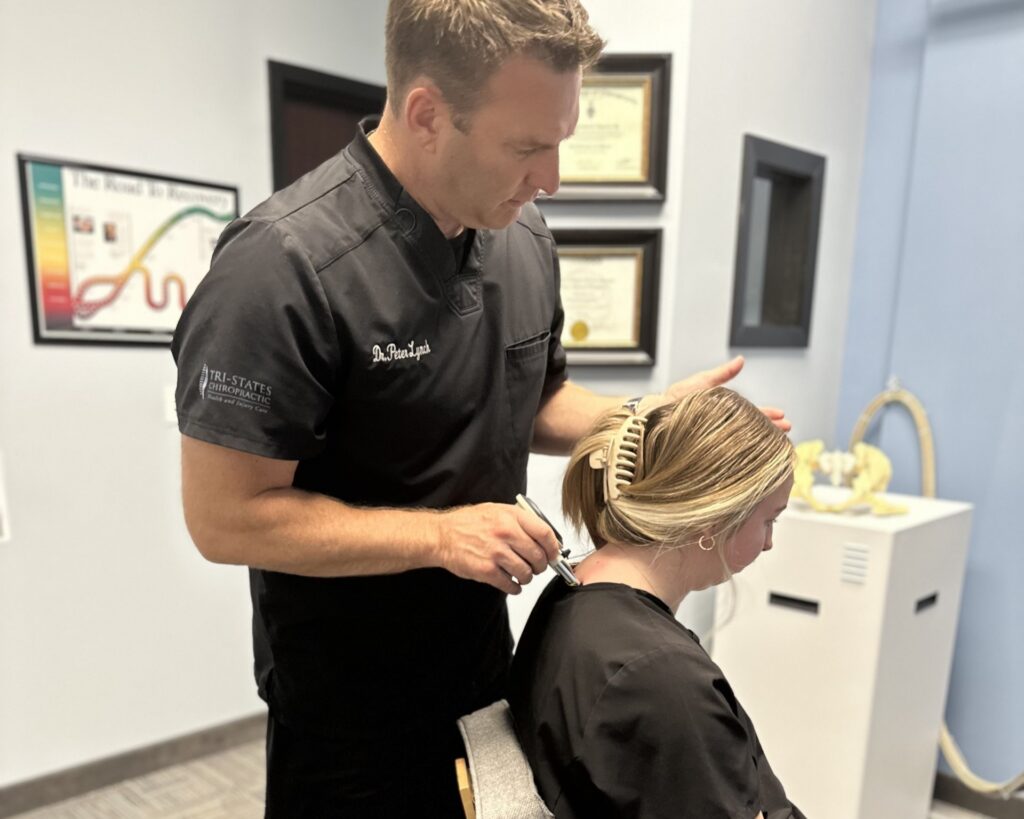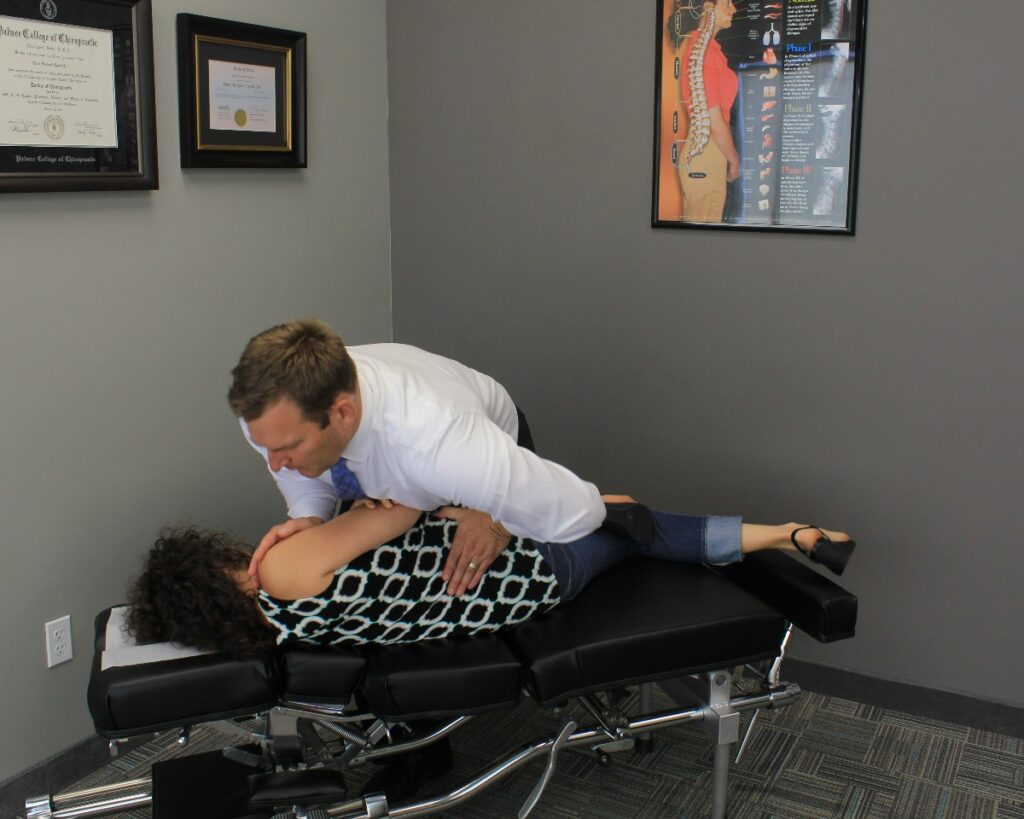
If you’ve been dealing with low back pain, gentle techniques can be a game changer for your recovery. Instead of turning to aggressive treatments, consider the benefits of chiropractic care combined with simple stretches, breathing exercises, and mindful movements. These approaches not only help alleviate discomfort but also work to restore your body’s natural function.
Chiropractic care focuses on aligning the spine and improving overall body mechanics, which is essential for achieving optimal health. By addressing the root cause of your pain, rather than just the symptoms, you can find effective relief and enhance your well-being.
Here are some general tips you can implement right away:
- Gentle Stretches: Incorporate daily stretches that target your lower back and surrounding muscles. Simple movements like knee-to-chest stretches or gentle side bends can greatly improve flexibility and reduce tension.
- Breathing Exercises: Deep breathing can help relax your body and mind. Try inhaling deeply through your nose, holding for a few seconds, and then exhaling slowly through your mouth. This practice can help reduce stress and promote relaxation in your back muscles.
- Mindful Movements: Be aware of your posture throughout the day. Whether sitting, standing, or lifting, maintaining proper alignment can prevent strain on your back.
- Regular Chiropractic Visits: A chiropractic adjustment can help improve spinal alignment and function, which may alleviate pain and enhance your overall health. Regular visits can be key to maintaining your well-being.
By focusing on these gentle techniques and incorporating chiropractic care into your routine, you can empower your body to heal naturally. Remember, you don’t have to endure pain alone. Seeking chiropractic support can guide you on the path to a healthier, pain-free life.
Key Takeaways
Gentle Techniques for Low Back Pain Relief
As a chiropractor, I understand how debilitating low back pain can be. That’s why I want to share some effective, gentle techniques that can help you find relief and support your overall spinal health without the need for medications or surgery.
- Start incorporating gentle stretching exercises into your daily routine. Moves like Knee-to-Chest and Cat-Cow can help relieve tension and improve flexibility in your lower back. These simple stretches can be done at home and require no special equipment.
- Consider practicing yoga poses such as Child’s Pose and Downward Dog. These poses not only enhance mobility but also promote relaxation, which is essential for healing. Yoga can be a wonderful way to connect with your body and ease discomfort.
- Pay attention to your posture! Maintaining good posture and using proper ergonomics while sitting, standing, and lifting can significantly reduce strain on your lower back. Simple adjustments to your workspace and daily habits can make a big difference in how you feel.
- Staying active is key to supporting your spinal health. Engage in low-impact activities like walking, swimming, or yoga. These activities are gentle on your joints and help keep your body moving, which is crucial for reducing pain and maintaining flexibility.
- Lastly, ensure that your sleep environment is supportive. A proper mattress and pillow alignment can relieve pressure on your lower back, allowing for a more restful night’s sleep. Quality sleep is essential for your body to heal and recover.
By incorporating these gentle techniques into your lifestyle, you can experience relief from low back pain and enhance your overall well-being. Remember, chiropractic care is a natural and effective way to support your journey toward optimal health. If you’re struggling with back pain, consider consulting a chiropractor to explore personalized treatment options that focus on your unique needs.
Understanding Low Back Pain
Low back pain is an all-too-common issue that impacts countless individuals across the globe. It can arise from various factors, such as muscle strain, poor posture, or even underlying conditions like herniated discs. As a chiropractor, I believe that understanding the root causes of your discomfort is crucial for finding effective relief and enhancing your overall well-being.
When your muscles, ligaments, or joints are overworked or injured, they send pain signals to your brain, which can lead to discomfort that interferes with your daily activities. It’s not unusual for this pain to vary—sometimes it feels sharp, other times dull, depending on your movements or how well you’re resting. Paying attention to the specific activities or positions that worsen your pain can help you make necessary adjustments to your routine.
A key aspect of managing low back pain is recognizing whether your discomfort is acute (short-term) or chronic (long-lasting). This understanding can guide you in seeking the right approach to treatment. Chiropractic care is an excellent option for addressing low back pain naturally. By focusing on spinal health, we can work to restore proper alignment, improve mobility, and alleviate pain without the need for medications or invasive procedures.
Here are a few general tips to help you manage your low back pain and promote a healthier lifestyle:
- Maintain Good Posture: Whether sitting, standing, or lifting, make sure to keep your spine aligned. Use ergonomic furniture if possible, and be mindful of your body mechanics.
- Stay Active: Gentle exercises and stretches can help strengthen your back and improve flexibility. Activities like walking, swimming, or yoga can be beneficial.
- Listen to Your Body: Pay attention to what movements or positions trigger your pain. Modify your activities accordingly to avoid exacerbating your discomfort.
- Stay Hydrated: Proper hydration supports overall health, including the health of your spinal discs, which can help prevent pain.
- Consult a Chiropractor: Regular chiropractic adjustments can help keep your spine aligned and your body functioning optimally, reducing the likelihood of pain.
The Role of Stretching in Pain Relief
Stretching is an essential practice for anyone looking to relieve low back pain and improve overall wellness. As a chiropractor, I emphasize the importance of maintaining flexibility and reducing muscle tension, which can significantly enhance your mobility and alleviate discomfort. By integrating specific stretching techniques into your daily routine, you can’t only experience relief but also promote natural healing and healthier living.
Here are some benefits of stretching that you should consider:
- Increased Flexibility: Regular stretching helps improve your range of motion, making daily activities easier and less painful.
- Reduced Muscle Tension: Stretching can help release tight muscles that contribute to discomfort and pain, allowing for a more relaxed state in your body.
- Enhanced Posture: Proper stretching can improve your posture, which is crucial for spinal health and can prevent further issues down the line.
- Stress Relief: Taking a few minutes to stretch can also help reduce stress and tension, promoting a sense of well-being.
To get started with stretching, here are some simple techniques you can incorporate into your routine:
- Knee-to-Chest Stretch: Lie on your back and pull one knee toward your chest, holding for 15-30 seconds. This stretch helps relieve tension in your lower back.
- Cat-Cow Stretch: Start on your hands and knees. Alternate between arching your back (like a cat) and lowering your belly (like a cow) to enhance flexibility in your spine.
- Child’s Pose: Kneel on the floor, sit back on your heels, and stretch your arms forward on the floor. This position can provide a gentle stretch for your back and promote relaxation.
Remember, while stretching can be beneficial, it’s vital to listen to your body and avoid any movements that cause pain. For personalized guidance, consider visiting a chiropractor who can provide tailored advice and help you with a stretching routine that fits your needs.
Chiropractic care is a natural and effective approach to achieving optimal health. By combining stretching with regular chiropractic adjustments, you can enhance your overall well-being and find lasting relief from pain. Embrace these practices as part of your journey to healthier living!
Benefits of Stretching
Incorporating stretching into your daily routine can be a game changer when it comes to alleviating low back pain. As a chiropractor, I often see how stretching enhances flexibility, which is essential for maintaining proper posture and reducing strain on your back. When your muscles are flexible, they provide better support for your spine, helping to prevent discomfort and pain.
Stretching also promotes increased blood flow to your muscles, which is vital for healing and reducing stiffness. Just a few minutes of stretching each day can significantly enhance your mobility and decrease tension in your back. This simple practice not only helps you feel more relaxed but also contributes to overall stress relief, making it an excellent tool for your wellness journey.
I encourage you to make stretching a priority in your life. It’s a natural way to manage low back pain without the need for medications or surgeries. Remember, chiropractic care is your best ally in achieving optimal health and wellness. If you’re looking for additional support, a visit to your chiropractor can provide personalized guidance and adjustments to complement your stretching routine.
Here are some tips to get you started:
- Set a Daily Reminder: Schedule a few minutes each day to stretch, whether it’s in the morning, during a break, or before bed.
- Focus on Major Muscle Groups: Pay attention to your hamstrings, hip flexors, and lower back, as these areas often contribute to back pain.
- Listen to Your Body: Stretch gently and avoid pushing yourself too hard; stretching should feel good, not painful.
- Breathe Deeply: Use deep breathing techniques while stretching to enhance relaxation and improve your overall experience.
Recommended Stretching Techniques
Incorporating effective stretching techniques into your routine can significantly enhance your pain relief efforts and overall wellness. Stretching not only improves flexibility but also helps reduce muscle tension and promotes healthy blood flow to the affected areas. As a chiropractor, I recommend these simple yet effective stretches to support your spinal health and alleviate discomfort:
| Stretch Name | Description |
|---|---|
| Cat-Cow Stretch | While on all fours, alternate between arching and rounding your back. This gentle movement helps mobilize your spine. |
| Child’s Pose | Sit back on your heels, reaching forward to stretch your back. This pose promotes relaxation and relieves tension. |
| Seated Forward Bend | Sit with your legs extended and gently bend forward to deepen the stretch. This can help lengthen your spine and improve flexibility. |
| Piriformis Stretch | Cross one leg over the other knee and gently pull your knee toward your chest. This stretch targets the hip area and can relieve lower back strain. |
Incorporating these stretches into your daily routine can lead to noticeable improvements in your low back pain. Remember to listen to your body—never push yourself too hard. Consistent stretching, combined with chiropractic care, can help you achieve optimal health and a pain-free lifestyle. Embrace these natural techniques, and you’ll be on your way to feeling better in no time!
Incorporating Yoga Into Your Routine
Incorporating yoga into your routine can significantly enhance your efforts to relieve low back pain, complementing the benefits of chiropractic care. Yoga promotes flexibility, strengthens core muscles, and fosters relaxation—key elements in alleviating discomfort and supporting a healthy spine.
Start with gentle poses such as Cat-Cow, Child’s Pose, and Downward Dog. These poses can help relieve tension in your back and improve mobility, which is vital for overall spinal health.
Aim for short yoga sessions several times a week; even 15-20 minutes can yield positive results. As you practice, pay attention to maintaining proper alignment and respect your body’s limits. If a pose feels uncomfortable, don’t hesitate to modify it or skip it entirely. This mindful approach not only aids in physical healing but also helps you connect with your breath, cultivating greater awareness of your body’s movements.
Over time, integrating yoga into your routine alongside regular chiropractic adjustments may lead to increased strength and reduced pain. Remember, consistency is key! Make yoga a regular part of your wellness journey for the best outcomes. By focusing on natural methods like yoga and chiropractic care, you can take charge of your health and work towards optimal well-being without the need for surgeries or medications.
Breathing Exercises for Relaxation
When you’re feeling tension in your back, practicing breathing exercises can be a fantastic way to promote relaxation and relief. Techniques like diaphragmatic breathing and visualization not only help you focus your mind but also play a crucial role in releasing stress that can build up in your body.
As a chiropractor, I often see how stress and tension can manifest in physical discomfort, particularly in the spine and surrounding muscles. By incorporating breathing exercises into your daily routine, you can enhance the benefits of chiropractic care and support your overall wellness journey.
Diaphragmatic breathing involves using your diaphragm to take deep, full breaths. This technique increases oxygen flow and can help reduce tension in your back muscles. Visualization, on the other hand, allows you to picture a peaceful scene or imagine the stress melting away, further aiding in relaxation.
Here are some simple tips to get started:
- Find a Comfortable Position: Sit or lie down in a quiet space where you can focus without distractions.
- Breathe Deeply: Inhale slowly through your nose, allowing your abdomen to expand. Hold for a moment, then exhale gently through your mouth. Repeat this for several minutes.
- Visualize Relaxation: As you breathe deeply, imagine a calming place, like a beach or a forest. Picture yourself there, feeling relaxed and free from tension.
- Consistency is Key: Try to practice these exercises daily, especially after your chiropractic adjustments. They can enhance your healing process and help maintain your spinal health.
Diaphragmatic Breathing Technique
Practicing diaphragmatic breathing can significantly enhance relaxation and help alleviate low back pain, which is something many of my patients experience. This simple technique encourages the use of your diaphragm effectively, promoting deeper breaths and reducing tension throughout your body. Incorporating this into your daily routine can be a natural way to support your overall wellness and spinal health. Here’s a straightforward guide on how to perform diaphragmatic breathing:
| Step | Description |
|---|---|
| 1. Find a Comfortable Position | Sit or lie down in a way that feels comfortable for you. |
| 2. Place Your Hands | Rest one hand on your chest and the other on your abdomen. |
| 3. Inhale Deeply | Slowly breathe in through your nose, allowing your abdomen to rise as you fill your lungs. |
| 4. Exhale Fully | Gently breathe out through your mouth, letting your abdomen fall. |
Repeat this process for several minutes each day. You may find that as you practice, stress levels decrease, leading to relief from low back discomfort. Remember, regular diaphragmatic breathing can complement your chiropractic care by promoting relaxation and supporting your body’s natural healing processes.
For optimal health, consider making diaphragmatic breathing a part of your daily routine, along with regular chiropractic adjustments. Together, these practices can help you achieve a healthier, pain-free life. Always listen to your body and consult with your chiropractor for personalized advice on managing discomfort and enhancing your wellness journey.
Visualization for Relaxation
Visualizing a peaceful scene can be an effective way to promote relaxation and alleviate discomfort, particularly for those experiencing low back pain.
Imagine yourself on a tranquil beach, where gentle waves softly lap at your feet and the warm sun envelops you in comfort. As you take a deep breath, envision the fresh ocean air filling your lungs, bringing a sense of calmness to your mind and body. With each exhale, picture tension dissolving from your lower back, allowing it to relax and release.
Alternatively, you might find it helpful to visualize a serene forest. The soothing sounds of rustling leaves and chirping birds create a peaceful atmosphere that encourages relaxation. Spend a few minutes each day focusing on this imagery, as it can help shift your attention away from pain and towards tranquility.
Incorporating visualization techniques can be a beneficial complement to chiropractic care, which aims to restore proper alignment and function to your spine. By maintaining a healthy spine, you can enhance your overall well-being and support your body’s natural healing processes. Remember, regular chiropractic adjustments can help keep your spine aligned, reducing the likelihood of pain and discomfort.
In addition to visualization, here are some simple tips to support your spinal health and overall wellness:
- Stay active: Engage in gentle exercises like walking or yoga to strengthen your back muscles.
- Maintain good posture: Be mindful of your posture when sitting, standing, or lifting to prevent strain on your back.
- Use ergonomic furniture: Invest in chairs and workspaces that support proper alignment.
- Practice stress management: Explore relaxation techniques, such as meditation or deep breathing, to help reduce tension in your body.
Mindfulness and Meditation Techniques
While low back pain can feel daunting, integrating mindfulness and meditation techniques into your daily routine can significantly enhance your comfort and promote healing. By practicing mindfulness, you can center your attention on the present moment, which allows you to acknowledge your pain without allowing it to dominate your thoughts.
Begin by choosing a quiet space where you can sit comfortably. Close your eyes, and take deep, slow breaths—each exhale should help your body release tension. This simple practice not only calms your mind but also encourages physical relaxation.
Consider exploring guided meditations tailored for pain relief. These can help you develop a deeper understanding of your body and its needs. As you meditate, visualize warm, soothing light flowing into your lower back, easing tension and discomfort naturally.
In addition, try body scan techniques. This involves mentally focusing on different parts of your body, which promotes relaxation and increases your awareness of how you hold tension. By regularly practicing these techniques, you can build resilience against pain, reduce stress levels, and improve your overall wellness.
Gentle Strengthening Exercises
Incorporating gentle strengthening exercises into your daily routine can significantly alleviate low back pain and improve your overall stability. These exercises focus on building strength in your core and lower back, which contributes to better posture and reduced discomfort.
Not only can these movements help you feel better, but they also support the benefits of chiropractic care by enhancing your body’s natural alignment and function. Here are four simple and effective exercises you can try at home:
- Pelvic Tilts: Lie on your back with your knees bent. As you tighten your abdominal muscles, gently tilt your pelvis upward. Hold for a few seconds, then relax. This exercise helps strengthen your lower back and core, which is essential for maintaining spinal health.
- Bird-Dog: Start on your hands and knees. As you extend one arm forward, reach out with the opposite leg while keeping your back straight. Hold briefly, then switch sides. This movement promotes balance and strengthens the muscles that support your spine.
- Bridge: Lie on your back with your knees bent and feet flat on the floor. Press through your heels to lift your hips toward the ceiling. Hold for a few seconds before lowering back down. This exercise not only strengthens your lower back but also engages your glutes and core, providing a strong foundation for your spine.
- Wall Sits: Lean against a wall and slide down into a sitting position with your thighs parallel to the ground. Hold this position for 10-30 seconds, feeling the strength in your legs and core. Wall sits engage multiple muscle groups, helping to stabilize your spine and improve your posture.
Incorporating these exercises into your routine can make a significant difference in your daily life. Remember, while these movements can help, regular chiropractic care is essential for addressing the root causes of pain and ensuring your body functions optimally.
Always listen to your body and consult your chiropractor for personalized advice and adjustments. Together, we can work towards achieving your health and wellness goals naturally!
The Benefits of Warm Compresses
After engaging in gentle strengthening exercises, incorporating warm compresses into your routine can significantly enhance relief from low back pain. The warmth of a compress increases blood flow to the affected area, which promotes healing and reduces muscle tension. By applying a warm compress, you’re encouraging your muscles to relax, which can help alleviate discomfort and stiffness.
Using a warm towel or a heating pad is simple and effective. Aim to apply it for 15 to 20 minutes to experience the benefits. This small yet powerful step can make a noticeable difference in your overall comfort. The soothing heat not only eases physical tension but can also help calm your mind, making it easier to unwind after a tough day.
Incorporating warm compresses complements your strengthening exercises and supports a holistic approach to pain relief. Together, they can help you manage your low back pain more effectively, allowing you to enjoy daily activities with greater ease.
The Importance of Posture Awareness
Maintaining good posture is crucial for not only preventing but also alleviating low back pain. As a chiropractor, I can tell you that being mindful of how you hold your body throughout the day can significantly reduce strain on your spine and help you feel your best. Here are some simple tips to keep in mind for better posture and overall wellbeing:
- Sit Up Straight: When sitting, aim to keep your back straight and shoulders relaxed. Choose a chair that supports your lower back to encourage healthy alignment. This will help take pressure off your spine.
- Stand Tall: Distribute your weight evenly on both feet and engage your core muscles. Avoid locking your knees, as this can lead to discomfort. Standing tall not only looks confident but also promotes better spinal health.
- Lift Properly: To lift heavy objects safely, remember to bend at your hips and knees instead of using your back. This technique helps prevent injuries and strains, keeping your spine healthy.
- Take Breaks: If you find yourself sitting for long periods, make it a point to stand, stretch, and move around regularly. This practice helps to prevent stiffness and promotes better circulation, allowing your body to function optimally.
Creating a Supportive Sleep Environment
Creating a supportive sleep environment is vital for alleviating low back pain and ensuring a restful night’s sleep. As a chiropractor, I emphasize the importance of proper spinal alignment during sleep.
Start by selecting a mattress that strikes a balance between support and comfort—neither too soft nor too firm. If your mattress has seen better days or shows signs of sagging, it may be time for an upgrade. A supportive pillow is also key; it should keep your neck aligned with your spine, promoting a healthier posture.
Your sleep position plays a significant role in your back health as well. I recommend sleeping on your side with a pillow tucked between your knees. This simple adjustment can relieve pressure on your lower back and help maintain proper spinal alignment.
Creating the right atmosphere in your bedroom can further enhance your sleep quality. Aim to keep your room cool, dark, and quiet to foster a relaxing environment. Consider incorporating calming elements, such as soft lighting or soothing scents, to help signal to your body that it’s time to unwind.
Establishing a calming bedtime routine can also be beneficial. Limit screen time in the hour leading up to sleep, as the blue light emitted by devices can disrupt your natural sleep cycle. Instead, engage in relaxing activities such as reading a book or practicing gentle stretches.
When to Seek Professional Help
If your low back pain persists for more than a few weeks, it’s a good idea to consider visiting a chiropractor for professional help. Chiropractic care focuses on addressing the root causes of pain through natural, drug-free methods. It’s important to also pay attention to any additional symptoms such as numbness or weakness, as these could indicate a more serious issue that warrants attention.
Reaching out to a chiropractor can provide you with a thorough assessment and personalized treatment plan tailored to your needs. They can help you understand your condition better and guide you towards optimal health. Remember, taking care of your spine is vital for overall wellness!
In the meantime, consider incorporating gentle stretching and strengthening exercises into your daily routine. Staying active can aid in the healing process and promote better spinal health.
Also, practicing good posture while sitting and standing can significantly reduce strain on your back. Don’t hesitate to seek chiropractic care if you’re uncertain about your condition; it’s a proactive step towards a healthier, pain-free life!
Persistent Pain Duration
When low back pain sticks around for more than a few weeks, it’s crucial to consider reaching out for professional help, particularly chiropractic care. Ignoring ongoing pain can lead to more serious issues and can extend your discomfort. Here are some key signs that it’s a good time to consult a chiropractor:
- Persistent Pain: If your pain is constant and doesn’t get better with rest or simple home remedies, it’s a clear signal that your body needs some expert attention.
- Increased Intensity: If your pain is getting worse over time and is affecting your ability to carry out daily activities, it’s important to seek help. A chiropractor can help identify the root cause and provide relief.
- Limited Mobility: If you’re finding it harder to carry out routine tasks or movements, don’t hesitate to reach out. Chiropractic adjustments can enhance your mobility and help restore your range of motion.
- Pain Interference: If your pain is disrupting your sleep or negatively impacting your mental well-being, it’s time to take action. Chiropractic care not only addresses physical pain but can also support your overall wellness, including your mental health.
Addressing these signs early through chiropractic care can make a significant difference in managing your low back pain and improving your overall quality of life.
In addition to seeking chiropractic care, here are some general tips to help support your back health:
- Stay Active: Gentle exercises like walking or stretching can help keep your back strong and flexible.
- Practice Good Posture: Whether sitting or standing, maintaining good posture can reduce strain on your back.
- Use Supportive Furniture: Ensure your chair and mattress provide the support your back needs.
- Stay Hydrated: Drinking plenty of water supports spinal health by keeping tissues hydrated.
Associated Symptoms Present
Persistent low back pain can often bring along other symptoms that signal it’s time to seek professional help. If you notice numbness or tingling in your legs, it’s a good idea to visit your chiropractor. These sensations can indicate that your spine may need some attention. Additionally, if you experience sudden weight loss, fever, or changes in bladder or bowel control, it’s crucial to consult a healthcare provider, as these can point to more serious issues that need to be addressed.
Another important sign to watch for is if your pain radiates down one or both legs or worsens with movement. Chiropractic care can be incredibly effective in addressing these symptoms and restoring balance to your body. Our approach focuses on understanding how your spine and nervous system work together to impact your overall health.
While you’re on your journey to recovery, here are some general tips to help manage your low back pain:
- Stay Active: Gentle movements and stretches can help keep your back flexible. Consider incorporating activities like walking or yoga into your routine.
- Good Posture: Pay attention to your posture while sitting or standing. Keeping your spine aligned can alleviate unnecessary strain.
- Ergonomic Support: If you spend long hours at a desk, ensure your workspace is set up to support your spine. Use chairs that promote good posture and take regular breaks to move around.
- Heat and Cold Therapy: Applying heat can relax tense muscles and improve blood flow, while cold packs can help reduce inflammation and numb pain.
- Stay Hydrated: Drinking plenty of water supports overall health and helps maintain the elasticity of spinal discs.