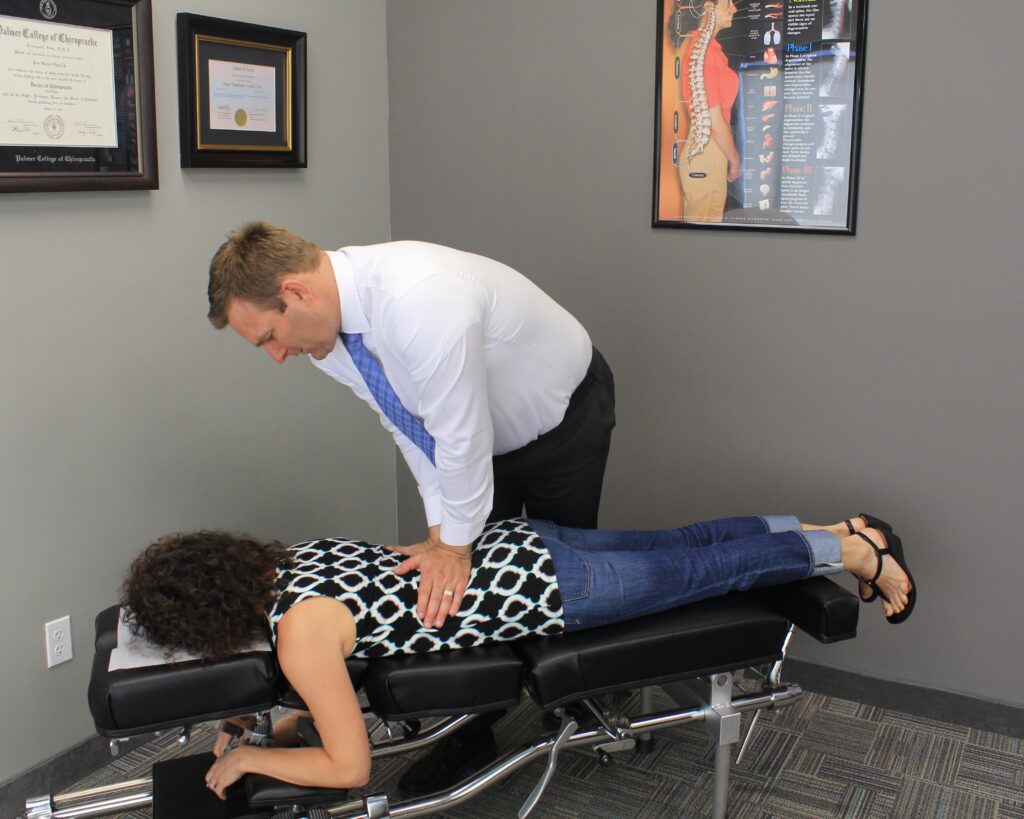
As a local chiropractor, I want to emphasize just how much your posture can impact your back health. Many people may not realize that simple adjustments in how you sit, stand, or lift can lead to significant relief from back pain. For instance, making sure your feet are flat on the floor while seated or actively engaging your core when standing are small yet powerful changes that can alleviate discomfort.
Unfortunately, many individuals continue to struggle with common posture mistakes that may be worsening their pain. By understanding these nuances, you can start transforming your daily routine for the better. It's important to explore various techniques that not only support your back health but also promote overall well-being. Remember, chiropractic care is all about natural healing, and optimizing your posture is a vital step on this journey. Let's work together to ensure your body is aligned and functioning at its best.
Understanding Back Pain
Back pain can originate from a variety of sources, including poor posture, injuries, or underlying health conditions. As a local chiropractor, I want to emphasize the importance of identifying the root cause of your discomfort. Understanding what contributes to your pain is crucial for effectively addressing it.
For example, if you've been sitting for extended periods without movement, your muscles may become tense and fatigued, leading to discomfort. This tension can misalign your spine, worsening your pain.
Alternatively, a sudden injury—like lifting something too heavy or twisting in an awkward manner—can result in acute back pain that often requires immediate attention.
Chronic conditions like arthritis or herniated discs can also be significant contributors to back pain. These conditions may cause inflammation, nerve compression, or structural changes in your spine, leading to ongoing discomfort.
It's essential to listen to your body; if your back pain persists or intensifies, seeking professional guidance can help you uncover the underlying issues.
Keeping a pain diary can also be incredibly helpful. By noting when and where your pain occurs, you can identify patterns and triggers that may be contributing to your discomfort.
Understanding the nature of your pain is the first step toward finding relief. With this knowledge, you can take proactive measures to address your pain through posture corrections, chiropractic adjustments, physical therapy, or other holistic approaches.
Importance of Good Posture
As a local chiropractor, I want to emphasize the vital role that good posture plays in your overall health.
Proper alignment of your spine is crucial in reducing strain and preventing back pain, which many of my patients experience. When you maintain good posture, your muscles work more efficiently, making it easier for you to move without discomfort.
By adopting these habits, you can enhance your wellbeing and improve your quality of life significantly.
Reduces Strain on Spine
As a chiropractor, I'm here to emphasize the importance of maintaining proper posture for the health of your spine. Many people may not realize that how you sit or stand can significantly impact your spinal health. When you adopt correct posture, you distribute your body weight evenly, which helps prevent unnecessary pressure on specific areas of your back. This proper alignment supports your spine's natural curve, reducing discomfort and lowering the risk of long-term damage.
It's common to overlook posture, but poor habits can lead to muscle imbalances and increase tension in your back. By focusing on how you carry yourself, you're taking proactive steps not only to protect your spine but also to enhance your overall well-being.
Whether you find yourself at a desk for long hours or lifting heavy items, being mindful of your body positioning can lead to meaningful improvements in your comfort and mobility.
To help you maintain good posture, I recommend a few simple strategies: Keep your shoulders relaxed and aligned with your ears, and engage your core muscles. When sitting, ensure your feet are flat on the ground and that your back is well-supported. If you're standing, distribute your weight evenly across both feet.
These adjustments may seem small, but they can significantly reduce the strain on your spine, allowing you to move more freely and comfortably throughout your day. By prioritizing your posture now, you're investing in a healthier, pain-free future. Let's work together to cultivate habits that support your spinal health!
Enhances Muscle Functionality
As a local chiropractor, I want to emphasize that proper posture isn't just about looking confident; it plays a vital role in optimizing how your muscles function. When you maintain good posture, your muscles operate more efficiently, which means they can carry out their tasks without unnecessary strain or fatigue.
For example, when you stand or sit up straight, your muscles can engage effectively, allowing weight to be distributed evenly across your body. This alignment is essential in preventing some muscle groups from being overworked while others are neglected.
Consider your core muscles for a moment. Slouching can cause these crucial muscles to disengage, leading to weakness and instability. On the other hand, when you consciously sit or stand tall, your core becomes activated, which supports your spine and enhances your balance.
You may find that everyday movements—like lifting, bending, or walking—become much easier and more fluid.
Additionally, maintaining good posture promotes proper breathing, which is key to increasing oxygen flow to your muscles. This influx of oxygen aids in quicker recovery and better performance during physical activities.
So, I encourage you to pay attention to how you hold your body throughout the day. By making a concerted effort to enhance your posture, you're not only improving your appearance but also empowering your muscles to work at their best.
The positive effects will be noticeable in your strength, endurance, and overall physical performance. Remember, a few simple adjustments can lead to significant improvements in your health and well-being!
Improves Overall Wellbeing
As a local chiropractor, I want to emphasize the significant role your posture plays in your overall wellbeing. It's not just about how you feel physically; your posture affects how you engage with the world around you. When you practice good posture, you're likely to notice a boost in your energy levels and a decrease in fatigue. This increase in energy can enhance your productivity, allowing you to approach your daily tasks with greater ease and enthusiasm.
Moreover, maintaining proper posture can positively influence your mood and self-confidence. When you stand tall and sit straight, you naturally project confidence, which can change how others perceive you. Feeling good about your posture can lead to more positive interactions and stronger relationships with those around you.
From a chiropractic perspective, good posture is crucial for supporting your body's natural alignment. It helps to alleviate strain on your muscles and joints, reducing the risk of chronic pain and promoting better organ function. By prioritizing your posture, you're taking a proactive step towards improving both your physical and mental health.
Integrating posture techniques into your daily routine goes beyond just preventing back pain; it's about enhancing your overall quality of life. I encourage you to take a moment to assess your posture today and discover the benefits it can bring to your wellbeing.
Common Posture Mistakes
As a local chiropractor, I want to share some important insights about common posture mistakes that many of you may not even be aware of.
These seemingly minor habits, such as slouching while sitting, misalignment when standing, and improper lifting techniques, can contribute to significant back pain over time.
It's crucial to recognize and address these errors to maintain a healthy spine and overall well-being.
By making simple adjustments to your posture, you can greatly improve your comfort and prevent potential issues down the line.
I'm here to help you understand how chiropractic care can support you in achieving better posture and a healthier lifestyle.
Slouching While Sitting
As a local chiropractor, I often see patients who are unaware of the impact that poor sitting habits, such as slouching, can have on their overall health. Slouching while seated is a common issue that many of us do unconsciously, and over time, it can lead to significant back pain and discomfort.
You may not even realize you're in that rounded-back position with drooping shoulders, but this poor posture places undue stress on your spine and can result in tight muscles and compressed discs.
To help you maintain a healthier posture, I encourage you to be mindful of how you sit. Aim to keep your back straight and shoulders relaxed. Ensure that your feet are flat on the floor, and your knees are at or just below hip level.
If you're sitting in a chair that lacks proper lumbar support, consider using a supportive cushion to help uphold the natural curve of your lower back.
It's also important to take regular breaks throughout your day. Standing up, stretching, and resetting your posture can make a significant difference in how you feel.
Even small adjustments can have a positive impact on your spine and overall comfort. If you catch yourself reverting to that slouched position, gently remind yourself to sit up straight.
By being mindful of your posture while sitting, you can greatly reduce your risk of developing back pain and enhance your comfort during daily activities.
Misalignment During Standing
As a local chiropractor, I often see patients who are unaware of how their standing posture can negatively impact their spine and overall well-being. Many individuals unknowingly adopt habits that lead to misalignment and discomfort.
Let's take a closer look at four common mistakes you might be making while standing, and how to correct them for better health:
- Locked Knees: Many of us tend to lock our knees when standing, which can put unnecessary strain on the lower back and hinder circulation. I recommend keeping a gentle bend in your knees to promote stability and reduce discomfort.
- Weight Shift: If you often shift your weight from one leg to another, this can create uneven pressure on your spine over time. It's important to distribute your weight evenly across both feet to maintain proper alignment and support your body effectively.
- Forward Head Posture: A common issue I see is the forward jutting of the head, which places significant stress on the neck and upper back. Visualize a string pulling your head upward, aligning it with your spine. This simple adjustment can alleviate tension and promote better posture.
- Rounded Shoulders: Slumping your shoulders can compress your chest and limit your breathing capacity. I encourage you to consciously pull your shoulders back and down, opening up your chest. This not only improves your posture but also enhances your lung function.
By being mindful of these common posture mistakes, you can make simple adjustments that lead to significant improvements in your alignment and overall health.
Improper Lifting Techniques
As a local chiropractor, I often encounter patients who may not think about their lifting techniques. It's surprising how many people are unaware that improper lifting is a leading cause of back pain. When you bend at the waist rather than squatting, you're placing a significant strain on your lower back.
It's vital to keep your spine aligned and engage your core muscles while lifting to protect your back.
When preparing to lift an object, position your feet shoulder-width apart. Bend your knees and lower your hips while keeping your back straight. This stance helps to evenly distribute the weight across your legs, reducing the burden on your back.
As you grasp the object, hold it close to your body; the farther away it is, the more stress you place on your spine.
It's also important to avoid twisting your torso while lifting. Instead, pivot your feet to change direction. If the item feels too heavy or awkward, please don't hesitate to ask for assistance or utilize tools like dollies or hoists.
Techniques for Proper Sitting
As a local chiropractor dedicated to helping you understand the importance of proper sitting techniques, I want to emphasize how these practices can significantly alleviate back pain and improve your overall well-being.
By sitting correctly, you support your spine, reduce muscle strain, and promote better circulation. Here are four essential techniques to enhance your sitting posture that I encourage you to adopt:
- Choose the Right Chair: Look for a chair that provides good lumbar support and encourages the natural curve of your spine. It's important that your feet can rest flat on the floor, with your thighs parallel to the ground. A chair that promotes proper alignment can make a world of difference.
- Adjust Your Desk Height: Your desk should be at a comfortable height to facilitate good posture. When typing, aim for your elbows to be at a 90-degree angle, keeping your wrists straight and your hands slightly elevated above the keyboard. This will help prevent strain and discomfort.
- Position Your Screen: Your computer monitor should be positioned at eye level to avoid straining your neck or leaning forward. Ideally, it should be about an arm's length away, allowing you to read comfortably without squinting. This small adjustment can greatly enhance your sitting experience.
- Take Frequent Breaks: Even with the best sitting techniques, staying in one position for too long can lead to discomfort. I recommend setting a timer to remind yourself to stand up, stretch, or take a short walk every 30-60 minutes. These breaks are crucial for maintaining good spinal health.
By incorporating these techniques into your daily routine, you can support your spine and overall health, paving the way for a more comfortable and pain-free life.
If you have any questions or need further guidance, don't hesitate to reach out!
Standing Posture Tips
As a local chiropractor, I want to emphasize the importance of maintaining good standing posture, especially since many of us are on our feet for extended periods throughout the day. Proper posture is crucial for your overall health and can prevent discomfort and strain in your body.
To achieve proper standing posture, start with your feet positioned shoulder-width apart. This creates a stable base and helps distribute your weight evenly across your body. It's important to keep your knees slightly bent; locking your knees can lead to unnecessary tension and discomfort.
Engaging your abdominal muscles is vital when standing. This action provides essential support to your spine, helping to keep it aligned and reducing the risk of pain. Your shoulders should be relaxed—avoid hunching or raising them.
Think of a string gently pulling your head upward from the crown; this imagery can help lengthen your neck and align your head directly over your shoulders, minimizing strain on both your back and neck.
Allow your arms to hang naturally at your sides or rest them on your hips. Pay attention to the position of your wrists; keeping them straight prevents tension in your forearms. If you find yourself standing for long durations, it's beneficial to shift your weight from one foot to the other every so often. This simple movement can significantly reduce fatigue and discomfort.
For those of you who spend extended periods upright, consider using a footrest or small stool to elevate one foot occasionally. This small adjustment can help relieve pressure on your lower back, promoting better alignment.
Lastly, don't underestimate the impact of your footwear. Supportive shoes are essential for maintaining good posture and enhancing your overall comfort.
Strengthening Core Muscles
As your local chiropractor, I want to emphasize the vital role that strengthening your core muscles plays in alleviating back pain and enhancing your overall posture.
Many people think of their core as just a six-pack, but it encompasses a complex group of muscles that stabilize your body and support your spine. By nurturing these muscles, you can improve your alignment and reduce discomfort.
Here are four effective exercises I recommend incorporating into your routine:
- Planks: Begin in a push-up position while resting on your forearms instead of your hands. Maintain a straight line from your head to your heels, actively engaging your core. Aim to hold this position for 20-60 seconds, focusing on your breathing.
- Bridges: Lie on your back with your knees bent and feet flat on the floor. As you lift your hips toward the ceiling, remember to squeeze your glutes and engage your core. Hold this position for a few seconds, then gently lower back down. This exercise helps to strengthen the lower back and glutes.
- Dead Bugs: Lie on your back with your arms extended towards the ceiling and your knees bent at 90 degrees. Slowly lower one arm and the opposite leg towards the floor while keeping your back flat against the ground. Return to the starting position and alternate sides. This movement promotes coordination and core stability.
- Russian Twists: Sit on the floor with your knees bent and lean back slightly. You can hold a weight or clasp your hands together. Twist your torso to one side, then the other, while engaging your core throughout the exercise. This helps improve rotational strength and flexibility.
By integrating these exercises into your daily routine, you can build a stronger core, alleviate back pain, and enhance your posture.
I encourage you to get started today—your back will thank you for the support it deserves! If you have any questions or need personalized guidance, feel free to reach out during your visits. Your health and well-being are our top priority!
Stretching for Back Relief
As a chiropractor, I want to emphasize the importance of stretching in relieving back pain. Stretching isn't just a simple exercise; it's a fundamental practice that can greatly enhance your flexibility and reduce muscle tension. By incorporating regular stretching into your daily routine, you can help your muscles and spine maintain a healthy range of motion. This is essential for preventing stiffness and alleviating discomfort, particularly if you spend long hours sitting or have developed poor posture.
Let's start with some gentle stretches that specifically target the key muscle groups in your back. One of my favorite recommendations is the child's pose. To perform this stretch, kneel on the floor, sit back on your heels, and extend your arms forward while lowering your torso toward the ground. Hold this position for about 20-30 seconds, remembering to breathe deeply. This not only stretches your back but also helps to calm your mind, which can be beneficial for overall wellness.
Another effective stretch is the cat-cow stretch. Begin on all fours, arch your back upward like a cat, and then dip it down while lifting your head, resembling a cow. Repeat this sequence for around 10 cycles. This dynamic movement enhances spinal flexibility and alleviates tension in the back.
It's also important to address the tightness in your hamstrings and hip flexors, as these areas can significantly contribute to back pain. For your hamstrings, try standing and reaching for your toes to achieve a good stretch. To target your hip flexors, consider performing a lunge stretch.
Integrating these stretches into your everyday routine can lead to remarkable improvements in your back health. Remember, consistency is crucial; make stretching a regular part of your day to experience long-lasting relief from back pain.
If you're unsure about how to begin or want personalized guidance, don't hesitate to reach out for a consultation. Together, we can work towards helping you achieve a healthier, pain-free back.
Conclusion
As a local chiropractor, I want to educate you on the significant impact that posture can have on your back health. By focusing on your posture and incorporating specific techniques into your daily routine, you can effectively alleviate back pain and enhance your overall well-being.
It's essential to sit with your feet flat on the ground and maintain a neutral spine. When standing, remember to engage your core muscles to support your back. Proper lifting techniques are also crucial—always bend your knees and keep the load close to your body. Additionally, incorporating regular stretching into your day will help maintain flexibility in your back and prevent stiffness.
With consistent attention to these practices, not only will you find relief from discomfort, but you'll also promote long-term health for your spine. I encourage you to start making these adjustments today and experience the positive changes for yourself! If you have any questions or need guidance, don't hesitate to reach out. Your health is my priority!