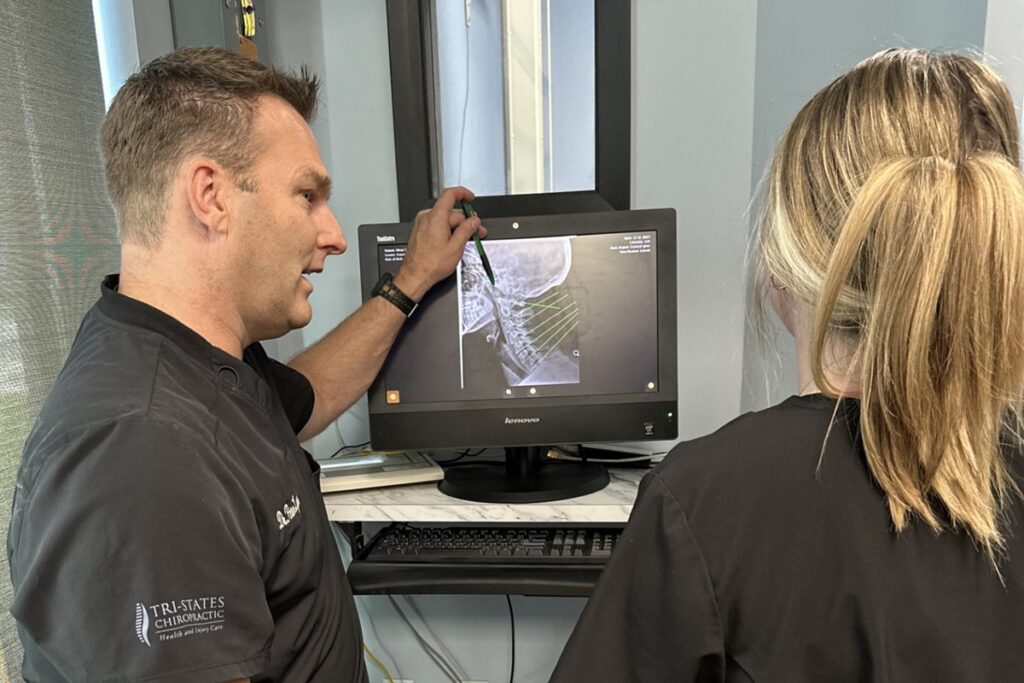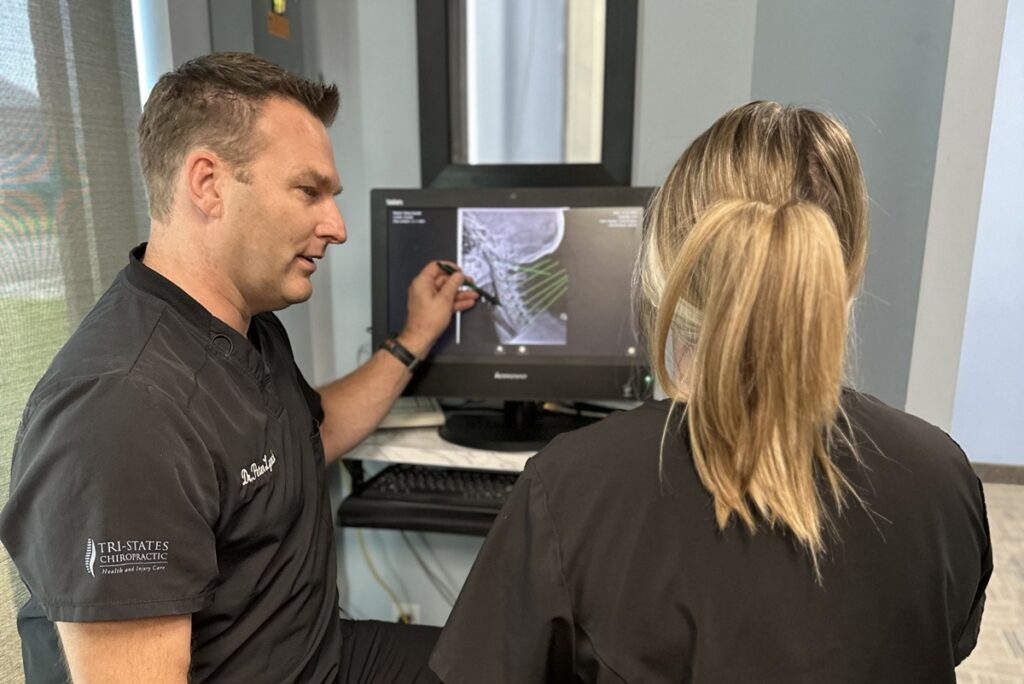
Headaches can be more than just a nuisance; they can disrupt your daily life and well-being. As a chiropractor, I believe that understanding the types and triggers of headaches is crucial in your journey to find effective relief. Stress, dietary choices, and physical tension often play significant roles in your pain. By exploring these factors, you can begin to develop a comprehensive management plan that suits your individual needs.
One of the most effective ways to address headaches is through chiropractic care. Chiropractic adjustments focus on aligning the spine and relieving tension in the nervous system, which can help reduce headache frequency and intensity. Regular visits to a chiropractor can not only alleviate your current discomfort but also promote overall wellness and prevent future headaches.
In addition to chiropractic care, here are some general tips you can incorporate into your daily routine to help manage headaches:
- Stay Hydrated: Dehydration can lead to headaches, so make sure you’re drinking plenty of water throughout the day.
- Practice Good Posture: Poor posture can contribute to tension in the neck and shoulders, leading to headaches. Be mindful of your posture while sitting, standing, and using screens.
- Manage Stress: Incorporate relaxation techniques such as deep breathing, meditation, or yoga into your routine to help manage stress levels.
- Monitor Your Diet: Keep track of foods that may trigger headaches for you. Common culprits include caffeine, alcohol, and processed foods.
- Get Regular Exercise: Physical activity can help reduce stress and tension, contributing to fewer headaches. Aim for at least 30 minutes of moderate exercise most days of the week.
- Prioritize Sleep: Ensure you’re getting enough restorative sleep each night, as lack of sleep can trigger headaches.
By focusing on these strategies and incorporating chiropractic care into your wellness routine, you can take significant steps toward finding relief from headaches and achieving optimal health. Remember, your journey to wellness is a personal one, and I’m here to help guide you every step of the way.
Key Takeaways
- To effectively manage headaches and prevent them from recurring, it’s important to identify common triggers like stress, dehydration, and specific foods. By understanding these triggers, you can take proactive steps to minimize their impact on your health.
- Regular chiropractic adjustments play a vital role in improving spinal alignment, which can help relieve muscle tension and provide significant headache relief. Chiropractic care focuses on restoring balance to your body and addressing the root causes of your discomfort.
- Incorporating relaxation techniques, such as deep breathing and mindfulness meditation, can be incredibly beneficial. These practices help lower stress levels, which is key in alleviating headache pain. Remember, a calm mind contributes to a healthy body.
- Maintaining a consistent sleep schedule and staying well-hydrated by drinking plenty of water are essential for overall wellness. Proper hydration supports your bodily functions and can help prevent headaches from developing in the first place.
- Keeping a headache diary is a simple yet effective tool. By tracking your headache patterns and symptoms, you can identify what works best for you. This personalized approach allows for tailored management strategies and lifestyle adjustments to enhance your well-being.
Embracing chiropractic care as part of your wellness journey can lead to natural healing and a healthier lifestyle. Making these adjustments in your daily routine can empower you to live a pain-free life.
Understanding Headaches: Types and Triggers
Headaches can come on suddenly, often leaving you in search of relief. Understanding the various types of headaches is crucial for effective management, and chiropractic care can play a significant role in alleviating your discomfort. You may experience tension headaches, which often feel like a tight band around your head, or migraines, known for their intense pain, nausea, and sensitivity to light. Less commonly, cluster headaches can occur, bringing intense pain in cyclical patterns.
Identifying your headache triggers is equally important for managing your symptoms. Common triggers include stress, lack of sleep, dehydration, and certain foods. One practical tip is to keep a headache diary to track patterns and identify what might be causing your discomfort. By recognizing these triggers, you can take proactive steps towards managing your headaches naturally.
Chiropractic care offers a holistic approach to pain relief and wellness. Regular adjustments can help alleviate tension in your spine and neck, which may contribute to headache pain. Additionally, maintaining proper posture, staying hydrated, and getting adequate rest are essential for reducing headache occurrences.
Your body communicates through these signals, and by tuning in to what it’s telling you, you can develop better strategies for relief.
Take charge of your health by exploring chiropractic care as a natural alternative for managing headaches. With the right support and knowledge, you’ll be on your way to understanding and alleviating your headaches for a healthier, more vibrant life.
Common Causes of Chronic Headaches
Chronic headaches can often be linked to tension and stress factors in your life, and as a chiropractor, I want to help you understand how to address these issues naturally. Many people also discover that certain foods can trigger their pain or that dehydration contributes significantly to their discomfort.
By recognizing these common causes, you can take proactive steps to manage and even prevent headaches. One of the best approaches is to focus on spinal health and alignment. Regular chiropractic adjustments can help alleviate tension in the neck and upper back, which are often culprits in headache development.
Additionally, here are some simple tips to incorporate into your daily routine:
- Stay Hydrated: Ensure you drink plenty of water throughout the day to avoid dehydration, which can lead to headaches.
- Mind Your Posture: Be mindful of your posture, especially if you spend long hours at a desk. Sitting up straight and taking regular breaks can help reduce stress on your spine.
- Practice Relaxation Techniques: Incorporate relaxation methods such as deep breathing, yoga, or meditation to help manage stress levels.
- Limit Trigger Foods: Keep a food diary to identify any foods that may trigger your headaches, and try to limit or eliminate them from your diet.
- Regular Chiropractic Care: Make chiropractic adjustments a part of your wellness routine. They can help improve spinal alignment, reduce tension, and promote overall health.
Embracing these natural methods can significantly enhance your well-being and help you achieve lasting relief from chronic headaches.
Tension and Stress Factors
When you’re feeling the weight of pressure, it’s common for tension and stress to accumulate, which can lead to persistent headaches. Understanding where your stress originates is a crucial step in finding relief.
Here are some common tension and stress factors that could be contributing to your discomfort:
- Strained relationships at home or work can create emotional stress, leading to physical symptoms like headaches.
- Spending long hours in front of screens can cause eye strain and poor posture, both of which can intensify headache pain.
- Maintaining poor posture while sitting or working can place unnecessary strain on your spine, contributing to tension headaches.
- High-pressure deadlines or overwhelming responsibilities can elevate stress levels, leading to muscle tension in the neck and shoulders.
- Lack of sleep or inadequate rest can exacerbate stress, making it difficult for your body to recover.
Recognizing these triggers is the first step toward alleviating stress and headaches. Chiropractic care is a natural and effective approach to address these issues. By focusing on spinal alignment and overall wellness, chiropractic adjustments can help reduce tension and promote relaxation.
In addition to regular chiropractic care, here are some simple tips you can incorporate into your daily routine:
- Practice relaxation techniques such as deep breathing or meditation to help manage stress levels.
- Take regular breaks from screens to reduce eye strain—try the 20-20-20 rule: every 20 minutes, look at something 20 feet away for at least 20 seconds.
- Be mindful of your posture—ensure your workstation is ergonomically designed to support your spine and reduce strain.
- Prioritize a consistent sleep schedule to ensure your body has time to recover and rejuvenate.
By addressing these factors and incorporating chiropractic care into your wellness routine, you can pave the way for headache relief and overall better health.
Dietary Triggers and Dehydration
Headaches can be a frustrating experience, and while many factors can contribute to them, dietary triggers and dehydration are often overlooked. As a chiropractor, I want to share how these elements can impact your overall health and how chiropractic care can help you achieve optimal wellness.
Certain foods can trigger headaches for some individuals. Aged cheeses, processed meats, and artificial sweeteners are common culprits. It’s important to be aware of what you’re consuming. Keeping a food diary can be a helpful way to pinpoint any specific foods that may lead to your headaches. By identifying these triggers, you can make informed choices that support your health and well-being.
Dehydration is another significant factor that can lead to painful headaches. If you’re not drinking enough water throughout the day, your body may react negatively. Aim for at least eight glasses of water daily, and consider your activity level and climate when making adjustments. Staying well-hydrated not only helps prevent headaches but also supports the overall function of your body.
In addition to being mindful of your diet and hydration, incorporating regular chiropractic care into your wellness routine can greatly contribute to reducing headache frequency and intensity. Chiropractic adjustments can help align your spine, relieve tension, and improve overall nervous system function, which can play a crucial role in alleviating headache pain.
To enhance your wellness journey, consider these tips:
- Keep a food diary to identify any headache triggers.
- Drink plenty of water throughout the day to stay hydrated.
- Schedule regular chiropractic visits to address any spinal misalignments and promote natural healing.
- Practice relaxation techniques, such as deep breathing or gentle stretching, to relieve tension.
By being proactive about your diet, hydration, and incorporating chiropractic care, you can pave the way for a more comfortable and fulfilling life, free from the burden of frequent headaches.
The Role of Stress in Headache Development
Stress plays a significant role in the development of headaches, often acting as a trigger that intensifies existing conditions. When life feels overwhelming, your body releases hormones like cortisol, which can lead to muscle tension and increased sensitivity to pain. You may find that stressful situations or prolonged anxiety can make your headaches more frequent or intense.
As a chiropractor, I want to help you understand the connection between stress and headaches and how chiropractic care can be a natural approach to finding relief. Here are some factors related to stress and headaches, along with tips on how chiropractic care can help:
- Muscle Tension: Stress can cause tightness in your neck and shoulder muscles, leading to tension headaches. Chiropractic adjustments can help relieve this tension by realigning the spine and improving muscle function, allowing your body to relax.
- Sleep Disruption: Anxiety can disrupt your sleep, increasing the likelihood of headaches. Regular chiropractic care can help improve sleep quality by relieving tension and promoting relaxation, so you wake up feeling refreshed.
- Poor Posture: Stress often leads to slouching, which can strain your neck and head. A chiropractor can work with you to correct your posture, reducing strain on your muscles and helping to prevent headaches.
- Increased Sensitivity: Stress can heighten your nervous system response, making you more sensitive to pain. Chiropractic care focuses on balancing your body’s systems, which can help reduce this sensitivity and alleviate pain.
- Avoidance Behaviors: Stress might cause you to skip meals or forget to stay hydrated, both of which can trigger headaches. Incorporating regular chiropractic visits can help you establish a healthier routine and encourage mindful self-care.
Recognizing the strong connection between stress and headaches can empower you to manage your stress levels effectively. Chiropractic care offers a natural, drug-free approach to pain relief and overall wellness.
If you’re experiencing headaches related to stress, consider reaching out to a chiropractor for personalized care that focuses on addressing the root cause of your discomfort. Remember, taking care of your spine is a crucial step toward achieving optimal health and wellness!
Nutritional Factors That Influence Headaches
Understanding the connection between stress and headaches is crucial, but it’s equally important to consider how nutritional factors can play a role in your discomfort. As a chiropractor, I believe that what you eat can significantly influence the frequency and severity of headaches.
For example, dehydration is a common headache trigger, so it’s vital to stay hydrated by drinking enough water throughout the day. Certain foods may also contribute to headache pain. For some individuals, aged cheeses, processed meats, and foods containing MSG can lead to discomfort.
To help identify your specific triggers, consider keeping a simple food diary. This can help you observe how your body responds to different foods and make necessary adjustments.
On the positive side, incorporating magnesium-rich foods like spinach, nuts, and whole grains into your diet can help prevent headaches. Additionally, omega-3 fatty acids found in fish are known to reduce inflammation, which can be beneficial for overall well-being.
Remember, focusing on a balanced diet is just one piece of the puzzle. Regular chiropractic care can also support your journey toward optimal health and pain relief.
Chiropractic adjustments help align your spine, which can improve nervous system function and may reduce the frequency and intensity of headaches. By combining good nutrition with chiropractic care, you can take significant steps toward a healthier, headache-free life.
Holistic Remedies for Headache Relief
When you’re looking for relief from headaches, it’s important to consider holistic remedies that focus on the whole person, not just the symptoms. As a chiropractor, I believe in the power of natural healing and spinal health as key components of overall wellness.
Here are some holistic approaches that can complement chiropractic care and may help alleviate headache pain:
- Aromatherapy: Using essential oils like lavender and peppermint can create a calming environment. These scents might help ease tension and promote relaxation, which can be beneficial alongside regular chiropractic adjustments.
- Acupressure: This technique involves applying pressure to specific points on your body. It can help relieve headache pain and tension. Learning a few acupressure points can be a great addition to your self-care routine.
- Herbal Teas: Sipping on chamomile or ginger tea can help reduce inflammation and soothe discomfort. These natural remedies are gentle on your body and can be a relaxing ritual.
- Mindfulness Meditation: Incorporating mindfulness practices into your day can help you manage stress better, which is often a trigger for headaches. By focusing on your breath and being present, you may notice a reduction in headache frequency.
- Yoga and Stretching: Gentle movements, especially those that focus on the neck and shoulders, can enhance circulation and relieve tension. Incorporating stretches into your routine can complement the benefits of chiropractic care.
Remember, while these holistic remedies can provide relief, regular chiropractic adjustments are essential for maintaining spinal health and preventing headaches in the first place.
The Importance of Hydration and Sleep
As a chiropractor, I can’t emphasize enough how crucial staying hydrated and getting sufficient sleep are for your overall well-being, especially when it comes to preventing headaches. When your body is dehydrated or you’re not getting enough rest, it can lead to tension and pain that can affect your daily life.
Hydration plays a key role in keeping your body functioning optimally. Water helps maintain the balance of bodily fluids, and when you’re not drinking enough, it can lead to headaches as your body may struggle to perform essential functions. A simple tip is to carry a reusable water bottle with you throughout the day to remind yourself to drink regularly. Adding a slice of lemon or cucumber can make it more enjoyable!
Sleep, on the other hand, is your body’s natural way of healing and rejuvenating. Lack of sleep can lead to increased stress and tension in your muscles, which can exacerbate headache symptoms. Aim for 7-9 hours of quality sleep each night. Creating a calming bedtime routine, such as stretching or practicing deep breathing exercises, can help you wind down and prepare for restorative sleep.
Incorporating regular chiropractic care into your wellness routine can also be a powerful way to enhance your health. By aligning your spine and improving your nervous system function, chiropractic adjustments can help alleviate tension that contributes to headaches, making you feel more balanced and pain-free.
Hydration’s Role in Headaches
Proper hydration is crucial for maintaining overall health and wellness, especially when it comes to preventing headaches. Even mild dehydration can cause discomfort and hinder your body’s natural ability to function effectively.
When you stay well-hydrated, you support your body’s systems, which can help reduce the risk of headache symptoms. Here are some simple hydration tips that can promote better health and potentially alleviate headache pain:
- Drink plenty of water: Aim for at least 8 glasses of water each day to keep your body well-hydrated.
- Incorporate hydrating foods: Add more fruits and vegetables to your meals, as they contain high water content and can help keep you hydrated.
- Be mindful of caffeine and alcohol: Both can lead to dehydration, so try to limit your intake to support your hydration levels.
- Check your urine color: A light yellow hue indicates good hydration, which is a simple way to monitor your body’s needs.
- Set reminders to drink water: If you often forget to hydrate, consider setting reminders on your phone or keep a water bottle with you throughout the day.
Remember, staying hydrated is a natural and effective way to support your body and prevent headaches.
Additionally, regular chiropractic care can further enhance your overall wellness by addressing spinal alignment and promoting optimal nervous system function.
Sleep Quality and Relief
Hydration and sleep are closely linked, and both play crucial roles in headache management. When you’re well-hydrated, your body functions better, which includes your ability to achieve quality sleep. Dehydration often leads to restless nights, which can trigger headaches.
On the other hand, inadequate sleep can worsen dehydration, creating a challenging cycle that can be tough to break.
To enhance your sleep quality, start by establishing a consistent sleep schedule and develop a relaxing bedtime routine. This could include simple activities like reading a book, taking a warm bath, or practicing deep breathing exercises.
It’s also wise to limit screen time before bed and ensure your bedroom is a cool, dark sanctuary conducive to rest.
Chiropractic care can play a pivotal role in both hydration and sleep quality. By aligning your spine, we can help improve your body’s nervous system function, which can lead to better hydration absorption and more restful sleep.
Regular adjustments can relieve tension and stress, both of which are common culprits for headaches.
Remember, staying well-hydrated and getting enough sleep are essential in reducing headache frequency and intensity. By prioritizing these aspects and incorporating chiropractic care into your wellness routine, you can significantly boost your overall well-being and find relief from those persistent headaches.
Embrace the natural path to health and wellness through chiropractic care!
Daily Hydration Tips
As a local chiropractor dedicated to promoting health and wellness, I want to emphasize the crucial role hydration plays in our overall health, including the quality of our sleep and our spinal health. Staying well-hydrated isn’t just about quenching your thirst; it can also help alleviate headaches and enhance your well-being.
Here are some simple daily hydration tips that align with a holistic approach to health:
- Carry a reusable water bottle: This not only helps you track your water intake but also reminds you to drink more frequently throughout the day. Keeping hydration in mind can support your spinal health by ensuring your body is functioning optimally.
- Set reminders on your phone: Use technology to your advantage! Setting reminders to drink water can help you maintain consistent hydration, which is essential for overall wellness.
- Infuse your water with fruits and herbs: Adding slices of cucumber or sprigs of mint can make drinking water more enjoyable. Hydration doesn’t have to be boring, and flavorful water can encourage you to drink more, promoting better health.
- Drink a glass of water before each meal: This habit can’t only help you stay hydrated but can also aid in digestion. Proper digestion supports the body in absorbing nutrients necessary for maintaining a healthy spine.
- Limit caffeine and alcohol: Both can be dehydrating, which can negatively impact your overall health and well-being. Instead, focus on hydration to support your body in healing naturally.
Remember, proper hydration is key in achieving optimal health, and chiropractic care can further enhance your journey toward wellness by ensuring your spine and nervous system are functioning at their best.
Physical Therapy and Exercises for Relief
When you’re struggling with persistent headaches, consider the powerful benefits of chiropractic care combined with targeted exercises. As a chiropractor, I emphasize the importance of assessing your spine and overall posture, which can significantly impact your well-being. By identifying any misalignments or muscle imbalances, we can develop a personalized care plan that focuses on restoring balance and relieving tension.
Strengthening the neck, shoulders, and upper back is crucial in alleviating the discomfort that often contributes to headaches. Specific chiropractic adjustments can help realign your spine, while exercises can reinforce these adjustments and enhance your overall stability.
In addition to adjustments, incorporating gentle stretching exercises can make a big difference. Simple neck and shoulder stretches can help release tightness and improve your flexibility. Techniques such as myofascial release or trigger point therapy can also be beneficial, targeting those pesky muscle knots that often lead to discomfort.
Practicing good ergonomics in your daily life is another essential step in preventing strain. Make it a habit to take regular breaks to move around and stretch, especially if you find yourself sitting for long periods.
By committing to a consistent routine of chiropractic care and supportive exercises, you can experience both immediate relief and long-term management of headaches. Embrace this natural approach to wellness and take a step towards reclaiming your comfort and vitality.
Mindfulness and Relaxation Techniques
To effectively manage headaches, incorporating mindfulness and relaxation techniques can be incredibly beneficial alongside chiropractic care. These practices help reduce stress, enhance focus, and contribute to your overall well-being. When combined with regular chiropractic adjustments, they form a powerful approach to not only relieve headaches but also promote optimal health.
- Deep Breathing: Slow, deep breaths can help calm your mind and relax your body, making it easier for your spine to stay aligned and function properly.
- Progressive Muscle Relaxation: By tensing and then relaxing each muscle group, you can relieve tension that may be contributing to your headaches, enhancing the benefits of your chiropractic treatments.
- Meditation: Taking a few minutes to focus on your breath or a calming image can help clear your mind, allowing your chiropractor to better address any misalignments or tensions in your body.
- Mindful Walking: Paying attention to each step and your surroundings not only fosters a sense of peace but also encourages proper posture and spinal health, which are essential for headache relief.
- Guided Imagery: Visualizing a serene place can help you escape from stress and pain, complementing the holistic approach of chiropractic care.
Integrating these techniques into your daily routine can make a significant difference in your headache management and overall health.
When to Seek Professional Help
If your headaches persist longer than usual, it may be time to consider seeking professional help, particularly from a chiropractor. Pay attention to any accompanying symptoms, such as nausea or changes in vision, as they could indicate a more serious issue that requires attention.
However, if your headaches are disrupting your daily life, chiropractic care could be an excellent first step towards relief.
Chiropractors focus on the spine and its relationship to overall health, and they often help patients find relief from headaches through natural methods. Techniques such as spinal adjustments can alleviate tension and improve your body’s function, potentially reducing headache frequency and intensity.
In addition to seeking chiropractic care, there are several general tips you can incorporate into your daily routine to help manage headache symptoms naturally.
Staying hydrated, maintaining a consistent sleep schedule, managing stress through relaxation techniques, and practicing good posture can all contribute to fewer headaches.
Persistent Pain Duration
While many headaches may resolve on their own, persistent pain lasting more than a few days is a signal that it’s time to seek professional help, particularly from a chiropractor. Ignoring ongoing discomfort can lead to more serious issues down the line.
Here are some signs that indicate it’s time to consult a chiropractic professional for care:
- Your headache worsens or changes in pattern.
- You experience new or unusual headaches that you haven’t felt before.
- Over-the-counter pain relief just isn’t cutting it.
- You find it challenging to complete your daily activities due to discomfort.
- You notice that you’re relying on medications more often than what feels healthy.
Chiropractic care focuses on addressing the root causes of your pain, rather than just masking symptoms. By improving spinal alignment and enhancing overall body function, chiropractic adjustments can significantly reduce headache frequency and intensity.
Here are some general tips to help manage headaches naturally:
- Stay Hydrated: Dehydration can lead to headaches, so make sure you’re drinking enough water throughout the day.
- Maintain Good Posture: Poor posture can strain your neck and shoulders, contributing to headaches. Be mindful of your posture, especially while working at a desk.
- Manage Stress: Practice relaxation techniques such as deep breathing, yoga, or meditation to help reduce stress-related headaches.
- Get Regular Exercise: Physical activity promotes better blood flow and can help alleviate tension in the body, reducing the likelihood of headaches.
- Prioritize Sleep: Ensure you’re getting quality sleep each night, as lack of sleep can trigger headaches.
Don’t hesitate to reach out for chiropractic assistance. Early intervention can’t only help identify the underlying causes of your headaches but also provide you with the natural relief you need.
Accompanying Symptoms Assessment
How can you tell when a headache is more than just a nuisance? It’s important to listen to your body and pay attention to any accompanying symptoms. If you notice sudden changes in your vision, confusion, weakness, or trouble speaking, it’s a good idea to reach out for professional help.
Headaches that feel different from what you normally experience, especially if they hit you suddenly, may indicate a more serious concern.
In addition, if your headache is paired with a high fever, a stiff neck, or a rash, it’s essential to consult a healthcare professional. Persistent nausea or vomiting can also be a sign that something isn’t quite right. Remember, trusting your instincts is key—if something feels off, don’t hesitate to seek guidance.
As a chiropractor, I want to emphasize the importance of natural approaches to health and wellness. Regular chiropractic care can help alleviate tension and misalignments that contribute to headaches.
Simple lifestyle changes, such as maintaining proper hydration, practicing good posture, and incorporating stress-reducing techniques like mindfulness or gentle stretching, can also support your overall well-being and help prevent headaches from occurring.
Impact on Daily Life
Headaches can greatly disrupt your daily life, making it challenging to concentrate on tasks or enjoy quality moments with family and friends. If you find yourself dealing with frequent headaches or if they seem to be getting worse, it’s crucial to explore natural, effective solutions rather than relying on medications.
Chiropractic care can be a powerful ally in addressing the root causes of headaches and improving your overall well-being.
Consider reaching out to a chiropractor if you notice:
- Headaches occurring more than twice a week
- Pain that interferes with your daily activities
- Changes in the pattern or intensity of your headaches
- Additional symptoms like vision changes or confusion
- Headaches that don’t improve with over-the-counter remedies
Chiropractic care focuses on the health of your spine and nervous system, helping to alleviate tension and restore balance in your body. Regular adjustments can help relieve headache triggers and promote natural healing.
Here are some general tips to manage headaches and support your health:
- Stay Hydrated: Dehydration can be a common headache trigger. Make sure you’re drinking enough water throughout the day.
- Practice Good Posture: Poor posture can contribute to tension headaches. Focus on keeping your spine aligned, especially if you spend long hours at a desk.
- Manage Stress: Incorporate relaxation techniques into your routine, such as deep breathing exercises, meditation, or gentle stretching.
- Get Regular Chiropractic Adjustments: Regular visits to your chiropractor can help maintain proper spinal alignment, which is key to preventing headaches.
- Limit Screen Time: Take breaks from screens to reduce eye strain and tension in your neck and shoulders.
Don’t let headaches dictate your life. Embrace the power of chiropractic care to regain control and enjoy a healthier, more vibrant lifestyle!
Creating a Personalized Headache Management Plan
Creating a personalized headache management plan is vital for effectively addressing your unique triggers and symptoms, and chiropractic care can play a significant role in this process. Start by keeping a headache diary to monitor when your headaches occur, their intensity, and potential triggers like stress, diet, or sleep patterns. This information will help you and your chiropractor identify patterns and tailor a strategy that suits your needs.
Next, consider making lifestyle changes that support spinal health and overall wellness. Regular exercise, staying well-hydrated, and maintaining a balanced diet can significantly reduce the frequency of headaches. Additionally, incorporating mindfulness techniques such as meditation or yoga can help manage stress, which is a common headache trigger.
Chiropractic care is a fantastic option for headache relief. A chiropractor can assess your spine and nervous system, identifying misalignments that may contribute to your headaches. Through gentle adjustments and hands-on techniques, they can help restore proper alignment, improve circulation, and reduce tension in the muscles surrounding the head and neck.
As you develop your headache management plan, set realistic goals and be patient with yourself. It’s essential to adjust your plan as you learn what works for you.