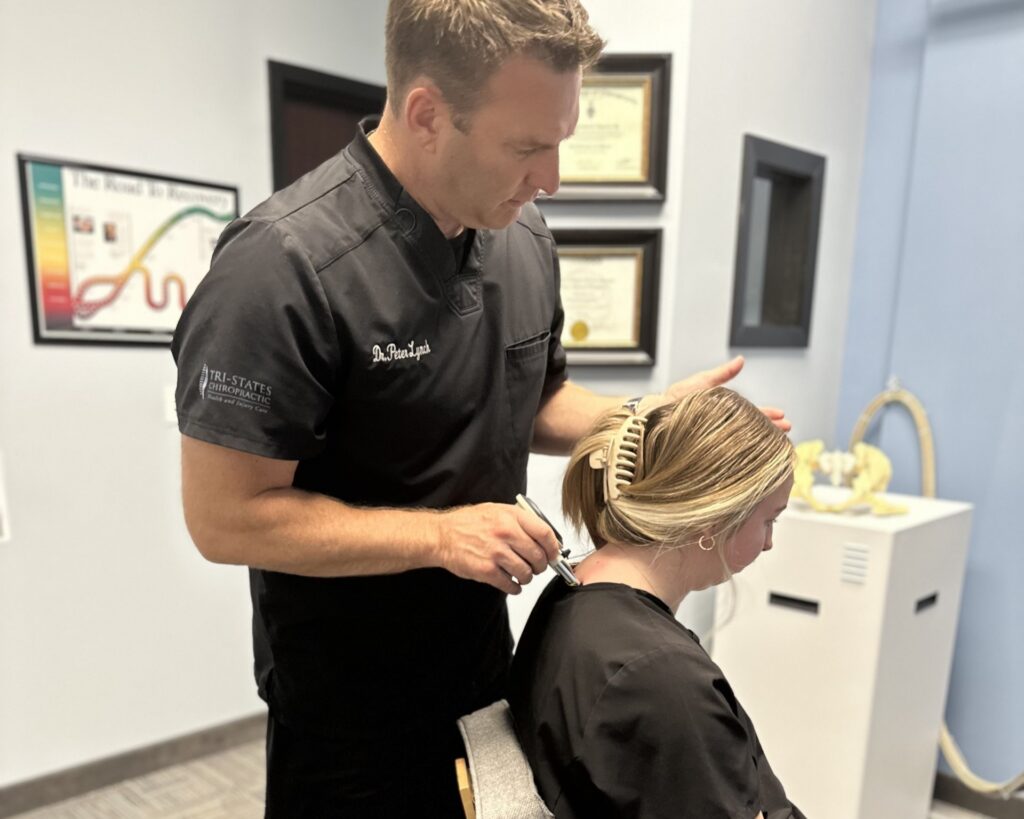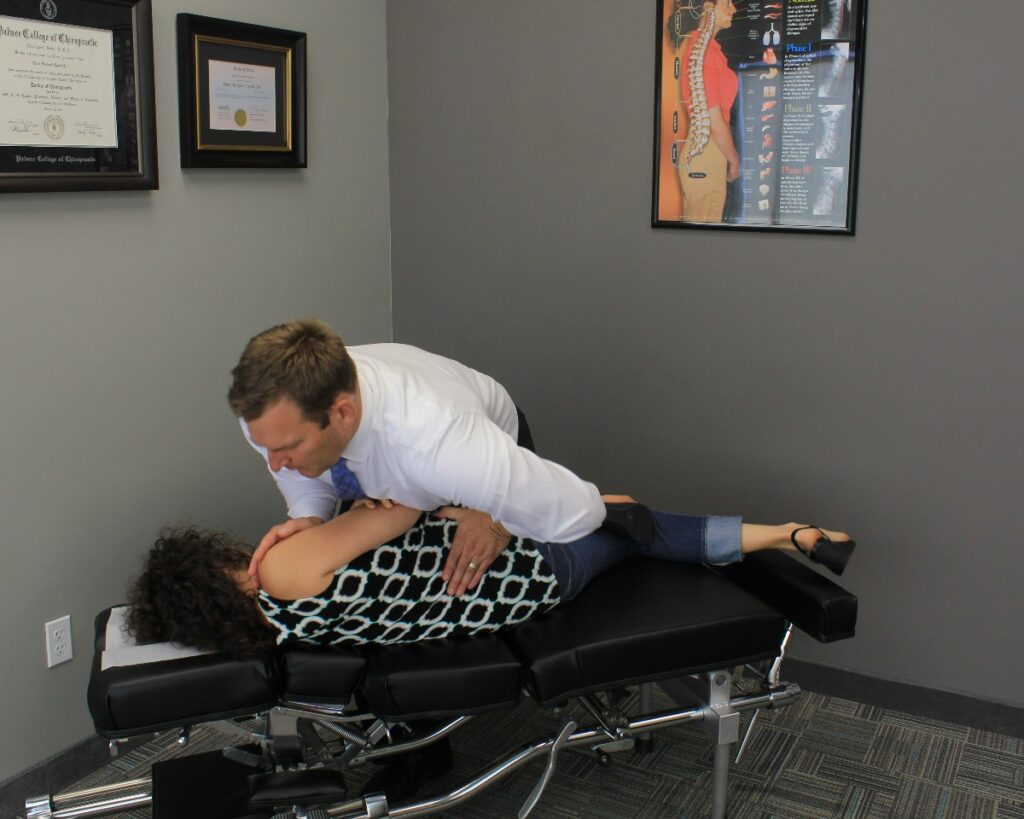
As a chiropractor dedicated to your health and well-being, I want to share some insights about managing back pain naturally. Many patients are surprised to discover that effective relief can often be found through natural techniques. Methods such as heat therapy and essential oils not only help alleviate discomfort but also contribute to your overall wellness.
Incorporating practices like yoga and mindfulness into your routine can significantly enhance your quality of life. These approaches promote flexibility, strength, and a calm mind, which are essential for managing back pain. However, it's crucial to recognize that not all techniques are suitable for everyone. Understanding your unique situation is key to finding the most effective solutions for your relief.
What if the path to lasting relief is more straightforward than you think? Together, we can explore these natural techniques and tailor an approach that works best for you.
Understanding Back Pain Causes
As a local chiropractor, I want to help you understand the various causes of back pain, as this knowledge is crucial for effective relief. Back pain can arise from many sources, and pinpointing the underlying cause is key to managing it successfully.
One of the most common issues we see is poor posture. Many of us spend hours sitting at desks or hunched over our phones, which can strain our spine and muscles without us even realizing it. It's important to be mindful of how we position ourselves throughout the day.
Muscle strain is another significant contributor to back pain. Improperly lifting heavy objects or making sudden, awkward movements can lead to strains or sprains. You might also be dealing with discomfort from herniated discs. This occurs when the cushioning between your vertebrae bulges out and puts pressure on nearby nerves, often resulting in pain that can radiate down your legs.
Additionally, underlying health conditions such as arthritis can lead to chronic back pain. Osteoporosis, for example, weakens bones and increases the risk of fractures, which can cause significant pain.
Mental health factors, like stress and anxiety, can also manifest physically, leading to muscle tension in your back and worsening discomfort.
Lifestyle choices play a critical role as well. A lack of exercise can weaken your core muscles, which are essential for supporting your back. By understanding these causes, you can take proactive steps toward alleviating your pain and enhancing your overall well-being.
As your chiropractor, I encourage you to recognize the specific factors affecting you. This awareness empowers you to seek personalized strategies for relief and embrace natural healing methods that can support your health.
Together, we can work towards a pain-free life and improved quality of living.
Benefits of Natural Relief
As a local chiropractor, I want to share with you the numerous benefits of natural relief methods for back pain, which can significantly enhance your overall well-being. One of the key advantages of chiropractic care is that it can help reduce your reliance on medications. By incorporating natural techniques into your routine, such as spinal adjustments and therapeutic exercises, you can often minimize or even eliminate the need for painkillers that may come with unwanted side effects and the risk of dependency.
Chiropractic care takes a holistic approach to healing. We don't just focus on alleviating your symptoms; we also address the underlying issues that contribute to your pain. Through techniques like spinal manipulation, massage, and tailored stretching exercises, we can improve blood circulation, increase flexibility, and promote relaxation, all of which are essential for better back health.
Another significant benefit of chiropractic care is that it empowers you to take control of your health. You have the opportunity to create a personalized treatment plan that fits your lifestyle and preferences. This sense of ownership can lead to increased motivation and commitment to your pain management strategy.
Moreover, chiropractic care fosters a deeper connection to your body. By engaging in practices such as mindfulness and gentle exercises, you become more attuned to your physical condition, enabling you to recognize early warning signs of discomfort and take preventive measures before they escalate.
Finally, many of the natural techniques we use in chiropractic care promote overall wellness. As we work together to ease your back pain, you may also notice improvements in your mood, sleep quality, and energy levels.
With these benefits combined, embracing chiropractic care and natural relief methods can greatly enhance your quality of life, making daily activities more enjoyable and manageable. I encourage you to explore these options with me, and let's work together towards your health goals.
Yoga Poses for Back Pain
As a local chiropractor, I often see patients who are dealing with back pain, and I want to share how yoga can be an excellent complementary approach to traditional chiropractic care.
Engaging in certain yoga poses can provide significant relief by stretching and strengthening the muscles that support your spine. These poses not only help alleviate discomfort but also enhance your overall flexibility and core strength, which are key to maintaining spinal health long-term.
Let's take a closer look at some effective yoga poses that can aid in your recovery and improve your overall well-being.
Effective Yoga Poses
As a chiropractor dedicated to promoting natural healing, I want to share how the practice of yoga can significantly alleviate back pain. By incorporating specific yoga poses into your routine, you can effectively stretch and strengthen your back, leading to relief from discomfort and enhanced flexibility.
Here are four key poses that I recommend:
- Cat-Cow Stretch: This gentle sequence of arching and rounding your back warms up the spine and helps increase flexibility. It's a great way to prepare your body for deeper stretches.
- Child's Pose: Known for its restorative properties, this pose stretches your lower back while encouraging relaxation. It's particularly effective in easing tension and promoting a sense of calm.
- Downward-Facing Dog: This pose is fantastic for elongating your spine and hamstrings, providing a deep stretch that can help alleviate tightness in your back. It also promotes overall body awareness.
- Bridge Pose: This pose not only strengthens your back muscles but also opens up your hips, which is essential for maintaining good posture and alignment.
I encourage you to integrate these poses into your daily routine, holding each position for several breaths.
It's important to listen to your body and make any necessary modifications. Regular practice can lead to significant improvements in your back comfort and overall well-being.
Benefits of Stretching
As your local chiropractor, I want to share how stretching can significantly enhance your back health. Regular stretching is vital for improving flexibility and increasing the range of motion in your spine and the surrounding muscles. This can alleviate tension and lower the risk of injury—a crucial factor for maintaining a healthy back.
Incorporating specific yoga poses into your routine, such as Child's Pose and Downward Dog, can help ease tightness in your muscles and promote relaxation. These stretches not only feel good but also play a vital role in your overall well-being.
Moreover, stretching boosts blood flow to your muscles, which delivers essential nutrients and oxygen that are crucial for healing. As you incorporate stretching into your daily life, you'll also release endorphins—your body's natural pain relievers. This can help combat discomfort and make it easier for you to maintain good posture as your muscles become stronger and more flexible.
Lastly, stretching encourages mindfulness. It gives you the opportunity to connect with your body and understand its needs better. This awareness can help you recognize when something doesn't feel right, potentially preventing further injury down the line.
Incorporating these practices into your routine can be an invaluable step towards a healthier back and overall wellness. If you have any questions or need guidance, don't hesitate to ask!
Stretching Techniques to Try
As a local chiropractor, I want to share some valuable insights on how incorporating stretching techniques into your daily routine can significantly alleviate back pain.
Many of my patients find that gentle yoga poses, targeted muscle stretches, and foam roller techniques are incredibly effective in easing tension and enhancing flexibility.
Gentle yoga poses can help you gently open up tight areas in your back, promoting better alignment and reducing discomfort.
Targeted muscle stretches allow you to focus on specific areas that may be contributing to your pain, helping to release built-up tension and improve your overall mobility.
Additionally, using a foam roller can provide a self-massage effect that further aids in muscle relaxation and recovery.
By integrating these methods into your routine, you can take an active role in your healing process and find relief from back pain.
Let's explore how each of these techniques can benefit you and support your journey towards better spinal health.
Gentle Yoga Poses
As a chiropractor dedicated to helping you understand the benefits of natural healing, I want to share how gentle yoga poses can play a crucial role in alleviating back pain.
These poses not only stretch and strengthen your muscles but also promote better alignment and flexibility, which are essential for a healthy spine.
Here are four gentle yoga poses I recommend incorporating into your routine to help ease your discomfort:
- Child's Pose: Begin on your hands and knees, then gently sit back on your heels while extending your arms forward. This pose is fantastic for calming the mind and providing a soothing stretch for your back.
- Cat-Cow Stretch: Position yourself on all fours and alternate between arching your back (cat) and lowering your belly (cow). This rhythmic movement enhances spinal flexibility and helps alleviate built-up tension in your back.
- Sphinx Pose: Lying on your stomach, prop yourself up on your forearms and lift your chest. This pose encourages gentle extension of the back and is excellent for strengthening the lower back area.
- Seated Forward Bend: Sit with your legs extended in front of you and gently reach towards your toes. This pose stretches both the spine and hamstrings, promoting a sense of relaxation and release.
Integrating these poses into your daily routine can significantly reduce back pain and enhance your overall mobility.
Remember to listen to your body and approach each pose with mindfulness—there's no need to push yourself too hard.
As your chiropractor, I'm here to support you on your journey to better health through natural methods.
Targeted Muscle Stretches
As a local chiropractor, I want to share the importance of targeted muscle stretches for relieving back pain and enhancing your overall flexibility. These stretches focus on specific muscle groups, helping to alleviate tension and improve your range of motion. Here are some effective stretches that I recommend for my patients.
First, let's discuss the child's pose. This gentle stretch is a wonderful way to relieve tension in your back. Begin on your hands and knees, then gently sit back on your heels while extending your arms forward. Hold this position for about 30 seconds, taking deep breaths to help relax any tightness you may be experiencing.
Next, the seated forward bend is another beneficial stretch. Sit with your legs extended in front of you and slowly reach towards your toes. It's not essential to touch them; instead, focus on feeling the stretch in your lower back. Aim to hold this stretch for 20 to 30 seconds to maximize its benefits.
Another effective stretch is the cat-cow stretch. Start on all fours and alternate between arching your back upwards (like a cat) and dipping it downwards (like a cow). This dynamic movement promotes spinal flexibility and can greatly ease discomfort in the back.
Lastly, I recommend the piriformis stretch, especially for those who experience tightness in the hips and lower back. Lie on your back, cross one ankle over the opposite knee, and gently pull the uncrossed leg towards you. You should feel a nice stretch in your hips and lower back. Aim to hold each of these stretches for about 30 seconds for optimal results.
Incorporating these stretches into your routine can be a simple yet effective way to support your chiropractic care and promote natural healing.
Foam Roller Techniques
As a local chiropractor, I often emphasize the importance of holistic approaches to pain relief, particularly when it comes to back pain. One effective method that many people may not be familiar with is foam rolling. This simple yet powerful technique can help release muscle tightness, improve circulation, and enhance your overall flexibility.
By incorporating foam rolling into your routine, you can effectively address knots and tension in your back. Here are four foam roller techniques that I recommend for my patients:
- Upper Back Roll: Start by lying on your back with the foam roller placed under your shoulder blades. Cross your arms over your chest, and gently roll back and forth. Focus on any tight areas, allowing the roller to help release built-up tension.
- Lower Back Roll: Sit on the floor and place the roller under your lower back. Lean back slightly, and roll from side to side while ensuring you stay relaxed. This technique can help alleviate discomfort in the lower back region.
- Lat Stretch: Lie on your side with the foam roller positioned under your armpit. Extend your arm overhead and gently roll toward your hips. This technique targets your latissimus dorsi muscles, helping to release tension that can contribute to back pain.
- Glute Roll: Sit on the foam roller with one foot crossed over the opposite knee. Lean toward the crossed leg and roll over your glutes. This will help ease tightness in the gluteal muscles, which can have a significant impact on back health.
Incorporating these foam rolling techniques into your routine can be a game-changer for alleviating back pain and promoting overall wellness.
If you have any questions or would like to learn more about how chiropractic care can complement these practices, I'm here to help!
Mindfulness and Meditation Practices
As a local chiropractor, I want to share with you how mindfulness and meditation practices can play a significant role in alleviating back pain. These techniques help foster a deeper connection between your body and mind, enhancing your overall wellness. When you practice mindfulness, you become more attuned to your body's sensations, including any discomfort or tension in your back. This increased awareness empowers you to identify pain patterns and take proactive measures to address them.
To get started, I recommend simple mindfulness exercises. Find a quiet spot, sit comfortably, and focus on your breath. As you inhale deeply, visualize breathing into the areas where you feel discomfort. With each exhale, imagine letting go of the tension. This approach not only promotes relaxation but also encourages you to acknowledge your pain without judgment, which is an essential step in the healing process.
Incorporating guided meditation into your routine can also be highly beneficial. There are numerous apps and online resources that offer sessions specifically designed for pain relief. These guided practices often include body scans, which involve mentally checking in with each part of your body. This technique promotes relaxation and helps you recognize areas of tightness that may benefit from chiropractic care.
You might also want to explore loving-kindness meditation. This practice fosters a compassionate attitude toward yourself and your body. By sending positive thoughts to areas experiencing discomfort, you can cultivate a sense of acceptance, which can help alleviate the emotional burden often associated with chronic pain.
Lastly, I encourage you to establish a daily mindfulness routine. Even dedicating just five to ten minutes each day can lead to significant improvements in your well-being. Consistency is key, as it helps reinforce the mind-body connection, making it easier to manage back pain over time.
The Role of Nutrition
As a local chiropractor, I want to emphasize the significant role nutrition plays in managing back pain. Many people may not realize that what you eat can significantly influence your spinal health.
By incorporating anti-inflammatory foods into your diet, staying well-hydrated, and addressing any nutrient deficiencies, you can make a positive impact on your back pain.
Let's dive into how these dietary choices can aid in relieving discomfort. Anti-inflammatory foods—such as fatty fish, leafy greens, and nuts—can help reduce inflammation in your body, which is often a contributing factor to back pain.
Additionally, proper hydration is crucial for maintaining the health of your spinal discs and overall tissue function.
Lastly, it's essential to ensure you're getting the right vitamins and minerals that support bone and muscle health.
By being mindful of your nutrition, you can complement your chiropractic care and take proactive steps toward achieving a pain-free back.
Together, we can explore these options and find the best approach for your individual needs.
Anti-inflammatory Foods
As a local chiropractor, I often emphasize the importance of nutrition in managing pain and promoting overall wellness. One key aspect of this is the incorporation of anti-inflammatory foods into your diet. These foods can significantly help reduce inflammation and alleviate back pain, allowing your body to heal naturally.
Here are four essential food groups to consider integrating into your meals:
- Fatty Fish: Varieties like salmon, mackerel, and sardines are excellent sources of omega-3 fatty acids. These powerful nutrients are known for their anti-inflammatory properties, making them a great addition to your diet if you're dealing with pain.
- Leafy Greens: Foods such as spinach, kale, and collard greens are loaded with antioxidants and essential vitamins. These nutrients support your body's natural ability to fight inflammation, which can be particularly beneficial for those experiencing discomfort in their back.
- Berries: Including a variety of berries, like blueberries, strawberries, and raspberries, in your diet can also be advantageous. They're rich in flavonoids, which have been shown to help reduce inflammation while providing a host of essential nutrients to support your health.
- Nuts and Seeds: Incorporating nuts like walnuts and seeds such as chia seeds and flaxseeds can provide you with healthy fats and antioxidants. These elements are beneficial in lowering inflammation levels in your body, contributing to your overall well-being.
By focusing on these anti-inflammatory foods, you can support your body's healing process and enhance the effects of chiropractic care.
Hydration and Spinal Health
As a local chiropractor, I want to emphasize the critical role hydration plays in maintaining not just your overall wellness, but specifically your spinal health. Many people may not realize that water is a key component of your spinal discs, which are the cushions located between your vertebrae.
When you stay properly hydrated, these discs can maintain their shape and function effectively, allowing them to absorb shock and reduce the risk of injury.
On the flip side, when you don't drink enough water, your spinal discs can lose height and flexibility. This can lead to increased pressure on your spine, resulting in discomfort or even pain. By ensuring that you drink adequate amounts of water throughout the day, you're actively supporting the structural integrity of your spine, which can improve your mobility and overall comfort.
Additionally, hydration plays a vital role in delivering essential nutrients to your spinal tissues. When your body is well-hydrated, your cells are better equipped to absorb the vitamins and minerals necessary for keeping the ligaments and muscles around your spine healthy.
Incorporating hydrating foods, like fresh fruits and vegetables, into your diet can also boost your overall water intake. I encourage you to adopt a balanced approach to both hydration and nutrition—this can lead to noticeable improvements in your spinal health.
Nutrient Deficiencies Impact
As a local chiropractor, I want to emphasize the importance of a balanced diet for maintaining spinal health. Many people may not realize that nutrient deficiencies can significantly affect your comfort and mobility.
When your body lacks essential nutrients, it can lead to issues such as muscle weakness, inflammation, and heightened pain levels. Let's explore how specific nutrient deficiencies can impact your back health:
- Calcium: Adequate calcium is crucial for strong bones. When calcium levels are low, bones can become weak and more prone to fractures and discomfort.
- Vitamin D: This vitamin plays a key role in helping your body absorb calcium effectively. A deficiency in vitamin D can result in bone pain and muscle weakness, which can directly affect your spinal health.
- Magnesium: This important mineral helps relax muscles and nerves. If you're not getting enough magnesium, you may find yourself experiencing muscle cramps and tension, especially in your back.
- Omega-3 Fatty Acids: Known for their anti-inflammatory properties, omega-3 fatty acids can help alleviate pain. A deficiency in these essential fats might lead to increased inflammation, worsening any discomfort you may already be feeling.
By understanding the impact of these nutrient deficiencies, you can take proactive steps to improve your diet and overall spinal health.
Essential Oils for Pain Relief
As a chiropractor dedicated to helping my patients find natural relief from back pain, I often recommend exploring the benefits of essential oils. These concentrated plant extracts can play a significant role in your overall healing process, offering therapeutic properties that soothe discomfort and promote relaxation.
One essential oil that many of my patients have found helpful is peppermint oil. Its unique cooling sensation can reduce inflammation and provide immediate relief when applied to the affected area. Simply mix a few drops with a carrier oil, such as coconut or jojoba oil, and gently massage it into your back.
Lavender oil is another fantastic option; its calming aroma not only alleviates pain but also encourages restful sleep, which is vital for your healing journey.
Eucalyptus oil is known for its analgesic and anti-inflammatory benefits, making it an excellent choice for those suffering from back pain. You can enhance your self-care routine by adding a few drops to a warm bath or using it in a diffuser to create a calming environment.
Additionally, ginger oil is recognized for its warming properties, which can help to ease muscle tension and promote relaxation.
To maximize the benefits of essential oils, I encourage you to incorporate them into your self-care rituals. Whether through massage, a soothing bath, or simply diffusing them in your home, essential oils offer a holistic approach to managing back pain.
I invite you to explore these natural remedies alongside your chiropractic care and discover the relief you've been searching for.
Heat and Cold Therapy
As a local chiropractor, I want to share some valuable insights on how heat and cold therapy can be powerful allies in managing back pain. Understanding how and when to use each method can make a significant difference in your healing journey.
1. Applying Heat: When you're dealing with muscle tension or chronic pain, applying heat can be particularly beneficial. Using a heating pad, a warm towel, or a hot water bottle on the affected area for about 15-20 minutes can help relax your muscles and improve blood circulation.
This increased blood flow aids in healing and alleviating stiffness.
2. Using Cold: On the other hand, if you experience sharp pain or swelling, cold therapy might be your best option. An ice pack or even a bag of frozen peas wrapped in a cloth can be applied for 15-20 minutes to numb the area and reduce inflammation.
This is especially helpful after engaging in activities that exacerbate your back pain.
3. Knowing When to Use Each: For chronic pain or muscle stiffness, I recommend heat therapy, particularly in the morning or prior to physical activities. Cold therapy, however, is ideal after intense activities or flare-ups of pain, as it helps to calm inflammation and discomfort.
4. Frequency of Use: Both heat and cold therapy can be applied multiple times a day. Just remember to give your skin some time to rest between applications to prevent irritation or damage.
By incorporating these therapies into your routine, you can enhance your recovery and improve your overall well-being.
If you have any questions about how these methods can fit into your chiropractic care plan, don't hesitate to ask!
Importance of Good Posture
As a local chiropractor, I want to emphasize the crucial role that good posture plays in maintaining a healthy back and preventing discomfort. Many people are unaware that when you sit, stand, or walk with proper alignment, your spine remains in its natural position. This minimizes strain on the muscles and ligaments surrounding it. Unfortunately, poor posture can lead to a range of issues, from mild discomfort and fatigue to long-term chronic pain.
To enhance your posture, it's essential to develop an awareness of your body's alignment throughout the day. When you're sitting, ensure that your back is straight, your shoulders are relaxed, and your feet are flat on the floor. Adjusting your chair height or utilizing cushions for support can make a significant difference.
When standing, aim to distribute your weight evenly across both feet, keeping your shoulders back and your head level. These simple adjustments can greatly alleviate pressure on your spine and promote better overall health.
Incorporating regular breaks during extended periods of sitting or standing is also vital to counteract the negative effects of poor posture. I recommend taking a few minutes every hour to stretch, walk around, or change positions. This not only boosts circulation but also helps reinforce good posture habits.
Additionally, strengthening your core muscles is essential for supporting your spine. Engaging in exercises that target your abdominal and back muscles will help maintain alignment and stability.
By practicing good posture daily, you'll not only prevent back pain but also enhance your overall well-being and confidence. By making these small adjustments to your daily routine, you can foster a healthier and more comfortable lifestyle.
When to Seek Professional Help
As a local chiropractor, I want to help you understand when it's crucial to seek professional help for back pain. Many individuals may not realize that while some back pain can be effectively managed through natural techniques, there are specific signs that should prompt you to consult with a healthcare professional like myself. Ignoring these signs can lead to chronic issues or even more serious health problems down the line.
Here are four key indicators that you should never overlook:
- Persistent Pain: If your back pain lingers for more than a few weeks or seems to worsen, it's important to reach out to a chiropractor. Ongoing pain could indicate a more complex underlying issue that requires professional assessment.
- Radiating Pain: Should you feel pain that travels down your legs or arms, this may suggest nerve involvement or other serious conditions that need immediate attention. Ignoring such symptoms can lead to further complications.
- Loss of Mobility: If you find it difficult to perform daily activities or notice changes in your range of motion, it's time to consult with a healthcare provider. Pain should never limit your quality of life, and I can help you regain that mobility through targeted treatment.
- Accompanying Symptoms: If your back pain is accompanied by fever, unexplained weight loss, or issues with bowel or bladder function, please seek medical help right away. These symptoms can signal more serious health concerns that need to be addressed promptly.
Remember, it's always better to err on the side of caution. If you notice any of these warning signs, don't hesitate to reach out for professional help.
Early intervention can lead to more effective treatments and a faster return to your normal activities. Your back health is important, and I'm here to support you on your journey to wellness!
Conclusion
As a local chiropractor, I want to share with you how incorporating natural techniques for back pain relief can significantly enhance your overall well-being. Many of my patients have found that practices such as yoga, stretching, and mindfulness can help alleviate discomfort and promote a healthier spine. Additionally, using essential oils and heat therapies can provide soothing relief.
It's essential to maintain good posture and stay hydrated, as these practices support optimal spinal health. Remember, if your pain persists or worsens, it's crucial to seek professional help. I encourage you to embrace these holistic approaches and take an active role in improving your back health today. Together, we can explore various natural methods that work best for you!