Low back pain is a common issue that affects many individuals, but the good news is that there are effective exercises you can do to help prevent it. As a local chiropractor, I believe that focusing on core strength, flexibility, and maintaining proper posture are key elements in reducing your risk of back pain. By incorporating certain movements into your daily routine, you can support your spine, enhance overall stability, and promote natural healing.
Here are some top exercise options to consider:
- Bridges: This exercise strengthens your glutes and lower back. Lie on your back with your knees bent and feet flat on the floor. Lift your hips towards the ceiling, hold for a few seconds, and slowly lower back down.
- Cat-Cow Stretch: This gentle yoga move improves flexibility in your spine. Start on your hands and knees, arch your back while inhaling (Cat), and then lower your belly while lifting your head and tailbone as you exhale (Cow). Repeat several times.
- Planks: Strengthening your core is essential for back health. Lie face down, then lift your body off the ground, balancing on your forearms and toes. Keep your body in a straight line and hold this position for as long as you can.
- Child’s Pose: This stretch helps alleviate tension in your lower back. Kneel on the floor, sit back on your heels, and stretch your arms forward on the ground. Breathe deeply and relax into the stretch.
- Wall Sits: This exercise builds strength in your legs and core. Lean against a wall and slide down until your knees are at a 90-degree angle, as if sitting in a chair. Hold this position for 20-30 seconds.
In addition to these exercises, remember to pay attention to your posture throughout the day. Whether you’re sitting at a desk or lifting objects, keeping your spine aligned can make a significant difference in preventing pain.
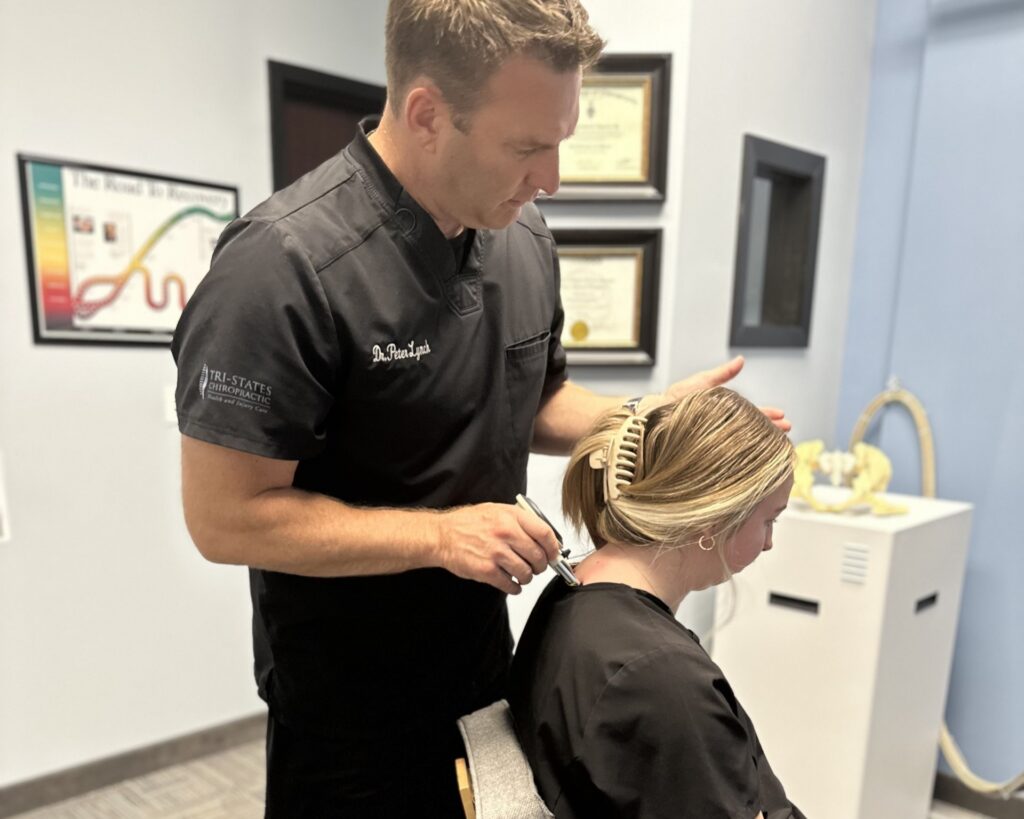
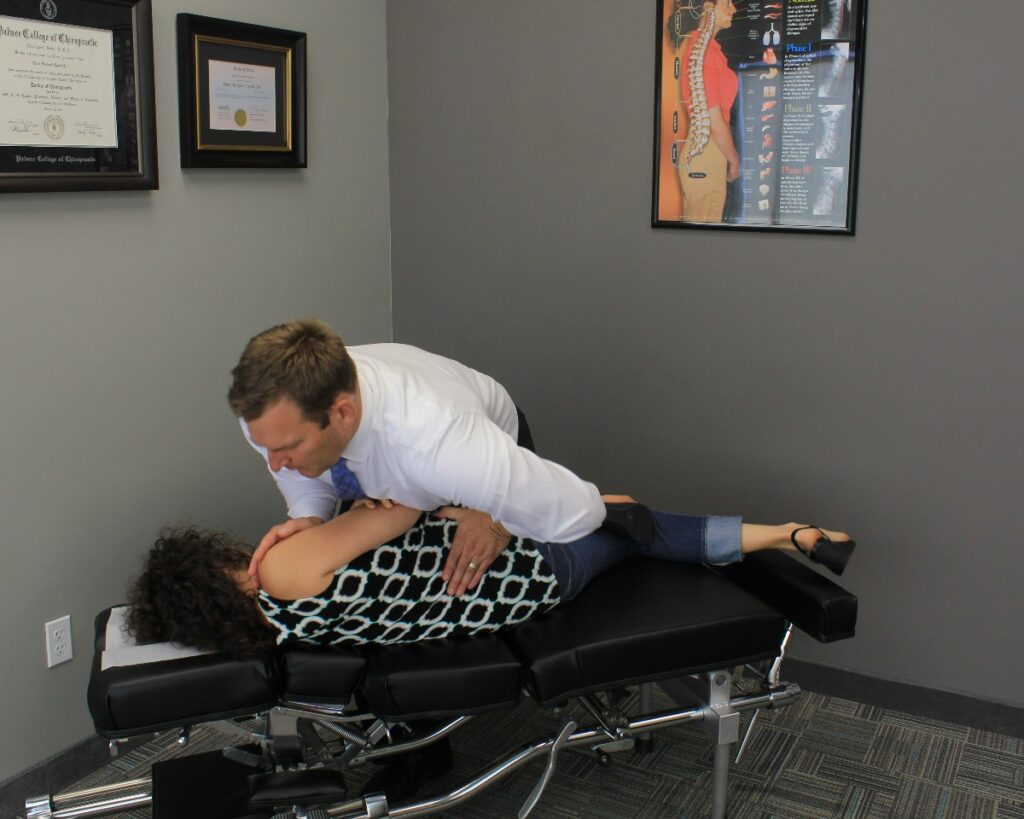
Chiropractic care is an excellent complement to these exercises, as it helps ensure that your spine is properly aligned and functioning optimally. Regular adjustments can improve mobility, reduce tension, and support your overall wellness journey. If you’re looking to achieve optimal health and prevent low back pain, consider scheduling a visit with your chiropractor. Together, we can develop a personalized plan that works for you!
Key Takeaways
- Planks are a fantastic way to strengthen your core, which plays a crucial role in supporting your lower back. By building core stability, you can help prevent strain and pain, making it an excellent addition to your wellness routine. Remember, a strong core is key to a healthy spine!
- Bridges are another effective exercise that targets your glutes and lower back muscles. Strengthening these areas not only promotes better posture but also significantly reduces the risk of injury. Incorporating bridges into your routine can be a game-changer for your spinal health.
- Bird-dogs are a wonderful exercise that enhances coordination and engages your core. This movement supports spinal stability, which is vital for maintaining a healthy back during everyday activities. Plus, it’s a simple exercise that you can do at home!
- Using a stability ball for exercises like ball passes and wall sits can greatly benefit your spinal health. These activities engage multiple muscle groups, improving your posture and providing better support for your spine. It’s a fun and effective way to stay active!
- Daily stretching is essential for keeping your body flexible and reducing tension in your muscles. Focus on stretching your hamstrings and hip flexors, as these areas can contribute to lower back pain if they become tight. By enhancing your flexibility through regular stretching, you can significantly aid in the prevention of low back pain and promote overall wellness.
Incorporating these exercises into your daily routine can help you maintain a healthy spine and prevent low back pain. Remember, chiropractic care is an excellent way to support your journey towards optimal health and wellness!
Understanding Low Back Pain
Low back pain is more prevalent than you may realize, impacting millions of individuals at various stages of their lives. It can arise from numerous causes, including muscle strain, herniated discs, or even poor posture. You may feel it as a dull ache or a sharp pain, which can make everyday activities seem daunting. It’s crucial to recognize these signs early—don’t dismiss that discomfort!
Common contributors to low back pain include poor lifting techniques, extended periods of sitting, and weak core muscles. Stress can also play a significant role by causing muscle tension. Being mindful of your movements and sitting posture throughout the day can help.
Simple adjustments, like maintaining good posture, using ergonomic furniture, or taking regular breaks to stretch, can lead to significant improvements.
As a chiropractor, I want to emphasize that understanding the factors behind low back pain is vital for finding relief and preventing future issues. Chiropractic care focuses on natural healing and wellness, addressing the root causes of your pain rather than merely masking symptoms. Regular chiropractic adjustments can help restore proper alignment, alleviate discomfort, and strengthen your body for better functioning.
Importance of Core Strength
When it comes to preventing low back pain, having a strong core is absolutely essential. A stable core not only supports your spine but also improves your overall strength and balance, which can help you lead a more active and healthy life. As a chiropractor, I want to emphasize that core strength is a crucial component of maintaining spinal health and overall wellness.
In this section, I’ll share some effective exercises that can help you build that essential core strength. Remember, incorporating these exercises into your routine can be a natural way to support your spine and reduce your risk of pain.
Here are a few tips to get you started on your journey to a strong core:
- Engage Your Core: Throughout your daily activities, be mindful of engaging your core muscles. This can help protect your spine while lifting, bending, or even sitting.
- Start with Simple Exercises: Begin with basic exercises such as planks, bridges, and pelvic tilts. These can be done at home and don’t require any special equipment.
- Focus on Form: Proper form is key to maximizing the benefits of your workouts and preventing injury. If you’re unsure, consider reaching out to a chiropractor for guidance.
- Consistency is Key: Aim to incorporate core-strengthening exercises into your routine a few times a week. Even short sessions can be effective.
- Listen to Your Body: Pay attention to how your body feels during and after exercises. If you experience pain, it’s important to consult with your chiropractor to ensure you’re on the right track.
Core Stability Benefits
Core stability is essential for maintaining a healthy spine and preventing low back pain, which is a common issue many people face. A strong core supports your spine and helps you maintain good posture throughout your daily activities. When your core is strong, you tend to experience better balance, reduced strain on your back, and enhanced performance in physical activities. This means that everyday tasks, such as lifting objects or bending down, become easier and safer, reducing the risk of injury.
As a chiropractor, I believe that focusing on core stability is a natural way to achieve optimal health and wellness. Here’s a quick overview of the benefits of core stability and how it can positively impact your life:
| Benefit | Description |
|---|---|
| Improved Posture | Helps support the spine, reducing slouching and promoting a healthier alignment. |
| Enhanced Balance | Aids in stability during movement, making activities like walking or exercising more efficient. |
| Reduced Injury Risk | Lowers the likelihood of back injuries, allowing you to enjoy life without fear of pain. |
| Better Performance | Boosts your efficiency in physical activities, whether you’re at the gym or simply running errands. |
To enhance your core stability, consider incorporating simple exercises into your routine. Planks, bridges, and pelvic tilts are great starting points that you can do at home. Remember, maintaining good posture while sitting or standing is just as important. Engaging your core throughout your day can make a significant difference.
Chiropractic care can also play a vital role in helping you achieve and maintain core stability. Regular adjustments can improve your spinal alignment, which in turn can enhance your overall core function. If you’re looking for a natural way to relieve pain and improve your wellness, I encourage you to explore chiropractic care as a valuable option. Let’s work together to achieve a healthier, pain-free life through the power of a strong core!
Strengthening Exercises Overview
Strengthening your core isn’t just important for your fitness; it’s essential for your overall health and well-being. A strong core can play a significant role in preventing low back pain, which many people experience at some point in their lives. When your core muscles are strong, they help stabilize your spine and pelvis, distributing weight evenly and reducing strain on your back.
Engaging in core-strengthening exercises means you’re not only building those abdominal muscles but also reinforcing the supportive muscles in your lower back, hips, and pelvis. This balanced strength is crucial for maintaining proper posture and alignment during everyday activities, which can greatly impact your overall comfort and mobility.
Incorporating simple exercises like planks, bridges, and bird-dogs into your routine can enhance your core stability significantly. These exercises are straightforward and can be done at home without any fancy equipment. Remember, consistency is key—by regularly focusing on these exercises, you’ll create a solid foundation that supports your body and helps keep low back pain at bay.
As a chiropractor, I encourage you to consider how chiropractic care can complement your core strengthening efforts. Regular chiropractic adjustments can help ensure that your spine is aligned, which can enhance your body’s ability to perform these exercises effectively. By maintaining proper alignment, you can improve your overall function, reduce discomfort, and promote natural healing.
For those looking to improve their core strength and overall health, here are some tips to keep in mind:
- Start slow: If you’re new to core exercises, ease into them to avoid overexertion.
- Focus on your form: Proper technique is crucial to prevent injury and maximize benefits.
- Combine with chiropractic care: Regular visits to your chiropractor can help maintain spinal health and improve your core strength efforts.
Stretching for Flexibility
Flexibility is essential for preventing low back pain, as it helps you maintain proper posture and reduces strain on your muscles. As a chiropractor, I want to emphasize the importance of incorporating effective stretching techniques into your daily routine. Not only does this enhance your flexibility and overall mobility, but it also supports your spine’s health.
By committing to a daily stretching routine, you can significantly benefit your back and improve your overall physical well-being. Here are some simple tips to get you started:
- Start Slow: If you’re new to stretching, begin with gentle movements to avoid any strain. Gradually increase the intensity as your flexibility improves.
- Focus on Key Muscle Groups: Pay special attention to your hamstrings, hip flexors, and lower back muscles, as these areas often contribute to back pain.
- Incorporate Deep Breathing: Use deep, controlled breaths while stretching. This not only helps relax your muscles but also enhances the effectiveness of the stretches.
- Stay Consistent: Make stretching a daily habit. Consistency is key to achieving lasting flexibility and pain relief.
- Listen to Your Body: Always pay attention to how your body feels during stretching. If you experience pain, it’s essential to ease off and consult with a chiropractor for personalized guidance.
Remember, chiropractic care is an excellent way to support your journey to optimal health. Regular adjustments can help enhance your flexibility and overall wellness, while also addressing any underlying issues contributing to back pain.
Importance of Flexibility
While many people concentrate on building strength to prevent low back pain, it’s important not to overlook the crucial role of flexibility. Maintaining flexibility is essential for keeping a healthy range of motion in your spine and the muscles around it, which can significantly reduce the risk of injuries. When your muscles and joints are flexible, they can absorb shocks more efficiently, which is vital during daily activities and exercise.
Tight muscles can create imbalances and put extra strain on your lower back, leading to discomfort or pain. That’s why incorporating regular stretching into your routine is so beneficial. It helps ease tension, improve circulation, and ultimately promotes overall spinal health.
As a chiropractor, I emphasize that it’s not just about building strength; enhancing your flexibility is a key component in preventing low back pain and maintaining an active, pain-free lifestyle. Here are some simple tips you can incorporate into your daily routine:
- Start Your Day with Stretching: Spend a few minutes each morning doing gentle stretches to wake up your muscles and joints.
- Incorporate Flexibility Exercises: Consider yoga or Pilates, which focus on stretching and strengthening your body in a balanced way.
- Listen to Your Body: Pay attention to any tightness or discomfort and take the time to stretch those areas gently.
- Stay Consistent: Make stretching a regular part of your routine; even a few minutes each day can make a difference.
- Seek Chiropractic Care: Regular chiropractic adjustments can help improve your spinal alignment and enhance your body’s flexibility, supporting your overall wellness journey.
Effective Stretching Techniques
Incorporating effective stretching techniques into your daily routine can significantly enhance your flexibility and help prevent low back pain. As a chiropractor, I emphasize the importance of maintaining a healthy spine and incorporating stretches that target key areas such as your hamstrings, hip flexors, and lower back.
One effective stretch is the standing hamstring stretch. Simply bend at your hips and reach for your toes, holding this position for 15-30 seconds. This stretch helps relieve tension in the lower back and improves flexibility.
Another excellent option is the cat-cow stretch. This movement warms up your spine and promotes flexibility. Start on all fours, arch your back like a cat, and then lower it, alternating between these two positions. It’s a gentle way to mobilize your spine and can alleviate discomfort.
Don’t forget about the seated forward bend, which stretches both your lower back and hamstrings. Sit with your legs extended, reach forward towards your toes, and hold the stretch while breathing deeply. This will help release tension accumulated in your back.
Always remember to breathe deeply during each stretch, allowing your body to relax. It’s crucial not to push yourself to the point of pain; listen to your body and stretch within a comfortable range. Consistency is key; making stretching a regular part of your routine can lead to long-term benefits.
In addition to stretching, I encourage regular chiropractic check-ups. Chiropractic care focuses on restoring proper alignment to the spine and can greatly enhance your overall well-being. By maintaining a healthy spine, you can naturally promote healing and improve your flexibility, ultimately contributing to a pain-free lifestyle.
Embrace these tips and consider chiropractic care as a vital part of your journey to optimal health!
Daily Stretching Routine
Regularly incorporating a daily stretching routine into your wellness regimen can significantly enhance your flexibility and overall comfort while supporting your spinal health. By dedicating just 10 to 15 minutes each day to stretching, you can improve your range of motion and alleviate muscle tension, which is essential for maintaining a healthy spine.
Focus on key areas that often contribute to discomfort, such as your hamstrings, hip flexors, and lower back. Simple stretches like the seated forward bend or cat-cow stretch can be particularly beneficial in promoting spinal alignment and reducing stress on your body. Remember to breathe deeply and hold each stretch for at least 15-30 seconds to fully maximize the benefits.
Incorporating these stretches consistently into your morning or evening routine can help you achieve better posture and decrease discomfort, making it easier to prevent issues like low back pain. Additionally, consider visiting your local chiropractor for personalized guidance on how stretching and chiropractic care can work together to enhance your overall wellness.
Chiropractic adjustments, combined with a regular stretching routine, can provide natural relief and support your journey toward optimal health.
Make stretching a habit, and you’ll likely notice improvements in your body’s function and a greater sense of well-being. Remember, a healthy spine is key to a healthy life!
Strengthening Exercises for the Lower Back
To effectively prevent low back pain and promote overall spinal health, incorporating strengthening exercises into your daily routine can be a game changer. By focusing on key muscle groups, you’ll build the stability and support your spine needs.
Let’s explore three simple yet effective exercises that can help you maintain a healthy back:
- Bird-Dog: Begin on all fours, with your hands under your shoulders and knees under your hips. Extend one arm forward while simultaneously extending the opposite leg back. Hold this position for a few seconds, then switch sides. This exercise engages your core and lower back, helping to promote balance and stability.
- Bridges: Lie on your back with your knees bent and feet flat on the floor. Gently lift your hips towards the ceiling, squeezing your glutes at the top of the movement. This not only strengthens your lower back but also your hips, contributing to better posture and support for your spine.
- Superman: Lie face down on a comfortable surface, extending your arms in front of you and your legs straight behind. Raise both your arms and legs off the ground simultaneously, holding this position for a few seconds. This exercise effectively targets your lower back muscles, helping to build strength and endurance.
Incorporating these exercises into your routine can enhance your overall strength and help prevent discomfort in your lower back. Remember, regular movement and proper spinal alignment are key to maintaining a healthy back.
If you’re looking for a holistic approach to your health, consider visiting a chiropractor. Chiropractic care focuses on spinal health and can help alleviate pain naturally, supporting your body’s ability to heal itself.
The Role of Proper Posture
Strengthening your lower back is just one piece of the puzzle when it comes to preventing pain, but it’s essential to recognize the critical role that proper posture plays in maintaining a healthy spine and avoiding discomfort. As a chiropractor, I often see how simple adjustments in posture can lead to significant improvements in overall well-being.
When you sit, stand, or walk, remember to keep your shoulders back, your spine straight, and your head aligned with your body. This alignment helps distribute your weight evenly, which can reduce strain on your back muscles and ligaments. By being mindful of your posture, you’re not just preventing discomfort; you’re proactively caring for your spine.
At your desk, take the time to adjust your chair and monitor. Ensure your feet are flat on the floor and your knees are at hip level. If you find yourself standing for long periods, shift your weight from one foot to the other to avoid fatigue. It’s also a good practice to take breaks and check in on your posture throughout the day. Developing this awareness can significantly enhance your comfort and lower your risk of developing low back pain over time.
Incorporating chiropractic care into your routine can further support your journey to optimal health. Regular adjustments help maintain spinal alignment, improve posture, and relieve tension. By prioritizing your spine’s health through chiropractic, you’re taking a natural step toward long-term wellness. Remember, a healthy spine leads to a healthier you!
Safe Lifting Techniques
When lifting heavy objects, it’s essential to pay attention to your stance and grip for your safety and well-being. To help prevent strain on your back, remember to bend your knees and keep the load close to your body. This technique not only protects your spine but also promotes overall health.
Maintaining proper lifting posture can significantly reduce the risk of injury and help you avoid unnecessary pain. As a chiropractor, I encourage you to incorporate these safe lifting techniques into your daily routine. Taking care of your spine is crucial for optimal health, and practicing good lifting habits is a simple yet effective way to support your body’s natural healing processes.
If you ever find yourself experiencing discomfort or pain from lifting, consider consulting with a chiropractor. Chiropractic care focuses on spinal health and offers natural, non-invasive solutions to help alleviate pain and improve your overall wellness. Remember, your spine is the foundation of your body, and protecting it through proper lifting techniques is key to maintaining a healthy, active lifestyle.
Proper Stance and Grip
A solid stance and grip aren’t just essential for lifting safely; they’re also key components in maintaining spinal health and preventing low back pain. As a chiropractor dedicated to promoting natural healing and optimal wellness, I want to share some important tips to ensure you’re lifting correctly and protecting your spine:
- Feet Position: Stand with your feet shoulder-width apart. This stance creates a stable base, improving your balance during the lift. A strong foundation is crucial for minimizing strain on your back.
- Grip: Ensure you have a firm grip on the object you’re lifting, with your hands positioned evenly. This not only prevents slipping but also allows for better control of the load. Remember, proper grip is essential to avoid unnecessary stress on your spine.
- Body Alignment: Keep your back straight and your chest up. Engaging your core muscles is vital for maintaining proper posture while lifting. This helps to reduce strain on your lower back and supports your spine throughout the movement.
By following these simple yet effective tips, you can enhance your lifting technique and protect your spine. Remember, chiropractic care offers a holistic approach to health and wellness, helping you achieve optimal health naturally.
If you experience any discomfort or pain, don’t hesitate to reach out to a chiropractor for personalized guidance and support. Your spine deserves the best care!
Bend Your Knees
Maintaining a proper stance and grip is essential for safe lifting, but one of the most crucial aspects to remember is to bend your knees. When you bend your knees, you activate your leg muscles, which are naturally stronger and more suited to handle heavy loads. This smart technique helps evenly distribute the weight and significantly reduces strain on your back, leading to a lower risk of injury.
Instead of bending at your waist, try squatting down to pick up the object. This keeps your back straight and your chest lifted, allowing your spine to maintain a neutral position. By doing this, you not only protect your back but also promote overall spinal health.
Incorporating this habit into your daily routine can be a game-changer for your well-being. By lifting smart, you can notably decrease your chances of experiencing low back pain, especially when moving heavy items. Remember, chiropractic care offers natural healing and can be a fantastic support system for maintaining your spinal health. If you ever find yourself in pain or discomfort, visiting a chiropractor can be a great way to address those issues without the need for medications or invasive procedures.
Focus on building these healthy habits, and you’ll be on your way to a stronger, pain-free lifestyle!
Keep Load Close
Keeping the load close to your body is a crucial principle for safe lifting and maintaining spinal health.
By adopting this practice, you not only alleviate strain on your back but also enhance your overall stability.
Here are three simple tips to help you keep loads close while lifting, which can support your journey to optimal health and wellness:
- Position Your Feet: Stand with your feet shoulder-width apart. This creates a stable base and helps you balance the load effectively, reducing the risk of injury and promoting a healthy posture.
- Use Your Arms: As you lift, bring the object close to your torso. This technique shifts the weight towards your body’s center of gravity, which minimizes stress on your back and supports your spine’s natural alignment. Remember, the closer the load is to your body, the safer the lift!
- Engage Your Core: Activate your core muscles while lifting. A strong core supports your spine and helps maintain proper posture throughout the lifting motion. This not only protects your back but can also enhance your overall strength and stability.
By incorporating these lifting techniques into your daily routine, you can help prevent back pain and promote a healthier lifestyle.
Remember, chiropractic care is an excellent way to support your spinal health and overall well-being, offering natural relief and promoting optimal function.
If you experience any discomfort or need guidance on lifting techniques, don’t hesitate to consult your local chiropractor for personalized advice and support.
Incorporating Aerobic Activities
Incorporating aerobic activities into your daily routine can significantly improve your overall back health, and as your local chiropractor, I want to emphasize the importance of keeping your spine healthy through natural means. Engaging in low-impact aerobic exercises such as walking, swimming, or cycling not only boosts your circulation but also strengthens the muscles that support your spine. This can lead to increased energy levels and a reduction in stress on your back, which is essential for maintaining optimal health.
Here’s a simple overview of how these activities can positively affect your back and enhance your well-being:
| Activity | Benefits | Frequency |
|---|---|---|
| Walking | Enhances blood flow and strengthens core muscles, supporting spinal alignment | 30 minutes, 5 times a week |
| Swimming | Provides a low-impact, full-body workout that minimizes strain on the back | 3 times a week |
| Cycling | Builds endurance and strengthens leg muscles, which helps in better posture | 30 minutes, 3 times a week |
| Dancing | A fun way to relieve stress and tension, contributing to overall wellness | 2-3 times a week |
| Hiking | Strengthens muscles while allowing you to enjoy the great outdoors, boosting mood and health | 1-2 times a week |
Using a Stability Ball
Incorporating stability ball exercises into your routine can significantly enhance your back health by improving core strength and stability, which are essential for maintaining a healthy spine.
Utilizing a stability ball activates multiple muscle groups, providing support to your spine and helping to reduce the risk of low back pain. As a chiropractor, I believe that focusing on natural wellness through exercises like these can be beneficial. Here are three effective exercises you can easily integrate into your daily routine:
- Ball Pass: Lie on your back and hold the stability ball between your feet and hands. As you raise your legs and arms simultaneously, pass the ball back and forth. This exercise not only strengthens your core but also helps stabilize your back, which can lead to better posture and less discomfort.
- Wall Sit: Position the stability ball between your lower back and a wall. Slowly slide down into a seated position while keeping your knees bent at a 90-degree angle. This exercise builds endurance in your back muscles, which is vital for supporting your spine throughout daily activities.
- Seated Balance: Sit on the ball with your feet flat on the floor. Engage your core and focus on maintaining your balance for about 30 seconds. This simple exercise can greatly improve your stability and posture, reducing strain on your lower back and creating a stronger foundation for your spine.
Remember, regular movement and exercise can be a crucial part of your journey toward optimal health. Pairing these exercises with regular chiropractic adjustments can enhance your overall wellness, alleviate pain, and promote a healthier lifestyle.
Prioritize your back health, and consider making these exercises a part of your daily routine for better spinal support.
Yoga and Pilates for Back Health
Practicing yoga and Pilates can greatly enhance your back health, but it’s important to remember that chiropractic care is the most effective way to achieve optimal spinal health.
While both yoga and Pilates focus on core strength, flexibility, and alignment—key factors in preventing low back pain—chiropractic care takes this a step further by addressing the root causes of discomfort and misalignment in your spine.
Incorporating chiropractic adjustments into your wellness routine can help ensure your spine is properly aligned, which supports your overall health and well-being. These adjustments can complement your yoga and Pilates practice, making your body more responsive to the benefits of these exercises. For example, poses like downward dog and child’s pose can stretch and strengthen the spine, but chiropractic care helps maintain that strength and flexibility over time.
Additionally, regular chiropractic visits can increase body awareness by helping you identify areas of tension or misalignment before they become a problem. This heightened awareness, combined with the principles of yoga and Pilates, can significantly improve your balance and stability, reducing the risk of injury.
Whether you’re just starting out or have been practicing for a while, modifying poses to suit your comfort level is crucial. Always listen to your body and consult with your chiropractor for personalized advice. By integrating chiropractic care with your exercise routine, you’ll likely notice substantial improvements in your back health, leading to a more active and comfortable lifestyle.
Creating a Balanced Exercise Routine
To create a balanced exercise routine that supports your back health, it’s crucial to integrate strength, flexibility, and cardiovascular activities. This comprehensive approach not only helps prevent low back pain but also promotes overall wellness, aligning perfectly with the principles of chiropractic care.
Here are three essential components to include:
- Strength Training: Emphasize core exercises such as planks and bridges. Strengthening your abdominal and back muscles is vital for providing the necessary support to your spine. A strong core can alleviate pressure on your back and improve your posture, which is essential for overall spinal health.
- Flexibility Work: Incorporate gentle stretches like hamstring and hip flexor stretches. These movements enhance your range of motion and relieve tension in your lower back. Flexibility is key to preventing injuries and maintaining a healthy spine. Remember, regular stretching can also complement your chiropractic adjustments, enhancing their effectiveness.
- Cardiovascular Activities: Engage in low-impact exercises such as walking, swimming, or cycling. These activities boost blood flow, nourishing your muscles and ligaments while promoting a healthier back. Regular cardiovascular exercise can help maintain a healthy weight, reducing strain on your spine and joints.
In addition to these components, consider scheduling regular chiropractic visits. Chiropractic care focuses on aligning your spine and improving your overall function, which can amplify the benefits of your exercise routine.
Remember to listen to your body and consult with your chiropractor to tailor your exercises to your specific needs. By incorporating these practices, you can achieve optimal health and well-being naturally.