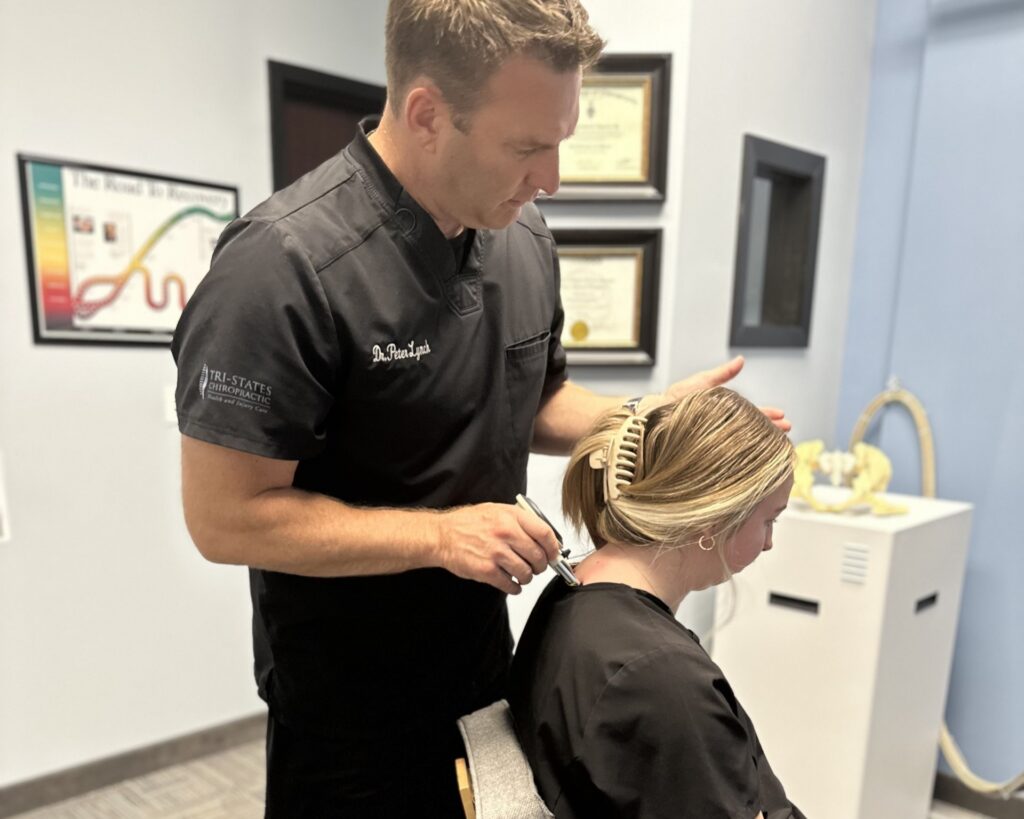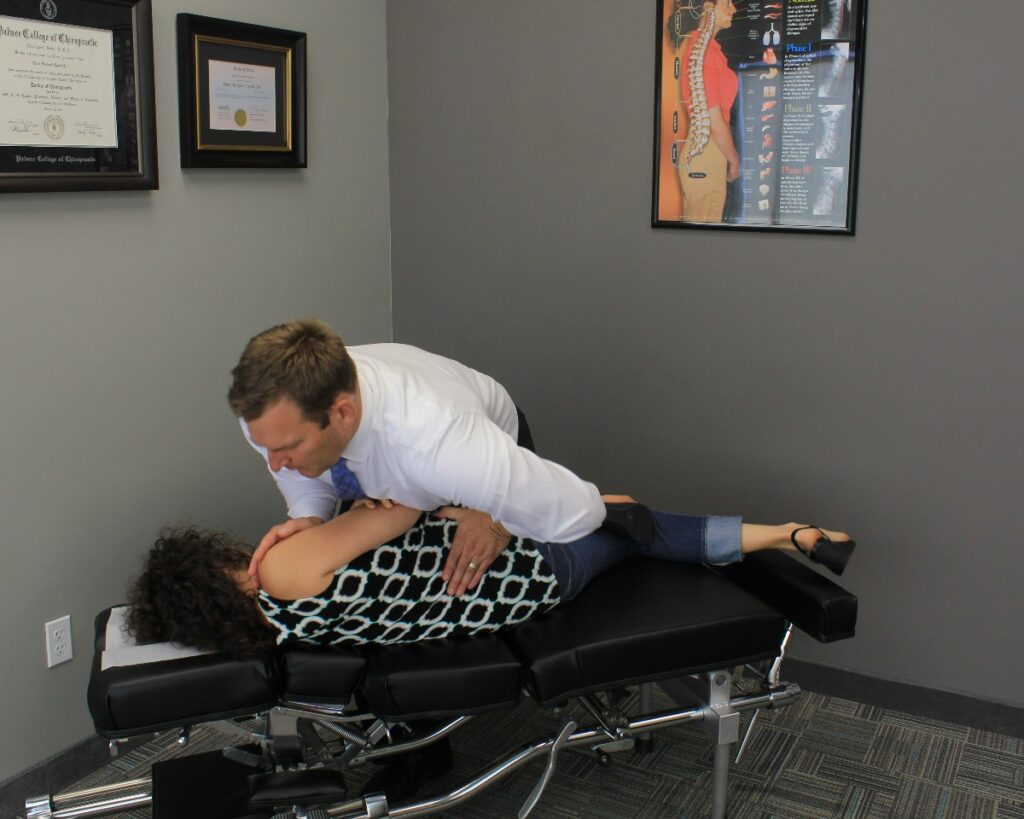
If you’re experiencing low back pain, you understand how it can impact your everyday activities and overall quality of life. Fortunately, there are natural and effective ways to alleviate discomfort and enhance your mobility, and one of the most beneficial approaches is chiropractic care. By focusing on spinal health and proper alignment, chiropractic adjustments can help relieve pain and promote healing in the body.
In addition to regular chiropractic treatments, incorporating specific exercises into your routine can further support your recovery. From gentle stretches to core-strengthening moves, these exercises can complement the adjustments you receive and empower you to take charge of your health. Here are some top exercises to consider, along with general tips to maximize their benefits:
- Gentle Stretches: Start with gentle stretches for your back and hips to improve flexibility and reduce tension. Simple movements like the cat-cow stretch or child’s pose can help relieve tightness and promote relaxation.
- Core Strengthening: A strong core supports your spine and can prevent further injury. Focus on exercises like pelvic tilts or bridges, which can strengthen your abdominal muscles without putting too much strain on your back.
- Low-Impact Activities: Engage in low-impact exercises such as walking or swimming. These activities not only help maintain mobility but also promote circulation, which is essential for healing.
- Practice Good Posture: Pay attention to your posture throughout the day, especially when sitting or lifting objects. Proper alignment can help prevent aggravation of your back pain.
- Listen to Your Body: Always listen to your body and stop any exercise that causes pain. It’s essential to work within your comfort zone and gradually increase the intensity as you feel stronger.
Remember, while exercises can be beneficial, they work best when combined with regular chiropractic care. A chiropractor can provide personalized guidance and adjustments tailored to your unique needs, helping you achieve optimal health and wellness. By focusing on natural healing and maintaining a proactive approach to your spinal health, you can pave the way for a pain-free and active lifestyle.
Key Takeaways
- Strengthening your core is essential for supporting your lower back and improving stability. Exercises like pelvic tilts and bridges can help build this strength, which is key to reducing pain and discomfort.
- Gentle stretches are also important for relieving tension and enhancing flexibility in your spine. Consider incorporating movements like the cat-cow and child’s pose into your routine. These stretches can help ease tightness and improve your overall range of motion.
- When stretching your hamstrings, be sure to keep your back straight. This technique helps to lengthen the muscles while minimizing strain on your lower back, promoting better alignment and comfort.
- The knee-to-chest stretch is a fantastic way to open up your lower back and alleviate discomfort. Remember to hold each stretch for 15-30 seconds to allow your muscles to relax fully.
- Always listen to your body. If any exercise causes pain, it’s important to modify or skip it to prevent further injury. Your body knows best, and respecting its signals will help you on your journey to wellness.
Chiropractic care can play a pivotal role in your recovery and overall health. By focusing on natural healing and promoting spinal health, chiropractic adjustments can help alleviate pain and enhance your body’s function. Remember, maintaining a healthy spine is crucial for a pain-free life!
Understanding Low Back Pain
When you experience low back pain, it can feel overwhelming, but understanding its causes and symptoms is the first step toward finding relief.
Low back pain often arises from muscle strains, ligament sprains, or conditions like herniated discs. These issues can result from poor posture, heavy lifting, or even prolonged sitting. You might notice sharp, stabbing pain, a dull ache, or stiffness that limits your movement. Sometimes, the pain can radiate down your legs, which may indicate that a nerve is involved.
Identifying the underlying cause is essential. For instance, if you’ve been sitting at a desk for long hours, your pain may relate to muscle fatigue or tension. Stress can also contribute to discomfort, making it even more important to pay attention to your body. By recognizing these symptoms, you can take proactive steps toward relief.
Chiropractic care is an excellent choice for addressing low back pain naturally. A chiropractor can help identify the root cause of your pain and develop a personalized treatment plan to restore your spine’s natural alignment. This approach not only alleviates pain but also promotes overall wellness by improving function and mobility.
Here are some general tips to help you manage and prevent low back pain:
- Maintain Good Posture: When sitting or standing, ensure your back is straight and shoulders are relaxed. Consider using ergonomic furniture if you spend long hours at a desk.
- Stay Active: Regular physical activity strengthens your back muscles and improves flexibility. Simple exercises like walking, stretching, or yoga can be beneficial.
- Lift Properly: When lifting heavy objects, bend your knees and keep your back straight. Avoid twisting your body while lifting.
- Manage Stress: Stress can contribute to muscle tension. Mindfulness practices like meditation or deep breathing can help ease tension in your body.
- Schedule Regular Chiropractic Visits: Routine chiropractic adjustments can help maintain spinal health, alleviate pain, and prevent future issues.
By focusing on these strategies and seeking chiropractic care, you empower yourself to take control of your health and work towards a pain-free life.
Importance of Exercise for Back Health
While many may overlook the importance of exercise in maintaining back health, staying active is a vital part of both preventing and alleviating low back pain. As a chiropractor, I often see firsthand how regular exercise can strengthen your core muscles, which support your spine and enhance your posture. When you engage in physical activity, you also increase blood flow to your back, promoting healing and reducing stiffness.
Furthermore, maintaining a healthy weight through exercise is crucial because it lessens the strain on your back. Simple activities like walking, swimming, or cycling not only improve your overall well-being but also lift your mood, making it easier to deal with discomfort.
In addition, consistent movement fosters better flexibility and mobility, helping to prevent injuries down the road. By prioritizing exercise in your daily routine, you’re investing in your back health and paving the way for a more active, pain-free life.
Here are some general tips to help you incorporate exercise into your routine for better back health:
- Start Slow: If you’re new to exercise, begin with short sessions and gradually increase your activity level.
- Mix It Up: Find a variety of activities that you enjoy to keep things interesting and engaging.
- Focus on Core Strength: Incorporate exercises that target your core muscles, such as planks and bridges, to provide better support for your spine.
- Stay Consistent: Aim for regular exercise, even if it’s just walking for 20-30 minutes a few times a week.
- Listen to Your Body: Pay attention to how your body feels during and after exercise. If something doesn’t feel right, consult with your chiropractor for personalized advice.
Stretching Exercises for Flexibility
Stretching is a vital component of maintaining flexibility and alleviating tension in your lower back. As a chiropractor, I can assure you that incorporating specific stretching techniques into your routine can significantly enhance your mobility and ease discomfort.
Not only can these stretches help improve your spinal health, but they also complement the benefits of regular chiropractic care.
Let’s delve into some effective stretches that can make a real difference in your back health. Remember that these exercises shouldn’t replace the invaluable care you receive from your chiropractor, but they can certainly enhance your overall wellness routine.
- Cat-Cow Stretch: This gentle stretch helps to mobilize your spine and relieve tension. Begin on all fours, arch your back as you inhale (Cat), and then lower your belly while lifting your head and tailbone as you exhale (Cow). Repeat several times to promote flexibility.
- Child’s Pose: This is a restorative pose that stretches the lower back. Kneel on the floor, sit back on your heels, and stretch your arms forward while lowering your forehead to the ground. Hold this position for several breaths to release tension in your back.
- Seated Forward Bend: Sit with your legs extended in front of you. Inhale deeply, and as you exhale, gently reach towards your toes. This stretch not only targets your lower back but also helps to lengthen your hamstrings.
- Knee-to-Chest Stretch: Lie on your back and pull one knee toward your chest, holding for 15-30 seconds. This can relieve lower back tension and improve your range of motion.
- Spinal Twist: While lying on your back, bring one knee over to the opposite side of your body, allowing your spine to twist gently. This stretch can enhance spinal mobility and alleviate tightness.
Incorporating these stretches into your daily routine can help you maintain a healthy spine and improve your overall flexibility. Remember, consistency is key.
Additionally, regular visits to your chiropractor can support your stretching regimen by ensuring your spine is aligned and functioning optimally.
By focusing on natural healing methods like stretching and chiropractic care, you can achieve lasting pain relief and promote a healthier lifestyle. Always listen to your body, and if you experience any discomfort, consult with your chiropractor for personalized advice.
Taking these simple steps can lead you on a path to better health and well-being!
Importance of Stretching
Incorporating stretching into your daily routine can significantly boost your flexibility, which is crucial for relieving low back pain. As a chiropractor, I’ve seen firsthand how improved flexibility not only enhances mobility but also alleviates muscle tension.
This proactive approach not only helps in managing pain but also plays a vital role in preventing future injuries.
Let’s explore some of the benefits of stretching:
- Increased Blood Flow: Stretching promotes circulation throughout your body, which aids in recovery and helps reduce soreness after physical activity.
- Improved Posture: Regular stretching helps align your spine and pelvis, which can lessen strain on your back and contribute to better overall posture.
- Enhanced Range of Motion: By increasing your flexibility, stretching allows you to move more freely, making everyday tasks easier and more manageable.
- Stress Relief: Stretching can help alleviate tension in your muscles, leading to a more relaxed state of mind and body.
As you make stretching a priority, consider integrating these simple tips into your routine:
- Start Slow: If you’re new to stretching, begin with gentle stretches and gradually increase the intensity as your flexibility improves.
- Consistency is Key: Aim to stretch every day, even for just a few minutes. Regular practice yields the best results.
- Focus on Your Breathing: Take deep, calming breaths while stretching. This not only enhances relaxation but also helps you connect with your body.
- Listen to Your Body: Pay attention to how your body feels during stretches. Never push yourself to the point of pain.
Remember, chiropractic care is an excellent way to complement your stretching routine. By addressing any underlying spinal issues, we can help ensure you’re on the path to optimal health and wellness.
Embrace stretching as a natural way to enhance your well-being and manage low back pain effectively.
Recommended Stretching Techniques
To effectively enhance your flexibility and alleviate low back pain, incorporating specific stretching techniques into your routine can work wonders. As a local chiropractor, I believe that these natural methods can contribute significantly to your overall health and wellness, complementing the benefits of chiropractic care.
Start with the cat-cow stretch. This gentle movement involves arching and rounding your back, promoting spinal flexibility and relieving tension.
Next, try the child’s pose. This restful position is excellent for releasing tightness in your lower back, allowing for deeper relaxation.
For targeted relief, the standing hamstring stretch is a great option. Ensure you keep your back straight while reaching for your toes; this will help lengthen the muscles along your back and legs.
The piriformis stretch is also beneficial as it focuses on the muscles deep in your glutes, which can often contribute to low back pain.
Finally, don’t overlook the knee-to-chest stretch. This simple yet effective stretch opens up your lower back, providing much-needed relief. Hold each stretch for about 20-30 seconds, and remember to breathe deeply—this can amplify your relaxation and effectiveness of the stretches.
Regular practice of these stretches can lead to improved flexibility and reduced pain, but remember, chiropractic care offers an additional layer of support. By aligning your spine and enhancing your body’s natural healing processes, chiropractic treatments can help you achieve optimal health and wellness.
Strengthening Exercises for Core Support
Building core stability is essential for relieving low back pain and preventing future issues. As a chiropractor, I want to emphasize that strengthening your core is one of the most effective ways to support your spine and enhance your overall wellness. In this section, you’ll discover core exercises that aren’t only safe but also beneficial for your back health.
By focusing on your core muscles, you can reduce strain on your spine, which is crucial for those experiencing discomfort. Here are some effective exercises to consider:
- Plank: This exercise strengthens your entire core. Start by lying face down, then lift your body off the ground, keeping your elbows under your shoulders and your body in a straight line. Hold this position for 20-30 seconds, gradually increasing the time as you get stronger.
- Bird-Dog: This move enhances stability and coordination. Begin on your hands and knees, then extend one arm forward while extending the opposite leg back. Hold for a few seconds and switch sides.
- Pelvic Tilts: These are great for mobilizing your spine and strengthening your lower back. Lie on your back with your knees bent, then gently flatten your lower back against the floor by tilting your pelvis upward.
To practice these exercises safely, remember to listen to your body. Start slowly and gradually increase the intensity. It’s also crucial to maintain good form to avoid any unnecessary strain on your spine.
In addition to these exercises, regular chiropractic adjustments can further enhance your core strength and overall health. Chiropractic care focuses on aligning your spine, which helps your body function optimally and promotes natural healing.
Incorporating these core-strengthening exercises into your routine, alongside regular chiropractic visits, can set you on the path to a healthier, pain-free life. Remember, a strong core isn’t just about aesthetics—it’s about supporting your body and preventing future issues. Always feel free to reach out to your chiropractor for personalized advice and support on your journey to wellness.
Importance of Core Stability
As a chiropractor, I want to emphasize how crucial core stability is for your overall health, especially when it comes to alleviating low back pain. A strong and stable core acts as a natural support system for your spine, which can lead to better posture and less strain on your back. When your core muscles are engaged, they help distribute your body weight evenly and reduce the risk of injury and discomfort.
Here are some important benefits of focusing on core stability:
- Less Strain on Your Back: A strong core helps take the load off your lower back muscles during everyday activities, making it easier to go about your day without pain.
- Better Balance: A stable core enhances your overall balance, which can make your movements safer and more efficient—whether you’re walking, lifting, or even just sitting.
- Improved Posture: Good core strength contributes to better posture, which can relieve pressure on your spine and reduce discomfort over time.
- Support for Daily Movements: A well-functioning core supports all kinds of functional movements, enabling you to perform tasks without pain or hesitation.
Incorporating core stability exercises into your routine can significantly enhance your well-being and contribute to long-term relief from back pain. Simple exercises like planks, bridges, and gentle yoga stretches can be very effective.
Always remember, chiropractic care focuses on natural healing and can help you strengthen your core, improve spinal alignment, and promote a healthier lifestyle. If you’re looking for a natural path to wellness, consider making chiropractic care a part of your journey to better health!
Recommended Core Exercises
When it comes to strengthening your core, the right exercises can play a significant role in supporting your spine and alleviating low back pain. As a chiropractor, I believe that incorporating core strengthening exercises into your routine not only enhances your overall health but also complements the benefits of chiropractic care.
Start with planks, where you hold a straight body position for 20-30 seconds. This exercise is excellent for building endurance in your core muscles. Next, add side planks to specifically target your obliques, which are crucial for stabilizing your torso and improving your posture.
Bird-dogs are another great addition; they engage multiple muscle groups while promoting balance, which is vital for a healthy spine. You might also consider dead bugs, as they enhance coordination and core strength—two essential components for preventing injuries.
Finally, don’t overlook bridges. This exercise is effective for strengthening your lower back and glutes, which support your spine. Aim for two to three sets of each exercise, gradually increasing the duration and intensity as you become stronger.
Tips for Safe Practice
To ensure you maximize the benefits of your core strengthening exercises while minimizing the risk of injury, prioritizing safe techniques is essential. As a chiropractor, I want to share some valuable tips that can help you stay safe and effective in your fitness journey.
Remember, chiropractic care is a great way to support your overall health and wellness. Here are some helpful guidelines:
- Warm up properly: Begin with gentle dynamic stretches to get your muscles ready for the workout. This not only prepares your body but also supports spinal health by improving circulation.
- Maintain proper form: Pay attention to your posture and alignment while exercising. Proper form is crucial in preventing strain and ensuring your spine remains healthy.
- Listen to your body: It’s important to tune in to how your body feels. If something doesn’t feel right, stop right away and evaluate your technique. Ignoring discomfort can lead to injuries, which chiropractic care can help address.
- Progress gradually: When it comes to increasing the intensity of your exercises, take your time. Gradually increasing the complexity of your workouts can help you avoid overexertion and injuries, allowing your body to adapt safely.
Low-Impact Aerobic Exercises
Low-impact aerobic exercises are a fantastic option for anyone experiencing low back pain, and they work synergistically with chiropractic care to enhance healing and promote overall wellness. These exercises, such as walking, swimming, or using a stationary bike, can improve blood flow and help alleviate discomfort while being gentle on your body.
When you incorporate these activities into your routine, you not only strengthen your muscles but also enhance flexibility, providing essential support for your spine. Aim for at least 30 minutes of activity most days, but always listen to your body and adjust the intensity and duration according to your comfort level.
Start at a pace that feels right for you, gradually increasing your activity as your body allows. It’s crucial to maintain good posture during these exercises; this ensures that your spine remains aligned and minimizes unnecessary strain on your back.
In addition to pain relief, integrating low-impact aerobic exercises can contribute to your overall well-being. Staying consistent with these activities complements the benefits of chiropractic care, leading to long-term improvements in your quality of life.
Yoga Poses for Back Relief
Incorporating yoga poses into your daily routine can greatly complement your journey toward low back pain relief. While chiropractic care is the most effective way to address spinal health and overall wellness, these gentle stretches can enhance your flexibility and strengthen the muscles surrounding your spine.
Here are some effective yoga poses you can try at home:
- Child’s Pose: This restful position is perfect for gently stretching your lower back and relieving tension. It promotes relaxation, which can be beneficial for overall spinal health.
- Cat-Cow Stretch: By alternating between arching and rounding your back, this dynamic movement improves spinal flexibility and reduces stiffness. It’s a great way to warm up your back before other exercises or chiropractic adjustments.
- Downward-Facing Dog: This pose helps elongate your spine and stretches your hamstrings, providing a full-body stretch. It can also help improve blood flow to your back, which is essential for healing and recovery.
- Sphinx Pose: A gentle backbend, the Sphinx pose strengthens the lower back and promotes better posture. Good posture is crucial for spinal health and can help prevent future issues.
Remember, while these exercises can be beneficial, they should be seen as a complement to regular chiropractic care. Always listen to your body and consult with your chiropractor for personalized recommendations tailored to your specific needs.
Together, chiropractic adjustments and these yoga poses can enhance your overall health and well-being, allowing you to live a more active and pain-free life.
Pilates Techniques for Spinal Alignment
For those looking to achieve better spinal alignment, chiropractic care is a highly effective option that focuses on natural healing and overall wellness. While Pilates can offer some benefits, nothing compares to the personalized approach of chiropractic adjustments that specifically target spinal health. A well-aligned spine not only alleviates pain but also enhances your overall wellbeing.
Here are some key aspects of spinal health to keep in mind:
| Technique | Benefits |
|---|---|
| Chiropractic Adjustments | Restores proper spinal alignment and function |
| Core Strengthening Exercises | Supports the spine and helps prevent injuries |
| Stretching | Maintains flexibility and reduces tension in muscles |
| Posture Awareness | Promotes a healthier spine and reduces strain |
| Regular Check-ups | Ensures ongoing spinal health and addresses issues early |
Incorporating chiropractic care into your routine can lead to significant improvements in your spinal alignment and overall health. Remember to maintain good posture, engage in core-strengthening exercises, and stay aware of your body mechanics throughout the day. These simple practices, combined with regular chiropractic visits, can help you achieve and maintain optimal health naturally. Always listen to your body and consult with your chiropractor for personalized advice and care tailored to your needs.
Tips for Maintaining Proper Posture
While it can be tempting to overlook your posture during daily activities, keeping your spine aligned is crucial for maintaining its health.
Proper posture not only alleviates back pain but also promotes your overall wellness. Here are some valuable tips to help you maintain alignment throughout your day, and remember, regular chiropractic care can be a powerful ally in achieving optimal health:
- Optimize Your Workspace: Ensure that your computer screen is at eye level to avoid straining your neck, and choose a chair that provides adequate support for your lower back. If needed, consider a chiropractic ergonomic assessment to create a workspace that promotes healthy posture.
- Stand Tall: Keep your shoulders back and your head in line with your spine. This simple adjustment can help prevent slumping and reduce stress on your spine. Regular chiropractic adjustments can also help reinforce this posture, making it easier to maintain.
- Take Breaks: Set a reminder to stand up and stretch every hour. This not only relieves tension but also allows your spine to reset. Incorporating gentle stretches recommended by your chiropractor can further enhance your posture and flexibility.
- Practice Mindful Movements: When lifting objects, always bend at your hips and knees rather than at your waist. This technique protects your back and promotes proper spinal alignment. Your chiropractor can provide personalized guidance on the best lifting techniques for your body.
By integrating these simple tips into your daily routine and seeking regular chiropractic care, you’re taking significant steps toward a healthier, pain-free life.
Emphasizing natural healing through chiropractic can help you achieve and maintain optimal spinal health.
When to Seek Professional Help
Knowing when to seek professional help for low back pain is crucial for a swift recovery, and chiropractic care is often the best choice for achieving optimal health. If your pain lingers for more than a few weeks despite trying self-care methods like gentle stretching or applying heat, it’s wise to consult a chiropractor. Sudden or intense pain, especially after an injury, demands immediate attention.
Pay attention to any feelings of numbness, tingling, or weakness in your legs; these symptoms can be signs that your nerves may need some care. If your pain starts to interfere with daily activities or keeps you from getting a good night’s sleep, don’t hesitate to reach out for professional guidance.
Also, be aware of any changes in bowel or bladder control, as these are serious signs that need urgent evaluation. Early intervention through chiropractic care can prevent your low back pain from becoming a chronic issue. Trust your instincts—if something feels off, seeking a chiropractor’s expertise can set you on the path to recovery.
In addition to seeking professional help, remember to stay active, maintain good posture, and incorporate stretching into your daily routine to support your spine and overall wellness. Taking these proactive steps can make a significant difference in your health journey!
Creating a Personalized Exercise Routine
To create a personalized exercise routine for low back pain relief, it’s essential to first evaluate your pain levels. This self-assessment will guide you in choosing exercises that emphasize flexibility and strength, which are crucial for supporting your spine. Remember, a tailored routine that aligns with your specific needs can lead to better outcomes and enhanced comfort.
Incorporating chiropractic care into your wellness journey is one of the best ways to achieve optimal health. A chiropractor can provide valuable guidance on exercises that promote spinal health and alleviate pain naturally.
Here are some general tips for managing low back pain through exercise:
- Start Slow: If you’re new to exercising, begin with gentle stretches and gradually increase intensity as your body allows.
- Focus on Core Strength: Strengthening your core muscles can provide better support for your spine. Consider exercises like pelvic tilts and bridges, which are easy to perform and effective.
- Incorporate Flexibility: Stretching is vital for maintaining flexibility in the lower back. Simple stretches like the child’s pose or knee-to-chest stretch can help relieve tension.
- Listen to Your Body: Pay attention to how your body responds during and after exercises. If something causes pain, modify or skip that movement.
- Regular Chiropractic Visits: Regular adjustments can improve your spinal alignment and overall function, enhancing the effectiveness of your exercise routine.
Assessing Your Pain Levels
Assessing your pain levels is crucial for creating an effective exercise routine that aligns with your healing journey. Understanding how pain impacts your daily activities can guide your choices and help you make the most of chiropractic care.
Here’s how you can evaluate your pain to enhance your wellness:
- Daily Pain Rating: Start by rating your pain on a scale of 1 to 10 every day. This simple practice can help you track changes and identify triggers.
- Movement Awareness: Pay attention to when your pain increases during specific movements. This insight can be invaluable for your chiropractor in designing a tailored treatment plan that addresses your unique needs.
- Identify Relief: Take note of activities that ease your discomfort. This could include gentle stretches, walking, or specific exercises recommended by your chiropractor. Understanding what helps you feel better is key to your recovery.
- Monitor Your Response: Keep track of how your pain responds to each exercise over time. This won’t only inform your chiropractor about your progress but also empower you to adjust your routine as needed.
Chiropractic care focuses on natural healing and optimal spinal health. By regularly assessing your pain levels and communicating with your chiropractor, you can enhance your wellness journey and discover the best exercises that support your healing process.
Incorporating Flexibility and Strength
Creating a personalized exercise routine that incorporates flexibility and strength can significantly enhance your recovery from low back pain, and chiropractic care can play a pivotal role in this journey. Before starting any exercise program, it’s essential to consult with your chiropractor, who can assess your individual needs and guide you toward the most effective strategies for your spine health.
Begin your routine by evaluating your current fitness level. Your chiropractor can help identify specific areas that may need improvement, ensuring that you focus on exercises that support your recovery. Gentle stretching exercises, such as the cat-cow stretch and hamstring stretches, can greatly enhance flexibility and help alleviate tension in your back. These stretches not only feel good but also prepare your muscles and spine for movement.
For strength, emphasize core-strengthening exercises like planks and bridges. A strong core supports your spine and reduces the risk of injury. Incorporate these exercises into your routine at least three times a week, and remember to gradually increase the intensity as your strength improves.
Listening to your body is crucial. If you experience pain or discomfort while exercising, it’s important to modify or stop the activity. Your chiropractor can provide alternative exercises that are safer and more effective for your condition.
Consistency is key to your recovery. Find a routine that fits seamlessly into your lifestyle, making it easier to stick with your program. With commitment and patience, you’ll likely notice improvements in both strength and flexibility, leading to enhanced overall back health.
In addition to your exercise routine, consider incorporating regular chiropractic adjustments into your wellness plan. These adjustments can help ensure your spine is properly aligned, which supports your body’s natural healing processes and enhances your ability to engage in physical activity. Remember, chiropractic care is a natural way to achieve optimal health and can be your best ally in the journey toward pain relief and a healthier lifestyle.