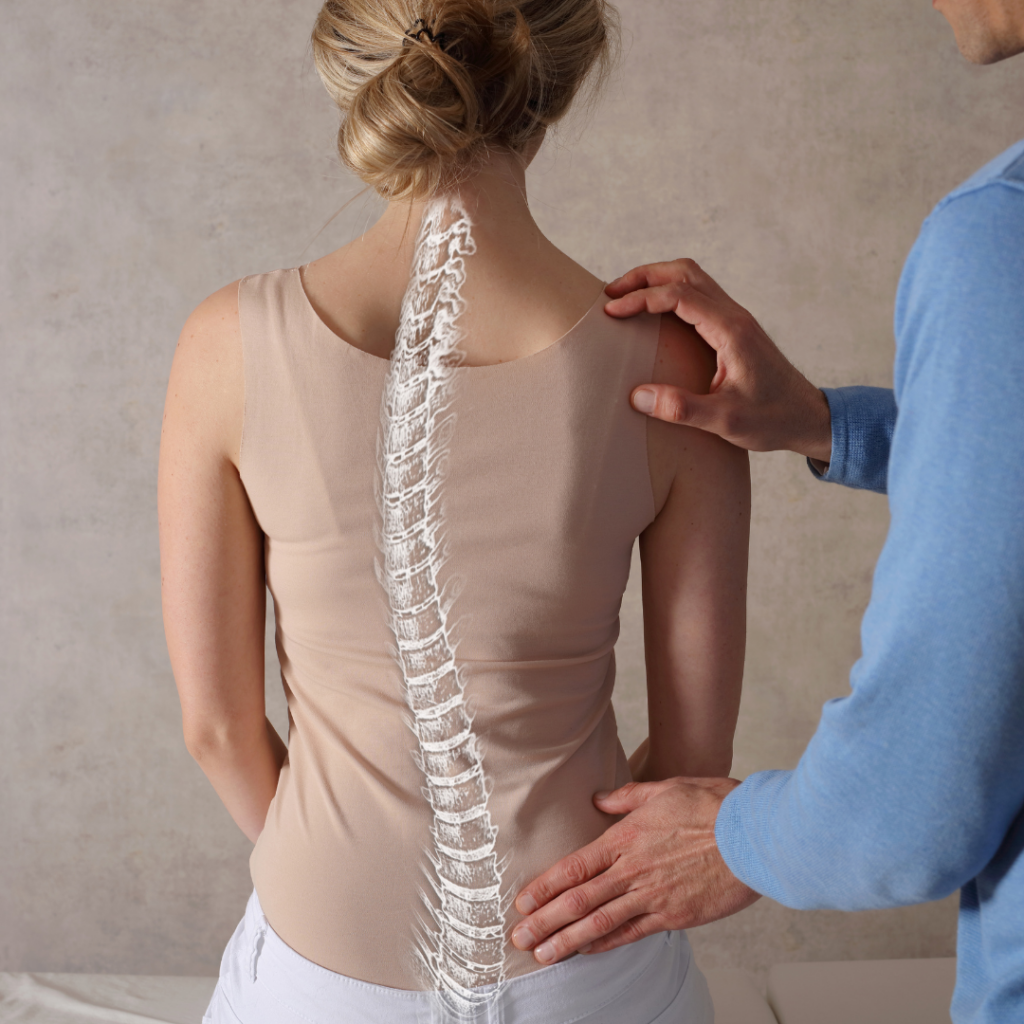
As a local chiropractor, I often see patients who are struggling with back pain or are simply looking to prevent it. One of the most effective ways to address this issue is through essential stretches that can be easily incorporated into your daily routine. These stretches not only enhance your flexibility but also improve spinal mobility and relieve built-up tension in your back.
For instance, movements like the hamstring stretch and the cat-cow pose can significantly contribute to a more comfortable daily experience. However, I want to emphasize the importance of knowing how often to practice these stretches and identifying which ones are most effective for your unique situation.
Understanding the right approach to stretching can be a game-changer in achieving a pain-free back. It's all about finding what works best for you and committing to it. Let's delve deeper into how these stretches can support your overall well-being and help prevent back pain.
Importance of Stretching
As a local chiropractor, I want to emphasize the crucial role that stretching plays in alleviating back pain and enhancing your overall mobility. Many of my patients may not realize that incorporating stretching into your daily routine is vital for maintaining flexibility in your muscles and joints. This flexibility is essential for preventing stiffness and discomfort, which can often lead to chronic back pain.
By regularly engaging in stretching exercises, you can create a greater range of motion in your spine and the surrounding muscles, significantly reducing tension and strain.
Consider how daily activities—such as sitting for long periods or lifting heavy objects—can contribute to tightness in your back. Stretching serves as a natural countermeasure to these effects. It promotes blood flow to your muscles, which aids in recovery and helps prevent injuries. Even just a few minutes of targeted stretches can yield noticeable improvements in how your back feels.
Furthermore, stretching not only alleviates existing pain but also helps strengthen the muscles that support your spine. Stronger muscles provide better support and stability, alleviating pressure on your back.
By dedicating time to stretching, you're taking proactive steps not just for relief, but to prevent future discomfort. Incorporating a variety of stretches that target different muscle groups will enhance your overall mobility. This means you'll feel better and be more capable of performing daily tasks without discomfort.
I encourage you to make stretching a regular habit; doing so will lead you toward a healthier back and improved quality of life. Trust me, your back will thank you for it!
Hamstring Stretch
As a local chiropractor, I often see patients struggling with back pain, and one of the most effective ways to alleviate this discomfort is through a simple yet powerful exercise: the hamstring stretch.
Many people don't realize that tight hamstrings can create tension in your lower back by pulling on your pelvis. By incorporating this stretch into your routine, you can significantly improve your flexibility and reduce strain on your back.
Here's how to perform the hamstring stretch:
- Start by sitting on the floor. Extend one leg straight out in front of you while bending the other leg, resting the sole of your foot against the inner thigh of the extended leg.
- With your back straight, gently hinge forward at your hips and reach toward your toes. You should feel a mild stretch in the back of your thigh.
- Hold this position for 20-30 seconds before switching to the other leg.
To enhance the effectiveness of your hamstring stretch, consider these helpful tips:
- Breathe deeply: Pay attention to your breathing as you stretch. Inhale through your nose and exhale through your mouth to help your muscles relax.
- Avoid bouncing: Always stretch in a smooth and controlled manner. Bouncing can lead to injury and may not improve your flexibility.
- Modify as needed: If reaching your toes feels out of reach, use a towel or strap around your foot. This can assist you in maintaining the stretch without straining.
By integrating the hamstring stretch into your daily routine, you can significantly reduce back pain and enhance your overall mobility.
It's a simple yet effective practice that can complement your wellness journey and support your body's natural healing processes.
If you have any questions about incorporating stretches or other natural healing methods into your routine, feel free to reach out during your next visit!
Cat-Cow Stretch
As a local chiropractor, I often recommend the Cat-Cow stretch to my patients as a wonderful technique for relieving back tension and enhancing spinal flexibility. This dynamic movement involves alternating between two positions, which helps to gently mobilize your spine while engaging your core muscles.
To perform the Cat-Cow stretch, begin by positioning yourself on all fours. Ensure that your hands are directly beneath your shoulders and your knees are aligned under your hips. This foundational stance is key for maintaining proper alignment throughout the stretch.
As you take a deep breath in, arch your back and let your belly drop towards the floor. Lift your head and tailbone upward, creating a gentle curve in your spine; this is known as the "Cow" position. Take a moment to hold this position, feeling the stretch across your chest and abdomen, which can help alleviate tightness in these areas.
Next, as you exhale, round your spine upwards by tucking your chin to your chest and drawing your belly button in towards your spine. This is the "Cat" position. Focus on engaging your core and feeling the stretch across your upper back.
I encourage you to flow continuously between these two positions, synchronizing your breath with your movements—inhale as you transition into Cow, and exhale as you move into Cat. Aim for 5 to 10 rounds of this stretch, allowing yourself to truly experience the positive changes in your spine.
The Cat-Cow stretch is particularly beneficial not only for warming up before other exercises but also for breaking up long periods of sitting, which can lead to stiffness and discomfort.
Child's Pose
As a local chiropractor, I want to introduce you to Child's Pose, a gentle yet highly effective stretch that can significantly alleviate back pain and promote relaxation. This restful position is particularly beneficial for your spine, as it helps to elongate it and release built-up tension in your back and hips. Many of my patients find it especially helpful after long hours of sitting or during stressful times.
To perform Child's Pose correctly, follow these simple steps:
- Begin by kneeling on the floor with your big toes touching and your knees spread apart.
- Sit back on your heels and reach your arms forward, allowing your torso to lower gently between your thighs.
- Let your forehead rest on the ground, allowing your shoulders to relax and your spine to lengthen.
Incorporating Child's Pose into your routine can offer numerous benefits:
- Reduces tension: This pose effectively alleviates tightness in your back, neck, and shoulders, which are often contributing factors to discomfort and pain.
- Enhances flexibility: By stretching your spine and hips, you can improve your flexibility, making daily activities more comfortable and reducing the risk of injury.
- Promotes mindfulness: Child's Pose encourages deep breathing and focus, fostering a sense of calm that can help manage stress levels.
I encourage you to make Child's Pose a regular part of your day. Many of my patients report significant improvements in their overall back health and well-being when they practice this restorative stretch consistently.
Seated Forward Bend
As a chiropractor, I often recommend the Seated Forward Bend as an effective stretch for alleviating back pain and enhancing overall flexibility. This gentle pose primarily engages your hamstrings, lower back, and hips, making it an excellent option for relieving tension that can build up in these areas.
To start, find a comfortable seated position on the floor with your legs extended straight in front of you. Make sure your feet are flexed, with your toes pointing upward toward the ceiling.
Begin by inhaling deeply and lengthening your spine, sitting up tall. As you exhale, hinge at your hips and lean forward gently. It's important to remember that you may not reach your toes right away—and that's completely normal. Instead, focus on maintaining a long, straight spine as you lean forward. If you can, reach for your feet, ankles, or shins—whatever feels most comfortable for your body.
Keep your neck relaxed, allowing your head to hang heavy as you continue to breathe deeply. Hold this stretch for at least 20 to 30 seconds, and notice how the stretch deepens with every breath you take. It's crucial to listen to your body; if you feel any sharp pain, ease back and modify your stretch accordingly.
When you're ready to come out of the pose, gently roll back up to a seated position, stacking your vertebrae one by one.
This stretch not only helps to reduce back pain but also promotes relaxation and calmness. By incorporating the Seated Forward Bend into your routine, you can significantly enhance your overall flexibility and reduce stiffness. It's a wonderful addition for anyone looking to alleviate back discomfort and improve their well-being naturally.
Spinal Twist
As a local chiropractor, I want to share with you the incredible benefits of spinal twists for alleviating back pain.
These gentle stretches can significantly enhance your flexibility and help reduce tension in your spine. It's crucial, however, to understand how to perform them safely and effectively to reap the maximum benefits.
Spinal twists not only promote better spinal alignment but also improve circulation and relaxation in the muscles surrounding your spine.
By incorporating this stretch into your routine, you may experience relief from discomfort and an overall sense of well-being.
Let's discuss the proper technique for spinal twists, ensuring you get the most out of this natural healing method.
Together, we can work towards a healthier, pain-free back!
Benefits of Spinal Twists
As a local chiropractor, I want to emphasize the significant benefits that spinal twists can bring to your overall health and well-being. Many of my patients are often surprised to learn how simple movements like spinal twists can alleviate back pain and enhance spinal mobility.
These exercises not only help relieve tension in your back but also promote flexibility throughout your spine. When you perform spinal twists, you stimulate circulation and encourage the release of built-up stress in your back muscles, which can lead to a more comfortable and less restricted range of motion.
Here are some key benefits of incorporating spinal twists into your routine:
- Improved Flexibility: By regularly practicing spinal twists, you can enhance your range of motion, making everyday activities feel more effortless and enjoyable.
- Enhanced Posture: Spinal twists help loosen tight muscles, which can lead to better alignment and reduced strain on your spine, ultimately improving your posture.
- Stress Relief: These twisting movements can effectively release accumulated tension in your body, fostering relaxation and a greater sense of well-being.
Integrating spinal twists into your daily routine can provide substantial benefits, not just for your back but for your overall physical health.
With consistent practice, you may discover greater ease of movement and reduced discomfort in your back. I encourage you to consider making spinal twists a regular part of your stretching regimen for lasting improvements in your health.
How to Perform
As a chiropractor, I often emphasize the importance of spinal health and flexibility for overall well-being. One effective technique I recommend for enhancing flexibility and relieving tension in your back is the spinal twist.
To perform a spinal twist, begin by sitting comfortably on the floor with your legs extended straight in front of you. Bend your right knee and place your right foot on the outside of your left thigh, keeping your left leg straight. Then, bring your left elbow to the outside of your right knee. This position will help you gently assist your twist.
As you take a deep breath in, focus on lengthening your spine; then, as you exhale, gently twist to the right while looking over your right shoulder. It's important to keep your shoulders relaxed and away from your ears to avoid any unnecessary tension. Hold this position for about 20 to 30 seconds, breathing deeply and allowing your body to relax into the twist.
When you're ready to release the pose, slowly unwind back to your starting position. Then, switch sides by bending your left knee, placing your left foot outside your right thigh, and using your right elbow to assist your twist. Remember, don't force the movement; just let your body ease into the stretch.
Incorporating regular practice of spinal twists into your routine can significantly improve your back's flexibility and help reduce tension.
If you have any concerns or questions about how spinal health impacts your overall wellness, don't hesitate to reach out for further guidance. Your journey to better health starts with understanding and taking care of your spine!
Standing Quadriceps Stretch
As a local chiropractor, I want to share with you the benefits of the Standing Quadriceps Stretch, an exercise that can significantly alleviate tension in your lower back by focusing on your quadriceps muscles.
Many of my patients are surprised to learn how interconnected our muscles are and how addressing one area can relieve discomfort in another.
To maximize the benefits of this stretch, it's crucial to perform it with proper technique. This means standing tall, bending one knee to bring your heel toward your glutes, and gently holding your ankle.
This position not only stretches the quadriceps but also helps to stabilize the pelvis, which can lead to a healthier lower back.
Incorporating this stretch into your routine can be incredibly beneficial. I recommend holding the stretch for 15-30 seconds and repeating it 2-3 times on each leg.
Aim to do this stretch at least a few times a week, especially if you sit for prolonged periods or engage in activities that put strain on your back.
By integrating the Standing Quadriceps Stretch into your self-care regimen, you'll not only be promoting flexibility and strength in your legs but also fostering a healthier spine and reducing lower back discomfort.
Benefits of Quadriceps Stretch
As a local chiropractor, I want to emphasize the importance of stretching your quadriceps for your overall health, particularly when it comes to supporting your back. Many people may not realize that strong and flexible quadriceps are crucial for maintaining proper posture and alignment, which can significantly reduce the risk of back pain.
Here are some benefits you can experience by regularly incorporating this stretch into your daily routine:
- Enhanced Mobility: Stretching your quadriceps can increase the range of motion in your hips and knees. This improvement makes everyday activities, such as walking or climbing stairs, much easier and more enjoyable.
- Reduced Tension: Tight quadriceps can contribute to discomfort in your lower back. By stretching them, you relieve that pressure, which is especially helpful if you spend long hours sitting or standing.
- Improved Stability: Strong quadriceps enhance your overall leg strength, which plays a vital role in your balance and stability. This is essential for protecting your back during various physical activities, whether you're exercising or just going about your daily life.
Incorporating the standing quadriceps stretch into your routine can be a simple yet effective way to support your back health and improve your overall physical well-being.
With consistent practice, you'll not only notice an increase in flexibility but also feel that your back is better supported, allowing you to move through life with greater ease and comfort.
Proper Stretching Technique
As a local chiropractor, I often emphasize the importance of proper stretching techniques to maintain flexibility and prevent discomfort, especially in the lower body.
Let's focus on a beneficial stretch: the standing quadriceps stretch.
To begin, find a sturdy support, such as a wall or a chair, to help you maintain your balance. Stand tall with your feet hip-width apart. While holding onto your support, gently bend your right knee and bring your right heel toward your glutes. Use your right hand to grab your right ankle.
It's crucial to keep your knees close together during this stretch. To enhance the stretch, push your hips slightly forward while ensuring that your back remains straight—avoid any arching or leaning, as this can lead to strain.
Hold this position for a moment, and focus on feeling the stretch in the front of your thigh. If you feel comfortable, try lifting your head and looking straight ahead; this promotes good posture.
Once you've completed the stretch on one leg, gently lower your right foot and repeat the same stretch on your left leg. Always pay attention to your body's signals; if you experience any pain, ease off the stretch.
Breathing steadily, with deep inhales and exhales, can help relax your muscles during this process.
Incorporating this standing quadriceps stretch into your routine not only enhances flexibility but also plays a vital role in preventing back pain by promoting overall leg and hip health.
As we focus on natural healing approaches, remember that regular stretching can be a key component in maintaining your well-being.
Frequency and Duration
As a local chiropractor, I want to emphasize the importance of incorporating the standing quadriceps stretch into your wellness routine. This stretch can greatly contribute to your overall flexibility and help alleviate tension in your back and legs. I recommend performing this stretch at least three times a week.
Consistency is crucial; regular stretching not only improves your muscle elasticity but also enhances your overall mobility.
When you perform the standing quadriceps stretch, aim to hold each position for at least 20-30 seconds. This duration is essential as it allows your muscles to relax and lengthen effectively. As you become more comfortable and your flexibility improves, feel free to gradually increase the hold time.
Here are some important tips to consider during your stretching routine:
- Warm-Up First: Before you begin stretching, it's vital to warm up your muscles with some light activity. This step helps prevent injuries and prepares your body for the stretch.
- Focus on Breathing: I encourage you to breathe deeply while you stretch. This practice aids in relaxation and can help you achieve a deeper stretch.
- Listen to Your Body: Pay attention to how your body feels during the stretch. If you experience any pain, it's crucial to ease off. Stretching should be done within your comfort zone to avoid any strain or injury.
Conclusion
As a local chiropractor, I want to share how incorporating essential stretches into your routine can significantly help in preventing back pain. By dedicating just a few minutes, 2-3 times a week, you can improve your flexibility and spinal mobility. Regular stretching not only alleviates tension in your muscles but also contributes to your overall well-being. This means you'll be able to enjoy your daily activities with much greater comfort. So, I encourage you to take a moment to stretch—your back will truly appreciate it! Remember, a proactive approach to your health can lead to a pain-free life.