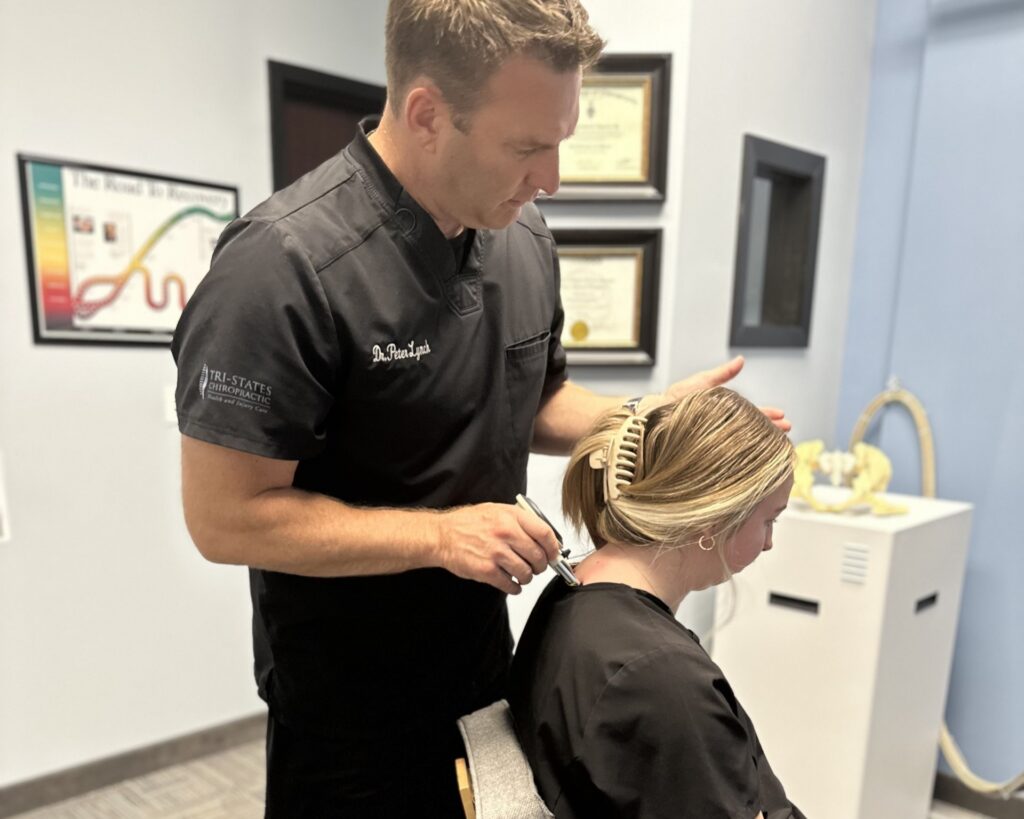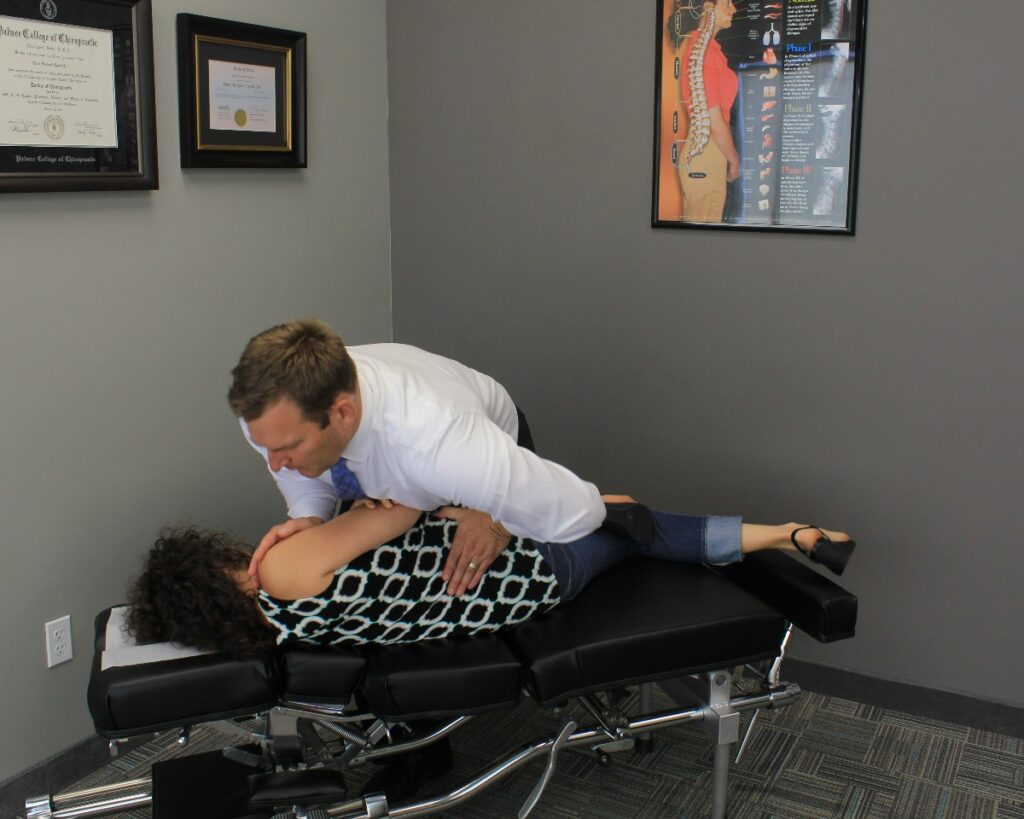
As a local chiropractor, I often see patients who are struggling with back pain, and I understand how limiting that can be. Many people don't realize that incorporating simple exercises into their daily routine can significantly decrease their risk of discomfort. By focusing on strengthening your core, enhancing flexibility, and maintaining proper posture, you can lay a strong foundation for a healthy spine.
Exercises such as planks and bridges are excellent for building core stability, but remember that it's not just about performing a few movements. It's important to understand how these exercises can be integrated into your everyday life for lasting relief. As you begin to prioritize your spinal health, consider what steps you can take today to strengthen your back and prevent future pain. Together, we can create a personalized plan that supports your journey to wellness through natural healing and chiropractic care.
Understanding Back Pain
As a local chiropractor, I want to help you understand back pain and reassure you that you aren't alone in this experience. Millions of individuals encounter back discomfort at some stage in their lives, and it can arise from numerous factors, including poor posture, muscle strain, or even stress. The first step towards finding relief is identifying the root cause of your pain.
You may notice a sharp pain when lifting heavy objects, or perhaps a dull ache that lingers throughout your day. It's essential to differentiate between acute and chronic pain. Acute pain typically occurs suddenly due to a specific injury and is often short-lived, while chronic pain endures for a longer period and may require a more comprehensive evaluation and treatment.
Consider your daily habits as well. Are you spending long hours sitting at a desk? Is physical activity a rarity in your routine? These lifestyle choices can significantly contribute to back pain. By understanding how your daily activities impact your back health, you can make informed decisions to improve your well-being.
Additionally, it's crucial to recognize that emotional stress can present itself as physical discomfort. You might find that feelings of anxiety or tension lead to tighter muscles and increased back pain. Acknowledging this connection can empower you to explore stress management techniques, which may help alleviate some of your discomfort.
At our chiropractic practice, we focus on natural healing methods to address these issues and promote overall wellness. We're here to guide you through understanding your back pain and to provide effective treatment options tailored to your needs.
Importance of Back Exercises
As a local chiropractor, I want to emphasize the importance of incorporating back exercises into your routine. These exercises are crucial for strengthening your core muscles, which play a vital role in supporting your spine and enhancing your overall stability.
When you prioritize these exercises, you not only improve your flexibility and mobility but also make everyday activities more manageable, ultimately reducing your risk of injury.
Many of my patients have found that by committing to a consistent back exercise routine, they can significantly alleviate back pain and enhance their quality of life.
It's important to understand that a strong, well-conditioned back contributes to better posture and overall health. I encourage you to consider these exercises as a natural and effective way to support your body and promote healing.
#
Strengthening Core Muscles
As a local chiropractor, I want to emphasize the importance of strengthening your core muscles for reducing back pain and improving overall stability. Many people think of the core as simply the abdominal muscles, but it actually encompasses the muscles in your back, hips, and pelvis as well.
When these muscles are strong, they provide critical support for your spine, which can significantly alleviate strain on your back. Incorporating core-strengthening exercises into your routine can be incredibly beneficial.
For instance, planks are excellent because they engage several muscle groups simultaneously, creating a solid foundation for your back. Bridges are fantastic for targeting your glutes and lower back, while bird-dogs help improve your balance and coordination.
I recommend aiming to perform these exercises at least three times a week to experience the best results. A strong core is also vital for maintaining proper posture in your everyday life.
Whether you spend your day sitting at a desk or lifting heavy items, having a stable core can greatly reduce your risk of injury and promote more efficient movement patterns. Remember, consistency is essential.
As you work on building your core strength, you may find that not only does your back pain improve, but your overall physical performance also enhances. I encourage you to consider these exercises as part of a holistic approach to your health and wellness.
Enhancing Flexibility and Mobility
As your local chiropractor, I want to emphasize how crucial flexibility and mobility are in managing and preventing back pain. When your muscles and joints can move freely, you significantly reduce the chances of experiencing stiffness or discomfort. Incorporating specific exercises into your daily routine can greatly enhance your flexibility and mobility, ultimately keeping your back healthy and resilient.
To get started, focus on gentle stretches that target key areas such as your hamstrings, hip flexors, and lower back. These regions often contribute to back pain when they become tight. Simple movements like the cat-cow stretch or child's pose can help improve your spinal flexibility.
As you become more comfortable, consider exploring yoga or Pilates. These practices emphasize controlled movements and stretching, which can further enhance your overall range of motion.
Before engaging in any physical activity, it's essential to incorporate dynamic stretches. These warm up your muscles and prepare your body for movement, significantly reducing the risk of injury.
Additionally, I can't stress enough the importance of maintaining good posture throughout your daily activities; it plays a vital role in supporting your spinal health.
Stretching for Flexibility
As a local chiropractor, I want to emphasize the importance of incorporating stretching exercises into your routine to enhance flexibility, which plays a crucial role in alleviating back pain.
When your muscles and connective tissues are flexible, they provide better support for your spine and significantly reduce the risk of injury. If you're new to chiropractic care and natural healing, focusing on certain areas that often contribute to back pain can make a substantial difference, particularly your hamstrings, hip flexors, and lower back.
Let's start with a simple hamstring stretch. Sit comfortably on the floor with one leg extended straight and the other bent. Gently reach for your toes on the extended leg, and you should feel a mild pull in the back of your thigh. Hold this position for 15-30 seconds, then switch to the other side.
Next, I recommend trying a hip flexor stretch. Kneel on one knee, ensuring that the opposite foot is planted firmly in front of you. Gently push your hips forward; you should feel a stretch in the front of your hip. Maintain this position for 15-30 seconds before switching sides.
For your lower back, the cat-cow stretch can be particularly beneficial. Start on all fours, then arch your back upward like a cat, followed by lowering it while looking up like a cow. This movement not only enhances flexibility in your spine but also helps relieve tension. Hold each position for a few seconds, and repeat the sequence several times.
Incorporating these stretches into your daily routine—especially after long periods of sitting or engaging in physical activity—can lead to improved flexibility and a notable reduction in back pain.
Always remember to listen to your body and never push into pain; stretching should feel good and invigorating, not uncomfortable. As your chiropractor, I'm here to guide you on this journey towards a healthier, pain-free back.
## Strengthening Core Muscles
As a chiropractor, I want to emphasize the crucial role of strengthening your core muscles for better spinal health. Many people overlook the importance of core strength, thinking it's only about looks. However, a strong core is vital for spinal stability, supporting your posture, and preventing back pain.
By focusing on building your core strength, you create a solid foundation that supports your spine during everyday activities, which is essential for maintaining overall health and well-being.
To help you strengthen your core, I recommend incorporating the following exercises into your routine:
- Planks: This exercise is fantastic for engaging multiple muscle groups, including your abdominal muscles, back, and shoulders. Start by holding a plank position for 20-30 seconds. As you become stronger, gradually increase the duration to challenge yourself further.
- Bridges: Bridges are effective for targeting your glutes while also engaging your lower back and abdominal muscles. To perform this exercise, lie on your back with your knees bent and feet flat on the floor. Gently lift your hips towards the ceiling, hold for a few seconds, and then lower back down to the starting position.
- Dead Bugs: This exercise is excellent for improving coordination while strengthening your core. Start by lying on your back with your arms extended upwards and your knees bent at 90 degrees. Slowly extend one leg and the opposite arm while ensuring that your back remains flat against the floor.
By incorporating these exercises into your weekly routine, you can significantly enhance your core strength, which in turn will lead to better spinal support and a reduced risk of back pain.
Lower Back Exercises
As a local chiropractor, I want to emphasize the importance of giving your lower back the care it deserves, especially if you're experiencing discomfort or pain. Engaging in targeted exercises can significantly strengthen this area, alleviate tension, and lower the likelihood of future injuries.
Here are some effective lower back exercises that you can easily incorporate into your daily routine at home.
Let's start with the pelvic tilt. This is a simple yet effective exercise. Lie on your back with your knees bent and feet flat on the floor. Gently press your lower back against the floor by engaging your abdominal muscles. Hold this position for a few seconds, then relax. Aim to repeat this 10-15 times. This exercise not only helps improve flexibility but also strengthens your core, which is crucial for supporting your spine.
Next, I recommend the cat-cow stretch. Begin on all fours with your wrists aligned under your shoulders and your knees under your hips. Inhale deeply as you arch your back, lifting your head and tailbone (this is the cow position). Then, exhale as you round your spine, tucking your chin and pelvis (the cat position). Repeat this flow for 10-15 cycles. This movement enhances mobility in your lower back and promotes spinal health.
The bridge exercise is another fantastic option to include in your routine. Lie on your back with your knees bent and feet positioned hip-width apart. Lift your hips towards the ceiling, squeezing your glutes at the top of the movement. Hold for a few seconds before gently lowering back down. Aim for 10-15 repetitions, as this exercise strengthens the muscles in your lower back and glutes, providing better support for your spine.
Lastly, don't overlook the importance of stretching! The child's pose is an excellent way to relieve tension in your lower back. Kneel on the floor, sit back on your heels, and stretch your arms forward while lowering your torso. Hold this position for 20-30 seconds to experience a soothing release of tension.
Incorporating these exercises into your routine can be a proactive step toward maintaining a healthy lower back and overall wellness.
Upper Back Exercises
As a local Chiropractor, I want to share with you the importance of addressing upper back pain through natural healing methods.
It's essential to focus on stretching for flexibility and strengthening the muscles in your upper back. These targeted exercises not only alleviate current discomfort but also play a crucial role in preventing future issues.
In addition to these exercises, incorporating posture correction techniques can significantly enhance your overall spinal health.
By maintaining proper alignment, you can reduce strain on your upper back and improve your overall well-being.
Let's take a closer look at these essential exercises and techniques that can help you feel better and move with greater ease.
Your journey to a pain-free life starts with understanding how to care for your body naturally.
Stretching for Flexibility
As a local chiropractor, I want to share how focusing on flexibility can significantly alleviate upper back pain and enhance your overall mobility.
Integrating specific stretches into your daily routine can help loosen tight muscles and improve your range of motion. Here are three effective stretches that can increase flexibility in your upper back:
- Cat-Cow Stretch: Start by getting on all fours. Inhale deeply as you arch your back, lifting your head and tailbone towards the ceiling (this is the Cow position). Then, exhale as you round your back, tucking your chin and pelvis in (this is the Cat position). Repeat this sequence for 8-10 cycles. This stretch is excellent for spinal flexibility and can help ease tension.
- Thread the Needle: Begin again on all fours. Reach your right arm underneath your left arm, allowing your shoulder and ear to rest gently on the ground. Hold this position for 20-30 seconds, and then switch sides. This stretch effectively releases tension in the upper back and shoulders, promoting relaxation and improved mobility.
- Seated Forward Bend: Sit with your legs extended straight in front of you. Hinge at your hips and reach for your toes while keeping your back straight. Hold this position for 20-30 seconds. This stretch helps elongate the spine and hamstrings, contributing to overall flexibility.
Incorporating these stretches into your everyday routine can greatly enhance your flexibility and significantly reduce upper back discomfort.
Strengthening Upper Back
As a local chiropractor, I want to emphasize the importance of strengthening your upper back for maintaining good posture and preventing discomfort. A strong upper back creates a solid foundation that supports your spine and shoulders, which is crucial for overall well-being.
Here are some effective exercises that you can easily incorporate into your routine to enhance your upper back strength.
First, let's talk about the bent-over row. This exercise is simple yet effective. Grab a pair of dumbbells, hinge at your hips while keeping your back flat, and pull the weights towards you. Make sure to squeeze your shoulder blades together at the top of the movement. Aim for 10-15 repetitions. This won't only strengthen your upper back but also improve your posture.
Another great exercise is the seated row using a resistance band. Sit on the floor with your legs extended in front of you. Wrap the band around your feet and pull it towards you while maintaining a straight back. This exercise specifically targets the upper back muscles, making it an excellent addition to your routine.
Lastly, I recommend wall angels. Stand with your back against a wall and raise your arms into a "W" shape. Slowly slide your arms up the wall to form a "Y," ensuring that your arms maintain contact with the wall throughout the movement. Repeat this for 10-15 reps. Wall angels are fantastic for improving shoulder mobility and upper back strength.
Incorporating these exercises into your weekly routine can significantly enhance your upper back strength, improve your overall stability, and reduce the risk of pain and discomfort.
Remember to start with lighter weights and gradually increase as your strength improves. If you have any questions or need guidance on proper form, don't hesitate to reach out to me. Together, we can work towards a healthier, pain-free lifestyle!
#
Posture Correction Techniques
As a local chiropractor, I often see patients who are unaware of how significantly posture can influence their overall health. One of the key areas we focus on is the alignment of the upper back, which plays an essential role in reducing pain and improving mobility. Many people don't realize that poor posture can lead to muscle strain and discomfort, but there are effective ways to make a positive change.
Here are three techniques I recommend to help you enhance your upper back posture:
- Shoulder Blade Squeeze: Whether you're at home or work, you can practice this simple exercise. Sit or stand with your arms relaxed at your sides. Gently squeeze your shoulder blades together and hold this position for five seconds. Aim to repeat this 10 times, paying attention to the engagement of your upper back muscles. This exercise is great for reinforcing proper alignment.
- Chest Opener Stretch: Standing tall, clasp your hands behind your back. As you do this, gently pull your shoulders back and lift your arms slightly to create a stretch across your chest. Hold this pose for 15-30 seconds. This stretch counters the common tendency of rounding your shoulders, promoting better posture.
- Wall Angels: This exercise can be done at home or in a gym. Stand with your back flat against a wall. Raise your arms to create a "W" shape, ensuring that your elbows and wrists remain in contact with the wall. Slowly slide your arms upward to form a "Y," then bring them back down. Repeat this movement for 10-15 reps. This activity helps to mobilize your shoulder joints and strengthen the muscles that support your upper back.
Incorporating these techniques into your daily routine can significantly enhance your posture. As your chiropractor, I encourage you to commit to these exercises, as they can lead to greater comfort and a pain-free lifestyle.
## Posture Correction Techniques
As your local chiropractor, I want to emphasize the importance of good posture for both preventing and alleviating back pain. Proper posture helps distribute your body weight evenly, which significantly reduces strain on your spine. If you're not familiar with chiropractic care, you mightn't realize how crucial it's to be mindful of your body mechanics throughout the day.
Let's start with sitting. When you're at a desk or in a chair, ensure your feet are flat on the floor, your knees are at a right angle, and your back is straight against the chair. If your lower back needs extra support, a small cushion or lumbar roll can make a world of difference.
When it comes to standing, I recommend keeping your weight evenly balanced on both feet and avoiding the temptation to lock your knees. Engaging your core muscles will provide essential support for your spine. A helpful visualization is to think of a string gently pulling the crown of your head upward. This simple image can assist you in achieving a well-aligned spine.
As for walking, try to maintain a straight back and keep your chin parallel to the ground. It's easy to get caught up in looking down at your phone or device, but I encourage you to raise it to eye level instead.
If you find yourself spending extended hours at a desk, remember to take regular breaks to stretch and reset your posture.
Incorporating these posture correction techniques into your daily routine can greatly enhance your overall back health. I understand that developing better posture habits takes time and practice, so be patient with yourself.
With consistency, good posture will start to feel natural, ultimately reducing your risk of back pain and enhancing your overall well-being. If you have any questions or need further guidance, don't hesitate to reach out—I'm here to help!
Incorporating Movement Into Daily Life
As a local chiropractor, I want to emphasize that maintaining a healthy back goes beyond just improving your posture; incorporating movement into your daily life is crucial for your overall spinal health.
Many of you may not realize how small changes in your routine can have a significant impact on your back. By prioritizing movement, you can alleviate stiffness, enhance circulation, and strengthen your muscles, all of which contribute to a healthier spine.
Here are three straightforward ways to introduce more movement into your daily life:
- Take Frequent Breaks: If you find yourself sitting for extended periods—whether at work or home—set a timer to remind yourself to stand up and stretch every 30 minutes. A brief walk around your space can work wonders for your back and help prevent discomfort.
- Choose Active Transportation: Whenever possible, consider walking or biking instead of driving. This not only increases your daily physical activity but also allows you to appreciate your environment while promoting better spine health.
- Incorporate Movement into Household Chores: Everyday tasks can be transformed into opportunities for movement. Activities like vacuuming, gardening, or doing laundry can engage your back and keep your muscles active, contributing to better overall health.
By integrating these simple strategies into your routine, you can support your spine and enhance your well-being.
As your chiropractor, I'm here to help guide you on your journey to a healthier back!
Creating a Consistent Routine
As a local chiropractor, I want to emphasize how establishing a consistent routine can significantly aid in managing back pain. Dedicating time each day to specific exercises allows you to strengthen your back, enhance flexibility, and ultimately alleviate discomfort. I recommend selecting a few essential exercises that effectively target your core, hips, and lower back. These exercises can include planks, bridges, and gentle stretches.
Next, it's crucial to determine a time that fits seamlessly into your daily life. Whether you prefer early mornings, a break during your lunchtime, or a session right before bed, choose a time when you can fully commit without external distractions. Consistency is vital; aim to stick to your chosen time each day. Setting reminders on your phone can help keep you accountable and ensure you don't skip your routine.
As you become more comfortable with these exercises, consider gradually increasing their intensity or duration. This progressive approach is essential for continued improvement and to avoid plateauing. However, always listen to your body. If you experience any discomfort or unusual pain, it's important to adjust your routine accordingly.
In addition to your exercise regimen, I encourage you to incorporate stretching and mobility work throughout your day. Simple activities, such as standing up and stretching every hour, can help keep your muscles engaged and prevent stiffness, which is often a contributing factor to back pain.
Lastly, never underestimate the importance of rest and recovery. Ensure you allow your body adequate time to recuperate between workouts.
Conclusion
As a local chiropractor, I want to share with you some essential exercises that can significantly help in preventing back pain. By incorporating these exercises into your daily routine, you can enhance your flexibility, strengthen your core, and improve your posture—key factors in maintaining a healthy back.
I encourage you to stretch regularly and engage in movement throughout your day, as these habits contribute to overall stability and mobility. Committing to a consistent routine not only helps to alleviate current discomfort but also protects against future pain. By taking these proactive steps, you can enjoy your daily activities with greater ease and confidence.
Start today on your journey to a stronger, more resilient back! If you have any questions or need guidance on specific exercises, feel free to reach out. I'm here to help you achieve a pain-free lifestyle through natural healing methods.