As a local chiropractor, I understand that living with chronic pain can be incredibly challenging. It's important to explore effective strategies that can truly make a difference in your everyday life.
One approach that I often recommend is a holistic one—this means incorporating lifestyle changes alongside chiropractic care, physical therapy, and other alternative therapies.
By focusing on key areas such as nutrition, exercise, and mindfulness, you can take control of your pain management journey. Chiropractic care, in particular, can help align your spine and improve your overall body function, which may lead to significant relief from pain.
But you might be wondering, what specific techniques and practices should you consider to create a personalized plan that works for you?
Let's explore these options together and uncover the various layers of chronic pain management. Together, we can develop a strategy that addresses your unique needs and enhances your quality of life.
Understanding Chronic Pain
As a chiropractor, I often encounter patients who are confused about chronic pain and how it differs from acute pain. Chronic pain is a complex condition that can linger for months or even years, often outlasting the original injury or illness that triggered it. In contrast, acute pain acts as a warning signal, alerting you to potential harm and usually subsiding within a short timeframe.
Chronic pain can significantly impact your quality of life and daily activities. It's important to understand that this type of pain is often intertwined with emotional and psychological factors, such as anxiety and depression. Unlike acute pain, chronic pain may not have visible signs or injuries associated with it, which can make it difficult to diagnose and treat effectively.
One of the key aspects of chronic pain is its unpredictability. You may experience fluctuations in pain intensity; some days it may feel manageable, while on others, it can be overwhelming and hinder your ability to carry out everyday tasks.
As your chiropractor, I believe that understanding chronic pain is crucial for effective management. It's not merely a symptom to treat; it's a condition that requires a holistic approach. This means we will look beyond just medical treatments and consider your emotional and social well-being as well. Together, we can identify triggers and patterns in your pain, which can empower you to manage it more effectively.
Lifestyle Modifications
As a local chiropractor, I want to emphasize the importance of lifestyle modifications in effectively managing chronic pain. Embracing small yet impactful changes can significantly enhance your overall well-being and help alleviate discomfort. Here are four key areas to consider:
- Diet: Nourishing your body with a balanced diet that includes anti-inflammatory foods can make a real difference in managing pain. Focus on incorporating plenty of fruits, vegetables, whole grains, and healthy fats into your meals. It's wise to steer clear of processed foods and sugars, which can contribute to increased inflammation and discomfort.
- Exercise: Engaging in regular physical activity is vital for strengthening muscles, enhancing flexibility, and elevating your mood. I recommend low-impact exercises such as walking, swimming, or yoga, as they allow you to remain active without overexerting yourself. Even short sessions of movement can provide beneficial effects.
- Sleep Hygiene: Prioritizing quality sleep is crucial for restorative health. Establish a calming bedtime routine and try to maintain a consistent sleep schedule. Reducing screen time before bed can help, and incorporating relaxation techniques like meditation or deep breathing can assist in unwinding and promoting better sleep.
- Stress Management: It's important to recognize that chronic pain often intensifies with stress. I encourage you to explore activities that foster relaxation, such as mindfulness practices, journaling, or simply enjoying nature. Finding effective stress management techniques that resonate with you can help keep your pain levels in check and improve your quality of life.
Physical Therapy Techniques
As your local chiropractor, I want to share how chiropractic care can significantly aid in managing chronic pain and supporting your recovery. Many people are unaware of the benefits of natural healing techniques, and I'm here to guide you through them.
First, let's discuss stretching and flexibility exercises. These are crucial in enhancing your range of motion and alleviating discomfort. Gentle stretches can help relieve tension in your muscles and improve overall mobility, allowing you to move more freely in your daily life.
Next, strength training approaches are vital for building support around your joints and improving your overall stability. By focusing on core strengthening and controlled movements, we can help you gain strength that protects your body and reduces pain.
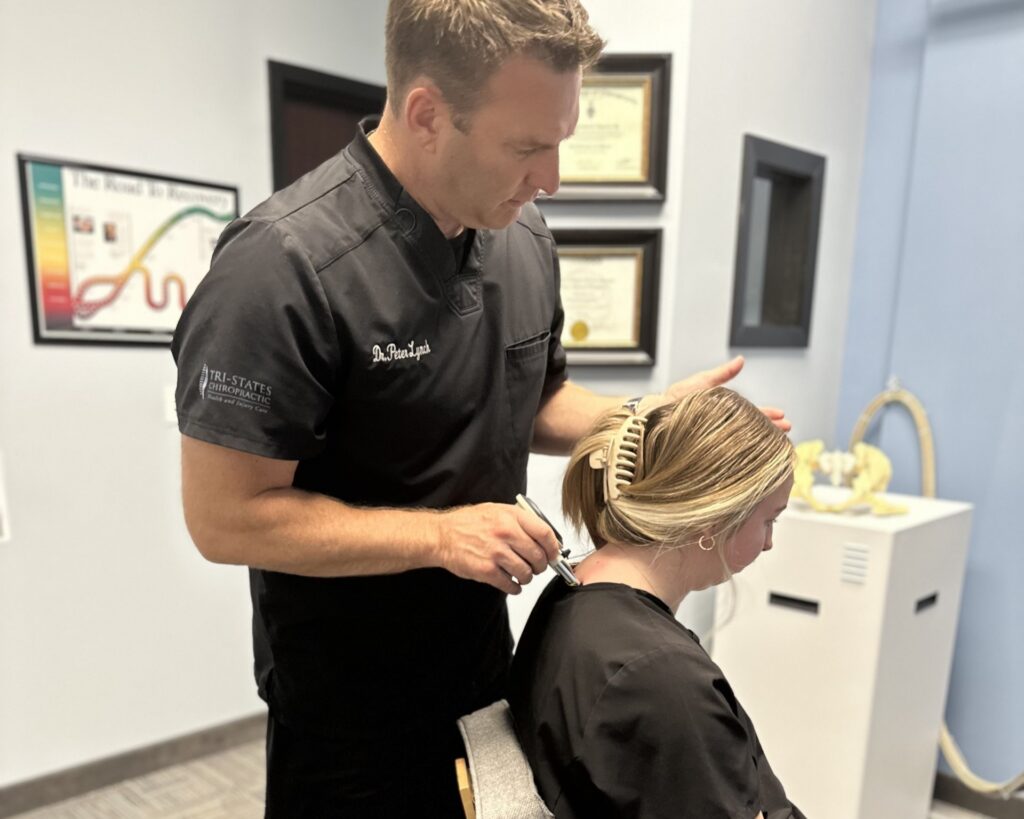
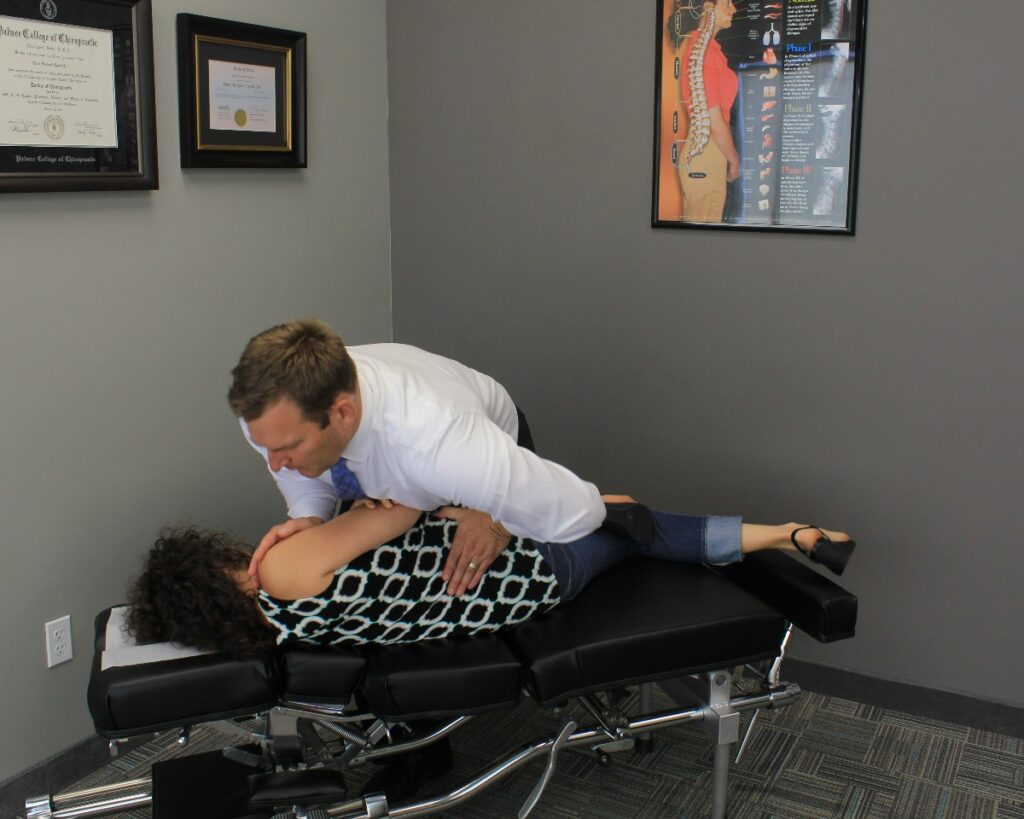
Lastly, manual therapy techniques, a cornerstone of chiropractic care, involve hands-on adjustments and manipulations. These techniques can realign your spine and joints, helping to relieve pressure on nerves and alleviate pain. Manual therapy not only addresses existing discomfort but also helps prevent future issues.
Incorporating these strategies into your treatment plan can lead to remarkable improvements in your health and well-being. Together, we can explore how chiropractic care can best support you on your journey to a pain-free life.
Stretching and Flexibility Exercises
As a local chiropractor, I often see patients who struggle with chronic pain. A key aspect of managing pain effectively is incorporating stretching and flexibility exercises into your daily routine. These exercises can significantly enhance your overall well-being by reducing stiffness, improving mobility, and promoting relaxation.
Here are four effective stretching and flexibility exercises that I recommend you try:
- Neck Stretch: Start by gently tilting your head to one side, bringing your ear towards your shoulder. Hold this position for 15-30 seconds before switching to the other side. This simple exercise can help relieve tension in your neck.
- Shoulder Rolls: To release tension in your upper body, roll your shoulders forward in a circular motion for 10 repetitions, then reverse the direction. This movement can help ease tightness in your shoulders and upper back.
- Hamstring Stretch: While seated, extend one leg straight out in front of you and reach for your toes. Hold this stretch for 15-30 seconds, then switch legs. This exercise not only improves flexibility in your legs but also helps relieve discomfort in your lower back.
- Cat-Cow Stretch: Get on all fours and alternate between arching your back (like a cat) and dipping it (like a cow). This dynamic stretch promotes spinal flexibility and helps alleviate tension throughout your back.
Strength Training Approaches
As your local chiropractor, I want to share how strength training can play a significant role in managing chronic pain and improving your overall physical function. Strength training is a fantastic way to build muscle strength, enhance stability, and support your joints, which can ultimately lead to a decrease in pain levels. By incorporating strength training into your routine, you're not just tackling your pain; you're also enhancing your overall health and well-being.
I recommend starting with low-resistance exercises and gradually increasing the intensity as your strength develops. It's essential to focus on major muscle groups, such as your legs, arms, and core, to create a well-rounded program. Effective exercises you might consider include squats, lunges, and resistance band workouts. Aim for two to three sessions per week, and make sure to include rest days in between to prevent overstraining your body.
Always listen to your body. If something doesn't feel right, it's crucial to modify your approach or reach out to me or another healthcare professional for guidance. Maintaining proper form during exercises is vital to avoid any risk of injury. If you're unsure where to start, working with a physical therapist can be incredibly beneficial. They can design a strength training program tailored specifically to your individual needs and health goals.
Manual Therapy Techniques
As your local chiropractor, I want to share how incorporating manual therapy techniques can greatly enhance your approach to managing chronic pain. These hands-on methods focus on improving mobility, alleviating discomfort, and promoting your overall well-being. By integrating manual therapy into your routine, you may find significant relief from persistent pain. Here are four effective techniques that you should consider:
- Massage Therapy: This technique is excellent for reducing muscle tension and enhancing blood circulation, which can lead to relaxation and pain relief.
- Joint Mobilization: By applying gentle movements to your joints, we can help restore their range of motion, which often alleviates stiffness and discomfort.
- Myofascial Release: This method specifically targets the fascia, the connective tissue surrounding your muscles, to help release tightness and diminish pain.
- Trigger Point Therapy: By applying pressure to precise points in your muscles, this technique can relieve tension and improve your overall function.
Incorporating these manual therapy techniques into your pain management plan can provide a comprehensive approach to healing. I encourage you to consult with me or another qualified therapist to customize these methods to fit your unique needs. Together, we can take the next step toward a more comfortable and healthier life.
Alternative Therapies
As a local chiropractor, I want to introduce you to the world of alternative therapies that can significantly aid in managing chronic pain. Techniques such as acupuncture, the use of herbal remedies, and mindfulness practices can be incredibly effective in complementing your chiropractic care. By integrating these natural methods into your treatment plan, you may discover new avenues for comfort and healing in your daily life. I encourage you to explore these options with me, as they can enhance your overall well-being and support your journey towards pain relief.
Acupuncture for Pain Relief
As a local chiropractor, I want to introduce you to an intriguing practice that can complement your pain relief journey: acupuncture. This ancient technique, rooted in traditional Chinese medicine, involves the insertion of fine needles into specific points on the body to stimulate energy flow, or "qi." Many individuals have reported experiencing significant reductions in pain and an overall improvement in their well-being after undergoing acupuncture treatments.
If you're considering acupuncture as part of your pain management strategy, here are some important points to keep in mind:
- Consultation: It's essential to consult with a licensed acupuncturist who can evaluate your specific pain conditions and determine if this approach is right for you.
- Personalized Treatment: Just like chiropractic care, acupuncture should be tailored to your unique needs. The treatment plan should focus on the areas where you feel pain, ensuring a more effective approach.
- Commitment to Multiple Sessions: Achieving optimal results often requires multiple sessions. Be patient and consistent with your visits to fully experience the benefits of acupuncture.
- Holistic and Complementary Approach: Acupuncture can work synergistically with chiropractic adjustments and other treatments. By integrating these approaches, you can enhance their effectiveness and create a more holistic plan for pain management.
As you explore various options for pain relief, consider how acupuncture might fit into your overall wellness journey alongside chiropractic care. Together, they can help you achieve a healthier, pain-free life.
Herbal Remedies and Benefits
As a chiropractor, I believe that exploring herbal remedies can be a valuable addition to your pain management strategy. Many of my patients have found that integrating natural herbs into their daily lives not only helps alleviate chronic pain but also promotes overall wellness.
For instance, turmeric is a remarkable herb known for its anti-inflammatory properties. It's an excellent option for pain relief. You can easily incorporate turmeric into your diet by adding it to your meals or considering it in supplement form.
Another herb worth mentioning is ginger, which also possesses anti-inflammatory effects. Many patients report experiencing reduced muscle pain when they drink ginger tea or add fresh ginger to their meals.
Let's not forget about peppermint oil. This can provide topical relief when massaged into sore areas, thanks to its refreshing cooling sensation.
Willow bark is another herbal remedy that I often discuss with patients. It's often compared to aspirin and may be particularly helpful for those suffering from back pain or arthritis.
However, I always encourage my patients to consult with a healthcare professional before starting any new herbal regimen, especially if they are currently taking medication. It's essential to approach natural healing with care and informed guidance.
Mindfulness and Meditation Practices
As a chiropractor, I often emphasize the importance of incorporating mindfulness and meditation practices into your daily routine to enhance your natural healing process and manage chronic pain more effectively. These techniques can help you cultivate a deeper awareness of your body and emotions, allowing you to focus on the present moment. This shift in perspective can significantly reduce stress and anxiety, which often contribute to pain exacerbation.
Here are four mindfulness and meditation practices that I recommend for my patients:
- Breathing Exercises: Set aside a few minutes each day to concentrate on your breath. Inhale deeply through your nose, hold for a moment, and then exhale slowly through your mouth. This simple practice can help lower stress levels and promote a sense of calm, which is beneficial for pain management.
- Body Scan: Find a comfortable position, either lying down or sitting, and mentally scan your body from head to toe. Take note of any areas experiencing tension or discomfort. Acknowledge these sensations and consciously work to relax those areas, promoting a sense of relief.
- Guided Meditations: Consider using meditation apps or online resources that focus specifically on pain management through guided sessions. These resources can provide structure and support, helping you stay focused and committed to your practice.
- Mindful Walking: Take a leisurely stroll in a peaceful environment, paying close attention to each step. Notice how your body feels with each movement and the sensations that arise. This practice not only promotes physical activity but also encourages a mindful connection to your body.
Medication Options
As a local chiropractor, I want to help you understand the various options available for managing chronic pain, particularly through natural healing methods. It's essential to work closely with your healthcare provider to determine which approaches are best suited to your specific pain type and severity, as well as any other health conditions you may have.
Many people start with over-the-counter (OTC) medications like acetaminophen or nonsteroidal anti-inflammatory drugs (NSAIDs). While these can provide temporary relief by reducing inflammation and pain, I encourage you to consider them as just one part of a broader approach to health. It's crucial to use these medications responsibly to avoid unwanted side effects.
If OTC options fall short, some may turn to stronger medications prescribed by their doctor, such as opioids. While these can offer significant relief for severe pain, they carry risks of dependency and other side effects. It's vital to have open discussions with your healthcare provider about these risks and explore alternatives that may be available.
In my practice, I often see positive results from natural treatments. For instance, certain natural supplements and dietary changes can play a role in pain management. Techniques such as spinal adjustments, massage therapy, and acupuncture can also help alleviate pain by addressing the underlying issues rather than just masking symptoms.
Additionally, topical treatments such as natural creams or patches can provide localized relief without the systemic side effects associated with some medications. Applying these directly to the painful area can be an effective way to manage discomfort.
Ultimately, finding the right balance for pain management can take time and may involve some trial and error. Regular communication with your chiropractor and healthcare team is essential to ensure your treatment plan is tailored to your needs. By considering natural healing methods alongside traditional approaches, we can work together towards better pain management and an improved quality of life.
Mind-Body Approaches
As a local chiropractor, I often see the profound impact that mind-body approaches can have on managing chronic pain. These techniques emphasize the intrinsic connection between your mind and body, empowering you to develop healthier coping strategies and enhance your pain management. By actively engaging in these practices, you can reclaim a sense of control over your discomfort and improve your overall wellness.
Here are four effective mind-body approaches that I recommend incorporating into your daily routine:
- Meditation: Practicing meditation regularly can help you cultivate a state of mindfulness. This means observing your thoughts and feelings without judgment, which can significantly reduce stress and promote relaxation. Many patients find that this practice not only helps them cope with their pain but also enhances their overall quality of life.
- Yoga: Yoga is an excellent way to combine physical movement with mental focus. It includes physical postures, breathing exercises, and meditation, all of which can improve your flexibility, strength, and balance. Numerous individuals have reported experiencing reduced pain levels after integrating yoga into their lives, making it a valuable addition to your pain management toolkit.
- Guided Imagery: This technique involves visualizing calming and positive images to help distract your mind from pain. You can utilize recordings or practice it independently. By enhancing your ability to manage discomfort through visualization, you may find a greater sense of relief.
- Biofeedback: Biofeedback is a fascinating method that teaches you to control certain physiological functions, such as heart rate and muscle tension. By monitoring these responses, you can learn relaxation techniques that can help reduce pain over time. This practice empowers you to take charge of your body's responses and improve your pain management strategies.
Incorporating these mind-body approaches into your routine can complement chiropractic care and support your journey towards better health and well-being. Remember, healing is a holistic process, and integrating these techniques can lead to lasting results.
Conclusion
As a local chiropractor, I want to share how embracing a holistic approach to managing chronic pain can significantly enhance your daily life. Chiropractic care focuses on the relationship between your spine and nervous system, and by incorporating adjustments into your routine, you can experience relief and improve your overall well-being.
In addition to chiropractic adjustments, I encourage you to make lifestyle changes, engage in physical therapy, and consider alternative therapies that complement your treatment. Mindfulness practices are also beneficial; they help you cope with the mental and emotional aspects of chronic pain.
It's essential to maintain open communication with me about your pain and any concerns you have. Together, we can create a personalized treatment plan tailored to your unique needs. Remember, you're not alone on this journey—support is always available, and I'm here to guide you toward a healthier, more comfortable life.