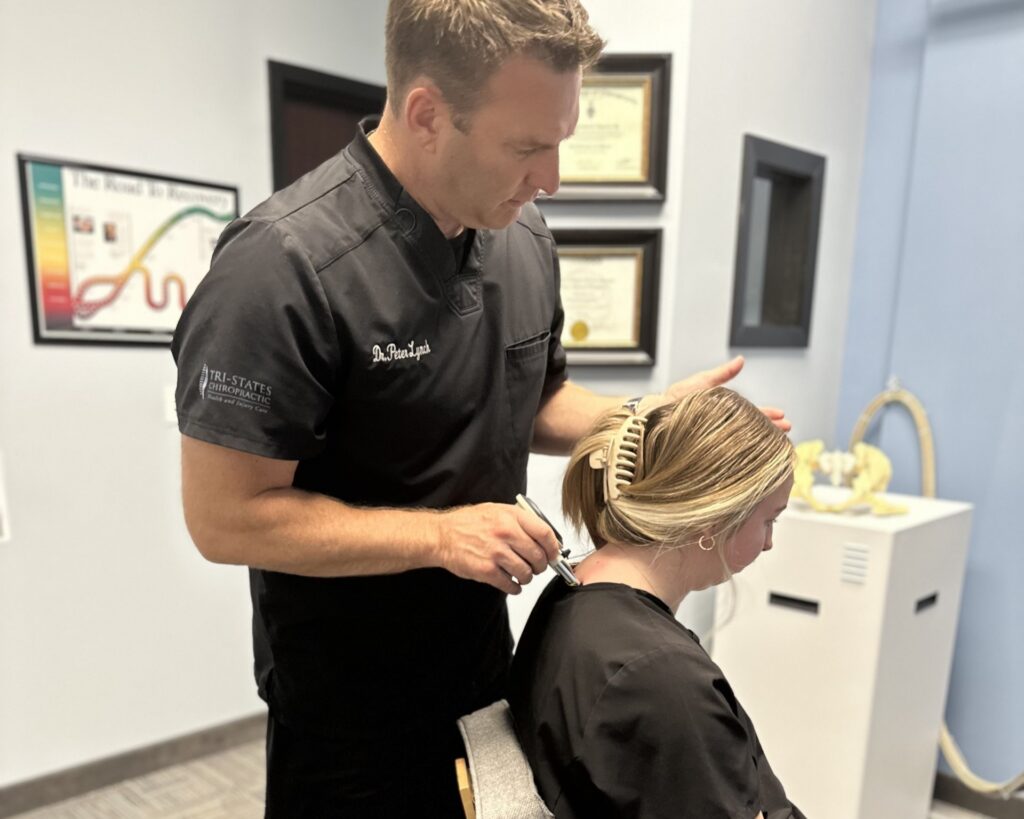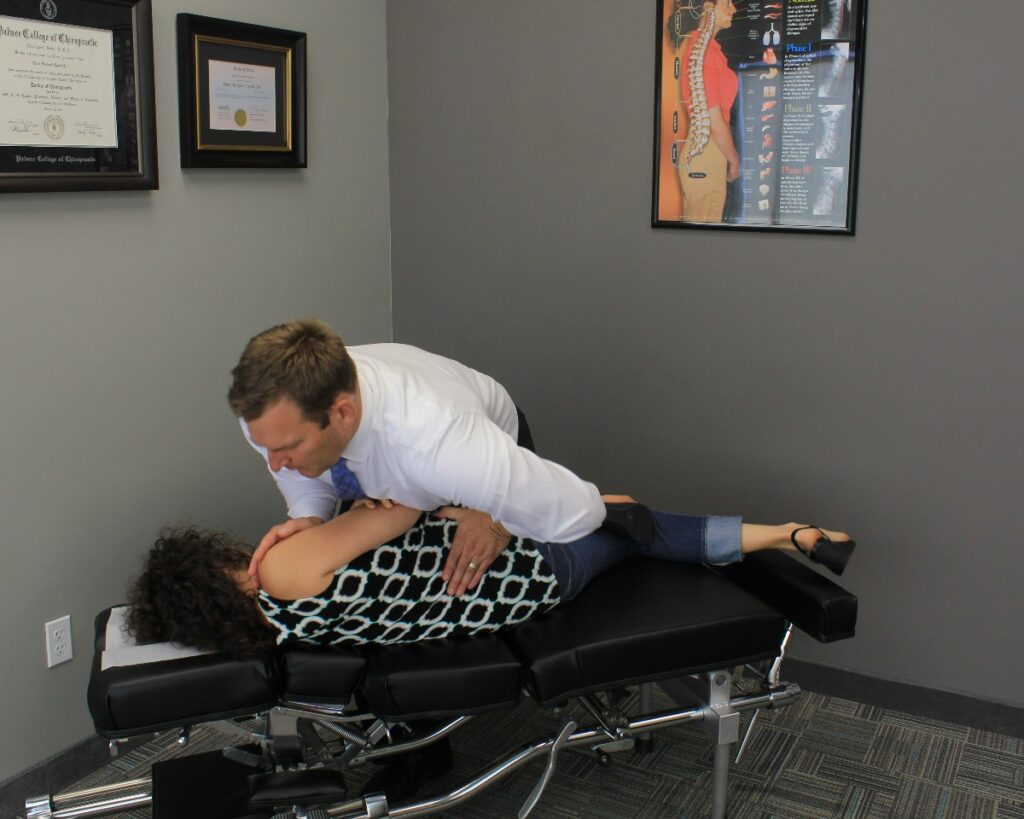
As a local chiropractor, I want to share how effective techniques can significantly impact the health and well-being of young children. Building trust and fostering open communication is essential, as it helps children feel safe and valued in our care.
By utilizing individualized approaches and incorporating elements of play, we can create an inviting environment that encourages emotional expression and understanding.
When it comes to chiropractic care, it's important to consider the unique needs of each child while also involving their parents in the process. This partnership enhances the overall experience and promotes better health outcomes.
Specific strategies, such as gentle adjustments tailored to a child's age and developmental stage, can support their growing bodies and alleviate discomfort.
By exploring these methods, we can implement more effective chiropractic practices that truly benefit young children, guiding them toward a path of natural healing and wellness.
Together, we can ensure that every child receives the compassionate care they deserve.
Understanding Child Development
As a local chiropractor, it's important to understand the fundamentals of child development, particularly when considering how chiropractic care can support their growth. Children undergo unique changes at various stages of their lives, from infancy through adolescence, and these changes encompass physical, cognitive, emotional, and social aspects. By recognizing these developmental stages, you can appreciate how chiropractic care can be tailored to address each child's specific needs.
In infancy, babies are focused on forming attachments and developing basic motor skills. As a chiropractor, you may notice how they respond to their surroundings. Gentle adjustments can help support their physical development and overall well-being. When children transition into toddlerhood, their natural curiosity and desire for independence grow. Here, promoting a safe environment for exploration is key, and chiropractic care can aid in maintaining their physical health as they become more active.
As preschoolers, children experience rapid cognitive growth and begin to engage with the world through imaginative play. Chiropractic care can enhance their physical capabilities, allowing for more freedom in movement and creativity. When children reach school age, their social interactions become crucial. At this stage, chiropractic adjustments can help alleviate any discomfort that may arise from their active play, thus supporting their emotional and social development.
During adolescence, children are on a journey towards establishing their identity and independence. This period can come with physical and emotional challenges, and having open communication is vital. Chiropractic care can provide relief from the physical stressors they may face, promoting a sense of well-being and balance.
Building Trust With Children
Building trust with children is crucial in any caregiving setting, including chiropractic care. As a chiropractor, I strive to foster this trust by actively listening to my young patients and showing that I value their thoughts and feelings about their bodies and health. By using consistent communication practices, I create a safe environment where children feel comfortable discussing their concerns. This approach not only helps them feel at ease during their chiropractic visits but also empowers them to take an active role in their natural healing journey.
Active Listening Skills
In chiropractic care, mastering active listening skills is vital for building trust with patients, especially those who may be unfamiliar with the benefits of natural healing. When you engage in active listening, you show your patients that their concerns and experiences matter. This connection can help them feel safe and understood throughout their healing journey.
Begin by maintaining eye contact and using a calm, inviting tone during your consultations. Encourage patients to express their thoughts and feelings by nodding and providing short verbal affirmations like "I understand" or "Please continue." This approach creates a supportive environment where they feel comfortable sharing their health concerns.
It's also essential to be fully present in the moment. Set aside distractions, such as your phone or other tasks, and give your patients your undivided attention. This simple act demonstrates that you genuinely value what they have to say about their health and well-being.
Furthermore, reflect back what you hear to show empathy and understanding. If a patient expresses anxiety about a specific treatment, you might respond, "It sounds like you're feeling quite apprehensive about this procedure." This indicates that you are not just hearing their words but truly comprehending their emotions and apprehensions.
Consistent Communication Practices
Finally, we encourage you to ask questions about your chiropractic care. When you inquire about your treatment, it shows that you are engaging with the process. We are here to answer your questions patiently and make sure you understand how chiropractic care can benefit your health. Your feelings and thoughts about your treatment are important to us. By maintaining consistent communication, we aim to build a trusting relationship that supports your overall well-being and helps you feel confident in your journey towards natural healing.
Effective Communication Strategies
Effective communication strategies are crucial when educating patients about chiropractic care and natural healing, especially for those who may not be familiar with these concepts. To enhance understanding and create a welcoming environment, consider the following four strategies:
- Use Simple Words and Short Sentences: Many people may not have experience with chiropractic terminology. Keep your language straightforward and concise, ensuring that everyone can easily grasp the information you're sharing.
- Incorporate Visuals: Visual aids can greatly enhance understanding. Use diagrams, models, or images to explain how the spine functions or how chiropractic adjustments work. These visuals not only attract attention but also help patients better comprehend the information.
- Encourage Questions: Foster an open dialogue by inviting patients to ask questions. You might say, "What are your thoughts on this?" or "Is there anything you're unsure about?" This approach encourages curiosity and helps clarify any misconceptions.
- Be Mindful of Non-Verbal Cues: Your body language and tone play a significant role in communication. Use a friendly smile, maintain an open posture, and adopt a reassuring tone to make patients feel comfortable and understood. Remember, sometimes your non-verbal signals can convey more than your words.
Managing Common Illnesses
As a local chiropractor, I want to share insights on common illnesses that young children may face and how natural healing can play a role in their recovery. It's not uncommon for young kids to experience minor ailments like colds, ear infections, and stomach bugs. Recognizing the signs and symptoms early can help you respond effectively.
For instance, if your child exhibits a runny nose, cough, and a low-grade fever, these may indicate a common cold. In such cases, ensuring they stay hydrated and get plenty of rest is crucial. Chiropractic care can also support their immune system by promoting overall wellness and helping the body function optimally.
When it comes to ear infections, look for signs such as tugging at the ears or increased irritability. While a visit to your pediatrician may be necessary to confirm the diagnosis and determine if antibiotics are required, chiropractic adjustments can also help alleviate discomfort by enhancing drainage and reducing inflammation.
Stomach bugs can cause symptoms like vomiting and diarrhea. During these times, keep your child comfortable and encourage them to sip clear fluids to prevent dehydration. Gentle chiropractic adjustments may assist in promoting digestive health and easing discomfort as their body recovers.
Approaching these situations with a calm demeanor is essential. Children often take cues from their parents, and your relaxed attitude can help ease their anxiety. Always consult with a healthcare professional for any concerns, especially if symptoms persist or worsen.
Being proactive about your child's health involves understanding these common illnesses and exploring natural healing options. Chiropractic care can be an integral part of managing their health, supporting their body's natural ability to heal itself. By staying informed and responsive, you can navigate these challenges with confidence and foster a strong foundation for your child's overall well-being.
Promoting Healthy Habits
As a local chiropractor, I believe that promoting healthy habits in young children is crucial for their overall growth and development. Establishing these habits early on lays the groundwork for a lifetime of wellness. Here are four key areas that we emphasize in our practice:
- Balanced Nutrition: It's important for your child to enjoy a variety of fruits, vegetables, whole grains, and lean proteins. Involve them in meal preparation—it can be a fun way to learn about nutrition. Allow them to choose a new veggie at the grocery store or help with simple cooking tasks. The right nutrition supports not just their physical health but also their spinal and neurological wellness.
- Regular Physical Activity: Encourage your child to stay active through enjoyable activities such as dancing, riding bikes, or playing tag. Aim for at least 60 minutes of active play each day. Regular movement is vital for maintaining a healthy spine and can also enhance social interactions, helping children develop important social skills.
- Good Sleep Hygiene: A consistent bedtime routine can help your child relax and prepare for sleep. Activities like reading a book or listening to calming music can be beneficial. Ensure they get the recommended amount of sleep for their age; quality sleep is essential for their physical health, mood stability, and overall well-being.
- Hygiene Practices: Teaching your child about good hygiene is fundamental. Encourage regular handwashing, tooth brushing, and bathing. You can make these routines enjoyable by incorporating songs or games. Good hygiene not only supports their physical health but also contributes to their overall sense of well-being.
Creating a Child-Friendly Environment
Creating a child-friendly environment is not only essential for their emotional and developmental well-being but also plays a crucial role in their physical health, which is where chiropractic care comes into play. As a local chiropractor, I want to share how you can enhance your child's space to support their overall health.
First, focus on the physical space where your children play and learn. It's important that this area is clean, well-lit, and free from hazards that could lead to injuries. Secure heavy furniture and ensure that sharp edges are removed to prevent accidents. Additionally, soft flooring can significantly reduce the risk of injury during those inevitable tumbles and falls.
When it comes to decor, choose bright colors and engaging artwork to create an inviting atmosphere that stimulates their minds. Incorporate age-appropriate toys and materials that not only spark curiosity but also encourage movement – a key element in maintaining a healthy spine. Designate specific areas for different activities, such as reading, playing, and resting, which can help children understand the purpose of each space while promoting better posture and organization.
Equally important is fostering emotional safety as it aligns with holistic health. Build trust with your children by being approachable and responsive to their needs. Establishing routines can provide a sense of predictability, making children feel secure and more in tune with their bodies. Encourage open communication, allowing them to express their feelings and concerns freely, which can also help alleviate stress and tension that may affect their physical health.
Finally, incorporate elements that promote social interaction. Engage your children in cooperative play, such as group games or collaborative projects. Such interactions not only help develop essential social skills but also reinforce the idea of community, which can positively impact their overall well-being.
Involving Parents in Care
As a local chiropractor, I believe that involving parents in their child's care is crucial for achieving the best health outcomes. It's important to explore effective communication strategies that build trust and foster meaningful relationships with families. By engaging parents in the chiropractic process, we can create a supportive environment that enhances the well-being of both the child and the family as a whole. Understanding chiropractic care and natural healing can empower parents, allowing them to actively participate in their child's journey towards better health. Together, we can promote a holistic approach that emphasizes overall wellness and preventive care.
Importance of Parental Engagement
Parental engagement is vital for the success of chiropractic care for your children. When you actively participate in your child's journey towards better health, it builds trust and enhances their overall experience in our practice. Here are four key reasons why your involvement is essential:
- Emotional Support: Your presence during chiropractic visits provides reassurance, making the experience less daunting for your child and helping them feel more comfortable.
- Better Communication: As a parent, you have valuable insights into your child's daily habits, behaviors, and any discomfort they may be experiencing. Sharing this information helps us tailor our care to meet their specific needs.
- Adherence to Treatment: When you are actively involved, it increases the likelihood that your child will follow through with recommended treatment plans, whether it's attending regular sessions or practicing at-home exercises.
- Empowerment: By engaging with us, you become a strong advocate for your child's health. This empowerment enables you to make informed decisions about their care and ensures they receive the best chiropractic treatment possible.
Together, we can foster a holistic approach to your child's well-being!
Strategies for Effective Communication
As your local chiropractor, I want to emphasize the importance of effective communication in ensuring that both you and your child feel engaged in their chiropractic care journey. It's vital to ask questions during your appointments. This not only helps you grasp the treatment process but also demonstrates to your child that their health and well-being are a priority.
When discussing medical terms or treatment plans, I encourage you to use simple language. This approach makes it easier for both you and your child to understand the information being shared and reduces any anxiety surrounding the care.
I also recommend fostering an environment where your child feels comfortable expressing their feelings about their treatment. Open dialogue is crucial; it allows us to address any concerns they may have and ensures that they feel supported throughout the process. Using visual aids or storytelling can be particularly helpful in explaining procedures, especially for younger children, as these methods can alleviate fears and make the experience more approachable.
Please don't hesitate to share your observations regarding your child's behavior or symptoms with me. Your insights provide essential context that can enhance their overall care and treatment outcomes. Lastly, I suggest scheduling regular check-ins to discuss your child's progress and any changes in their condition. This ongoing communication is key to ensuring that we are all aligned and working collaboratively towards your child's health and wellness.
Building Trusting Relationships
Building trusting relationships between chiropractors and patients is essential for effective care. When you involve patients in their own health journey, it not only fosters trust but also encourages better health outcomes. Here's how you can build that trust effectively:
- Open Communication: Always encourage patients to share their concerns and questions about chiropractic care. Make sure they feel heard and valued in the process.
- Education: Provide clear, understandable information about chiropractic techniques and the benefits of natural healing. Use simple language and check for understanding to ensure they feel informed.
- Involvement: Invite patients to participate in their care decisions. Ask for their insights about their health goals and any preferences they may have regarding treatment.
- Consistency: Regularly follow up with patients about their progress and any changes in their condition. This shows your commitment to their overall well-being and helps reinforce the importance of ongoing care.
Utilizing Play Therapy Techniques
As a local chiropractor, I want to share how incorporating play therapy techniques can enhance not only the well-being of children but also the holistic approach to chiropractic care. Engaging with children through play creates a safe and open environment where they can express their feelings and experiences, which is essential for their overall health.
Creating a welcoming space filled with toys, art supplies, and games can help children feel comfortable and at ease. This environment invites them to interact and share their thoughts, which is crucial for holistic healing. Just like in chiropractic care, where we focus on the body's natural ability to heal, play allows children to explore their emotions and experiences naturally.
In our sessions, we can incorporate storytelling and role-play, which are excellent ways for children to connect with their feelings. Using puppets or dolls can help them express concerns indirectly, similar to how we guide patients to understand their body's signals. Encouraging them to narrate stories can reveal insights into their experiences, giving us a better understanding of their emotional and physical health.
It's essential to be attentive and responsive to the child's cues during these interactions. If a child shows interest in a particular activity, it's important to follow their lead. This not only builds trust but allows us to tailor our approach to their specific needs, much like how we adjust our chiropractic treatments based on individual assessments. Asking open-ended questions like, "What do you think happens next?" helps facilitate dialogue, encouraging them to share their feelings and thoughts.
Moreover, validating a child's emotions is key. Just as we reassure our patients about their physical sensations, we need to let children know that it's perfectly okay to feel scared, sad, or happy. By integrating these play therapy techniques, we're not just addressing physical ailments; we're fostering emotional well-being, which is integral to chiropractic care.
Embrace the power of play in your child's healing journey. It can enhance the effectiveness of chiropractic treatment and create a supportive environment where children can thrive both physically and emotionally. Together, we can promote a holistic approach to health that nurtures the whole child.
Conclusion
To sum up, effective chiropractic care for young children relies on building trust, clear communication, and personalized approaches. As a chiropractor, I believe in actively listening to both the child and their parent, creating a safe environment where concerns about health can be openly discussed. Utilizing gentle techniques and incorporating play into the process not only makes the experience enjoyable for the child but also helps them express their feelings about their health. By involving parents in every step, we can promote holistic well-being and work together towards positive health outcomes for your child. This collaborative approach fosters a healthier, happier future for your family through the benefits of natural healing and chiropractic care.