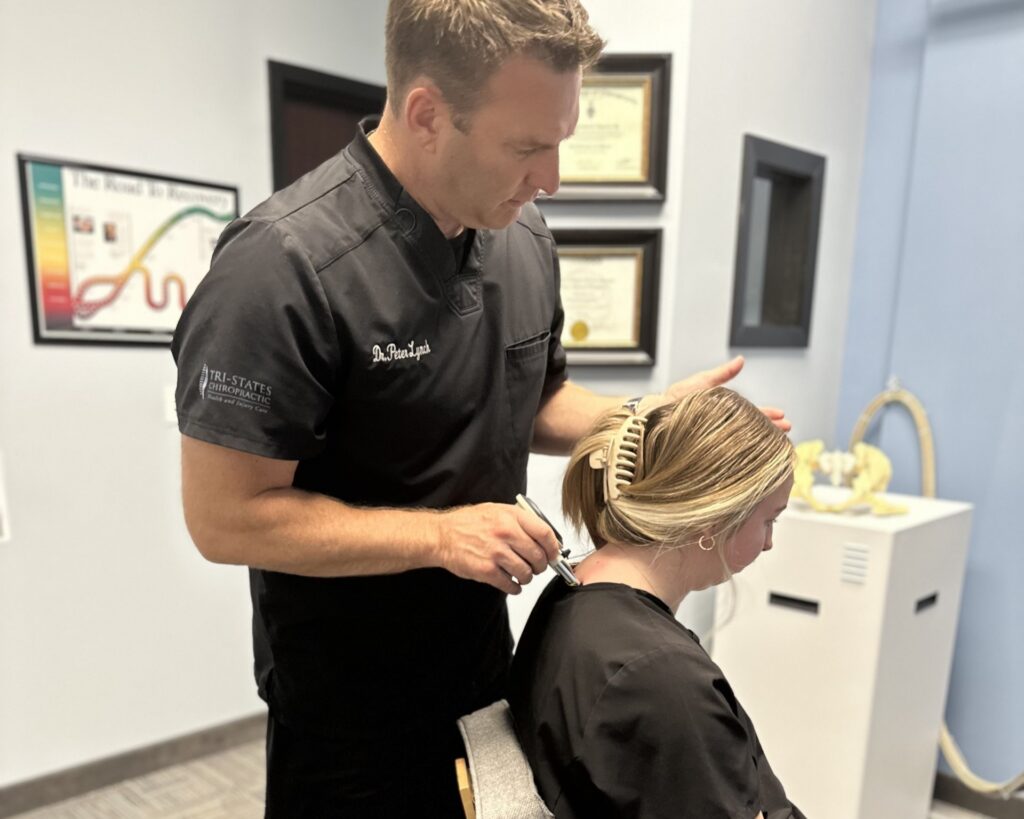
If you’re grappling with back pain, know that you’re not alone in this struggle. Many people deal with this issue daily, but there’s good news: effective natural solutions are available, particularly through chiropractic care. Understanding the root causes of your discomfort is the first step toward relief. Chiropractors focus on aligning your spine and ensuring your nervous system functions optimally, which can lead to significant pain reduction and improved overall health.
By incorporating simple lifestyle changes and exploring various chiropractic techniques, you can take control of your back health. Regular chiropractic adjustments can help restore proper alignment, alleviate tension, and enhance mobility. Additionally, practicing good posture, staying active with gentle exercises, and incorporating stretching into your daily routine can further support your spine and reduce discomfort.
Let’s dive into some practical strategies for achieving natural wellness and effective pain relief. Embrace chiropractic care as a cornerstone of your wellness journey, and discover how these natural methods can lead you to a healthier, pain-free life. Remember, the path to back health is within reach, and with the right support, you can enjoy a life with less pain and more activity.
Key Takeaways
- Engage in regular gentle exercises, such as walking, stretching, and yoga, to strengthen your back muscles and boost flexibility. These activities not only help relieve pain but also promote overall wellness, making chiropractic care even more effective.
- Consider chiropractic care as your first step toward pain relief. A chiropractor can help identify the root causes of your discomfort and create a personalized plan that includes spinal adjustments and tailored exercises designed specifically for you.
- Adopt ergonomic practices in your workspace. Simple adjustments, like maintaining proper posture and ensuring your chair is at the right height, can significantly reduce strain on your back. This proactive approach complements the benefits of chiropractic care.
- Use heat and cold therapies to soothe tight muscles and reduce inflammation. Applying heat before a chiropractic adjustment can help relax your muscles, while cold therapy after can aid in reducing any swelling, further enhancing the healing process.
- Incorporate mind-body techniques such as meditation and deep breathing into your daily routine. These practices help manage stress and enhance your overall well-being, which can support your journey to pain relief. Remember, chiropractic care not only addresses physical pain but also promotes a holistic approach to health.
By embracing these natural solutions alongside your chiropractic treatment, you can take significant strides toward achieving optimal health and lasting relief from back pain.
Understanding the Causes of Back Pain
Understanding the Causes of Back Pain and How Chiropractic Care Can Help
Back pain can come from many different sources, and understanding these causes is key to finding effective relief. Many people experience discomfort due to muscle strains, often resulting from lifting heavy objects or making sudden movements. If you’re not physically conditioned, your back muscles may be weak, making you more prone to pain. Herniated discs can also cause sharp or radiating discomfort by putting pressure on nearby nerves.
Sometimes, underlying conditions like arthritis or scoliosis can lead to chronic pain as well. It’s important to recognize that stress and anxiety can manifest physically, causing muscle tightness that worsens your discomfort. Furthermore, if you spend long hours sitting or have poor posture, you may be aggravating your back without even realizing it.
Identifying these specific causes is crucial for developing an effective relief plan and preventing future episodes. This is where chiropractic care shines. A chiropractor can help you understand your body better and address the root causes of your back pain. Through gentle adjustments, spinal manipulation, and tailored exercises, chiropractic care can promote natural healing, improve your posture, and strengthen your back muscles.
Here are some general tips to help you manage back pain and support your chiropractic care:
- Stay Active: Regular movement can keep your muscles strong and flexible. Try to incorporate activities like walking, swimming, or light stretching into your routine.
- Mind Your Posture: Be aware of your posture, especially if you sit for long periods. Use ergonomic chairs and take breaks to stand and stretch.
- Lift Smart: When lifting objects, bend at your knees rather than your back, and keep the object close to your body.
- Manage Stress: Practice relaxation techniques like deep breathing or yoga to reduce stress, which can help ease muscle tension.
- Stay Hydrated: Drinking plenty of water can help keep your spinal discs healthy and reduce discomfort.
Importance of Posture and Ergonomics
Good posture and ergonomic practices are crucial for keeping your back healthy, particularly if you spend long hours sitting at a desk or repeating the same tasks. Poor posture can lead to muscle strain and chronic pain, which is why it’s important to be aware of how you sit and move during the day. As a chiropractor, I want to share some practical tips that can help you improve your posture and overall well-being, providing a natural path to pain relief and better health.
Here’s a simple guide to enhance your posture and ergonomics:
| Aspect | Good Practice | Benefit |
|---|---|---|
| Chair Height | Ensure your feet are flat on the ground | Reduces strain on the lower back |
| Monitor Position | Keep your screen at eye level or slightly below | Alleviates tension in the neck |
| Keyboard Placement | Position your elbows at a 90-degree angle, close to your body | Prevents discomfort in the shoulders |
Stretching and Strengthening Exercises
Incorporating stretching and strengthening exercises into your routine can greatly enhance your back health and relieve discomfort. As a chiropractor, I believe that a commitment to a regular exercise regimen not only improves flexibility and builds muscle strength but also supports your spine, contributing to overall wellness.
Start your journey with gentle stretches such as the cat-cow and child’s pose. These movements help release tension in your back, increase blood flow, and reduce stiffness. They’re gentle ways to wake up your muscles and prepare your spine for more activity.
Once you feel warmed up, consider adding strengthening exercises like bridges and planks to your routine. These exercises target your core muscles, which are essential for stabilizing your spine and maintaining a healthy posture. A balanced routine that includes both stretching and strengthening exercises several times a week can make a significant difference.
It’s crucial to listen to your body. If any exercise causes discomfort or aggravates your pain, please stop and consult with a chiropractor for personalized advice. Remember, consistency is key. By making these exercises a regular part of your daily life, you’ll likely notice significant improvements in your back health over time.
Chiropractic care can further enhance your wellness journey by addressing any underlying issues and helping you maintain proper spinal alignment. A strong back isn’t just about relief from pain; it’s essential for overall well-being. Embrace these exercises and consider chiropractic care as a natural path to optimal health!
The Role of Heat and Cold Therapy
When it comes to managing back pain, heat and cold therapy can be incredibly effective tools in your wellness arsenal. As a chiropractor, I believe in promoting natural healing methods that support your body’s ability to recover. Using heat can help relax tight muscles and improve blood flow, which is essential for healing. On the other hand, cold therapy can reduce inflammation and numb sharp pain, providing immediate relief.
Combining both methods might just provide the relief you need to feel your best. For instance, you could apply heat to your back before a chiropractic adjustment to loosen up the muscles, and then use cold therapy afterward to reduce any post-treatment inflammation.
Here are some general tips to help you incorporate heat and cold therapy into your routine:
- Heat Therapy: Use a heating pad or warm towel on the affected area for 15-20 minutes. This can be done a couple of times a day. Just be sure to avoid placing heat directly on your skin to prevent burns.
- Cold Therapy: Apply an ice pack wrapped in a cloth for 10-15 minutes. This is particularly helpful after physical activity or if you’ve experienced a recent injury.
- Listen to Your Body: Pay attention to how your body responds to each method. If heat feels soothing, use it more often; if cold brings relief, incorporate it into your routine.
- Regular Chiropractic Care: Remember, while heat and cold therapies can provide relief, visiting your chiropractor regularly will help address the underlying issues causing your pain. Chiropractic adjustments can enhance the benefits of these therapies, promoting overall spinal health and natural healing.
Benefits of Heat Application
Heat therapy is a fantastic and natural way to alleviate back pain and soothe tense muscles. When you apply heat to an affected area, it increases blood flow, which promotes healing and reduces stiffness. This enhanced circulation helps your muscles to relax, effectively easing discomfort. You can use heating pads, warm towels, or even enjoy a hot bath to experience that much-needed relief.
Heat therapy is particularly beneficial for those suffering from chronic pain or muscle spasms, providing comfort that allows for greater mobility. It’s a simple yet powerful tool to incorporate into your wellness routine. However, it’s important to avoid prolonged exposure to heat to prevent burns and ensure your safety.
While heat therapy can be a wonderful addition to your pain relief toolkit, chiropractic care is an excellent choice for addressing the root causes of pain. A chiropractor can help you understand the alignment of your spine and how it affects your overall health. By combining heat therapy with regular chiropractic adjustments, you can enhance your healing process, improve your mobility, and reclaim your daily activities with less pain and more ease.
For the best results, remember to listen to your body. If something doesn’t feel right, don’t hesitate to reach out for professional guidance from your chiropractor. They can provide personalized advice tailored to your specific needs and help you on your journey to optimal health and wellness.
Cooling Techniques for Relief
Cooling techniques can be a great complement to chiropractic care, providing relief from inflammation and pain. If you’re experiencing back pain, here are some effective methods to cool down and soothe your discomfort while supporting your overall wellness:
- Ice Packs: Wrap an ice pack in a cloth and apply it to the painful area for 15-20 minutes. This can help numb the pain and reduce swelling, allowing your body to heal more effectively.
- Cold Compresses: Soak a clean cloth in cold water, wring it out, and place it on your back. This simple trick offers a refreshing cooling effect and can ease tension in your muscles.
- Gel Packs: Consider using gel packs that can be frozen and applied directly to sore spots. These are convenient and can provide targeted relief where you need it most.
- Cold Showers: Taking a cold shower or bath can help lower your body temperature and relieve muscle tension. This natural method not only cools you down but also promotes relaxation.
Incorporating these cooling techniques into your routine can enhance your comfort and support your recovery journey.
Combining Heat and Cold
Using cooling techniques can provide immediate relief, but combining heat and cold therapy can significantly enhance your comfort and recovery, especially when it comes to managing back pain. Heat therapy works wonders by relaxing and loosening tight muscles, while cold therapy is effective at reducing inflammation and numbing pain. By alternating between heat and cold, you can maximize the benefits of both treatments for a more effective pain management strategy.
| Therapy Type | Benefits | Recommended Duration |
|---|---|---|
| Heat | Relaxes muscles, improves blood flow | 15-20 minutes |
| Cold | Reduces swelling, numbs pain | 10-15 minutes |
| Combination | Enhances pain relief, promotes healing | 30-40 minutes total |
As a chiropractor, I recommend starting with cold therapy for acute pain—this helps to reduce swelling and provide quick relief. After that, switch to heat therapy to address ongoing discomfort, as it promotes better blood flow and relaxation of muscles. This combination approach can be a powerful tool in managing your back pain more effectively.
In addition to heat and cold therapy, remember that regular chiropractic adjustments can help align your spine and support your body’s natural healing processes. Staying active, practicing good posture, and incorporating gentle stretching into your daily routine can also contribute to long-term wellness. By choosing chiropractic care as your primary approach to pain relief and health maintenance, you are taking a proactive step towards achieving optimal health and a better quality of life.
Herbal Remedies and Supplements
As a local chiropractor, I understand that dealing with back pain can be challenging, and I want to share some insights on how you can find relief naturally. While herbal remedies and supplements can certainly play a role in your wellness journey, it’s important to remember that chiropractic care is often the most effective way to address the root cause of your pain.
For those looking to complement their chiropractic treatment, options like turmeric and ginger are popular for their anti-inflammatory properties. These herbs can help reduce inflammation, which is often a contributing factor to back pain. However, they should be seen as supportive tools rather than the primary solution.
In addition to natural remedies, focusing on spinal health is crucial for overall wellness. Regular chiropractic adjustments can help align your spine, alleviate pain, and enhance your body’s ability to heal itself. By addressing misalignments in your spine, you can improve your posture, increase mobility, and reduce discomfort.
Here are a few general tips to help you manage back pain and promote a healthier lifestyle:
- Maintain Good Posture: Pay attention to how you sit and stand. Proper alignment can prevent strain on your back.
- Stay Active: Engage in gentle exercises, like walking or stretching, to keep your back strong and flexible.
- Listen to Your Body: If you’re experiencing pain, don’t ignore it. Seek chiropractic care to address the underlying issues.
- Stay Hydrated: Drinking plenty of water supports joint health and helps keep your body functioning optimally.
- Incorporate Relaxation Techniques: Practices like yoga or deep breathing can help reduce stress, which can contribute to muscle tension and pain.
Popular Herbal Choices
Exploring herbal remedies can be an excellent complement to your journey toward natural wellness and back pain relief.
While chiropractic care is often the best choice for addressing the root causes of back pain, certain herbs can provide additional support for easing discomfort. Here are some popular options that have been used for centuries:
- Turmeric: This vibrant yellow spice is renowned for its anti-inflammatory properties. Incorporating turmeric into your diet may help reduce pain and swelling associated with back issues, enhancing the benefits of your chiropractic adjustments.
- Ginger: Known for its warming properties, ginger can help improve circulation and alleviate pain. Adding ginger to your meals or enjoying it as a tea can be a delicious way to support your body while you work with your chiropractor.
- Willow Bark: Often referred to as “nature’s aspirin,” willow bark contains salicin, which can help relieve pain and inflammation. While it’s beneficial, remember that chiropractic adjustments target the underlying causes of pain, making them a key part of your wellness routine.
- Devil’s Claw: This herb is celebrated for its pain-relieving effects and may be particularly effective for lower back discomfort. While it can provide relief, it’s important to consult with your chiropractor to ensure a holistic approach to your spinal health.
Incorporating these herbs into your lifestyle can offer additional support as you pursue optimal health through chiropractic care.
Remember to maintain a healthy diet, stay active, and prioritize spinal health to maximize your pain relief and overall wellness. Always consult with your chiropractor for personalized advice tailored to your specific needs.
Effective Supplement Options
As a local chiropractor, I believe in the power of natural healing and the body’s ability to recover when given the right support. While herbal remedies can lay a solid foundation for easing your back pain, complementing them with effective supplements can further enhance your wellness journey.
One supplement to consider is omega-3 fatty acids, which are renowned for their anti-inflammatory properties. Reducing inflammation can lead to significant relief from discomfort and improve your overall mobility. Another option is turmeric, specifically its active compound curcumin, which has been shown to be effective in reducing pain and promoting joint health.
Don’t overlook the benefits of magnesium, which plays a vital role in supporting muscle function and can help alleviate tension in your back. For a more holistic approach, boswellia extract, used for centuries for its pain-relieving properties, could also be a great addition to your routine.
Remember, before embarking on any new supplement regimen, it’s always wise to discuss it with your healthcare provider to ensure it aligns with your health needs.
In addition to these supplements, regular chiropractic adjustments can help restore spinal alignment, improve function, and promote your body’s natural healing processes. By making chiropractic care a part of your wellness strategy, you can achieve optimal health and enjoy a pain-free life.
To support your recovery at home, consider maintaining good posture, staying active with gentle exercises, and incorporating stretches that target your back and core. These simple practices can make a significant difference in your pain management and overall well-being.
Mind-Body Techniques for Pain Management
Practicing mind-body techniques can significantly enhance your experience of pain relief, particularly for back pain, by creating a stronger connection between your physical and emotional well-being. These techniques can complement your chiropractic care by promoting relaxation and mindfulness, allowing you to manage pain more effectively.
Here are some helpful methods you can easily incorporate into your daily routine:
- Meditation: Dedicate a few minutes each day to focus on your breath. This simple practice can help quiet your mind, reduce stress, and enhance your overall sense of well-being.
- Yoga: Incorporate gentle stretches and poses into your routine. Not only does yoga help improve flexibility, but it also strengthens your back muscles, which can alleviate tension and support your chiropractic adjustments.
- Tai Chi: Engage in this slow, flowing movement practice to encourage relaxation and balance. Tai Chi enhances your body awareness and can be a wonderful complement to the adjustments you receive in chiropractic care.
- Guided Imagery: Take a moment to visualize peaceful scenes or experiences. This technique can help distract your mind from pain and foster a sense of calm and control, enhancing the benefits of your chiropractic treatments.
Lifestyle Modifications for Long-Term Relief
Making lifestyle modifications is crucial for achieving long-term relief from back pain, and chiropractic care can play a vital role in this journey. As a chiropractor, I encourage you to start by incorporating regular exercise into your daily routine. Activities like walking, swimming, and yoga not only strengthen your core but also enhance flexibility, which is essential for a healthy spine.
Paying attention to your posture is another important factor. Whether you’re sitting at a desk or standing, maintaining proper posture can significantly reduce strain on your back. Simple adjustments, like sitting up straight and keeping your shoulders back, can make a big difference.
Your sleeping habits are equally important. Consider investing in a supportive mattress that suits your comfort needs. Sleeping on your side with a pillow between your knees can help maintain proper spinal alignment, which is crucial for preventing pain.
Maintaining a healthy weight is also beneficial. A balanced diet and portion control can help alleviate excess pressure on your back. It’s about nourishing your body with wholesome foods that support your overall health.
Stress management is another key element in relieving back pain. High levels of tension can exacerbate discomfort, so finding ways to manage stress is essential. Engaging in mindfulness practices or enjoying hobbies you love can help create a sense of calm and reduce pain levels.