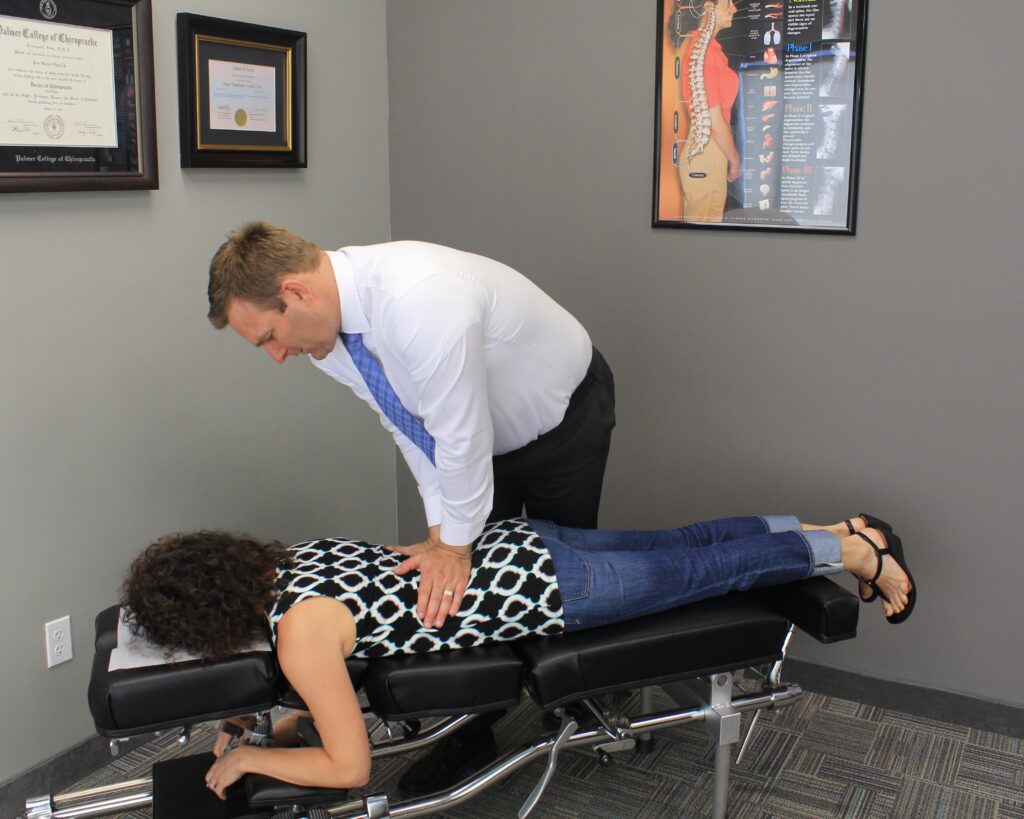
As a local chiropractor, I often see patients who are struggling with back pain, and I understand just how disruptive it can be to your everyday life. What many people don't realize is that incorporating a few simple, yet effective stretches into your daily routine can significantly alleviate tension and enhance your overall well-being.
Techniques such as the Cat-Cow and Seated Forward Bend are excellent examples of stretches that can help improve spinal health. These movements work by promoting flexibility and reducing muscle tightness, which are key factors in managing back pain.
By understanding the mechanics behind these stretches and tailoring them to fit your individual needs, you can unlock the potential for a healthier spine. Are you curious about how these straightforward movements can lead to a remarkable improvement in your comfort? Let's delve into the essential stretches you need to know for maintaining a pain-free back.
Understanding Back Pain Causes
As a local chiropractor, I often see patients struggling with back pain, a condition that affects millions of individuals.
It's crucial to understand the causes of back pain, as this knowledge can empower you to take steps toward prevention and healing.
One significant contributor to back pain that many people overlook is poor posture. If you find yourself sitting for long periods—whether at a desk or while scrolling on your phone—this can lead to misalignment in your spine.
When your spine is misaligned, discomfort and pain can quickly follow. By making simple adjustments to your workspace and being mindful of your posture throughout the day, you can alleviate much of this strain.
Another common issue I encounter is muscle strain. Many individuals lift heavy objects without using proper technique, or they engage in sudden movements that put unnecessary stress on their back muscles.
It's essential to remember that when lifting, you should focus on using your legs rather than your back. Proper lifting techniques can help prevent injury and protect your back.
In addition to posture and lifting habits, inactivity is another factor that can contribute to back pain. A sedentary lifestyle can weaken your back muscles over time, making them more prone to injury.
I encourage you to incorporate regular physical activity into your daily routine. This not only strengthens your muscles but also promotes overall spinal health.
Finally, it's important to recognize that conditions like herniated discs and arthritis can lead to chronic back pain.
If you're experiencing persistent discomfort, I strongly recommend consulting with a healthcare professional, such as a chiropractor, to explore potential underlying issues.
We can work together to identify the root causes of your pain and develop a tailored treatment plan to help you achieve relief and restore your health naturally.
Importance of Stretching
As your local chiropractor, I want to emphasize the vital role that stretching plays in your overall health. Regular stretching isn't just about maintaining flexibility; it's also crucial for enhancing your mobility, which allows for smoother and more effortless movement throughout your daily activities.
Additionally, stretching is an effective way to alleviate muscle tension. When your muscles are tight, it can lead to discomfort and pain, but incorporating stretches into your routine can help you feel more relaxed and reduce your risk of injury.
I encourage you to make stretching a regular part of your wellness journey. By doing so, you not only promote better posture and alignment but also support your body's natural healing processes.
Together, we can work towards improving your overall well-being through simple yet effective practices like stretching.
Enhances Flexibility and Mobility
As a local chiropractor, I want to emphasize the importance of incorporating regular flexibility routines into your daily life. Not only can these routines significantly enhance your mobility, but they can also reduce your risk of experiencing back pain.
When you engage in consistent stretching, you're not just improving your range of motion; you're actively preparing your muscles and joints for the activities you perform every day. This preparation allows for smoother movements, whether you're bending down to pick something up or reaching for an item on a high shelf.
Dynamic stretches, such as arm circles and leg swings, are particularly beneficial for warming up your body before any physical activity. These movements increase blood flow to your muscles, which enhances their performance, whether you're exercising or simply tackling everyday tasks at home.
On the flip side, static stretches are essential for helping to lengthen your muscles after a workout. This practice not only promotes recovery but also improves flexibility.
I encourage you to include stretches that focus on your hips, hamstrings, and lower back, as these areas often accumulate tension and can limit your movement. By embracing these stretching techniques, you can support your overall health and well-being in a natural way.
Reduces Muscle Tension Effectively
As a local chiropractor, I want to share how regular flexibility routines can significantly enhance your mobility and play a crucial role in reducing muscle tension. Stretching is more than just a warm-up; it actively encourages blood flow to your muscles, which is essential for alleviating tightness and discomfort. This increased circulation brings vital nutrients and oxygen to your muscles, making them stronger and less likely to become stiff.
Incorporating targeted stretches into your daily routine can help address specific areas that commonly hold tension, such as your lower back, shoulders, and hips. For example, gentle stretches like the cat-cow or seated forward bend are excellent for releasing tightness and promoting relaxation. You may find that these movements not only help relieve existing tension but also prevent future discomfort, allowing you to feel more at ease in your daily activities.
Additionally, regular stretching can greatly improve your posture. Proper alignment is key to reducing strain on your back and other muscles, making it easier for your body to stay relaxed and minimizing fatigue.
As your chiropractor, I encourage you to consider the benefits of stretching as an integral part of your overall health and wellness journey.
Basic Stretching Techniques
As a chiropractor dedicated to promoting natural healing and overall wellness, I want to share some essential stretching techniques that can help prevent back pain.
Many patients may not realize the importance of incorporating simple stretches into their daily lives, but these methods can significantly enhance your flexibility and reduce tension in your back.
Let's take a closer look at some basic stretches that you can easily integrate into your routine.
Not only will they help alleviate discomfort, but they'll also support your spine's health and improve your body's overall function.
Importance of Stretching
As a local chiropractor, I want to emphasize the importance of stretching in maintaining your overall spinal health and preventing back pain, particularly if you find yourself sitting for extended periods.
Regular stretching is key to lengthening tight muscles, enhancing circulation, and improving your posture—all of which are essential for reducing the risk of injuries and alleviating discomfort in your back.
Incorporating stretching into your daily routine can truly change the game for your body. It doesn't take much time, but the benefits can be profound.
When you engage in stretching exercises, you promote increased blood flow to your muscles, which aids in their recovery and improves their function. This is especially crucial for those of you who lead a sedentary lifestyle, as prolonged sitting can lead to stiffness and discomfort.
Additionally, stretching is a fantastic way to release the tension that builds up throughout the day. After a good stretch, many of my patients report feeling lighter and more relaxed.
It also serves as an excellent way to break the monotony of sitting, providing you with a mental boost and enhancing your focus.
In essence, regular stretching is vital for anyone seeking to maintain a healthy back. By dedicating just a few minutes each day to simple stretches, you can improve your flexibility, enhance your posture, and significantly reduce back pain.
Don't overlook the transformative power of a good stretch—it's an integral part of a holistic approach to your well-being!
Effective Stretching Methods
As a local chiropractor, I want to share some effective stretching methods that can significantly improve your flexibility and help alleviate back pain. Incorporating these stretches into your daily routine can be a natural way to support your spinal health.
Let's begin with the cat-cow stretch, a fundamental move for spinal mobilization. Start by positioning yourself on all fours. As you inhale, arch your back like a cat, and as you exhale, round your back like a cow. Repeat this for about 30 seconds. This gentle motion helps to promote flexibility in your spine.
Next, consider the seated forward bend. Sit with your legs extended in front of you and gently reach toward your toes. Hold this position for 15-30 seconds, focusing on the stretch in your lower back and hamstrings. This stretch can help improve your overall flexibility and reduce tension.
The standing quad stretch is another excellent option. Stand up straight, grab your ankle, and pull it towards your glutes. Hold this stretch for about 20-30 seconds on each leg. This not only stretches your hip flexors but also engages your thighs, promoting better balance and posture.
Lastly, I encourage you to try the child's pose. Kneel on the floor, sit back on your heels, and stretch your arms forward while lowering your chest to the ground. Hold this position for 30 seconds. It's a wonderful way to allow your back to relax and release tension.
I recommend setting aside at least 5-10 minutes each day for these stretches. Consistency is crucial for preventing back pain and maintaining overall flexibility.
The Cat-Cow Stretch
As a local chiropractor, I often emphasize the importance of maintaining a healthy spine and overall well-being. One effective way to achieve this is through the Cat-Cow Stretch, a dynamic movement that can help mobilize your spine, alleviate tension, and improve flexibility. This stretch is perfect for individuals of all fitness levels and can be performed anywhere, making it an excellent addition to your daily routine.
To get started, find a comfortable space and position yourself on all fours. Ensure your wrists are directly under your shoulders and your knees are beneath your hips.
As you take a deep inhale, gently arch your back, lifting your head and tailbone toward the ceiling. This is known as the "Cow" position. This movement not only opens up your chest but also encourages a natural curve in your lower spine. Pay attention to the stretch in your abdomen as you breathe deeply.
Now, as you exhale, round your back by tucking your chin to your chest and drawing your belly button towards your spine. This is the "Cat" position. Engage your core and feel the stretch along your back. Hold each position for a few breaths, flowing smoothly between Cat and Cow with your breath.
I recommend aiming for 5 to 10 rounds of this stretch, synchronizing your movements with your inhalations and exhalations. The Cat-Cow Stretch not only helps reduce back pain but also enhances circulation and promotes relaxation, which is vital for your overall health.
By incorporating this stretch into your daily routine, you can significantly improve your posture and spinal health. Take a moment each day to practice the Cat-Cow Stretch, and you may be surprised at the difference it can make in your back and overall well-being.
This simple yet effective motion can provide lasting relief and support your journey towards natural healing.
Child's Pose
As a local chiropractor, I often recommend Child's Pose to my patients as a beneficial stretch for alleviating back pain and fostering relaxation.
It's important to perform this pose correctly to reap its full benefits and avoid common pitfalls. Let's dive into the advantages of Child's Pose and the proper techniques to enhance your experience.
This gentle stretch not only helps to relieve tension in your back but also promotes a sense of calm, which is essential for overall wellness. When done correctly, Child's Pose can support spinal alignment and improve flexibility in the hips and lower back.
To perform Child's Pose effectively, start by kneeling on the floor, then sit back on your heels. Reach your arms forward and lower your torso toward the ground, allowing your forehead to rest on the mat.
Make sure to breathe deeply, allowing your body to relax into the stretch. Avoid forcing your body into the pose; instead, listen to what feels right for you.
If you're new to chiropractic care or natural healing, incorporating poses like Child's Pose into your routine can be a wonderful way to support your body's natural healing processes.
Benefits of Child's Pose
As a chiropractor, I often see patients struggling with tension in their backs. One simple technique I recommend is Child's Pose, a gentle stretch that can provide significant relief. This pose not only helps ease tightness but also promotes relaxation, making it an excellent addition to your daily routine. When you take the time to settle into this pose, you'll likely notice a calming effect on both your body and mind.
One major advantage of Child's Pose is its ability to stretch the spine, hips, and thighs. This can be particularly beneficial if you spend long hours sitting or standing, as it helps alleviate discomfort and promotes better posture. By elongating your spine, you reduce strain on your back muscles, which is essential for maintaining a healthy spine.
Moreover, Child's Pose encourages deep breathing, allowing for improved oxygen flow throughout your body. This increased oxygenation can lead to lower stress levels, which is vital for overall well-being and back pain relief. After a long day, this pose can help you release built-up tension and foster a sense of tranquility.
Incorporating Child's Pose into your daily routine can enhance your flexibility and contribute positively to your overall health. Whether you're new to yoga or have some experience, you'll likely find that this restorative pose can play a vital role in preventing back pain and supporting your journey toward natural healing.
How to Perform
As a local chiropractor, I often recommend incorporating Child's Pose into your routine for its numerous benefits, especially if you're experiencing back discomfort. This gentle stretch is simple to perform and can provide significant relief.
To begin, kneel on the floor with your big toes touching and your knees slightly apart. Sit back on your heels, allowing your body to relax. Slowly lower your torso forward, resting it on your thighs. You can extend your arms in front of you, palms facing down, or let them rest alongside your body—whichever feels more comfortable for you.
As you enter the pose, take deep, calming breaths. Focus on releasing any tension in your back and shoulders. If you find the stretch to be too intense, feel free to place a cushion or blanket under your forehead for extra support. Aim to hold the pose for 30 seconds to a minute, or longer if it feels good for you.
As you settle into the stretch, with each exhale, allow your body to sink deeper into the pose. This not only helps alleviate tension in your lower back but also promotes relaxation throughout your entire body.
When you're ready to come out of the pose, gently raise your torso back to a seated position, taking your time to transition.
Integrating Child's Pose into your daily routine can be a wonderful way to find moments of relaxation and relief from back pain. Remember, taking care of your spine is essential for overall well-being, and simple practices like this can complement your chiropractic care effectively.
Common Mistakes to Avoid
As a chiropractor, I often recommend Child's Pose to my patients as a natural method for relieving back pain. However, I frequently see some common mistakes that can reduce its effectiveness. It's important to remember that you should never force your body into the pose. If you experience sharp pain or discomfort, it's crucial to ease off. Listening to your body and respecting its limits is essential for safe and effective healing.
Another frequent oversight is neglecting the breath. Deep, slow breathing plays a vital role in relaxing into the stretch. Holding your breath can create unnecessary tension, which ultimately undermines the benefits of the pose.
Many individuals also have the tendency to push their hips back too far. Instead, focus on keeping your hips aligned over your knees. This alignment is key to ensuring that you're stretching your spine properly without putting it at risk of strain.
Additionally, be mindful of your shoulders. Tensing them can hinder relaxation, so allow them to drop away from your ears. This helps facilitate a gentle stretch through your back.
Lastly, don't rush through the pose. Spending at least a minute in Child's Pose is important for allowing your muscles to fully release tension.
Seated Forward Bend
As a chiropractor, I often emphasize the importance of natural healing methods to alleviate discomfort and improve overall well-being. One effective technique that I recommend for relieving tension in the back is the Seated Forward Bend stretch. This simple yet powerful stretch not only helps to elongate the spine but also soothes tight muscles and promotes relaxation—key components in maintaining a healthy back.
To perform this stretch, find a comfortable spot on the floor and sit with your legs extended straight in front of you. Flex your feet so that your toes are pointed toward the ceiling. Take a deep breath in, allowing your spine to lengthen. As you exhale, hinge at your hips and gently lean forward, reaching for your feet or shins. It's important to listen to your body and avoid pushing yourself too far; the aim is to feel a gentle stretch rather than pain.
Hold this position for 20 to 30 seconds, focusing on steady breathing. With each exhale, allow your body to relax deeper into the stretch. You may notice your chest moving closer to your legs with every breath. If reaching your feet feels challenging, consider using a strap or towel around your feet to help maintain the stretch without straining your back.
After holding the stretch, slowly return to a seated position and take a moment to notice how your back feels. Regular practice of the Seated Forward Bend can significantly improve your flexibility and help alleviate discomfort in your back.
As someone dedicated to promoting natural healing, I encourage you to incorporate this stretch into your routine. You'll likely find that it enhances your flexibility and contributes to a healthier, more pain-free back. Give it a try and enjoy the benefits of this simple yet effective technique!
Spinal Twist
As a local chiropractor, I often emphasize the importance of maintaining a healthy spine and alleviating tension in your back. One effective method I recommend is the Spinal Twist. This stretch isn't only essential for preserving spinal flexibility, but it also plays a significant role in reducing stress in the lower back. Additionally, it can stimulate your internal organs, which aids in digestion and enhances circulation.
To perform the Spinal Twist properly, begin by sitting on the floor with your legs extended straight in front of you. Bend your right knee and position your right foot on the outside of your left thigh. As you keep your left leg straight, take a deep breath and lengthen your spine. When you exhale, gently twist your torso to the right, using your left elbow to rest against the outside of your right knee for support.
It's crucial to keep your shoulders relaxed and away from your ears throughout the stretch. Hold this position for 15 to 30 seconds while focusing on deep, calming breaths. You should feel a gentle stretch in your spine and hips.
After holding the twist, carefully return to the starting position and repeat the stretch on the opposite side. It's important to move slowly and with control. Avoid forcing the twist; instead, listen to your body and allow it to guide you into the stretch.
Incorporating the Spinal Twist into your daily routine can significantly improve your spinal mobility and help reduce stiffness. Whether you choose to do this stretch in the morning to energize your day or in the evening to help you relax, it serves as a simple yet powerful tool against back pain.
I encourage you to give it a try and experience the positive effects it can have on your back and overall well-being!
Hip Flexor Stretch
As a local chiropractor, I'm here to help you understand the importance of incorporating a Hip Flexor Stretch into your daily routine, especially if you're experiencing tension in your lower back and hips. Many of my patients are surprised to learn that tight hip flexors can significantly impact their overall well-being by pulling on the lower back, which can lead to discomfort and pain.
By regularly stretching this area, you can enhance your flexibility, improve your posture, and lower your risk of injury.
Let me share some of the key benefits of performing the Hip Flexor Stretch:
- Alleviates tightness caused by prolonged sitting, which many of us experience in our daily lives
- Increases overall mobility and flexibility, making everyday activities easier
- Enhances your athletic performance, whether you're a weekend warrior or a seasoned athlete
- Supports better posture, which is crucial for spinal health
- Reduces the likelihood of developing lower back pain, a common issue I see in my practice
To perform the Hip Flexor Stretch effectively, start by kneeling on one knee with the other foot positioned in front, forming a 90-degree angle.
Be sure to keep your back straight and engage your core muscles. As you slowly lunge forward, allow your hips to gently push down toward the floor. You should feel a comfortable stretch in the front of your hip and thigh on the kneeling leg. Hold this position for 20-30 seconds, then switch legs.
It's vital to remember to breathe deeply throughout the stretch. This will help your body relax into the position and maximize the benefits.
I recommend repeating this stretch two to three times on each side to give your hips the attention they need. By incorporating this simple yet effective stretch into your daily routine, you may notice significant improvements in your overall comfort and mobility, which is something I strive for with all my patients.
Wall Angels
As a local chiropractor dedicated to helping you achieve optimal health, I want to share a simple yet effective exercise that can significantly enhance your upper body mobility and posture: Wall Angels. This stretch is particularly beneficial for those of you who may experience tension in your shoulders, upper back, and chest, or who sit for extended periods, leading to misalignments in the spine.
To perform Wall Angels correctly, begin by standing with your back flat against a wall. Position your heels about six inches away from the base of the wall and keep your feet shoulder-width apart. It's essential to maintain contact with the wall by pressing your lower back, shoulders, and head against it.
Start by raising your arms to create a "W" shape, ensuring your elbows are bent at a 90-degree angle and your wrists remain against the wall. Next, with a slow and controlled motion, slide your arms upward to form a "Y" shape. As you do this, strive to keep your elbows and wrists in contact with the wall to maximize the effectiveness of the stretch.
Once your arms are fully extended at the top, take a moment to pause before reversing the motion and sliding your arms back down to the "W" position. I recommend aiming for 10 to 15 repetitions.
While performing this stretch, be mindful of your breathing. Inhale deeply as you lift your arms and exhale as you lower them. This practice not only enhances the stretch but also promotes relaxation, allowing you to feel the benefits in your shoulders and overall posture.
By incorporating Wall Angels into your routine, you can help counteract the negative effects of prolonged sitting and support healthy spinal alignment. Remember, regular practice of this exercise can aid in alleviating discomfort and improving your posture, which is essential for maintaining your overall well-being.
If you have any questions about this exercise or how it fits into your chiropractic care plan, please don't hesitate to ask. Your health is my priority!
Creating a Stretching Routine
As a chiropractor, I often emphasize the importance of a well-rounded stretching routine for enhancing overall flexibility and supporting back health. Incorporating regular stretching into your daily life not only helps prevent back pain but also improves your mobility, which is essential for overall well-being.
Here are some key points to consider as you embark on this journey:
- Consistency is Key: Aim to stretch at least three times a week to truly reap the benefits. Just like regular chiropractic adjustments, consistency plays a vital role in maintaining your health.
- Warm-Up First: Before diving into your stretches, it's crucial to warm up your muscles. This helps prevent injuries and prepares your body for movement.
- Target Major Muscle Groups: Focus on stretching key areas, including your hamstrings, hip flexors, and lower back. These areas often hold tension and can significantly affect your overall posture.
- Hold Each Stretch: For optimal results, hold each stretch for 15-30 seconds. This duration allows your muscles to relax and elongate, thereby improving flexibility over time.
- Listen to Your Body: Pay attention to how your body feels during each stretch. If you experience pain, ease off or modify the stretch to suit your comfort level.
To create a personalized stretching routine, select a few stretches that resonate with you. Consider incorporating both static and dynamic stretches to ensure you're addressing all areas of your back and legs.
Stretches like the cat-cow, child's pose, or seated forward bend are fantastic options that can help alleviate discomfort and promote relaxation.
I recommend performing your stretching routine at the same time each day—whether that's in the morning to energize your body or in the evening to unwind after a busy day.
As you grow more comfortable with your routine, feel free to gradually increase the duration and complexity of your stretches. Remember, the ultimate goal is to remain consistent and attuned to your body's needs, adjusting your routine as necessary.
Over time, you'll likely notice a significant improvement in both your back health and flexibility, enhancing your overall quality of life.
Conclusion
As a local chiropractor, I want to share some valuable insights on how incorporating specific stretches into your daily routine can significantly help in preventing back pain. Many individuals may not be aware of the various causes of discomfort, but by embracing gentle techniques like the Cat-Cow stretch and Child's Pose, you can take proactive steps towards enhancing your overall well-being.
I emphasize the importance of consistency. Regular practice of these stretches not only promotes better posture but also aids in spinal alignment. This is crucial for maintaining a healthy back and reducing the risk of pain. Remember, listening to your body is essential; it will guide you in understanding what feels good and what may need adjustment.
So, if you're looking to lead a healthier, pain-free life, I encourage you to start stretching today. Your back will thank you!