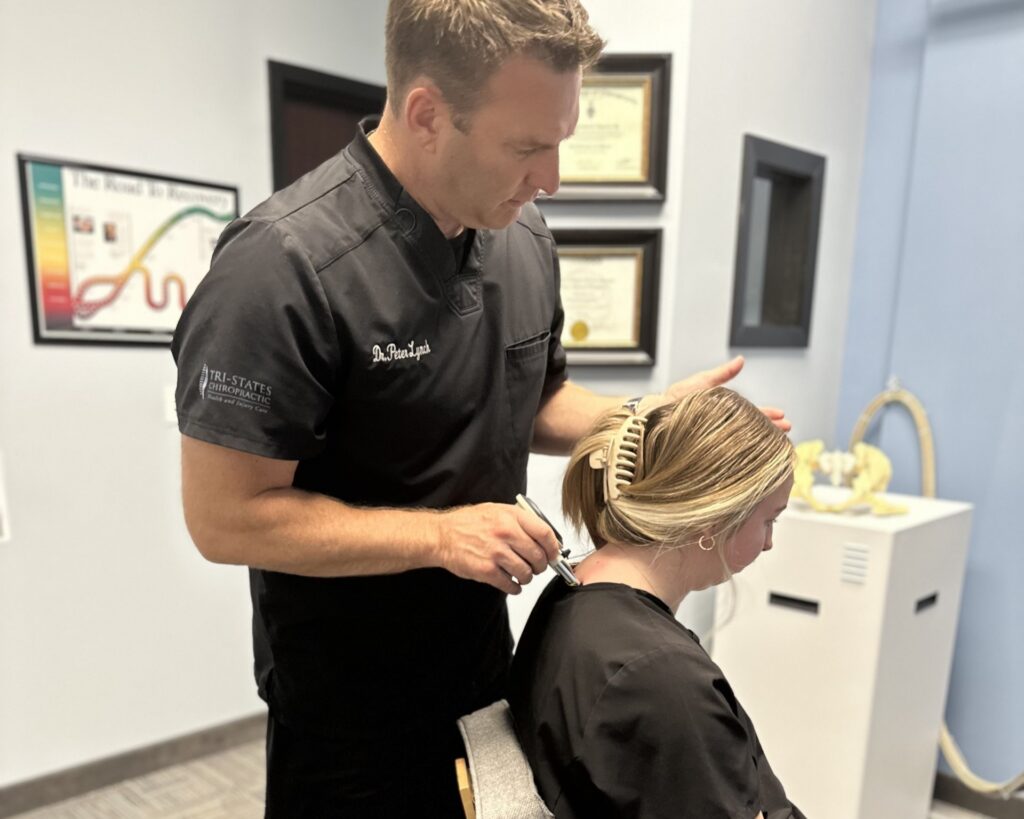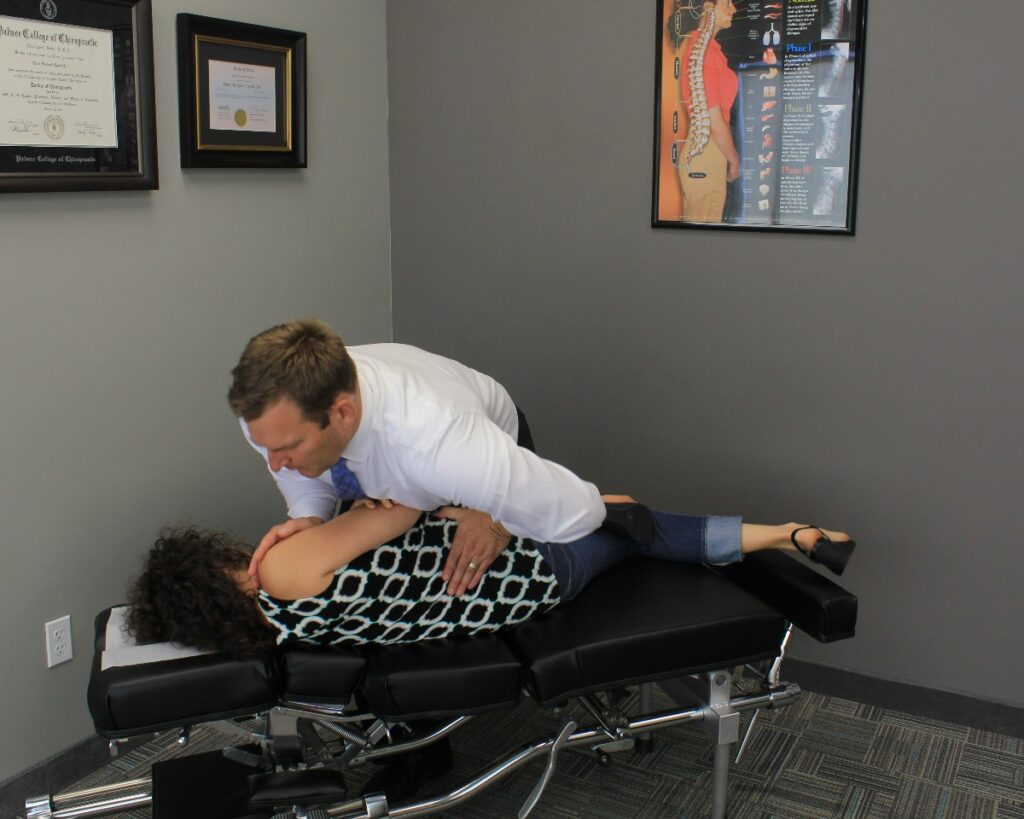
Taking care of your back doesn’t have to be complicated. As a chiropractor, I believe that focusing on your posture, incorporating movement, and strengthening your core can significantly enhance your back health. Chiropractic care is an essential part of this journey, providing natural healing and pain relief without the need for medications or surgeries.
Here are some simple, consistent strategies you can easily integrate into your daily routine to support your spine and overall wellness:
- Mind Your Posture: Whether you’re sitting at a desk or standing, maintaining good posture is crucial. Ensure your shoulders are back and your spine is aligned. If you’re working at a computer, adjust your chair and screen height to keep your neck and back comfortable.
- Stay Active: Movement is key to a healthy back. Simple activities like walking, stretching, or even light exercises can promote flexibility and strength. Consider adding a few minutes of movement to your daily routine to keep your spine happy.
- Strengthen Your Core: A strong core supports your spine and helps prevent back pain. Try incorporating exercises like planks or bridges into your routine. These can be done at home and require no special equipment.
- Consider Chiropractic Care: Regular visits to a chiropractor can help maintain your spine’s health and alleviate pain. We focus on natural healing methods that target the root cause of discomfort, ensuring a holistic approach to your well-being.
- Listen to Your Body: Pay attention to any signals your body sends you. If you’re feeling discomfort, it’s important to address it early on. Chiropractic adjustments can help realign your spine and relieve tension.
Curious about how to set up your workspace for ideal support or which specific exercises can help? I’m here to provide you with personalized tips and guidance. Let’s work together to enhance your back health and overall wellness through chiropractic care. Remember, small changes can lead to significant improvements in your quality of life!
Key Takeaways
Boost Your Back Health With Simple Strategies
As a local chiropractor, I want to share some easy and effective strategies to improve your back health and overall well-being. By focusing on natural methods, you can enhance your spinal wellness without the need for medications or surgeries.
- Get Moving: Regular exercise is key to strengthening the muscles that support your back. Activities like walking, swimming, or yoga can help improve your spinal health and keep you feeling great. Remember, even simple movements can make a big difference!
- Mind Your Posture: Maintaining proper posture while sitting and standing is crucial. It helps reduce strain on your spine and prevents discomfort. Try to keep your shoulders back and your spine aligned whether you’re at your desk or on the go.
- Lift Smart: When lifting heavy objects, remember to bend at your knees and keep the item close to your body. This technique helps protect your back and minimizes the risk of injury.
- Chiropractic Check-ups: Regular visits to your chiropractor can help maintain spinal alignment and provide personalized strategies for pain relief. Chiropractic care focuses on natural healing and can be a game changer for your back health.
- Stretch It Out: Incorporating daily stretching routines can enhance flexibility and reduce stiffness. Simple stretches like the cat-cow or seated forward bends can keep your spine limber and help alleviate tension.
By following these simple tips and incorporating chiropractic care into your wellness routine, you can take significant steps toward achieving optimal health and a pain-free back. Remember, your spine is the foundation of your health, and caring for it can lead to a healthier, happier life!
Understanding the Causes of Back Pain
Back pain can arise from a variety of sources, and understanding these can empower you to take steps toward relief. One prevalent cause is muscle strain, which often occurs when lifting heavy objects or pushing your body too hard. Utilizing proper lifting techniques is crucial to prevent injury. Another common issue is herniated discs, where the soft cushioning between your vertebrae bulges out and can press on nearby nerves, leading to discomfort.
A sedentary lifestyle significantly contributes to back pain as well. Sitting for extended periods can weaken the muscles that support your spine, making it more vulnerable to pain. Moreover, as we age, our spines naturally undergo wear and tear, which can lead to chronic discomfort. Stress and emotional factors can also play a role, causing us to tense our muscles, which can intensify physical discomfort.
By recognizing these causes, you can implement strategies to prevent back pain. Regular chiropractic care is one of the best ways to maintain spinal health and alleviate pain naturally. Chiropractic adjustments help realign the spine, improve mobility, and reduce tension in the muscles, allowing your body to heal more effectively.
In addition to chiropractic care, consider incorporating regular exercise into your routine, maintaining a healthy weight, and practicing good body mechanics throughout your daily activities. Simple strategies like taking breaks to stretch during long periods of sitting can also be beneficial. Remember, being proactive about your back health is key to living pain-free and enjoying a healthier lifestyle. Embrace the power of chiropractic care to support your journey towards optimal health and wellness!
Importance of Posture in Back Health
Maintaining a healthy posture is crucial for your back health, influencing everything from how you sit to how you stand. As a chiropractor, I want to emphasize that practicing proper sitting techniques and understanding the essentials of standing posture can significantly improve your spinal health.
Here are some simple tips to help you maintain good posture throughout your day:
- Sitting Right: When you sit, make sure your feet are flat on the ground or on a footrest. Keep your back straight and shoulders relaxed. Your knees should be at a right angle or slightly lower than your hips. Using a chair that supports your lower back can also make a big difference.
- Standing Tall: While standing, distribute your weight evenly on both feet. Keep your shoulders back and your head aligned with your spine. Imagine a string pulling you up from the top of your head, helping you stand tall.
- Take Breaks: If you’re sitting for long periods, take regular breaks to stretch and move around. This helps prevent stiffness and promotes better circulation.
- Use Support: If you’re working at a desk, consider using ergonomic furniture that encourages good posture. A supportive chair and desk setup can greatly reduce strain on your back.
- Strengthen Your Core: A strong core supports your spine. Incorporate exercises that strengthen your abdominal and back muscles into your routine.
By integrating these habits into your daily life, you can help prevent discomfort and improve your overall well-being.
Remember, chiropractic care can also be an excellent choice for achieving optimal health and relieving pain naturally. Regular adjustments can help align your spine and enhance your posture, leading to better back health and overall wellness.
Embrace these practices, and consider visiting a chiropractor to support your journey to a healthier you!
Correct Sitting Techniques
As a local chiropractor, I want to emphasize the importance of correct sitting techniques for maintaining your back health. Many people overlook this crucial aspect of their daily routine, but it can make a significant difference in how you feel.
When you sit, aim for a posture that supports your spine. Keep your back straight and your shoulders relaxed. Your feet should be flat on the floor, and your knees should be at or just below hip level. If your chair doesn’t allow for this, consider adjusting its height or even using a cushion or lumbar roll to provide extra support to your lower back. This little adjustment can lead to a big improvement in comfort.
It’s also important to keep your elbows close to your body and your wrists straight while typing. This simple change can help prevent strain and discomfort. Remember, taking regular breaks is key! Stand up, stretch, and move around to avoid stiffness and keep your body in good shape.
Standing Posture Essentials
When it comes to maintaining a healthy spine, your standing posture is incredibly important. You may not realize it, but the way you stand can have a significant impact on your back health. Here are some easy tips to help you stand better and support your spine:
- Feet Position: Keep your feet shoulder-width apart. This stance helps distribute your weight evenly, which can reduce strain on your back.
- Engage Your Core: Tightening your core muscles provides essential support for your spine. A strong core can help alleviate pressure on your back.
- Shoulders and Ears Alignment: Relax your shoulders—don’t let them slump forward. Make sure your ears are aligned with your shoulders to maintain proper posture.
- Knees: Avoid locking your knees; this can place unnecessary strain on your lower back. Instead, keep a slight bend in them.
- Weight Shifting: If you find yourself standing for long periods, try shifting your weight from one foot to the other occasionally. This simple movement can relieve pressure and enhance comfort.
- Supportive Footwear: Wearing shoes that provide good support can make a big difference in how your body feels. Look for footwear that offers proper arch support.
By consciously improving your standing posture, you can enhance your overall comfort and contribute to your long-term back health.
Impact on Spinal Health
Maintaining proper posture is crucial for your spinal health, as it influences how your body handles weight and stress. When you sit or stand correctly, your spine stays aligned, which helps reduce strain on your muscles and ligaments. This alignment not only prevents discomfort but also protects you from long-term issues, such as herniated discs or chronic pain.
On the other hand, slouching or leaning can create uneven pressure on your spine, leading to fatigue and tension. You mightn’t even realize how your everyday habits—like your desk setup or the way you carry your bag—affect your posture. By being mindful and making small adjustments, you can significantly enhance your spinal health.
Chiropractic care is an excellent way to support your posture and overall wellness. Regular visits to your chiropractor can help ensure that your spine remains in alignment, allowing your body to function optimally without pain.
Here are some simple tips to improve your posture and spinal health:
- Sit Smart: Use a chair that supports your lower back. Keep your feet flat on the ground and your knees at or below hip level.
- Stand Tall: When standing, distribute your weight evenly on both feet. Keep your shoulders back and your head aligned over your spine.
- Move More: Take breaks to stand up, stretch, and move around. This helps relieve tension and keeps your spine healthy.
- Mind Your Bag: If you carry a bag, try to use one with a wide strap and switch sides regularly to avoid putting too much strain on one side of your body.
- Get Adjusted: Regular chiropractic adjustments can help maintain your spinal alignment and promote better posture, making it easier for you to feel your best.
Take a moment to check in on your posture throughout the day; your back will thank you for it in the long run. Remember, chiropractic care is here to help you achieve optimal health naturally!
Ergonomic Workspace Setup
Creating an ergonomic workspace setup is crucial not just for your productivity, but also for your overall spinal health and well-being. As a chiropractor, I want to share some essential tips that can help you avoid discomfort and promote natural healing throughout your workday.
First and foremost, invest in a chair that offers proper lumbar support. This means it should support the natural curve of your lower back. When seated, your feet should rest flat on the floor, and your knees should be level with or slightly below your hips. This positioning helps maintain the natural alignment of your spine, reducing the risk of back pain.
Next, let’s talk about your desk setup. Position your workspace so that your elbows are at a 90-degree angle while typing. This not only eases strain on your back and shoulders but also helps prevent repetitive strain injuries.
Your computer monitor should be at eye level and about an arm’s length away. This helps prevent neck strain, which is common when screens are too high or too low. If you’re using a laptop, I recommend a separate keyboard and a stand to achieve the correct height, allowing you to maintain proper posture.
If you often reference documents, consider using a document holder. This keeps your papers at eye level, preventing you from having to bend down repeatedly, which can lead to discomfort over time.
Finally, keep all frequently used items within arm’s reach. This simple adjustment can prevent unnecessary twisting and bending, which can strain your back.
Daily Stretching Routines for a Healthier Back
Incorporating daily stretching routines into your life can significantly enhance your back health and overall flexibility, complementing the benefits of chiropractic care.
As a local chiropractor, I encourage you to start with simple stretches that specifically target your back, hips, and hamstrings. For instance, a gentle cat-cow stretch can help mobilize your spine, while seated forward bends provide relief from tension in your lower back.
Aim to dedicate at least 10 minutes each day to these stretches. Focus on deep, controlled breaths as you hold each position for 15-30 seconds. This practice not only improves your flexibility but also helps reduce stress and promotes relaxation—key factors in maintaining a healthy spine.
You might discover that stretching in the morning gives you the energy you need to tackle the day, or that winding down with stretches before bed enhances your sleep quality. Remember, consistency is crucial. Making these stretches a regular part of your routine can lead to noticeable improvements in your back health and overall well-being.
Along with stretching, regular chiropractic visits can further support your spinal health by addressing misalignments and enhancing your body’s natural healing abilities. Together, these practices can lead you to a healthier, more vibrant life.
Your body will thank you for prioritizing these natural methods of care!
Strengthening Exercises for Back Support
To support your back effectively, it’s essential to focus on strengthening exercises that enhance core stability, which is crucial for maintaining a healthy spine.
Incorporating flexibility and mobility drills not only promotes balance but also helps prevent injuries that can lead to discomfort. As your local chiropractor, I believe that chiropractic care is the best way to achieve optimal health and alleviate pain naturally.
Let’s explore some key workouts that can make a significant difference in your back health, all while emphasizing the importance of spinal alignment and natural healing.
- Core Strengthening: Exercises like planks and bridges target your core muscles, providing support to your spine. A strong core is the foundation for a healthy back.
- Flexibility Drills: Gentle stretches, such as the cat-cow stretch or child’s pose, can improve your flexibility and help relieve tension in your back, promoting better posture.
- Mobility Exercises: Incorporating movements like torso twists can enhance your spinal mobility, making daily activities easier and reducing the risk of injury.
- Posture Awareness: Practicing good posture while sitting, standing, and moving can significantly reduce back strain. Pay attention to your alignment throughout the day.
- Regular Chiropractic Visits: Regular adjustments can help maintain proper spinal alignment and enhance the effectiveness of your exercises. Chiropractic care not only addresses pain but also promotes overall wellness.
By integrating these exercises into your routine and prioritizing chiropractic care, you can achieve a healthier back and a stronger body.
Core Stability Workouts
Core stability workouts play a crucial role in maintaining a healthy back and overall wellness. By consistently engaging and strengthening the muscles that support your spine, these exercises can help alleviate pain and promote natural healing. Simple movements like planks, bridges, and bird-dogs can significantly boost your core strength, enhancing the stability of your spine.
When you incorporate these exercises into your routine, you activate your deep abdominal muscles and lower back, creating a strong foundation for your body. Start by holding each position for at least 30 seconds, and as you become more comfortable, gradually increase the duration. Remember, maintaining proper form is essential to prevent any injuries, and it’s something I emphasize in my chiropractic practice.
You don’t need fancy equipment; your body weight is all you need to get started on this journey toward better health. By prioritizing core stability, you not only enhance your back health but also improve your posture and functional strength, which can lead to a more active and fulfilling life.
As a chiropractor, I often see the remarkable benefits that come from a strong core. It can complement your chiropractic care by supporting your spine and helping to prevent future issues. If you’re looking for a natural way to achieve optimal health and relieve pain, consider integrating core stability workouts into your daily routine. Together with chiropractic care, you can achieve a healthier, more vibrant life.
Flexibility and Mobility Drills
As a local chiropractor, I want to emphasize the importance of flexibility and mobility for your back support and overall spinal health. Incorporating specific drills into your daily routine can significantly enhance your range of motion, alleviate tension, and help prevent injuries. Here are some effective exercises that can promote natural healing and wellness, supporting the benefits of chiropractic care:
| Exercise | Duration | Benefits |
|---|---|---|
| Cat-Cow Stretch | 5-10 reps | Relieves back tension and promotes spinal flexibility. |
| Child’s Pose | 30 seconds | Gently stretches the spine and encourages relaxation. |
| Seated Forward Bend | 30 seconds | Lengthens hamstrings and promotes better posture. |
| Torso Twist | 5-10 reps each side | Increases spinal mobility and encourages natural alignment. |
By making these exercises a part of your routine, you can support your body’s natural healing processes and improve your overall well-being. Remember, chiropractic care is an excellent choice for pain relief and maintaining optimal health, and these mobility drills can complement your chiropractic treatments beautifully.
General Tips:
- Consistency is Key: Incorporate these exercises into your daily routine for the best results.
- Listen to Your Body: Pay attention to how your body feels during each exercise. If you experience pain, stop and consult your chiropractor.
- Stay Hydrated: Drinking plenty of water can help keep your muscles and joints lubricated, supporting your flexibility efforts.
- Warm Up: Always take a few minutes to warm up before starting your flexibility drills to avoid strain.
Making these small, yet impactful changes can lead to a healthier, more mobile you!
The Role of Weight Management
Managing your weight is crucial for maintaining a healthy spine, as carrying excess body weight can create significant strain on your back and the surrounding muscles. When you have extra pounds, it can affect your posture and alignment, leading to discomfort and increasing the risk of injury. By achieving and maintaining a healthy weight, you can ease the burden on your back, allowing it to function more efficiently and comfortably.
To support your weight management journey, focus on nourishing your body with a balanced diet that includes plenty of fruits, vegetables, lean proteins, and whole grains. These foods provide the essential nutrients your body needs to thrive. Additionally, regular physical activity is key. Aim for at least 150 minutes of moderate exercise each week, mixing in both cardiovascular activities (like walking or cycling) and strength-training exercises. Building muscle can help burn fat and support your spine.
It’s also important to pay attention to how your body feels. If you experience any pain or discomfort, consider consulting with a chiropractor who can provide personalized guidance and natural solutions tailored to your needs. Chiropractic care can play a vital role in enhancing your overall wellness and back health, helping you lead a more active and pain-free life.
Mindfulness and Stress Reduction Techniques
Practicing mindfulness regularly can greatly enhance your back health by reducing stress and promoting relaxation. Stress often leads to muscle tension, which can negatively impact your spine and overall well-being. By integrating mindfulness techniques into your daily life, you can achieve a more relaxed state of mind and body, which is essential for maintaining a healthy spine.
Here are some effective mindfulness and stress reduction techniques that you can try to support your back health:
- Deep Breathing: Take deep breaths in through your nose, hold for a moment, and then exhale slowly. This simple practice helps to calm the mind and relax the muscles, including those in your back. Repeat this several times to feel the tension melt away.
- Body Scan: Spend a few minutes focusing on each part of your body, starting from your toes up to your head. Consciously relax areas that feel tense. This technique not only helps you identify areas of tension but also promotes deeper relaxation of your spine.
- Meditation: Set aside a few minutes each day to sit quietly and focus on your breath. Meditation helps clear the mind and reduce stress, which can lead to less strain on your back.
- Gentle Yoga: Incorporate gentle stretches into your routine to relieve tension and improve flexibility. Yoga is fantastic for spinal health, as it encourages movement and can help maintain proper alignment.
- Gratitude Journaling: Each day, take a moment to write down things you’re thankful for. This practice shifts your focus from stress to positivity, promoting an overall sense of well-being, which is vital for your spine’s health.
Incorporating these mindfulness and stress reduction techniques into your daily life can complement your chiropractic care. Remember, chiropractic adjustments can help restore and maintain proper spinal alignment, making it easier for you to practice mindfulness and manage stress effectively.
Embrace these techniques not just for pain relief, but as part of a holistic approach to achieving optimal health and wellness.
Seeking Professional Help and Guidance
Incorporating mindfulness techniques can significantly improve your back health, but when pain persists, it’s important to seek professional guidance. If you’re dealing with ongoing discomfort, consulting a chiropractor can offer you personalized solutions specifically designed to address your unique needs. Chiropractors specialize in spinal health and can provide effective treatments to help alleviate your pain naturally.
Here’s a quick look at the benefits of seeing a chiropractor:
| Professional | Benefits |
|---|---|
| Chiropractor | Spinal alignment, natural pain relief, holistic care |
Choosing to visit a chiropractor is a proactive step toward achieving better back health. Chiropractic care focuses on restoring your body’s natural balance and function without the need for medications or invasive procedures. By working with a chiropractor, you can develop a tailored approach that targets the root cause of your discomfort, helping you move toward a pain-free life.
Here are some general tips to maintain your back health:
- Stay Active: Regular movement strengthens your back and helps prevent stiffness. Simple activities like walking or stretching can make a big difference.
- Practice Good Posture: Whether sitting at a desk or lifting objects, maintaining proper posture is crucial. Keep your back straight and avoid slouching to reduce strain.
- Mindfulness and Relaxation: Incorporate mindfulness practices such as deep breathing or meditation to help manage stress, which can contribute to muscle tension and discomfort.
- Hydration and Nutrition: Drink plenty of water and eat a balanced diet rich in anti-inflammatory foods to support overall health and wellness.
Long-term Strategies for Sustaining Back Health
Maintaining strong back health over the long term is essential for a pain-free and active lifestyle. As a chiropractor, I want to share some effective, natural strategies that can help you achieve optimal back health without the need for medications or surgeries. Incorporate these simple habits into your daily routine for a healthier back:
- Practice good posture: Always aim to sit and stand with your spine in a neutral position. This means keeping your shoulders back, your head aligned over your spine, and your hips aligned with your knees. Good posture helps reduce strain on your back and prevents pain.
- Stay active: Regular physical activity is key to a healthy back. Focus on exercises that strengthen your core and back muscles, such as swimming, walking, or yoga. A strong core helps support your spine and reduces the risk of injury.
- Stretch regularly: Incorporate gentle stretching into your routine to enhance flexibility and prevent stiffness. Simple stretches can improve your range of motion and help you maintain a healthy spine.
- Lift properly: When lifting heavy objects, remember to use your legs instead of your back. Bend at the knees, keep the object close to your body, and lift with your legs to minimize the risk of strain and injury.
- Manage stress: Stress can lead to muscle tension, which may contribute to back pain. Consider practicing relaxation techniques such as deep breathing, meditation, or gentle yoga. These methods can help alleviate tension and promote overall well-being.
As a chiropractor, I believe that regular chiropractic care can play a significant role in achieving and maintaining back health. Chiropractic adjustments can help realign the spine, relieve pain, and improve overall function.