If you’re dealing with lower back pain, you’re certainly not alone. This common issue can significantly impact your daily life, but the good news is that there are effective techniques to help relieve your discomfort. As a local chiropractor, I want to share some natural and holistic approaches that focus on spinal health and overall well-being.
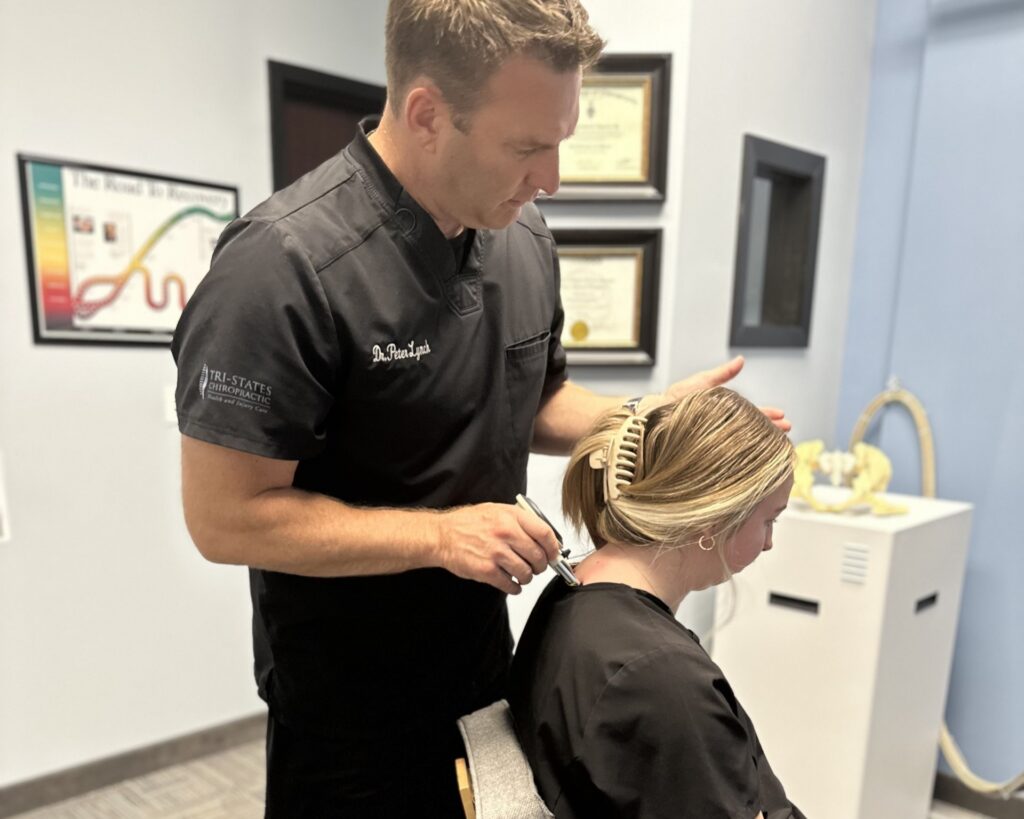
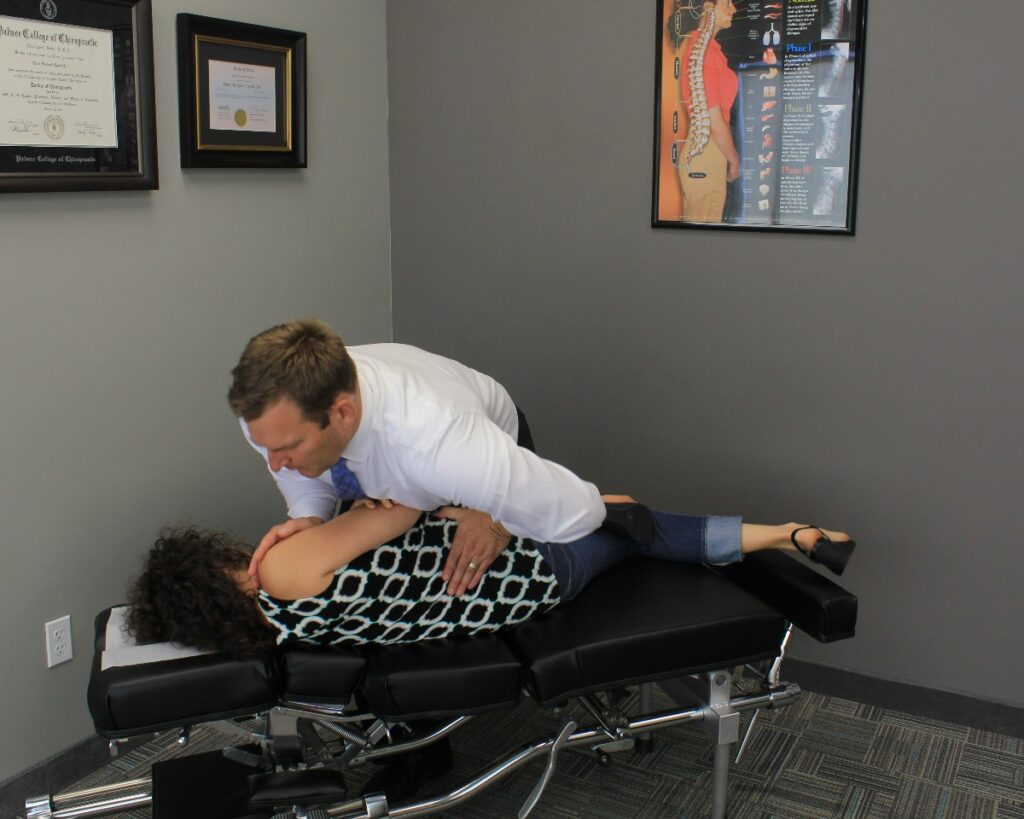
Chiropractic care is one of the best ways to address lower back pain. Through gentle adjustments and manipulations, we can help align your spine, relieve pressure on nerves, and promote natural healing in your body. This not only alleviates pain but also enhances your overall health.
In addition to chiropractic adjustments, there are several techniques you can incorporate into your daily routine to support your spine and reduce pain:
- Stretching: Gentle stretches can help improve flexibility and reduce tension in your lower back. Simple movements like knee-to-chest stretches or seated forward bends can work wonders.
- Strengthening Exercises: Strengthening your core muscles is vital for supporting your spine. Exercises such as planks, bridges, and pelvic tilts can build the strength needed to maintain proper posture and alleviate strain on your back.
- Mindfulness Practices: Stress can exacerbate pain. Techniques like deep breathing, meditation, or yoga can help you relax and manage stress, promoting a sense of well-being.
- Proper Posture: Being mindful of your posture, whether sitting, standing, or lifting, is crucial. Always keep your back straight and use your legs when lifting heavy objects to prevent injury.
- Heat and Cold Therapy: Applying heat can relax tight muscles, while cold therapy can reduce inflammation. Alternating between the two can provide significant relief.
- Stay Active: Regular physical activity, such as walking, swimming, or cycling, can help keep your back muscles strong and flexible. Aim for at least 30 minutes of moderate activity most days.
- Chiropractic Maintenance: Regular visits to your chiropractor can help maintain spinal health, prevent future pain, and enhance your overall wellness.
By incorporating these techniques into your life and prioritizing chiropractic care, you can take significant steps toward alleviating lower back pain and achieving optimal health. Remember, the journey to wellness is a holistic one, and I’m here to help guide you every step of the way. If you have any questions or need personalized advice, don’t hesitate to reach out!
Key Takeaways
- Incorporate daily stretching exercises like child’s pose and seated forward bend to enhance flexibility and alleviate lower back tension. These simple stretches can complement your chiropractic adjustments and improve your overall spinal health.
- Strengthen your core muscles with exercises such as planks and bridges. A strong core supports proper spinal alignment and can significantly reduce lower back strain, making it easier for your body to maintain its natural posture.
- Consider using heat therapy to soothe tight muscles and boost blood circulation, or cold therapy to help reduce inflammation and numb pain. These natural methods can be effective additions to your chiropractic care routine.
- Focus on maintaining proper posture and ergonomics throughout your day. Align your ears, shoulders, and hips, and use supportive seating to create a healthy environment for your spine, which is essential for long-term relief.
- Engage in regular physical activities, such as walking or yoga, to enhance flexibility, strengthen your core, and improve overall mobility. These activities not only promote a healthier lifestyle but also support the benefits gained from chiropractic treatments.
Remember, chiropractic care is a holistic approach that can help you achieve optimal health and wellness, addressing the root causes of pain and discomfort. By incorporating these techniques into your daily routine, you can work towards a healthier, pain-free life.
Stretching Exercises for Flexibility
Incorporating stretching exercises into your daily routine is a fantastic way to enhance flexibility and alleviate lower back pain naturally. As a chiropractor, I encourage patients to dedicate just a few minutes each day to these essential movements, which can improve spinal mobility and relieve muscle tension.
Start with simple stretches like the cat-cow pose. This gentle exercise warms up your spine and promotes fluid movement, helping to prepare your body for the day ahead. The seated forward bend is another excellent option, as it helps elongate your lower back and hamstrings, offering soothing relief to tight areas.
Don’t forget about the child’s pose, which effectively stretches your hips and lower back. It’s a great way to relax and release built-up tension. For each stretch, aim to hold for at least 20-30 seconds, and remember to breathe deeply to enhance your relaxation. Listening to your body is crucial; if a stretch feels too intense, it’s perfectly okay to ease off a bit.
Making these stretches a regular part of your day can lead to significant improvements in your flexibility and pain relief. Consistency is key, so consider setting aside time each day for these beneficial exercises. Additionally, regular chiropractic adjustments can complement your stretching routine by ensuring your spine is aligned and functioning optimally, further supporting your journey toward natural wellness and pain relief.
Embrace these practices, and you’ll be well on your way to a healthier, more flexible life!
Strengthening Core Muscles
Strengthening your core muscles is vital for maintaining stability and alleviating lower back pain. As a chiropractor, I want to emphasize that focusing on effective core exercises not only enhances your overall strength but also plays a crucial role in supporting your spine. By nurturing your core, you can create a solid foundation for your entire body, reducing the risk of injury and promoting natural healing.
Here are some simple and effective ways to build core stability:
- Engage Your Core Daily: Whether you’re sitting at your desk or doing household chores, make it a habit to engage your core muscles. This means gently pulling your belly button towards your spine. It can help improve your posture and support your back throughout the day.
- Incorporate Planks: Plank exercises are fantastic for building core strength. Start by lying face down, then lift your body onto your elbows and toes. Hold this position for as long as you can while keeping your body straight. Gradually increase your hold time as you get stronger.
- Try Bird-Dogs: This exercise not only strengthens the core but also improves balance. Start on your hands and knees, then extend one arm forward and the opposite leg back. Hold for a moment, then switch sides. This movement encourages stability and coordination.
- Pelvic Tilts: Lie on your back with your knees bent. Gently tilt your pelvis upward, flattening your lower back against the floor. Hold for a few seconds, then relax. This exercise helps to strengthen the lower back and abdominal muscles.
- Stay Active: Regular physical activity promotes overall wellness and keeps your core engaged. Consider incorporating walking, swimming, or yoga into your routine. These activities are gentle on the body and can improve your core strength while also supporting spinal health.
Remember, chiropractic care can be an excellent addition to your core strengthening efforts. Regular adjustments can help ensure your spine is aligned, which enhances your body’s ability to function optimally.
Importance of Core Stability
A strong core is vital for maintaining proper posture and preventing lower back pain, which is something many of my patients struggle with. When your core muscles are well-supported and stable, they help to protect your spine, which reduces strain on the lower back.
This stability not only makes it easier to perform daily activities, like lifting objects or sitting for extended periods, but it also enhances your overall balance and coordination, making you less prone to injuries.
Engaging your core during exercises and everyday movements creates a solid foundation for your body, allowing it to function more efficiently. As a chiropractor, I often emphasize the importance of core stability in my practice because it can significantly alleviate discomfort and promote overall physical health. By prioritizing your core strength, you can improve your quality of life and maintain an active lifestyle without the need for surgeries or medications.
Here are some simple tips to help you strengthen your core naturally:
- Practice Good Posture: Be mindful of your posture throughout the day, whether you’re sitting, standing, or walking. Keep your shoulders back and your spine aligned.
- Incorporate Core Exercises: Engage in exercises like planks, bridges, and abdominal crunches. These can be done at home and don’t require special equipment.
- Stay Active: Regular physical activity, such as walking or swimming, can help keep your core engaged and build overall strength.
- Consider Chiropractic Care: Regular chiropractic adjustments can enhance your core stability by ensuring your spine is properly aligned, allowing your core muscles to function at their best.
Effective Core Exercises
As a local chiropractor, I want to emphasize the vital role that core stability plays in maintaining a healthy spine and overall wellness.
Incorporating effective core exercises into your routine can significantly enhance your strength and provide much-needed support for your lower back.
Not only do these exercises help alleviate pain, but they also serve as a preventive measure against future issues.
Here are a few core exercises you can easily add to your daily routine:
- Planks: This exercise engages your entire core, promoting stability while encouraging you to keep your body in a straight line. It’s a fantastic way to strengthen your abdominal muscles without straining your back.
- Bridges: By lifting your hips off the ground, you strengthen your glutes and lower back. This exercise is excellent for improving your posture and reducing lower back discomfort.
- Bird-Dogs: A great way to enhance your balance and coordination, this exercise involves extending opposite arms and legs while keeping your core engaged. It’s wonderful for spinal stability and can be done easily at home.
- Dead Bugs: This controlled movement targets your deep core muscles, helping to create a strong foundation for your spine. It’s gentle on the body and can be modified to suit your fitness level.
Remember, regular chiropractic care can also support the effectiveness of these exercises, helping to align your spine and enhance your overall health.
If you’re experiencing pain or discomfort, don’t hesitate to reach out for professional guidance.
By combining chiropractic care with these core-strengthening exercises, you can take significant steps towards a healthier, pain-free life.
Prioritize your wellness and enjoy the benefits of a strong, stable core!
Heat and Cold Therapy
As a local chiropractor, I want to share some valuable insights on managing lower back pain through natural methods like heat and cold therapy. These techniques can be incredibly effective as complementary approaches to chiropractic care.
Heat therapy is fantastic for easing tension in tight muscles. By applying heat, you can promote blood flow to the affected area, which helps relax those muscles and reduce discomfort. A warm towel, heating pad, or even a hot bath can work wonders.
It’s like giving your back a gentle hug!
On the other hand, cold therapy is your ally when it comes to reducing inflammation and numbing pain. If your lower back is swollen or you’ve recently experienced a strain, applying a cold pack can provide immediate relief.
Just remember to wrap the cold source in a cloth to protect your skin.
Understanding how to use these therapies effectively can empower you to manage your pain better. However, while heat and cold have their benefits, they work best when combined with chiropractic care.
A chiropractor can help identify the underlying issues causing your pain and provide hands-on treatments that promote natural healing.
Here are a couple of tips to keep in mind:
- Listen to Your Body: Pay attention to how your body responds to heat and cold. Everyone is different, so find what works best for you.
- Stay Active: Gentle movements and stretches can enhance the benefits of heat and cold therapy, helping to keep your back flexible and strong.
Benefits of Heat Therapy
Heat therapy is a fantastic way to find quick relief from lower back pain, and many people turn to it for comfort. By applying heat, you can relax tight muscles and improve blood circulation, both of which are essential for healing. Here are some key benefits of incorporating heat therapy into your wellness routine:
- Muscle relaxation: Heat helps ease tension in muscles, making it easier to move and enjoy your daily activities.
- Pain relief: The warmth targets discomfort directly, offering soothing relief from pain.
- Increased flexibility: Heat encourages a greater range of motion, allowing you to regain mobility and enjoy a more active lifestyle.
- Stress reduction: The calming effect of heat can help alleviate overall tension, contributing to your mental well-being.
You can easily incorporate heat therapy into your routine. Simple options include taking a warm bath, using a heating pad, or applying a hot water bottle to the affected area.
While heat therapy is helpful, remember that regular chiropractic care is the best approach for long-term pain relief and optimal health.
Chiropractors can help identify the root cause of your pain and provide natural, hands-on treatments to support your healing journey. By combining heat therapy with chiropractic adjustments, you can achieve a more comprehensive approach to wellness. So, consider visiting your local chiropractor to explore how you can enhance your health and live pain-free!
Advantages of Cold Therapy
While heat therapy can be beneficial for lower back pain, it’s important to recognize that cold therapy also plays a vital role in managing discomfort naturally.
Applying cold packs to your lower back can significantly reduce inflammation and numb sharp pain, giving you immediate relief. This method works by constricting blood vessels, which helps minimize swelling and prevent further irritation.
Cold therapy is especially useful after injuries or during flare-ups, as it can help alleviate muscle spasms and soreness. You can easily incorporate this technique into your daily routine by using ice packs or even a bag of frozen vegetables wrapped in a cloth, making it both accessible and convenient.
When using cold therapy, remember to apply it for about 15-20 minutes at a time. Be sure to allow your skin to return to its normal temperature before reapplying to avoid any adverse effects. This straightforward approach is a fantastic way to enhance your pain management strategy.
At our chiropractic practice, we emphasize the importance of understanding and using natural methods for pain relief. Cold therapy can complement the chiropractic adjustments and treatments we provide, helping you achieve optimal health and wellness.
If you’re looking for effective, drug-free solutions for your back pain, consider integrating cold therapy with regular chiropractic care for the best results. Your journey to a pain-free life starts with simple, natural techniques!
Posture Improvement Techniques
Improving your posture can significantly relieve lower back pain and enhance your overall comfort. By adopting better posture habits, you can reduce strain on your back muscles and effectively support your spine, paving the way for a healthier, more vibrant life. Here are some easy-to-follow techniques you can practice daily to improve your posture and support your natural well-being:
- Align your ears, shoulders, and hips: Imagine a straight line connecting these points, whether you’re sitting or standing. This simple alignment can drastically improve how your body feels throughout the day.
- Engage your core: Strengthening your abdominal muscles is key to supporting your lower back. Think of your core as your body’s natural brace, helping to stabilize your spine and prevent discomfort.
- Choose supportive seating: Opt for chairs that encourage good posture. Make sure your feet are flat on the floor, which can help maintain proper alignment and reduce strain on your back.
- Take regular breaks: If you find yourself sitting for long periods, remember to stand up and stretch every 30 minutes. This simple act can prevent stiffness and rejuvenate your body, allowing for better posture.
By incorporating these posture improvement techniques into your daily routine, you can make a significant difference in managing and preventing lower back pain.
Ergonomic Adjustments at Work
In a typical workday, making ergonomic adjustments is essential for reducing strain on your lower back and promoting overall spinal health. As a chiropractor, I encourage you to start by adjusting your chair to support the natural curve of your spine. Ensure your feet are flat on the ground; if they don’t quite reach, a footrest can be a great help.
Your desk should be at elbow height, which allows you to type comfortably without hunched shoulders. Position your monitor at eye level and about an arm’s length away to prevent leaning forward—this small change can make a significant difference in how your back feels.
If you find yourself sitting for long periods, consider using a standing desk or a sit-stand converter. Alternating between sitting and standing can alleviate pressure on your spine. Remember to take breaks every hour to stretch your legs and back; simple stretches can do wonders for relieving tension.
Also, keep frequently used items within arm’s reach to avoid twisting or bending awkwardly. By implementing these ergonomic adjustments, you’re not just creating a comfortable workspace; you’re also taking steps toward better posture and reducing lower back pain.
These changes, combined with regular chiropractic care, can help you achieve optimal health and wellness. Chiropractic adjustments work to align your spine, relieve pain, and enhance overall body function. Your body will thank you for taking these proactive steps!
Mindfulness and Relaxation Techniques
Practicing mindfulness and relaxation techniques can significantly aid in alleviating lower back pain while also promoting your overall well-being. As a chiropractor, I want to emphasize how focusing on the present moment can help you manage stress and tension—common contributors to discomfort in the back.
Here are some practical strategies to incorporate into your daily routine:
- Deep Breathing: Taking slow, deep breaths not only calms your mind but also helps to relax the muscles surrounding your spine. This can create a more supportive environment for healing.
- Meditation: Dedicating a few minutes each day to meditation can enhance your awareness of body tension and pain. It’s a great way to redirect your focus and reduce pain perception.
- Progressive Muscle Relaxation: This technique involves tensing and then relaxing different muscle groups. By doing so, you can effectively release built-up tension in your back, promoting better spinal health.
- Guided Imagery: Visualizing serene and calming scenes can serve as a mental escape from pain, leading to a more relaxed state that benefits your overall health.
These techniques are easy to incorporate into your daily life and can be practiced just about anywhere. By making mindfulness a regular part of your routine, you not only tackle lower back pain but also enhance your mental and emotional health.
Remember, chiropractic care is a natural and effective way to achieve optimal health and alleviate pain. By focusing on spinal health, you can improve your overall well-being and prevent future discomfort.
If you’re dealing with persistent back pain, consider visiting a chiropractor to explore personalized treatment options that can help you feel your best.
Regular Physical Activity and Movement
Regular physical activity and movement are crucial for managing lower back pain and promoting overall wellness. As a chiropractor, I emphasize how staying active can strengthen your core muscles, which provide essential support for your spine and help reduce strain on your back. Simple activities like walking, swimming, or practicing yoga can significantly improve your flexibility and circulation, both of which are vital for a healthy spine.
Incorporating movement into your daily life doesn’t have to be daunting. Start with short, manageable sessions, and gradually increase the intensity and duration as your comfort level grows. Always listen to your body; if something doesn’t feel right, adjust your movements or try a different exercise. Remember, movement should feel good, not painful.
Don’t overlook the importance of stretching exercises. These can help release tension in your lower back and improve your overall mobility. Regular physical activity not only strengthens your back but also enhances your mood and energy levels, making it a win-win for your health.
Consistency is essential—aim to make movement a regular part of your lifestyle for long-term relief from lower back pain. And remember, chiropractic care is an excellent choice for natural healing and maintaining optimal health. By aligning your spine and enhancing your body’s natural ability to heal, chiropractic adjustments can complement your exercise routine and help you achieve the best results.