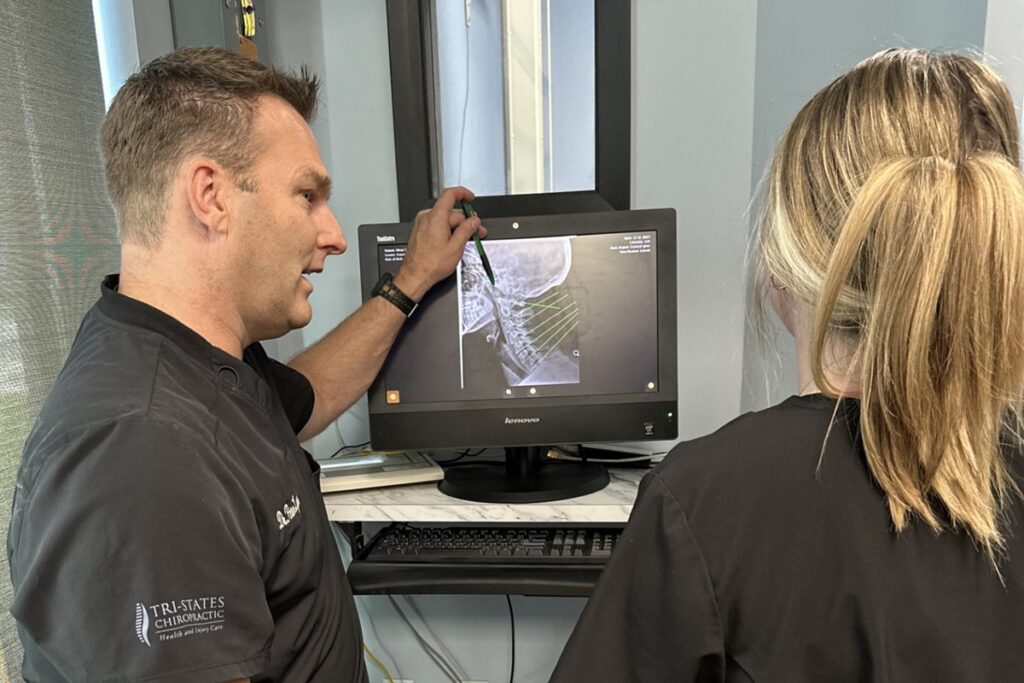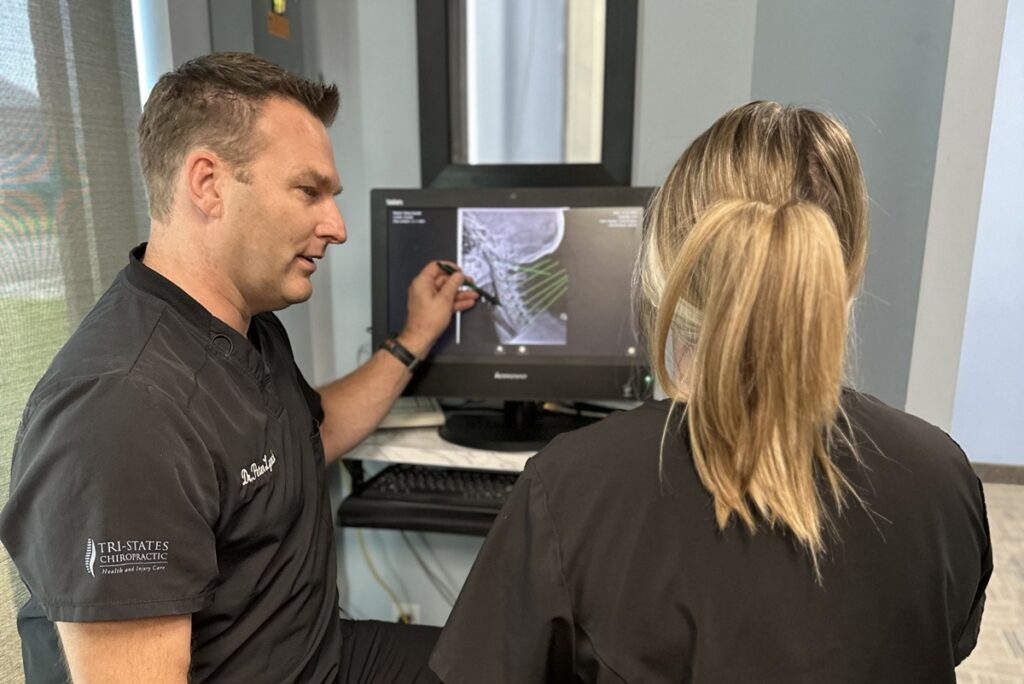
If you’ve been dealing with neck pain that’s connected to your migraines, know that you’re not alone, and there are effective ways to find relief. As a local chiropractor, I want to share some insights on how chiropractic care and natural healing can help alleviate this discomfort.
Neck pain associated with migraines can be frustrating and debilitating, but with the right approach, you can see significant improvements. One effective solution is targeted chiropractic adjustments that focus on realigning the spine and improving neck mobility. These adjustments can relieve tension in the muscles and joints, which may reduce the frequency and intensity of your migraines.
In addition to adjustments, I often recommend incorporating smart ergonomic adjustments into your daily routine. This includes proper posture while sitting, choosing the right pillow, and using supportive furniture to minimize strain on your neck.
Finally, combining chiropractic care with gentle physical therapy techniques—such as stretching and strengthening exercises—can further enhance your healing process. These strategies work together to alleviate neck tension, improve your overall well-being, and help you reclaim a pain-free life.
I encourage you to explore these natural solutions and discover how chiropractic care can provide the relief you’ve been searching for.
Physical Therapy Techniques for Neck Pain Relief
As a local chiropractor, I want to share with you how effective physical therapy techniques can be in alleviating neck pain, especially when it leads to migraines. Many people are unaware of how simple stretches and strengthening exercises can significantly improve neck mobility and reduce tension.
I highly recommend working with a skilled therapist who can guide you through exercises such as cervical rotations and chin tucks, which are designed to promote better alignment and flexibility in your neck.
In addition to these exercises, manual therapy techniques—including chiropractic adjustments, massage, and joint mobilization—can effectively relieve tightness and enhance blood flow to the affected areas.
You might also find comfort in using heat or ice before and after your sessions, as these can aid in your recovery.
Moreover, incorporating relaxation techniques like deep breathing can be beneficial in managing stress, which is often a contributing factor to neck pain.
By embracing these natural healing approaches and integrating them into your routine, you may experience a notable decrease in neck discomfort and, as a result, fewer migraine episodes.
Ergonomic Adjustments to Reduce Neck Strain
As a local chiropractor, I want to share some valuable insights on how improving your workspace can significantly reduce neck strain and help prevent migraines. One of the first steps is to ensure that your chair provides proper support for your lower back while allowing your feet to rest flat on the floor. This foundational adjustment can set the stage for better posture throughout your workday.
Your monitor should be positioned at eye level; this way, you won’t have to tilt your head up or down, which can lead to discomfort and tension in your neck. If you primarily use a laptop, I recommend investing in a stand to elevate the screen to the appropriate height, along with a separate keyboard to maintain a neutral typing position. This simple change can make a big difference in how you feel.
Additionally, it’s essential to keep your phone within easy reach. This will help you avoid awkward neck angles when you’re on calls, which is crucial for minimizing strain. A clutter-free desk is also important; it reduces unnecessary movements and allows for a more organized workspace.
Remember to take regular breaks to stand, stretch, and reassess your posture. These small moments of self-care can significantly alleviate tension in your neck and may lead to fewer migraines over time.
At-Home Remedies to Alleviate Neck Tension
As a local chiropractor, I want to share some effective at-home remedies to help alleviate neck tension, especially if you’re new to chiropractic care and natural healing.
First and foremost, incorporating simple stretches and self-massage techniques into your daily routine can be incredibly beneficial.
Begin with gentle neck stretches. Try tilting your head side to side and holding each position for about 15-30 seconds. This simple practice can help release tight muscles and improve your range of motion.
Self-massage is another great technique. Use your fingertips to apply gentle pressure to tense areas, particularly at the base of your skull and along your shoulders. Moving in small circular motions can help relieve built-up tension.
Applying a warm compress can also provide soothing relief. Just be sure to test the temperature to ensure it’s comfortable and not too hot for your skin.
If you often find yourself working at a computer or engaging in prolonged activities, it’s crucial to take regular breaks. Stand up, stretch, and adjust your posture to help prevent stiffness and discomfort.
Finally, don’t underestimate the importance of hydration and good sleep hygiene. Staying well-hydrated and ensuring you get quality rest can greatly contribute to reducing neck tension.
By integrating these habits into your daily life, you can create a more comfortable environment for your neck and help prevent future tension.