Back pain can sneak up on anyone, often stemming from everyday habits and choices. Many people may not realize how poor posture or muscle weakness can put unnecessary strain on their spine. Even common activities like lifting something heavy or sitting for long periods can lead to discomfort. But what if there are deeper issues at play?
As a chiropractor, I believe that understanding the root causes of your back pain can empower you to take control of your health and significantly improve your quality of life. Let’s delve into some of these factors and how chiropractic care can help.
- Posture Awareness: One of the most common contributors to back pain is poor posture. Whether you’re sitting at a desk or standing in line, being mindful of your posture can make a big difference. When sitting, keep your back straight and shoulders relaxed, with your feet flat on the floor. Simple adjustments can reduce strain on your spine.
- Strengthening Muscles: Weak muscles, especially in your core and back, can lead to instability and pain. Incorporating strengthening exercises into your routine can alleviate pressure on your spine. Focus on exercises that target these areas, and consider consulting with your chiropractor for personalized recommendations.
- Proper Lifting Techniques: Lifting heavy objects improperly can cause immediate injury or lead to chronic pain. Always bend at your knees and keep your back straight when lifting. If an object is too heavy, ask for help rather than risking injury.
- Frequent Movement: Sitting for extended periods can create tension in your back. Make it a habit to stand up, stretch, and move around every 30 minutes. This not only helps your spine but also boosts your overall energy levels.
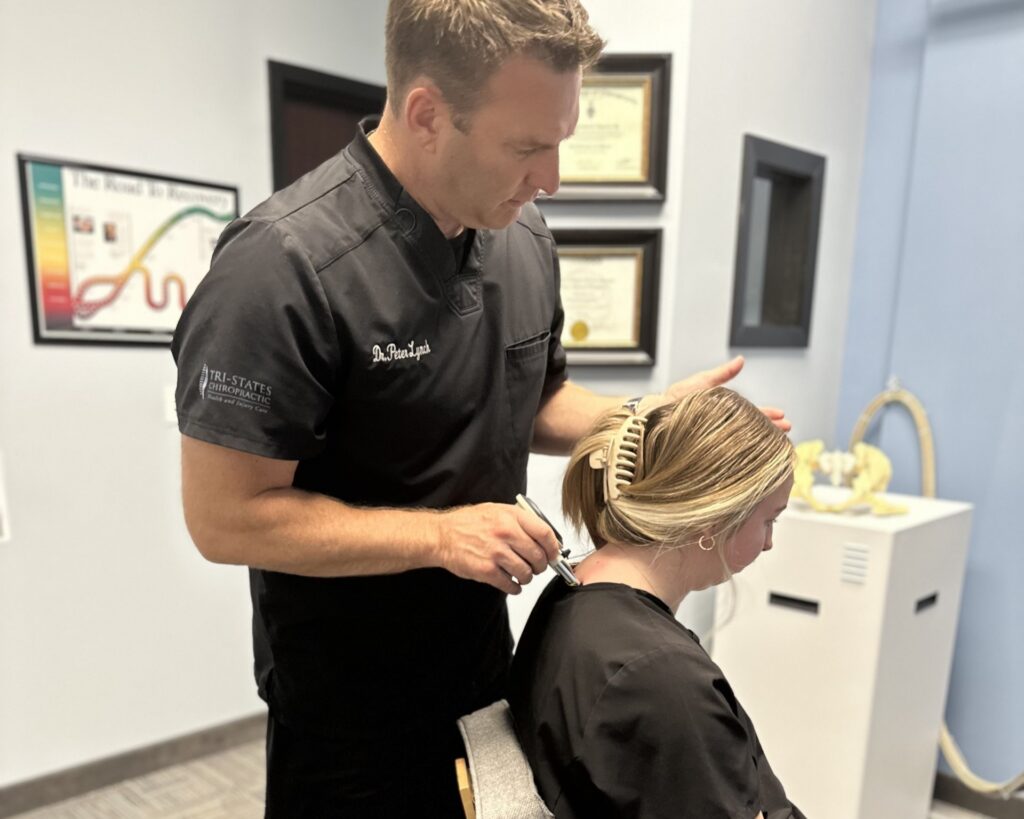
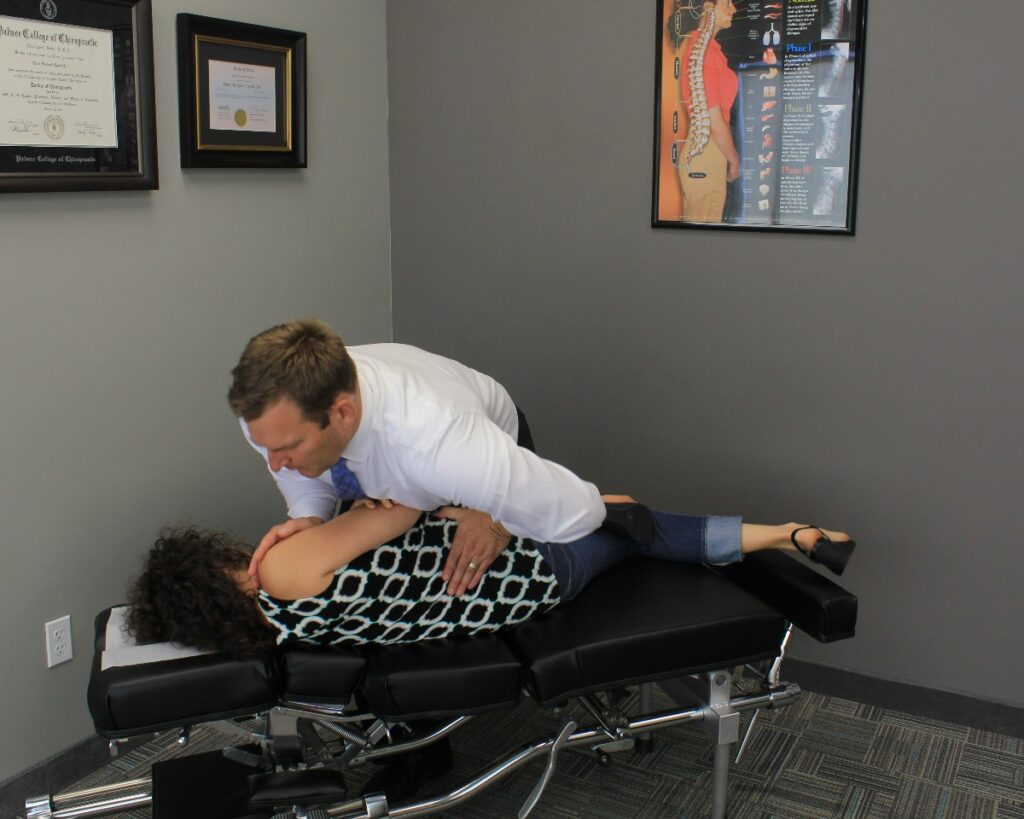
- Regular Chiropractic Care: Chiropractic adjustments can help realign the spine and relieve pressure on nerves, providing effective pain relief without the need for medications or surgeries. Regular visits can also help maintain spinal health and prevent future discomfort.
Understanding the factors that contribute to back pain is key to managing and alleviating it effectively. By incorporating these tips into your daily routine and making chiropractic care a part of your wellness journey, you can take significant steps toward achieving optimal health and enjoying a pain-free life. If you’re experiencing back pain, I encourage you to reach out and explore how chiropractic care can help you regain your comfort and vitality.
Key Takeaways
- Maintaining good posture is essential for spinal health. Slouching or sitting for extended periods can lead to misalignments in your spine, which can cause discomfort and pain. Regular chiropractic adjustments can help correct these misalignments and keep your spine in alignment.
- Strengthening your back muscles is crucial for proper spinal support. Weak muscles may struggle to maintain the right alignment, leading to strain and discomfort. Incorporating simple exercises into your daily routine can help build strength and stability. Your chiropractor can suggest specific exercises tailored to your needs.
- Be mindful of how you lift heavy objects. Overexerting yourself or making sudden movements can strain your muscles and disrupt spinal alignment. Practicing proper lifting techniques and utilizing your legs instead of your back can help prevent injury. Your chiropractor can provide guidance on safe lifting practices.
- If you lead a sedentary lifestyle, consider incorporating more movement into your day. Sitting for long periods increases pressure on your spinal discs and can weaken your muscles, contributing to chronic back pain. Simple activities like stretching, walking, or taking short breaks to move around can make a significant difference. Your chiropractor can recommend specific activities that promote spinal health.
- As we age, our bodies undergo changes that can increase the risk of back pain. Conditions like disc degeneration and osteoporosis can make even minor activities painful. Regular chiropractic care can help maintain your spinal health and address these age-related concerns, allowing you to stay active and pain-free.
Remember, staying proactive about your spinal health is key to preventing pain and enhancing your overall well-being. Regular visits to the chiropractor can help you achieve optimal health naturally.
Poor Posture and Its Impact on the Spine
When you slouch or sit for extended periods, it’s more than just uncomfortable; you’re putting your spine at risk. Poor posture can lead to misalignments that strain your back and neck. Initially, you may not notice any discomfort, but those small shifts in your alignment can build up over time, leading to pain and stiffness. Your spine is designed to support your body through its natural curves, but when you lean forward or hunch over, it struggles to do its job.
Additionally, weak core muscles can worsen the situation, leaving your spine without the necessary support. As you continue to overlook your posture, everyday activities may start to become increasingly painful. This is where chiropractic care can play a crucial role.
By focusing on spinal health, chiropractors can help correct misalignments, alleviate pain, and restore proper function to your body.
Remember, maintaining good posture isn’t just about looking confident; it’s vital for your overall wellness. Here are some practical tips to improve your posture and support your spine:
- Be Mindful of Your Sitting Position: When sitting, keep your back straight, shoulders relaxed, and feet flat on the ground. Consider using a chair that supports your lower back.
- Take Breaks: If you work at a desk, stand up, stretch, or walk around every 30-60 minutes to relieve tension and promote movement.
- Strengthen Your Core: Engage in exercises that strengthen your core muscles, such as planks or bridges, to provide better support for your spine.
- Use Proper Lifting Techniques: When lifting heavy objects, bend at your knees and keep the item close to your body to prevent unnecessary strain on your back.
- Consider Chiropractic Care: Regular chiropractic adjustments can help maintain proper spinal alignment, reduce pain, and improve overall health.
Muscle Strain and Overexertion
Muscle strain and overexertion can creep up on you, often leading to unexpected back pain. Whether you’re lifting heavy objects, engaging in intense workouts, or even performing everyday tasks, your muscles can easily become overwhelmed. When this happens, discomfort can disrupt your daily life and impact your overall well-being.
To help you understand muscle strain and overexertion better, here are some common causes to watch out for:
- Lifting heavy items without using proper technique can put undue stress on your muscles and spine.
- Repetitive movements can lead to fatigue and strain, making your muscles more vulnerable to injury.
- Sudden twists or awkward positions while lifting can cause misalignments in your spine.
- Skipping warm-up routines before exercising can leave your muscles unprepared for physical activity.
- Ignoring your body’s limits during physical activity can lead to overexertion and pain.
Being aware of these factors can help you avoid strain and maintain a healthy back. A key to preventing muscle strain is listening to your body; if you feel discomfort, it’s a sign to take a break or adjust your activity.
Incorporating chiropractic care into your wellness routine can be a powerful way to enhance your overall health. Chiropractic adjustments can help realign your spine, reduce muscle tension, and improve your body’s natural healing abilities.
By focusing on spinal health, you can achieve better balance and function, which is essential for preventing injuries.
Here are some general tips to keep your back healthy and strong:
- Maintain Proper Posture: Whether sitting or standing, good posture supports your spine and reduces strain on your muscles.
- Utilize Proper Lifting Techniques: Bend at your knees and keep the object close to your body when lifting to minimize strain on your back.
- Stay Active: Regular, low-impact exercise can strengthen your muscles and improve flexibility, making you less prone to injury.
- Incorporate Stretching: Simple stretching exercises can reduce muscle tension and increase mobility, helping to prevent injuries before they occur.
- Seek Chiropractic Care: Regular visits to a chiropractor can help you maintain spinal alignment, manage pain, and enhance your body’s natural ability to heal.
Sedentary Lifestyle and Back Pain
If you find yourself spending long hours sitting, you may be experiencing some discomfort in your back. Prolonged sitting not only leads to muscle weakness but also encourages poor posture, both of which can contribute to pain and discomfort. As a local chiropractor, I want to help you understand these consequences and guide you toward natural healing.
Recognizing the effects of a sedentary lifestyle is the first step in addressing your back issues. Here are a few tips to help you alleviate discomfort and promote a healthier lifestyle:
- Take Breaks: Make it a habit to stand up and stretch every 30 minutes. Simple stretches can help relieve tension in your muscles and improve blood circulation.
- Mind Your Posture: Pay attention to how you sit. Keep your back straight, shoulders relaxed, and feet flat on the floor. A supportive chair can also make a significant difference.
- Strengthen Your Core: Engage in exercises that strengthen your core muscles, as a strong core supports your spine and helps maintain good posture.
- Stay Active: Incorporate physical activity into your daily routine. Whether it’s a brisk walk, yoga, or swimming, moving your body regularly can counteract the effects of sitting.
- Consider Chiropractic Care: Regular chiropractic adjustments can help align your spine, reduce pain, and improve your overall well-being. Chiropractic care focuses on natural healing and can be a vital part of maintaining optimal health.
Prolonged Sitting Effects
Prolonged sitting can lead to significant discomfort and pain in your back, and as a chiropractor, I want to emphasize just how important it’s to address these issues for your overall well-being.
When you spend hours hunched over a desk or slouched on the couch, your spine bears the brunt of that pressure. The effects of a sedentary lifestyle can show up in various ways, including:
- Increased pressure on your spinal discs, which can lead to discomfort.
- Tightened hip flexors and hamstrings, making it harder to move freely.
- Poor posture habits that can strain your back over time.
- Reduced blood circulation to your muscles, which can cause fatigue.
- A heightened risk of degenerative conditions that can affect your spine and overall health.
These factors can contribute to chronic back pain, which is why it’s essential to pay attention to your sitting habits.
One of the best ways to alleviate discomfort is through chiropractic care. Regular chiropractic adjustments can help align your spine, reduce tension, and improve your overall function.
Additionally, here are some simple tips you can incorporate into your daily routine:
- Take Movement Breaks: Stand up and move every 30-60 minutes. A quick walk or some light stretching can do wonders for your back.
- Incorporate Stretching: Simple stretches for your back, hips, and legs can help relieve tightness and improve your flexibility.
- Mind Your Posture: Keep your feet flat on the floor, shoulders relaxed, and back straight while sitting. Good posture can significantly reduce strain on your spine.
- Use Ergonomic Furniture: Invest in a chair that supports your lower back and promotes proper alignment. This can make a big difference in your comfort level.
Remember, staying active and aware of your posture is key to preventing back pain related to prolonged sitting.
Muscle Weakness Development
A sedentary lifestyle can gradually weaken the muscles that support your spine, leading to increased back pain. When you spend long hours sitting, your core, back, and hip muscles don’t receive the exercise they need to stay strong. This weakness can make it harder for your spine to maintain proper alignment, which in turn increases your risk of injury. You may find that simple tasks, like bending or lifting, become uncomfortable or strain your body.
Weak muscles can also create imbalances that contribute to pain in other areas, making it essential to take action. One of the best ways to counteract these issues is through chiropractic care. A chiropractor can help assess your spinal alignment and muscle strength, providing personalized adjustments and exercises to support your overall health.
Incorporating regular physical activity into your routine is another excellent way to enhance your well-being. Focus on strengthening exercises for your core and back; these will help support your spine and reduce back pain. Simple activities like walking, stretching, or gentle yoga can make a big difference.
Poor Posture Consequences
Did you know that maintaining good posture is crucial for preventing back pain, especially for those of us who spend a lot of time sitting? When you find yourself slouching or hunching over, it can put unnecessary strain on your spine and muscles, leading to a host of issues.
Here are some common consequences of poor posture:
- Increased tension in back muscles, which can lead to discomfort
- Reduced flexibility and mobility, making it harder to perform daily activities
- Compression of spinal discs, which can cause pain and stiffness
- Poor circulation in the lower body, affecting your overall health
- Heightened risk of injury, especially during physical activities
As a chiropractor, I believe that achieving optimal health starts with proper spinal alignment and awareness of your posture.
Here are some simple tips to help you improve your posture and reduce back pain:
- Mind Your Sitting Position: When sitting, make sure your back is straight and shoulders are relaxed. Use a chair that supports your lower back, and keep your feet flat on the floor.
- Take Frequent Breaks: If you’re at a desk for long periods, take a break every 30 minutes. Stand up, stretch, and walk around to relieve tension in your back.
- Strengthen Your Core: A strong core supports your spine. Incorporate exercises like planks and bridges into your routine to build strength.
- Stay Active: Regular physical activity helps maintain flexibility and promotes good posture. Consider activities such as yoga or swimming, which also enhance core strength.
- Be Mindful of Your Posture: Throughout the day, check in with your posture. Use reminders, like sticky notes or phone alerts, to encourage you to sit or stand up straight.
Chiropractic care can be a fantastic option for addressing posture-related issues. Through gentle adjustments and personalized treatment plans, we can help restore your spine’s natural alignment and promote overall wellness.
If you’re experiencing back pain or discomfort, don’t hesitate to reach out for support. Together, we can work towards a healthier, pain-free life!
Age-Related Changes in the Spine
As we age, our spine can experience several changes that may affect our back health. You might find yourself dealing with issues like disc degeneration, which can lead to discomfort, or osteoporosis, which can increase the likelihood of fractures.
These age-related changes can also lead to shifts in posture, impacting your overall comfort and mobility.
At our chiropractic practice, we believe that maintaining a healthy spine is crucial for overall wellness. Chiropractic care can be an effective solution for alleviating pain and enhancing your quality of life naturally.
Instead of turning to surgeries or medications, consider the benefits of chiropractic adjustments, which aim to restore proper alignment and function to your spine.
Here are a few simple tips to help support your spine as you age:
- Stay Active: Regular, low-impact exercises like walking, swimming, or yoga can strengthen your back muscles and improve flexibility, helping to alleviate pain and prevent further issues.
- Mind Your Posture: Be mindful of how you sit and stand. Good posture can prevent unnecessary strain on your spine. When sitting, use a supportive chair and keep your feet flat on the ground.
- Practice Healthy Lifting: When lifting heavy objects, bend at your knees and keep the item close to your body to avoid straining your back.
- Stay Hydrated: Drinking plenty of water can help keep your discs hydrated and maintain spinal health.
- Regular Chiropractic Visits: Regular check-ups with a chiropractor can help monitor your spine’s health and make adjustments as needed to ensure you stay aligned and pain-free.
By focusing on these practices and incorporating chiropractic care into your routine, you can promote a healthier, more comfortable life as you age.
Disc Degeneration Process
Disc degeneration is a natural process that happens as we age, affecting our spines over time. As we get older, the discs between our vertebrae can lose hydration and elasticity, leading to several changes that may cause discomfort.
Here’s a simple breakdown of what happens during disc degeneration:
- Decreased Disc Height: This means there’s less cushioning between the vertebrae, which can lead to discomfort.
- Loss of Elasticity: Discs become less flexible, making it harder for your spine to move smoothly.
- Tears in the Outer Layer: These can develop and cause pain, making daily activities more challenging.
- Bone Spurs: These may form, which can narrow the spaces in your spine and lead to further discomfort.
- Reduced Shock Absorption: Your discs may not absorb shock as effectively during movement, leading to stiffness.
These changes can result in stiffness and pain, especially when you’re active. Understanding this degeneration process is crucial to managing your symptoms and maintaining a healthy spine as you age.
One of the best ways to support your spinal health is through chiropractic care. Regular adjustments can help keep your spine aligned, improve flexibility, and enhance your body’s natural ability to heal itself.
Here are a few tips to help you manage your spinal health:
- Stay Active: Engage in regular, gentle exercise like walking or swimming to keep your spine healthy.
- Practice Good Posture: Be mindful of how you sit, stand, and move to reduce strain on your spine.
- Listen to Your Body: Pay attention to any discomfort and consult with a chiropractor for personalized advice.
- Stay Hydrated: Drinking plenty of water helps maintain the hydration of your discs.
By focusing on these simple practices and incorporating chiropractic care into your routine, you can ease discomfort and promote overall wellness.
Your spine is essential to your health, so taking proactive steps can make a big difference!
Osteoporosis and Fractures
Osteoporosis is a condition that can significantly weaken your bones, making them more prone to fractures, especially in the spine. As we age, our bone density naturally decreases, leading to brittle bones. This can turn everyday activities—like bending down to pick something up—into potential risks for painful fractures. Often, individuals may not realize they’ve weakened bones until they experience sudden back pain or suffer a serious injury from a simple fall.
As a chiropractor, I want to emphasize the importance of maintaining your bone health and overall wellness. Regular chiropractic adjustments can play a vital role in supporting your spine and enhancing your body’s natural ability to heal. A well-aligned spine helps improve your posture and can alleviate pressure on your bones, reducing the risk of fractures.
In addition to chiropractic care, there are simple and effective steps you can take to strengthen your bones and promote a healthier lifestyle. Here are some tips:
- Stay Active: Engage in regular weight-bearing exercises such as walking, dancing, or resistance training. These activities can help improve bone density while also enhancing your overall mobility.
- Eat a Balanced Diet: Incorporate foods rich in calcium and vitamin D into your meals. Dairy products, leafy greens, and fortified foods are excellent sources. These nutrients are essential for maintaining strong bones.
- Stay Hydrated: Drinking plenty of water is crucial for overall health, including your bone health. Proper hydration supports bodily functions and helps your joints stay lubricated.
- Practice Good Posture: Being mindful of your posture while sitting, standing, or lifting can help prevent undue stress on your spine and reduce the risk of injury.
- Get Regular Check-ups: Routine visits to your chiropractor can help monitor your spine and bone health. Early detection of any issues can lead to better management and prevention strategies.
By prioritizing your bone health through chiropractic care and these simple lifestyle adjustments, you can strengthen your bones and reduce the risk of fractures, leading to a healthier and more active life.
Postural Changes Over Time
As your local chiropractor, I want to share some important insights about how your spine naturally changes over time and how these changes can affect your posture and overall health. Understanding these shifts is essential to maintaining a healthy spine and preventing discomfort or pain.
Here are some common postural changes you might notice as you age:
- Decreased disc height: As we get older, the discs in our spine can lose hydration, which may lead to a reduction in their height. This can affect how your spine aligns and supports your body.
- Loss of bone density: Conditions like osteoporosis can weaken the vertebrae in your spine, leading to compression. This can create imbalances in your posture and contribute to pain.
- Increased curvature: Some individuals may develop conditions like kyphosis, where the spine takes on a hunched appearance. This can affect your overall posture and even your breathing.
- Muscle imbalances: Weak core muscles can play a significant role in poor posture. Strengthening these muscles through targeted exercises can help you maintain a more upright position.
- Joint stiffness: Arthritis can lead to stiffness in your joints, which may limit your mobility and negatively impact your posture when standing or sitting.
Recognizing these changes early allows you to take proactive steps toward improving your spinal health.
One of the best choices you can make for pain relief and overall wellness is to explore chiropractic care. Regular adjustments can help realign your spine, alleviate discomfort, and enhance your body’s natural ability to heal itself.
Here are some simple tips to support your posture and spinal health:
- Stay Active: Engage in regular physical activity to strengthen your core and back muscles.
- Practice Good Posture: Be mindful of your posture when sitting or standing. Keep your shoulders back and your spine straight.
- Stretch Regularly: Incorporate stretching into your daily routine to maintain flexibility in your spine and muscles.
- Use Ergonomic Furniture: If you spend a lot of time sitting, consider using ergonomic chairs and desks that promote good posture.
By taking these small steps and incorporating chiropractic care into your health routine, you can work towards achieving and maintaining optimal spinal health and overall wellness.
Underlying Medical Conditions
When it comes to back pain, it’s essential to understand that underlying medical conditions can significantly impact your comfort. Conditions like arthritis, herniated discs, or spinal stenosis can lead to that persistent ache you’re feeling. If you have osteoporosis, it can increase the risk of fractures in your spine, which may cause severe back problems.
Sometimes, infections or even kidney stones can present as back pain. Your body has a way of communicating with you, and it’s crucial to pay attention to these signals. If you’re experiencing ongoing pain that doesn’t improve, it’s a good idea to seek the expertise of a chiropractor. They can help identify the root causes of your discomfort and guide you toward natural, effective treatments.
Don’t overlook other symptoms, such as numbness, weakness, or issues with bladder control. These can be signs of more serious conditions that deserve attention. By addressing the underlying issues, chiropractic care can lead to better management of your back pain and enhance your overall well-being.
In addition to seeking chiropractic care, consider incorporating some simple lifestyle changes to support your spinal health. Maintain a good posture, engage in regular physical activity, and strengthen your core muscles to provide better support for your spine. Stretching and practicing relaxation techniques can also be beneficial.
Injury and Trauma to the Back
Injuries and trauma to the back can strike unexpectedly, leaving you in discomfort and pain. Often, these incidents arise from accidents, improper lifting techniques, or even sports activities. By understanding the common causes, you can take steps to prevent future injuries and promote a healthier spine. Here are some key factors to keep in mind:
- Falls: Slipping or tripping can lead to serious back injuries. Staying aware of your surroundings and using caution on uneven surfaces can help reduce this risk.
- Lifting Heavy Objects: Improper lifting techniques can strain your back muscles. Remember to lift with your legs, keep the load close to your body, and avoid twisting your back while lifting.
- Car Accidents: The impact from collisions can result in whiplash or spinal injuries. Always wear your seatbelt and maintain a safe distance from other vehicles to help minimize the risk.
- Sports Injuries: Engaging in contact sports or making awkward movements can lead to acute back pain. Make sure to warm up properly, use the right equipment, and listen to your body during physical activities.
- Overexertion: Pushing yourself too hard during workouts can result in muscle strains. Gradually increase your activity levels and ensure you give your body enough time to recover.
Being aware of these risks empowers you to take precautions, such as using proper techniques and strengthening your back muscles through exercises like stretching and core strengthening.
If you do experience back pain, chiropractic care can provide natural relief and support your body’s healing process. A chiropractor can help realign your spine, improve mobility, and alleviate discomfort without the need for medications or surgeries.
By prioritizing your spinal health and incorporating these tips into your daily routine, you can work towards achieving optimal wellness.