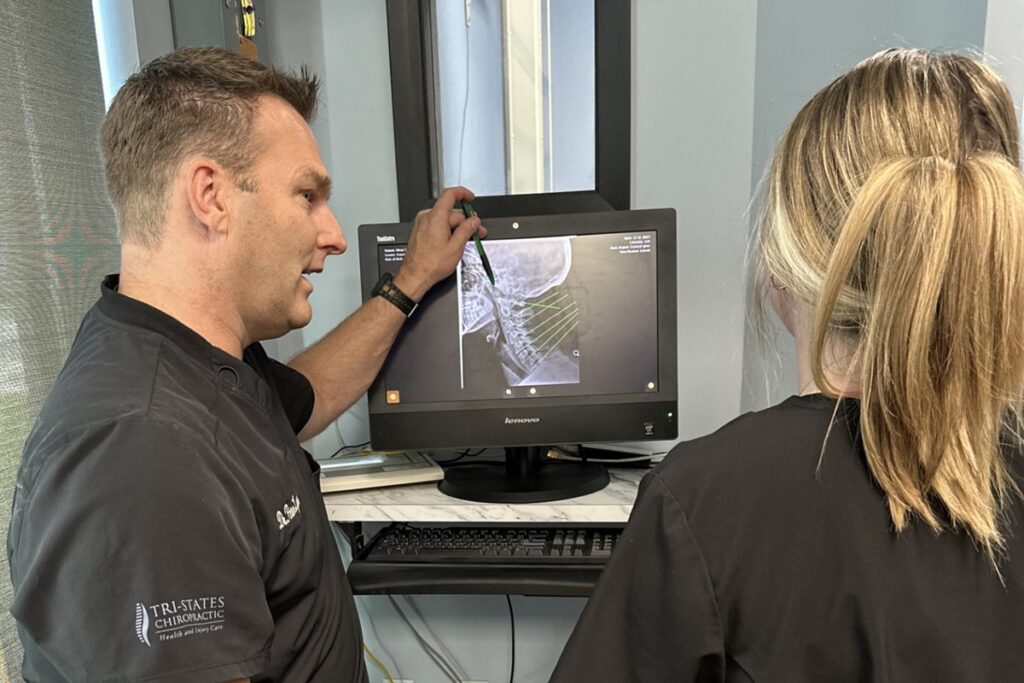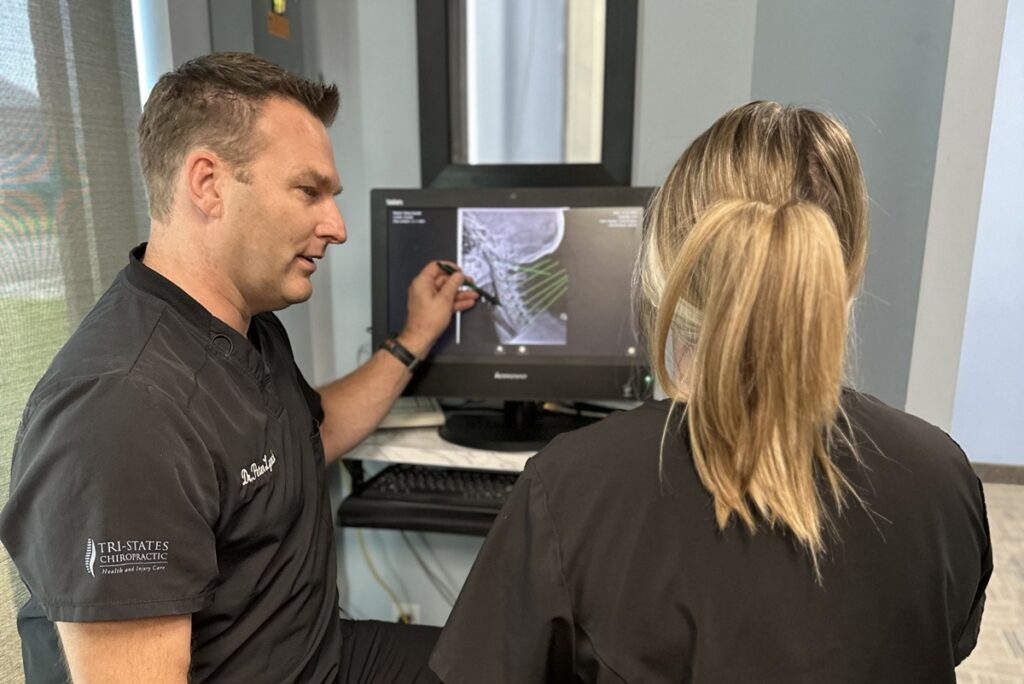
As your local chiropractor, I want to share with you the incredible range of natural remedies available for addressing back pain effectively. Many people are surprised to learn that anti-inflammatory herbs, such as turmeric, and gentle yoga stretches can play a significant role in relieving discomfort. By incorporating these natural solutions into your routine, you can take a more holistic approach to managing your back pain.
But did you know that you can enhance these methods even further with simple lifestyle adjustments and specific techniques? As we work together, I can guide you in exploring these options, helping to redefine your journey toward relief. Embracing chiropractic care alongside these natural remedies can empower you to find the best path to a pain-free life. Let's embark on this journey to wellness together!
Common Causes of Back Pain
Back pain can strike without warning, and it's important to understand the common causes so you can take steps towards relief. As a local chiropractor, I often see patients who are unaware of how everyday habits can impact their spinal health. One prevalent issue is poor posture. Whether you find yourself hunched over a computer or leaning down to check your phone, these positions can put undue stress on your spine, leading to discomfort.
Muscle strain is another frequent culprit. Many people inadvertently lift heavy objects incorrectly or make sudden movements that can stretch their muscles beyond their limits. This strain can lead to inflammation and pain, making even simple tasks seem daunting.
Inactivity is also a significant factor contributing to back pain. A sedentary lifestyle can weaken your back muscles over time, increasing the risk of injury. On the flip side, if you push yourself too hard with intense workouts, you can also strain your back. It's essential to find a healthy balance between activity and rest.
Additionally, underlying medical conditions, such as herniated discs or arthritis, can exacerbate back pain. These conditions often require professional care for effective management, and that's where chiropractic treatment can be beneficial.
Stress is another aspect that many overlook. When you're feeling anxious, your body tends to tense up, which can lead to discomfort in your back. Addressing stress through relaxation techniques or chiropractic adjustments can help ease this tension.
Lastly, age plays a role in back health. As we grow older, our spines naturally undergo wear and tear, which can lead to chronic pain.
Understanding these common causes is the first step towards finding a solution that suits you. By recognizing what might be contributing to your discomfort, you can take proactive measures, including chiropractic care, to alleviate it and improve your overall well-being.
Gentle Stretches for Relief
As a local chiropractor, I understand that many of you may be searching for effective ways to alleviate back pain. One of the most beneficial approaches is incorporating gentle stretches into your daily routine. These stretches not only help to ease tension but also improve flexibility and strengthen the muscles surrounding your spine. You don't have to be experienced in yoga; just a few simple movements can lead to significant improvements in how you feel.
Let's start with a fundamental stretch known as the Cat-Cow stretch. Begin on all fours, ensuring your wrists are directly under your shoulders and your knees are positioned below your hips. As you inhale, arch your back, lifting your head and tailbone upward (this is the Cow position). Then, as you exhale, round your spine, tucking your chin and pelvis (this is the Cat position). Repeat this fluid motion for about one minute, allowing your breath to guide each movement.
Next, I recommend trying a seated forward bend. Sit with your legs extended straight in front of you. Take a deep breath in, and as you exhale, hinge at your hips and reach toward your toes. It's perfectly fine if you can't touch them; focus on feeling the stretch in your lower back and hamstrings. Hold this position for 15-30 seconds while continuing to breathe deeply.
Another beneficial stretch to consider is the child's pose. Kneel on the ground, then gently sit back on your heels and extend your arms forward, resting them on the floor. This position effectively lengthens your spine and helps to relax those tight back muscles.
Finally, let's incorporate a gentle twist into your routine. Sit cross-legged, place your right hand on your left knee, and gently twist your torso to the left. Hold this position for a few breaths before switching sides.
By consistently practicing these simple stretches, you can find much-needed relief from back pain while enhancing your overall well-being.
Herbal Remedies to Consider
As a local chiropractor, I often see patients seeking relief from back pain, and I want to share some effective herbal remedies that you might consider. These natural options have gained popularity for their potential to alleviate discomfort.
Let's explore these remedies, along with some practical methods for their application, to help you make informed choices for your back health.
Herbal remedies can complement chiropractic care, providing a holistic approach to healing. By understanding the benefits and uses of these natural options, you can enhance your recovery process and support your overall wellness.
Whether you prefer topical applications, teas, or supplements, I'm here to guide you through how to incorporate these remedies safely and effectively into your routine.
Popular Herbal Options
As a local chiropractor, I often emphasize the importance of natural healing approaches for alleviating discomfort, such as back pain.
If you're unfamiliar with chiropractic care and the benefits of herbal remedies, I'd like to introduce you to some popular herbal options that may help relieve your pain.
- Turmeric: This vibrant spice is renowned for its anti-inflammatory properties, thanks to its active compound, curcumin. Many of my patients find that incorporating turmeric into their meals or taking it as a supplement can help reduce swelling and alleviate pain in their backs.
- Ginger: Not only is ginger excellent for digestive health, but it also boasts impressive anti-inflammatory effects. I often recommend ginger tea or the addition of fresh ginger to your diet. Many patients report that it helps ease their back pain naturally.
- Willow Bark: Commonly referred to as nature's aspirin, willow bark has a long history of use for pain relief. Its active ingredient, salicin, can be effective in reducing inflammation and providing comfort from back pain.
As you explore these herbal remedies, I encourage you to consult with a healthcare professional, especially if you're currently taking other medications.
By considering these natural options alongside your chiropractic care, you may discover effective ways to ease your back pain and enhance your overall comfort.
Application Methods Explained
As a local chiropractor, I want to share some valuable insights on how to effectively use herbal remedies to help relieve back pain. Understanding these methods can greatly enhance your healing journey alongside chiropractic care.
Let's start with topical applications. Using salves or oils infused with powerful herbs like arnica, ginger, or cayenne can be particularly beneficial. Simply massage a small amount into the areas where you feel discomfort. This allows your body to absorb the natural healing properties directly where you need them most.
Next, consider incorporating herbal teas or tinctures into your daily routine. For example, sipping on chamomile or turmeric tea can help reduce inflammation and promote relaxation, which is crucial for recovery. Aim to brew a fresh cup daily for optimal benefits. If tinctures are more your style, just be sure to follow the recommended dosage on the label and mix it into a glass of water or juice.
Another effective method is using a warm compress infused with essential oils. Eucalyptus or lavender oil can be particularly soothing for tense muscles. Just apply a cloth infused with these oils to your back for about 20 minutes to help alleviate discomfort.
It's important to remember to always consult with a healthcare professional, like myself, before starting any new herbal regimen, especially if you're currently taking medication.
By combining these natural application methods with chiropractic care, you're more likely to tap into the full potential of herbal remedies in managing your back pain. Embracing these holistic solutions can lead to significant relief without the unwanted side effects often associated with conventional medications.
Let's work together on your path to wellness!
Essential Oils for Back Pain
As a local chiropractor dedicated to helping my patients find relief from back pain, I believe in exploring natural remedies that can complement our chiropractic treatments. One such remedy that has gained popularity is essential oils. These powerful plant extracts can offer significant relief thanks to their anti-inflammatory and analgesic properties.
By incorporating the right essential oils into your wellness routine, you may discover a newfound sense of comfort.
Here are three essential oils that I recommend for easing back pain:
- Peppermint Oil: This oil is renowned for its cooling effect, which can enhance blood circulation and alleviate discomfort. I suggest mixing a few drops of peppermint oil with a carrier oil, such as coconut oil, and gently massaging it into the affected area. This can be a great addition to your self-care regimen.
- Lavender Oil: Known for its calming effects, lavender oil also possesses anti-inflammatory properties. Inhaling the soothing scent of lavender or incorporating it into a massage can help release tension and promote relaxation. This is particularly beneficial for those experiencing stress-related back pain.
- Eucalyptus Oil: Eucalyptus oil is excellent for relieving muscle tension, making it a suitable choice for back pain. When diluted in a carrier oil and applied to your back, it can provide a warming sensation that eases discomfort.
For optimal results, consider blending these oils to create a personalized mixture tailored to your needs.
Always remember to perform a patch test before applying any new oil to your skin, and don't hesitate to reach out to me or another healthcare professional if your pain continues.
Embracing the benefits of essential oils alongside chiropractic care could greatly enhance your journey toward relief from back pain!
The Benefits of Yoga
As a local Chiropractor, I want to introduce you to the incredible benefits of yoga, especially for those dealing with back pain.
Incorporating yoga into your daily routine can significantly improve your flexibility and strength, which are key components in alleviating discomfort in your back.
Moreover, yoga is an excellent tool for stress relief and relaxation—two essential elements for maintaining your overall health.
By combining chiropractic care with yoga practices, you can adopt a holistic approach to not only manage but also prevent back issues.
This synergy between chiropractic adjustments and mindful movement can lead to a more balanced and pain-free life.
Improved Flexibility and Strength
As a local chiropractor, I often emphasize the importance of holistic approaches to improving flexibility and strength, particularly for those suffering from back pain.
One practice that has consistently shown remarkable benefits is yoga. By integrating yoga into your routine, you can enhance your physical capabilities and find relief from discomfort.
Here are three key benefits to consider:
- Increased Flexibility: Engaging in regular yoga practice helps to loosen your muscles and joints, ultimately reducing stiffness in your back. With improved flexibility, you'll notice that everyday activities become much easier and more pain-free.
- Enhanced Core Strength: Many yoga poses specifically target the core muscles, which are crucial for providing a stable foundation for your spine. A strong core supports your back and significantly lowers the risk of injury and pain.
- Improved Posture: Yoga promotes a heightened awareness of body alignment. By focusing on maintaining good posture, you can alleviate strain on your back muscles and prevent future discomfort.
Incorporating yoga into your lifestyle goes beyond just promoting physical wellness; it empowers you to manage and prevent back pain effectively.
If you're looking for a natural way to enhance your health, I encourage you to roll out your mat and start experiencing the transformative effects of yoga today!
Stress Relief and Relaxation
As a chiropractor, I want to share with you an effective approach to managing stress and enhancing relaxation through holistic practices like yoga. When you engage in yoga, you're not just performing physical postures; you're also creating a dedicated space away from the hustle and bustle of daily life. This practice allows you to disconnect from your stressors and reconnect with your body.
Yoga incorporates mindful breathing, movement, and meditation, all of which can significantly help in releasing tension that contributes to discomfort and pain, especially in the back. As you move through various poses, you may notice that your body begins to unwind, alleviating tightness and promoting flexibility. Each stretch can stimulate the release of endorphins—your body's natural painkillers and stress relievers—leading to an enhanced sense of well-being.
When you focus on your breath during yoga, it helps quiet your mind, making it easier to let go of the anxieties that accumulate throughout your day. Regularly practicing yoga can't only improve your physical health but also build resilience against stress, which is vital for maintaining a healthy spine and overall wellness.
Whether you choose a gentle restorative class or a more dynamic vinyasa flow, there's a yoga style that can complement your chiropractic care. Incorporating yoga into your routine isn't just about physical benefits; it's a comprehensive approach to achieving balance and relaxation amidst a busy lifestyle.
Acupressure Techniques Explained
As a local chiropractor, I want to share some insights into how acupressure techniques can serve as a natural and effective approach to alleviating back pain. This method targets specific pressure points throughout the body, helping to release muscle tension, enhance circulation, and promote relaxation—all without the need for special equipment.
Here's how you can incorporate acupressure into your self-care routine:
- Identify Key Pressure Points: Start by locating some essential pressure points. One significant point is situated between your spine and shoulder blade, roughly halfway down your back. Another important area is just below your lower back, where you may often feel tightness. Additionally, there's a point on the inside of your wrist, about two finger widths from the crease.
- Applying Pressure: Use your thumb or fingers to apply steady, gentle pressure on these identified points. Hold this pressure for about 30 seconds to a minute while taking deep breaths. You should feel a mild discomfort, but be careful not to push to the point of pain.
- Evaluate and Repeat: After releasing the pressure, take a moment to assess how your back feels. You may notice a decrease in tension or discomfort. If you experience relief, consider repeating this practice several times a week or whenever you feel the need for some additional support.
Integrating acupressure techniques into your routine can empower you to manage back pain naturally. With consistency, you'll become more aware of your body's signals and learn effective ways to alleviate discomfort.
Lifestyle Changes for Prevention
As a local chiropractor, I want to emphasize that preventing back pain is often about making intentional lifestyle changes that can significantly improve your overall health. One of the first steps is to prioritize your posture throughout the day. Whether you're at your desk or standing, maintaining proper spinal alignment can alleviate strain on your back.
Investing in an ergonomic chair is a great start, but don't forget to take regular breaks to stretch and move around; your back will definitely appreciate it!
Incorporating regular exercise into your routine is also crucial. I recommend a balanced mix of strength training, flexibility exercises, and aerobic activities. Strengthening your core muscles is particularly important, as they provide essential support for your spine.
Even simple activities like walking can work wonders for your back health.
Next, let's talk about your sleeping habits. It's essential to ensure that your mattress offers the right support for your body. I often recommend sleeping on your side with a pillow between your knees, as this can help maintain proper spinal alignment.
Good sleep hygiene isn't just about quantity of sleep, but also about quality, which can significantly enhance your recovery and reduce pain.
Don't overlook the importance of nutrition in this equation. Eating a balanced diet rich in anti-inflammatory foods—like colorful fruits, vegetables, and whole grains—can help you maintain a healthy weight, which in turn reduces pressure on your back.
Staying hydrated is another key factor; it keeps your muscles and joints functioning optimally.
Lastly, effective stress management is vital. High stress levels can lead to muscle tension, exacerbating pain. I encourage you to integrate relaxation techniques into your daily routine, such as mindfulness, yoga, or deep breathing exercises.
By making these lifestyle adjustments, you can lay a solid foundation for preventing back pain while also enhancing your overall well-being.
Conclusion
As your local chiropractor, I want to share how incorporating nature's remedies and practices into your daily routine can significantly alleviate back pain and enhance your overall well-being. By embracing gentle stretches, exploring herbal solutions, and engaging in mindful activities such as yoga, you're taking important steps toward achieving a healthier back.
It's essential to remember that small lifestyle changes can lead to substantial improvements in preventing future discomfort. Natural approaches to back pain management not only promote healing but also empower you to take control of your health. So, I encourage you to give these methods a try. Together, we can work towards saying goodbye to back pain for good. Your body will truly appreciate the care you invest in it!