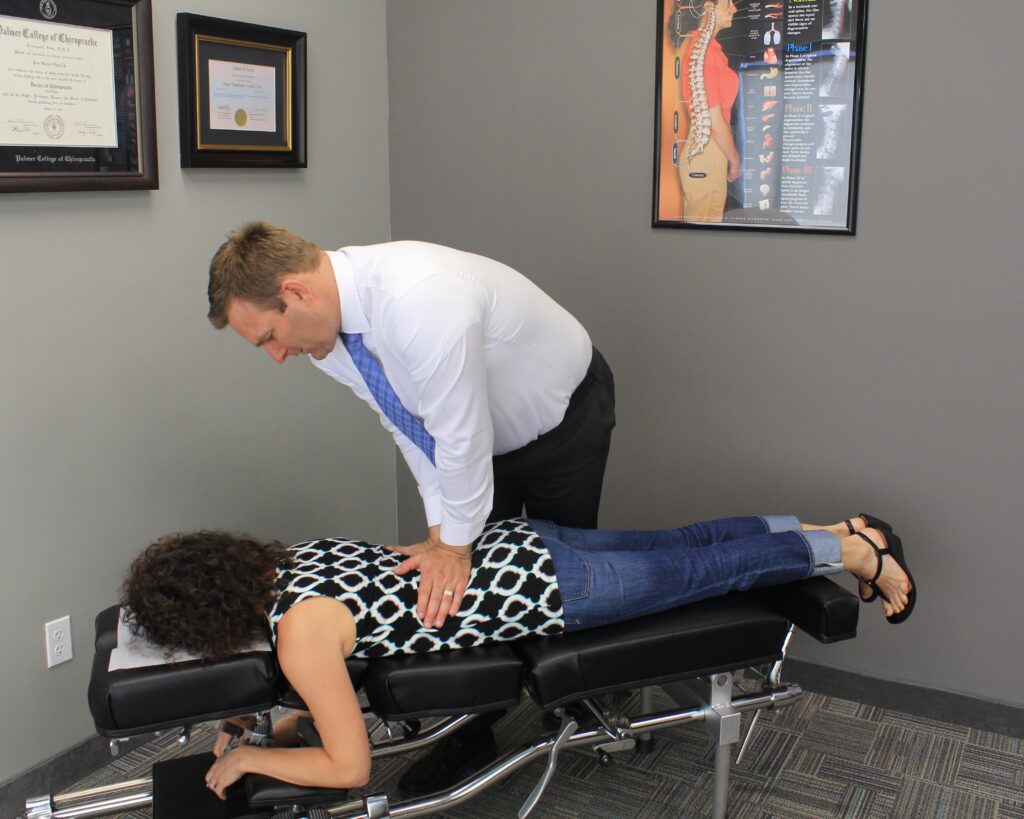
If you are experiencing chronic back pain, you may feel as though you've exhausted every option available without finding lasting relief. As a local chiropractor, I want to emphasize that a holistic approach can significantly enhance your journey toward comfort. It starts with an accurate diagnosis, followed by personalized treatment plans that cater to your unique needs.
In addition to chiropractic adjustments, incorporating lifestyle modifications can play a vital role in your recovery. But what if I told you that the key to alleviating your pain might also lie in your mindset? Understanding how you perceive and approach your pain can lead to transformative insights. By exploring various natural healing options, we can work together to find the strategies that resonate with you and ultimately lead to the relief you seek. Embracing this journey not only addresses your physical discomfort but also empowers you to take charge of your health and well-being.
Understanding Chronic Back Pain
As a local chiropractor, I want to help you understand chronic back pain and empower you to find effective relief through natural healing methods. Chronic back pain is more than just a fleeting discomfort; it persists for over three months and can profoundly impact your daily life and overall well-being. It's important to realize that this type of pain is a multifaceted condition influenced by various elements.
Many patients express feelings of frustration and helplessness due to the emotional weight that chronic pain can carry, often leading to anxiety or depression. Acknowledging this connection is crucial, as it allows us to address not only the physical symptoms but also the mental aspects of your experience. Factors such as ongoing stress, poor posture, and previous injuries that didn't heal properly can contribute to your pain. By identifying these underlying causes, we can work together to create a proactive plan for improvement.
Another key point to understand is that chronic back pain can vary in intensity. Some days you may feel almost pain-free, while on others, it can be quite debilitating. This fluctuation can be disheartening, but it's essential to recognize that this inconsistency is a characteristic of the condition. Understanding this can help you mentally prepare for the ups and downs that come with chronic pain.
Furthermore, it's vital to know that pain doesn't always equate to damage in your back. Just because you're experiencing discomfort doesn't mean you're causing harm. This perspective shift can be liberating and encourage you to engage in activities you love without the fear of exacerbating your pain. Embracing this understanding is the first step toward developing a personalized approach to managing your chronic back pain effectively.
As your chiropractor, I'm here to guide you on this journey toward healing and improved quality of life, utilizing natural methods that support your body's ability to heal itself. Together, we can navigate this path and find the relief you deserve.
Common Causes of Back Pain
As a local chiropractor, I want to help you understand some of the most common causes of back pain, which often include muscular strain and poor posture.
Many of you may not be aware of how your everyday habits and the ergonomics of your workspace can lead to discomfort in your back. By recognizing these underlying issues, you can take the first step toward achieving effective relief.
Chiropractic care focuses on natural healing and alignment, and I'm here to guide you on this journey to better health.
Let's explore how we can work together to alleviate your back pain and improve your overall well-being.
Muscular Strain and Injuries
As a local chiropractor, I want to help you understand the importance of taking care of your back to prevent muscular strain and injuries. Many people experience back pain due to improper lifting techniques or sudden, awkward movements. This type of strain can affect anyone, regardless of age or fitness level, leading to discomfort that can impact your daily life.
You may notice symptoms like sharp pain, stiffness, or even muscle spasms that limit your mobility. Everyday activities can contribute to these injuries, such as lifting grocery bags, bending down to tie your shoes, or twisting your body unexpectedly.
Even repetitive actions—including sitting or standing for prolonged periods—can weaken your back muscles over time. When these muscles become fatigued, they're more prone to injury.
To protect your back, it's crucial to use proper lifting techniques: always bend your knees, keep your back straight, and use your legs to lift. Additionally, warming up before physical activity is essential, as is listening to your body's signals of discomfort.
By being mindful of your movements and taking preventive measures, you can significantly reduce the risk of muscular strain.
At my practice, I focus on natural healing approaches that can help restore balance and function to your body. If you have questions about how chiropractic care can support your back health, I'm here to guide you on your journey to a healthier spine!
Posture and Ergonomics Issues
As a chiropractor, I want to help you understand how poor posture and improper ergonomics can significantly impact your back health. If you spend long hours sitting at a desk or using a computer, it's crucial to be aware of how your posture affects your spine. When you slouch or hunch over, you place unnecessary strain on your spine, leading to discomfort and stiffness over time.
One of the key principles I emphasize is maintaining a neutral spine position while seated. Make sure your chair is adjusted so that your feet rest flat on the floor and your knees are at a right angle. This simple adjustment can make a big difference in how your back feels throughout the day.
Additionally, pay attention to your computer screen. It should be at eye level to prevent you from craning your neck. If you frequently find yourself looking down or tilting your head, you're likely to experience tension in your upper back and neck.
Consider using a chair with good lumbar support, which will help maintain the natural curve of your lower back and promote better posture.
Don't forget the importance of taking regular breaks. I recommend standing up, stretching, or walking around for a few minutes every hour. This can help relieve tension that builds up in your muscles.
You might also want to explore ergonomic accessories, such as keyboard trays or specially designed chairs, to further support your posture.
By incorporating these adjustments into your daily routine, you can significantly reduce your risk of chronic back pain and enhance your overall comfort while working.
Importance of Diagnosis
As a local chiropractor, I want to emphasize how crucial it's to receive a proper diagnosis if you're experiencing chronic back pain. Many people make the mistake of only treating the symptoms, which often leads to ineffective remedies and ongoing discomfort.
It's important to recognize that back pain can arise from a variety of sources—be it muscular, structural, or even neurological. By identifying the precise cause of your pain, we can create a personalized treatment plan that addresses your specific needs.
When you come in for a consultation, I'll conduct a thorough evaluation that may include a physical examination and, if necessary, recommend imaging tests like X-rays or MRIs. This process isn't just about pinpointing where it hurts; it's also about uncovering any underlying conditions that could be contributing to your discomfort.
For example, issues such as herniated discs, sciatica, or spinal stenosis require very different approaches than a simple muscle strain.
An accurate diagnosis allows you to take charge of your healing journey. With a clear understanding of your condition, we can explore various treatment options together—ranging from chiropractic adjustments and physical therapy to holistic approaches that may suit your lifestyle better.
Furthermore, understanding your diagnosis can help you avoid unnecessary treatments that could aggravate your condition or lead to additional complications.
In short, the significance of an accurate diagnosis can't be overstated. It serves as the foundation for your path to relief and helps restore your quality of life.
Effective Lifestyle Changes
As your local chiropractor, I want to share with you how making effective lifestyle changes can significantly alleviate your chronic back pain.
Simple adjustments, such as engaging in a regular exercise routine, setting up ergonomic workspaces, and maintaining a healthy weight, can play a crucial role in your journey toward relief.
Let's dive deeper into how these changes can positively impact your daily life and overall well-being.
By incorporating physical activity tailored to your needs, you can strengthen your back and improve flexibility.
Creating an ergonomic workspace helps reduce strain on your spine during long hours of sitting or working.
Additionally, managing your weight can lessen the pressure on your back, leading to less discomfort.
Through chiropractic care, we focus on natural healing and support your body's ability to heal itself.
Together, we can explore these lifestyle adjustments and develop a plan that aligns with your health goals.
Regular Exercise Routine
As a local chiropractor, I want to emphasize the significant benefits of incorporating a regular exercise routine into your life, especially if you're experiencing chronic back pain. Engaging in physical activity can be a powerful complement to chiropractic care. It helps to strengthen the muscles that support your spine, which can improve your posture and alleviate discomfort.
When starting your exercise journey, I recommend beginning with low-impact activities, such as walking, swimming, or cycling. These exercises are gentle on your joints while still providing essential cardiovascular benefits.
In addition to aerobic activity, it's crucial to include flexibility and stretching exercises in your routine. These can enhance your range of motion and relieve tension in your back. Consider exploring yoga and Pilates, as both focus on core strength and stability, which are vital for maintaining a healthy back.
The general guideline is to aim for at least 150 minutes of moderate aerobic activity each week, paired with muscle-strengthening exercises on two or more days. However, it's essential to listen to your body; if you feel pain during an activity, it's important to stop and reassess.
Gradually increasing the intensity and duration of your workouts can help prevent injuries. Consistency is key. Even small amounts of exercise can lead to significant improvements in your overall well-being.
Ergonomic Workspaces Importance
As a local chiropractor, I want to emphasize the importance of creating an ergonomic workspace to help alleviate strain on your back and enhance your comfort throughout your workday.
Many of my patients are unaware of how their workspace can impact their overall health, so let's explore a few essential adjustments that can support your body and encourage better posture.
1. Chair Selection: It's crucial to choose a chair that provides adequate lumbar support, aligning with the natural curve of your lower back.
When seated, your feet should rest flat on the floor, and your knees should form a 90-degree angle. This will help maintain the natural alignment of your spine.
2. Desk Height: The height of your desk plays a significant role in your posture.
Ideally, your desk should allow your elbows to be at a 90-degree angle while typing. This will help prevent unnecessary strain on your shoulders and wrists, reducing the risk of developing discomfort or pain.
3. Monitor Position: Your monitor's position is another key component of an ergonomic workspace.
It should be at eye level and about an arm's length away from you. This positioning allows you to keep your neck in a neutral position, minimizing tension and discomfort.
By incorporating these adjustments into your workspace, you can significantly reduce back pain and improve your productivity and focus.
As your chiropractor, I encourage you to make these changes today. You may be surprised at how quickly you feel the benefits in your body and overall well-being!
Healthy Weight Management
As a local chiropractor, I want to emphasize the importance of healthy weight management for your overall wellness, especially when it comes to preventing chronic back pain. Excess weight can place unnecessary stress on your spine and muscles, leading to discomfort and even potential injuries. By effectively managing your weight, you can relieve some of that strain and significantly improve your back health.
To achieve and maintain a healthy weight, it's crucial to focus on a balanced diet. Incorporate a variety of fruits, vegetables, lean proteins, and whole grains into your meals. Steer clear of processed foods that are high in sugars and unhealthy fats, as these can lead to weight gain and increase inflammation in the body.
Pay attention to portion sizes; listen to your body's hunger signals, and practice mindful eating.
Regular physical activity is equally important in your weight management journey. I recommend aiming for at least 150 minutes of moderate exercise each week. This should include a mix of cardiovascular workouts, strength training, and flexibility exercises.
Activities such as walking, swimming, or yoga not only enhance your overall fitness but also strengthen the muscles that support your spine, contributing to better alignment and function.
Remember, chiropractic care can also play a supportive role in your journey toward a healthier weight and reduced back pain. By addressing any spinal misalignments and improving your overall posture, we can help you move more efficiently and with less discomfort.
Together, we can develop a comprehensive approach to your health that includes proper nutrition, exercise, and chiropractic care.
Physical Therapy Options
Understanding chiropractic care can be a transformative step in managing chronic back pain. Many individuals find that a holistic approach, which includes tailored exercises and professional guidance, significantly enhances their overall well-being.
A knowledgeable chiropractor can evaluate your unique situation and create a personalized care plan that may incorporate various techniques to alleviate pain and restore function naturally.
Here are three chiropractic care options you might consider:
1. Therapeutic Adjustments: These adjustments focus on realigning the spine and optimizing the nervous system's function. By correcting misalignments, we can help strengthen your core and back muscles, leading to improved stability and reduced pain.
Through gentle manipulations, your chiropractor will guide you toward better posture and overall spinal health.
2. Soft Tissue Therapy: This hands-on method includes techniques such as myofascial release and trigger point therapy, where your chiropractor uses their hands to alleviate tension in your muscles and soft tissues.
This approach can enhance circulation, relieve tightness, and improve mobility, making it an essential part of your healing process.
3. Physical Modalities: In addition to adjustments, your chiropractor may use techniques like heat therapy, cold therapy, or electrical stimulation to help manage pain and inflammation.
These modalities can offer immediate relief and work in conjunction with your chiropractic adjustments to support your recovery journey.
Alternative Treatments Available
As a local chiropractor, I want to share with you some valuable insights into managing chronic back pain through natural healing options. While chiropractic care is a fantastic way to address pain and promote overall wellness, there are several alternative treatments that may complement your journey toward relief.
One popular method is acupuncture. This ancient practice involves stimulating specific points on the body to alleviate pain. By encouraging the release of endorphins—your body's natural painkillers—acupuncture can enhance your energy flow and contribute to a sense of well-being.
Another effective treatment is massage therapy. Regular massages can significantly reduce muscle tension, improve blood circulation, and promote relaxation. A skilled massage therapist can focus on your particular areas of discomfort, helping to relieve pain and enhance your overall physical condition.
If you're interested in a holistic approach, consider herbal remedies. Herbs like turmeric and ginger are well-known for their anti-inflammatory properties. You can incorporate these into your diet or take them as supplements, but it's crucial to consult with a healthcare professional before beginning any new supplement regimen.
Additionally, practices like yoga and Pilates can be incredibly beneficial. These exercises focus on enhancing flexibility, building strength, and promoting proper alignment, all of which are essential for managing chronic back pain. You'll find that not only will your physical health improve, but these practices also help foster a stronger connection between your mind and body.
Lastly, biofeedback therapy is another option that some individuals find helpful. This technique teaches you how to monitor and control physiological functions, such as muscle tension, which can empower you to manage your pain more effectively.
Mindfulness and Relaxation Techniques
As a local chiropractor, I want to share how integrating mindfulness and relaxation techniques can significantly aid in managing chronic back pain.
Many patients are unaware that practices such as breathing exercises, guided imagery, and meditation can play a vital role in alleviating discomfort. Not only do these methods help reduce stress levels, but they also complement the chiropractic adjustments you receive, enhancing your overall pain relief.
Breathing Exercises Benefits
As a local chiropractor, I often see patients who struggle with chronic back pain and may not realize just how much their breathing can impact their discomfort. Many people experience shallow and rapid breathing when in pain, which can actually exacerbate their symptoms.
That's where breathing exercises come into play. They can be a game-changer in managing your pain and overall well-being. Here's how incorporating these exercises into your routine can benefit you:
- Reduces Stress: Engaging in deep, mindful breathing activates your body's natural relaxation response. This can significantly lower stress levels, helping you to feel more at ease during those painful moments.
- Enhances Oxygen Flow: Utilizing proper breathing techniques can increase the flow of oxygen to your muscles and tissues. This is crucial for alleviating tension and promoting healing in your back, which is essential for anyone dealing with chronic pain.
- Improves Focus: By directing your attention to your breath, you can create a mental shift that takes your mind off the pain. This practice can enhance your mental clarity and emotional stability, making it easier to cope with discomfort.
Incorporating breathing exercises into your daily routine can lead to significant improvements in how you manage your chronic back pain.
Simple techniques like diaphragmatic breathing or box breathing can empower you to find relief and enhance your overall health.
Guided Imagery Practices
As a local chiropractor, I want to share with you an effective tool for managing chronic back pain: guided imagery practices. This technique harnesses the power of mindfulness and relaxation to help alleviate discomfort. By concentrating on soothing mental images, you can create a mental sanctuary that diminishes tension and fosters relaxation throughout your body. Imagine a tranquil beach or a serene forest; as you visualize these environments, allow yourself to become fully engaged with the sensations they bring.
To begin your journey with guided imagery, find a quiet spot where you can focus without interruptions. Close your eyes and take several deep breaths to ground yourself. Once you feel a sense of calm, start to conjure up a scene that brings you joy and comfort. As you immerse yourself in this visualization, pay attention to the intricate details—the sounds of the waves, the scent of pine trees, the vibrant colors around you. This practice helps redirect your attention away from pain and cultivates a feeling of well-being.
Incorporating guided imagery into your daily routine can significantly enhance its benefits. Just a few minutes each day spent on this technique can lead to noticeable improvements in your back pain. Keep in mind that the more you practice, the easier it will be to tap into this state of tranquility.
Ultimately, this can empower you to regain control over your body and improve your overall quality of life. Remember, as your chiropractor, I'm here to support you with natural healing methods like this that can complement your chiropractic care.
Meditation for Pain Relief
As a local chiropractor, I understand the difficulties that come with managing chronic back pain. One effective approach that I encourage my patients to consider is meditation. Incorporating mindfulness and relaxation techniques into your daily routine can be a valuable addition to your pain relief strategy.
Here are three key benefits of meditation that can help you on your journey:
- Reduces Stress: Chronic pain often leads to increased stress, which can further intensify your discomfort. Meditation is a powerful tool for lowering stress levels. By calming your mind and body, you can create a more relaxed state that helps alleviate pain.
- Enhances Mind-Body Connection: When you practice meditation regularly, you develop a deeper awareness of your body and its sensations. This heightened mindfulness allows you to recognize areas of tension and consciously release them, which can lead to improved pain management.
- Promotes Emotional Well-Being: Meditation also has a positive impact on your emotional state. By fostering a sense of peace and boosting your mood, you may find it easier to cope with the physical challenges of your pain. A balanced emotional state can make a significant difference in how you experience discomfort.
I recommend starting with just a few minutes of meditation each day and gradually increasing the duration as you become more comfortable. Consistency is essential for reaping the benefits.
Role of Nutrition in Pain Relief
As a local chiropractor, I want to share with you how crucial nutrition can be in managing chronic back pain. Many people may not realize that what you eat plays a significant role in inflammation levels and overall health, which can directly affect your pain experience. By making mindful dietary choices, you can take an active role in reducing inflammation, a common contributor to back pain.
To start, consider incorporating more anti-inflammatory foods into your diet. This means adding plenty of fruits and vegetables to your meals, especially those rich in antioxidants like berries, leafy greens, and tomatoes. These foods can help combat inflammation naturally.
Additionally, omega-3 fatty acids are your friends when it comes to reducing inflammation. You can find these beneficial fats in fatty fish such as salmon, as well as in walnuts and flaxseed. If you're currently consuming saturated fats from red meats or full-fat dairy, try switching to healthier options like olive oil or avocados. Not only will these choices support your heart health, but they may also help alleviate your back pain.
Don't underestimate the power of hydration! Keeping your body hydrated is essential for maintaining the health of your spinal discs and can help prevent stiffness and discomfort. Aim to drink at least eight glasses of water each day.
I also encourage you to be mindful of processed foods, sugars, and trans fats, as these can promote inflammation and exacerbate pain. Instead, focus on whole foods that nourish your body and support healing.
Lastly, it's important to consider your weight. Carrying excess weight can put added strain on your back, so maintaining a healthy weight is crucial for relieving pressure and discomfort.
Exercise and Strengthening Programs
As a local chiropractor, I want to emphasize the importance of exercise and strengthening programs in managing chronic back pain, alongside mindful nutritional choices. Regular physical activity not only helps reduce pain but also strengthens the muscles that support your spine, which can lead to long-term relief.
Here are some strategies to get you started on your journey to better back health:
- Prioritize Core Strength: Your core muscles are essential for stabilizing your spine. I recommend incorporating exercises such as planks, bridges, and pelvic tilts into your routine. These movements can enhance your core strength, which can significantly reduce the strain on your back.
- Add Flexibility Exercises: Stretching is crucial in improving your range of motion and alleviating muscle tension. Simple stretches like the cat-cow pose, hamstring stretch, and child's pose are great ways to keep your back flexible and less susceptible to injury.
- Engage in Low-Impact Cardio: Activities like walking, swimming, or cycling are excellent for improving cardiovascular health while being gentle on your back. Aim for at least 30 minutes of low-impact cardio most days to boost blood flow and support the healing process.
It's essential to listen to your body and modify exercises as necessary. If any movement causes discomfort, feel free to adjust or skip it.
Consistency is vital, so try to integrate these exercises into your weekly routine. With the right approach, you can build strength, enhance flexibility, and ultimately experience lasting relief from chronic back pain.
When to Seek Professional Help
Chronic back pain can be a significant obstacle in your daily life, and understanding when to seek professional help is crucial for your healing journey. If your discomfort lingers for more than a few weeks despite trying home remedies, I encourage you to consult with a chiropractor. Neglecting persistent pain can lead to more serious problems as time goes on.
It's important to be aware of the specific symptoms you're experiencing. If you notice numbness, tingling, or weakness in your legs, or if your pain travels down your leg, please don't hesitate to reach out for assistance. These symptoms could indicate nerve compression or other serious conditions that require timely intervention.
Moreover, if your pain is accompanied by unexpected weight loss, fever, or issues with bowel and bladder function, it's essential to seek medical advice promptly. These signs might suggest an underlying condition that needs immediate attention.
If your pain is impacting your ability to perform daily activities or disrupting your sleep, it's wise to consult with a professional. Chronic pain can also affect your mental well-being, leading to feelings of anxiety and depression. Addressing your pain sooner rather than later is vital for maintaining both your physical and mental health.
Lastly, if you've attempted various treatments, such as physical therapy or over-the-counter pain relievers, without finding relief, it may be time to explore chiropractic care with a specialist. Early intervention through natural healing approaches can significantly enhance your recovery.
Conclusion
As a local chiropractor, I want to share with you how a comprehensive approach to managing chronic back pain can lead to lasting relief. Understanding the root causes of your pain is essential, and I emphasize the importance of an accurate diagnosis in developing an effective treatment plan.
Many patients are unaware that lifestyle changes can significantly impact their recovery. Regular exercise tailored to your needs, mindfulness practices to reduce stress, and maintaining a balanced diet are vital components of your healing journey.
Chiropractic care focuses on restoring proper alignment and function to your spine, which can alleviate pain and improve mobility. If your pain persists or worsens, it's crucial to seek professional help. Remember, you're not alone in this journey, and together we can explore various natural healing methods to find the right path for you. Your well-being is our priority, and we're here to support you every step of the way.