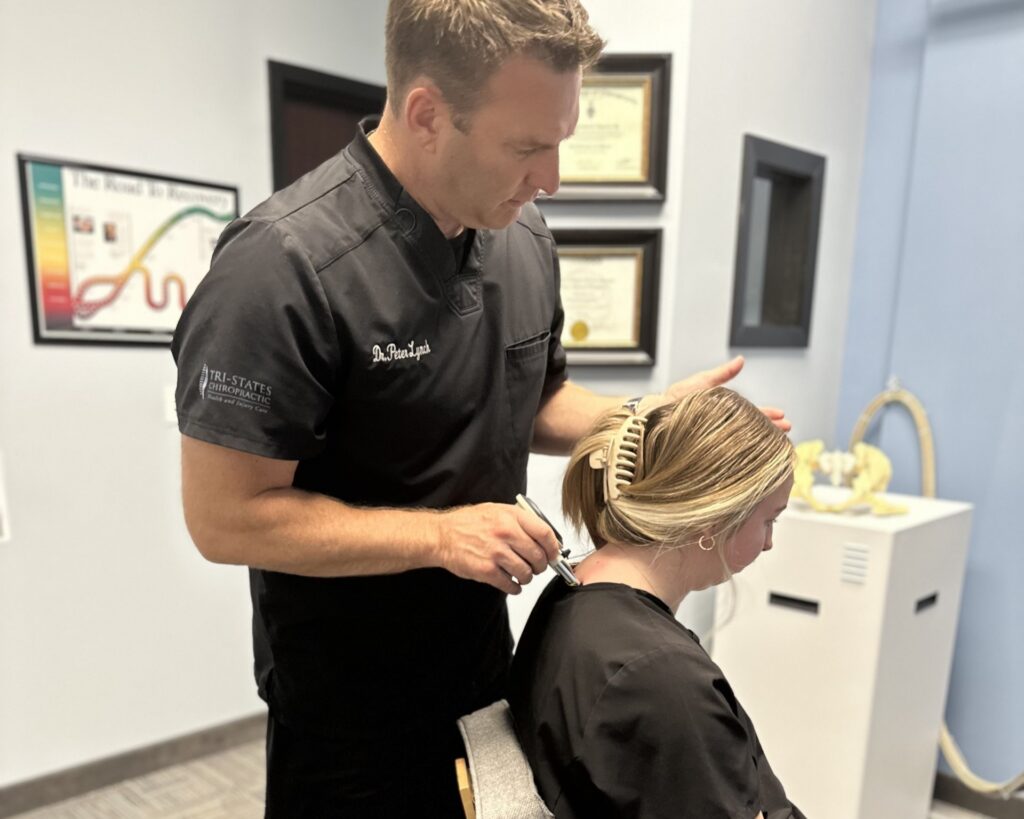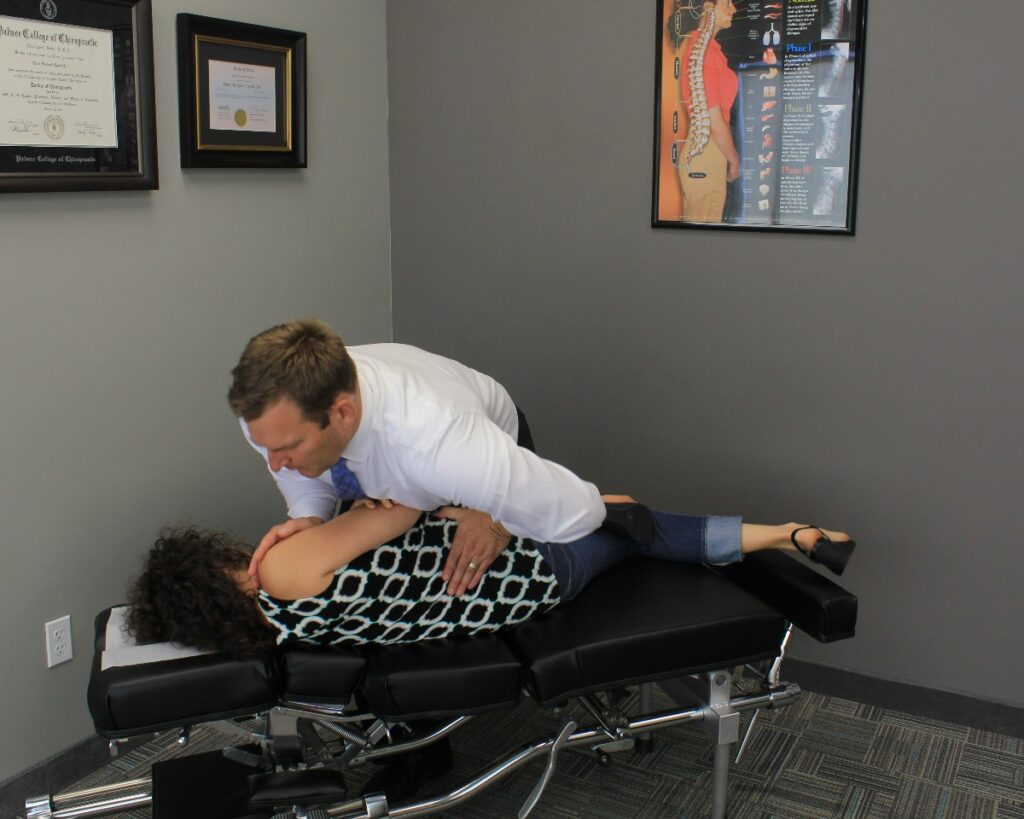
If you’re dealing with low back pain, know that you’re not alone in this struggle. Many individuals experience this issue, and it can significantly affect your everyday life. Fortunately, chiropractic care, combined with certain exercises, can be a powerful approach to alleviating discomfort and promoting a healthier back. By emphasizing mobility, core strength, and flexibility, you can take strides toward feeling better and enhancing your overall wellness.
As a chiropractor, I believe in the body’s natural ability to heal itself, and incorporating specific movements into your routine can support this process. Here are some effective exercises that not only help relieve low back pain but also assist in building resilience for the future:
- Gentle Stretches: Simple stretches can help improve flexibility and reduce tension in your back muscles. Try gentle forward bends or seated twists. Always listen to your body and stop if you feel pain.
- Core Strengthening: A strong core supports your back. Exercises like planks or bridges can help stabilize your spine. Start slow, and focus on maintaining proper form to avoid strain.
- Mobility Exercises: Movements that promote hip and lower back mobility—like hip circles or cat-cow stretches—can be very beneficial. These exercises encourage proper movement patterns and help maintain joint health.
- Walking: Never underestimate the power of a good walk! Regular walking can improve circulation, strengthen muscles, and promote healing. Aim for a brisk pace that feels comfortable for you.
In addition to these exercises, remember to maintain good posture throughout the day. Whether you’re sitting at a desk or lifting objects, being mindful of your body mechanics is crucial. If you’re experiencing persistent pain, I encourage you to seek chiropractic care, as it can provide targeted relief and help you understand your body’s needs better.
By incorporating these exercises and embracing chiropractic care, you can pave the way to a healthier, pain-free life. Your well-being matters, and taking proactive steps today can lead to a more comfortable tomorrow.
Key Takeaways
- Bird-Dog Exercise: This exercise is fantastic for enhancing core stability, which plays a vital role in relieving low back pain. By promoting proper spinal alignment and improving balance through controlled movements, the Bird-Dog helps create a strong foundation for your spine. Remember, maintaining a strong core is essential for overall spinal health, and chiropractic adjustments can further support this.
- Bridge Exercise: The Bridge is a powerful way to strengthen your lower back and glutes, which are crucial for a healthy spine. When performed with proper form, this exercise can help alleviate back tension over time. Incorporating chiropractic care into your routine can also help ensure that your spine stays aligned as you build strength.
- Wall Sits: Engaging your lower back, legs, and core with Wall Sits not only improves strength but also enhances your posture. Holding this position for a period of time can provide stability and support for your spine. Regular chiropractic visits can complement your exercise routine, helping to maintain optimal spinal function and overall wellness.
- Pelvic Tilts: Lying on your back, gently tilting your pelvis while pressing your lower back into the floor is an excellent way to strengthen your core muscles and relieve tension. This simple movement can be a great addition to your daily routine. Coupling this exercise with chiropractic care can further enhance your spinal health and reduce discomfort.
- Spinal Mobilizing Stretches (e.g., Cat-Cow): Incorporating stretches like Cat-Cow into your routine can significantly improve your range of motion and reduce muscle tension. Focusing on deep breathing during these movements not only calms the mind but also promotes better oxygen flow to the muscles. Regular chiropractic care can support the benefits of these stretches by ensuring your spine remains flexible and aligned.
Incorporating these exercises into your daily routine, along with regular chiropractic care, can lead to lasting relief from low back pain and contribute to a healthier, more active lifestyle. Remember, a well-aligned spine is key to overall wellness!
Understanding Low Back Pain
When you experience low back pain, it’s important to understand what might be causing it and how it can impact your daily life. Low back pain can arise from various sources such as muscle strains, herniated discs, or even poor posture. You may find that everyday tasks, like bending or lifting, become more difficult. This discomfort can also affect your sleep, mood, and overall productivity.
Identifying the cause of your pain is crucial for finding effective relief. For example, if your discomfort is due to prolonged sitting, it might be time to evaluate your workspace and make it more ergonomic. Simple adjustments, like using a chair that supports your lower back or investing in a standing desk, can make a big difference. If your pain stems from an injury, chiropractic care can provide a natural, non-invasive approach to healing.
It’s essential to address low back pain promptly, as ignoring it can lead to chronic issues. Chiropractic care focuses on restoring proper alignment and function to the spine, which can help alleviate pain and promote overall wellness. Techniques such as spinal adjustments, therapeutic exercises, and lifestyle advice can empower you to manage your pain effectively.
Additionally, incorporating regular movement into your day, practicing good posture, and staying hydrated can support your spinal health. By understanding the root of your discomfort and taking proactive steps, you can reclaim your daily activities without limitations. Remember, chiropractic care is a powerful option for achieving optimal health and wellness, helping you live a pain-free life naturally.
The Importance of Core Strength
Core strength is essential for maintaining a healthy back, as it provides support for your spine and helps distribute weight evenly across your body. When your core muscles are strong, they stabilize your pelvis and lower back, which can significantly reduce the risk of injury during everyday activities. You mightn’t realize it, but tasks such as sitting at your desk or lifting groceries require a solid core.
Weak core muscles can lead to poor posture and increased strain on your lower back, making discomfort and pain more likely. By focusing on core strengthening exercises, you can improve your overall stability and enhance your body’s ability to perform movements safely and efficiently.
This is where chiropractic care comes into play; it can help you develop a strong foundation for your core while ensuring your spine is aligned and functioning optimally.
Incorporating simple exercises like planks, bridges, and bird-dogs into your daily routine can make a significant difference in your core strength. Additionally, regular chiropractic adjustments can help keep your spine aligned, making it easier to engage those core muscles effectively.
Stretching for Flexibility
Building a strong core is just one piece of the puzzle for a healthy back, but don’t forget the importance of stretching for flexibility! Incorporating stretches into your routine can significantly improve your range of motion and help reduce tension in the muscles surrounding your spine. This is essential for easing discomfort and enhancing your ability to perform daily activities without pain.
As a chiropractor, I recommend focusing on stretches that specifically target the hamstrings, hip flexors, and lower back. These areas are often tight and can contribute to low back pain. By regularly stretching these muscles, you not only promote better blood flow but also support your body’s natural healing processes and improve overall muscle health.
Aim to hold each stretch for at least 15-30 seconds and repeat a few times. Consistency is crucial! Try to incorporate stretching into your routine several times a week. As you prioritize flexibility, you’ll likely notice a positive impact on your back health, allowing you to move more freely and comfortably throughout your day.
Cat-Cow Stretch
One effective way to enhance flexibility and relieve low back pain is by practicing the Cat-Cow stretch. This gentle flow between two poses not only helps mobilize your spine but also alleviates tension, making it a great addition to your routine for improving overall health and wellness.
To perform the Cat-Cow stretch, start on all fours with your wrists positioned directly under your shoulders and your knees beneath your hips. As you inhale, arch your back, lifting your head and tailbone toward the ceiling to enter the Cow position. You should feel a nice stretch in your belly and lower back. Then, as you exhale, round your spine, tucking your chin and tailbone in to shift into the Cat position.
Focus on your breath as you smoothly transition between these two poses for 5 to 10 cycles. This exercise not only promotes spinal flexibility but also helps release tightness in your back, contributing to your overall comfort and well-being.
Incorporating the Cat-Cow stretch into your daily routine can be a simple yet powerful tool for reducing low back pain. Remember, maintaining a healthy spine is essential, and regular chiropractic care can further support your journey toward optimal health. Embrace these natural methods to enhance your wellness and enjoy a more comfortable life.
Child’s Pose
Child’s Pose: A Gentle Approach to Relieving Low Back Pain
As a local chiropractor, I often see patients struggling with low back pain. One of the gentle yet effective methods I recommend for easing this discomfort is Child’s Pose. This restorative yoga position stretches your back, hips, and thighs, promoting relaxation and reducing tension. It’s a simple addition to your daily routine that can make a significant difference in how you feel.
How to Perform Child’s Pose:
- Kneel on the floor and sit back on your heels.
- Extend your arms forward and gently lower your torso between your thighs.
- Breathe deeply and hold the pose for several breaths, allowing your body to relax.
Benefits of Child’s Pose:
| Benefit | Description | How it Helps |
|---|---|---|
| Stretching the Back | Elongates and decompresses the spine | Helps reduce tension and pain |
| Opening the Hips | Releases tightness in hip flexors | Enhances flexibility and mobility |
| Calming the Mind | Encourages deep breathing and relaxation | Reduces stress and anxiety |
Incorporating Child’s Pose into your daily routine can serve as a complementary practice alongside regular chiropractic care. While chiropractic adjustments target spinal alignment and overall wellness, poses like this can enhance your body’s natural healing process.
Pelvic Tilts
Pelvic tilts are a highly recommended exercise for those experiencing low back pain, and they can play a significant role in your journey to better spinal health. By incorporating pelvic tilts into your routine, you can strengthen your core muscles and improve flexibility in your spine—all natural ways to support your body without the need for medications or surgeries.
To perform a pelvic tilt, start by lying on your back with your knees bent and feet flat on the floor, keeping them hip-width apart. As you exhale, gently press your lower back into the floor by tightening your abdominal muscles and tilting your pelvis upward. Hold this position for a few seconds, then inhale as you return to the starting position.
Aim for 10 to 15 repetitions, and as you grow more comfortable, feel free to gradually increase the number. This exercise not only alleviates tension in your lower back but also encourages better posture—a key aspect of overall wellness. Remember, focus on your breathing and maintain smooth, controlled movements for the best results.
Incorporating pelvic tilts into your daily routine can significantly reduce discomfort and enhance your spinal health. It’s a simple yet effective way to support your body naturally. For optimal results, consider pairing these exercises with regular chiropractic care, which helps align your spine and promotes healing from within. Together, they can lead you towards a healthier, pain-free life.
Bird-Dog Exercise
The Bird-Dog exercise is an excellent method to improve your core stability and alleviate low back pain, which is something I often see in my chiropractic practice. When performed correctly, this exercise not only strengthens your muscles but also promotes better spinal alignment, leading to overall wellness.
To get the most benefit, it’s crucial to focus on maintaining proper form. Start on all fours, with your hands directly under your shoulders and your knees under your hips. As you extend one arm forward and the opposite leg back, engage your core to support your spine. This will help you build strength around your lower back, reducing discomfort and enhancing stability.
As you become more comfortable with the Bird-Dog, you can explore progressions and variations that may further challenge your muscles. For instance, try holding each position for a few seconds longer or adding a slight twist to engage your obliques.
Remember, incorporating exercises like the Bird-Dog into your routine can be a powerful way to support your spinal health. However, it’s essential to listen to your body and consult with your chiropractor if you experience any discomfort. Together, we can create a tailored plan that focuses on alleviating pain and promoting natural healing through chiropractic care.
Proper Form Techniques
Engaging in the Bird-Dog exercise is an excellent way to enhance your strength and stability while also supporting your spinal health. As a chiropractor, I can’t emphasize enough the importance of maintaining proper form during this exercise to maximize its benefits and prevent injury.
Start by positioning yourself on your hands and knees, ensuring that your wrists are directly beneath your shoulders and your knees are aligned under your hips. It’s crucial to keep your back flat — avoid any sagging or arching, as this can place unnecessary stress on your spine. Engaging your core muscles is key; this helps stabilize your spine and supports overall posture.
As you extend your right arm forward, simultaneously stretch your left leg back, ensuring both are parallel to the ground. This movement not only promotes balance but also strengthens the muscles that support your spine. Hold this position for a moment, then return to the starting point. Remember to perform these movements slowly and with control, as this will further enhance your balance and stability.
Breathing steadily is essential during this exercise. It not only helps you maintain focus but also promotes relaxation, which is beneficial for maintaining proper form. After completing one side, switch to extending your left arm and right leg.
Incorporating the Bird-Dog exercise into your routine can significantly contribute to your overall wellness and spinal health. As always, if you’re experiencing pain or discomfort, consider consulting with a chiropractor. Chiropractic care is a natural and effective approach to achieving optimal health, providing relief from pain, and supporting your body’s ability to heal itself.
Benefits for Core Stability
Engaging in the Bird-Dog exercise is a fantastic way to enhance your core stability, which is vital for maintaining a healthy spine and preventing injuries. This exercise promotes coordination between your upper and lower body, helping to improve your balance and strength. By incorporating the Bird-Dog into your routine, you can experience a variety of benefits that support your overall wellness:
- Improved Posture: Strengthening your core can help reduce strain on your back, leading to better posture and comfort throughout your day.
- Increased Muscle Activation: This exercise engages key muscles in your core, glutes, and shoulders, contributing to your overall body strength.
- Enhanced Coordination: Practicing the Bird-Dog can make everyday activities easier, as it improves your body’s ability to work in harmony.
- Better Spinal Alignment: Maintaining a strong core helps keep your spine aligned, which is essential for overall health and function.
- Reduced Risk of Injuries: A stable core can protect you from injuries during other physical activities, allowing you to stay active and healthy.
As a chiropractor, I encourage you to make the Bird-Dog exercise a regular part of your fitness regimen. Not only does it strengthen your core, but it also lays a solid foundation for all your movements, ultimately supporting your journey to optimal health.
Progressions and Variations
As you become comfortable with the Bird-Dog exercise, it’s a great opportunity to explore some progressions and variations that can enhance your core strength and stability, which are essential for optimal spinal health.
One effective progression is to hold each arm and leg extension for several seconds. This not only challenges your balance but also promotes better alignment and support for your lower back.
You can further engage your core by placing a stability ball beneath your extended limbs. This added challenge helps to activate the muscles surrounding your spine, promoting better posture and reducing the risk of injury.
Another variation you might consider is incorporating resistance bands. By securing a band around your foot and anchoring it to a stable surface, you can add resistance as you extend your leg. This can help strengthen your core and back muscles even more.
To make it dynamic and fun, try performing the Bird-Dog with alternating limbs, which requires coordination and further engages your core.
These progressions and variations not only help build strength gradually but also ensure that your low back remains supported. Remember, maintaining a strong core is crucial for overall stability and can significantly contribute to your spinal health.
If you’re ever unsure about your form or experience any discomfort, don’t hesitate to reach out to your chiropractor for guidance. They can provide personalized tips and adjustments to ensure you’re exercising safely and effectively.
Embracing these exercises as part of your routine can lead you toward a healthier, pain-free life.
Bridge Exercise
The bridge exercise is an excellent way to strengthen your lower back, glutes, and core, all of which are vital for maintaining a healthy spine and alleviating low back pain.
As a chiropractor, I emphasize the importance of incorporating natural exercises like this into your routine to support your overall wellness. Here’s how to perform the bridge exercise effectively:
- Start by lying on your back with your knees bent and feet flat on the floor, hip-width apart.
- Position your arms at your sides, with your palms facing down for stability.
- Gently press your feet into the ground and lift your hips toward the ceiling, all while squeezing your glutes. This movement helps engage your core and lower back muscles.
- Hold this position for a few seconds, ensuring your body forms a straight line from your shoulders to your knees. This alignment is crucial for protecting your spine.
- Slowly lower your hips back to the ground and repeat the movement.
Aim for 10-15 repetitions, and as you build strength, feel free to increase the number of repetitions.
Regularly practicing the bridge exercise not only helps relieve tension in your back but also enhances your overall stability.
Incorporating this exercise into your routine can contribute to better spinal health and comfort.
Remember, chiropractic care is an excellent option for pain relief and promoting natural wellness.
If you’re experiencing persistent pain or discomfort, consider visiting your chiropractor for personalized advice and treatment options tailored to your needs.
Prioritizing a healthy lifestyle and active habits can lead to significant improvements in your health and well-being.
Wall Sits
Incorporating wall sits into your daily routine can be a fantastic way to strengthen your lower back, legs, and core, all of which play vital roles in maintaining a healthy spine. This simple yet effective exercise requires no equipment and can be performed anywhere, making it an excellent addition to your wellness journey.
To perform a wall sit, find a sturdy wall and stand with your back against it. Slowly slide down until your thighs are parallel to the ground, as if you’re sitting in an invisible chair. Make sure your knees are directly above your ankles, and hold this position for 20 to 60 seconds while breathing steadily. This exercise not only builds strength but also improves endurance in your lower body, which is essential for supporting your spine and alleviating low back pain.
As you progress, aim to increase your hold time or add more sets. Regular practice of wall sits can lead to increased stability and strength in your lower back and legs, which are crucial for overall spinal health. Remember to engage your core and maintain proper posture during the exercise to maximize the benefits.
Additionally, maintaining a strong and stable lower body can help prevent injuries and support your chiropractic care. By focusing on exercises like wall sits, you can complement your chiropractic adjustments and enhance your body’s natural healing abilities. Always listen to your body, and if you experience any discomfort, consider consulting with your chiropractor for personalized guidance.
Incorporating Movement Into Daily Life
Incorporating movement into your daily routine is essential for relieving low back pain and maintaining optimal spinal health. As a chiropractor, I encourage you to integrate simple desk stretches, opt for active commuting, or even transform household chores into a beneficial workout. These easy adjustments can help keep your body moving, promote proper alignment, and alleviate discomfort throughout the day.
Think about taking short breaks to stretch while working at your desk; this can significantly reduce tension in your back. Choosing to walk or bike instead of driving for short trips not only gets you moving but also supports your overall well-being. Additionally, consider turning routine tasks like vacuuming or gardening into a light exercise session—these activities can strengthen your muscles and improve your posture.
Simple Desk Stretching Techniques
As a chiropractor, I understand that many of you may experience low back pain, especially if you spend long hours at a desk. The good news is that simple desk stretching techniques can provide significant relief and promote overall wellness. By incorporating these stretches into your workday, you can enhance your comfort and support a healthier spine, all without taking up too much of your valuable time.
Here are some effective stretches you can try right at your desk:
- Seated Torso Twist: While sitting, gently twist your upper body to one side. Hold this position for a few breaths to feel the gentle stretch in your back, then switch to the other side. This helps improve spinal mobility and relieve tension.
- Neck Stretch: Lean your head toward one shoulder, bringing your ear close to it. Hold for a few seconds before switching sides. This stretch can help alleviate neck stiffness, which often accompanies long periods of sitting.
- Seated Forward Bend: While seated, reach toward your toes. This stretch not only targets your lower back but also promotes flexibility. Don’t worry if you can’t reach your toes; just go as far as you comfortably can.
- Shoulder Rolls: Take a moment to roll your shoulders forward and then backward. This simple action helps to release tension in your shoulders and upper back, promoting better posture.
- Hip Flexor Stretch: Stand up and gently push your hips forward while keeping one leg back. This stretch is essential for those who sit for extended periods, as it opens up the hip flexors and promotes better alignment.
Regularly integrating these stretches into your daily routine can provide relief from discomfort and support your overall health.
Active Commuting Options
With a little creativity, your daily commute can transform into an opportunity for physical activity, benefiting both your body and spine. Rather than relying on a car or public transport for the entire journey, consider biking or walking part of the way. If you take public transit, try getting off a stop early and walking the remainder of the distance. This simple adjustment not only promotes movement but also helps alleviate low back pain, allowing your spine to maintain its natural alignment.
Incorporating gentle stretches while you wait for the bus or train can also help keep your muscles flexible and reduce tension in your back. If you work in a high-rise building, opt for the stairs instead of the elevator; this small change can significantly enhance your overall fitness and spinal health.
Household Chores as Exercise
Finding ways to stay active throughout the day is essential for maintaining a healthy spine and overall wellness. Did you know that household chores can be a great opportunity for exercise? By incorporating movement into your daily tasks, you can’t only accomplish what needs to be done but also strengthen your back and reduce pain in the process.
Here are some chores that can double as effective workouts while promoting spinal health:
- Vacuuming: As you vacuum, engage your core and use your legs to move around. This helps support your spine and can alleviate tension in your back.
- Gardening: Activities like digging, planting, and weeding aren’t only good for your plants but also great for building flexibility and strength. Remember to bend your knees and keep your back straight to protect your spine while gardening.
- Mopping: When mopping, use your arms and legs to glide and reach. This enhances mobility and helps maintain proper posture, which is crucial for spinal health.
- Laundry: Lifting laundry baskets and bending over can be a part of your strength-training routine. Just make sure to lift with your legs and keep your back straight to avoid strain.
- Cleaning windows: Stretch and twist to reach those high spots while cleaning. This not only helps with flexibility but also encourages proper spinal alignment.
Incorporating these activities into your daily routine can help keep your body moving and your spine healthy. If you experience any discomfort or persistent pain, consider seeing a chiropractor.
Chiropractic care focuses on natural healing and can provide the necessary support to achieve optimal health. Remember, a healthy spine is key to a healthy life!