If you’re dealing with low back pain, rest assured you’re not alone, and there’s a natural path to relief. Many individuals find significant comfort through chiropractic care, which focuses on addressing the root causes of discomfort rather than just masking the symptoms.
Chiropractic techniques often include spinal adjustments, which help realign the spine and alleviate pressure on nerves, along with soft-tissue therapies that relax tight muscles and improve blood flow. Additionally, personalized exercises can strengthen your back and enhance mobility. Understanding these methods can empower you to make informed choices for your health.
Curious about how chiropractic care can ease your pain and promote overall wellness? Let’s delve into some effective strategies:
- Spinal Adjustments: These gentle manipulations can restore proper alignment to your spine, reducing pain and improving function. Regular adjustments can help maintain spinal health and prevent future issues.
- Soft-Tissue Therapies: Techniques such as massage or myofascial release target the muscles and connective tissues around the spine. This can relieve tension and enhance your body’s natural healing processes.
- Customized Exercises: A tailored exercise program can strengthen your core and back muscles, providing better support for your spine. Simple movements like stretching and strengthening exercises can make a significant difference in your recovery.
- Posture Awareness: Be mindful of your posture throughout the day, whether sitting, standing, or lifting. Good posture can prevent strain on your back and promote overall spinal health.
- Stay Active: Regular physical activity is crucial for maintaining a healthy back. Engage in low-impact exercises like walking, swimming, or yoga to keep your body moving and flexible.
- Hydration and Nutrition: Proper hydration and a balanced diet contribute to overall health and can aid in the healing process. Foods rich in anti-inflammatory properties can be particularly beneficial for back pain relief.
Chiropractic care stands out as a holistic and effective approach to managing low back pain and enhancing your overall well-being. By choosing natural methods, you’re not just treating the pain; you’re investing in your long-term health. If you’re curious about how chiropractic care can help you, don’t hesitate to reach out for personalized guidance tailored to your unique needs.
Key Takeaways
When it comes to finding relief from low back pain, chiropractic care stands out as a natural and effective solution. Here are some top techniques that I often use in my practice to help you achieve optimal health and wellness:
- Spinal Adjustments: These gentle corrections help align your spine, relieving nerve pressure and reducing low back pain. Not only do they aim to alleviate discomfort, but they also enhance your mobility and overall function, allowing you to enjoy your daily activities more fully.
- Myofascial Release Techniques: By focusing on the fascia, the connective tissue surrounding your muscles, we can reduce tightness and improve blood circulation. This technique enhances your spinal alignment and promotes better overall body function, paving the way for a healthier lifestyle.
- Trigger Point Therapy: If you have tight muscle areas, this technique involves applying gentle pressure to these spots, promoting blood flow and helping to release tension. This can provide immediate relief, making it easier for you to move and feel your best.
- Soft Tissue Therapy: This approach employs muscle relaxation techniques that alleviate discomfort while improving flexibility. By complementing chiropractic adjustments with soft tissue therapy, we can enhance your recovery process and help you maintain a more active and pain-free lifestyle.
- Regular Chiropractic Care: Consistency is key! Regular visits to your chiropractor support spinal health, enhance your body’s healing processes, and help prevent future low back issues. Think of it as preventive maintenance for your spine, which is crucial for a vibrant and healthy life.
For those looking to take additional steps towards wellness, consider incorporating gentle stretching and strengthening exercises into your daily routine. Maintaining good posture while sitting and standing can also make a significant difference in your spinal health.
Embracing chiropractic care not only helps you find relief from pain but also fosters a path to a healthier, more balanced life. If you’re experiencing low back pain, don’t hesitate to reach out to a local chiropractor who can guide you on your journey to optimal health!
Understanding Low Back Pain
Low back pain can feel like a heavy burden, impacting your daily activities and overall well-being. It can arise from various causes, such as muscle strains, herniated discs, or poor posture. You might notice it flares up after long hours of sitting or lifting heavy objects. Understanding the source of your pain is crucial for finding effective relief, and that’s where chiropractic care shines.
You’re not alone in this struggle; millions experience low back pain, which can lead to frustration and reduced activity levels. It’s essential to pay attention to how your body feels during different activities. By recognizing patterns, you can identify triggers that exacerbate your discomfort and work to avoid them.
Chiropractic care focuses on diagnosing and treating the root causes of your pain, rather than just masking symptoms. Our holistic approach emphasizes spinal health and natural healing, which can lead to long-lasting relief. Regular chiropractic adjustments can help realign your spine, reduce inflammation, and restore proper function to your nervous system, ultimately leading to improved health and wellness.
In addition to chiropractic care, there are simple, everyday practices you can adopt to support your spine and alleviate discomfort. Engaging in low-impact exercises like walking or swimming, maintaining good posture while sitting and standing, and incorporating gentle stretching into your routine can make a significant difference. Remember, prioritizing your spinal health is a vital step toward feeling your best.
Spinal Adjustments
Discover the incredible benefits of spinal adjustments, a fundamental aspect of chiropractic care designed to align your spine and promote overall wellness.
These adjustments work to correct misalignments, relieving pressure on your nerves and helping your body function at its best.
When your spine is properly aligned, you may experience a significant reduction in low back pain, allowing you to enjoy a more active and fulfilling life.
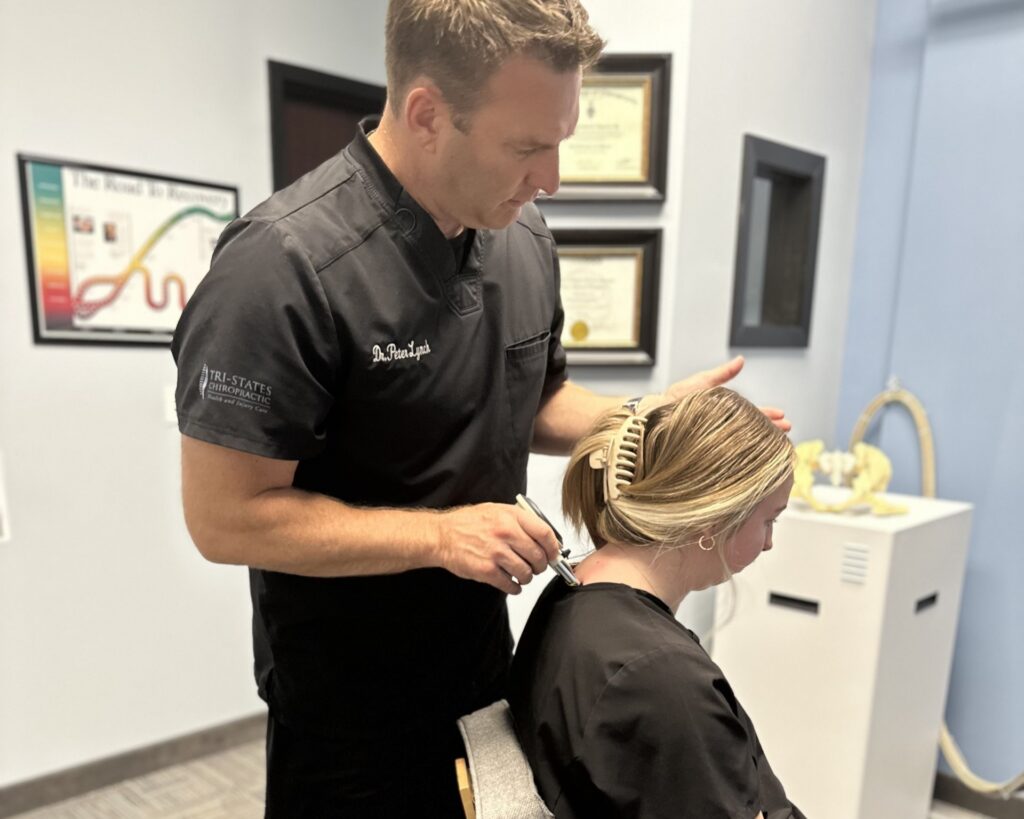
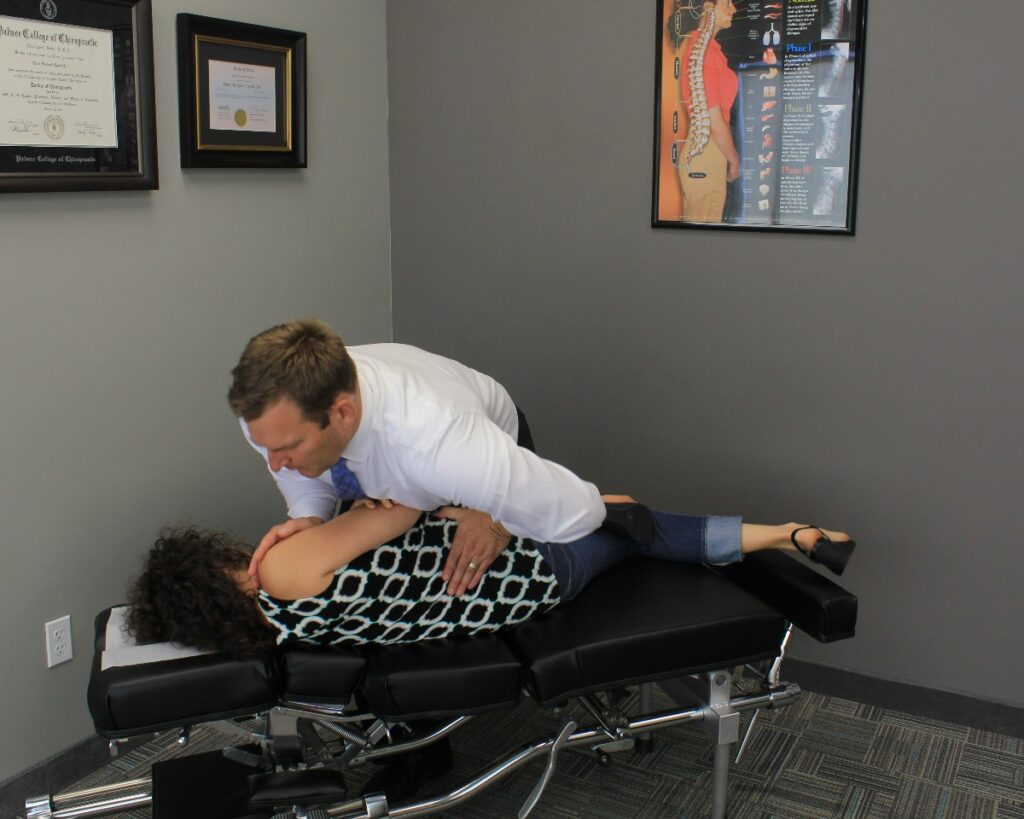
During a chiropractic session, I’ll use gentle and precise techniques to adjust your spine, helping to enhance your mobility and ease any discomfort you may be experiencing.
You might hear a popping sound during this process, which is perfectly normal and indicates that gas is being released from your joints.
The advantages of spinal adjustments go far beyond just pain relief.
Regular adjustments can improve your posture, boost your overall wellness, and enhance your body’s natural ability to heal itself.
By committing to routine spinal care, you can maintain optimal spinal health and prevent future issues before they arise.
Remember, a well-aligned spine is crucial for living a pain-free life and improving your quality of life.
Here are a few simple tips to help you maintain spinal health between your chiropractic visits:
- Stay Active: Engage in regular physical activity to strengthen your back muscles and support spinal alignment.
- Practice Good Posture: Be mindful of your posture while sitting, standing, and moving. Use ergonomic furniture if you spend long hours at a desk.
- Stretch Regularly: Incorporate gentle stretches into your daily routine to maintain flexibility and reduce tension in your spine.
- Stay Hydrated: Drink plenty of water to keep your discs hydrated and support overall spinal health.
- Take Breaks: If you work at a desk, take frequent breaks to stand, stretch, and move around, preventing stiffness and discomfort.
By prioritizing chiropractic care and following these simple tips, you can take charge of your health and well-being.
Embrace the power of a well-aligned spine and experience the natural, holistic approach to wellness that chiropractic care offers.
Soft Tissue Therapy
Soft tissue therapy is an essential component of chiropractic care, especially when it comes to alleviating low back pain. By focusing on the muscles surrounding your spine, we can help relieve tension and discomfort effectively.
Techniques such as muscle relaxation, trigger point therapy, and myofascial release are utilized to target areas of tightness and pain, promoting a natural healing process.
As a chiropractor, I believe that understanding these methods can significantly enhance your treatment experience. Here are a few tips to consider:
- Stay Active: Gentle exercises and stretches can keep your muscles flexible and strong, supporting your spine.
- Posture Matters: Pay attention to your posture throughout the day. Good alignment can prevent unnecessary strain on your back.
- Listen to Your Body: If you notice areas of tension, don’t ignore them. Regular check-ins with your chiropractor can help address issues before they escalate.
- Hydrate: Drinking plenty of water supports muscle health and aids in the recovery process.
Muscle Relaxation Techniques
Relaxing tight muscles through soft tissue therapy can significantly enhance your recovery from low back pain, and chiropractic care is one of the best approaches to achieve this.
By employing muscle relaxation techniques, you not only reduce tension but also improve blood flow and promote natural healing. Here are some effective strategies that can complement your chiropractic treatment and help you feel better:
- Gentle Stretching: Engage in simple stretching exercises that improve flexibility and relieve tightness in your back. These can easily be integrated into your daily routine and can help maintain the benefits of your chiropractic adjustments.
- Heat Therapy: Applying a heating pad or warm compress to your lower back can relax your muscles and alleviate discomfort. This is a wonderful way to enhance the soothing effects of your chiropractic care.
- Massage: Regularly incorporating professional or self-massage techniques can target specific areas of tightness in your back. This can enhance the results of your chiropractic sessions by loosening tight muscles and improving overall mobility.
- Breathing Exercises: Practicing deep breathing can help calm both your mind and body, effectively reducing muscle tension. This simple technique is a great addition to your wellness toolkit, especially when combined with chiropractic care.
Integrating these techniques into your routine can lead to significant improvements in your low back pain and enhance your overall well-being.
Trigger Point Therapy
Building on the benefits of muscle relaxation techniques, trigger point therapy provides a focused and effective way to relieve low back pain. This therapy specifically targets tight areas in your muscles, known as trigger points. By applying gentle yet firm pressure to these spots, we can help release tension, improve blood flow, and promote healing—all essential components for reducing pain.
During a session, I may use my fingers, elbows, or specialized tools to apply pressure to these trigger points. Many patients find immediate relief as we work to untangle those tight knots. Trigger point therapy is a valuable addition to your chiropractic care routine, enhancing the overall treatment experience and supporting your journey towards a pain-free life.
Here are a few tips you can incorporate into your daily routine to complement your trigger point therapy sessions:
- Stay Hydrated: Drinking plenty of water helps keep your muscles hydrated and can aid in reducing muscle tension.
- Regular Stretching: Gentle stretching can help keep your muscles flexible and reduce the likelihood of developing trigger points.
- Mindful Posture: Pay attention to your posture throughout the day, especially if you sit for long periods. Good posture can lessen strain on your low back.
- Heat Therapy: Applying a warm compress or heating pad to your lower back can help relax tight muscles before your therapy session.
- Stress Management: Incorporating relaxation techniques, such as deep breathing or meditation, can help reduce overall muscle tension.
Myofascial Release Methods
Myofascial release techniques can be a game-changer for those dealing with low back pain. By focusing on the fascia—the connective tissue that envelops your muscles—this approach helps to release tightness, improve blood circulation, and ultimately boost your mobility.
While myofascial release is a valuable tool, it works best in conjunction with chiropractic care, which addresses the root causes of pain and promotes overall wellness. Here are some of the key benefits of myofascial release that you can enjoy as part of your journey towards optimal health:
- Reduces Muscle Tightness and Discomfort: By easing the tension in your fascia, this technique can help alleviate pain and discomfort, allowing you to feel more at ease in your daily activities.
- Improves Flexibility and Range of Motion: Enhanced flexibility not only makes everyday movements easier but also supports better spinal alignment, which is crucial for overall health.
- Promotes Relaxation and Stress Relief: Myofascial release can help you unwind, reducing stress and tension, which is vital for maintaining a balanced, healthy lifestyle.
- Enhances Overall Body Awareness: This method encourages you to connect with your body, leading to better posture and movement patterns that can prevent future injuries.
As you explore myofascial release, consider incorporating some simple self-care tips into your routine:
- Stay Active: Engage in regular, gentle exercise like walking or stretching to keep your muscles and fascia healthy.
- Maintain Good Posture: Pay attention to your posture throughout the day, especially if you sit for long periods.
- Practice Relaxation Techniques: Incorporate deep breathing, meditation, or yoga into your daily routine to help manage stress.
- Stay Hydrated: Drinking plenty of water supports healthy fascia and overall bodily functions.
Remember, chiropractic care offers a comprehensive approach to pain relief and wellness. By combining myofascial release with regular chiropractic adjustments, you can achieve lasting relief and enhance your quality of life.
Let’s work together towards a healthier, pain-free you!
Exercise and Rehabilitation
To effectively manage low back pain, incorporating chiropractic care into your routine is essential. Chiropractic adjustments can help realign your spine, alleviating discomfort and promoting natural healing.
Additionally, focusing on exercises that strengthen your core, improve flexibility, and enhance functional movement can further support your recovery.
Engaging in core-strengthening exercises helps stabilize your spine, while flexibility work aids in maintaining a healthy range of motion. Functional movement training allows you to perform daily activities more comfortably and efficiently.
Together, these components can build a resilient back and improve your overall well-being.
Here are some general tips to keep in mind:
- Stay Active: Gentle movements and stretching can help keep your back mobile. Consider walking, swimming, or yoga as low-impact options.
- Posture Matters: Pay attention to your posture throughout the day. Good posture reduces strain on your back and can prevent pain.
- Listen to Your Body: If something doesn’t feel right, don’t push through the pain. Consult your chiropractor for guidance on how to proceed.
- Stay Hydrated: Drinking plenty of water supports spinal health by keeping the discs between your vertebrae hydrated.
- Regular Visits: Maintaining routine chiropractic visits can help ensure your spine stays aligned, preventing future issues.
Core Strengthening Exercises
While low back pain can be incredibly challenging, integrating core strengthening exercises into your daily routine can significantly improve your stability and provide essential support for your spine. A strong core not only helps in distributing weight evenly but also reduces strain on your lower back, which is crucial for maintaining overall spinal health.
As a chiropractor, I believe that a proactive approach to strengthening your body can lead to natural healing and optimal wellness. Here are some effective exercises to consider:
- Planks: This exercise engages your entire core while promoting proper alignment. Aim to hold the position, gradually increasing your time as you build strength.
- Bridges: This move not only strengthens your glutes but also helps stabilize your pelvis and lower back. It’s a great way to enhance your overall core stability.
- Bird-Dogs: This exercise improves coordination and balance while effectively working your core muscles. It’s a gentle way to engage multiple muscle groups simultaneously.
- Dead Bugs: A fantastic way to target your abdominal muscles, this exercise also helps enhance coordination. It’s simple yet effective for building a strong core.
In addition to these exercises, remember to listen to your body and start at your own pace. Consistency is key, and even small, regular efforts can lead to significant improvements in your back health.
Incorporating chiropractic care into your wellness routine can also support your journey toward a healthier spine, as it focuses on natural healing and optimal health. Consider scheduling regular adjustments to keep your spine aligned and functioning at its best. Together, these practices can help you achieve lasting relief from pain and enhance your overall quality of life.
Flexibility and Stretching Routines
Building a strong core is an important part of managing low back pain, but it’s equally essential to incorporate flexibility and stretching routines into your daily life. These exercises play a crucial role in your recovery, helping to improve your range of motion, reduce stiffness, and prevent further injuries. As a chiropractor, I recommend focusing on gentle stretches that target your lower back, hips, and legs. Practices like yoga and Pilates are wonderful choices, as they enhance flexibility while also helping to strengthen your core.
When you stretch, remember to hold each position for at least 15-30 seconds and focus on your breathing. It’s vital to listen to your body and ease into each stretch without pushing too hard. Consistency is key—aim to stretch at least three times a week for optimal results. As you progress, you’ll likely notice increased comfort and agility.
In addition to stretching, consider incorporating chiropractic care into your routine. Regular adjustments can help align your spine, improve your posture, and alleviate pain, making it easier to engage in these beneficial stretching exercises. By combining chiropractic care with a committed stretching routine, you can work towards achieving optimal health and a pain-free lifestyle. Remember, your body is designed to move, so embrace the journey to better health!
Functional Movement Training
Incorporating functional movement training into your exercise routine can significantly enhance your recovery from low back pain, and it perfectly complements the benefits of chiropractic care.
This training method focuses on movements that mimic daily activities, helping to improve your strength and stability. By engaging in these exercises, you can rebuild your body’s natural mechanics and prevent future injuries—all while enhancing the effects of your chiropractic treatments.
Here are some important elements of functional movement training to consider:
- Core Stability: Strengthening your core is essential for supporting your spine and reducing pain. A strong core helps maintain proper posture and alignment, making chiropractic adjustments more effective.
- Balance Training: Improving your balance can prevent falls and enhance coordination. This is especially important for those recovering from injuries or dealing with chronic pain.
- Mobility Drills: Working on your flexibility and range of motion can help your body move more efficiently. This not only aids in recovery but also makes it easier for your chiropractor to perform adjustments.
- Strength Exercises: Focusing on strengthening major muscle groups can boost your overall body strength, providing the support your spine needs to stay aligned.
As you embark on this journey towards better health, remember these simple tips:
- Start Slow: If you’re new to functional movement training, begin with gentle exercises and gradually increase intensity as your body allows.
- Listen to Your Body: Pay attention to how your body feels during and after exercises. If something doesn’t feel right, don’t hesitate to consult your chiropractor.
- Stay Consistent: Regular practice is key to reaping the benefits of functional movement training. Aim for a balanced routine that includes core, balance, mobility, and strength work.
- Combine with Chiropractic Care: Regular visits to your chiropractor can enhance the effectiveness of your training by ensuring your spine is properly aligned and your body is functioning optimally.
By integrating functional movement training into your routine and prioritizing chiropractic care, you can achieve lasting relief from low back pain and set the foundation for a healthier, more active life.
Your path to wellness starts here!
Lifestyle Modifications
To effectively manage low back pain, making lifestyle modifications can significantly enhance your overall well-being, and chiropractic care can play a crucial role in this journey. Start by maintaining a healthy weight; carrying extra pounds can put unnecessary strain on your back. Regular chiropractic adjustments can help align your spine and support your weight management efforts.
Incorporate regular exercise into your routine, as it’s vital for spinal health. Activities like walking, swimming, or yoga not only strengthen your core but also improve flexibility, which can help reduce pain. Remember, a well-aligned spine promotes better movement and less discomfort.
Pay attention to your posture, especially if you find yourself sitting for long periods. Using ergonomic furniture that promotes proper alignment and taking breaks to stretch can make a world of difference. Your chiropractor can also provide personalized advice on posture improvement tailored to your lifestyle.
Be mindful of your sleeping position as well. A firm mattress and a supportive pillow can work wonders for your back. If you frequently wake up with pain, it might be time to consult your chiropractor for recommendations on optimal sleeping positions and support.
Avoid prolonged periods of inactivity, as this can lead to stiffness and discomfort. Regular movement is essential for a healthy spine. Incorporating gentle stretches or short walks throughout your day can keep your back limber and reduce pain.
Lastly, consider your stress levels. Stress can exacerbate pain, and chiropractic care can help by relieving tension in your muscles and promoting relaxation. Techniques like mindfulness or meditation, combined with regular chiropractic visits, can help you manage stress effectively.
Ongoing Maintenance and Care
Regular maintenance and care are vital for effectively managing low back pain and achieving long-term wellness. By incorporating ongoing strategies into your daily life, you can experience lasting relief and improved overall health. Chiropractic care is a natural and holistic approach that focuses on spinal health, and it’s an excellent choice for anyone looking to alleviate pain and enhance their well-being.
Here are some essential practices to consider:
- Routine Adjustments: Make it a priority to schedule regular chiropractic sessions. These adjustments help to maintain proper spinal alignment, which is crucial for preventing future back issues and supporting your body’s natural healing processes.
- Exercise: Incorporate strengthening and stretching exercises into your routine. These exercises not only support your back but also enhance flexibility and strength, reducing the risk of injury. Simple activities like walking, swimming, or yoga can make a significant difference.
- Posture Awareness: Pay attention to your posture throughout the day. Whether you’re sitting at a desk, standing, or lifting objects, being mindful of your posture can greatly reduce strain on your back. Consider using reminders or ergonomic tools to help maintain good posture.
- Ergonomic Modifications: Create a comfortable workspace and home environment. Adjust your chair, desk, and other furniture to promote better posture and support your spine. Small changes, like using a supportive chair or positioning your computer screen at eye level, can lead to significant improvements in your comfort.
By focusing on these chiropractic-friendly practices, you can take proactive steps toward managing your low back pain and achieving optimal health. Remember, chiropractic care is a powerful ally in your journey to wellness, offering a natural and effective way to promote healing and prevent future issues.
Embrace these strategies and enjoy a healthier, pain-free life!