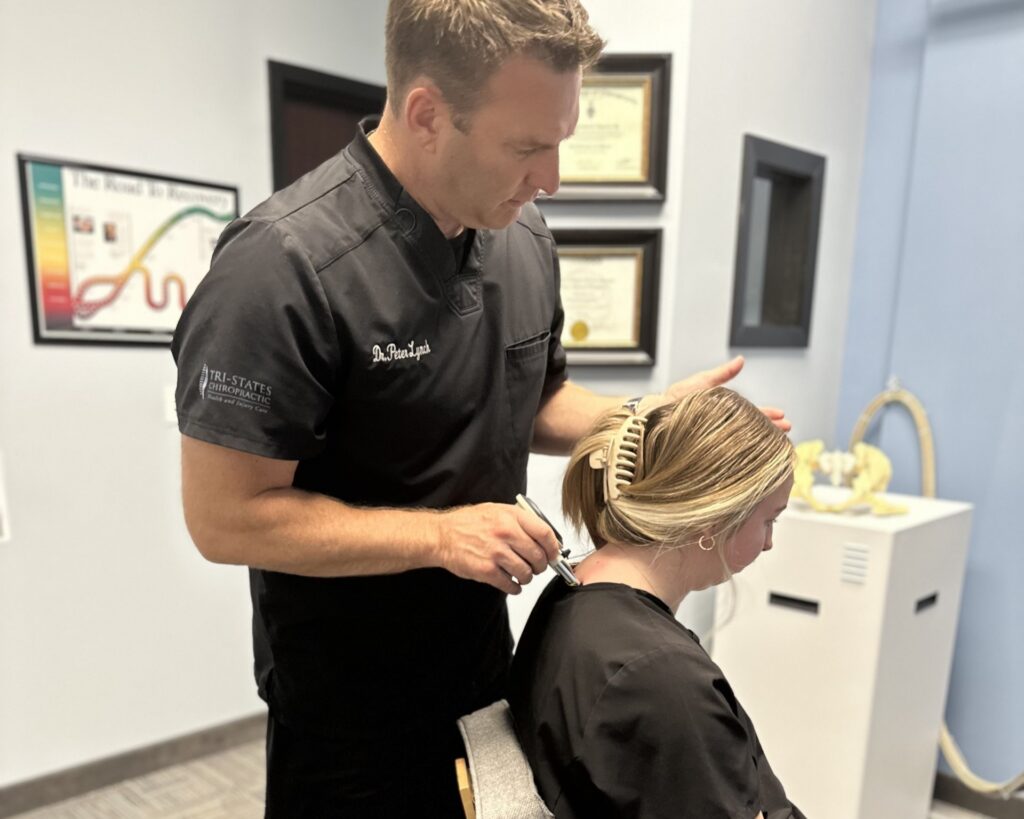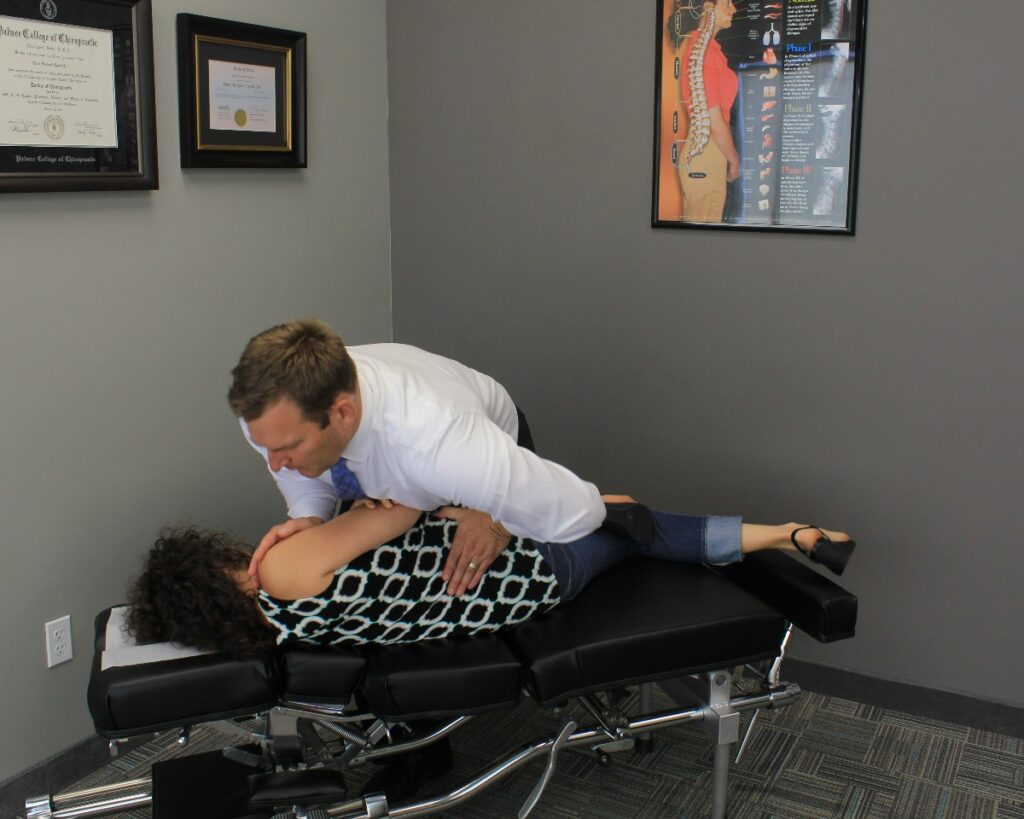
Dealing with low back pain can be incredibly frustrating, but you don’t have to endure it alone. Chiropractic care offers a natural and effective approach to alleviate discomfort and promote healing without the need for medications or surgeries. By focusing on spinal health, we can address the root causes of your pain and help you achieve lasting relief.
Incorporating simple stretches and strengthening exercises into your daily routine is essential for supporting your back. Gentle movements, like knee-to-chest stretches or pelvic tilts, can ease tension and improve flexibility. Additionally, strengthening your core muscles can provide better support for your spine, reducing the likelihood of future pain.
Lifestyle adjustments also play a crucial role in long-term relief. Maintaining good posture, using ergonomic furniture, and staying active can significantly impact your spinal health. Remember to listen to your body and avoid positions that strain your back.
If you’re curious about the best practices to get started, consider scheduling a consultation with a chiropractor. They can provide personalized advice tailored to your specific needs and help you on your journey to optimal health. Together, we can explore the most effective approaches for your well-being and ensure you’re on the path to a pain-free life.
Key Takeaways
Here are some effective techniques for relieving low back pain that can be easily integrated into your daily routine, all while emphasizing the importance of chiropractic care for optimal health and wellness:
- Engage in gentle stretches such as the Cat-Cow and Child’s Pose. These movements help relieve tension and improve the flexibility of your spine. Regular stretching can promote better spinal health, making it easier for your body to stay aligned.
- Strengthening your core is crucial for a resilient back. Incorporate exercises like planks and bridges into your routine. A strong core supports your spine and reduces the risk of pain. Plus, chiropractic care complements these exercises by ensuring your spine is properly aligned, maximizing the benefits of your workouts.
- Maintaining proper posture is essential for minimizing strain on your spine throughout the day. Consider using ergonomic furniture that supports your natural posture. This simple adjustment can make a significant difference in how your back feels, and regular chiropractic adjustments can further enhance your posture and spinal alignment.
- Don’t underestimate the benefits of chiropractic care. Regular adjustments can alleviate nerve irritation, promote natural healing, and help your body function at its best. This holistic approach to health not only addresses pain but also supports overall wellness.
- Heat therapy can be a soothing way to relieve tight muscles. Applying heat for 15–20 minutes can increase blood flow to the affected area, helping to relax muscles and alleviate pain. Combined with chiropractic care, this approach can enhance the healing process.
Remember, incorporating these techniques into your daily routine, along with regular chiropractic visits, can lead to significant improvements in your spinal health and overall well-being. Prioritize natural healing and take proactive steps toward a healthier lifestyle!
Understanding the Causes of Low Back Pain
Understanding the Causes of Low Back Pain
Low back pain can arise from a variety of sources, and knowing these causes is essential for finding effective relief. One common culprit is muscle strain, which often results from lifting heavy objects or making sudden awkward movements. Remember to lift with your legs and keep your back straight to avoid unnecessary strain.
Another factor to consider is posture. Poor posture while sitting or standing can lead to chronic pain, as it puts extra stress on your spine. Make sure you’re mindful of your posture throughout the day—sitting up straight with your shoulders back and using ergonomic furniture can make a significant difference.
As we age, our bodies undergo changes that may contribute to discomfort. Conditions like degenerative disc disease can develop over time, but regular chiropractic adjustments can help maintain spinal health and mobility.
Sometimes, underlying medical conditions such as arthritis or herniated discs can intensify low back pain. It’s essential to be aware of these factors, but chiropractic care offers a natural, non-invasive way to address these issues without the need for surgery or medication.
Lifestyle choices play a significant role in back health as well. Maintaining a healthy weight and staying active helps reduce strain on your back. Incorporating gentle exercises, like stretching and walking, can improve your flexibility and strength. Remember, even small changes can have a big impact!
Emotional stress can also contribute to muscle tension, leading to discomfort in your back. Practicing relaxation techniques such as deep breathing, yoga, or meditation can help reduce stress and promote a healthier mind-body connection.
Simple Stretches to Alleviate Discomfort
When low back pain strikes, simple stretches can be a great way to alleviate discomfort and promote overall wellness. As a chiropractor, I believe in the power of natural healing and the importance of maintaining a healthy spine. Incorporating stretches into your daily routine can help relieve tension and improve flexibility, but remember that chiropractic care is the best choice for achieving long-term pain relief and optimal health.
Let’s explore a few effective stretches you can try at home:
- Cat-Cow Stretch: This gentle flow between two positions helps to warm up the spine and improve mobility. Start on your hands and knees. As you inhale, arch your back and look up (Cow Pose). As you exhale, round your back and tuck your chin to your chest (Cat Pose). Repeat this sequence several times to help release tension in your back.
- Child’s Pose: This restorative pose stretches the spine and promotes relaxation. Begin on your hands and knees, then sit back onto your heels and reach your arms forward on the floor. Breathe deeply and hold the position for as long as feels comfortable. This stretch can help calm the mind and relieve lower back tension.
- Seated Forward Bend: This stretch targets the hamstrings and lower back. Sit with your legs extended in front of you. Inhale and reach your arms overhead, then exhale as you hinge at your hips and reach towards your toes. Don’t worry if you can’t touch your toes; just reach as far as you can while keeping your back straight. This stretch can help improve flexibility and reduce tightness in the back.
While these stretches can provide immediate relief, it’s essential to remember that ongoing chiropractic care can address the underlying causes of your pain and ensure your spine is functioning optimally. Regular adjustments can help maintain spinal alignment, improve overall health, and prevent future discomfort.
Incorporating these simple stretches into your daily routine, along with regular chiropractic visits, can greatly enhance your journey toward a pain-free life. Always listen to your body and consult with your chiropractor for personalized advice tailored to your specific needs.
Cat-Cow Stretch Benefits
The Cat-Cow stretch is an excellent exercise for those looking to alleviate low back pain and improve overall spinal health. This gentle movement between two positions not only enhances flexibility but also strengthens your spine, helping to release tension in your back.
Transitioning from the Cat position, where you arch your back, to the Cow position, where you allow your belly to drop and lift your head, promotes increased blood flow to the spine. This boost in circulation can help reduce stiffness and enhance your overall mobility. Additionally, practicing the Cat-Cow stretch encourages proper posture, which is crucial for preventing future discomfort.
Incorporating this stretch into your daily routine can lead to significant improvements in your well-being. It not only helps relieve discomfort but also promotes relaxation and reduces stress. As a chiropractor, I recommend integrating the Cat-Cow stretch with regular chiropractic care to achieve the best results for your spinal health. Remember, a well-aligned spine is key to a healthier, pain-free life.
To get started, find a comfortable space on the floor, and listen to your body as you move through the stretch. Aim to practice it daily, and notice how you feel lighter and more aligned in your everyday activities. Embracing natural healing methods like this one, alongside chiropractic adjustments, can make a significant difference in your overall health and wellness.
Child’s Pose Technique
Amidst your daily routine, Child’s Pose serves as an excellent, natural method for alleviating low back discomfort. This gentle stretch not only promotes relaxation but also supports spinal health—key aspects of well-being that chiropractic care emphasizes.
To practice Child’s Pose, begin by kneeling on the floor. Sit back on your heels, then gradually lower your torso forward. You can either extend your arms in front of you or rest them alongside your body. As you breathe deeply, concentrate on unwinding your back and releasing any built-up tension. Aim to hold this position for 30 seconds to a minute, and really take note of the soothing stretch along your spine.
This restorative pose is beneficial for enhancing flexibility and promoting relaxation, making it a wonderful addition to your pain relief routine. Remember, incorporating stretches like Child’s Pose can complement your chiropractic care, helping you achieve optimal health naturally.
Whenever you feel discomfort or simply need a moment to recharge, take a break and practice this pose. It’s a small but impactful step you can take towards a healthier and more balanced life. Always consider regular chiropractic adjustments to maintain spinal alignment and overall wellness, empowering your body to heal naturally.
Seated Forward Bend
As a local chiropractor, I understand how challenging low back pain can be. One effective way to relieve this discomfort is through a simple stretch known as the Seated Forward Bend. Not only does this stretch help release tension in your lower back, but it also complements the holistic approach of chiropractic care in promoting overall wellness.
Here’s how to perform it:
- Begin by sitting on the floor with your legs extended straight in front of you.
- Take a deep breath in, focusing on lengthening your spine and sitting up tall.
- As you exhale, gently hinge at your hips and reach toward your feet. Don’t worry if you can’t touch them; just go as far as feels comfortable.
- Enjoy the gentle stretch along your spine and hamstrings, allowing your body to relax.
- Hold this position for about 30 seconds, breathing deeply to enhance the benefits.
Incorporating the Seated Forward Bend into your daily routine can significantly ease discomfort and promote relaxation. This stretch not only helps improve flexibility and reduce tightness but also aligns beautifully with the principles of chiropractic care, which focuses on natural healing and maintaining a healthy spine.
Remember, while stretches like these can be beneficial, they work best alongside regular chiropractic adjustments. Regular visits to your chiropractor can help ensure that your spine is properly aligned, which is essential for optimal health.
Strengthening Exercises for a Resilient Back
To cultivate a resilient back, incorporating strengthening exercises into your routine is vital for your overall health and wellness. These exercises not only target your core, glutes, and back muscles but also complement the benefits of chiropractic care, which focuses on natural healing and optimal spinal health.
Start with planks, which are excellent for engaging your entire core. Hold a plank for 20-30 seconds, and as you build strength, gradually increase the duration. Next, incorporate bridges to strengthen your glutes and lower back. Simply lie on your back with your knees bent, lift your hips towards the ceiling, and hold for a few seconds. This exercise supports your spine and promotes proper alignment, which is essential for preventing pain.
Another effective exercise is the bird-dog. Get on all fours, extend one arm forward and the opposite leg backward while keeping your core engaged. This movement enhances stability and coordination, contributing to a healthier back. Additionally, consider doing back extensions; lie face down and gently lift your chest off the ground, which helps engage your lower back muscles.
Aim to perform these exercises 2-3 times a week. Consistency is key, as it will help you build strength, improve mobility, and significantly reduce the risk of future low back pain. Remember, integrating chiropractic care into your wellness routine can further enhance these benefits, providing you with natural pain relief and a pathway to improved overall health.
As you embark on this journey to strengthen your back, keep in mind that maintaining good posture throughout your day and taking regular breaks to move around are also essential. These simple tips can make a big difference in your spinal health. By prioritizing these practices, you’re investing in a stronger, healthier back that works in harmony with chiropractic care for optimal wellness.
Importance of Proper Posture
Maintaining proper posture isn’t just important for your appearance; it’s essential for your spinal health, particularly if you find yourself sitting or standing for extended periods. Correct posture helps align your spine, reduces strain, and can prevent discomfort or injury over time.
As a chiropractor, I want to highlight the numerous benefits of good posture and how chiropractic care can help you achieve it:
- Enhanced breathing: Proper posture opens up your chest, allowing for deeper breaths. This means more oxygen reaches your organs, which is vital for overall health.
- Improved circulation: When your spine is aligned, your blood flows more freely throughout your body, promoting better health and vitality.
- Reduced muscle fatigue: Good posture means your muscles don’t have to work as hard to keep you balanced. This can lead to less fatigue and discomfort, allowing you to feel more energized throughout the day.
- Decreased risk of injury: A well-aligned spine is less prone to strains and sprains, helping you stay active and healthy. Regular chiropractic adjustments can help maintain this alignment.
- Boosted confidence: Standing tall not only improves your posture but also enhances your self-esteem and presence in social situations.
To support your posture and spinal health, consider the following tips:
- Ergonomic Workspace: If you work at a desk, make sure your chair supports your lower back and that your computer screen is at eye level to prevent slouching.
- Regular Breaks: Take short breaks every hour to stand, stretch, and move around. This helps to relieve tension and reset your posture.
- Chiropractic Care: Regular visits to a chiropractor can help maintain spinal alignment, reduce pain, and prevent future issues. A chiropractor can also provide personalized exercises and advice to improve your posture.
- Mind Your Footwear: Wear supportive shoes that promote proper alignment. Avoid high heels or overly flat shoes that can throw off your balance.
- Strengthen Your Core: Engaging in exercises that strengthen your core muscles can support your spine and improve overall posture.
By prioritizing proper posture and incorporating these habits into your daily routine, you can enhance your health and well-being naturally.
If you’re experiencing discomfort or want to improve your posture, consider visiting a chiropractor for expert guidance and care. Your spine will thank you!
Incorporating Heat and Cold Therapy
When it comes to managing low back pain, incorporating heat and cold therapy can significantly enhance your comfort and aid your recovery. As a chiropractor, I believe these natural methods can be very effective alongside chiropractic care, which is designed to address the root causes of your pain and promote overall wellness.
Heat therapy is particularly beneficial for increasing blood flow and relaxing tight muscles, which can help soothe stiffness. You might find relief by using a heating pad, wrapping a warm towel around the affected area, or enjoying a warm bath. Just remember to apply heat for about 15-20 minutes, ensuring it’s warm—not too hot—to avoid burns.
Conversely, cold therapy can be a great option for reducing inflammation and numbing sharp pain. Ice packs or even a bag of frozen vegetables will do the trick. Apply cold therapy for 15-20 minutes as well, and be sure to let your skin return to normal temperature before reapplying.
These simple techniques can be excellent tools for managing your pain, but they work best when combined with regular chiropractic adjustments. Chiropractic care not only helps alleviate pain but also supports your body’s natural healing processes, promoting a healthier, more balanced lifestyle.
Exploring Alternative Therapies
Exploring alternative therapies can provide valuable options for managing low back pain, especially when combined with chiropractic care, which is one of the most effective natural approaches to achieving optimal health. Chiropractic adjustments focus on realigning your spine, which not only enhances mobility but also promotes your body’s natural healing processes.
Here are some complementary therapies you might consider alongside regular chiropractic visits:
- Acupuncture: While this involves the use of thin needles to stimulate specific points, it can be beneficial when paired with chiropractic care to enhance overall healing and pain relief.
- Massage therapy: Regular massages can help ease muscle tension and improve blood flow, making chiropractic adjustments even more effective. It’s a great way to relax and support your body’s recovery.
- Yoga: Incorporating gentle stretching and strengthening poses can improve your flexibility and core strength. This is particularly beneficial for maintaining a healthy spine, especially after chiropractic adjustments.
- Herbal remedies: Natural anti-inflammatories like turmeric and ginger can be great allies in reducing discomfort. However, it’s important to consult with your chiropractor for the best options tailored to your specific needs.
General tips for managing low back pain include maintaining good posture, staying active with low-impact exercises, and listening to your body.
Making Lifestyle Adjustments for Long-term Relief
Making lifestyle adjustments can greatly enhance your long-term relief from low back pain, and chiropractic care can play a pivotal role in this journey. One of the first steps is to maintain a healthy weight, as extra pounds can place unnecessary pressure on your spine. Regular exercise is vital too—opt for low-impact activities such as swimming or walking, which can help strengthen your back and improve your flexibility.
It’s also important to be mindful of your posture while sitting, standing, or lifting objects. Using ergonomic furniture can provide the support your spine needs and help you avoid the pitfalls of prolonged sitting. Incorporating stretching into your daily routine is another great way to relieve muscle tension and keep your body flexible.
Don’t underestimate the importance of sleep. A comfortable mattress can make a big difference, so aim for one that supports your spine well. Establishing a consistent sleep routine allows your body to recover effectively.
Additionally, managing stress is crucial, as it can contribute to muscle tension. Techniques such as mindfulness and relaxation exercises can be beneficial. Chiropractic care also emphasizes the connection between the spine and overall health, making it an excellent choice for those seeking natural pain relief and wellness.
When to Seek Professional Help
Recognizing the right time to seek professional help is crucial for your recovery from low back pain, and as a chiropractor, I want to emphasize the importance of addressing these symptoms naturally.
If you notice any of the following signs, it’s time to consult a healthcare provider who specializes in chiropractic care:
- Persistent Pain: If your pain lasts longer than a few weeks or seems to be getting worse, it’s a signal that your body needs attention.
- Numbness or Tingling: Ongoing sensations in your legs or feet can indicate nerve irritation, and chiropractic adjustments can help alleviate this.
- Weakness: If you’re having trouble standing, walking, or completing daily tasks, it’s essential to seek help to restore your strength and mobility.
- Bowel or Bladder Issues: Changes in control or function can be serious and may require an assessment from a chiropractor to ensure your spine is aligned and functioning properly.
- Injury History: Experiencing pain after a fall or accident signals that your body needs a thorough examination to treat any misalignments.
Ignoring these signs can lead to more significant issues down the line.
As a chiropractor, I’m here to guide you through natural and effective treatment options that can help you regain mobility and improve your quality of life without the need for medications or invasive procedures.
Here are some general tips to promote spinal health and wellness:
- Stay Active: Gentle stretches and exercises can help maintain flexibility and strength in your back.
- Practice Good Posture: Be mindful of your posture while sitting, standing, or lifting to reduce strain on your spine.
- Ergonomic Setup: Ensure your workspace is set up to promote good posture and reduce unnecessary stress on your back.
Your well-being is worth it, so don’t hesitate to reach out for help when you need it! Chiropractic care can be a powerful tool in your journey toward optimal health and natural pain relief.