If you’re dealing with lower back pain, you’re not alone in this struggle. Many individuals experience discomfort that can disrupt their daily activities and overall quality of life. The good news is that there are effective strategies to help alleviate your pain and promote your well-being. As a chiropractor, I want to share some natural and holistic approaches that prioritize your spinal health and overall wellness.
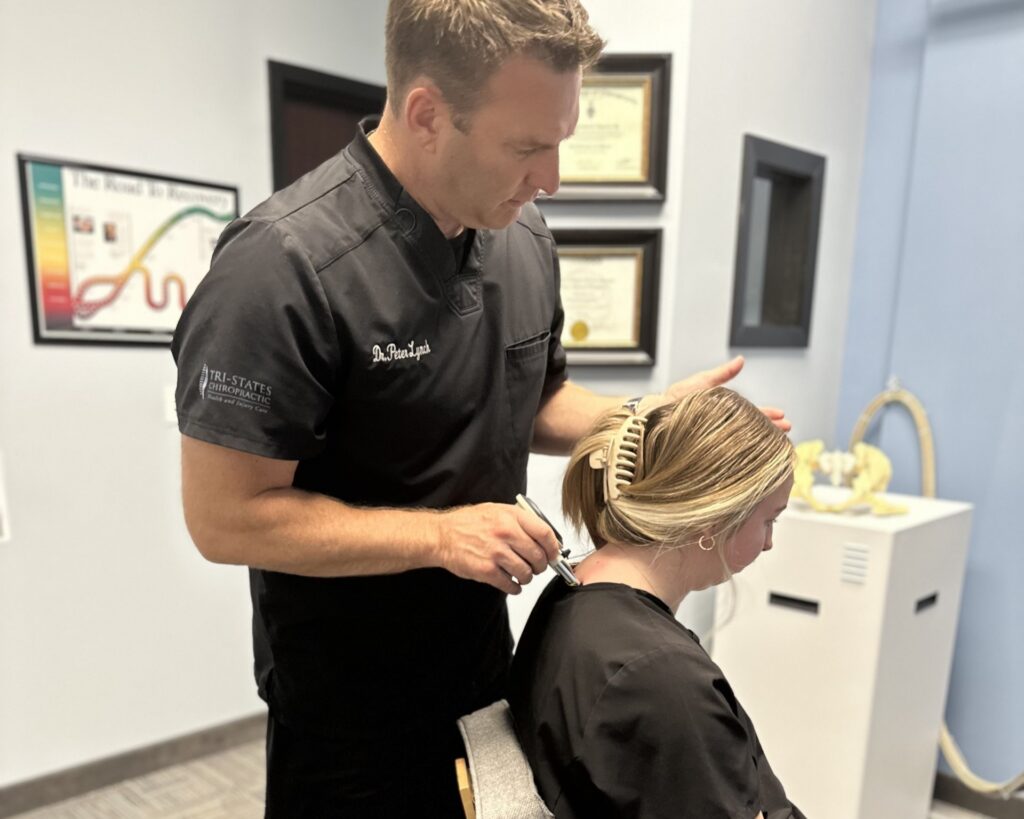
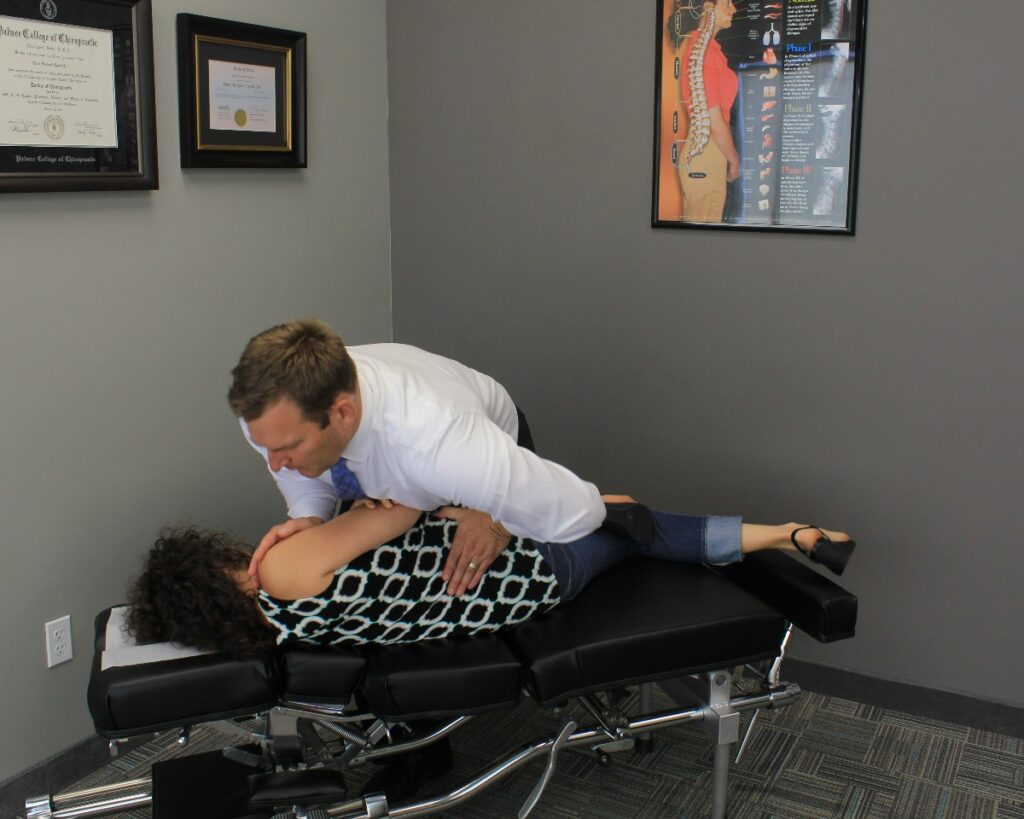
- Chiropractic Care: One of the most effective ways to address lower back pain is through chiropractic adjustments. These gentle manipulations can help realign your spine, reduce tension, and improve your body’s function, leading to significant relief from pain.
- Stretching and Strengthening: Incorporating simple stretches into your routine can be incredibly beneficial. Focus on stretches that target your lower back, hips, and hamstrings. Additionally, strengthening your core muscles can provide better support for your spine and reduce the risk of future pain.
- Ergonomic Adjustments: Pay attention to your posture, especially if you spend long hours sitting. Ensure that your workspace is set up ergonomically to support your spinal alignment. A comfortable chair, proper desk height, and regular breaks to move around can make a big difference.
- Heat and Cold Therapy: Applying heat or cold packs to your lower back can help alleviate pain and reduce inflammation. Heat can relax tense muscles, while cold therapy can numb sharp pain and decrease swelling.
- Mindful Movements: Engage in low-impact activities like yoga or tai chi. These practices not only promote flexibility and strength but also encourage mindfulness, which can help you manage pain more effectively.
- Hydration and Nutrition: Staying hydrated is key for spinal health, as it helps maintain the elasticity of spinal discs. Additionally, a balanced diet rich in anti-inflammatory foods can support your overall well-being.
- Regular Chiropractic Visits: Consistency is key when it comes to chiropractic care. Regular adjustments can help maintain spinal health, prevent future issues, and keep your body functioning optimally.
By incorporating these practical methods into your routine, you can take significant steps toward relieving lower back pain and enhancing your overall health naturally. Remember, chiropractic care is a powerful tool in your journey to wellness, providing holistic solutions that prioritize your body’s innate ability to heal itself. Let’s work together to get you back to enjoying life pain-free!
Key Takeaways
- Incorporate regular stretching and gentle movement, such as yoga, to enhance flexibility and relieve muscle tension in the lower back. These practices not only promote relaxation but also help maintain spinal health, setting the stage for effective chiropractic adjustments.
- Strengthen your core with exercises like planks and bridges. A strong core supports your spine, reducing strain and enhancing your overall stability. This foundation can greatly complement the benefits you receive from chiropractic care.
- Maintain proper posture while sitting and standing. Good posture is essential for protecting your spine and preventing discomfort. By being mindful of your alignment, you can help your body function optimally and make your chiropractic treatments even more effective.
- Utilize heat or cold therapy to soothe tight muscles and alleviate pain naturally. These techniques can be excellent complements to your chiropractic adjustments, providing immediate relief while supporting the healing process.
- Engage in low-impact activities like walking or swimming. These exercises improve mobility without placing excessive strain on your back. Additionally, they promote overall wellness, which aligns perfectly with the holistic approach of chiropractic care.
Remember, regular chiropractic visits can help ensure your spine remains healthy and pain-free, allowing you to enjoy these activities fully!
Practice Regular Stretching
Practicing regular stretching is a natural and effective way to alleviate lower back pain and enhance your overall wellness. Stretching increases your flexibility and boosts blood circulation, which helps to relieve tension in your muscles, especially in the lower back, hips, and hamstrings. Simple stretches like the cat-cow stretch, seated forward bend, and child’s pose can significantly benefit your spine and overall mobility.
As a chiropractor, I always emphasize the importance of listening to your body. Avoid forcing yourself into any position that causes pain. Instead, gently ease into each stretch and hold it for 15 to 30 seconds. Aim to incorporate stretching into your routine at least three times a week; however, daily practice can lead to even more profound benefits.
Incorporating regular stretching not only aids in pain relief but also enhances your overall mobility and quality of life. Remember, consistency is vital. Over time, you’ll likely notice improvements in your flexibility, a reduction in discomfort, and an easier time performing daily activities.
Additionally, chiropractic care complements your stretching routine by addressing any underlying spinal misalignments that may contribute to your pain. By visiting your chiropractor regularly, you can ensure your spine is in optimal health, supporting your body’s natural healing processes. Together, stretching and chiropractic care can pave the way for a healthier, pain-free life.
Strengthen Core Muscles
Strengthening your core muscles is a vital step towards relieving lower back pain and enhancing your overall stability. A strong core not only supports your spine but also reduces strain on your back, helping to prevent injuries. You don’t need fancy gym equipment to achieve this; simple exercises can yield significant results.
Begin with foundational moves like planks, bridges, and pelvic tilts. Aim for two to three sets of 10 to 15 repetitions, ensuring you focus on proper form rather than the number of repetitions. This approach helps you build strength safely.
Incorporating activities such as yoga or Pilates can further bolster your core strength while also promoting flexibility. These practices can improve your body awareness, which is crucial for maintaining a healthy spine. Remember to engage your core even during everyday tasks like standing or sitting. This simple habit can significantly enhance stability in your lower back, ultimately reducing discomfort.
As you work on strengthening your core, you may notice improvements in your posture and balance, resulting in less strain on your back. Consistency is key—make these exercises a regular part of your routine to achieve lasting relief from lower back pain.
Chiropractic care can also play an essential role in your journey to optimal health. Regular adjustments can help align your spine, further supporting your core strength efforts and enhancing your overall wellness. By prioritizing chiropractic care alongside these exercises, you can create a comprehensive approach to natural healing and healthier living. Remember, your body is designed to heal itself, and with the right support, you can thrive.
Maintain Good Posture
Maintaining good posture is essential for relieving lower back pain and promoting overall wellness. As a chiropractor, I want to emphasize that proper alignment of your spine is key to reducing discomfort and preventing future issues. Whether you’re sitting, standing, or walking, be mindful of your posture to support your body’s natural structure.
When you sit, ensure your feet are flat on the ground and your knees are at a 90-degree angle. It’s important to avoid slouching or leaning forward, as this can lead to muscle fatigue and exacerbate your pain. Instead, keep your shoulders back, your chest open, and your head level. This simple adjustment can significantly reduce strain on your back muscles and ligaments.
If you find yourself standing for long periods, remember to distribute your weight evenly on both feet. Engaging your core can provide additional support for your spine, helping to maintain that healthy alignment.
Throughout your day, stay conscious of how you move. For example, when lifting objects, always bend your knees and keep your back straight. This technique not only protects your spine but also reinforces good habits that can lead to lasting relief.
Invest in Ergonomic Furniture
When you choose to invest in ergonomic furniture, you’re not just making a purchase—you’re taking a proactive step toward alleviating lower back pain and enhancing your overall comfort. As a chiropractor, I want to emphasize that ergonomic chairs and desks are specifically designed to support your spine’s natural curves, which is crucial for promoting better posture while you work or relax.
When selecting a chair, look for features like adjustable height and lumbar support. These ensure that the chair fits your body perfectly, reducing the risk of discomfort. You might also consider incorporating a sit-stand desk into your workspace. This type of desk allows you to alternate between sitting and standing throughout the day, which can significantly reduce strain on your back and promote better circulation.
Don’t forget about your wrists and arms! An ergonomic keyboard and mouse can help minimize wrist strain and encourage a more comfortable arm position, further contributing to your overall well-being.
Sleep is another vital component of your health. A supportive mattress and pillow can play a significant role in achieving restful sleep, which is essential for healing. By creating an ergonomic environment at home and work, you not only relieve existing pain but also prevent further discomfort.
Apply Heat or Cold Therapy
Creating an ergonomic workspace is a fantastic step toward managing lower back pain, but it’s also important to incorporate other natural methods for relief. One effective approach that complements chiropractic care is using heat or cold therapy. Heat can help soothe tight muscles and improve blood circulation, which promotes healing and enhances your overall well-being. You can enjoy these benefits by using a heating pad, a warm towel, or by taking a warm bath. Aim for 15-20 minutes of heat application to feel the most relief and support your body’s healing process.
On the other hand, cold therapy is excellent for reducing inflammation and numbing sharp pain—something many of my patients find beneficial. Ice packs or a bag of frozen vegetables wrapped in a towel can work wonders. Apply cold therapy for about 15-20 minutes as well, and be sure to give your skin breaks between applications to prevent irritation.
I encourage you to experiment with both methods to see which one provides you with the best relief. Many patients find alternating between heat and cold therapy offers optimal results. Remember, chiropractic care is an essential part of a holistic approach to wellness, and utilizing these simple techniques can enhance your healing journey. If you’re struggling with pain, consider visiting your chiropractor to explore how spinal adjustments and these therapies can work together for your health.
Stay Active and Engage in Low-Impact Exercise
Staying active is crucial for managing lower back pain, and engaging in low-impact exercises can provide significant relief while supporting your overall spinal health. Activities such as walking, swimming, and cycling not only help to strengthen your muscles but also enhance flexibility without placing excessive strain on your back.
As a chiropractor, I encourage you to incorporate these gentle activities into your routine. They can complement your chiropractic care by promoting better alignment and reducing discomfort. Here are some recommended exercises that can help you stay active and ease your pain:
- Walking: A simple yet effective way to get moving. Aim for at least 30 minutes a day, as this can improve circulation and support muscle strength. Remember to wear supportive shoes to protect your back.
- Swimming: This low-impact exercise is fantastic for your back, as the water supports your body and reduces strain on your joints. Try to incorporate different strokes to engage various muscle groups.
- Cycling: Whether on a stationary bike or outdoors, cycling can be a great way to strengthen your core and back muscles while keeping your spine in a neutral position.
In addition to these activities, here are some tips to help you stay active and support your spine:
- Listen to Your Body: Pay attention to how your back feels during exercise. If something doesn’t feel right, consult your chiropractor for guidance.
- Warm-Up and Stretch: Always include a gentle warm-up and stretches before and after your workouts. This can help prepare your muscles and reduce the risk of injury.
- Posture Matters: Focus on maintaining good posture during all activities. This can prevent additional strain on your spine.
- Stay Hydrated: Drink plenty of water, as hydration supports overall health and helps keep your discs healthy.
By incorporating these low-impact exercises and tips into your daily routine, you can enhance your overall wellness and manage your lower back pain effectively. Remember, chiropractic care is your best ally in achieving optimal health and natural pain relief. If you have any questions or need guidance, don’t hesitate to reach out to your local chiropractor.
Let’s work together towards a healthier, pain-free life!
Benefits of Low-Impact Activities
Engaging in low-impact activities can significantly alleviate your lower back pain while keeping you active and mobile. These gentle exercises not only strengthen your core but also enhance your flexibility—key components in maintaining a healthy spine. Here are some emotional and physical benefits you might experience when you incorporate these activities into your routine:
- Increased Confidence: As you take charge of your health and well-being through low-impact exercises, you’ll feel empowered. This newfound confidence can translate into other areas of your life.
- Enhanced Mood: Participating in activities like walking, swimming, or gentle yoga releases endorphins, which can lift your spirits and reduce stress. A positive mindset can further support your journey to wellness.
- Improved Mobility: With regular engagement in low-impact activities, you’ll likely notice that everyday tasks become easier and less painful. This improvement can restore your independence and make a significant difference in your daily life.
- Social Connections: Joining group classes or simply walking with friends can create meaningful relationships and provide a support system. Social engagement is vital for overall well-being.
Incorporating these activities not only helps alleviate pain but also enriches your overall quality of life. As a chiropractor, I encourage you to explore these options as a part of your natural healing journey.
Remember, chiropractic care can further enhance your progress by addressing spinal alignment and function, ensuring your body is in the best shape to support your active lifestyle.
General tips include starting slowly, listening to your body, and gradually increasing the intensity of your activities. Always consult your chiropractor for personalized recommendations to ensure you’re getting the most benefit from your exercise routine. Together, we can work towards a healthier, pain-free life!
Recommended Exercises for Relief
If you’re struggling with lower back pain, incorporating specific low-impact exercises into your routine can greatly enhance your comfort and promote healing. Activities like swimming, walking, and cycling aren’t only enjoyable but also strengthen your back without the risk of added strain.
Gentle stretching exercises, such as yoga and hamstring stretches, improve flexibility and help reduce muscle tension in the back.
Consider including pelvic tilts and bridges in your routine to engage your core muscles, which play a vital role in supporting your spine. Remember to listen to your body; if an exercise causes pain, it’s essential to stop and reassess. Aim for at least 30 minutes of physical activity most days, and feel free to break this into shorter, manageable sessions.
Staying active is key to alleviating pain and enhancing overall well-being. By making these exercises a regular part of your life, you can promote long-lasting relief.
Additionally, chiropractic care can complement these exercises by addressing spinal alignment and enhancing your body’s natural healing abilities. Regular chiropractic adjustments can help keep your spine in optimal condition, leading to improved mobility and reduced pain.
Incorporating these practices into your daily life can support your journey towards a healthier, pain-free lifestyle. Remember, the path to wellness is often a combination of movement, proper alignment, and listening to your body’s needs.
Consult a Healthcare Professional
When you’re experiencing lower back pain, it’s crucial to seek the expertise of a chiropractor who specializes in spinal health. Chiropractors can provide a thorough assessment to pinpoint the root cause of your discomfort. They focus on holistic, natural healing methods that prioritize your body’s ability to heal itself.
Chiropractic care offers a variety of gentle, non-invasive treatment options, such as spinal adjustments and soft tissue therapies, tailored specifically to your needs. These techniques can help relieve pain, improve mobility, and promote overall wellness.
In addition to professional care, there are some simple tips you can incorporate into your daily routine. Maintaining good posture, using ergonomic furniture, and staying active with gentle exercises can significantly contribute to your recovery and prevent future issues. Remember, follow-up visits to your chiropractor are key to ensuring your healing process stays on track.
Choosing chiropractic care not only addresses your pain but also supports your journey to optimal health and well-being. Embrace this natural approach and take charge of your health today!
Importance of Diagnosis
While it may be tempting to self-diagnose your lower back pain, I want to emphasize the importance of consulting a chiropractor for effective relief and optimal health. A proper diagnosis and treatment plan can significantly enhance your recovery journey.
Here’s why seeking the expertise of a chiropractor is crucial:
- Accurate Identification: Chiropractors are trained to accurately identify the underlying cause of your pain, ensuring you receive the right care for your specific situation.
- Avoiding Complications: Self-diagnosing can lead to improper treatments that may worsen your condition. A chiropractor will help you avoid these pitfalls, guiding you toward safe and effective recovery.
- Personalized Care: Chiropractic care is all about you! A chiropractor will create a tailored treatment plan that aligns with your individual needs, focusing on natural healing methods that promote wellness.
- Holistic Approach: Chiropractors address the root cause of your pain, not just the symptoms. This holistic perspective can lead to long-lasting relief and improved overall health.
- Empowerment through Knowledge: By understanding the mechanics of your spine and body, you can take proactive steps toward a healthier lifestyle. A chiropractor can provide you with valuable tips and tricks to maintain proper posture, strengthen your core, and incorporate healthy habits into your daily routine.
Treatment Options Available
Finding relief from lower back pain is crucial, and as your local chiropractor, I want to emphasize the importance of exploring natural treatment options. Working closely with a healthcare professional can help, but I believe chiropractic care should be your first choice when it comes to managing pain and promoting overall wellness.
Chiropractic adjustments are a powerful way to address the root causes of lower back pain. These gentle manipulations help realign your spine, improving mobility and reducing discomfort. Additionally, incorporating physical therapy can enhance the benefits of chiropractic care by strengthening the muscles that support your spine.
Another holistic approach is acupuncture, which some people find helpful for pain relief. It’s a natural way to stimulate healing without the need for medications or invasive procedures. Remember, your body has an incredible ability to heal itself, and chiropractic care taps into that potential.
While some healthcare providers may suggest medications to mask your symptoms, I encourage you to consider the long-term benefits of natural healing through chiropractic care. If your pain persists, I recommend discussing non-invasive options, such as targeted spinal adjustments or therapeutic exercises.
To support your journey toward optimal health, here are some general tips:
- Maintain good posture, especially when sitting for long periods.
- Engage in regular physical activity to strengthen your back and core muscles.
- Use proper lifting techniques to avoid straining your back.
- Stay hydrated and eat a balanced diet to support overall wellness.
Follow-up Care Necessity
Follow-up care is crucial for ensuring lasting relief from lower back pain, especially when you choose chiropractic care as your path to wellness. Regular check-ins not only help you monitor your progress but also allow for necessary adjustments to your treatment plan. Skipping these appointments can stall your recovery and lead to setbacks.
Here’s why you should prioritize follow-up care in your chiropractic journey:
- Track Your Progress: Consistent visits with your chiropractor help you see the improvements over time, which can significantly boost your motivation to stay on track with your healing.
- Tailor Your Treatments: As you heal, your needs may change. Your chiropractor can adjust your care plan to ensure it continues to support your health effectively.
- Prevent Future Issues: Regular check-ups can help identify any potential problems early on, preventing them from escalating and ensuring you maintain a healthy spine.
- Receive Personalized Guidance: Having a chiropractic professional by your side means you’re using effective strategies tailored to your unique situation, providing you with the best chance for a full recovery.